A question to fashion designers and entrepreneurs: what is it that you are really seeking to sell people? Well-designed clothes? Luxury? Style? An experimental concept? An enhanced way of life? A creative vision? Your own ego? Nightmares to children?

At the heart of the high fashion industry and tradition lies a perennial struggle, that of classiness versus trashiness. There is big money there. As we should all well know, there is some serious money to be made out of dressing people at the top of their game, who are in the best of form, who represent the pinnacle of the human experience. Donatella Versace has indeed said that fashion “is about dreaming and making other people dream”.

Wat r u rly selling? Have a think if you don’t already know. And how is this going to be affecting the peoples of the world whose languages have already buzzed about classiness or something related for thousands of years?


Indeed, many cultural spheres are characteristically classy. The best examples of such cultures are the Turkic cultures since their languages literally buzz about concepts related to classiness.


Turkic Buzz-Concepts include…
- Tact, tactfulness
- Decorum
- Grace, graciousness
- Class, classiness
- Discernment
- Clemency


The Turkic languages, the “Gracious” Tongues, are a primary language family of the world spoken in Eurasia. Official predominantly Turkic-speaking states are Turkey, Azerbaijan, Turkmenistan, Kazakhstan, Kyrgyzstan and Uzbekistan. Turkic languages are spoken natively by some 170 million people. The most spoken member of the family is Turkish/Türkçe, with 70 to 80 million speakers who account for 40% of all Turkic-speakers. Turkic languages continue to display remarkable similarity in terms of phonology, morphology and syntax.


Today, Turkic peoples all follow Islam. They were all turned by the comforting, grounding, anchoring earnestness of the Islamic religious disposition. Their conversion began in the 7th century, shortly after Islam was born. The Muslim conquests of Turkestan shook people, but the Muslims also brought with them the most excellent way to cope: the meaty Islamic faith. It was initially spread among the Turkic world through commerce, beginning with economic relations between local people and Muslim merchants, and in due course diffusing out even into rural areas. Conversion was largely realised voluntarily and peacefully, Islam supposedly forbidding forced conversion at sword-point, but there will have been some coercion and intimidation used because of the hereditary Turkic grace. Islamic conviction created balance for the open-hearted, hyper-optimistic Turkic peoples. Previously, the Turkic peoples practised Tengrism, centring around the sky god/Heavenly-Father Tengri and the Earth Mother Eje / Gazar Eej / Umay, as did the Mongols.


The Republic of Bashkortostan / Bashqortostan Respublikahy / Республика Башкортостан / Respublika Bashkortostan is located in Russia between the Volga river and the Ural Mountains. Its capital is Ufa / Өфө / Öfö / Уфа́.
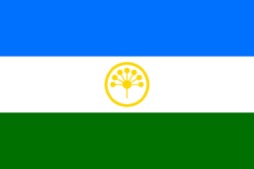
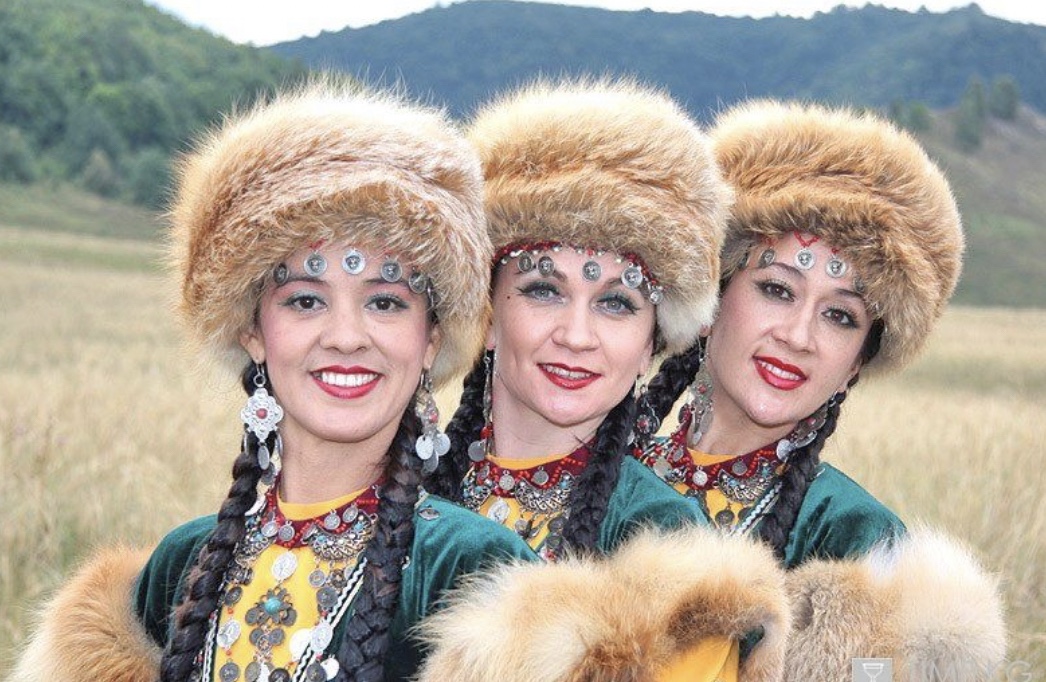
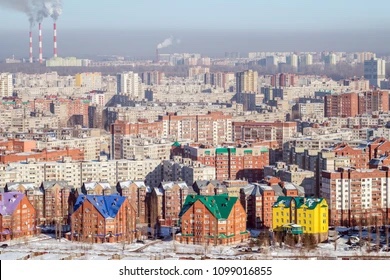
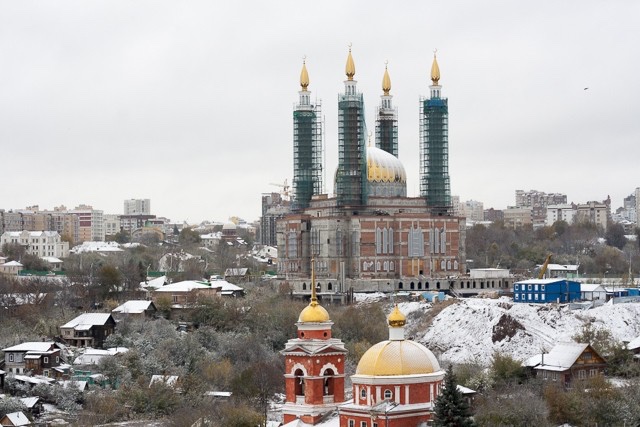
Bashkortostan is also known as Bashkiria/Башкирия/Bashkiriya. The names Bashkortostan and Bashkiria derive from the name of the Bashkir ethnicity. This is authentic Turkic naming, with baş in Turkish meaning “head, chief, main, principal”, and qort meaning “wolf”. Wolves are one animal which is regarded as sacred to contrastively serene Turkic peoples, representing bravery, strength, pride and agility. Meanwhile, the suffix -stan comes originally from Persian but is featured in many Eurasian territorial names. The Bashkirs speak Bashkir / Башҡортса / Bashqortsa / Башҡорт теле / Bashqort tele, a Kipchak/Kypchak/Qypchaq/Northwestern Turkic language alongside Tatar, Crimean Tatar, Kazakh and Kyrgyz. The Kipchak peoples are THE Turkic peoples (the central honour being ultimately held by the Kyrgyz), heirs to the tools with which to best work the hereditary cultural “pinnacularity”. The “Honorific” Tongues are spoken by approximately 28 million people. Bashkir has 1-2 million native speakers currently.
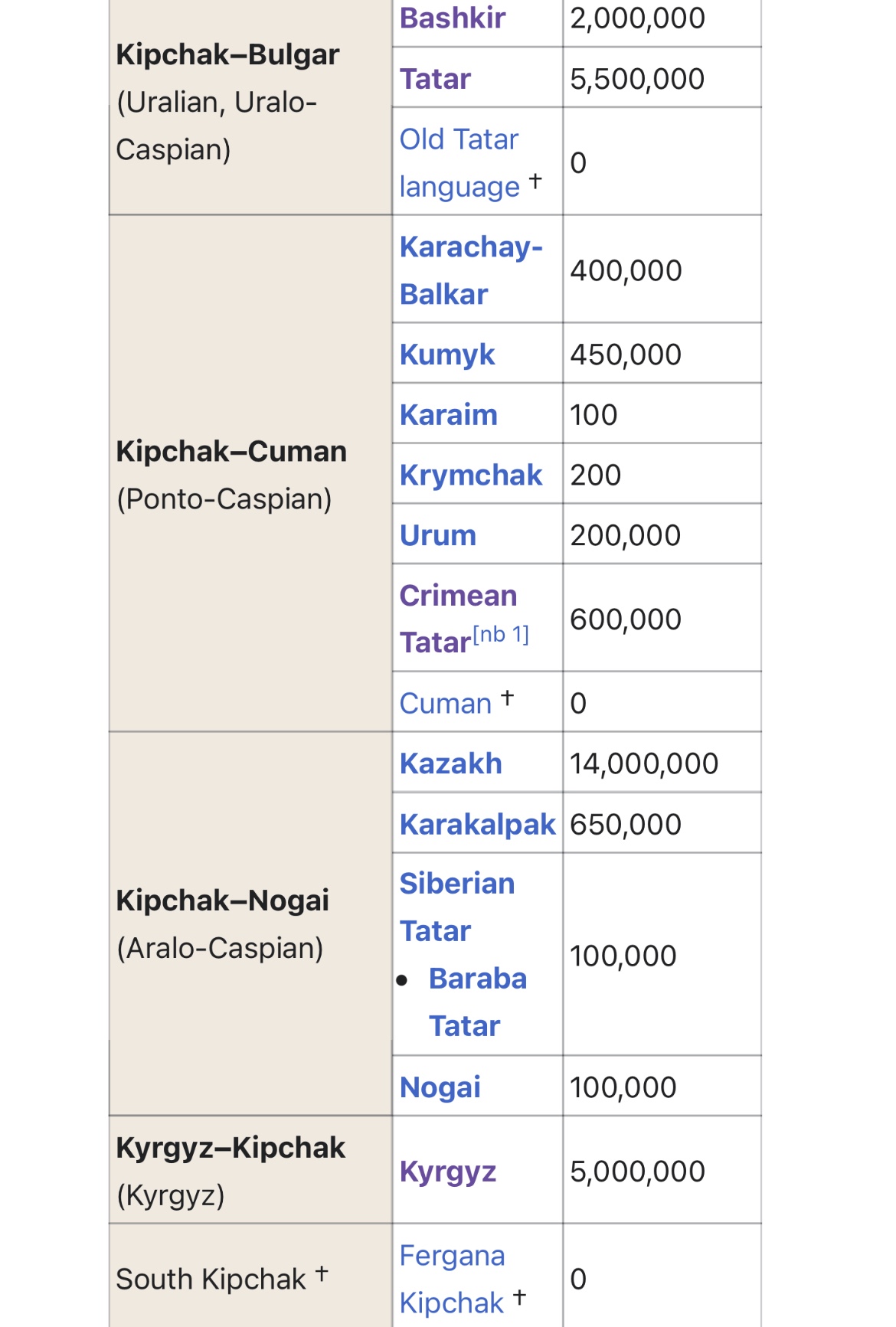
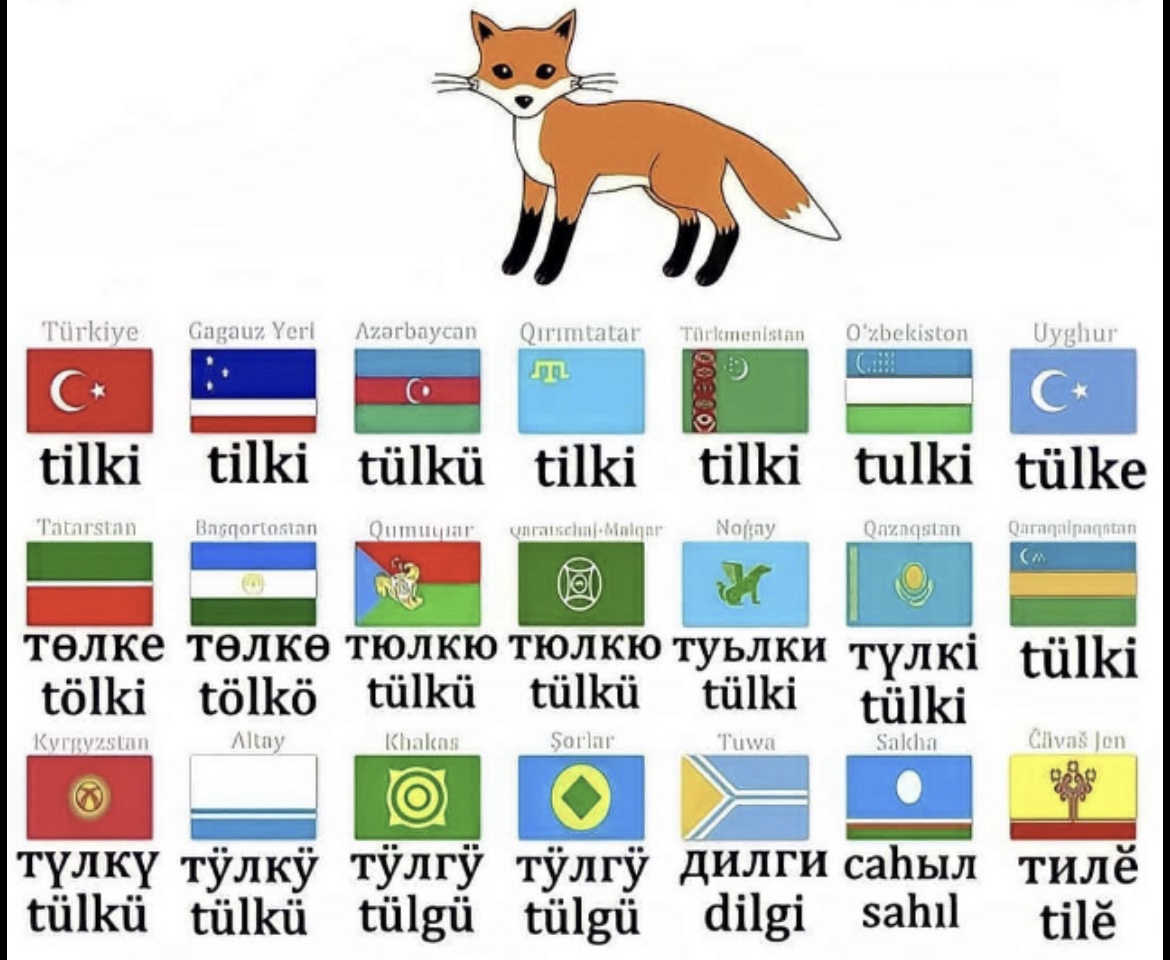
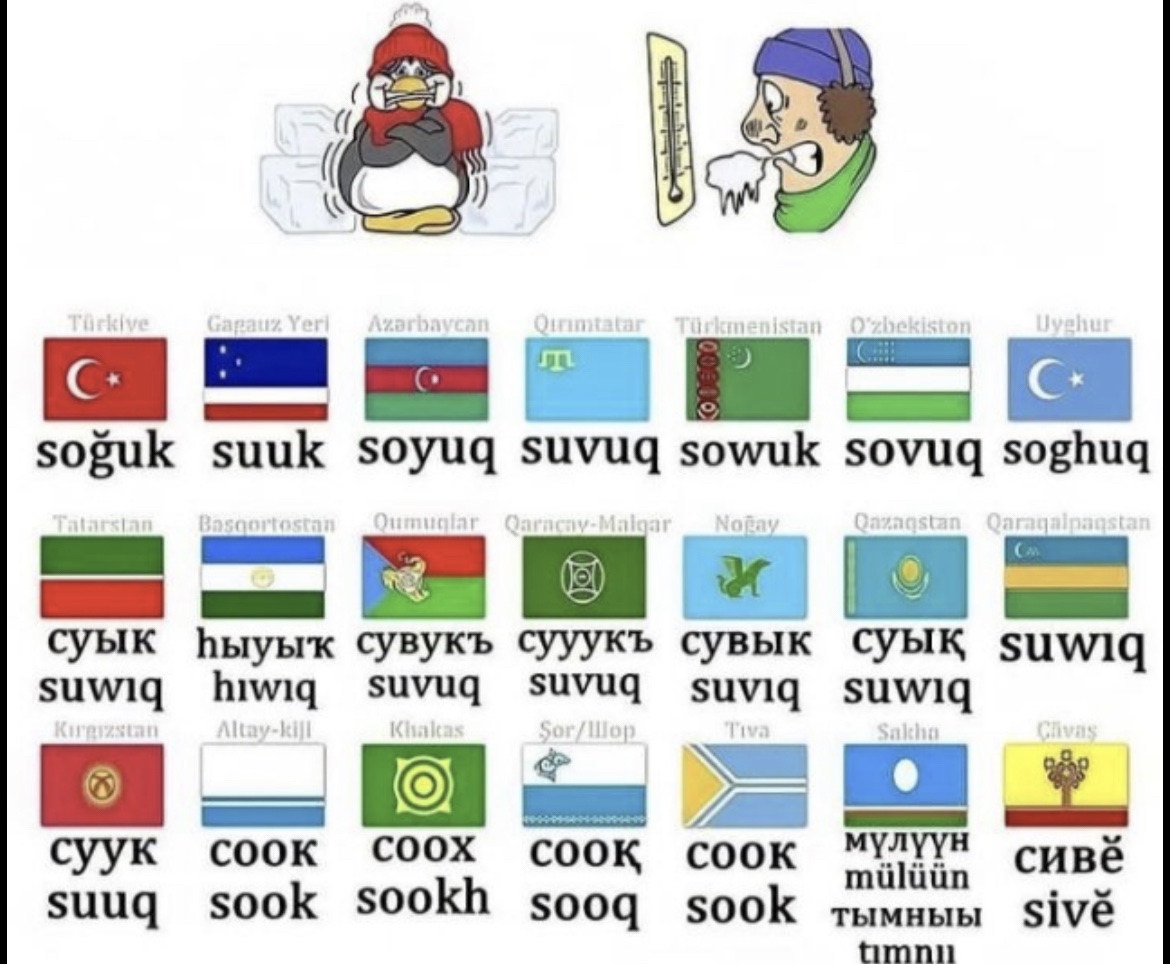
The Bashkirs settled their land while it was under control of the Mongol Khaganate of Kipchak from the 13th to the 15th century. They were originally nomadic pastoralists. The area passed into Russian hands in the 16th century, and today ethnic Russians far outnumber Bashkirs in Bashkortostan.


They are the strong Turkics.


Every single variant of Turkic culture was cultivated purposefully, subversively so that it can alternatively be dismissed from a negative light if it so best suits the onlooker. A precious touch employed by these Pinnaculars to keep it classy. For example, the Bashkirs are the strong Turkics, or alternatively the brash, brazen ones. The Kyrgyz are THE Turkics, the heart-warmers, alternatively the boring ones. The Ottomans were the dark Turkics or the creepy ones. The modern Turks are the bedazzling Turkics, or the pompous, pretentious ones. The Azeris are the extra Turkics, or the flashy ones. The Uyghurs are the neutral Turkics and the pathetic ones. This is on purpose to extend an impression of understanding.

The Volga is the longest river in Europe. It flows through Central Russia into Southern Russia and then into the Caspian Sea. Four of Russia’s ten largest cities lie within the river’s drainage basin, including Moscow. It is regarded as the national river of Russia, and historically served as an important meeting point for different Eurasian cultures. The name Вoлга / Volga comes from the Proto-Slavic *vòlga “wetness”. The river has symbolic value in Russian culture, literature and folklore, often fondly called Волга-матушка Volga-Matushka (Mother Volga). The image of the Volga is comforting to otherwise aloof Russians. To be a passive minority Turkic people dwelling in such a prime location, within the Volga federal district of Russia, is truly a remarkable honour for humble folk like the Bashkirs.


The Buzz-Concept of Bashkort is classiness.
The four layers of Bashkort / Башҡорт теле / Bashqort tele:
- Classiness
- Honour
- Bashkortiness
- Precision
Meanwhile in Bashkort…
- Һаумыһығыҙ! — Hawmıhıhığıź! — Hello!
- Cәләм! — Säläm! — Hi!
- Рәхим итегеҙ! — Räxim itegeź! — Welcome!
- беp — ber — 1
- ике — ike — 2
- өc — ös — 3
- эйе — aye — yes
- юҡ — yuk — no
- Барлыҡ кешеләр ирекле, дәрәжәләре һәм хоҡуҡтары тигеҙ булып тыуалар. Улар аҡыл һәм выждан эйәһе һәм бер-береһенә ҡарата ҡәрҙәшлек рухында хәрәкәт итергә тейештәр.
- Barlıq keşelär irekle, däräjäläre häm xoquqtarı tiñ bulıp tıualar. Ular aqıl häm vıjdan eyähe häm ber-berehenä qarata qärźäşlek ruxında xäräkät itergä teyeştär.
- All human beings are born free and equal in dignity and rights. They are endowed with reason and conscience and should act towards one another in a spirit of brotherhood. — (Article 1 of the Universal Declaration of Human Rights)
The Buzz-Concept classiness of Bashkort serves to ensure cohesion by firmly solidifying beneficial norms within their collective psychology.

How #~Tatar can you go?
Bashkir is closely related to the Tatar language / татар теле / tatar tele / تاتار تلی / татарча / tatarça. Tatar is spoken by the Tatars/татарлар/tatarlar/تاتارلر of Tatarstan. The Tatars have historically integrated well into Russian society, with many noble families from the Tsardom of Russia and the Russian Empire having Tatar origins, while also maintaining a degree of sovereignty. Volga Tatars make up 53% of the population of Tatarstan, with over 5 million ethnic Tatars estimated to be living in Russia today overall. Volga Tatars or Tatars proper are distinct from Crimean Tatars and Siberian Tatars, who exist on separate branches of the Kipchak family. The confusion is because the name Tatar was originally applied of anyone who came from the broad region of Tartary, a vast landmass of Northern and Central Asia bounded by the Caspian Sea, the Ural Mountains, the Pacific Ocean, and the northern borders of China, India and Persia, used back when the region was largely unknown to European geographers. The form Tatar came to Europe from the Turkish and the Persian tātār, “mounted messenger”. The extra r was incorporated into Tartary in the wake of the widespread devastation spread by the Mongol Empire in suggestion of Tartarus, a Hell-like realm of ancient Greek mythology.
The Buzz-Concepts of Tatar / tatar tele / tatarça:
- #GRACE#зифалык#zichalyk
- #PERFECTION#камиллек#kamillek
Meanwhile in Tatar…
- aqqoş • swan
- kamka, čuar tarakan • ladybird
- Sälâm • Hello
- Hälläregez niçek? • How are you?
- İsemegez niçek? • What is your name?
- Minem isemem… • My name is…
- Min bik şatmin • Nice to meet you
- Söyenderü • Please
- Räxmät • Thank you
- Zinhar • you’re welcome
- häm • yes
- yuk • no
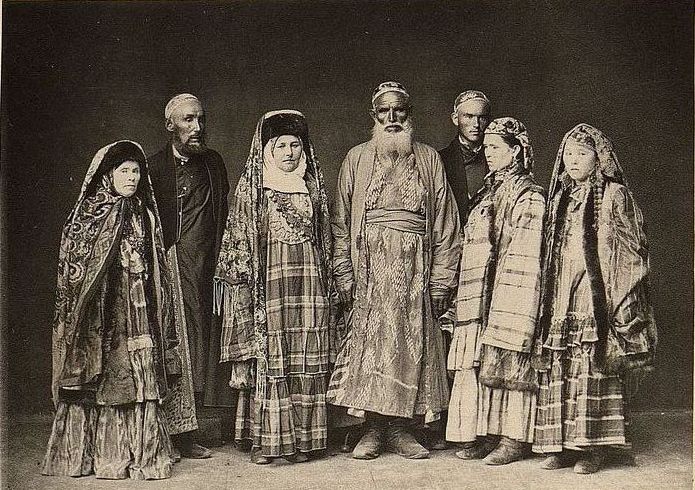
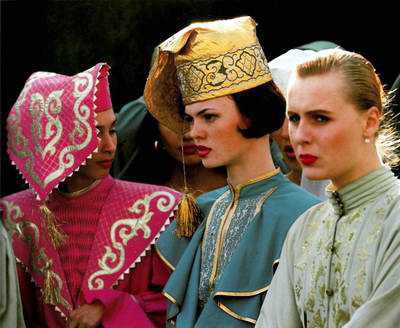
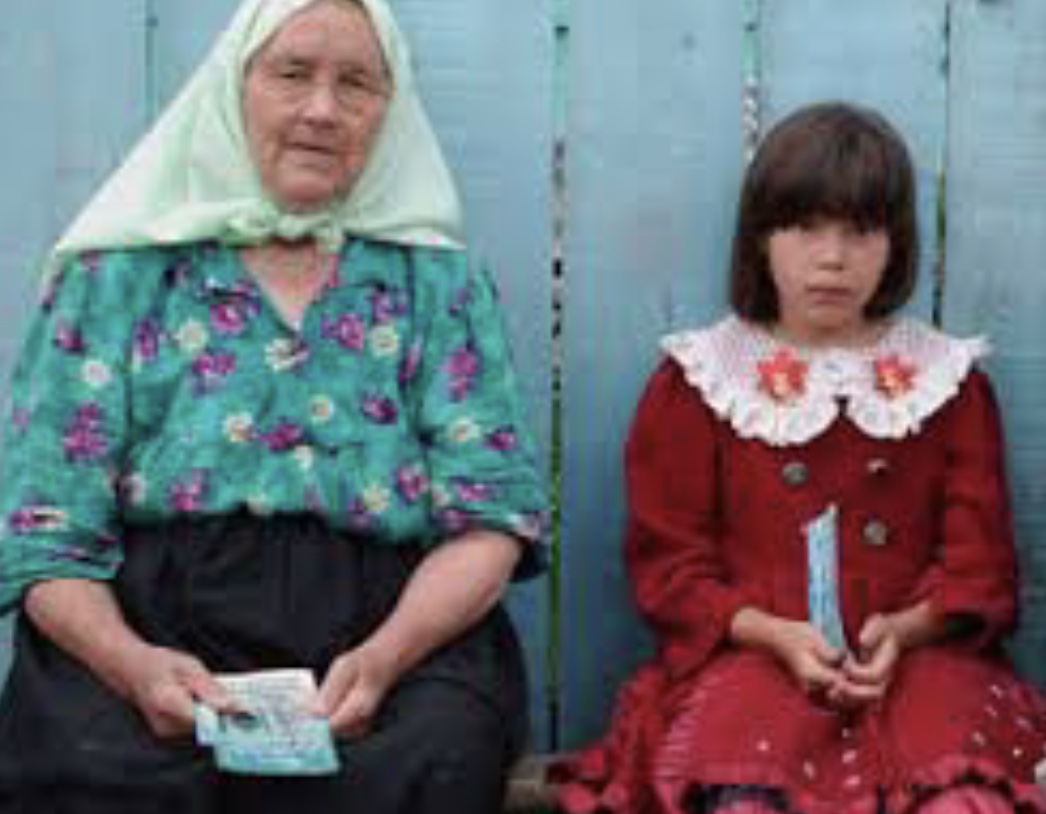
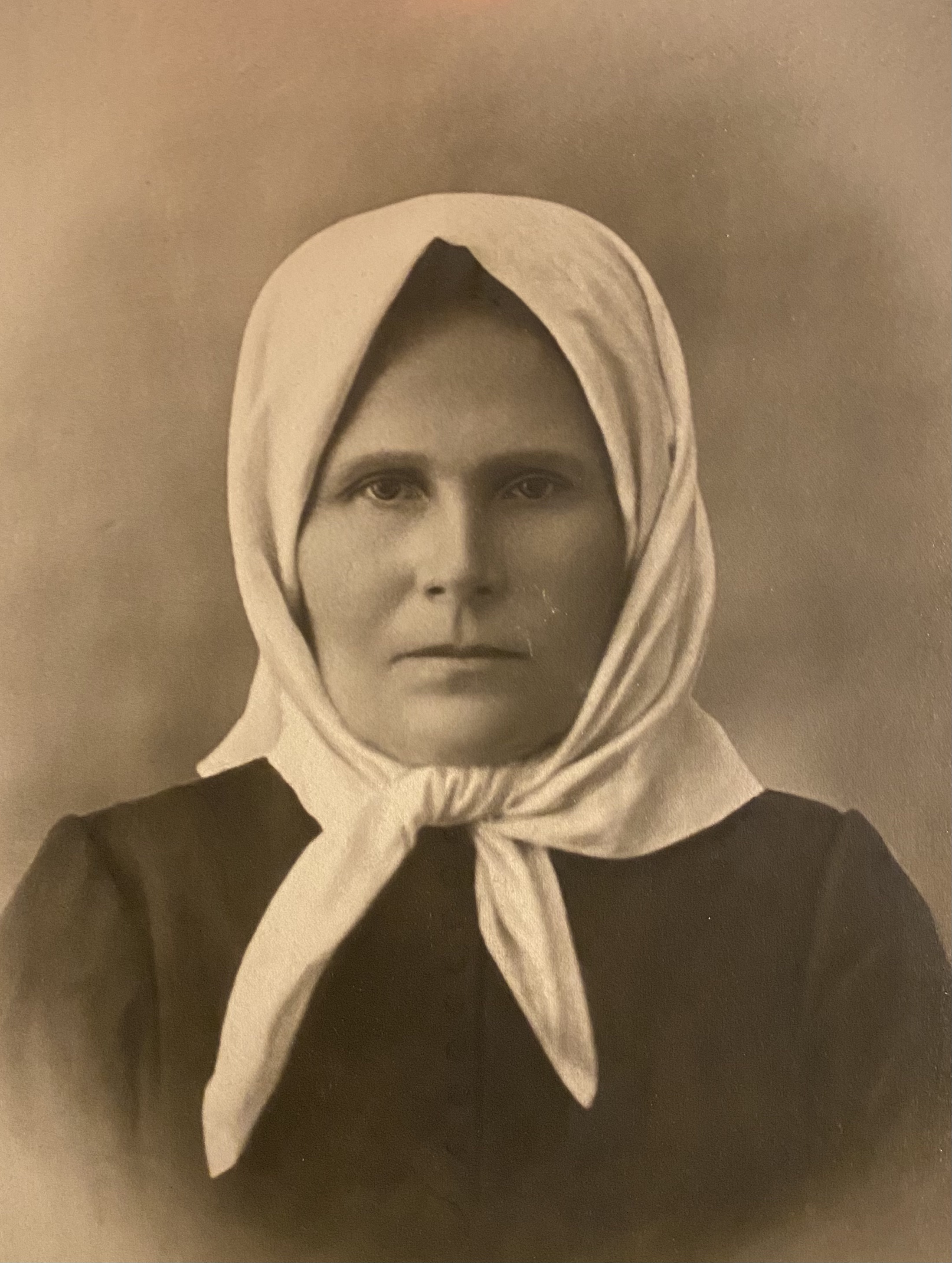
The Kyrgyz / Kirgiz / Kirghiz are THE Turkic people. Most Kyrgyz today dwell in the independent former Soviet nation of Kyrgyzstan (Kirgiziya in Russian). Minorities also live in Afghanistan, China, Kazakhstan, Tajikistan and Uzbekistan. Today, the Kyrgyz constitute 3/4 of the population of Kyrgyzstan, and have been based there since the 17th century at least. Kyrgyzstan became independent from Soviet rule in 1991, their cultural “pinnacularity” having long been tragically suffocated and overshadowed by the Soviet régime. A consequence of this was that when they first emerged from the haze, the Kyrgyz language lacked sufficient modern technical vocabulary for educational purposes, keeping down education levels. Nonetheless, they had a rich oral literary heritage to soften the fall.
The Kyrgyz came to Kyrgyzstan originally from present-day western Mongolia. In ancient Chinese sources, the Kyrgyz tribes were described as having fair skin, blue or green eyes, even red hair, and with mixed European and East Asian features. Kyrgyz history allegedly dates back to 201BC, and they lived in the upper Yenisey River valley, central Siberia. Traditionally, the Kyrgyz have been semi-nomadic herders, living in their round yurts and tending to their sheep, horses and yaks. The population of Kyrgyzstan is unsurprisingly rural: only 1/3 of the population live in urban areas and the average population density is 25 people per km2. The entire population was estimated at 6,586,000 as of August 2020.
The four layers of Kyrgyz / Кыргызmva тили / Kyrgyz tili / قیرغیزچا / Kırgızça:
- Discernment
- Honour
- Kyrgyzz✨
- Free will
Meanwhile in Kyrgyz…
- Salamatsyzby. / Hello.
- Salam. / Hello (informal).
- Kandaysyz?/Kandaisiz? / How are you?
- Siz menen tanyshkanyma kubanychtamyn. / Nice to meet you.
- Ooba. / Yes.
- Jok. / No.
- Jakshy kalgyla/Jakshuh kalgula/Jakshy kalyngyz. / Goodbye.
- Bir / one
- Eki / two
- Üch/ooch / three
- Tört/turt / four
- Besh / five
- Körüshpögönübüzgö kancha boldu / long time no see
- Men seni sagyndym / I miss you
- Men seni süyöm / I love you
- Tokto! / stop!
- Bir ele ene tilin bilüü jetistüü emes./Bir til azdyk kylat. / One language is never enough.
- Kichine / small
- Chong / big


Why should you care?
The Turkic peoples are partly descended from one of the world’s primary races, who were the Original Pinnaculars of the human population. This goes way back to tens of thousands of years ago, in fact, and I think the modern Turkic cultures are pivotal to world heritage. For a long time, human activity itself revolved overwhelmingly around the “Turkicosphere” in many ways as descendants of the Original Pinnaculars. We sought to measure up to them. We idolised them. Every Turkic culture has a would-be should-be “Classical” facet, since cultural classicism literally revolves around celebrating cultural “pinnacularity”. That’s literally all there is to it – to the legacy of Ancient Rome, Greece, and whoever else.
When the Pre-Turkic race left Africa, albeit much later than other races, they had become the Original Pinnaculars of the human population and spoke the Language of Cohesion. By definition, they stood for the best that humanity had to offer. They even held their own as the world’s most wondrous people until Europeans began to outshine them. What you would want to see in your fellow human beings is literally precisely what the Turkic world continues to stand for. Those Central Eurasian nomads are exactly what you would most want them to be in light of the circumstances we all find ourselves in. Turkic peoples are obsessed with harmony.


More recently, the Turkic peoples descend from agricultural communities in Northeast Asia. They settled in Mongolia at the end of the 3rd millennium BC and would then adopt a pastoral lifestyle. The beginning of the 1st century BC saw them become equestrian nomads. They mingled heavily with neighbouring Mongols and other East Asians, giving them a somewhat Mongoloid i.e. Oriental aspect, and they don’t look like the original Turkic race anymore.
Turkic people have always liked to give their women a special form of dreaming privilege. Affording this of the Turkic woman creates a sense of collective harmony that bleeds into everything they accomplish. At some point, however, they realised that outsiders had begun to find the resulting naivety and sheltered sensitivities of Turkic women irritating, and so they cultivated tact to keep everyone happy. Indeed, Proto-Turkic was the Language of Discretion and it buzzed about tact. They had the idea for the Buzz-Concept before they instituted the language —coming to prefer the gentle, organic ebb and flow of the human experience over the incessant buzz of affected cultural dynamism; they conversely let the Buzz-Concept tact guide them in promoting universal peace between peoples and races. It has been estimated that the Proto-Turkic language was spoken about 2,500 years ago.
The original notion of class as in classiness i.e. good form was instituted not by any great European culture but by the Proto-Turkic people. Before this, however many thousands of years ago, the Turkics were characteristically astute – no longer qualifying as such. The original Proto-Turkic classiness existed to spread harmony and fulfilment indiscriminately across the world to enable us all to rise higher. Now, it’s a hallmark of shallow cut-throat élitism, used cunningly to reinforce a toxic competitive social pecking order. Be aware of this while others buy cluelessly into the visions that lead the fashion scene: is that really how it’s best done?


 The Buzz-Concept Project