


The “Orientalesque” languages
The “Orientalesque” languages are a family whose existence I have proposed myself! It encompasses the Oriental languages of East Asia, including Chinese, Tibetan, Burmese, Mongol, Japanese and Korean, and all the Amerindian languages of all the different pre-Columbian peoples of the Americas (and Siberia). Every single Orientalesque language is at least technically “a language of intellect”. They are the “Conceptual-Abstract” Tongues. It divides up into the Oriental languages i.e. the “Efficient” Tongues and the Amerindian languages i.e. the “Boundless” Tongues. All of these languages were once Super-Tongues, but this trait has been subdued in the Amerindians following the introduction of European hegemony. I really think that this proposal of mine is revolutionary, because, after all, resemblance is ultimately exceedingly minimal from one end of the family to the other. These languages don’t have vocabulary in common, nor resemblance that can be identified by ignorant eyes. I have ascertained that every language has its own special ideology of sorts, and it is through this angle that I identified this primary language of the world. Many Americans are currently dissatisfied with the current classifications of their indigenous languages as supposedly belonging to a multitude of totally different, separate, small primary language families. They have observed that there is a great deal of contiguity between all the indigenous cultures of the Americas. This has led many before me to conclude that the Amerindian languages are all related to each other, and that philologists must be pretentious scumbags. I have additionally incorporated the Oriental languages into the mix, spread across a prehistoric Beringia land bridge that has since been submerged in the sea, to present the “Orientalesque” family. In corroboration of my ideas about the Oriental languages, I know that Oriental peoples have been maintaining strong psychological bonds and alliance between each other for as long as anyone can recall. The alliance revolves around loyalty to each other formed out of a shared consciousness of the concept of “linguistic superiority”, which “Oriental” peoples all have in common. They are all Super-Tongues for enhancement for the capacity for reason, and this can surely be no coincidence. Spearheaded by Japan, the informal alliance has been cunningly aligned with entities like the European Union.

Crossing Beringia
The Amerindians’ ancestors originally came from East Asia. According to archaeologists, the Americas were the last continents to gain human habitation. Glaciation from the last ice age caused falling sea levels to give to a land bridge between Siberia and Alaska. Some Orientalesque innovators broke away, deciding to explore the intriguing land bridge and would end up settling in the Americas to become the Amerindians some 15-30,000 years ago. On the first crossing they had the idea for the Buzz-Concept infinity. It was cold and the landscape was so dramatic. To cope with the harsh conditions, minds went into overdrive and got sort of creative. They developed tunnel vision. They got creative to overcome their sombre mindsets. From this and excitement about potential adventures ahead the Buzz-Concept infinity and thus the Amerindian languages were born!

The Alaskan heartland
Once the very first Americans has successfully settled in Alaska, northern Canada, and even on the Bering Strait (for thousands of years before it closed up), they found themselves impressed by their new surroundings. The Buzz-Concept infinity had initially been dismissed as silly but when they got to know their new land they found themselves more than sufficiently inspired to launch it instead. In honour of the striking contours of the Alaskan heartland, a guideline was established for the further development of any budding new Amerindian cultures and languages. Groups would in due course be sent back over to East Asia and Siberia to mark these developments in human history. Meanwhile in Alaska, everyone was to stick ruthlessly to the sacred foundations of the Amerindian sphere(s), in honour of the happenstances that engendered it, in particular the ideation of the Buzz-Concept infinity.


Heading southwards
Those who managed to come up with elaborations that were ingenious and functional enough would be given the go-ahead to dislocate and carve out their own strand of Amerindian heritage. They would only then be allowed to build on the sanctified kindling – strictly in a way that still symbolically pays suitable homage to the sacred journey. Accordingly, each different indigenous culture of the Americas is symbolic of the origin of their collective “sphere” via the creation of the Buzz-Concept infinity on the fateful Beringia crossing. Every single one, or it would not work out. By the time they reached South America, the Buzz-Concept infinity had morphed into omnipotence, as their surroundings became paradisiacal. Ever wondered why South Americans are stubborn? The famous Mesoamerican Aztecs have preserved, therefore paying eternal symbolic homage to, the intellectual undertakings of the migrants, including the spiritual, philosophical, ideological minutiae of the very process of the ideation of the Buzz-Concept infinity, in fact. And it is indeed the Aztecs/Nahua who are THE Amerindians because of that. When they entered South America through what is now Panamá to populate this new continent, they took heed of how far they had come since the very first crossing and the closely related Buzz-Concept omnipotence was duly instituted, also to symbolise the blissful tropical environment they were to be settling in.


At the top of the chain
The Yup’ik of Alaska and Siberia are the absolute most astute of all the characteristically astute Amerindian peoples. Nope, the astuteness did not further accumulate in southerly voyages. The indigenous peoples of Siberia, Alaska and northern Canada have always ruled the roost, so to speak, rather than the Central American Nahua mentioned above. On a very straightforward premise, the Yup’ik have faithfully preserved the original Amerindian culture that was set up upon arrival. The part of the journey that their culture symbolises is the rewarding culmination, while other Amerindian cultures pay homage to particular little details of the voyage. The Siberian Yupiks, better called Yuits / Юиты were sent back over to Siberia after the sea levels had returned to cover the land bridge to mark the change. Yuits and other Siberian Amerindians are notoriously stubborn and insular-minded because they were sent back with such a specific uncompromising charge to mark a development of human history. The Yupik languages are Eskimo-Aleut languages, “Catalystic” Tongues, along with the Inuit languages. Inuit culture, for its part, pays homage to the sensation of the inspiration that accompanied their arrival in the Americas. This process was what inspired igloo design. Ever wondered why igloos are so striking and captivating?


Next up…
Next come the Na-Dené/Athabaskan languages and peoples. The Na-Dene languages are the “Innovative” Tongues. Peculiarly, these peoples are distributed due south of their Eskimo-Aleut cousins, with many also dwelling, however, in a distant isolated part of the southern United States. These cultures have symbolically conserved the settlement and integration stages of the foundation of the “Amerindiosphere”, particularly the reflective period that followed. Navajo / Navaho / Diné bizaad / Naabeehó bizaad, the most spoken Amerindian language in the United States of America, with around 170,000 native speakers as per a 2015 census, is spoken in the states of New Mexico, Arizona, Colorado and Utah. Navajo is moreover a Southern Athabaskan language, like Apache of the Apacheria/Apachería region. Navajo is the Language of Innovation and Apache the Language of Synergy/Synergism. Together the Southern Athabaskan languages are the Languages of Coaction/Co-activity.



The Koyukon effect
Back up north in the Alaskan heartland, we also have the Koyukon language / Denaakk’e… On the first Beringia crossing, there were two packs: the sturdy pack and the benevolent dreamers. The benevolent dreamers would perish, unable to be saved by the sturdy pack… the Koyukon pay homage, strikingly, to the sensation of what I call “The Loss”, commemorating the “bangers” of potentially alluring cultures in vitro and captivating people that were also lost, even the loss of the baby Buzz-Concept fancifulness in whatever form it originally existed. Koyukon / Denaakk’e is the Language of Meditation/Meditativeness. Its Buzz-Concept is boundlessness, secondary Buzz-Concept intrigue. Contemplating the existence of the Koyukon kind of has a calming effect, no?…


The Language of Sempiternity
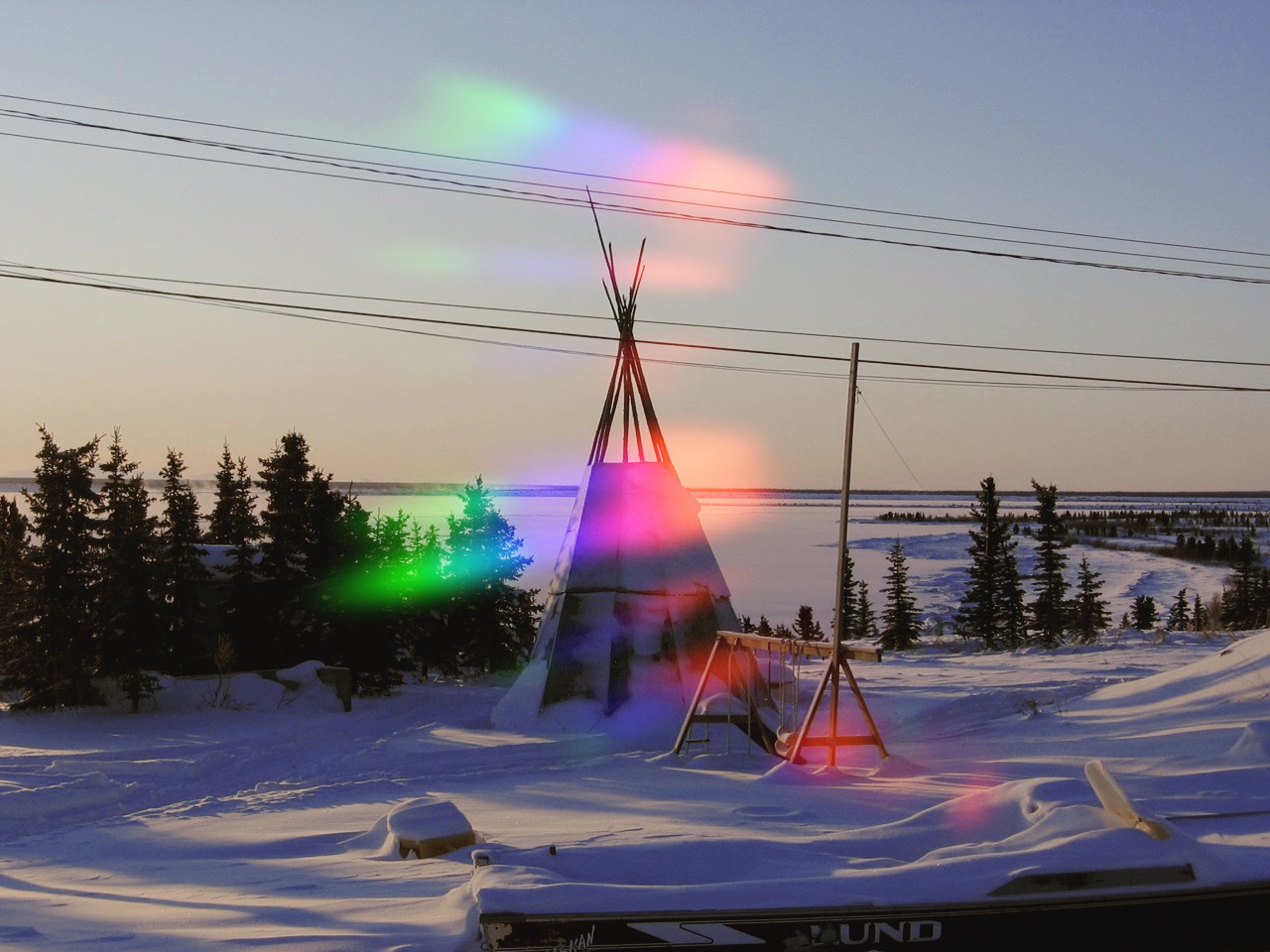
The last Athabaskan people (I really like them, can you tell?) I we be highlighting is a Canadian one: the Dogrib/Tłı̨chǫ of Canada’s Northwest Territories. Like Koyukon, Tlicho / Tłı̨chǫ Yatıì / Dogrib is a Northern Athabaskan language. The primary Buzz-Concept of Tlicho is boundlessness as in Koyukon. Its secondary Buzz-Concept, meanwhile, is (re)assurance. The Language of Sempiternity. A nice one, no?Why the Language of Sempiternity/Sempiternality? Well, the Tlicho symbolically commemorate the feeling of consolation when the revolutionary idea for the Buzz-Concept infinity was solidifying and they no longer saw their own bounds. It was of course a happenstance that would come to resound infinitely, sempiternally within and beyond humanity. Tłı̨chǫ Yatıì really exists to encapsulate that jazz. The Tlicho are obsessed with dusk.



~Algonkinism~
Next we have the Algonkin/Algonkian/Algonquian/Algic languages, which include the most spoken indigenous language of Canada, Cree. Cree / ᓀᐦᐃᔭᐍᐏᐣ / Nēhiyawēwin is the Language of Lucidity. In this group we also have Mohican and Ojibwe/Ojibway/Ojibwa/Chippewa. The Algonkin languages (as I now prefer to call them, for reasons I can only attribute to good vibes) are the Hyper-Logical Tongues; Ojibwe / Anishinaabemowin / ᐊᓂᐦᔑᓈᐯᒧᐎᓐ is the Language of Animation, and Mahican / Mohican / Mã’eekaneeweexthowãakan is/was the Language of Energy/”Energism”. The Algic peoples have symbolically preserved the quest for, attainment of, and commitment to absolute “linguistic supremacy” of the very first Amerindians. The “Hyper-Logical” Tongues: note that lucidity, animation and energy are essential traits when it comes to being logical.


The Iroquoian buzz
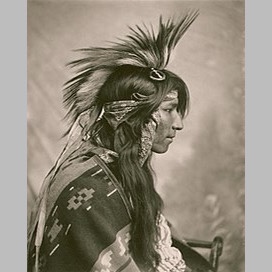
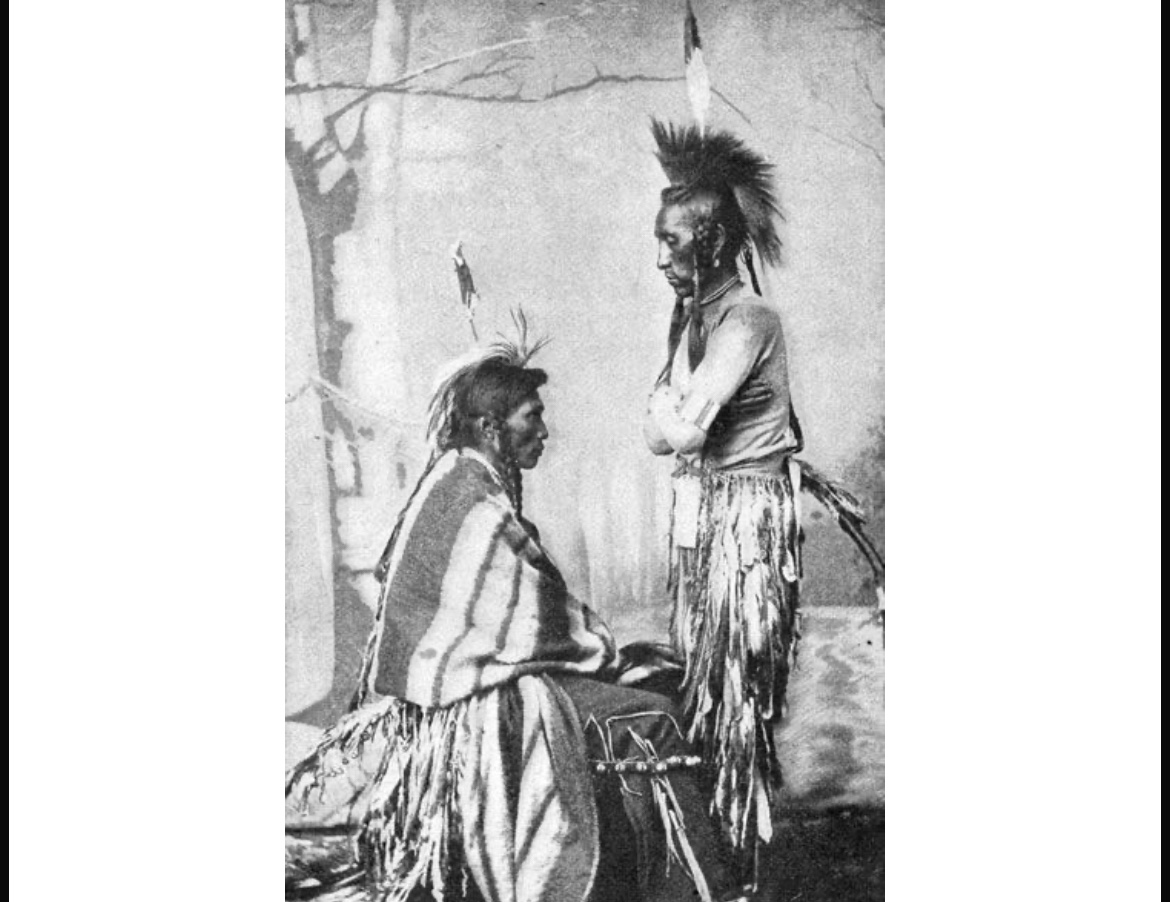
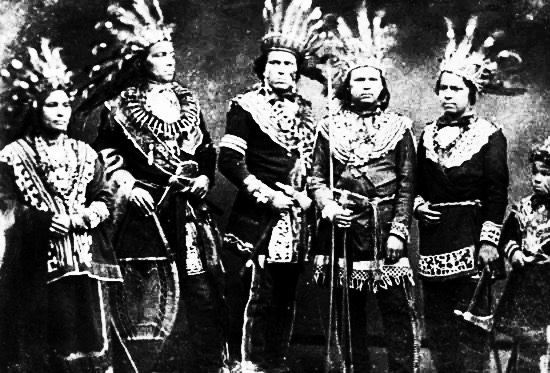
Moving down from there we have the Iroquoian languages: these are the “Inventive” Tongues! These languages include Mohawk / Kanienʼkéha and Cherokee / Tsalagi / ᏣᎳᎩ ᎦᏬᏂᎯᏍᏗ / Tsalagi Gawonihisdi. Ever wondered what it is that gives the people of New York State their distinctive buzz? It’s their Mohawk heritage.
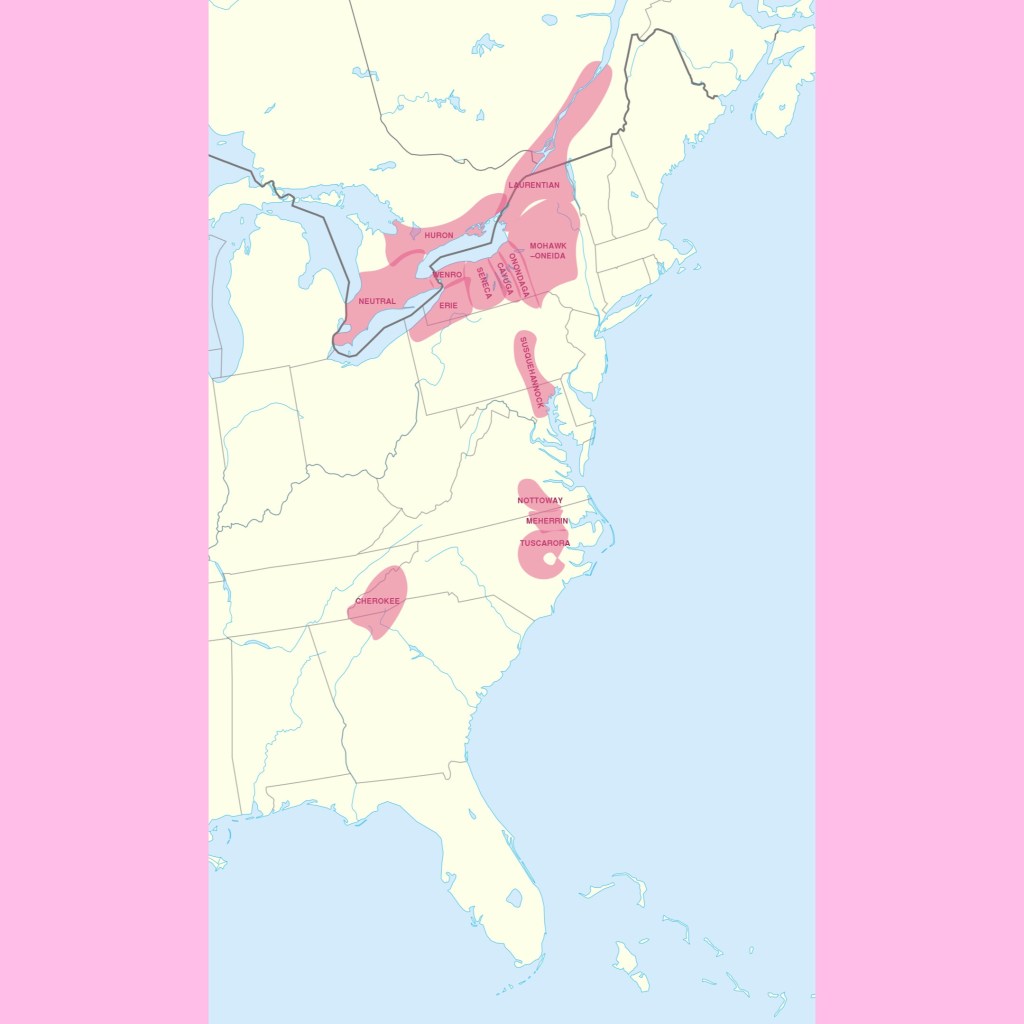

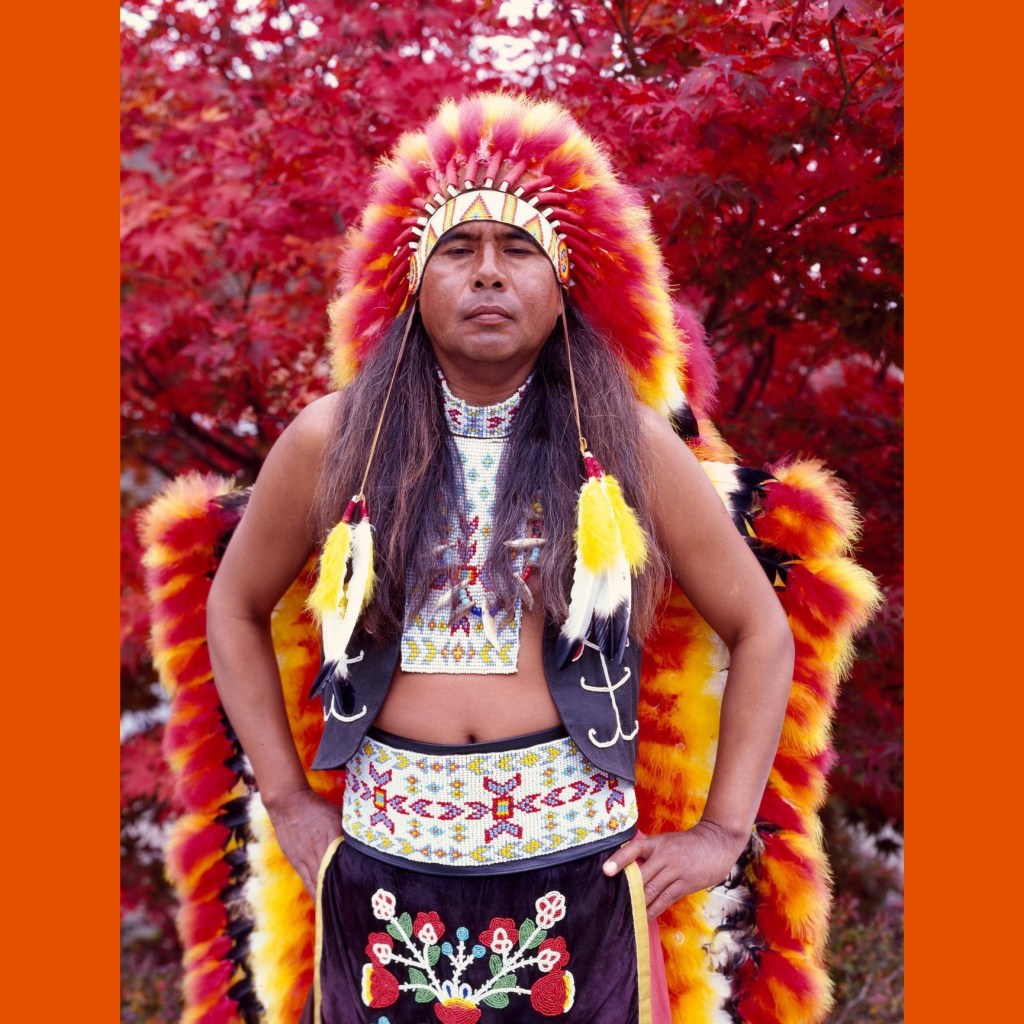

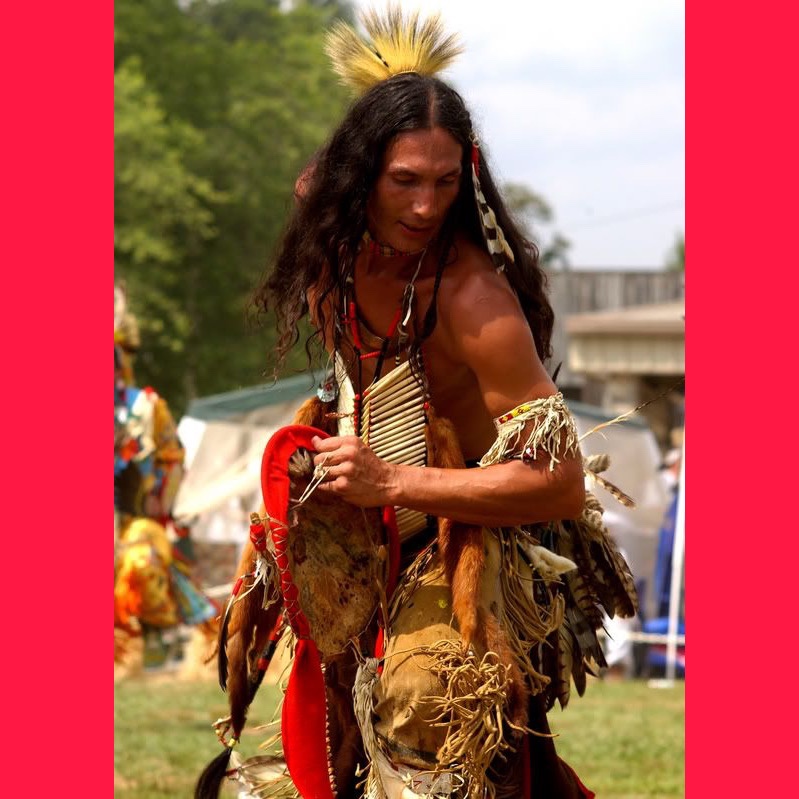
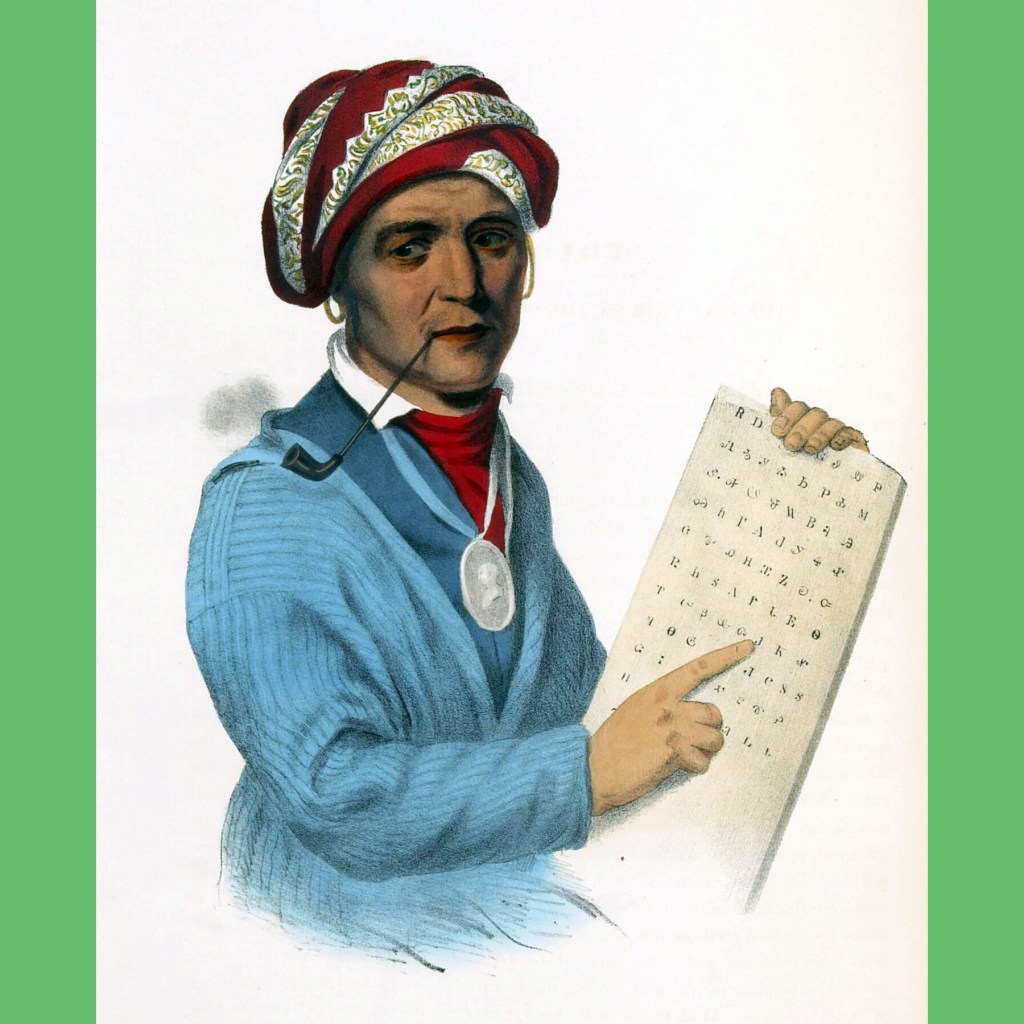
Cherokee is the Language of Ideation, FYI.


And now we have the “Evaluative” Tongues
We also have the Muskogean languages of the American southeast, including Choctaw, Alabama, Creek, Chickasaw, Apalachee, Coushatta, Miccosukee and Muskogee. The Muscogeans are notably THE Northern Amerindians. The Muskogean variant of the Buzz-Concept infinity is actually traversing/transversity. Muskogean culture is all about getting the hang of adhering to the Buzz-Concept infinity. Choctaw / Chahta / Chahta Anumpa of the Southeastern Woodlands is, for example, the Language of Scrutiny. Its close relative Chickasaw / Chikashshanompa’ of Southeast Oklahoma is the Language of Inquisitivity. Together the Muskogean languages are the “Evaluative” Tongues.
The Buzz-Concept transversity very discernibly in action in Choctaw morphology:
- Ishpimanoolitok. You told us.
- Baliililitok. I ran.
- Akíiyokiittook. I did not go.
- Iyalittook. I went.
- Ilipísalitok. I saw myself.
- Awashlitoko̱? Did she fry it?
- Chahta’ siahokii! ‘I’m Choctaw!’ or ‘I certainly am a Choctaw!’
- Taloowah. He sang.
- Ohó̱bana nittak pókkooli’ oshtattook. It kept on raining for forty days.
- noshkobo’ his/her/its/their head
- Hoshiit itti chaahamako̱ o̱biniilih. The bird is sitting on that tall tree.
- Halito! Hi
- Chi pisa la chike! See you later!
- Yakoke Thank you
- Yammat nanta? What is that?
- chokka house
In Chickasaw:
- Chokma/Hallito Hello
- Chinchokma? Chinchokmataa? Chokma? How are you?
- chokma good
- Anchokma. I’m well.
- Anchomakayni. I’m very well.
- Anchokma ooba. I’m alright.
- Anchokma ki’yo. I’m not well.
- Ishnaako? And you?


Sioux marks the spot
Now, let us look at the Siouan languages. This family is also called the Siouan-Catawban languages. Siouan languages include Assiniboine, Biloxi, Catawba, Crow, Dakota-Lakota, Hidatsa, Hochunk, Kansa, Mandan, Omaha-Ponca, Osage, Otoe, Quapaw. The Siouan-Catawban languages are spoken in Central North America, mostly in the Great Plains, Ohio and Mississippi valleys in addition to pockets in the southeastern US. The Siouans are THE communicators of the “Amerindio-sphere”. The Siouan languages divide up preliminarily into two branches: the Catawban / Eastern Siouan languages of the Carolinas and the Siouan proper / Western Siouan languages.

The small extinct Eastern Siouan languages, actually, were established first, but the Western Siouans are THE Siouans. Within the Western Siouan group, THE Siouans are the Stoney people. The Stoney Sioux dwell a great many miles away from their US relatives in Canada, well above the border. They moved/migrated northwards along the Rocky Mountains and the Great Plains, presumably, to get there – where once upon a time the original Western Siouans had the idea for this new particular strand of Amerindian culture revolving around absolute cultivated hardihood and pluck. Originally, of course, there were more of these Siouans and they inhabited expanses of area stretching from Alberta and Saskatchewan (i.e. Canada) to Montana and beyond, let’s say, but the Stoneys have since been cut off and isolated :,( The Stoneys also go by the name Nakoda. They are related to the Nakota, Lakota & Dakota peoples. In their own language, Nakoda actually means friend, ally. They are THE Siouans, but also the outward-looking Siouans and therefore the genteel Siouans additionally. The name Stoney was given to them mockingly by white explorers because of their technique of using fire-heated rocks to boil broth in rawhide bowls. They are also known as the Mountain Stoneys, Rocky Mountain Stoney, Warriors of the Rocks, Cutthroat Indians.
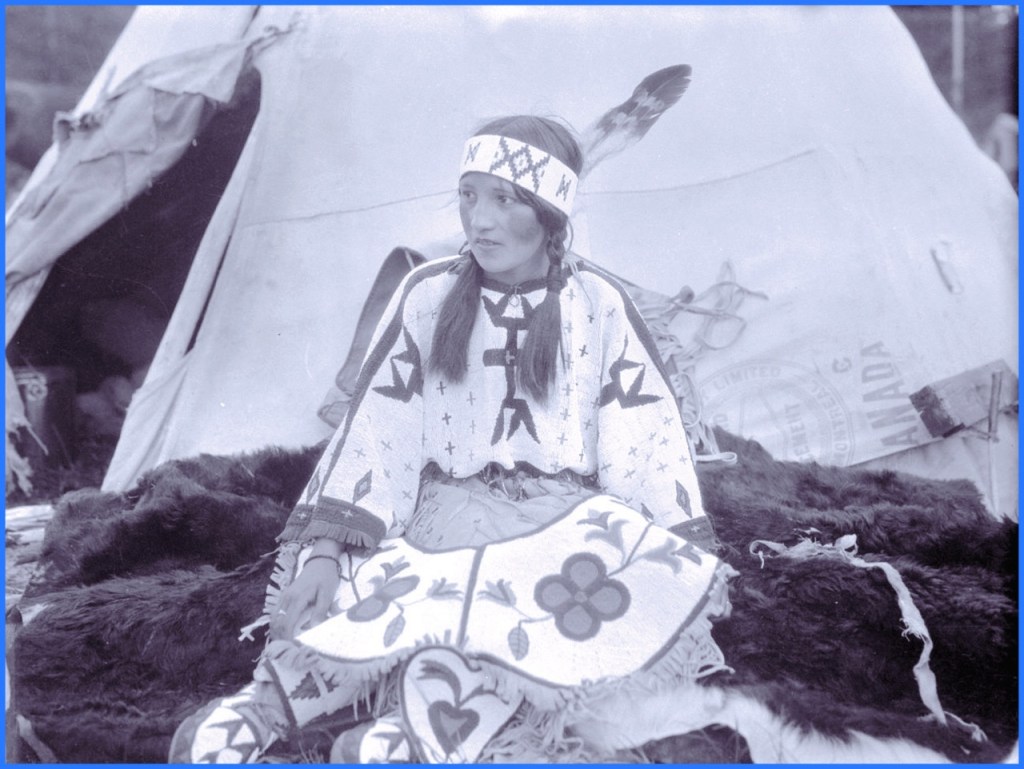
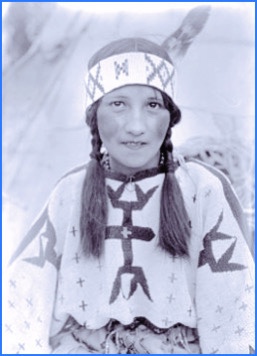
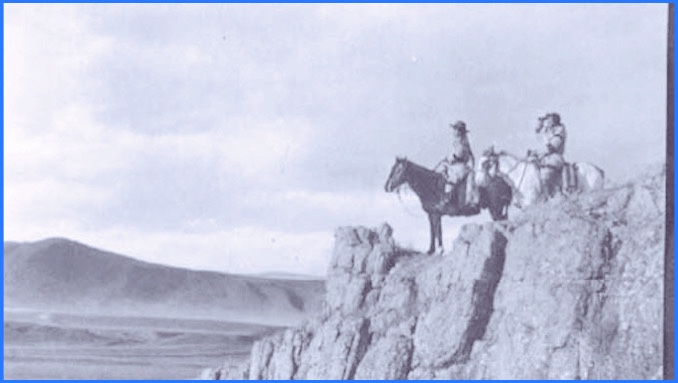
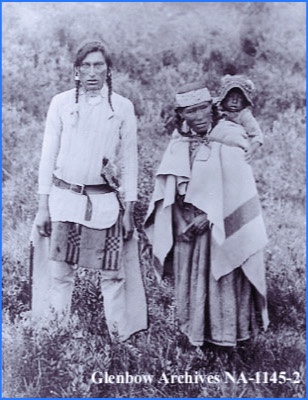
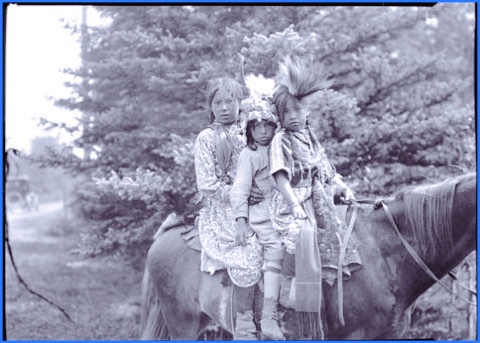
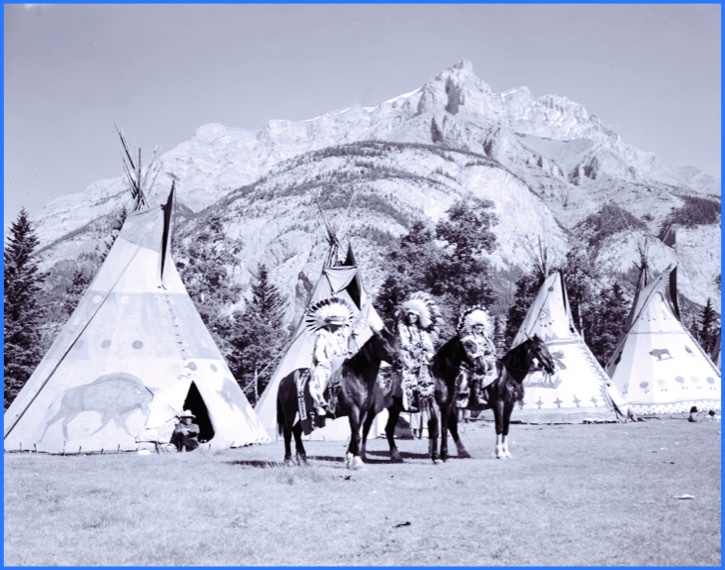
I believe that the S iouan group was originally established as a breakaway from the Algonquians, the Siouans turned off by their stringent “Hyper-Logical” codes. The Siouans are overall the hyper-sturdy Amerindians. Their languages are the “Inferential” Tongues. They naturally pay homage to the sheer hardihood, whose echoes have endured so many ensuing ages of human history, of the original voyagers who crossed Beringia. Within the grouping of the “Inferential” Tongues, the Siouan proper languages are the “Hypothetical” Tongues and the Catawban languages were the “Explicit” (elucidating…? Clarifying…?) Tongues. Siouan-Catawbans see scientific method like we see politics, extrapolation itself like we see productivity. The two Eastern Siouan languages Catawba and Woccon are extinct, but the Catawba Indian Nation remains in South Carolina. The Catawba are also known as Issa / Essa / Iswä / Iswa – in Catawba: Ye Iswąˀ “people of the river”.


The titular Biloxi…
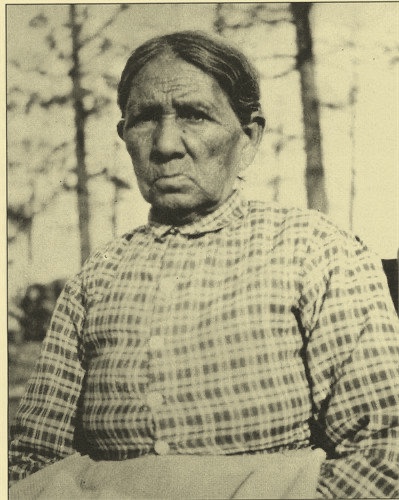
The Biloxi / Tanêks were a tribe native to the states of Louisiana and Mississippi. Biloxi was a Siouan proper / Western Siouan-Catawban language, belonging to the proposed Siouan-Catawban primary language family of the pre-Columbian Americas. Most of Biloxi’s relative tongues are of course spoken further north, the way of the Great Plains and the Rocky Mountains. The Biloxi were first encountered by Europeans in 1699 on the coast of the Gulf of Mexico in a locale near to what is now the city of Biloxi, Mississippi. They were duly edged out west to Louisiana and the eastern fringes of Texas. The Biloxi language has been extinct since the 1930s. It became extinct when the last known native bilingual speaker, called Emma Jackson, passed.
In the Biloxi language, it was called Tanêksąyaa ade. Biloxi is an Ohio Valley / Southeastern Siouan language, related to Ofo and Tutelo.
Interestingly, the word for language in Biloxi, ade, is the same as the word for burn/blaze – well, it’s ade / adê, respectively. Why is there a link here? It has something to do with being mentally on fire. Being mentally on fire was literally the ideal that all Native American cultures traditionally centred around.
The Biloxi have since merged with the Tunica tribe and others. Since the early 19th century, the Biloxi have intermarried with the Tunica tribe. The Biloxi are Siouan-speaking. The Tunica language is an isolate. Since 1981 they have been federally recognised and they now call themselves the Tunica-Biloxi Indian Tribe. They also merged with other “remnant” peoples from other small tribes from the area.
Biloxi words:
- sǫsa • one
- nǫpa • two
- dani • three
- topa • four
- ksani • five
- akuxpe • six
- nąpahudi • seven
- dąhudi • eight
- ckane • nine
- ohi • ten
- Yaxkica daha xyeni nkįxtu ko įkcatu ni. Although you have forgotten us, we have not forgotten you.


What is so special about Biloxi so as to inspire this post? I just really find this a striking point from which to reflect on Amerindian affairs, especially the tragic disappearance of their fascinating languages, once the world’s most stunningly superior, and what is being revealed about wider human society along the way. As exemplified by the palpable supremacy of the Biloxi tongue, the world is undeniably an amazing place, but people mess up. I think the loss of incredible phenomena like the Biloxi language is a big issue. Something to chew over.
 The Buzz-Concept Project