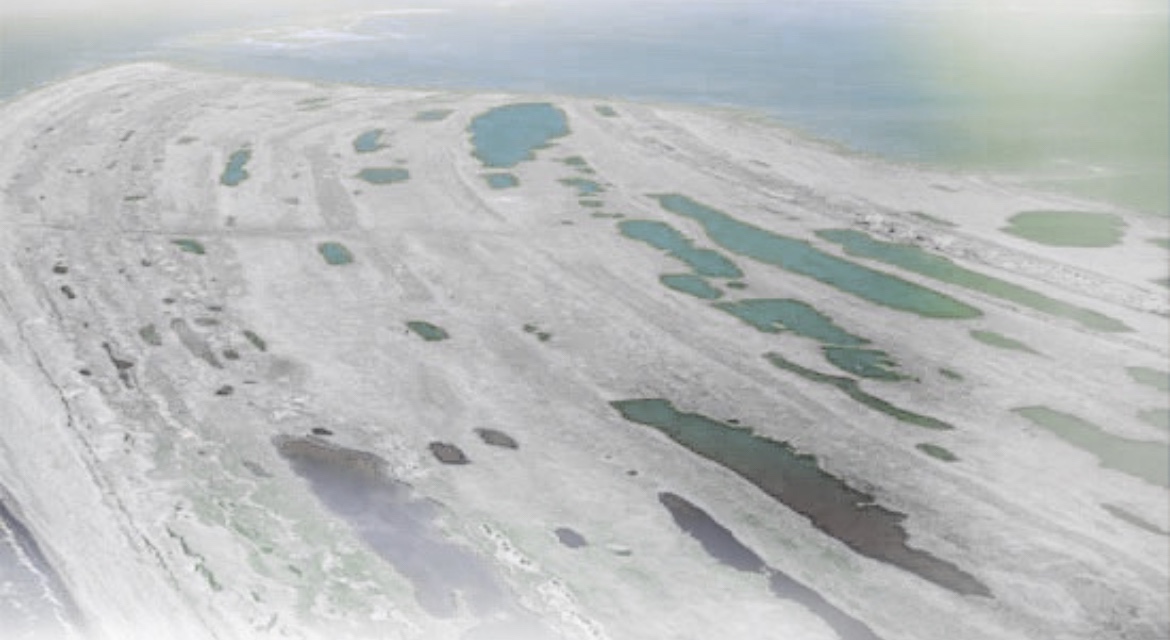


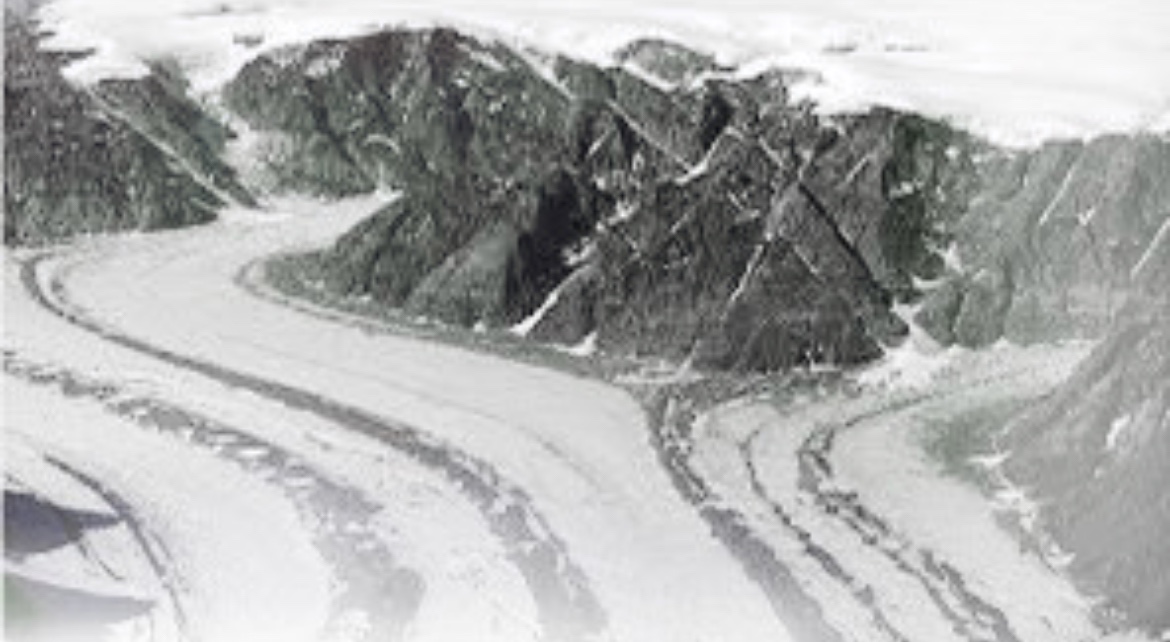



A trip up to glacial Siberian Beringia during the Last Glacial Maximum introduced Orientalesque clan leaders to an intriguing landscape. The land began to slope down, partially covered by striking glacial formations. From one viewing point, many miles in the distance, they could see mountains on the other side of the expanse: Alaska. They got excited, assuming the happenstance was by spiritual providence. They journeyed back to base to gather and prepare their people, which took some time overall. Two groups would undertake the first crossing of Beringia: a sturdy pack and a clan of benevolent dreamers. They undertook the voyage tentatively as a spiritual experience, the Orientalesques of those days having been fiercely spiritual. The benevolent dreamers would perish, along with their burgeoning Buzz-Concept idea fantasia/fantasy/fancifulness. The sturdy pack, meanwhile, would go on to have the idea for an ingenious new Buzz-Concept of their own, borne exclusively out of their hardship and internal experiences on the voyage.
The idea would be dismissed as insubstantial by the end of the journeying, but the Buzz-Concept infinity was later adopted by the Amerindians as they settled into life in striking Alaska. The Eskimos, including the Yup’ik and the Inuit, have preserved this original culture that was set up upon arrival. The glaciation would also in due course decline, allowing people to move into the land bridge to live for a while, before sea levels once again rose. The legacy of these settlers’ culture lives on preserved by today’s Chukotko-Kamchatkan peoples of Siberia. There are yet more “Siberian-Amerindian” culturally hybri populations than just Chukotko-Kamchatkan, by the way.

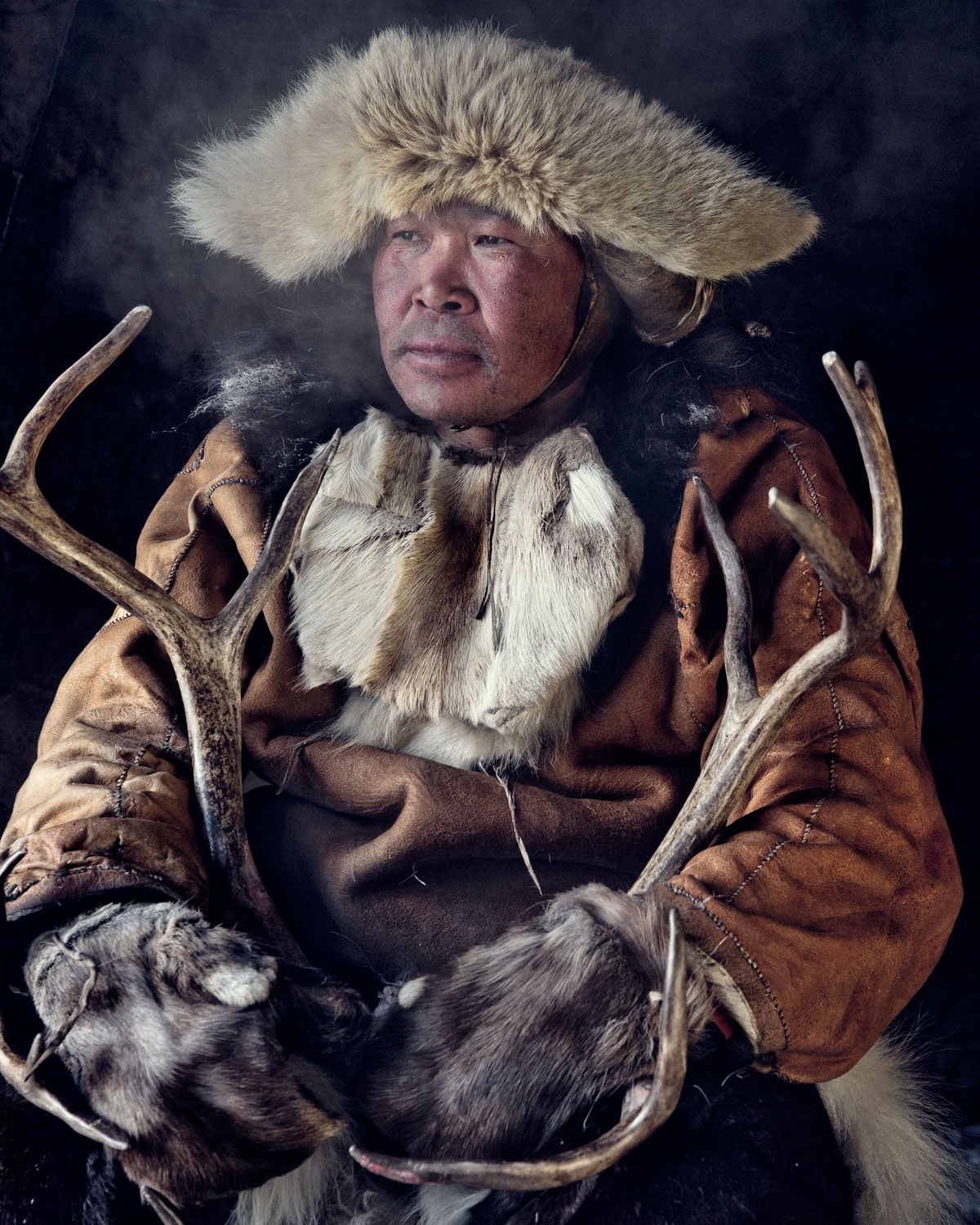


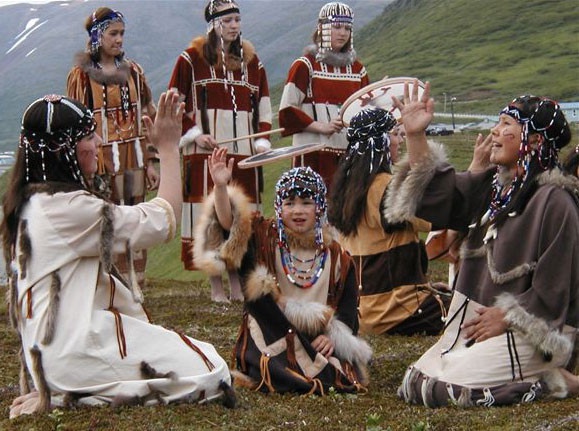
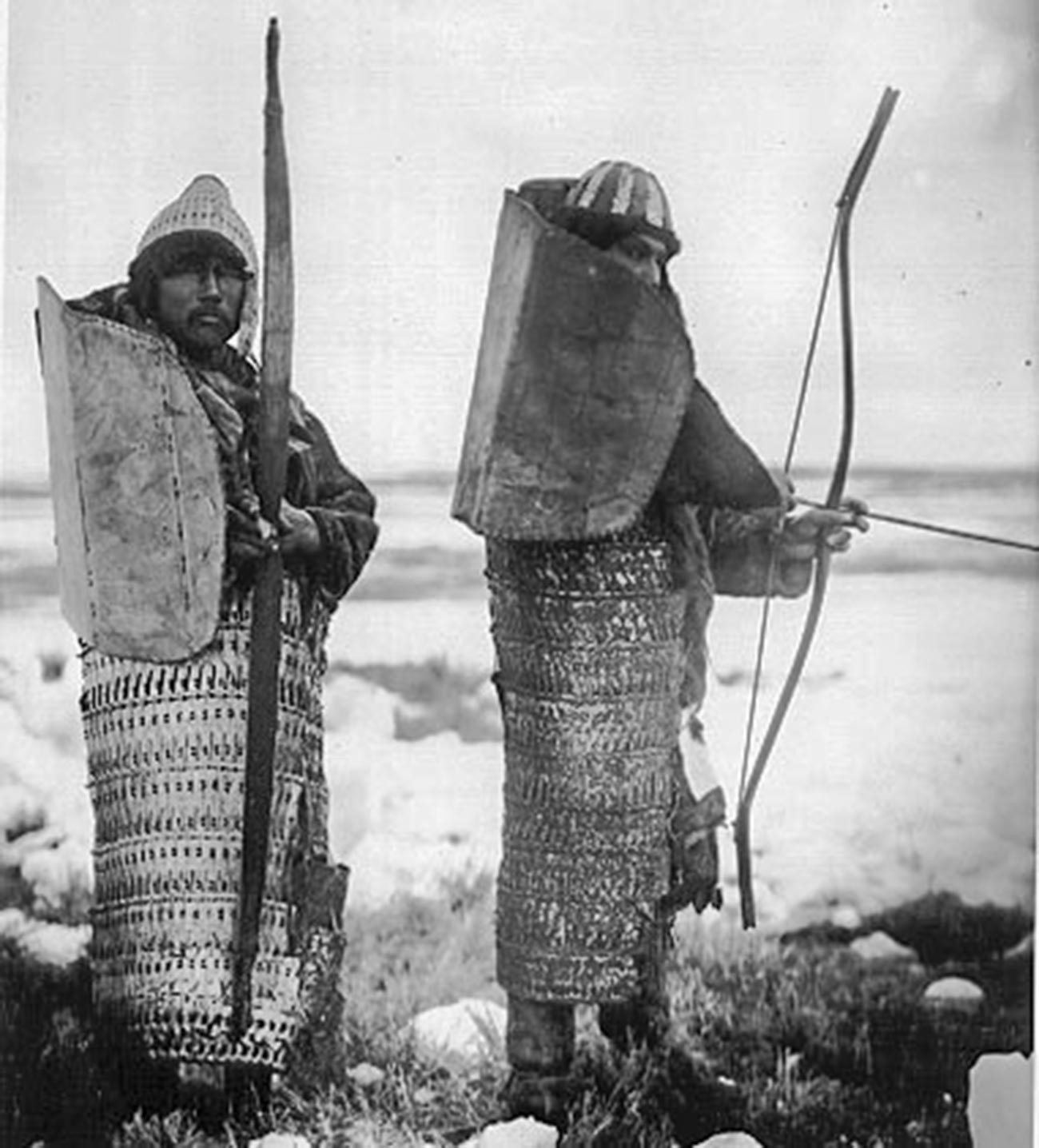

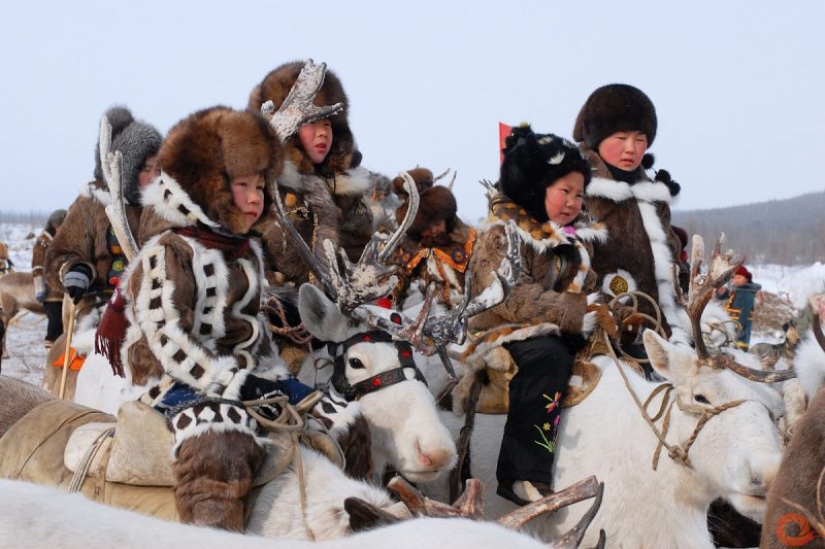

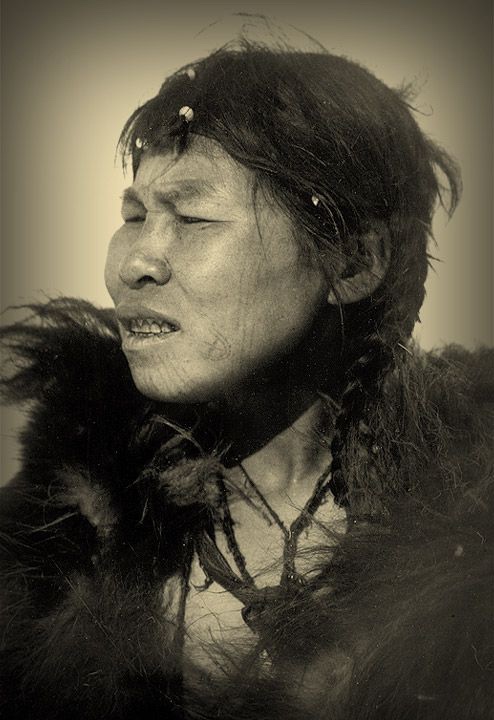

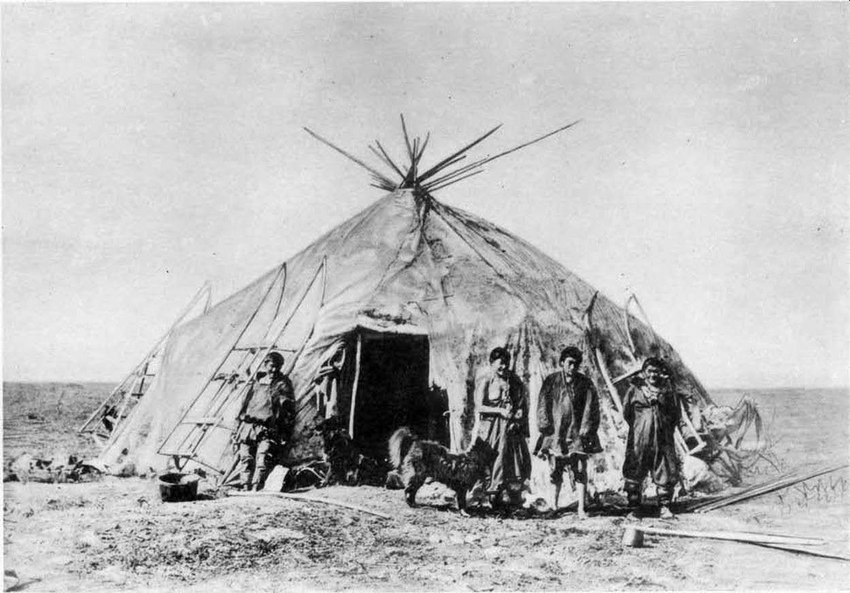


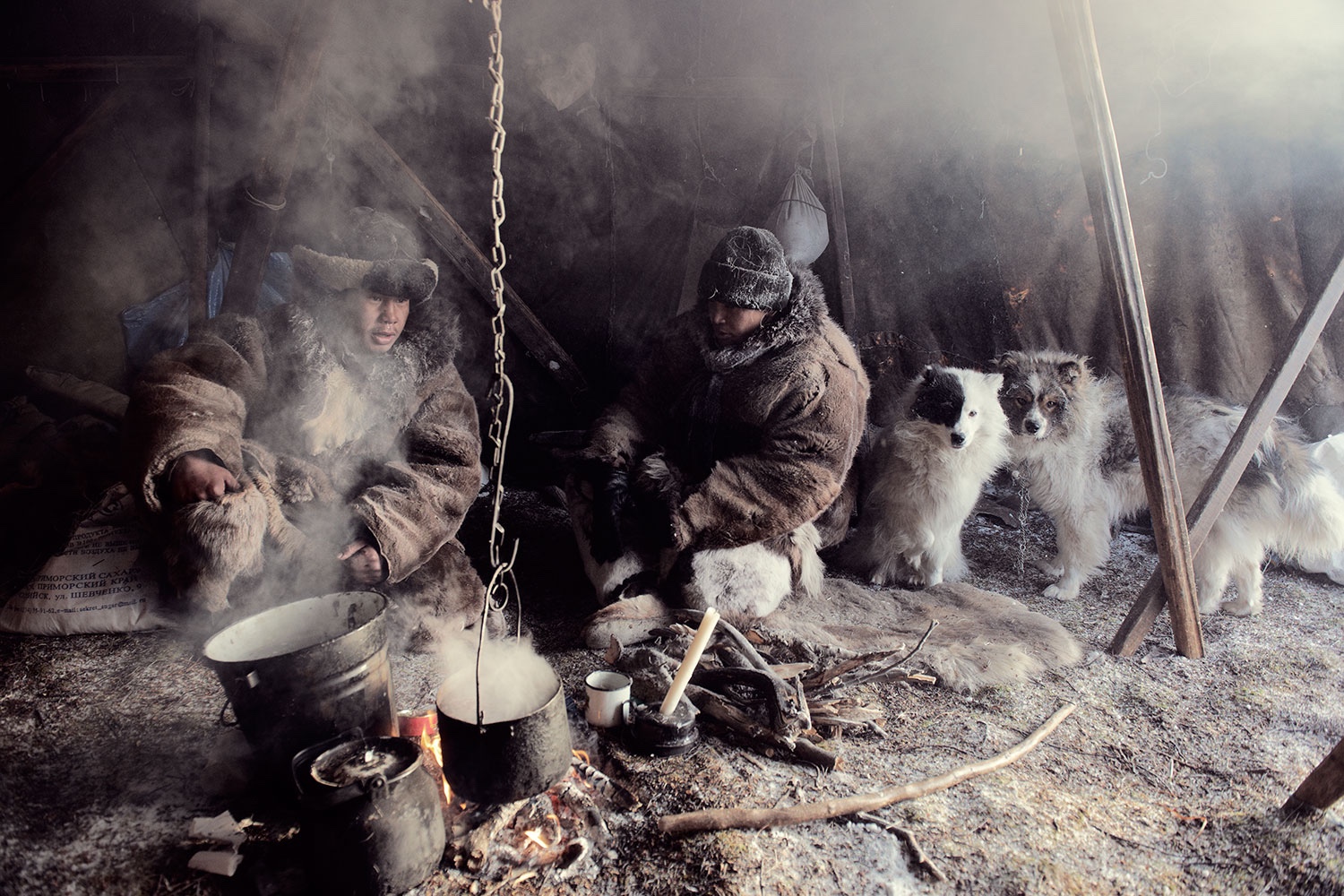
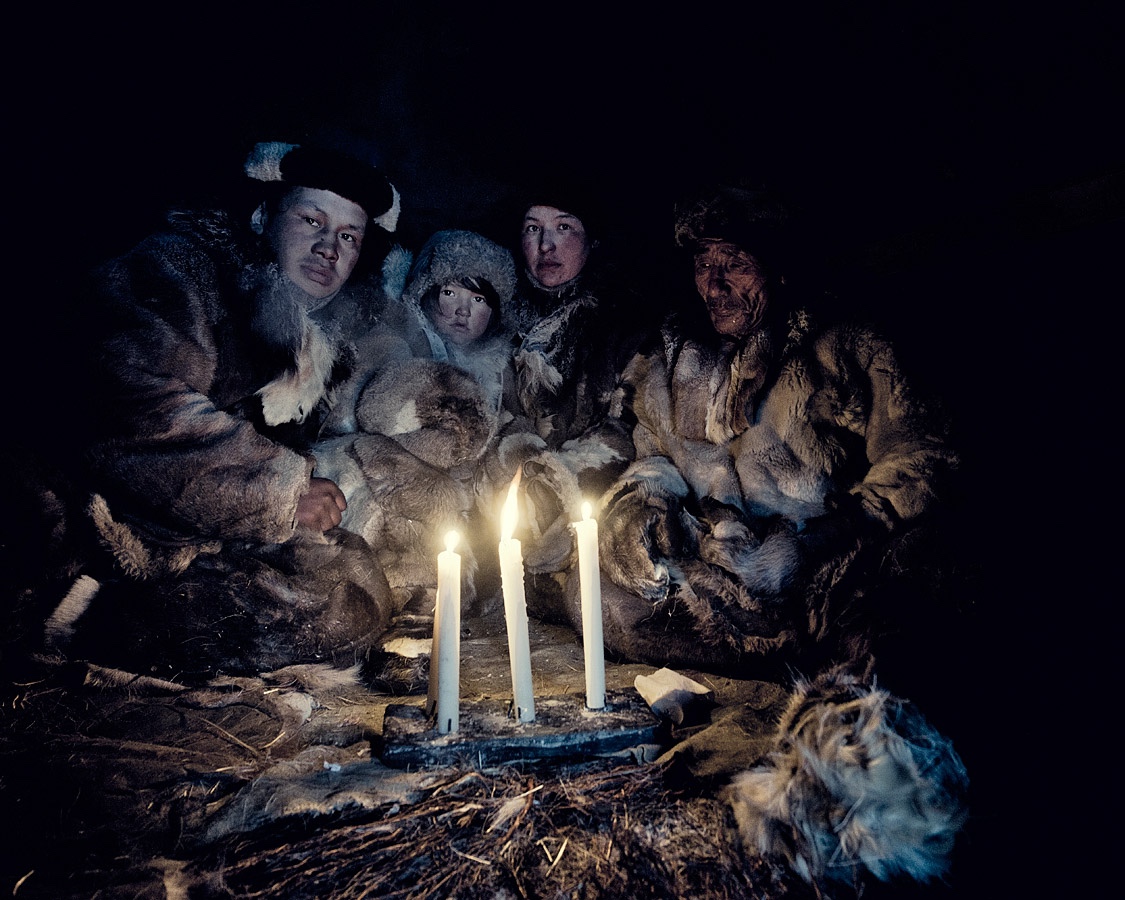


















The harsh conditions, exertion, and the marvel about the surroundings and experiences of the journey caused the voyagers to develop a unique mindset, entailing a sort of tunnel vision. This mindset in turn would afford them with enhanced sensory reality, as well as cognitive function. They took heed as their internal processing, function and experiences really began to rev up because of it. It began to change the way they approached using language, crystallising into the foundations of the Buzz-Concept infinity, synonymous of course with boundlessness.

The Buzz-Concept infinity has evolved into a variety of forms:
- infinity
- Infinitiii#♾
- infinitude
- limitlessness
- boundlessness
- omnipotence
- eternality
- sempiternity
- serendipity
- reaction
- transversity
- prepotency
- liberty
- beyond


How does it work? To start with, the concept of infinitude is a difficult one to get your head around. The Proto-Amerindians firmly believed that life, the world, the observable universe – that it was all infinite, of infinite scope. On this level, the Buzz-Concept infinity gets minds whirring. It also, in being synonymous with the concept of limitlessness, encourages people to stretch their limits, maximising people’s capabilities in general. Beyond this, the Buzz-Concept infinity and its variants thus always stimulate the mind. They heighten and maximise one’s capacity to amass and make the most of experience, promoting access to the ideal of “#litness”. They always keep the mind open and f l e x i b l e. They accordingly promote sapience, intellect, abstraction, productivity and “sensoriality”.
On a practical level, however, morphology plays a titanic role in the scope and functionality of the Buzz-Concept infinity. If we consider components of language as signs that serve to conduce to meaning/significance, it becomes easier to understand their role, even though writing systems haven’t always been around. In Native American languages, using language was traditionally a very dynamic experience that demanded a lot of mental exertion of speakers, because of the existence of the phenomenon of the Buzz-Concept infinity. Language is totally abstract and fluid to them. I would say the Native American languages don’t really have structure, but better ~form~. Sentences are experientially formed rather than austerely structured. Native Americans go strictly by elemental experience in life and language; access to higher levels then comes to them in flashes.


Navajo / Diné bizaad ••• [#infinitude] |#energy| ••• <Athapascan>
- yá’át’ééh = welcome/hello
- aoo’ = yes
- dooda = no
- ayóó ánííníshí / ayóó ánóshí = I love you
- shił yá’át’ééh = I like it
- táásh’aaníí? = really?
- 1 – tʼááłáʼí
- 2 – naaki
- 3 – tááʼ
- 4 – dį́į́ʼ
- 5 – ashdlaʼ
- 6 – hastą́ą́
- 7 – tsostsʼid
- 8 – tseebíí
- 9 – náhástʼéí
- 10 – neeznáá
- 11 – łaʼtsʼáadah
- 12 – naakitsʼáadah
- 13 – tááʼtsʼáadah
- 14 – dį́į́ʼtsʼáadah
- 15 – ashdlaʼáadah
- 16 – hastą́ʼáadah
- 17 – tsostsʼidtsáadah
- 20 – naadiin
- 300 – táadi neeznádiin
- 4,567 – dį́į́di mííl dóó baʼaan ashdladi neeznádiin dóó baʼaan hastą́diin dóó baʼaan tsostsʼid
- Ashiiké tʼóó diigis léiʼ tółikaní łaʼ ádiilnííł dóó nihaa nahidoonih níigo yee hodeezʼą́ jiní. Áko tʼáá ałʼąą chʼil naʼatłʼoʼii kʼiidiilá dóó hááhgóóshį́į́ yinaalnishgo tʼáá áłah chʼil naʼatłʼoʼii néineestʼą́ jiní. Áádóó tółikaní áyiilaago tʼáá bíhígíí tʼáá ałʼąą tłʼízíkágí yiiʼ haidééłbįįd jiní. “Háadida díí tółikaní yígíí doo łaʼ ahaʼdiidził da,” níigo ahaʼdeetʼą́ jiníʼ. Áádóó baa nahidoonih biniiyé kintahgóó dah yidiiłjid jiníʼ (…)
- Some crazy boys decided to make some wine to sell, so they each planted grapevines and, working hard on them, they raised them to maturity. Then, having made wine, they each filled a goatskin with it. They agreed that at no time would they give each other a drink of it, and they then set out for town lugging the goatskins on their backs (…)


Central Alaskan Yupik / Yup’ik / Yugtun / Cugtun ••• [#permanency] |#frivolity| ••• <Eskimo>
- qaneryarput una power-arpakarput. = our language is great power to us.
- tuntussuqatarniksaitengqiggtuq = she/he said again that she/he was not hunting caribou.
- waqaa? = hi? what’s up? how can I help you?
- piura. = remain how you are. (farewell phrase said to one person)
- quyana. = thank you.
- quyana tailuci. = thank you for coming.
- kenkamken. = I love you.
- ii-i. = yes.
- qanga. = no.
- cangacit? = how are you?
- assirtua. = I am fine.
- casit? = what are you doing?
- tangerciqamken. = I will see you.
- tuaingunrituq. = this is not the end. (farewell phrase to someone from out of town)


Lakota Sioux / Lak’ota / Lakȟótiyapi ••• [#limitlessness] |#effort| ••• <Siouan>
- hau = hello
- híŋháŋni = good morning
- thečhíȟila / iyótaŋčhila / čhaŋtóčhignake = I love you
- tóhaŋni waŋžíla iyápi iyóhi šni = one language is never enough
- iyéčhiŋkiŋyaŋka čha kiŋyáŋ mitȟáwa kiŋ hoká ožúla! = my hovercraft is full of eels!
- háu kȟolá = hello, friend


Yucatec Maya / Màaya t’àan ••• [#infinitii] |#regard| ••• <Mayan>
- kíimak ‘oolal = welcome
- ba’ax ka wa’alik? = hello
- bix yanikech? = how are you?
- bix a k’ a’aba’? = what’s your name?
- in k’aaba’e … = my name is …
- jach ki’imak in wóol in wilikech = pleased to meet you
- k’a’ak’ate = goodbye
- taak saama = see you tomorrow
- taak ulak k’iin = see you later
- ka xi’ik teech utsil = good luck
- ka manseché ma’lob kiin / ka’ajxi’ikte’ex utsil / ka’aj xi’iktech utsil = have a nice day
- ku méejtech uutsil = bon appetit / have a nice meal
- xíiktech uutsil = bon voyage / have a good journey
- co’ox óok’ ot = would you like to dance with me?
- kanantabáa = take care of yourself


Guaraní / Avañe’ẽ ••• [#omnipotence] |#passion| ••• <Tupian>
- eguahé porá = welcome
- mba’éichapa reiko? = how are you?
- ymaitereí ndorohechavéi = long time no see
- hesakâmbáma la ereséva = I understand
- ndaikuaái la ereséva = I don’t understand
- hêe = yes
- nahániri = no
- ikatu = maybe
- ndaikuaái = I don’t know
- eñe’ê chéve guaraníme = speak to me in Guaraní
- rojhayhû = I love you
- peteî ñe’ê ndohupytypái = one language is never enough
- che vare’a = I’m hungry
- ja’umina = let’s drink
- heterei = delicious
- yvyra piru ru’ãme, yryvu piru ra’y = on top of the dry tree, a malnourished crow pigeon
- nambréna = whatever, as if, hah!
- ere erea = et cetera, whatever you say
The Buzz-Concept infinity is supreme. It is the world’s most superior. Number 2 is efficiency of the Oriental languages.
The Amerindian languages constitute a language family containing all the indigenous languages of the Americas. I ascertain them all to be related to each other as the “Boundless” Tongues. I think they are then veeery distantly also related to the Oriental languages of East Asia, including Chinese and Japanese. Together they are all the “Orientalesque” languages, or the “Conceptual-Abstract” Tongues. Every single Orientalesque language is at least technically, just, a language of intellect.
Meanwhile, the world’s third most superior Buzz-Concept would be success of the Germanic languages including English (success) and German (Erfolg). Number 4 is currently passion of the Romance languages including Spanish (pasión), Portuguese (paixão), French (passion) and Italian (passione). Number 5 is logicality/rationality of the Uralic/Finno-Ugric languages including Hungarian (ésszerűség) and Finnish (järkevyys).
In its time, the invention of the Buzz-Concept infinity over the Amerindians’ first crossing of the Bering Strait to get to Alaska from Asia was simply the single greatest feat humanity had ever achieved.
Yet there is a dark flipside to this all… America… “the Land of the Free”… what does that really mean? It’s a trace of Native American culture! Native Americans don’t do boundaries and limitations: they can know their place within modern society but they prefer not to take formal heed of the significance of the limitations imposed. They literally see their continents as INFINITYLAND. Americans -natives and settlers alike- all have a huge propensity for hedonism: that’s how obesity became an epidemic and whence they derived their economic and materialistic appetites.
Indeed, ever wondered exactly why heroin is really the most illegal drug? Well, the Buzz-Concept infinity is an extremely powerful force in the world – it may enhance the potentiality of one’s cognitive function in any area one might wish it to. It even stimulates your nerves to maximise brain energy flow. How do Americans do their thing? By drawing from the scope of the Buzz-Concept infinity! Meanwhile, law enforcers seek to shield us from the dark corners of the human experience created by heroin abuse not just because of its dangers, but because of the incredible extent of the selfish, hedonistic, debauched gain users open themselves up to. In an Americanised world, heroin is the absolute most taboo drug ultimately because it enables users to simulate the potentiality of the most devout, adept votaries of the Buzz-Concept infinity. A good example is of stupid people who know what it’s like to be a world-class mathematician without having done any of the maths, and never having paid attention in maths class …? Yep… The American government is dependent on the scope of the Buzz-Concept infinity. Heroin enables outsiders to appropriate its functions and benefits, often at the expense of the people who necessarily, rightly sit atop this pile. Beyond the euphoria, therefore, heroin use is the darkest of business.




Oh, it never ends…!
More recommended:
 The Buzz-Concept Project