Sakhalin is the largest island of Russia, situated off the eastern coast of Siberia, north of the Japanese archipelago. It was the destination of a certain important pilgrimage route for Orientalesque and Proto-Amerindian peoples. The name Sakhalin is derived from the Manchu “Sahaliyan/sagaliyan ula angga hada” (Island at the Mouth of the Black River).
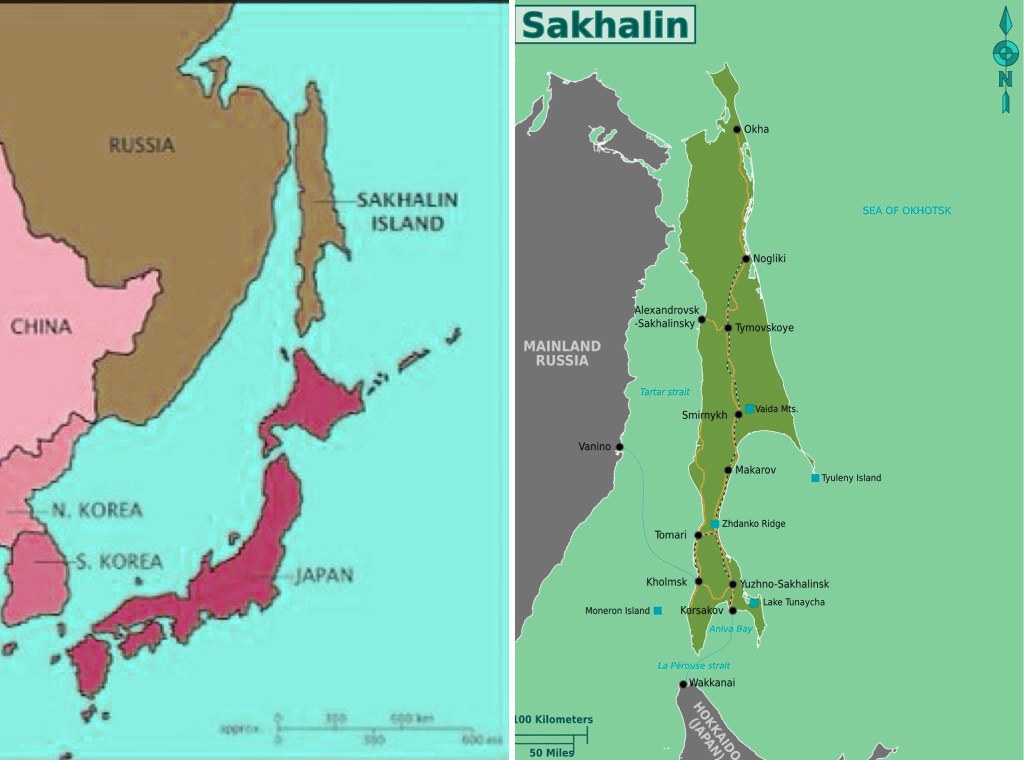
Сахали́н, Sakhalín 🇷🇺
樺太 Karafuto 🇯🇵
ᠰᠠᡥᠠᠯᡳᠶᠠᠨ, Sahaliyan – Manchu
Бугата на̄, Bugata hā – Orok
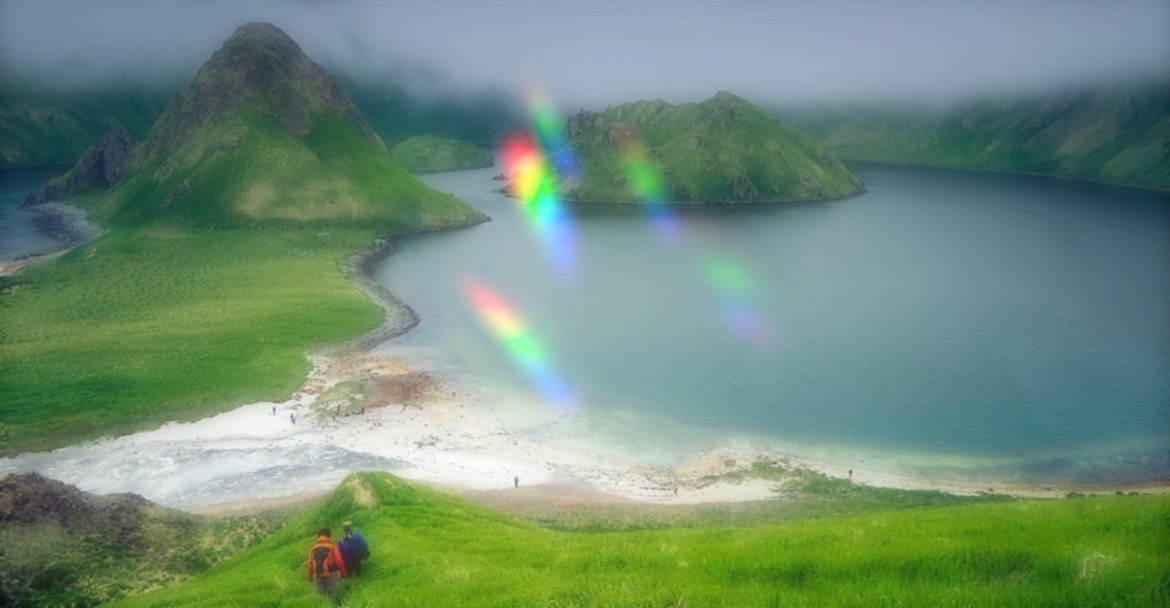
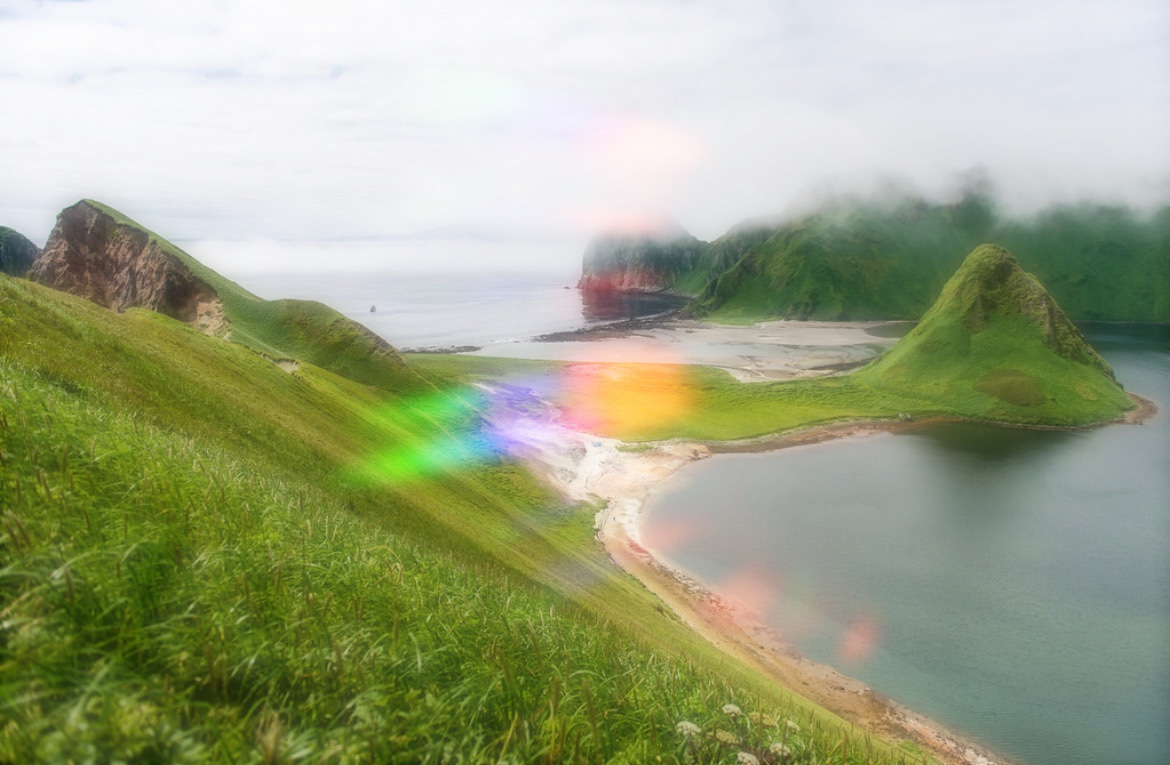
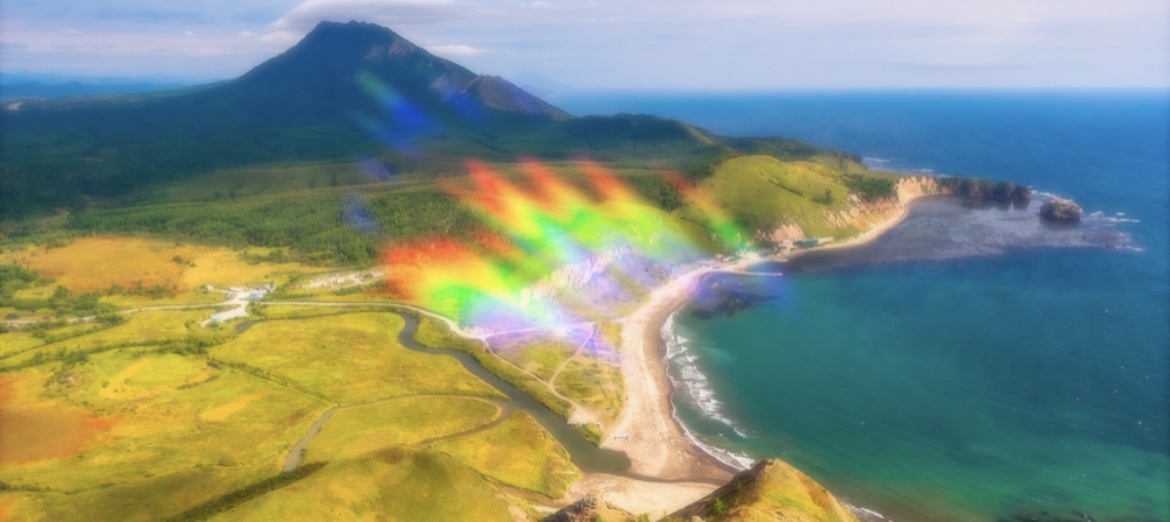
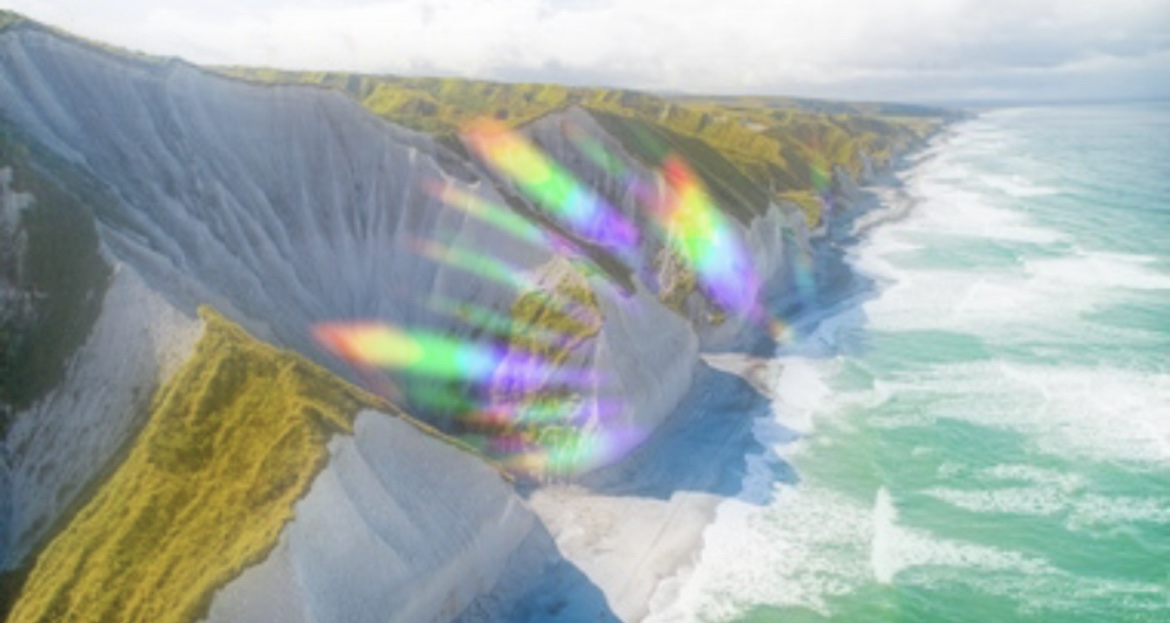
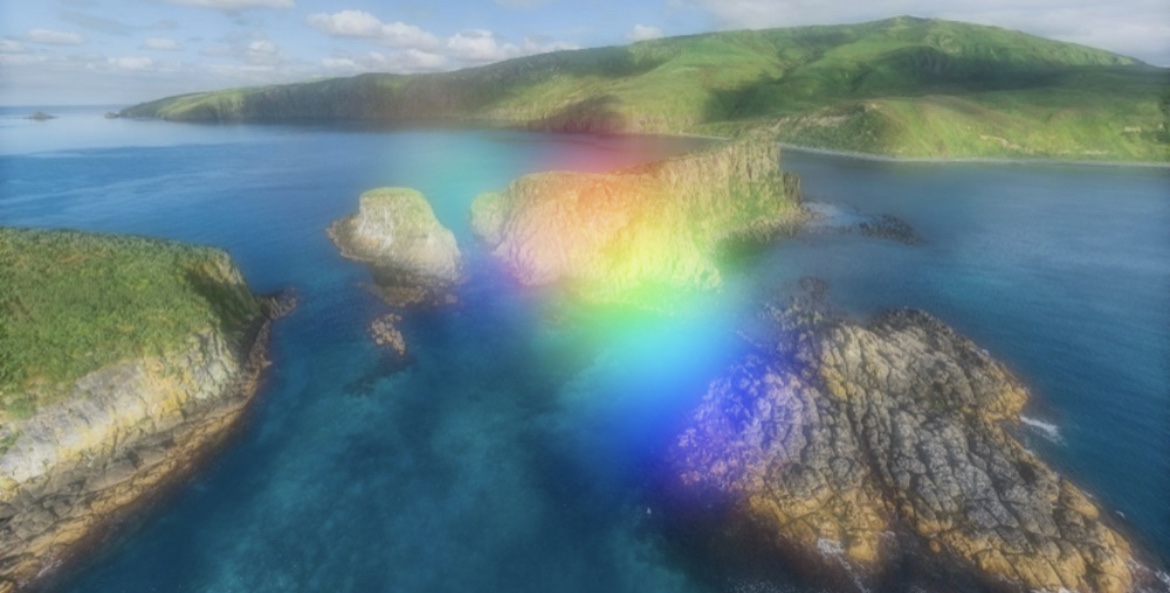
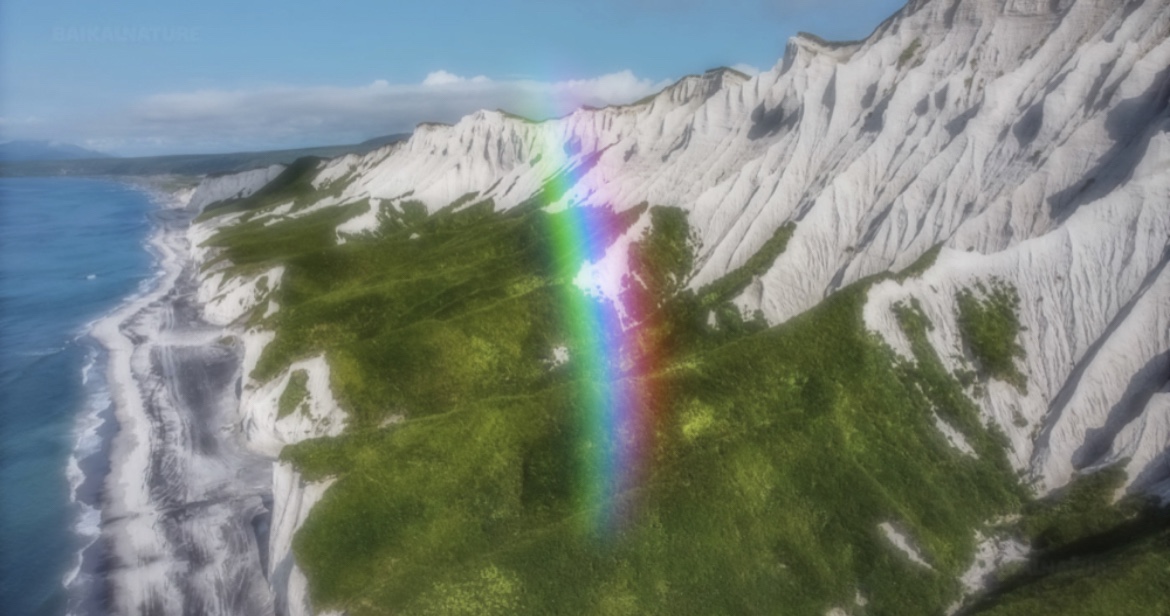
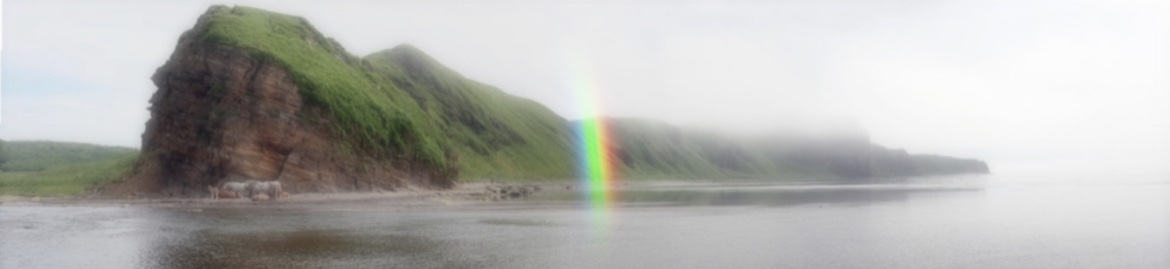
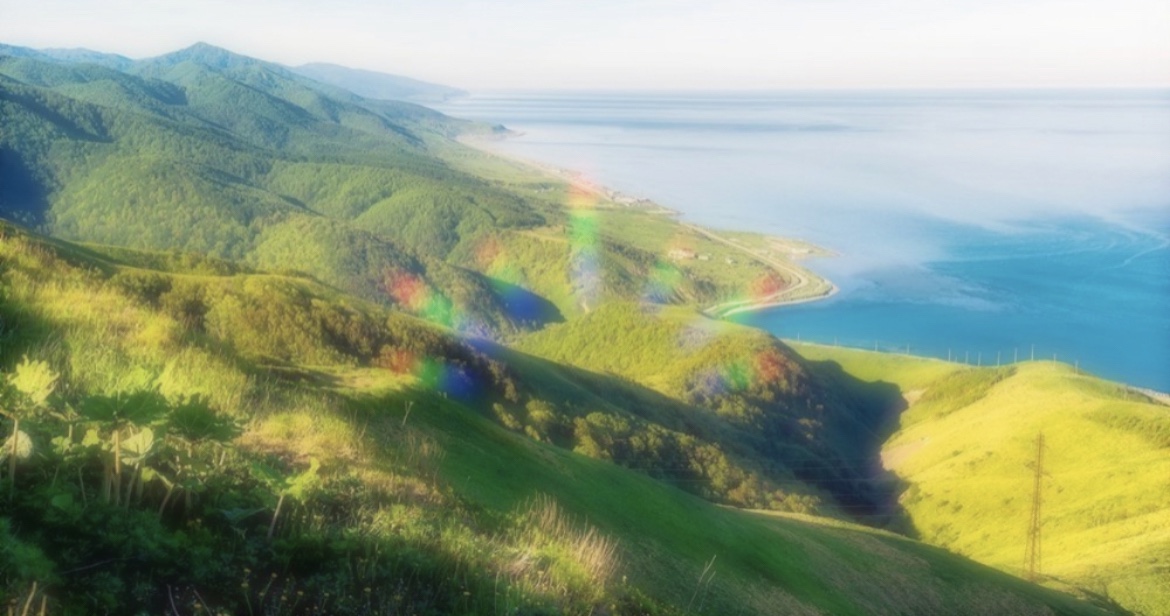
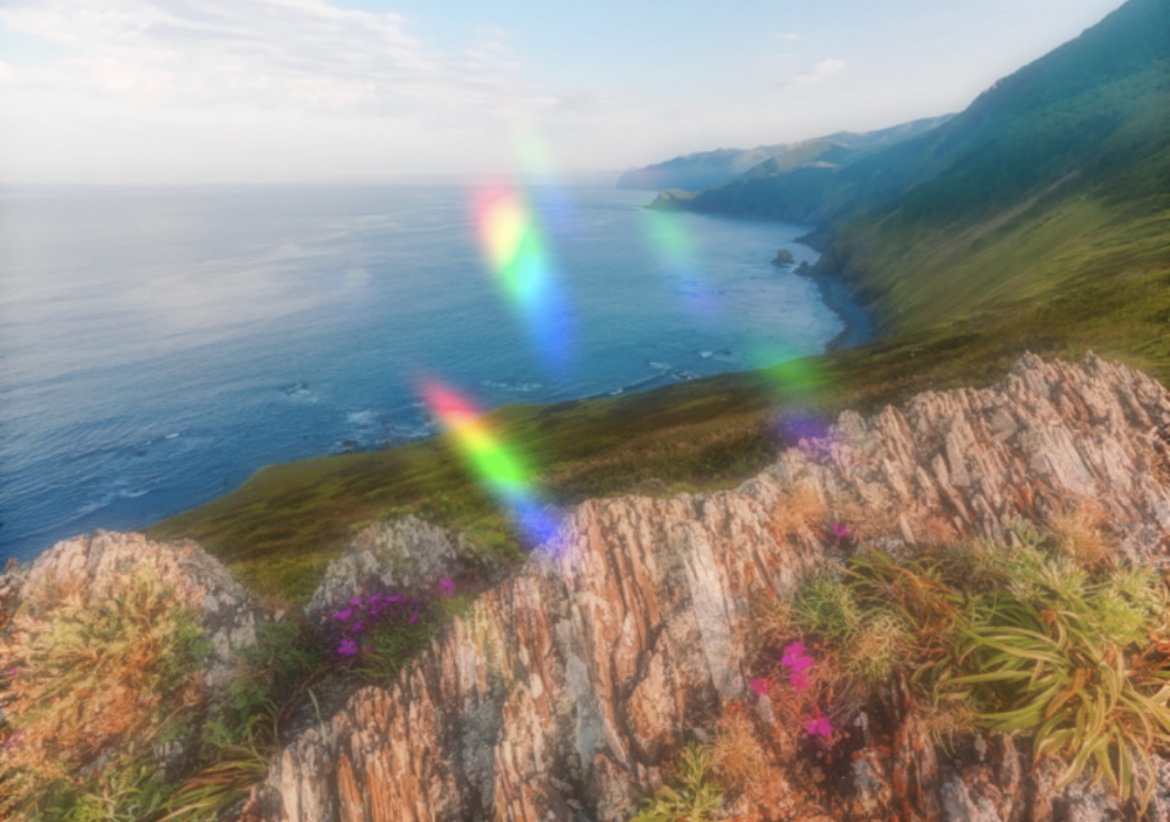
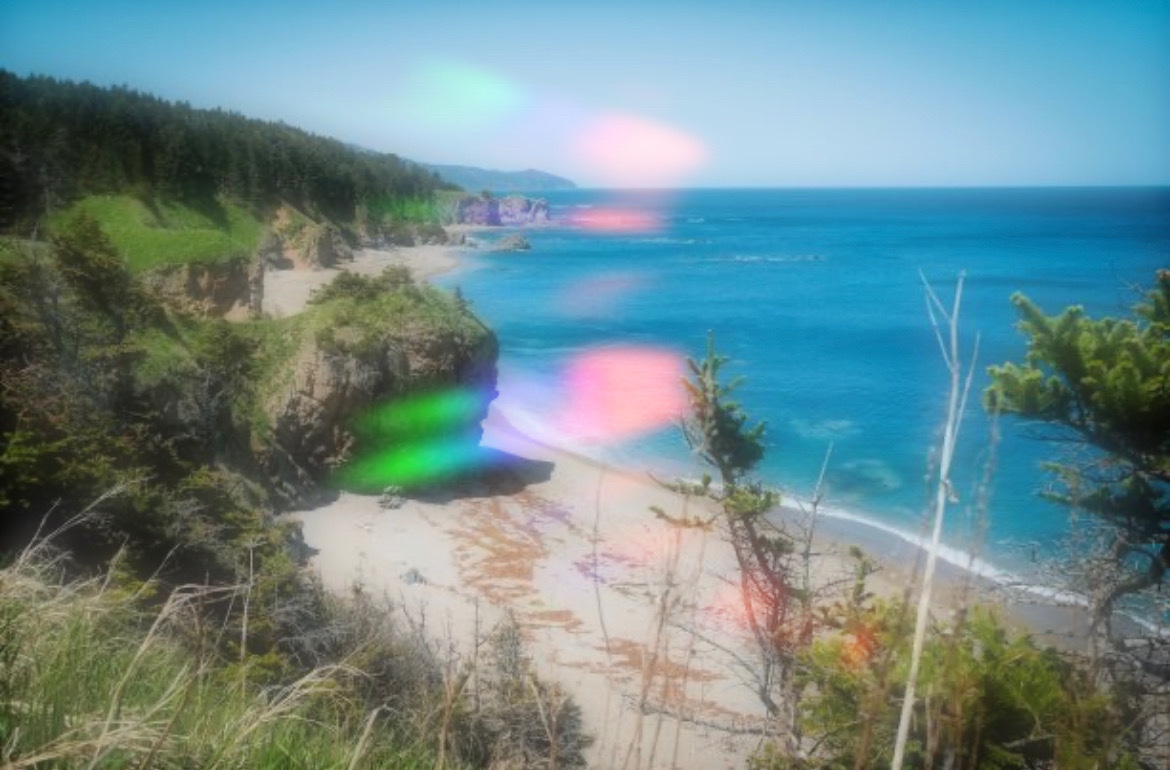
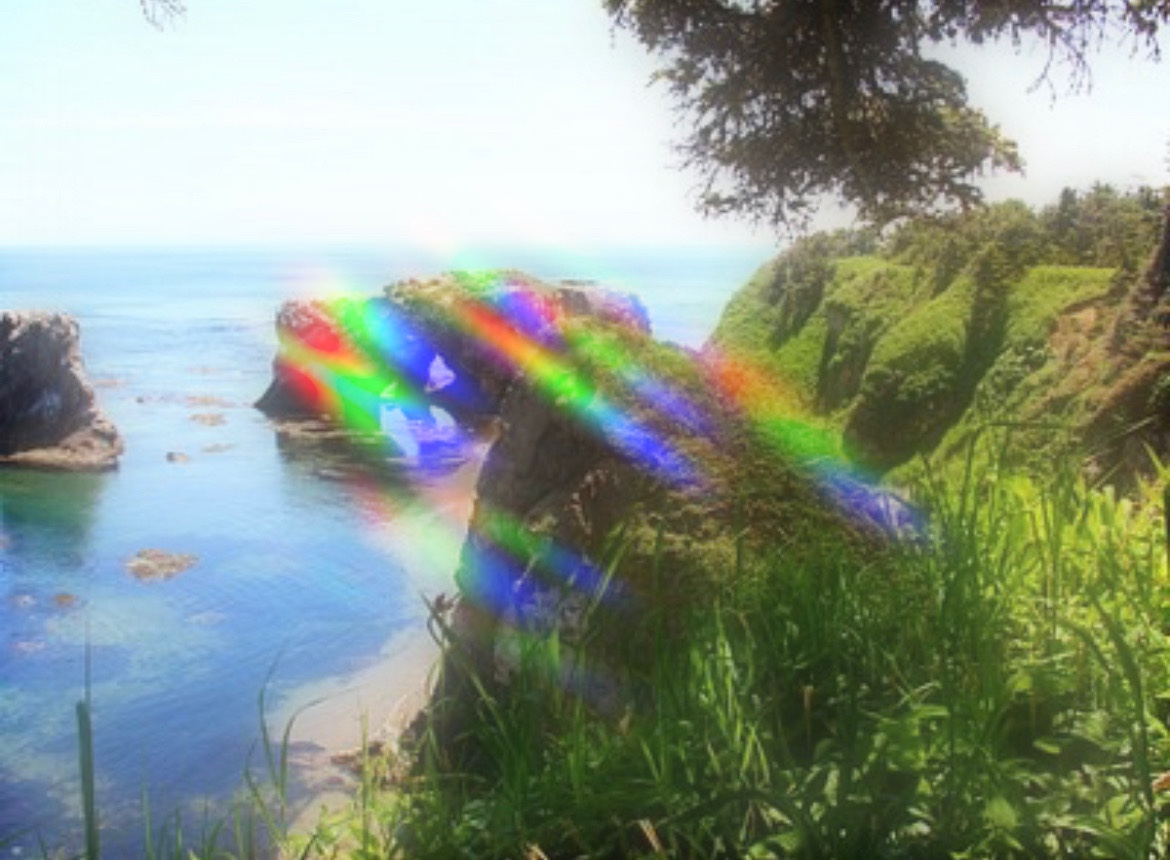
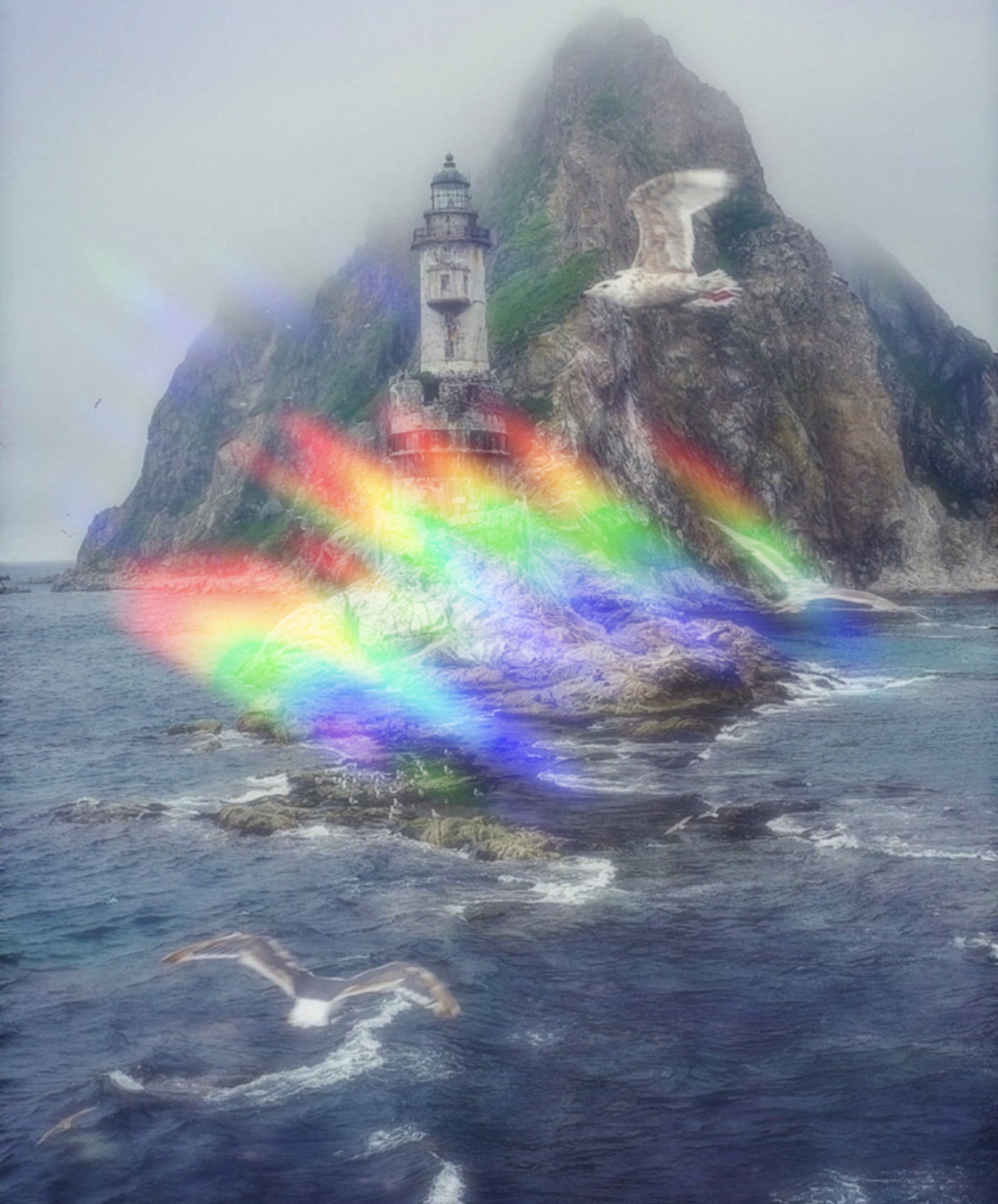

Some 15-30,000 years ago, the first Amerindians would cross over from Siberia to Alaska via a now submerged land bridge to populate the Americas. On the first crossing, they had the idea for the Buzz-Concept infinity. They had previously broken away from their Orientalesque brothers, including the Proto-Mongols, who dwelled south of the glaciers around the Proto-Orientalesque heartland, all believed to be of spiritual import, which was probably centred around the Sakhalin Gulf.
The Proto-Amerindians were the innovators within the Orientalesque grouping. They separated from the others originally with a grand ambition to invent some amazing new culture and language. They did, of course, go on to invent the potent Buzz-Concept infinity, now an extremely powerful force in the world through American culture. Their ambitions were widely supported among the other Orientalesques, eager to see what they could come up with to enhance the collective canon and repertoire. So when the Amerindians had settled down in Alaska, before the land bridge closed up, they would even send back envoy migrant groupings to the heartland around Sakhalin partly to keep their Orientalesque brothers and the canon updated, whenever a noteworthy development or innovation was made. Seriously: those Eskimos got around. The first such leap made had entailed heightened sensory control and experience thanks to the Buzz-Concept infinity, and some migrants duly made their way back over to the heartland, in turn informing the other Orientalesques, and thus a Siberian-Amerindian strand of heritage was born. To infinity… and… beyond…! The goal was always to end up at holy Sakhalin.
The Nivkh are far from being the only “Siberian-Amerindian” people. We also have the Tungusic peoples, the Ainu, the Yukaghir, the Yeniseians and the Yuits (Siberian Yupiks). The groupings mentioned were all set up by successive waves of envoy-migrants.


The Nivkh / Nivkhi today dwell in the region of the Amur River estuary and on nearby Sakhalin Island. In the late 20th century, they supposedly numbered around a mere 4,600. Most speak Russian, although an estimated 10% still use the Nivkh language…? Nivkh is currently lumped together as a Paleo-Siberian language along with the languages of the other Siberian peoples mentioned above. It has not yet been accepted as affiliated to any other language, apparently to most people a language isolate. In the Nivkh language, their name for themselves —Nivkh; Нивхгу, Nʼivxgu (Amur) or Ниғвңгун, Nʼiɣvŋgun (E. Sakhalin)— means “human”, “person”, “the people”. They are also known as the Gilyak.
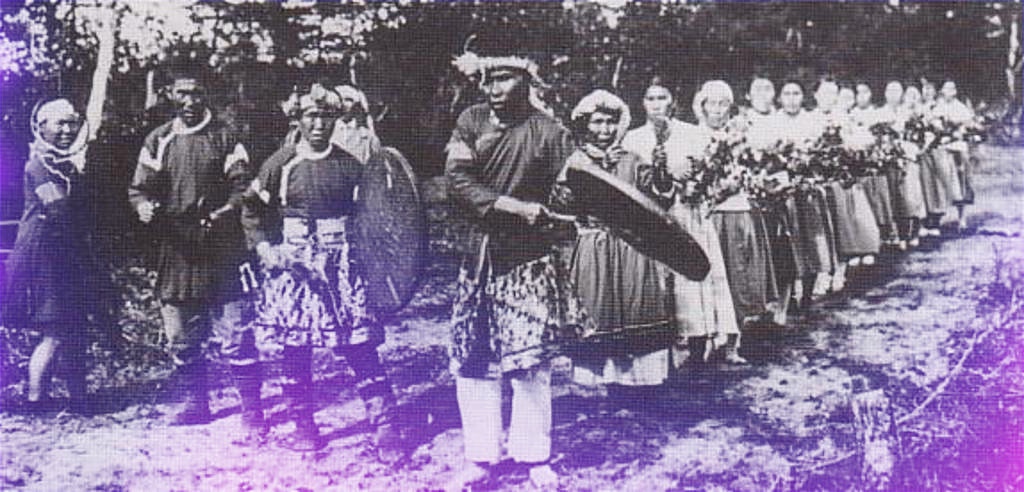
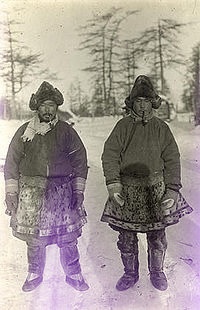
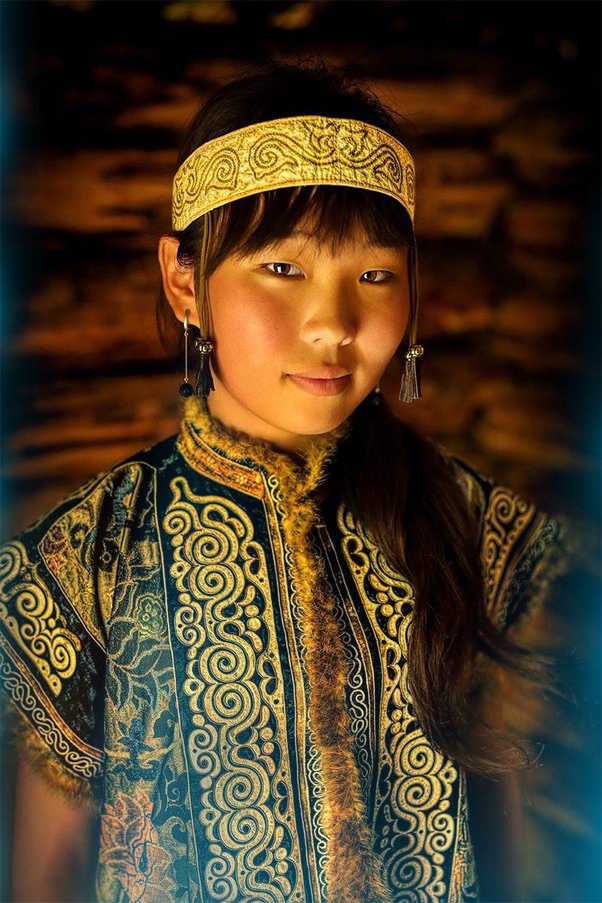
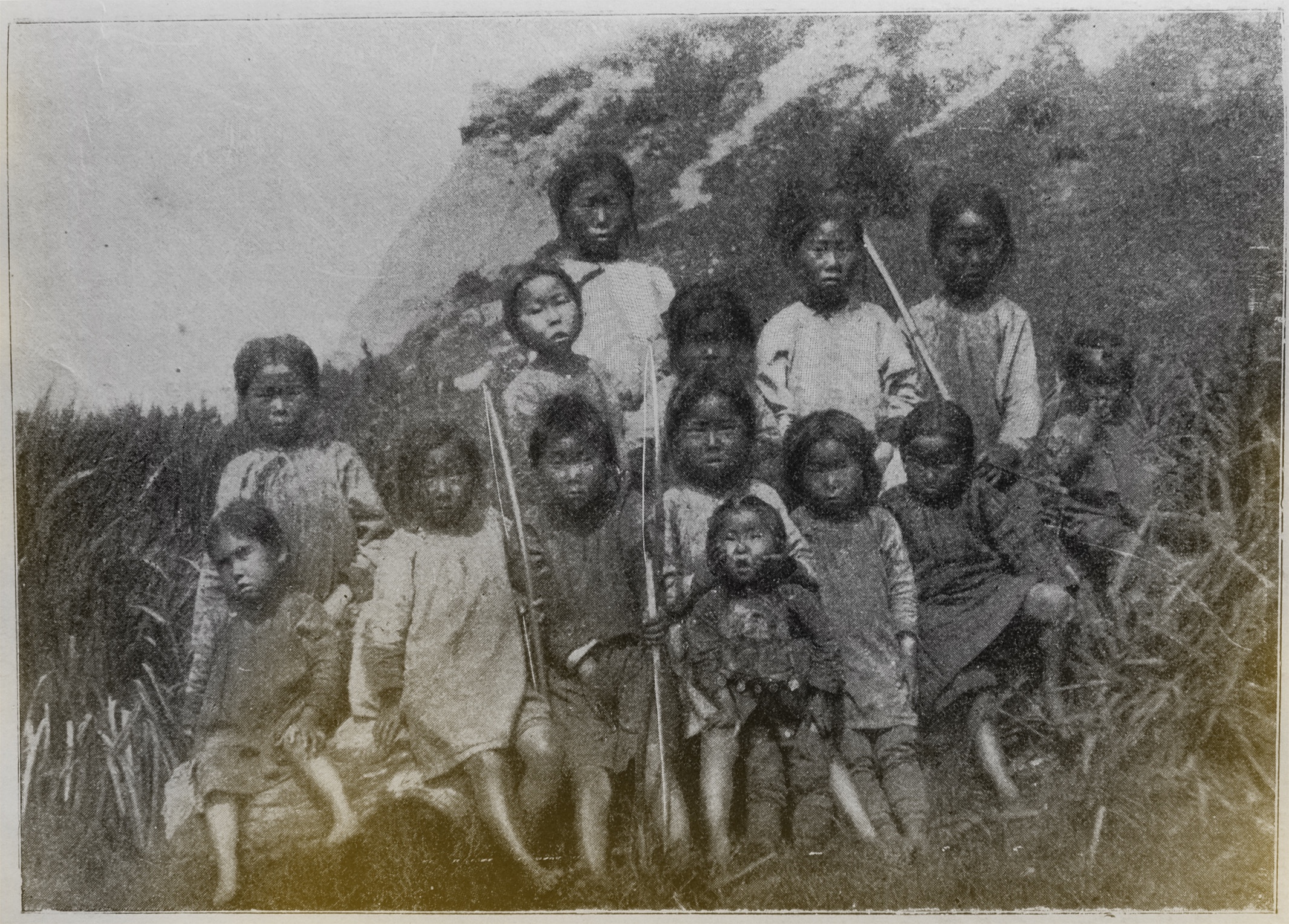
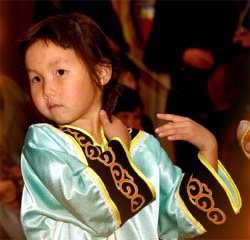
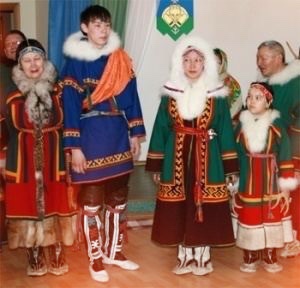
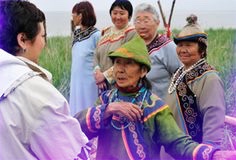
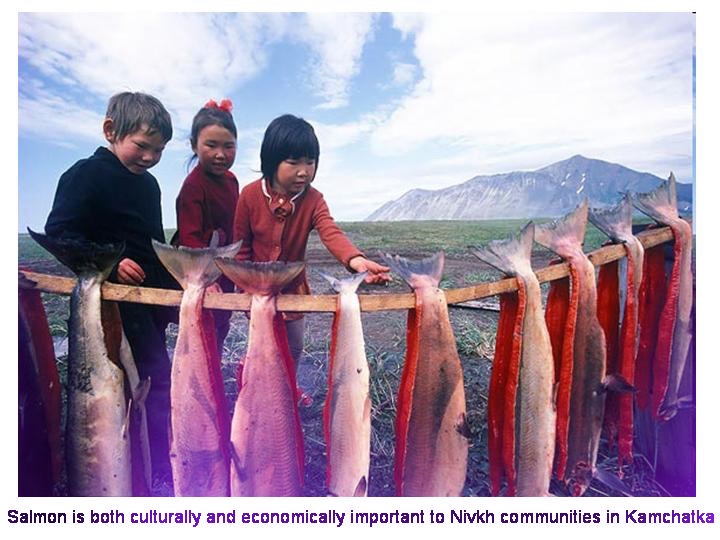
The Nivkh of course populated the island of Sakhalin sometime during the Late Pleistocene. It has been suggested that the Nivkh once had a wide presence in Northeast Asia, influencing other cultures. They may well have been present in the Korean kingdom of Gogoryeo and have played a prominent role in the history of Manchuria. Nivkh lands supposedly extended along the northern coast of Manchuria, from the Russian fortress at Tugur Bay, eastward towards the mouth of the Amur River and Nikolayevsk, and then south through the Strait of Tartary, as far as De Castries Bay. The Nivkh were divided between Sakhalin and the mainland when sea levels rose to cover the connecting bridge across the Strait of Tartary. Supposedly, their former territories once stretched westwards at least as far as the Uda river and the Shantar Islands. This would have been until they were pushed out by the Manchus and later by the Russians.
Nivkhs were first mentioned in the annals of world history in a Chinese chronicle, which explained that the Nivkh had been allied with the Mongols since 1263. The Mongols would invade Sakhalin from 1264 to 1308 to aid the regal Nivkh against the quirky Ainu. The Ainu had been encroaching on Sakhalin from their base in Hokkaido. After the Yuan period of Mongol Chinese rule, the Ainu and the Nivkh would become tributaries to the Ming dynasty of China, following the Nurgan commission under which Manchuria came under Ming control. Nivkh women from Sakhalin were married unto Han Chinese Ming officials when the Ming sought tribute. The Ming system of control on Sakhalin would later be imitated by the Qing. Local chiefs had their daughters taken as wives for tribute by Manchu officials of the Qing dynasty when they exercised jurisdiction over the island. The Nivkh were tributaries to the Manchus for many centuries. They became intermediaries between the Russians, Manchu, Japanese and Ainu for a while, after the 1689 Treaty of Nerchinsk. They would suffer severely from the Cossack conquest and imposition of the Tsarist Russians. The Nivkh called the Tsarist Russians kinrsh (devils). The Russian Empire would go on to obtain full control of the Nivkh lands after the 1858 Treaty of Aigun and the 1860 Convention of Peking. The Russians set up a penal colony on beautiful Sakhalin, which operated from 1857 to 1906, to which numerous Russian criminal and political exiles were transported – including Lev Sternberg / Лев Ште́рнберг, an important Jewish early ethnographer of the Nivkhs, Oroks and Ainu on Sakhalin and in Siberia. The crowded, unsanitary prison environment would not only lead to the Nivkh being outnumbered, but to also to the spread of epidemics like smallpox, plague, and influenza.

Russian domination tragically covered Nivkh culture in a haze of grey. Originally, the Nivkh had a regal quality thanks to the significance of their symbolic origins as sanctified Orientalesque envoys. The Russians, in particular, rather savagely stifled this in them and the struggle continues, explaining the grandeur of the striking Nivkh costume.
Japan and Russia ruled Sakhalin jointly from the 1855 Treaty of Shimoda. Sakhalin would then pass back completely into Russian hands from the 1875 Treaty of Saint Petersburg. From the 1905 Treaty of Portsmouth, Sakhalin was once again partitioned between Russia and Japan. Sakhalin was poorly controlled by Russia, and mismanagement of fisheries drove many Nivkhs into starvation unless they had the means to import expensive Russian food. Glorious Sakhalin would then come under communist control with the establishment of the Soviet Union in 1922. Although the government did grant them extensive fishing rights, other Soviet policies were devastating for the Nivkh, forcing them into mass agricultural and labour collectives called kolkhoz / колхóз. Agricultural practices were like torture to the Nivkh who believed that ploughing the earth was a sin. They were duly subjugated as a second-class minority group by the large Russian labour force. The Nivkhs’ traditional hunter-gatherer lifestyle was erased. Use of the Nivkh language was banned in schools and the public square. Many Nivkh, Oroks, Ainu and ethnic Japanese settlers were forced to move to Japan from 1945, although were later able to return. The Kolkhoz collectives were abandoned with the collapse of the Soviet Union in 1991, which the Nivkh were dependent on, exposing them rapidly to great economic hardship. Today, Nivkh living in the north of Sakhalin are dealing with threats against their future posed by the enormous offshore oil extraction projects called Sakhalin-I and Sakhalin-II. The Russians also pressured many Nivkh to convert to the stifling Eastern Orthodox Christian faith.
Nivkh animists, meanwhile, believe that the island of Sakhalin represents a giant beast lying on its belly with the trees of the upland as its hair. When the beast is upset, it awakens and trembles the earth, causing earthquakes. They idealise their island, a stance which Russians have cruelly taken advantage of in greying their horizons. The Nivkh also have extensive folklore, songs and myths about how humans and the universe were created, and about how fantastical heroes, spirits and beasts battled against each other in the ancient world. They venerate fire, a symbol of clan unity, considered a deity formed through their ancestors to protect them from evil spirits and harm.
Russia has held all of Sakhalin since seizing it in 1945. Today, the population of Sakhalin stands at roughly 500,000, most of whom are Russians. The island’s indigenous peoples – the Ainu, Oroks and Nivkhs – are now only found in very small numbers. About 83% of the population are ethnic Russians, 5.5% being Koreans, and there are the tiny minorities of the Ainu, Ukrainians, Tatars, Yakuts, Nivkhs and Oroks.
The Nivkh were traditionally fishermen, hunters and dog-breeders who lived semi-nomadically. They were very rural yet the Nivkh had long maintained trade and cultural relations with neighbouring China and Japan. They are moreover traditional ichthyophagists, their main food being crude, boiled and jerked fish.
The moribund Nivkh language is normally considered a language isolate, yet Michael Fortescue has suggested that it might be related to the proposed Mosan languages of North America, hypothetically consisting otherwise of the Salishan, Wakashan, and Chimakuan languages of the Pacific Northwest region of North America. Fortescue also suggests that Nivkh is related to the Chukotko-Kamchatkan languages, to form a Chukotko-Kamchatkan-Amuric family. Sergei Nikolaev has more recently proposed that Nivkh is related to the Algic languages, and in turn to the Wakashan languages. Other extreme links have suggested between Nivkh and Joseph Greenberg’s widely rejected Eurasiatic languages hypothesis, as well as with Uralic languages according to Frederik Kortlandt, and with Korean by Hudson & Robbeets. I, for one, ascertain it to be distantly related to the Amerindian languages. Meanwhile, Manchu and Orok are Tungusic languages, and Ainu classified as “Ainuic” – also considered a language isolate.
The 4 layers of Nivkh / Gilyak / Нивхгу диф / Nivxgu dif / /ɲivxɡu dif/ / нивх диф / ɲivx dif / нивх туғс / ɲivx tuɣs / Nighvng / Niɣvŋ:
- ~s~e~r~e~n~d~i~p~i~t~y~
- discipline – reflecting their mental rigour as well as the hardships they have faced under Russian governance. Note that the Second Layer is supposed to govern emotionality: Russian domination was so harsh: it sort of skinned the Nivkh.
- Nivkh-ness
- optimism – obviously

(Click here for more on the Four Layers of human language.)
ⁿⁱᵛᵏʰ ᵈⁱᶠ …
- is an agglutinating synthetic language – necessarily, to build up meaning from the elemental
- has a developed case system – to milk the use of those nouns!
- has no grammatical gender – preferring to be liberal and not to pigeonhole
- has a basic subject-object-verb word order, the subject frequently being omitted in speech – to keep focus on results of action, but to stay relaxed about it
- has a high degree of incorporation between words; for example, morphemes that express spatial relationships are incorporated into the noun to which they relate
- has no adjectives, only verbs that describe a state of being instead – keeping things discernibly very experiential over explicit and conclusive
- has just two verb tenses, non-future and future – keeping things simple and cleanly focused on the present & future (the non-future form may combine with adverbials, as well as context, to indicate a specific time frame such as in the past)
- had a morpheme for counting sledges and a morpheme for counting fishnets
Sampling Nivkh…
- Tud γe-ja! ‘Take this one!’ [proximal.one + take-imp:2Sg]
- Atak-a:! Təɟ ajma-ja! Təɟ siɟ=ŋa? ‘Grandfather! Look at this! What is this?’ [grandfather-voc ! proximal.one + look-imp:2Sg ! proximal.one what=q ?]
- ɲi naf-toγo əγřciŋ tud-ak pil-ŋ chxəf khu-ɢavr-d. ‘Until now I [have] never killed a bear bigger than this one.’
- aɟ-a ɲəŋ-doχ phrə-ja! ‘That one, come to us!’ [remote.one-voc + we:excl-dat + come-imp:2Sg] aɟ-a = ‘remote one’, in the vocative case; ɲəŋ-doχ = ‘we’, exclamative in the dative case; phrə-ja = ‘come’, 2nd person singular imperative
Nivkh numbers…
- ɲaqr = one
- meqr = two
- caqr = three
- nɨkr = four
- tʰoqr = five
- ɲax = six
- ɲamk = seven
- minr = eight
- ɲɨɲben = nine
- mxoqr = ten
Nivkh is/was the Language of Presence.
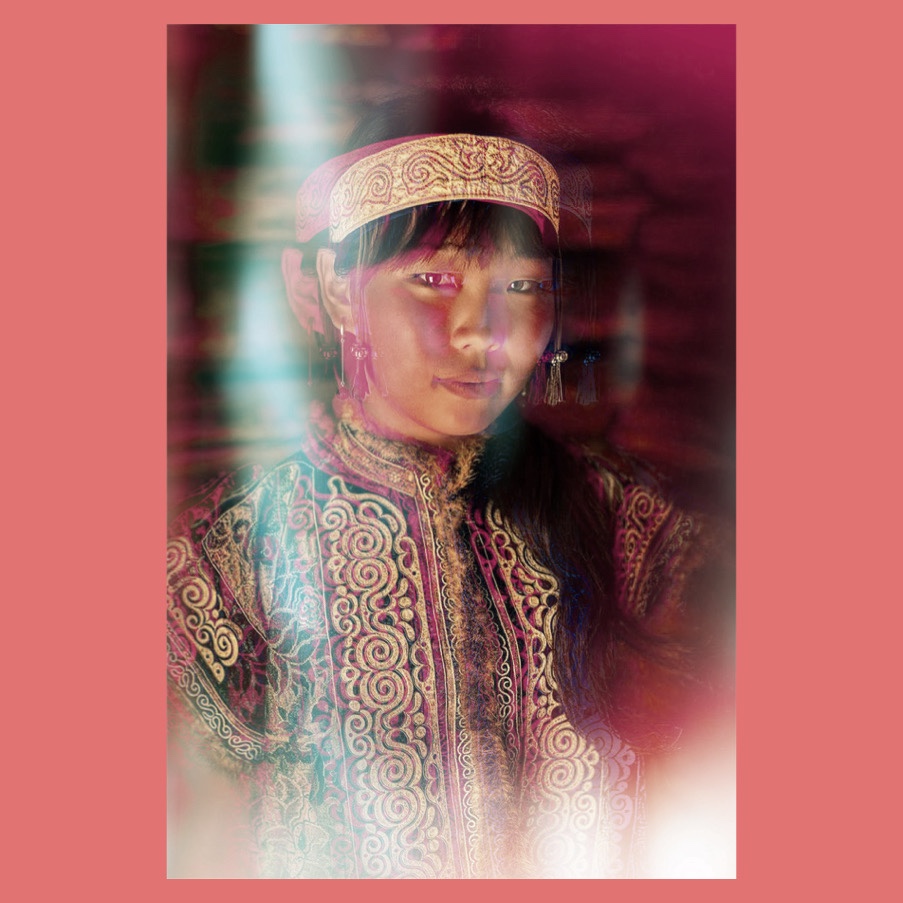
The Nivkh language is truly a fascinating beast, as I am sure you have seen. A curious phenomenon by which speakers accumulate experience rather than accomplish endeavours. What a world! It of course evolved out of the Orientalesque tradition of rationalisation and the Amerindian envoy tradition, supposed to synthesise both perfectly. The Nivkh are heirs to a culture set up by envoys/migrants who travelled back from Alaska to update their Orientalesque cousins about the progress they had made with the Buzz-Concept infinity regarding enhanced “sensoriality”. The foundation of Nivkh culture is therefore symbolic. They are now based around Sakhalin, and still based on the Amur River, the traditional original Proto-Orientalesque heartland, where Amerindian “envoys” would seek to finish their pilgrimage, its route ingeniously intuited according to collective me. Traditional Nivkh culture was very idealistic, since Sakhalin is so beautiful, supposed to be enlightening and captivating like a pot of gold at the end of a rainbow. But this has been desecrated by outsiders and the Nivkh now find themselves living in a world which appears rather bleak.

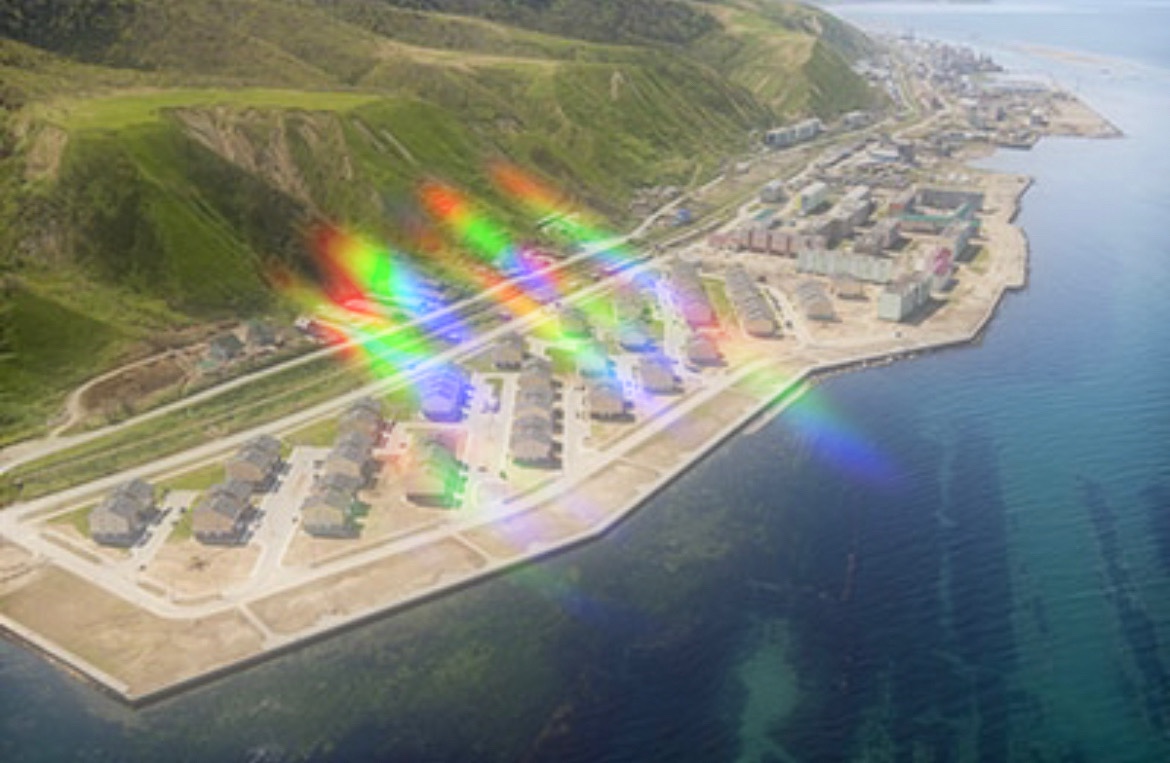
À Sakhaline! (“To Sakhalin” – in French)… But oh, no! What happened here? … Well, now, we can’t have that, can we? 🙂
 The Buzz-Concept Project