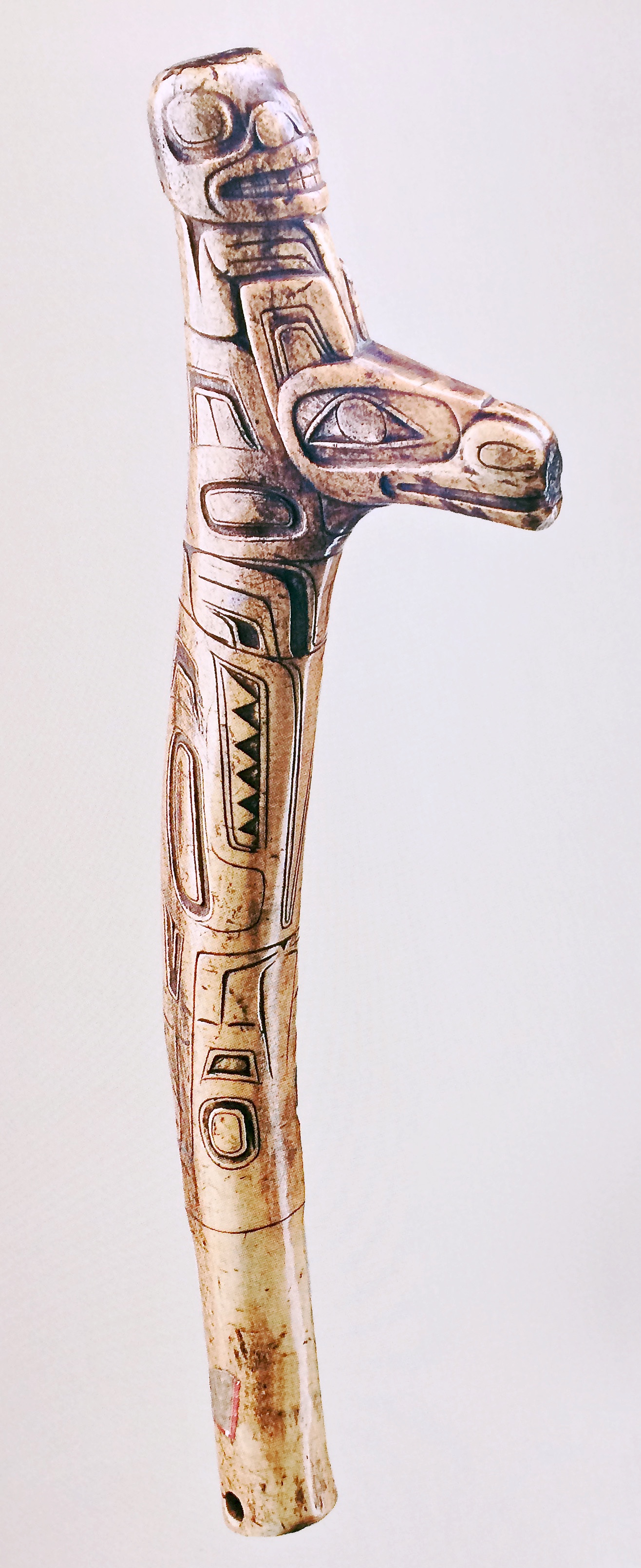
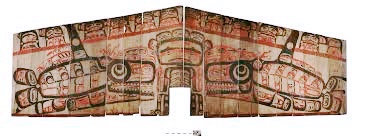

The Proto-Amerindians would first cross over from Siberia to populate the Americas from 15-30,000 years ago. On their way over Beringia via the land bridge they would have the idea for the Buzz-Concept infinity, borne out of their hardship-induced ingenuity. They would settle down in North America, starting in Alaska and moving down, of course. The original Proto-Amerindian cultures that were set up upon their arrival in the Americas have modern descendants belonging to today’s Eskimo-Aleut peoples of Greenland, northern Canada, Alaska and Siberia. The Eskimo-Aleut peoples, particularly the Inuits, are THE Orientalesques (the Amerindian languages technically being Orientalesque languages, distantly related to East Asian i.e. Oriental languages including Chinese and Japanese, by my proposal).
People would in due course head southwards with ideas to set up different cultures, languages and groupings of their own. The Amerindian sphere is singular, unique, remarkable in that all the diversification was done on a strict intellectual basis. Divergent groups diverged on intellectual premises, with ingenious new ideas for cultures, languages and variants of the Buzz-Concept infinity to explore.


First came the…
It was a glorious process that engendered a tonne of fascinating linguistic diversity, as you can see from the maps above. I call the Eskimo-Aleut languages the “Catalystic” Tongues, FYI. Get it? Because the original Eskimo-Aleut cultures were the primary catalysts for the development of the rest of the Amerindian world. First to diverge were the Na-Dene / Nadene / Na-Dené / Athabaskan-Eyak-Tlingit / Tlina-Dene languages, including Navajo, the “Innovative” Tongues: they tried very hard but just didn’t quite manage to establish their own principal branch of the Amerindian family that was entirely separate from the original Proto-Eskimo-Aleut language(s). In the end they caved and let the albeit tenuous relationship stay in place. Their linguistic output is no less magnificent, however. The Na-Dené peoples are the wholesome Amerindians.
Proving the relationship between Eskimo-Aleut and Na-Dené:
Let’s start with Inuktitut, the most ubiquitous of the Inuit languages – the Inuits being THE Orientalesques, heirs to the most legitimate strand of the shared heritage…
(Read up on the Orientalesque languages.)
Inuktitut • [inuktiˈtut] • ᐃᓄᒃᑎᑐᑦ • from inuk, “person” + -titut, “like”, “in the manner of”


Inuktitut, as you can see, has a very rich morphological system. A vast array of different morphemes are annexed onto a root to create meanings that in English we would use several separate words to convey. Inuktitut has hundreds of suffixes that can be combined thus, in some dialects as many as 700. It is an extreme agglutinating and polysynthetic language.
A famous example…
- qangatasuukkuvimmuuriaqalaaqtunga • ᖃᖓᑕᓲᒃᑯᕕᒻᒨᕆᐊᖃᓛᖅᑐᖓ • I’ll have to go to the airport
- qangata, to raise/to be raised in the air | suuq, one who habitually performs an action; thus qangatasuuq: airplane
- kkut, group | vik, enormous; thus qangatasuukkuvik: airport
- mut, (dative singular) to
- aq, arrival at a place; to go
- jariaq, the obligation to perform an action
- qaq, to have
- laaq, (future tense) will
- junga, (participle, first person singular) I


The 4 layers of Inuktitut:
- boundlessness
- resilience, sturdiness
- Inuit
- cohesion
Inuktitut is closely related to Yupik of western Alaska and eastern Siberia, both being Eskimo languages of the Eskimo-Aleut family, “Catalystic” Tongues…
Central Alaskan Yupik • Yup’ik • Yugtun
- tuntussuqatarniksaitengqiggtuq “He had not yet said again that he was going to hunt reindeer.”
Like Inuktitut, Yupik is highly synthetic and agglutinative.

- Tawa-lu tauna qulireq irniama atiita, ikani Ingrissaaraam nuniin’ ingrim’, uksuigaqamta, inartaqamt’-irniani mikteɫratni quliratui mat’umeng. Can’iraam-taum quliratui mikteɫratni.
- ‘Well now, this story was told by my children’s father across there near Ingrissaareq; when we made winter camp at the mountain there, when we went to bed, he would tell this story to his small children. Can’irraq told this to them when they were small.’
- (Cev’armiut Qanemciit Qulirait-llu / Eskimo Narratives and Tales from Chevak, Alaska, p.71)
The 4 layers of Yupik:
- permanency
- frivolity
- Yupik
- astuteness
The Yupik are the ultra-steadfast ones.


An ~intriguing~ Na-Dené/Athabaskan language of Alaska: Koyukon, spoken today by mere hundreds along the Koyukuk and the middle Yukon River in western interior Alaska…
Koyukon • Denaakkenaageʼ • Denaakkʼe • Dinaak̲’a
The 4 layers of Koyukon:
- boundlessness
- intrigue
- Koyukon
- compartmentalisation

- k’eeł = one
- neteekk’ee = two
- tokk’ee = three
- denk’ee = four
- k’eełts’ednaale = five
The Na-Dené & Athabascan peoples are the redemptive, open-hearted, “clean-spirited” ones in this proposed relationship. Also the freestylers.

The Koyukon language, a Northern Athabaskan language, is related to “Beaver” of western Canada spoken today by a couple of hundred people…
Beaver • Dane-zaa • Dane-zaa Ẕáágéʔ • ᑕᓀᖚ ᖚᗀᐥ • “people-regular language” “true-people language”
Dane-zaa is a tone language and is agglutinating.
- Aadzęhdǫ́h tǫ́hch’iidǫ́h jii, Madátsʼatlʼǫje dane yéhjii. Dane yadááhdzéʔ háá ghędaa. Dane yadááḏẕé dáánejiilh.
- A long time ago, they called this Madáts’atl’ǫje [Snare Hill]. People depended on this place to live. People depended on this place to survive.


The 4 layers of Beaver:
- infinite scope
- pep
- Dane-zaa
- roundedness
Both Dane-zaa and Denaakk’e, Northern Athabaskan languages, are then related to Navajo, the most spoken native language of the US, which is a Southern Athabaskan language…
Navajo • Navaho • Diné bizaad • Naabeehó bizaad


The 4 layers of Navajo:
- infinitude
- energy
- Navajo
- development
- Ashiiké tʼóó diigis léiʼ tółikaní łaʼ ádiilnííł dóó nihaa nahidoonih níigo yee hodeezʼą́ jiní. Áko tʼáá ałʼąą chʼil naʼatłʼoʼii kʼiidiilá dóó hááhgóóshį́į́ yinaalnishgo tʼáá áłah chʼil naʼatłʼoʼii néineestʼą́ jiní. Áádóó tółikaní áyiilaago tʼáá bíhígíí tʼáá ałʼąą tłʼízíkágí yiiʼ haidééłbįįd jiní. “Háadida díí tółikaní yígíí doo łaʼ ahaʼdiidził da,” níigo ahaʼdeetʼą́ jiníʼ. Áádóó baa nahidoonih biniiyé kintahgóó dah yidiiłjid jiníʼ (…)
- Some crazy boys decided to make some wine to sell, so they each planted grapevines and, working hard on them, they raised them to maturity. Then, having made wine, they each filled a goatskin with it. They agreed that at no time would they give each other a drink of it, and they then set out for town lugging the goatskins on their backs (…)
Navajo is also classified as a tonal, agglutinative, polysynthetic language.

Within the Athabaskan-Eyak grouping, we also have the extinct Eyak language of Cordova, Alaska…
Eyak • dAXunhyuuga’
- č’i·lehkuc’gšiyah q’ew lu· ˀi·yahł. • Little Old Raven was beachcombing.
- c’idwex̣ ci·dəˀạ·ˀč ˀa·k’. • He kept coming upon mussels.
- ˀu·dəx̣ či·šx̣da·q’d ˀidəcəłəyəq’šgł. • Then he was opening mussels on a pebble-beach.
- dəwa· q’əw teˀyaˀle· qiˀ ˀədcəłəduxłˀạ·ˀ k’uˀdišłiyəq’šgł. • Then as he opened one he came upon where King Salmon was floating.
- ˀəwlah yəx̣· ˀədi·lihłaˀya·x̣ịh, “k’e·duw quˀxšeh[;] ˀəw teˀyaˀ,” • He thought about it, “How shall I kill it, that fish?”


The 4 layers of Eyak:
- infinitude
- sociality
- Eyak
- aspiration
The Tlingit language occupies its own independent branch of the Na-Dene family, native to the Tlingit people of Southeast Alaska and Western Canada…
Tlingit • [kling-kit, -git] • Lingít • /ɬɪ̀nkɪ́tʰ/
- Káaxwei tsu eetéenaxh xhat yatee. I need more coffee.
- Chʼa yéi gugénkʼ áwé a kaax̱ shukalisʼúx̱, haa tlagoo ḵwáanxʼi aadé s ḵunoogu yé. Haa léelkʼw hás aadé yéi s jineiyi yé áwé, de áa awtulxaaji át áwé, áa haa waḵkeeyaḵaa. Ách áwé kakawtuwakélʼ. Dei kawtoo.aag̱óon áwé x̱á, haa tláa léelkʼw hás, haa tláa káak hás, hasdu ḵusteeyí, hasdu yoo x̱ʼatángi. Dei áa awtulixaaji át áwé, haa jiyís. Haa jeexʼ kakeeyakélʼ. Ách áwé tsu héide shugax̱tootáan, yá yaaḵoosgé daakeit, haa jeexʼ anáḵ has kawdikʼéetʼ. (Kichnáalx̱, 1980)
- We have only uncovered a tiny portion of the way our ancient people used to do things. How our grandfathers used to handle things is what we had given up, what you told us to look at. That is why we untied it. We had tried it, you see, our mothers’ grandfathers, our mothers’ maternal uncles, their culture, their language. We had given them up for ourselves. You have untied it for us. That is why we will open it again, this container of wisdom left in our hands. (George Davis, 1980)
With fewer than 100 speakers around today, the Tlingit language is not the potent phenomenon it once was. It would be the Language of “Experientalisation”. The artful way speakers traditionally process experience in and of itself is a wonder of the world…!
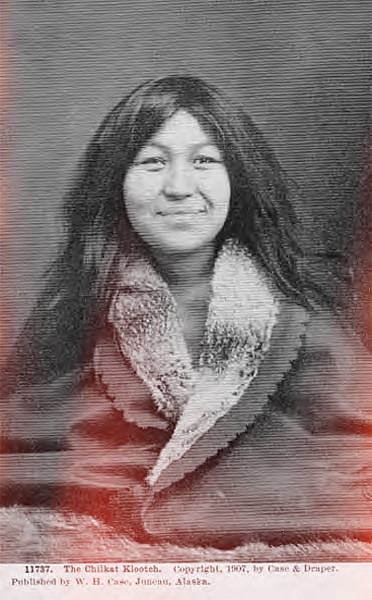
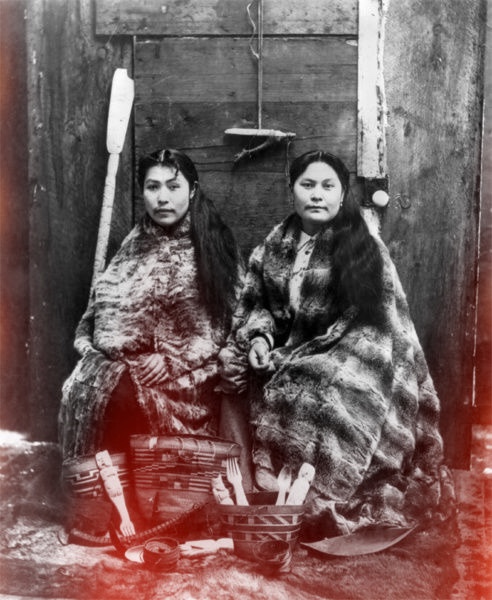
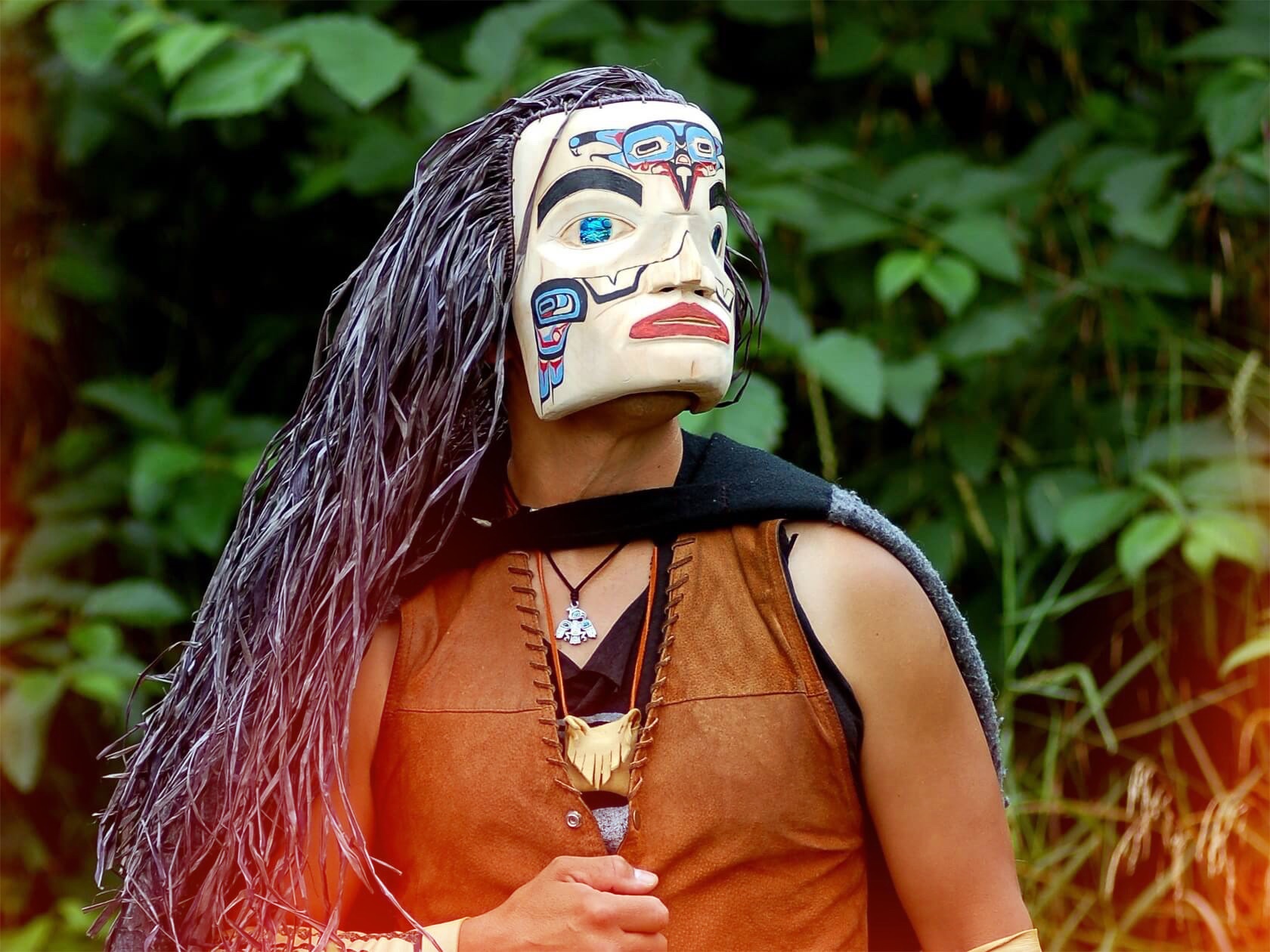
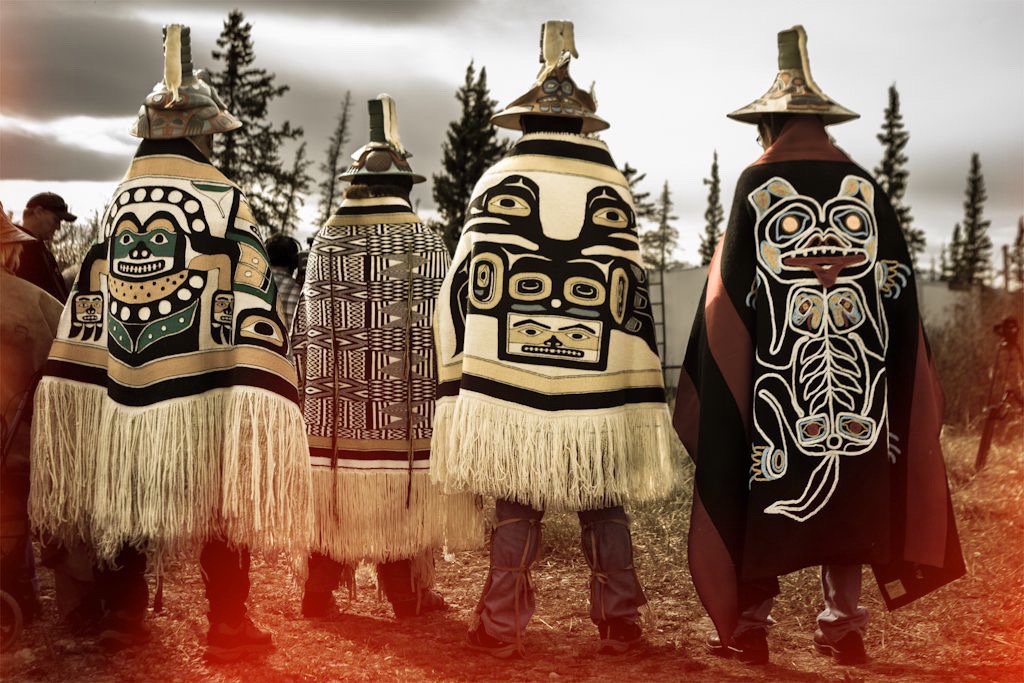
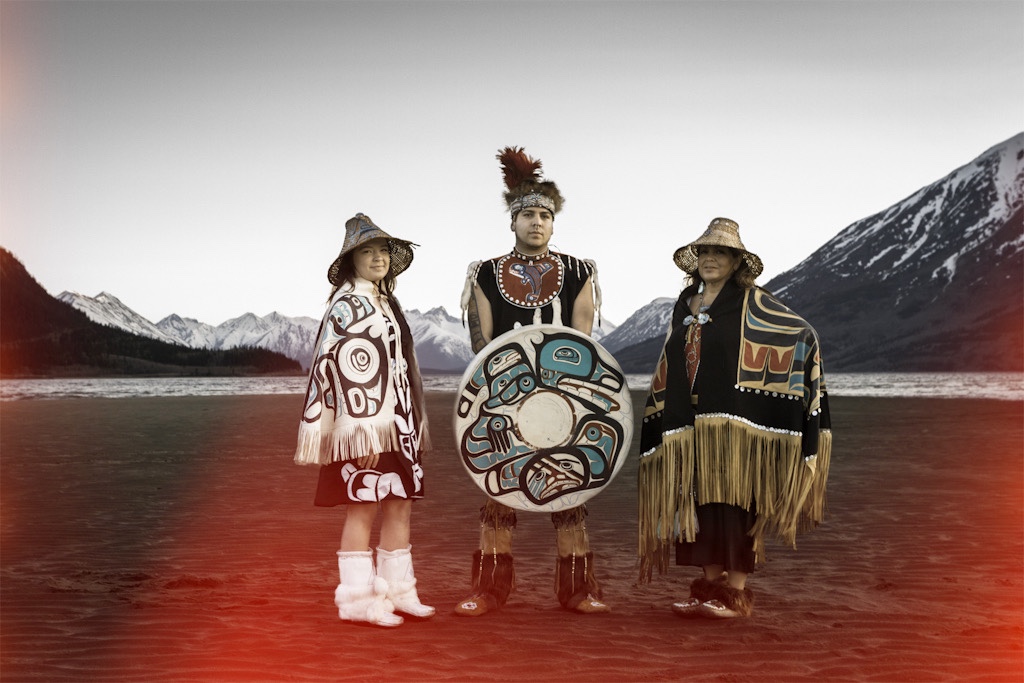
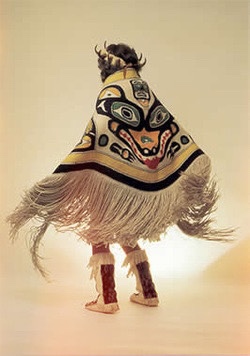
The Tlingit are THE Na-Dené people, and the representers.

The 4 layers of Tlingit:
- infinite will
- reality
- Tlingit
- learning from experience
The link between the Na-Dené languages and the Eskimo-Aleut languages is only visible in the Eyak language. You can definitely just see how the original Eskimo-Aleut flourish gave rise to the freestyled Eyak ingenuity of Orientalesque morphology. Why only in Eyak? Well, the Na-Dené innovators tried their absolute hardest to conceal the link, not wanting to give themselves and their tender hearts away as doting cousins to the Eskimo-Aleut peoples. State secrets. The Eyak left this trace as the open Na-Dené people.
From there on out…
From there on out, the Amerindians and the Orientalesques in general had to accept that there wasn’t much further to take their heritage. The distantly connected offerings of the aforementioned groups were just so astoundingly potent. Other ideas would, of course, as we can see, still nonetheless be had – but the fervour had waned and people also had to fight to keep up their enthusiasm about it all (including the Buzz-Concept infinity).
And then we had the Algic languages —alternatively the Algonquian–Wiyot–Yurok or Algonquian–Ritwan languages— which encompass and include the Algonquian / Algonkian / Algonquin / Algonkin languages. Cree is the most widely spoken Algic language. The Algic languages are the “Hyper-Logical” Tongues, established originally as a counterbalancing flow to the original Amerindian template, the latter of which codes for a more organic mode of rationalisation. Some super-cute sparky lowly children were being bullied by the élite chiefs’ kids and a doting mama had the idea out of frustration with the tedious intricacies of the original Amerindian view of rationality, that not only allowed but fostered perverse power dynamics like that. Faith was quickly lost in the original template and a buzz began to form about the new idea, which originally proposed a vision for society exclusively shaped by clean, filtered, razor-sharp rationality. The premise of the new culture entailed really devoutly relishing one’s position in the cycles of rationalisation, on a level so elemental that even if it doesn’t take you anywhere you stay bound for the thrill. And it was in this extreme form that the “Hyper-Logical” Tongues were founded.
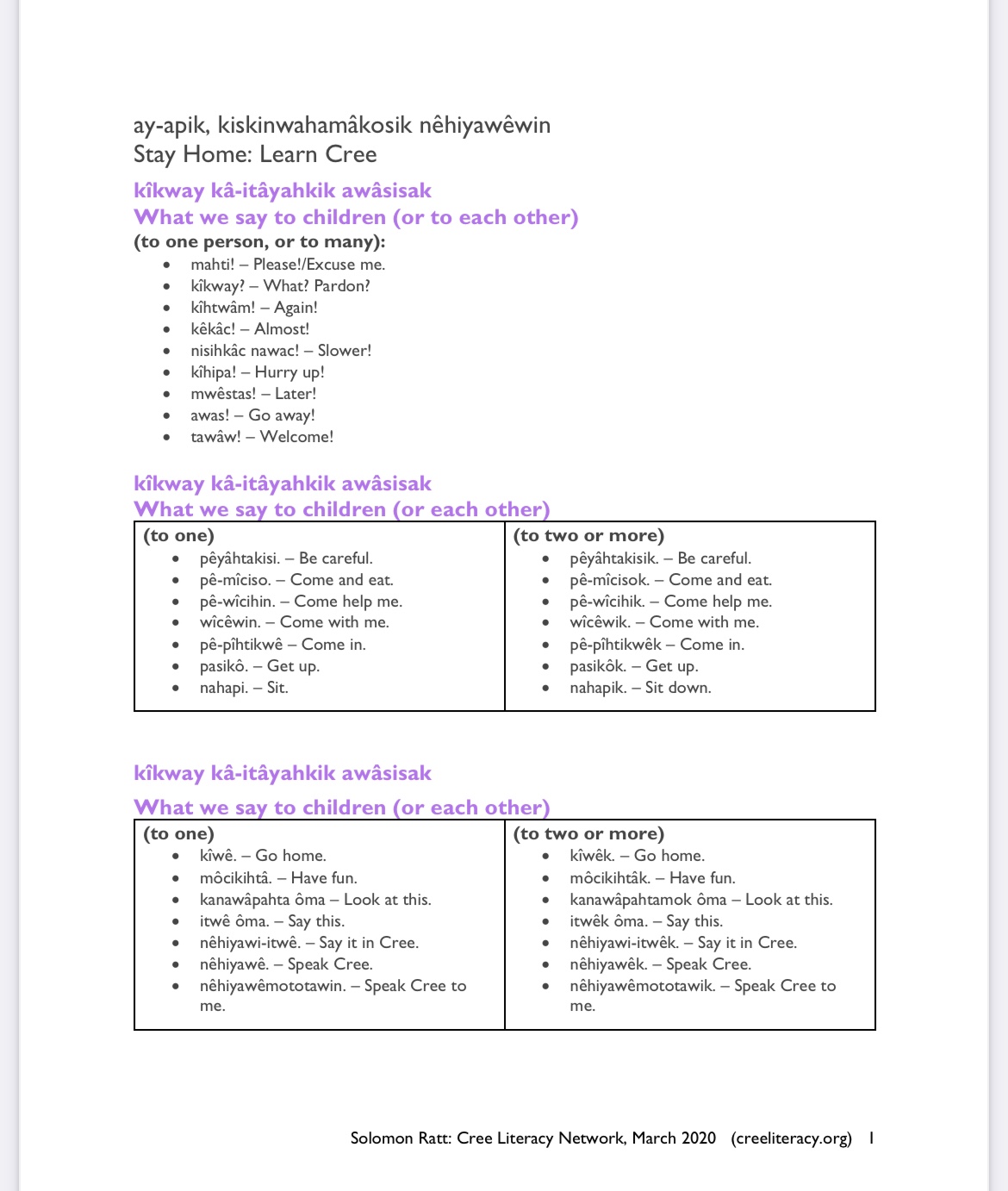
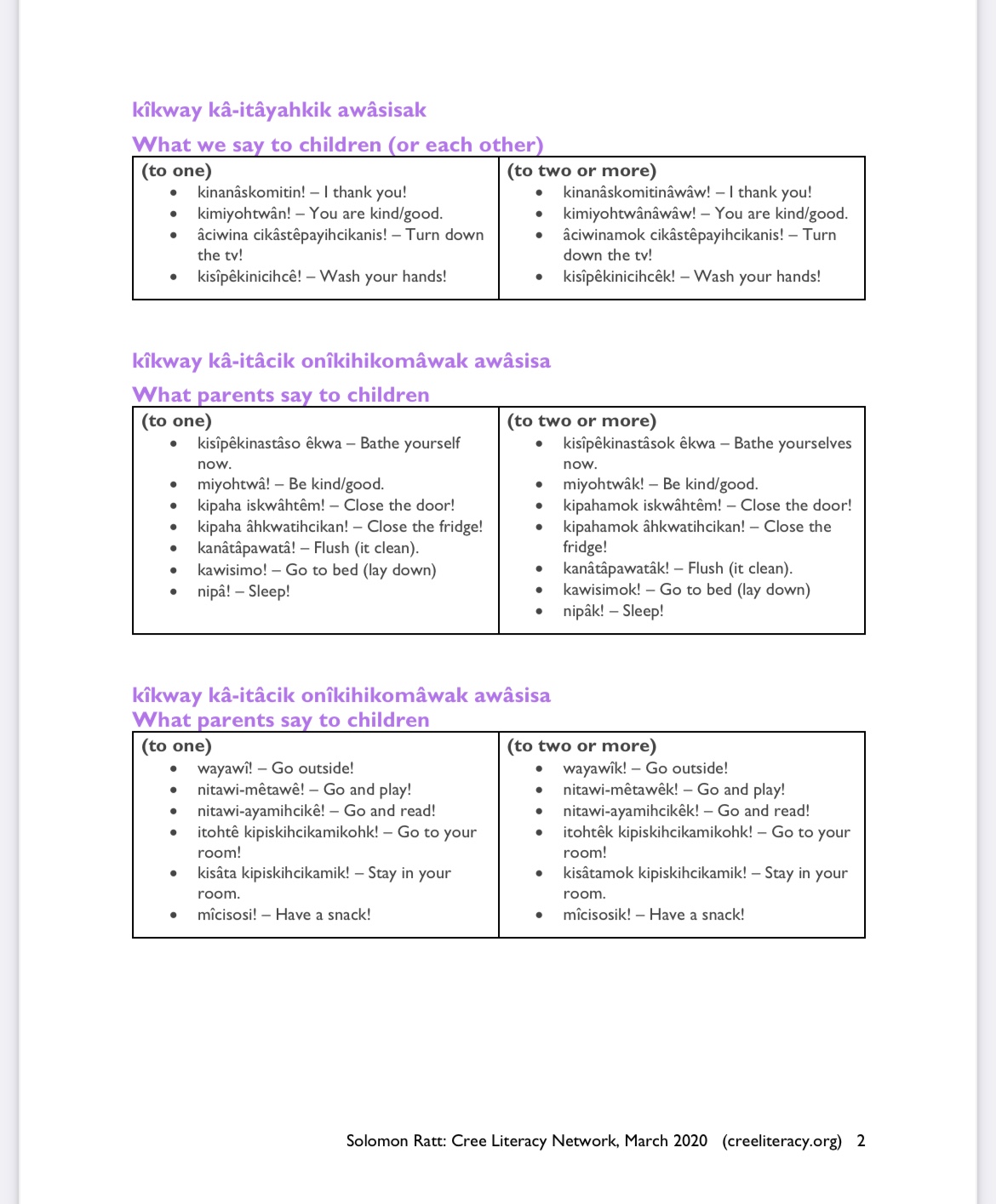
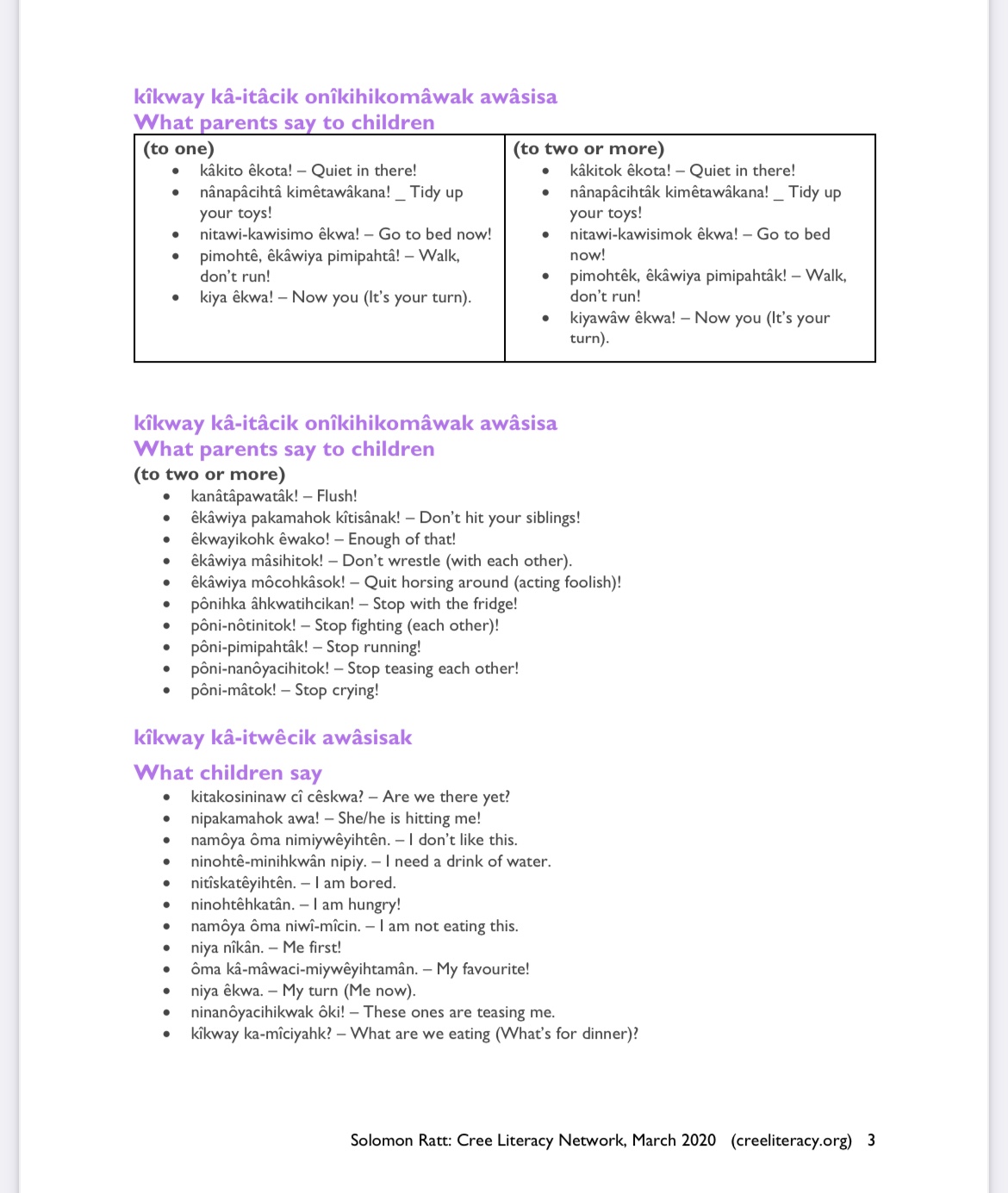
Words in Cree / ᓀᐦᐃᔭᐍᐏᐣ / Nēhiyawēwin…
- tawâw | ᑕᐋᐧᐤ | welcome
- tatawaw | ᑕᑕᐊᐧᐤ | welcome
- miyoteh ka wisamiht awîyak | ᒥᔪᑌᐦ ᑲ ᐃᐧᓴᒥᐦᐟ ᐊᐄᐧᔭᐠ | welcome
- tanisi | ᑕᓂᓯ | hello / how are you?
- waachiyaa | ᐙᒋᔮ | hello
- ikosi | ᐃᑯᓯ | goodbye
- eha | ᐁᐦᐊ | yes
- ehe | ᐁᐦᐁ | yes
- namoya | ᓇᒧᔭ | no
- namui | ᓇᒧᐃ | no
- ayhay | ᐊᕀᐦᐊᕀ | thank you
- kinanâskomitin | ᑭᓇᓈᐢᑯᒥᑎᐣ | thank you
- mîkwêc | ᒦᒃᐌᒡ | thank you
Words in Ojibwe / Anishinaabemowin / ᐊᓂᔑᓈᐯᒧᐎᓐ…
- aniin = hello (informal)
- bozhoo = hello (formal)
- aaniish naa ezhiyaayin? = how are you?
- wegnesh ezhinkaazyin? = what’s your name?
- mino gigizheb = good morning (“it’s a good morning”)
- mino giizhigad = good afternoon (“it’s a good day”)
- mino dibikad = good evening (“it’s a good night”)
- miijidaa! = bon appetit! let’s eat!
- enh = yes
- kaa = no
- gawiin = no
- ikidon miinawaa = please say that again
- gdi-anishnaabem-na? = do you speak Ojibwe?
- enh, ndi anishnabem bangii eta go = yes, a little
- aaniin minik? = how much is this?
- daga = please
- miigwech = thank you
- chi-miigwech = thank you
- gi zah gin = I love you
- gizhaatemgat nangwaa = it’s how today
- gmiwaan nangwaa = it’s raining today
- ksinaamgat nangwaa = it’s cold today
- niiskaadad = this is not good weather
- gaawiin niiskaadasinoon = this weather isn’t bad
- anwaatin = this is fair weather
- gaawiin anwaatinzinoon = this isn’t nice weather
- ninoondezgade = I’m hungry
- ginoondezgade na? = are you hungry?
- noondezgade = he’s hungry
- aaniindi ezhaayin? = where are you going?
- awenish dinowa? = what kind?
- ambe daga wiijiiwishin = come with me
Cree is the Language of Lucidity and Ojibwe is the Language of Animation.
The four layers of Cree:
- limitlessness
- superiority
- Cree
- envisioning
The four layers of Ojibwe:
- bold boundlessness
- equilibrium
- Ojibwe
- comfort of soul
How useful must it be to speak a “Hyper-Logical” Tongue? Except people found each other super annoying and life wasn’t particularly fulfilling. So this development actually proved quite controversial.


“The world’s pithiest tongue”…
More than one breakaway and spin-off in turn emerged out the Algic sphere due to resulting disagreement… like…
…the Wakashan languages of coastal British Columbia, the “Coherent” Tongues. The Wakashan peoples broke off from the Proto-Algonkins due to disagreement and clashing about the idea for the “Hyper-Logical” Tongues. Not going hard enough in some ways but also too soft in others! The Wakashan peoples are THE adherents to the Buzz-Concept infinity. They are such nasty pieces of work when it comes to rationalisation that their legacy influenced the design of the Seattle Space Needle. Logic-blocking is offensive to Native Americans, and you simply cannot get away with this at all with Wakashan peoples. It’s so difficult to please them.

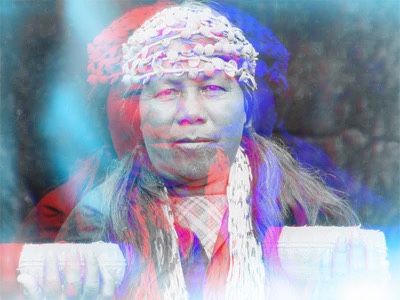


Indeed, corroborating my theory that the Wakashan languages first emerged as a spin-off of the Algonkin languages, there is a proposed Algonquian-Wakashan (also Almosan, Algonkian-Mosan, Algonkin-Wakashan) family courtesy of Edward Sapir in 1929. It encompasses the Algic languages, Kutenai, and the proposed Mosan languages i.e. the Wakashan, Chimakuan and Salishan families.
From the Wakashan grouping, I will be highlighting…
…Kwak’wala / Kwak̓wala / Kwakiutl / Lekwala / Liq̓ʷala, spoken by the Kwakwa̱ka̱ʼwakw (“Kwakʼwala-speaking peoples”) or Northern Kwakiutl and Laich-kwil-tach / Ligwilda’xw or Southern Kwakiutl of western Canada & the Pacific Northwest Coast. There are fewer than 200 fluent Kwakʼwala speakers today, which amounts to 3% of the Kwakwakaʼwakw population. In addition to the Liq̓ʷala dialect, we also have T̓łat̓łasik̓wala, G̱uc̓ala and Nak̕wala. It is a Northern Wakashan language.
- ǥilakas’la • welcome, thank you
- a̱ngwaxtłas? • what is your name?
- ga̱lda̱gi da xwak̕wa̱na • the canoe is long
- ha̱ma̱lḵ̕wa̱lala gax̱a̱n • remind me
- ikux̱ da ‘nalax̱ • it’s a nice day
- k̓i’sa̱n nala’ • I’m not brave enough
- nanax̱’me la’s gax̱a̱n • answer me!
- olak̓ala̱n mu’la’ • I am really grateful
- p̓a̱p̓asas? • are you blind?
- ‘wigilas? • what are you doing?
- ‘wiksas? • how are you?
…and I am also going to feature Nuu-chah-nulth / nuučaan̓uɫ / Nootka, meaning “along the outside [of Vancouver Island]”, a Southern Wakashan language.
- wiikšahik | how are you?
- haa | yes
- wik | no
- mačinuʔi | come in (one)
- mačinuʔič | come in (more than one)
- šaỷutk qʷaa | how are you doing?
- hupiisumk | how can I help you?
- ɫakšiʔats | I am sorry
- ?u?uuyiihši?aλma ?u?uuiihma kampuu?c’is ‘he sang for high rubber boots’
- na?aackwi qwayac’iik ?uukwil quuquu?as ‘wolves understood what humans were saying’
Why? Because they’re interesting high-powered systems of communication. I say that the Wakashan languages are the “Coherent” Tongues, and you can clearly see the cohesive logicality and the consistency in their morphology. Very discernibly, surely even to laymen. Martin Wainwright of the Guardian describes Nootka as “the world’s pithiest tongue”. Lots of bracing, distinguishing glottal stops and well-organised structure.
The Buzz-Concepts of Wakashan languages:
- infinity
- strength
Note that their angle on adhering to the Buzz-Concept infinity is palpably the purest, cleanest.

The Salishan languages are also an interesting Amerindian grouping. The “Sensatorial” Tongues buzz about measurelessness. The Salishan or Salish languages are native to the Pacific Northwest, to the Canadian province of British Columbia and the American states of Washington, Oregon, Idaho and Montana. They are characterised by heavy agglutinativity and syllabic consonants…
- In the Nuxalk language: clhp’xwlhtlhplhhskwts’ = [xɬpʼχʷɬtʰɬpʰɬːskʷʰt͡sʼ], meaning “he had had [in his possession] a bunchberry plant”
The Salishan language family consists of twenty-three languages.
Bella Coola / Nuxalk / ItNuxalkmc is a Salishan language spoken by the Nuxalk people, today only having 3 fluent speakers in the Canadian town of Bella Coola, British Columbia.
- ƛ̓ikm-Ø ti-wac̓-tx ‘the dog is running’
- sp̓-is ti-ʔimlk-tx ti-stn-tx ‘the man struck the tree’
- ʔimmllkī-Ø ti-nusʔūlχ-tx ‘the thief is a boy’
- nusʔūlχ-Ø ti-q̓s-tx ‘the one who is ill is a thief’
- nuyamł-Ø ti-man-tx ʔuł-ti-mna-s-tx x-ti-syut-tx ‘the father sang the song to his son’
- wac̓-Ø ti-ƛ̓ikm-tx ‘the one that’s running is a dog’
- mus-is ti-ʔimmllkī-tx ta-q̓lsxʷ-t̓aχ ‘the boy felt that rope’
- clhp’xwlhtlhplhhskwts’ / xłp̓χʷłtłpłłskʷc̓ / xɬpʼχʷɬtʰɬpʰɬːskʷʰt͡sʼ Then he had had in his possession a bunchberry plant.
- maw = one; lhwaas = two; asmús = three; mús = four; ts’ícw = five
- kwtmts = man
- cnas = woman
- snx = sun
- tl’uk = moon
- qla = water

Salish / Séliš is a member of the Salishan family today spoken by around 100 people in the Flathead Nation in north-central Montana and in the Kalispel Indian Reservation in northeast Washington State. It is also called Kalispel-Pend d’oreille, Kalispel-Spokane-Flathead or Montana Salish.
- Yetłxʷasq̓t qe y̓amncut u qe es wičstm łu nxʷlxʷiltn ta es hoy qe cxʷic̓łlt łu qeqł nxʷlxʷiltn iqs šiʔmnwexʷ l es yaʔ łu l es xʷlxʷilt put u yetłxʷasq̓t łu qe nk̓ʷłaxmintn nk̓ʷuʔ wilš łu ne qe es lmntmnwexʷ u qe es cuti lemlmtš č̓ es yaʔ sqlqelixʷ x̣ʷl̓ qe sqelixʷ.
- Today we have gathered and we see that the cycles of life continue. We have been given the duty to live in balance and harmony with each other and all living things. So now, we bring our minds together as one as we give greetings and thanks to each other as People.

Emerging from the Wakashan-Algonquian muddle we have much more still.

We have the somewhat controversial proposed Penutian family of western North America, still subject to debate, but consisting of a multitude of different smaller families, like the Tsimshianic family. This grouping does exist but its precise extent is still up for further examination. The name Penutian is formed from the words for “two” in the Wintuan, Maiduan, and Yokutsan languages (pronounced something like [pen]) and in the Utian languages (which is pronounced something like [uti]). The original Penutian hypothesis was put forth by Roland B. Dixon and Alfred L. Kroeber in 1913. It elaborated similarities observed between the Californian families Maiduan, Miwok, Costanoan, Wintuan and Yokutsan. This original proposal has since been categorised as Core Penutian, California Penutian, or the Penutian Kernel. Its suggested scope has since been extended by other linguists, such as by Edward Sapir who incorporated the Tsimshianic languages. Others hold that the Tsimshianic family is not closely related to any North American language.
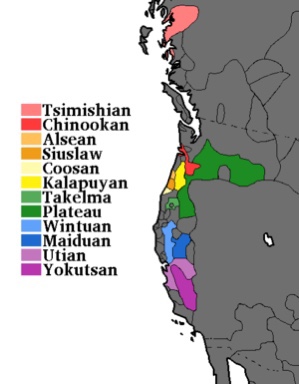
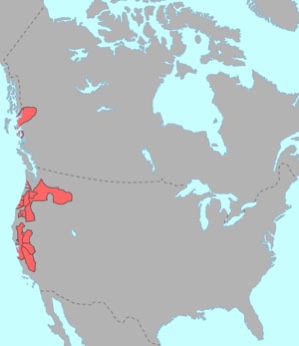
And now for the Tsimshianism
The Tsimshianic / Tsmksian grouping of northwestern British Columbia and Southeast Alaska is today endangered, with only about 2000 people of the ethnic Tsimshian population in Canada still speaking one of the languages. The family has two subdivisions: Maritime Tsimshian and Nass-Gitksan. Overall, Tsimshianic consists of four lects. The 2 Tsimshian / Maritime Tsimshianic / Lower Tsimshian / Northern Tsimshian lects are…
- Coast Tsimshian / Tsimshian proper / Sm’algyax̣ / Sm’algax
- Southern Tsimshian / Sgüüx̣s / Ski:xs / Old Klemtu
The 2 Nass-Gitksan / Interior Tsimshianic / Inland Tsimshianic lects being…
- Nisga’a, Nisqa’a, Nisg̱a’a, Nishga, Nisgha, Niska, Nass, Nishka
- Gitksan, Gitxsan, Gitksanimx̣, Gitxsanimaax
Words in Sm’álgyax / Ts’msyan / Tsimshian:
- Ndeeya wila waan? How are you?
- Nt’oyaxsn. Thank you. (said to one person)
- Aam. Good.
- Si’pn nuut nuun. I love you.
- Aam di wila waalu. I am good.
- Aam dsh nuun. Good, and you?
- Luk’wil aam wil waalu. I am very good.
- Ama g̲unłaak. Good morning.
- Ama sah gya’wn. Good day today.
- Ama huup’l. Good evening.
- Ndm al dyuk niidzn. Until we meet again. (said to one person)
- Gilks amaniisgn. Take care of yourself. (said to one person)
- way dankoo thank you
- T’maaysa dzak’wüsga gyilks diyeltgn? = How many animals did you take home?
- Ła dm ḵ’aym dza̱g̱mbaa sag̱aytwa̱n. = The meeting is nearly finished.
- Ha’wakandi nii badzit’ool. = I have never seen a sea elephant.
- Ła dm basaxgntu ła̱’a̱sk a la̱x liploop. = I am going to spread the seaweed on the rocks.
- Nah ła sisa̱g̱u ha’stayetsa. = I sharpened the axe.
- Na g̱olts’a̱x kpaaa̱ẅ’nu da wii aatk, g̱an pła̱ksgu. = I waltzed all night, that’s why I am tired.
The Tsimshianic grouping entails the Languages of Constitution. The Coast Tsimshians being the big dogs, the representers, and the Inland Tsimshians the discreet, insightful ones.
The 4 layers of Tsimshian / Sm’algyax̣ …
- seeking beyond
- assertion
- Tsimshian
- discernment
The 4 layers of Nisga’a…
- looking beyond
- force
- Nisga’a
- forward-thinking
The 4 layers of Gitxsan…
- looking liberally beyond
- heartfelt force
- Gitxsan
- profound astuteness


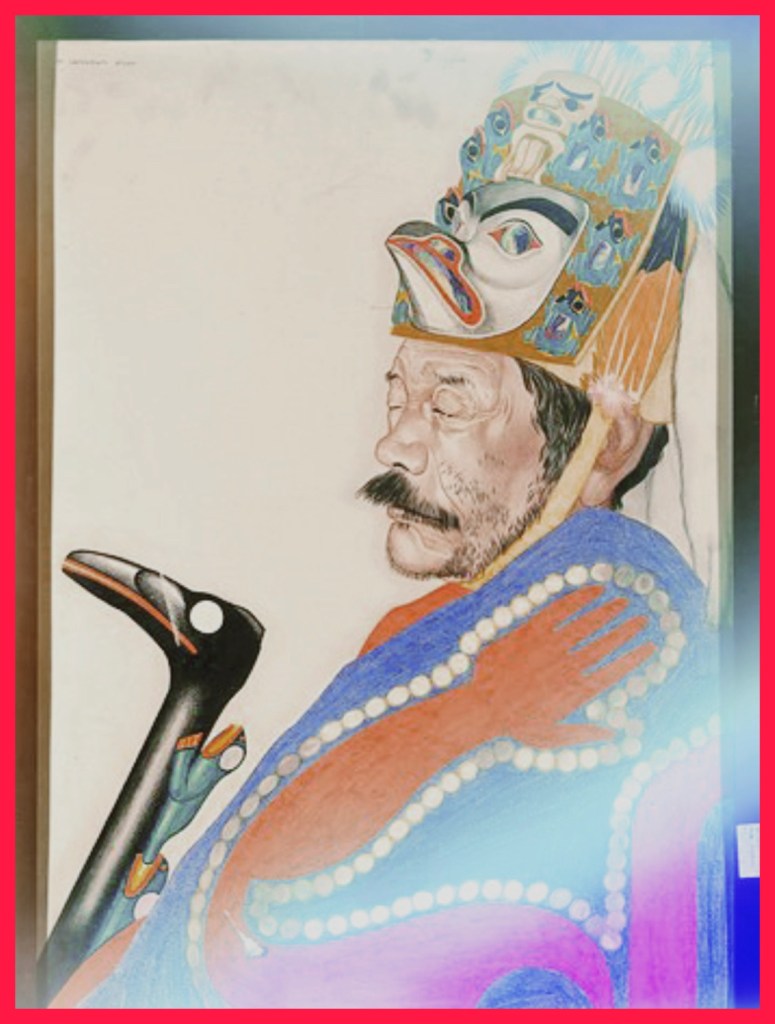

 The Buzz-Concept Project