


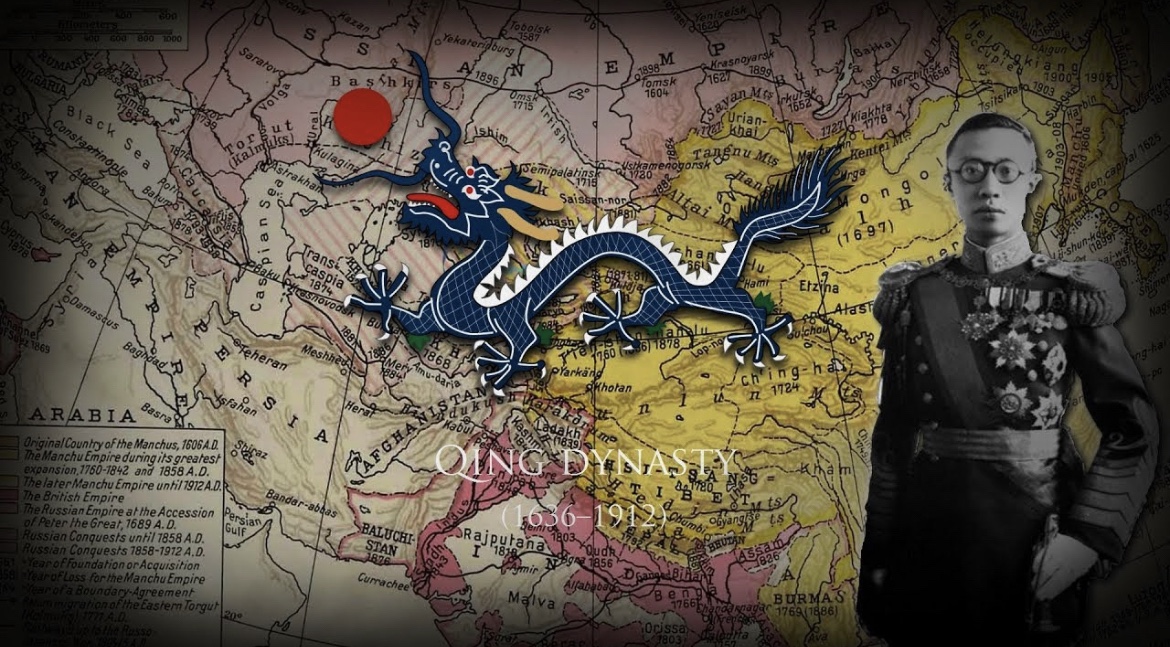
The Qing / Ch’ing dynasty was the last and the largest of the imperial dynasties of China. It was officially named the Great Qing / 大清 / Dà Qīng / “large/big/great/major” + “pure/clear/clean/distinct/quiet/thoroughly/clearly”… “The Great Clearing/Distinction/Revelation”… just so we’re clear…
It is also known as the Manchu dynasty because it was ruled by Manchu people from Manchuria, rather than by the Han Chinese – who make up 90% of China’s estimated 1.4 billion today. The Manchu, although their culture and language have been supremely heavily influenced by those of the Han, are quite different. By my classification, Chinese and Manchu are both Orientalesque/Amurian/Amuric/Mongoloid languages. Yet Chinese is an Oriental language while Manchu is technically related more closely to the Amerindian languages, as a Tungusic language. Qing splendour was markedly revitalising, inspiring, judicious in its beauty because Manchu (previously Jurchen) – now pretty much extinct – was the Language of Perspective.
Read about the Orientalesque languages, and about the Manchu tongue…
SAIYOUN? / SAIYVN?
“Hello” in Manchu
你好
Nǐ hǎo
“Hello” in Mandarin Chinese
The Qing dynasty of China proper was founded in 1644 under Shunzhi, upon capturing Beijing. His father Hong Taiji first declared it in 1936 – previously of the Later Jin dynasty / 後金國 / 后金国 / Hòu Jīn Guó / Amaga Aisin Gurun / “Later Gold(en) State”. It ended in 1911/12, with the 1911 Revolution and the abdication of Puyi / 溥儀, respectively.


It was preceded by the Ming dynasty (1368-1644), from where it tripled in sized and grew its population from some 150 million to 450 million.

The Manchus readily accepted Chinese culture and vice versa, facilitating harmony between the Chinese people and their Manchu rulers. The Qing emperors started out as strong, astute leaders in theory. This was a result of the legacy of Nurhaci, Jurchen leader of the House of Aisin-Gioro, father of Hong Taiji, who founded the Later Jin dynasty in 1616. Nurhaci had set in motion the trajectory of the Manchu dynasty/dynasties, beginning to organise “Banners” – the Eight Banners – in the late 16th century. These Banners were military-administrative-social units between which all Manchu households were divided, each represented by an army, also constituting the primary framework by which Manchu society thus functioned. Manchu, Han and Mongol elements or forces were incorporated. The Eight Banners were divided into two groupings: the three Upper Banners under the command of the emperor himself, and the five Lower Banners commanded by others. They were also organised into a Left and Right Wing, according to how they assembled in battle. It was a clever, efficient, ingenious, well-organised system of governance that was carried forward into the Qing dynasty.


Things would of course later deteriorate and lead to their fall, but it was a compelling vision they put forth. Perhaps the Qing rulers can be accused of being too superior, even though later rulers were unable to sort out the problems of increased population because of a thriving culture, and a consequent shortage of land. The firm Manchu military command weakened as popular unrest emerged, also aggravated by severe floods and famine. Ultimately, the result was civil turmoil, culminating in multiple rebellions, government inefficiency and widespread corruption. But their albeit oppressive philosophy was perhaps one of world history’s most compelling, in its own special distinguished way, paradoxically. They even sought to painstakingly pave the ideological way for next steps beyond their rule themselves, as per their Confucian belief system. I do paradoxically get the impression that they secretly adored their subjects too hard in a way and the resultant illogicality of their stance was how it was undermined…?
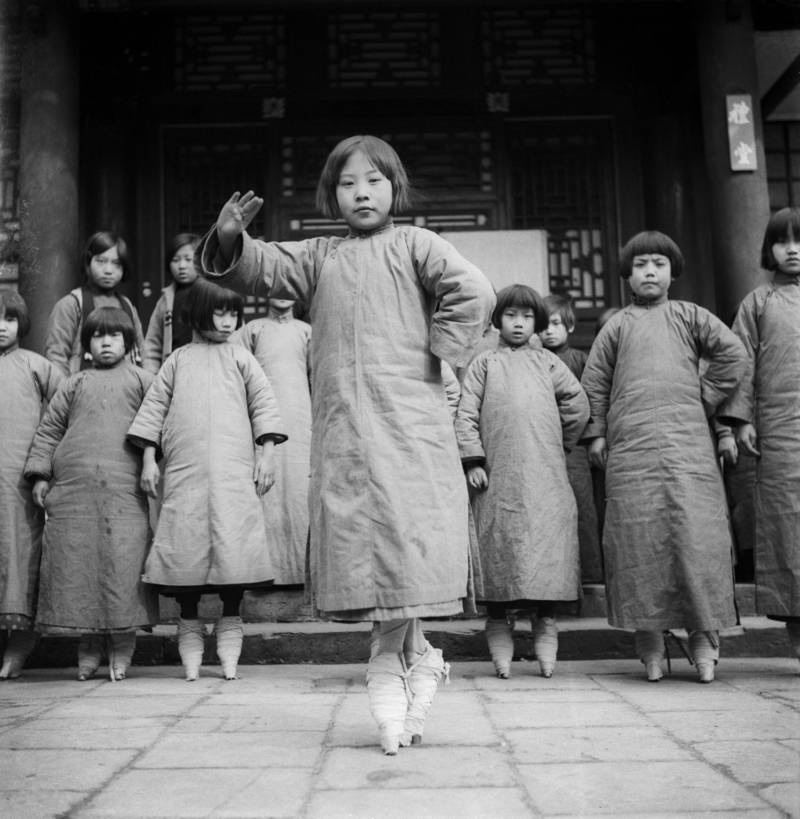
That said, despite the overall advancement of peace, prosperity and expansion that Qing rule initially brought, Han subjects were discriminated against and Qing society was highly conservative and stifled. Han men were obliged to cut their hair in a Mongolian style or were executed. Han intellectuals who dared to criticise the rulers through literature were even beheaded. People were also forcibly relocated from the power centre of Beijing. Then again, they were otherwise well-balanced, highly discerning leaders and the world didn’t really know much better at the time.

Militarism was obviously actually a strong-suit of the Manchus, as the second Qing emperor of China proper -third Qing ruler overall- Kangxi (reigned 1661-1722) further demonstrated. He oversaw the expansion of the Manchus into Russian land, a treaty being concluded in 1689 with Russia marking the northern extent of the Manchurian boundary. Over the ensuing 40 years, they would go on to extend their empire to include Outer Mongolia (now the country of Mongolia), Tibet, Turkistan, and Nepal. Qing control would be yet strengthened by the following emperors Yongzheng (reigned 1722–35) and Qianlong (reigned 1735–96). It was rather their strict isolationism which led to their downfall, as opposed to military incompetence itself, as it prevented their military technology from keeping pace with that of Western powers. They were just too conservative.


After all, it is coded for in them to be highly competent militarists by the intrinsic qualities of the Manchu language. I mentioned yesterday in my related post that the features of the Manchu language keep speakers on their toes, ready to take on experience, wholeheartedly dynamic both mentally and physically.


The conservative shift that Qing rule introduced was reflected in a turn against the arts that didn’t directly endorse the dynasty. Attention was averted from literature and stage plays that were deemed subversive, for example. Books were routinely banned and theatres shut down. Some creativity did nonetheless flourish, particularly painting – and was remarkably innovative and individualistic. In porcelain, too. Craft technique reached a high level, in spite of aesthetically derivative tendencies. Literature in the Qing dynasty focused on classical forms, as in the Ming. In music, we had the development of jingxi, or Peking opera, at the end of the 18th century.
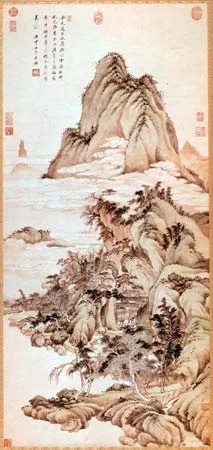
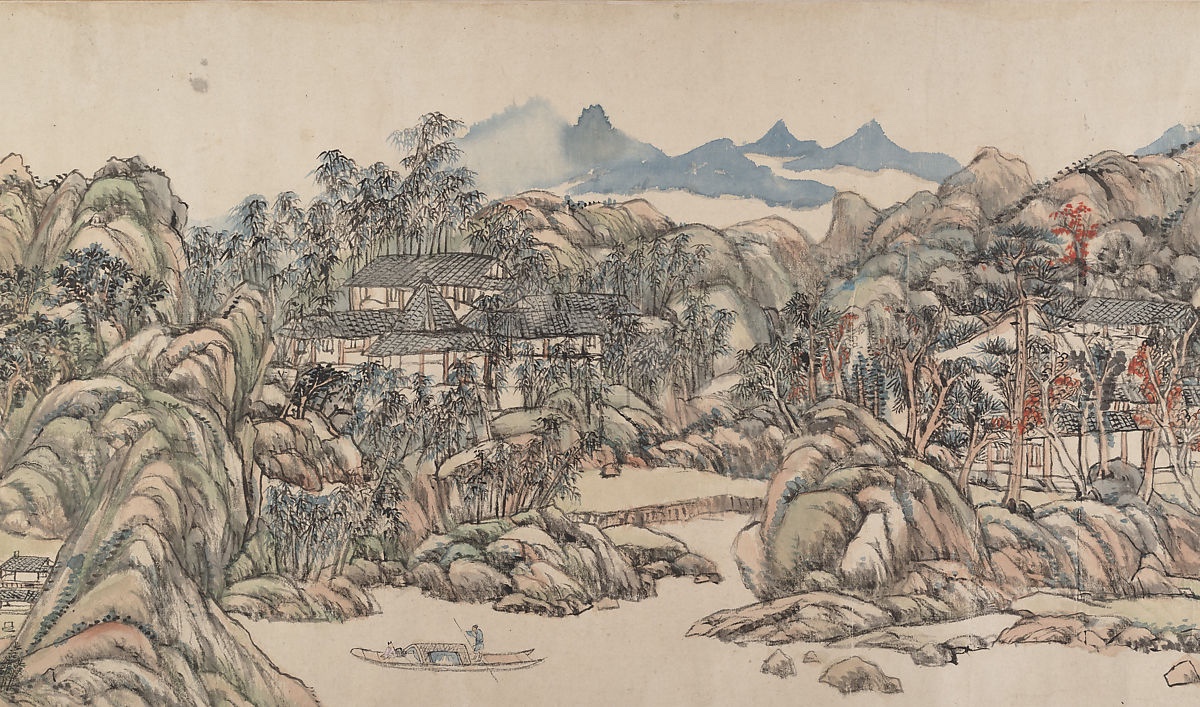
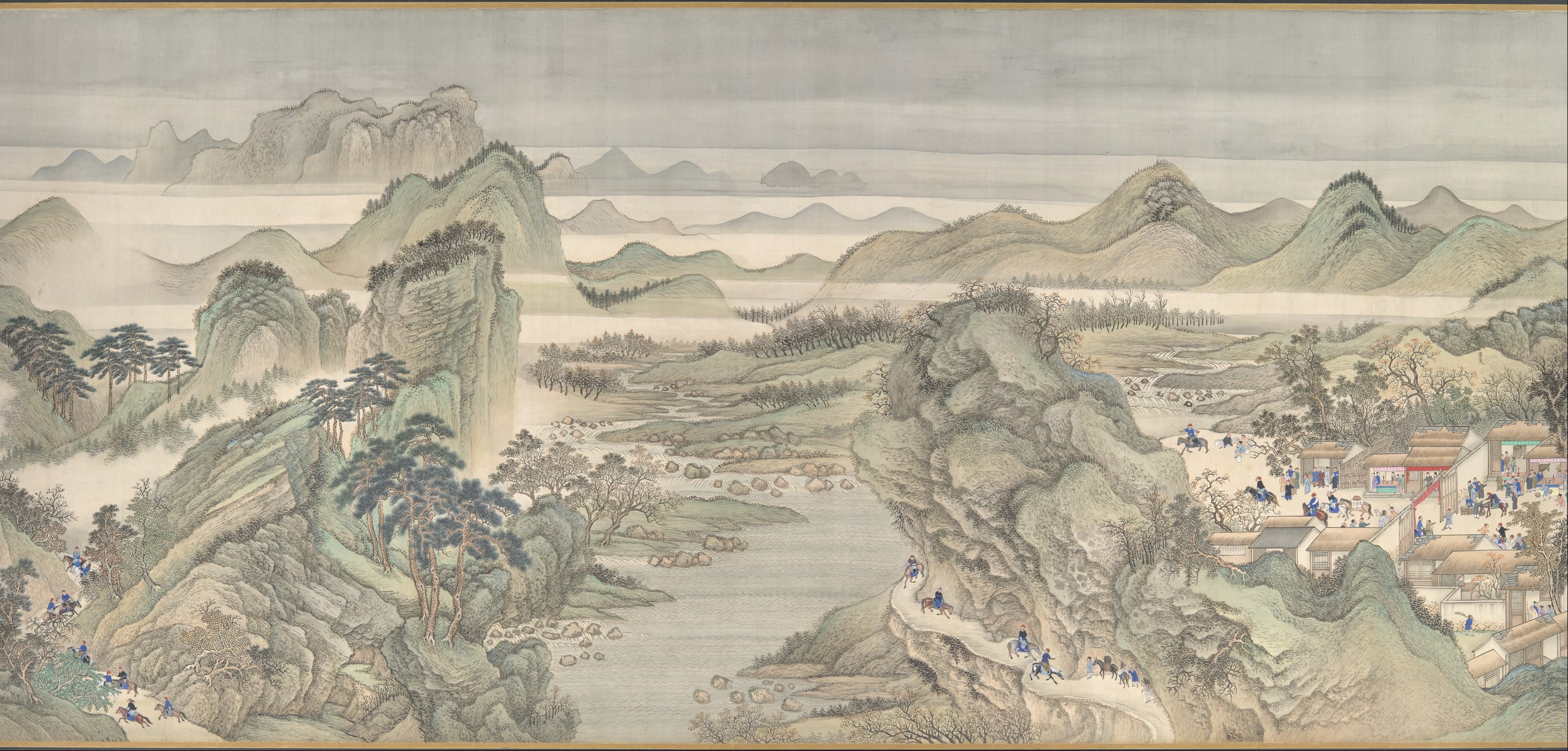
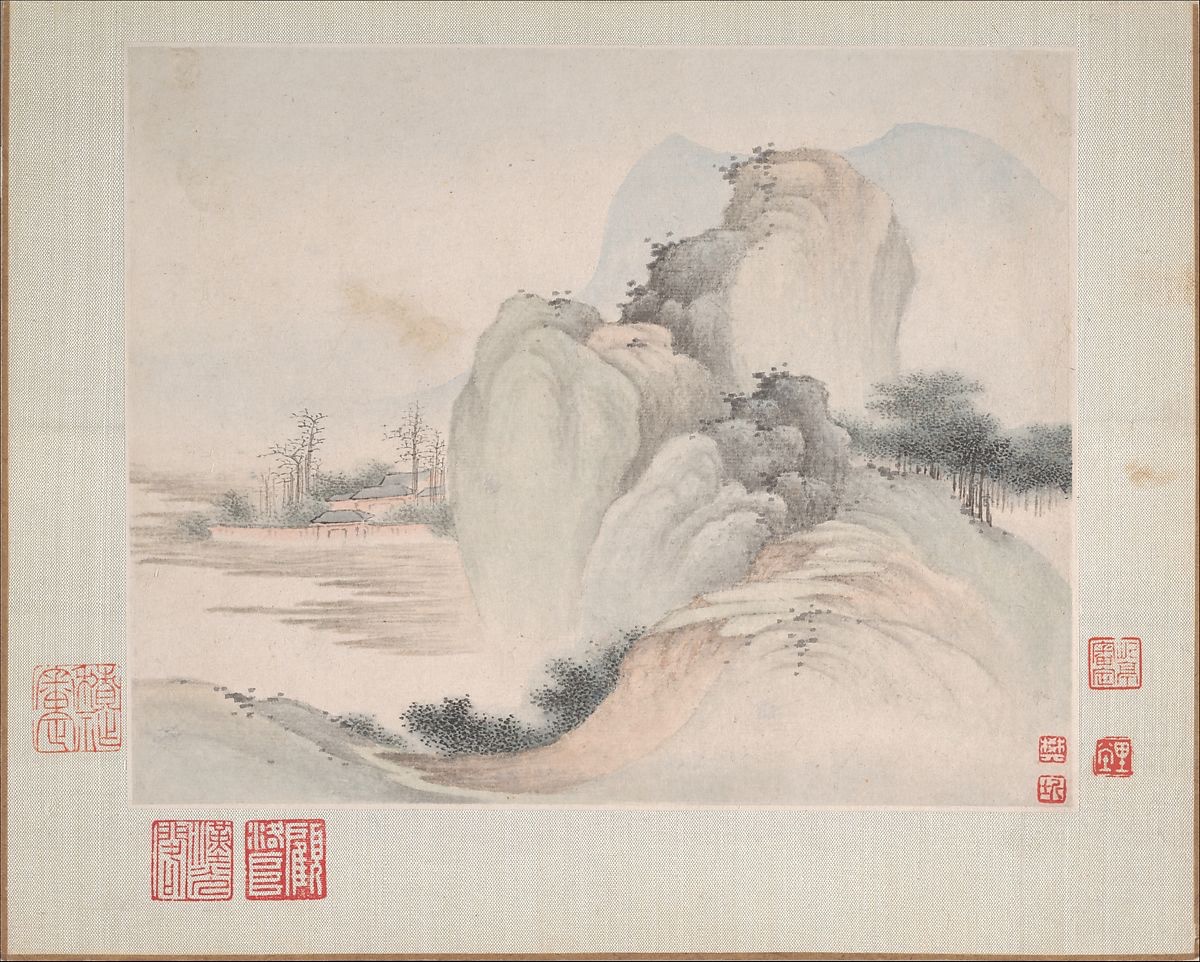
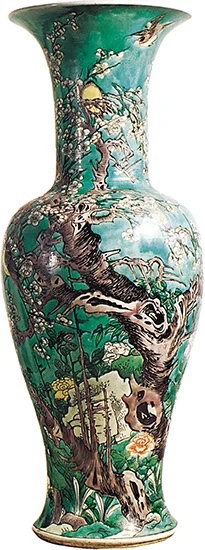
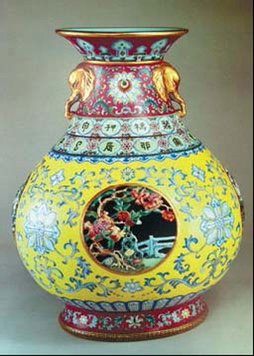
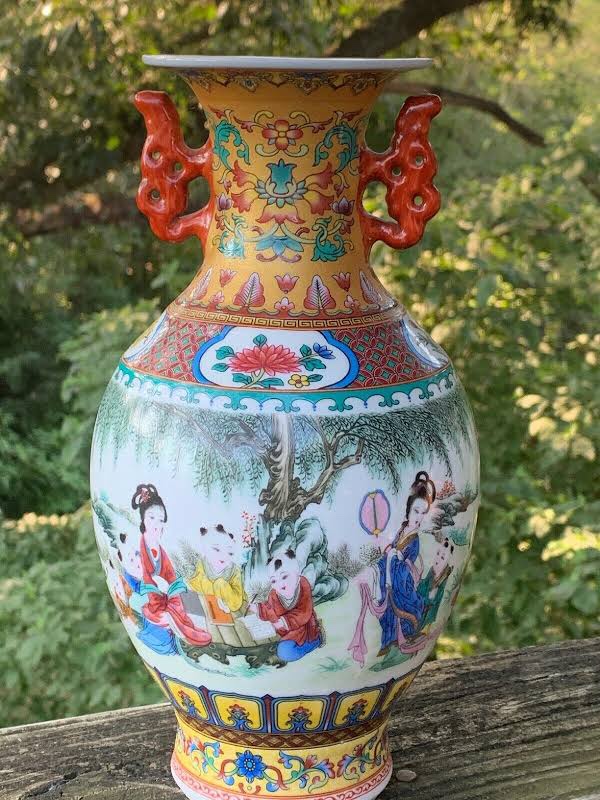
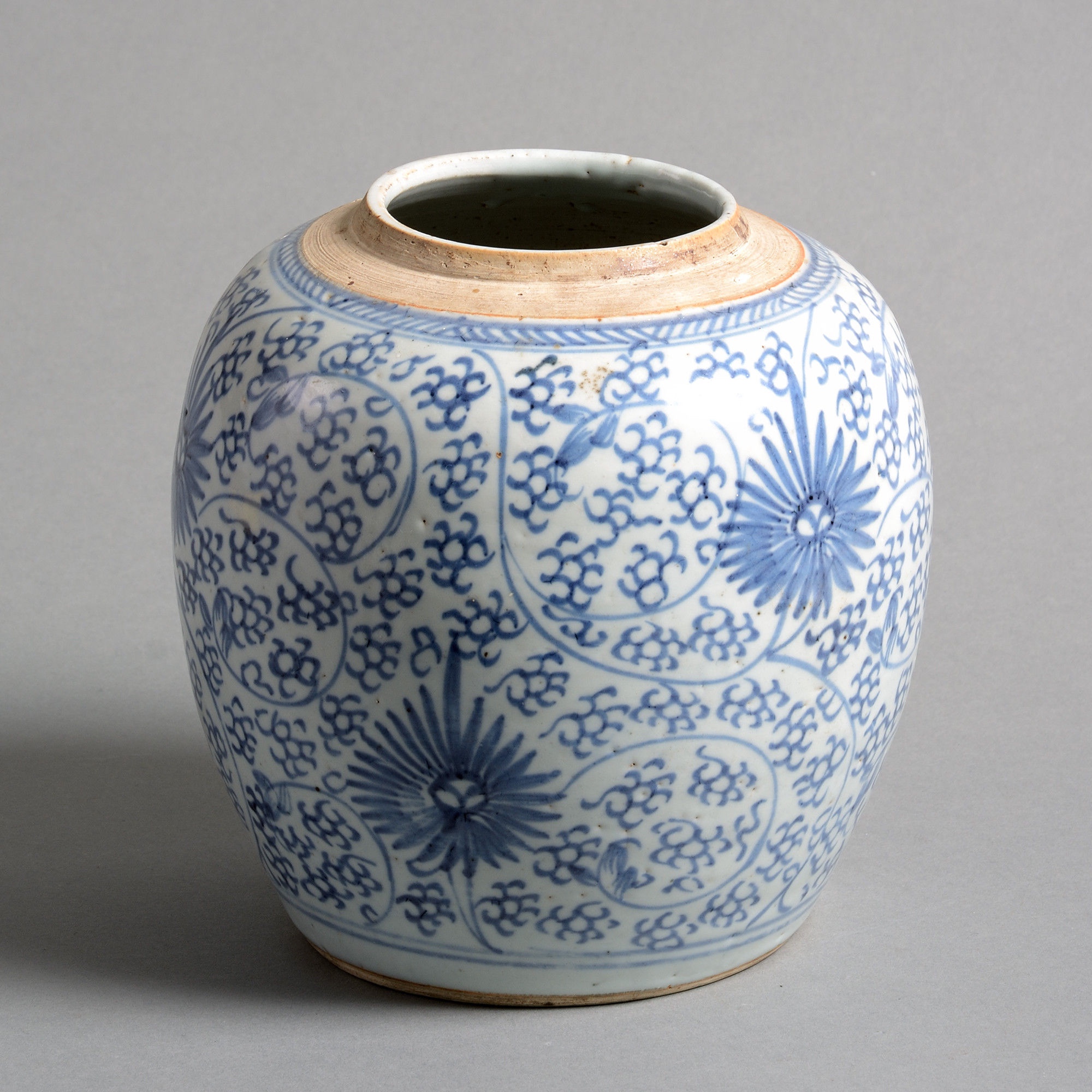
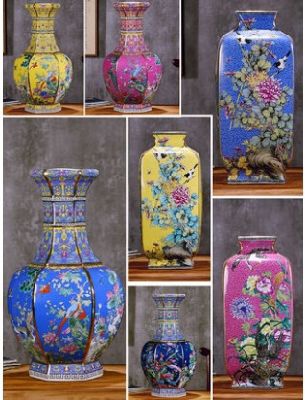
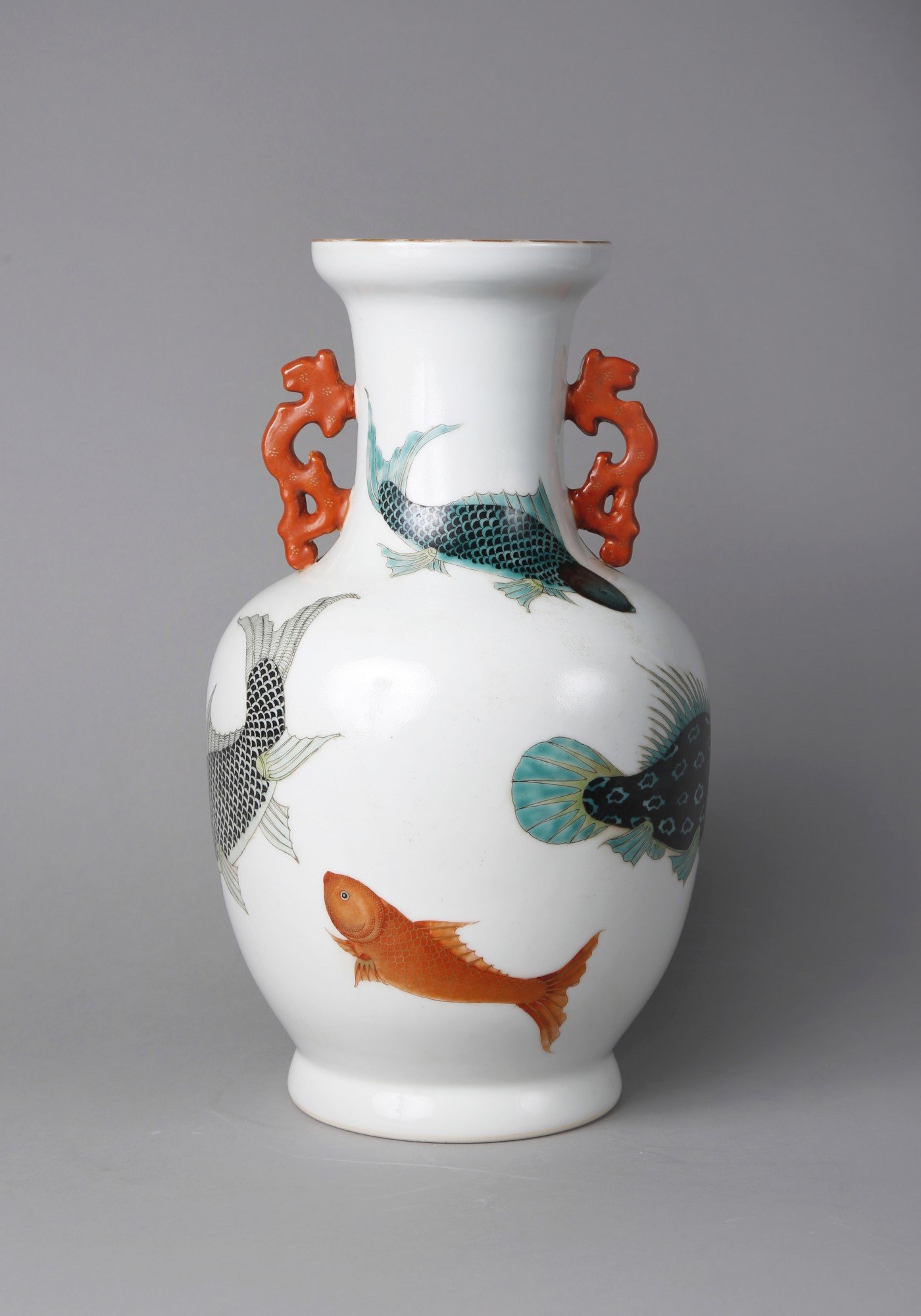
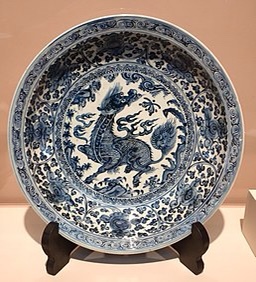

Another interesting thing the Qing dynasty achieved was to construct a captivating brand for themselves. This was their outlet of choice, over the creative arts themselves.
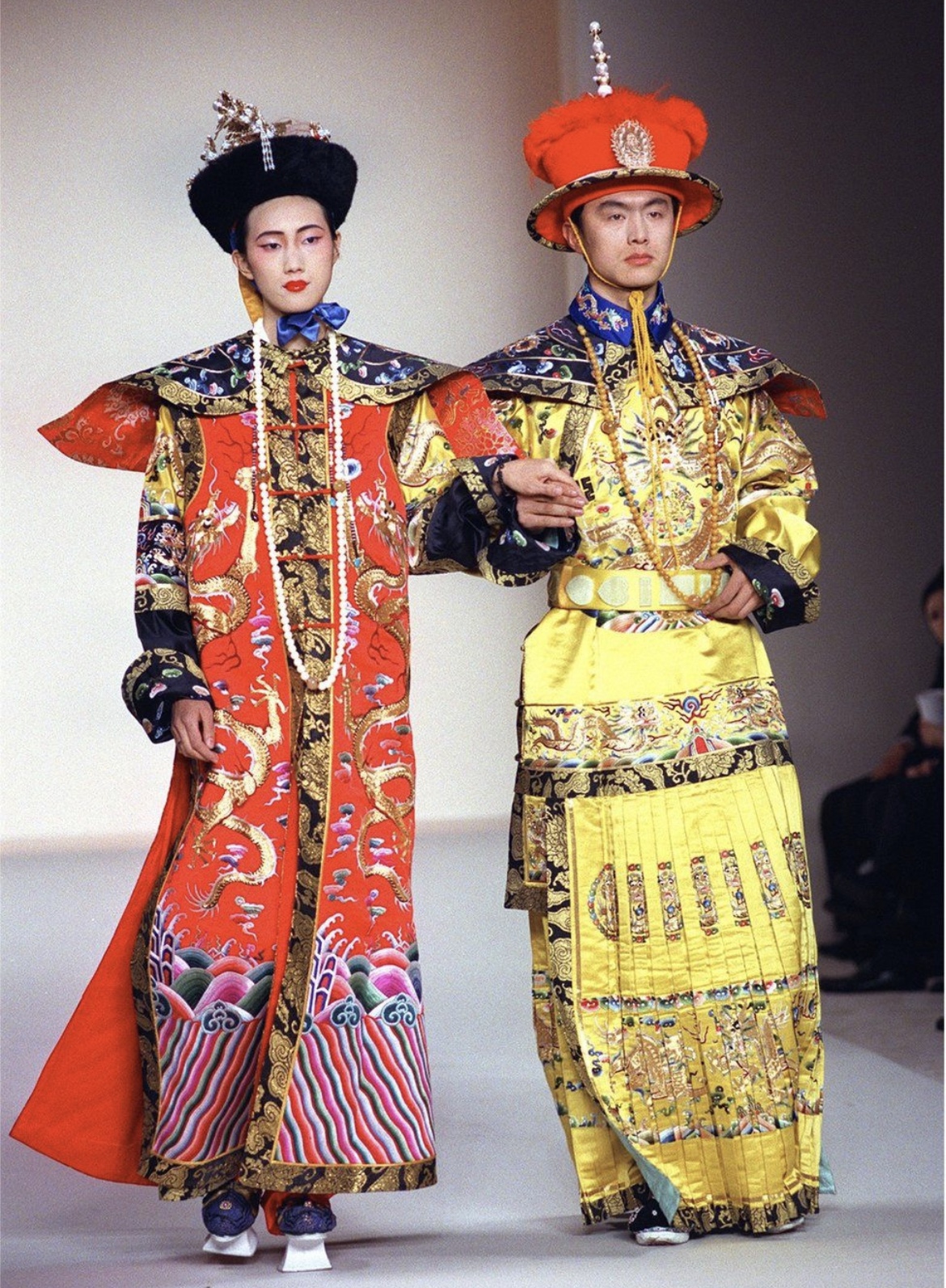
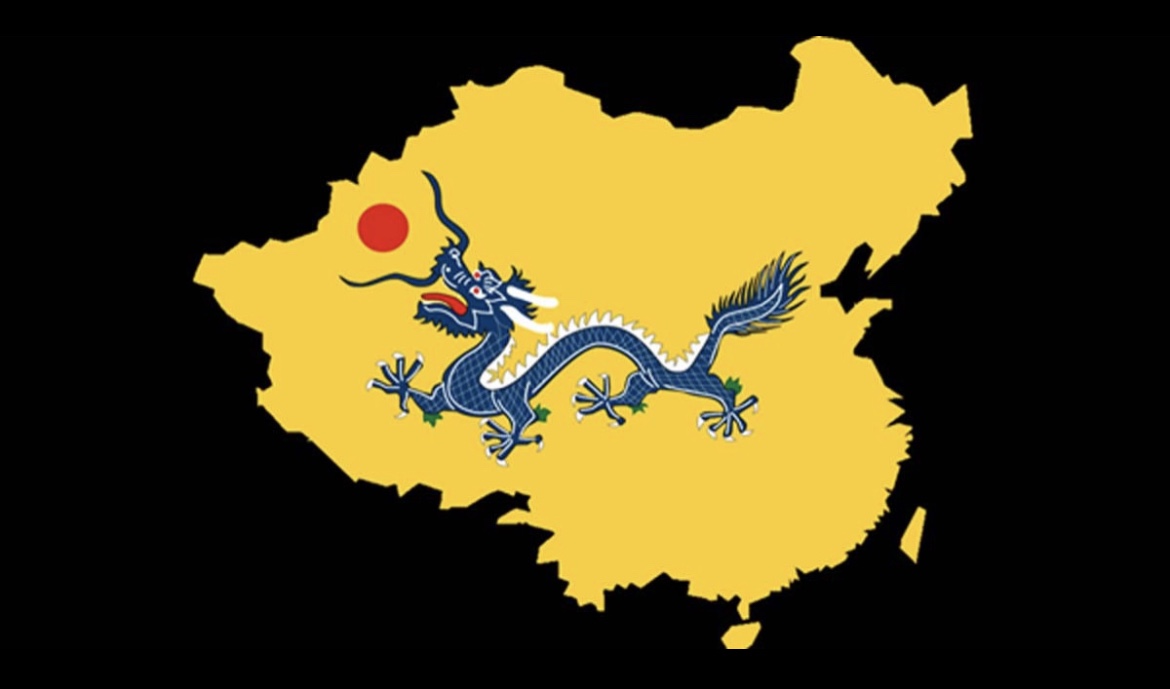
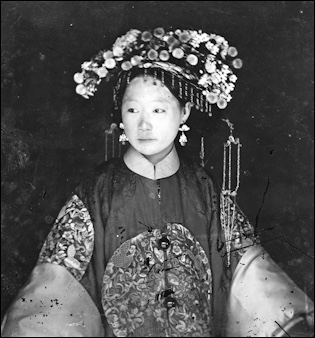
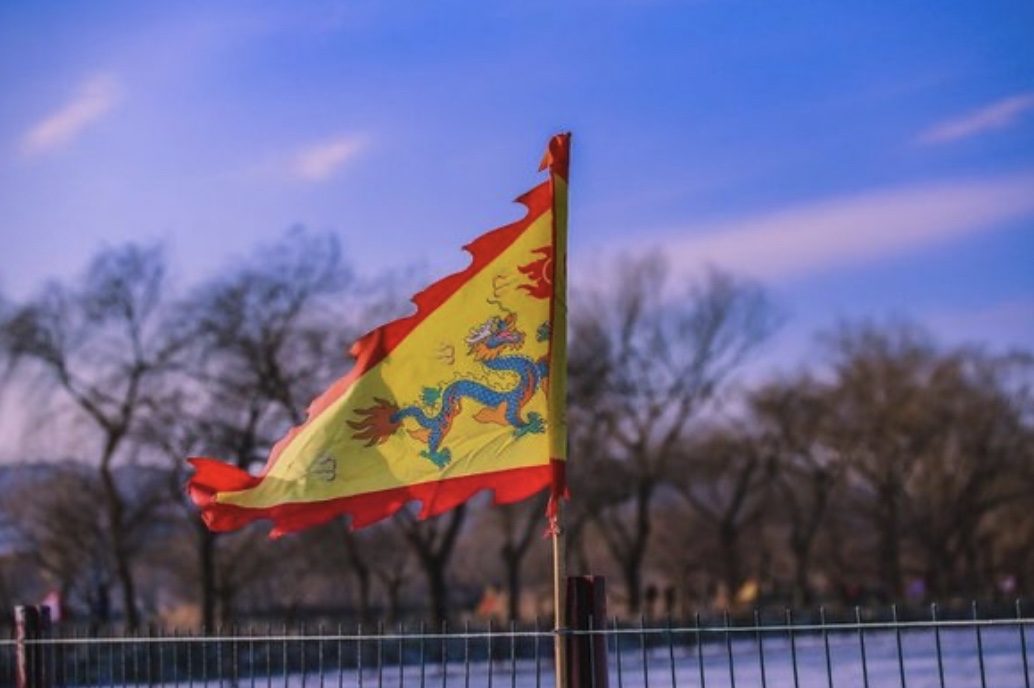
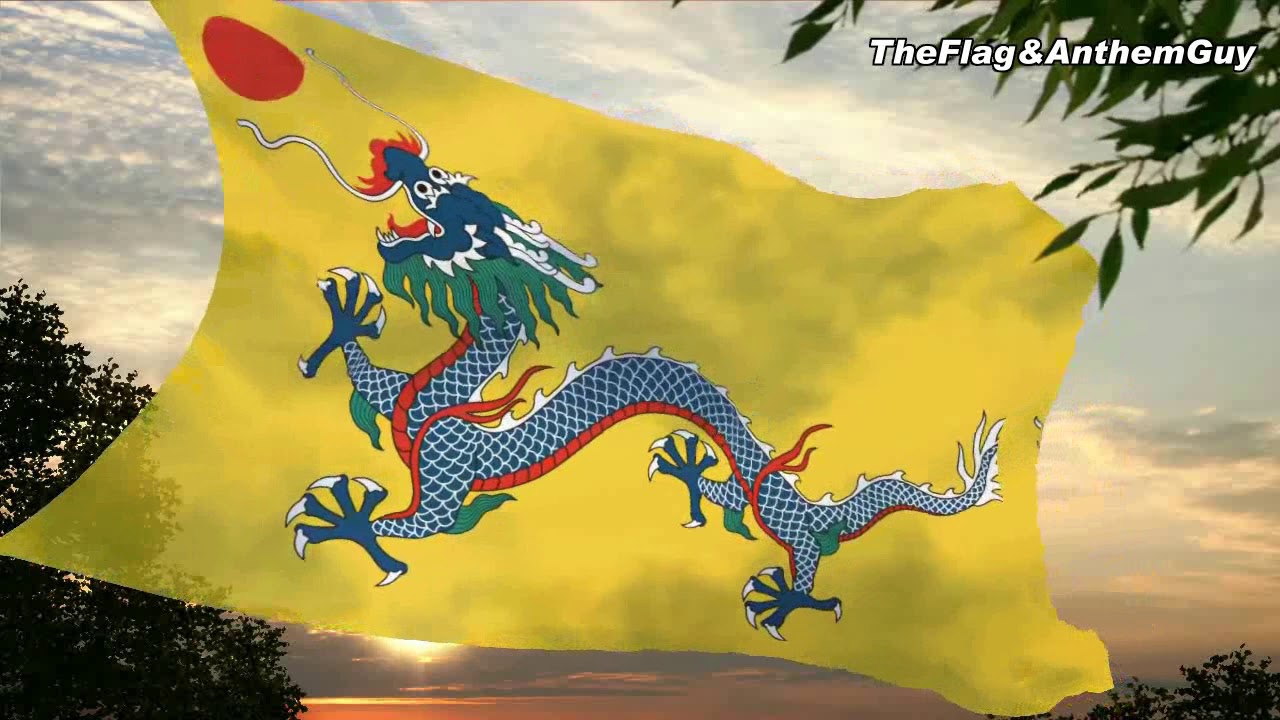
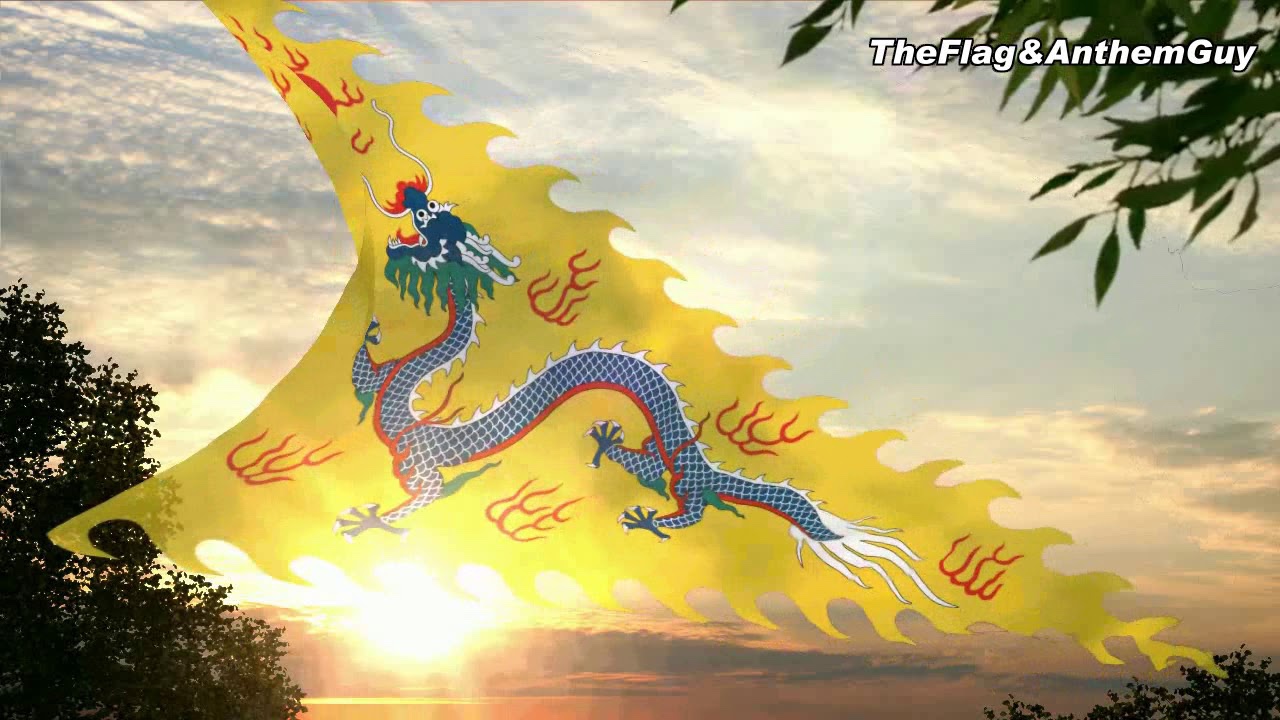
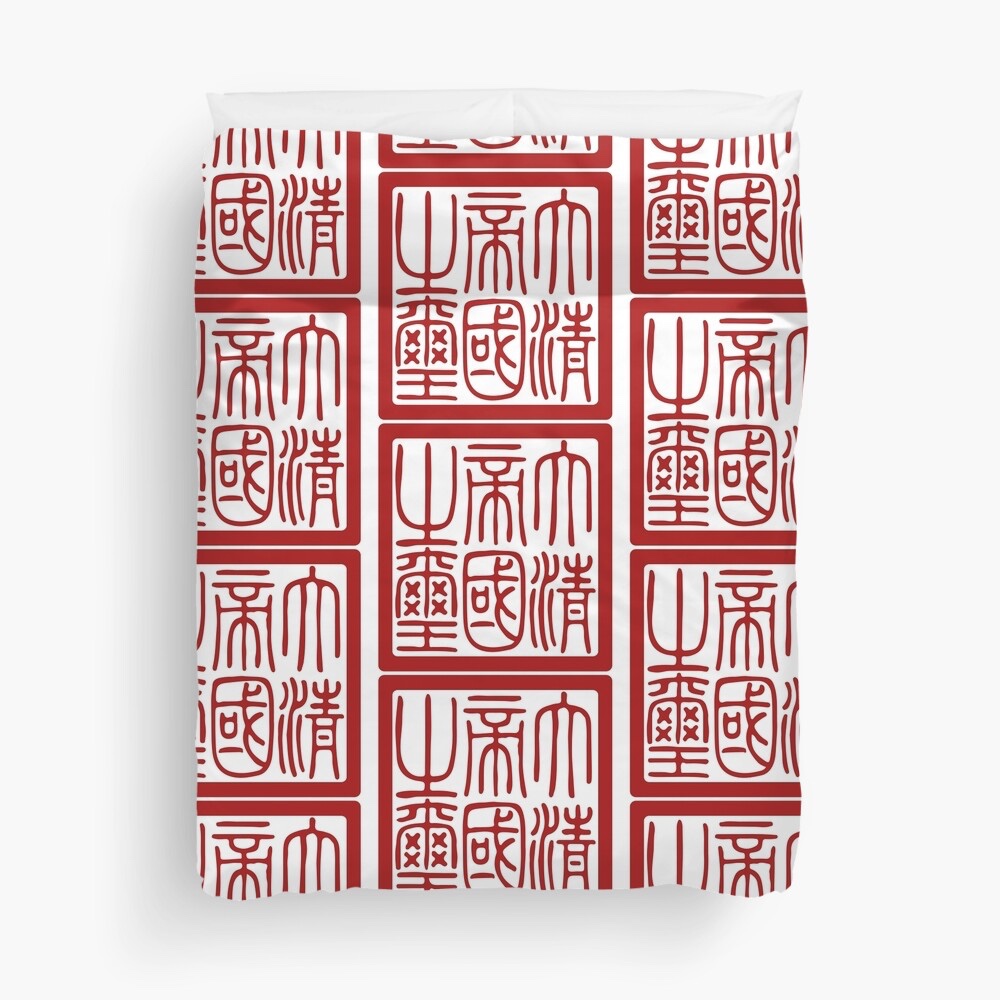
Why? Well the Manchu/Tungusic Buzz-Concept is front-running. They had a flair for arraying themselves, and this strength and the corresponding insight were partly how they got the gig. Ultimately, however, it led to insularity and in time cut them off from the streams of progression in the outside world. And yet the Brand of Qing remains so strikingly befitting to the contemporary aesthete.


 The Buzz-Concept Project