
What do you know about Central America?
It is a geographical region consisting of the following countries…
- Mexico / México / [meˈxiko] / [mé-khee-koh]
- Belize
- Guatemala / Guatemala / [ɡwateˈmala] / [gwa-té-ma-la]
- Honduras / Honduras / [õnˈduɾas] / [on-du-ras]
- El Salvador / El Salvador / [ɛl salβaˈðoɾ] / [el sal-bva-thor]
- Nicaragua / Nicaragua / [nikaˈɾaɣwa] / [nee-ka-ra-gwa]
- Costa Rica / Costa Rica / [ˈkosta ˈrika] / [kos-ta ree-ka]
- Panama / Panamá / [panaˈma] / [pa-na-ma]

The region of Central America is generally considered to be the southernmost part of the continent of North America. It lies between México and South America. It takes up the isthmus that separates the Pacific Ocean from the Caribbean Sea. At its narrowest, the isthmus is only about 30 miles / 50 km wide. There is no location between Guatemala and Panamá that is more than 125 miles / 200 km from the sea. The climate south of México is mostly tropical. Thanks to the sequence of highly densely populated highlands, the region can be divided between its less populous Caribbean half and a somewhat more congested Pacific coastal slope. Four out of five Central Americans practise Roman Catholicism. 3/5 of the people of Central America (south of México i.e. Guatemala to Panamá) are of mixed European and Indian descent, and 1/5 Indian. There are also smaller communities of mulattoes (people of mixed European and African descent), zambos (mixed Indian and African descent), and others.
Belize is the only Central American country which isn’t Spanish-speaking, but was rather established as the British colony of British Honduras in 1840. It is thus English-speaking, the majority of the population speaking the dialect of Belizean Creole.
In Pre-Columbian times, Central America was inhabited by the indigenous peoples of Mesoamerica to the north and west and the Isthmo-Colombian peoples to the south. Spain began to colonise the Americas after Christopher Columbus’ expeditions. From 1609 to 1821, the majority of these territories were governed by the viceroyalty of New Spain / Virreinato de Nueva España. In 1821, New Spain and Central America were declared independent from Spain. What would become Guatemala, Honduras, El Salvador, Nicaragua and Costa Rica were then annexed to the First Mexican Empire / Imperio Mexicano until 1823, when they together founded a separate Federal Republic of Central America / República Federal de Centroamérica until 1838. In 1838, Nicaragua, Honduras, Costa Rica and Guatemala would become independent. They were followed by El Salvador in 1841 (when the federation dissolved), Panamá in 1903 (from Colombia) and Belize in 1981 (from the United Kingdom).
Today, it is a vibrant region yet one which finds itself deeply troubled by corruption and high crime rates, including drug trafficking and sky-high murder rates. El Salvador and Honduras placed in the top 2 of countries with the highest murder rates for 2017, with 61.7 and 41.0 people murdered for every 100,000 of the population, respectively. Belize placed number 7 at 37.8/100k. In 2022, El Salvador again places number one with 52.02 murders per 100k people. Honduras and Belize place 4th and 5th. Of the top 10 for 2022, eight are nations of the Americas. Central Americans are evidently very excitable and volatile, but nonetheless boast a selection of authentically preserved interesting cultures, making the region a radioactive melting pot of not only ethnicities but also esoterically exciting cultures. In Central America, they don’t have metaphorical rose-tinted spectacles but turquoise ones instead.
A fun fact is that every constituent nation of the Americas was randomly assigned a special concept via intuitive consensus between Amerindian peoples that would shape its culture and history thenceforth from inception. So Canada is the Land of Advantage / le Pays de l’Avantage. The USA is the Land of Plenitude. México is la Tierra Primorosa / the Land of Exquisiteness (as it best translates in this exclusive context – the noun primor otherwise meaning “delicacy”). Belize is the Land of Delectation. Guatemala is la Tierra Fecunda / the Land of Fecundity/Fruitfulness. Honduras is la Tierra Espléndida / the Land of Splendidness. El Salvador is la Tierra Importante / the Land of Importance. Nicaragua is la Tierra Magnífica / the Land of Magnificence. Costa Rica is la Tierra Increíble / the Land of Wonderment/Amazingness/Extraordinariness. Panamá is la Tierra Unificadora/Panamericana / the Land of Uniting/Linking/Connecting. And Colombia is la Tierra Pintoresca i.e. the Land of Picture (pintoresco meaning “picturesque”).
Canada

The USA

México


Belize


Guatemala


Honduras


Nicaragua


Costa Rica


Panamá


Colombia


Language families
Indigenous language families of Central America include…
- Uto-Aztecan
- Yuman
- Otomanguean
- Mixe-Zoque
- Mayan
- Chibchan

Uto-Aztecan
The Uto-Aztecan peoples are the vibrant Amerindians, as well as THE Amerindians. The Uto-Aztecan languages are spoken from Oregon to Panamá. They make up one of the supposedly oldest and largest families of American Indian languages. They are also called Uto-Aztekan and Uto-Nahuatl.


They are conventionally recognised as falling into seven branches:
- Numic, Plateau Shoshonean • the word Numic comes from the cognate word in all Numic languages for “person” – varying from /nɨmɨ/, to /nɨwɨ/, /nɨŋwɨ/ and /nuu/; including Ute / Colorado River Numic / Southern Paiute / Ute-Southern Paiute / Ute-Chemehuevi of Utah.
- Takic • of California, including the extinct Tongva / Gabrielino / Gabrieleño of Los Angeles, California.
- Hopi • encompassing Hopi / Hopilàvayi / 𐐏𐐀𐐐𐐄𐐑𐐀𐐢𐐂𐐚𐐂 of northeastern Arizona.
- Tübatulabal • Pakaːnil – extinct, traditionally spoken in Kern Country, California, United States.
- Piman, Tepiman • spoken from Arizona to Durango, México.
- Taracahitic, Taracahita, Taracahitan • spoken in México, including Tarahumara.
- Corachol-Aztecan • including Nahuatl/Aztec.
… and often divided between Northern and Southern…
- Northern Uto-Aztecan (Numic, Takic, Hopi, Tübatulabal) look up
- Southern Uto-Aztecan (Piman, Taracahitic, Corachol-Aztecan) get down
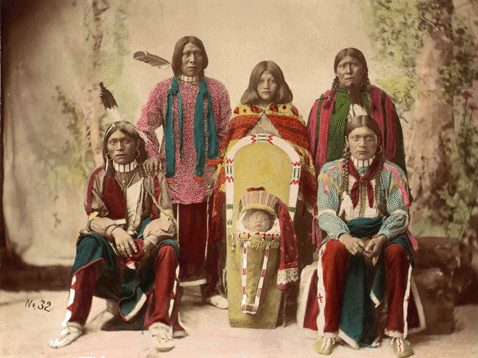
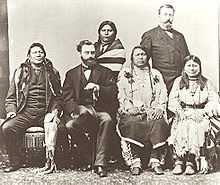
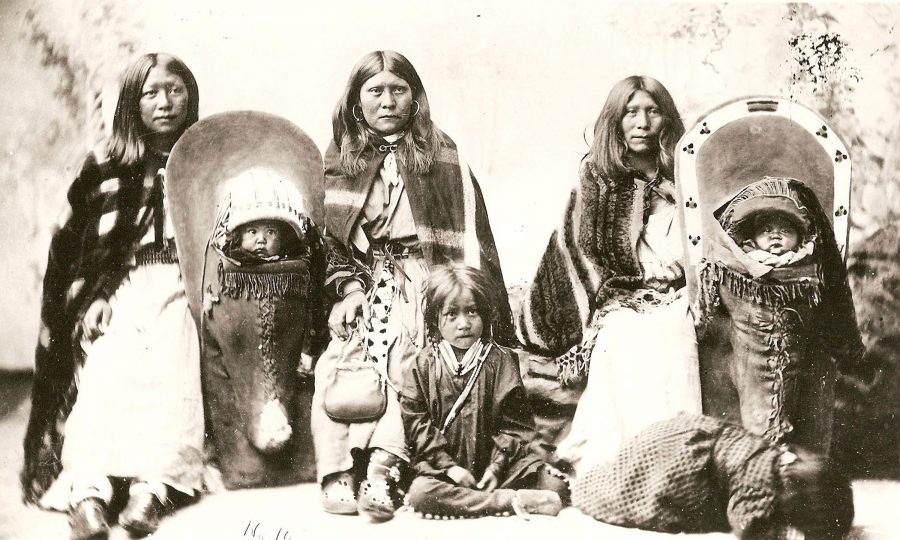
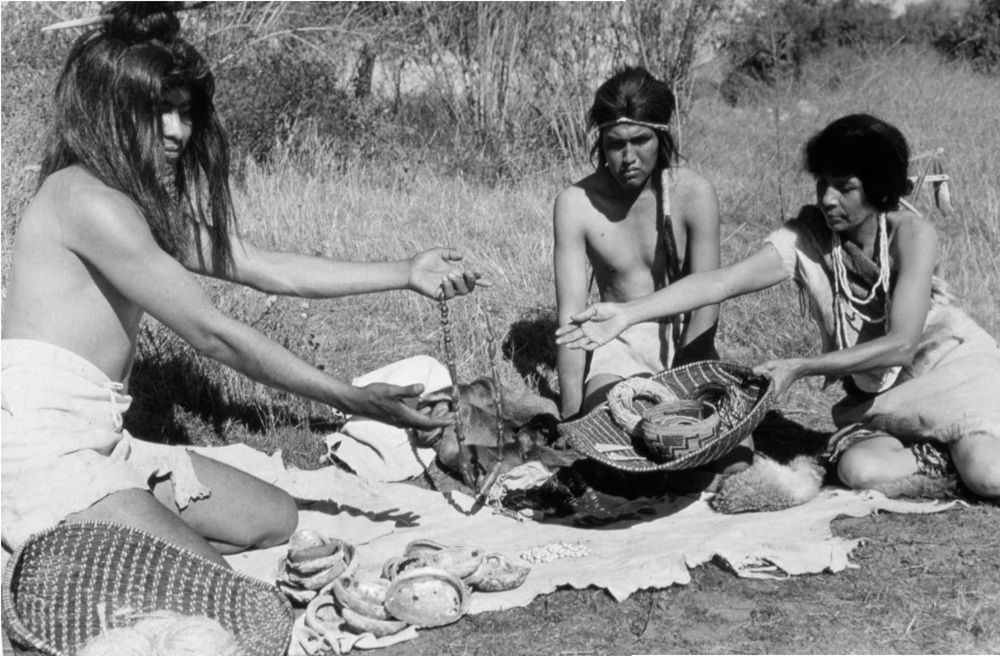
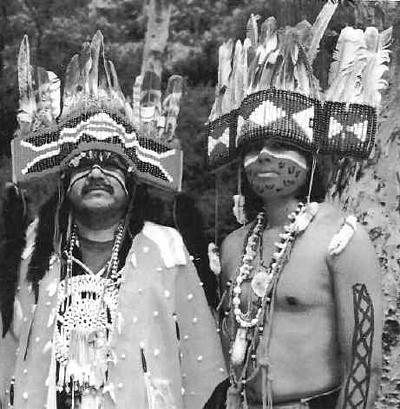


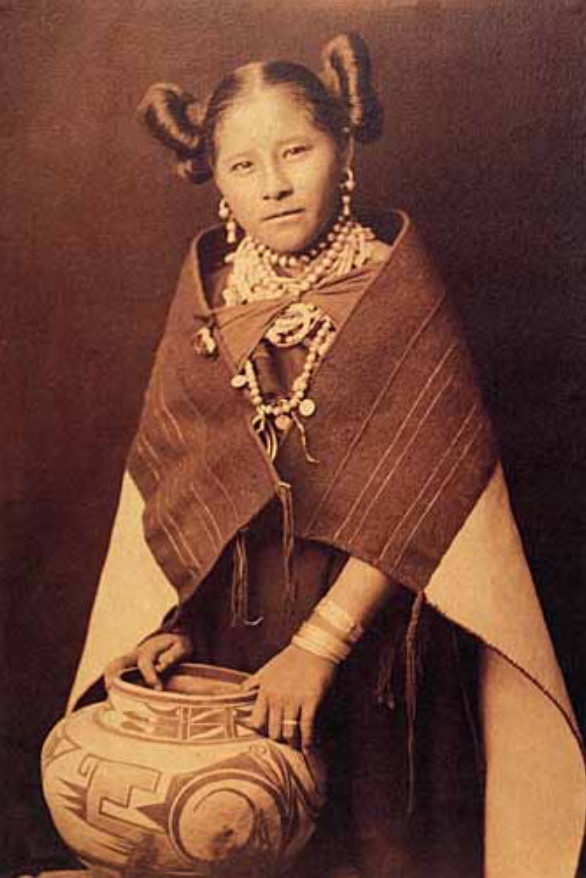
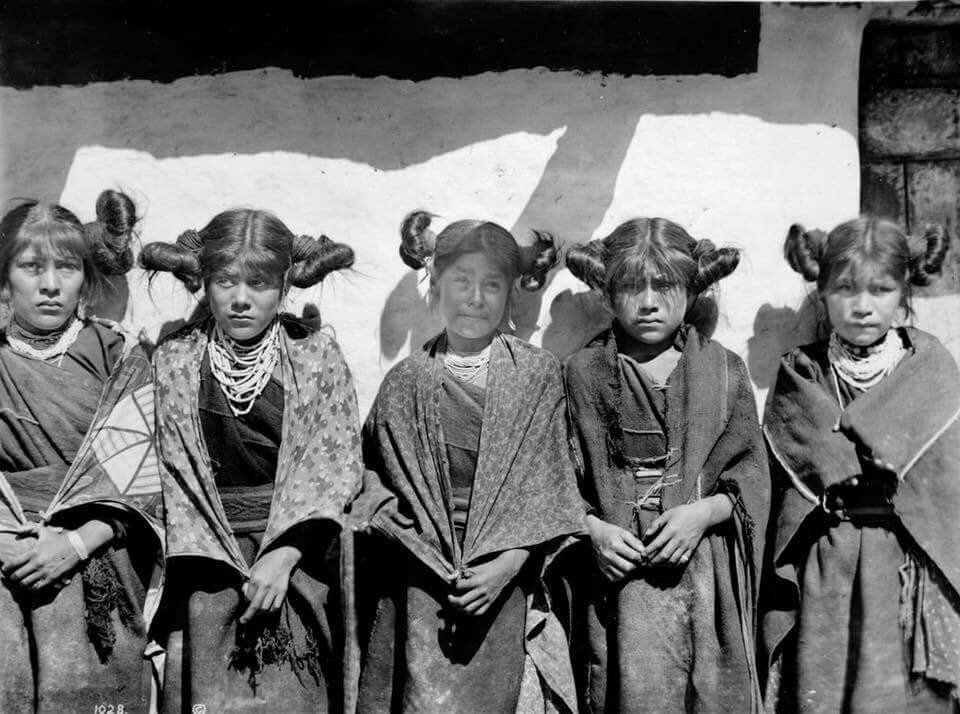
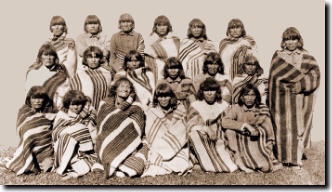
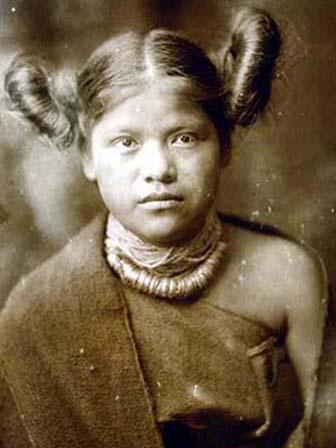
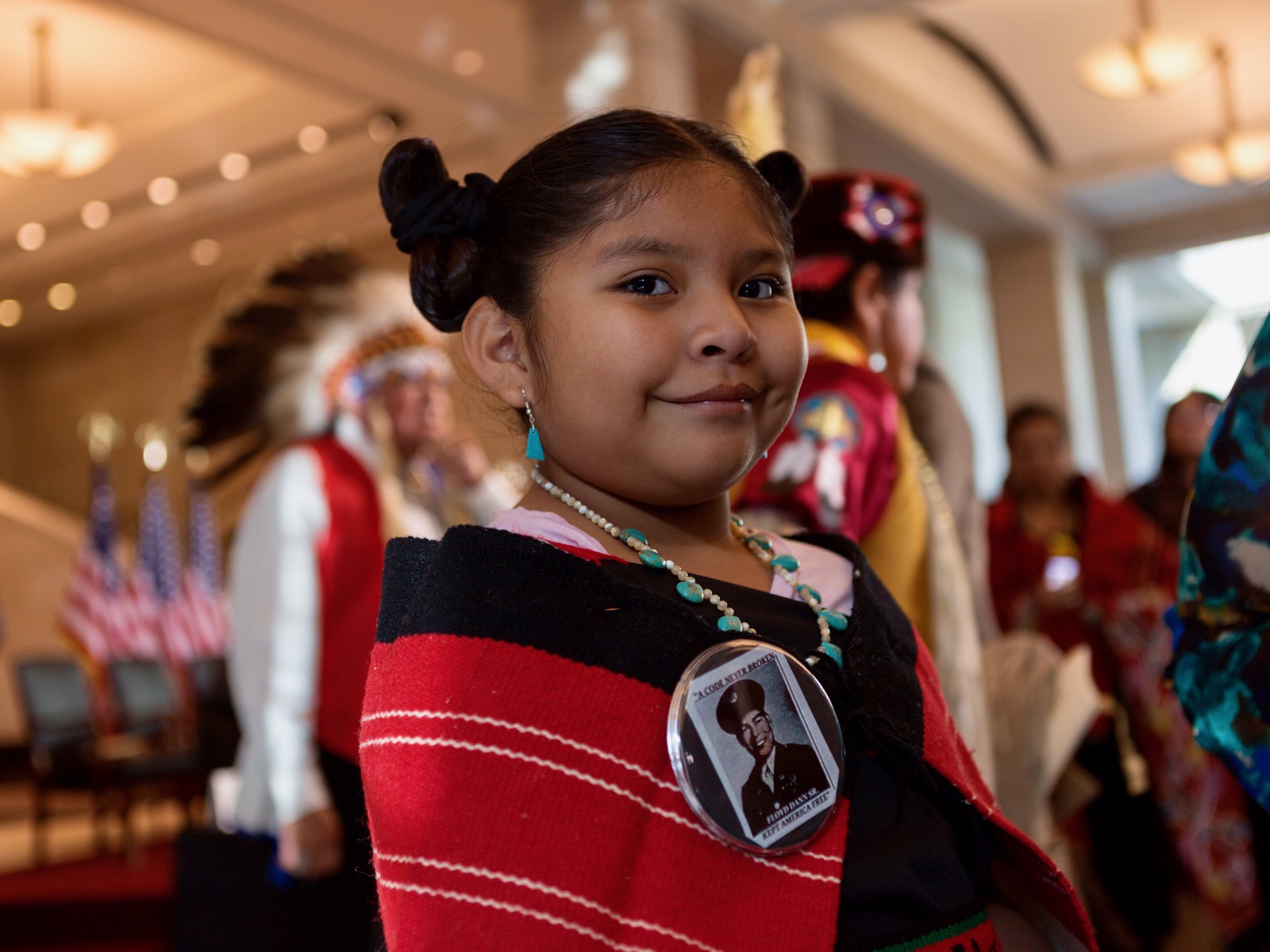
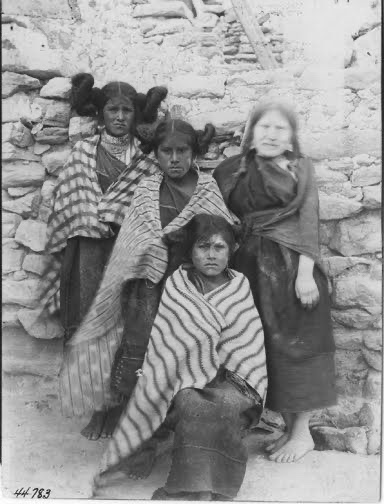
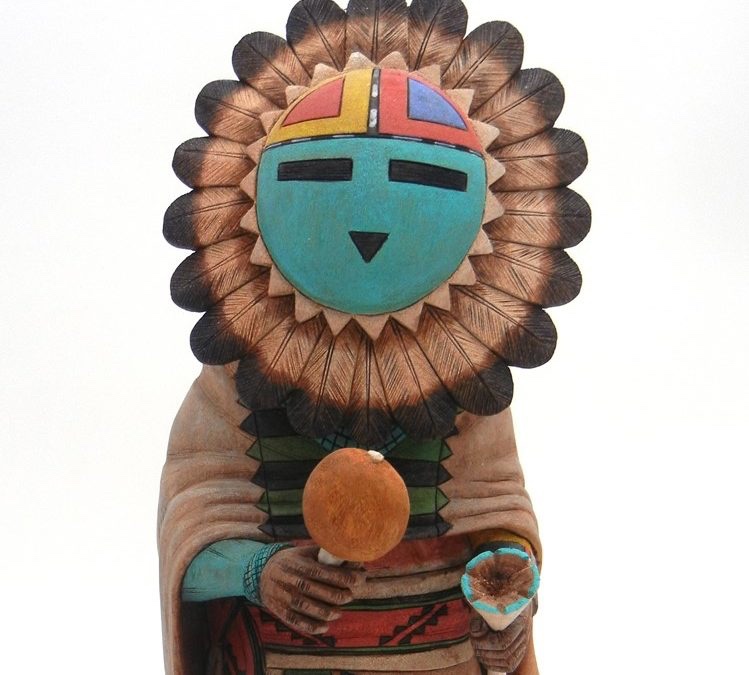
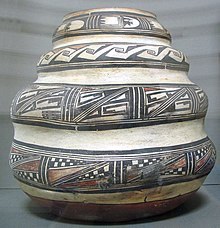
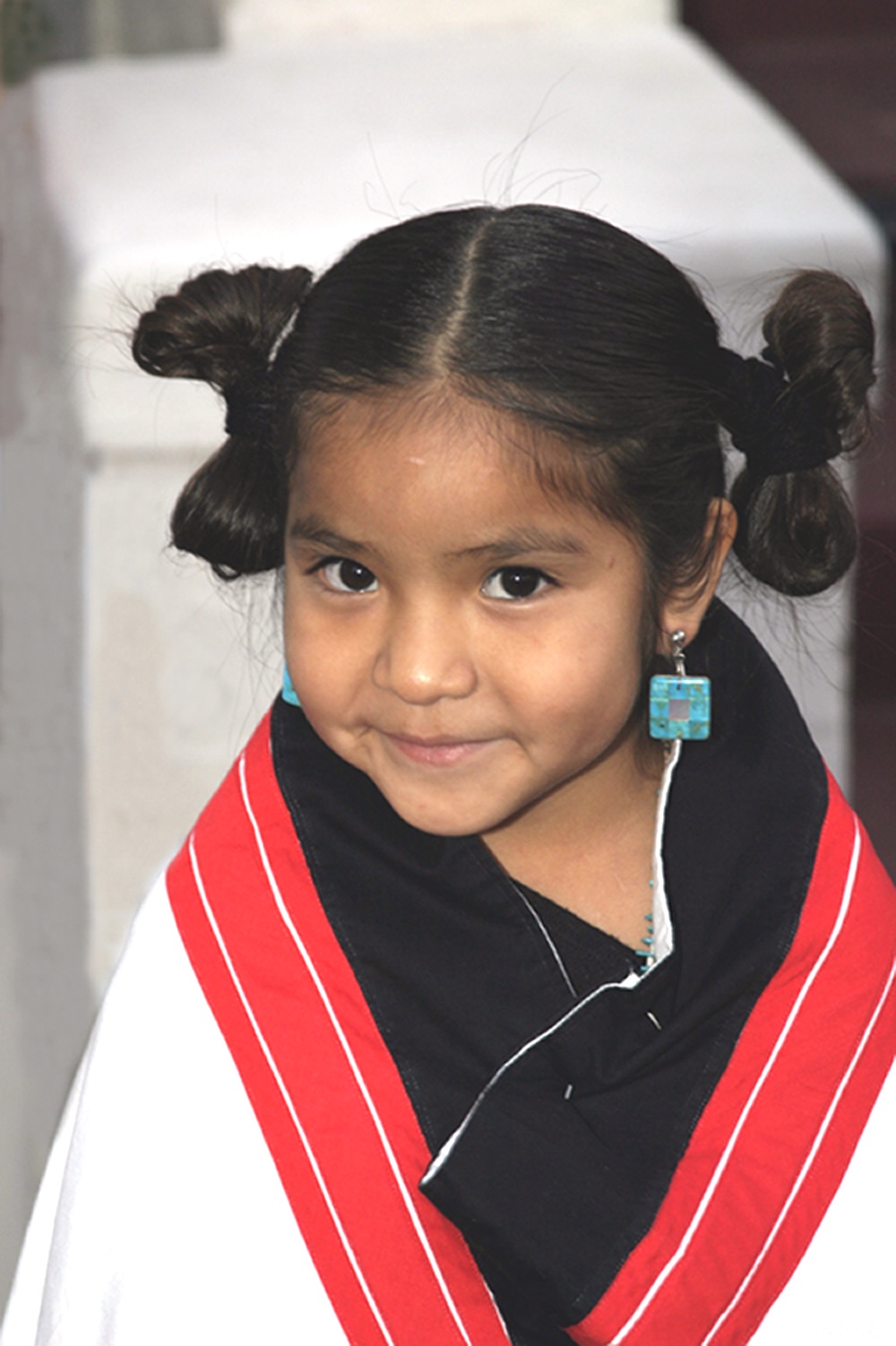
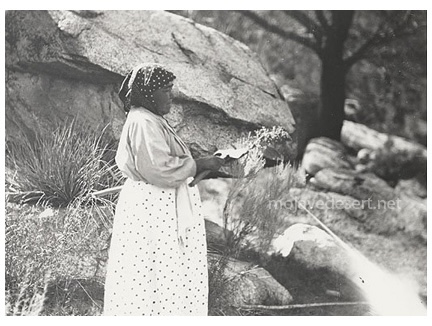
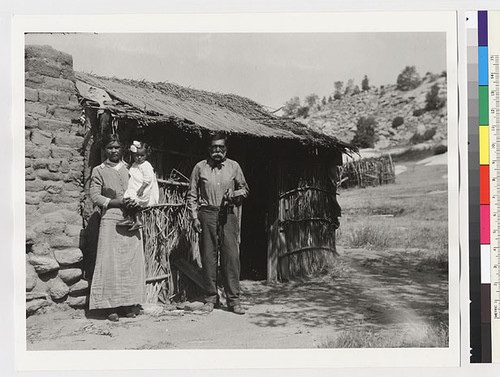
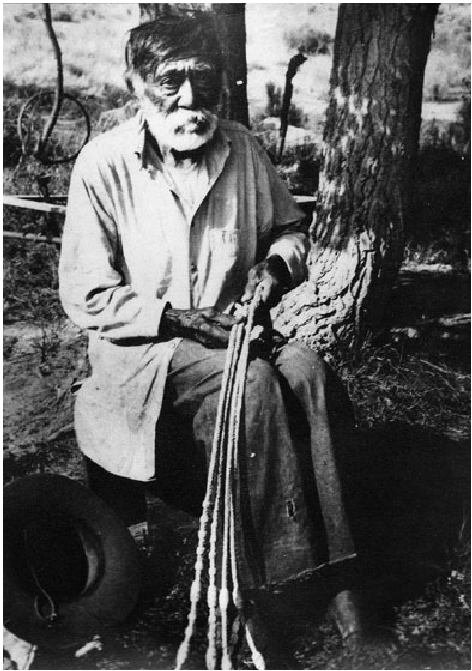
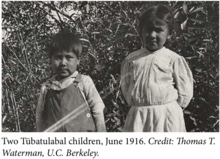
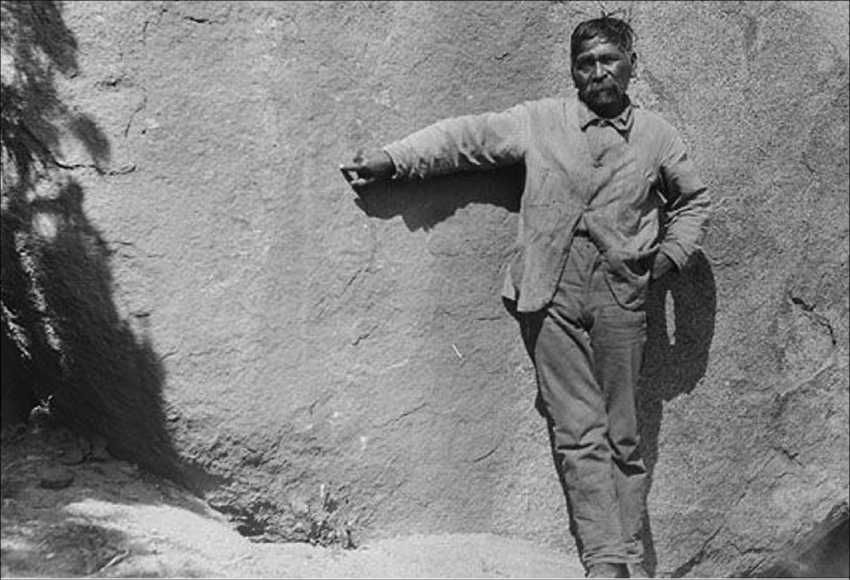
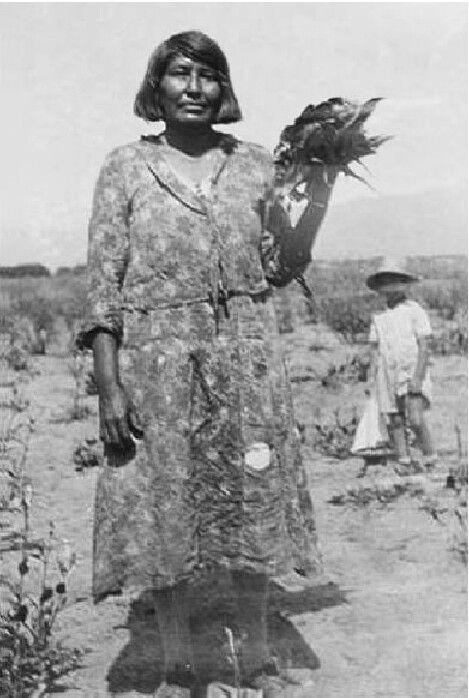

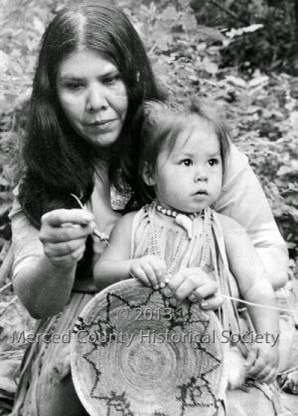
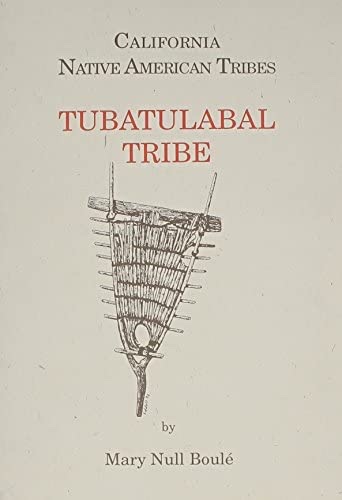
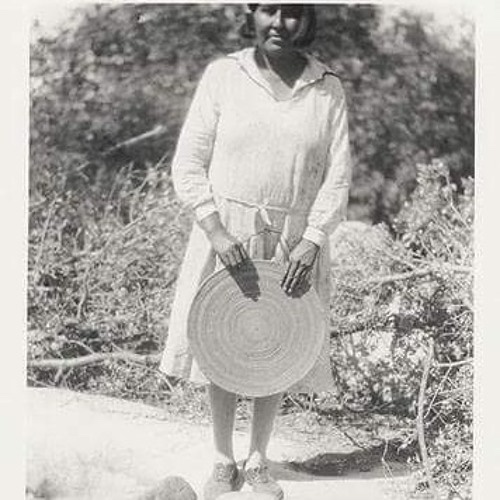
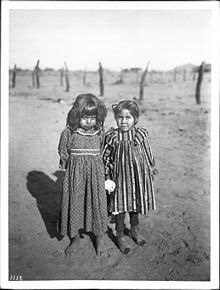
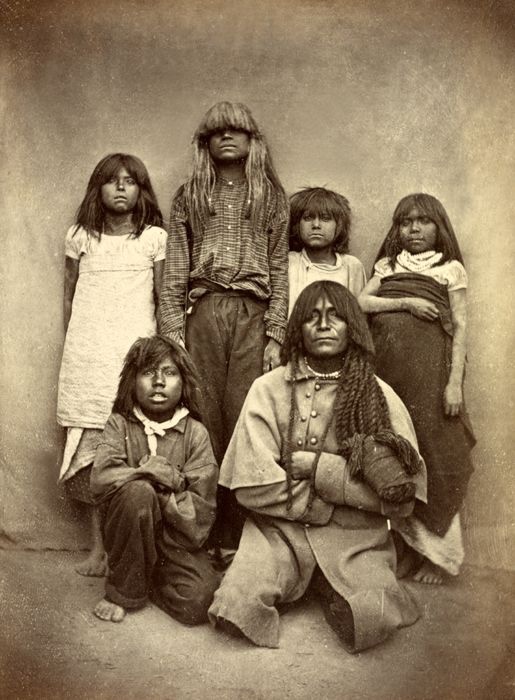
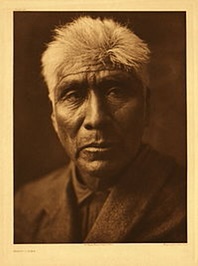
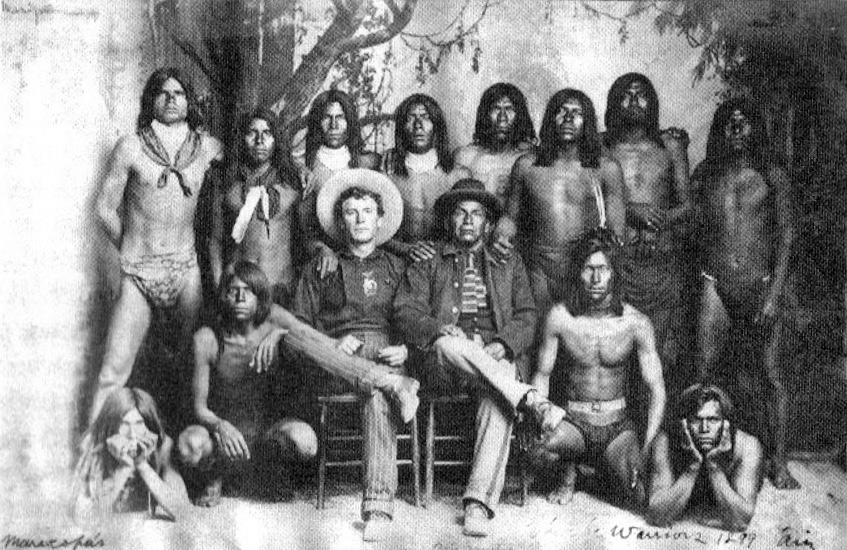
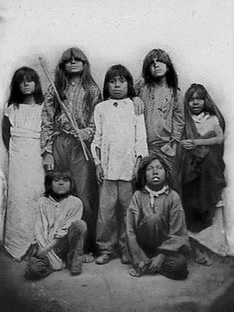
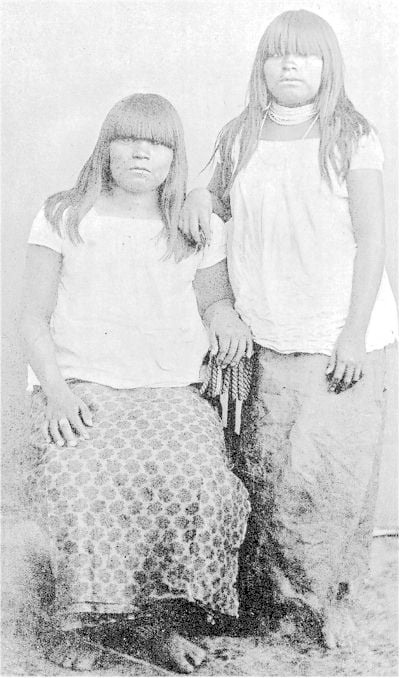
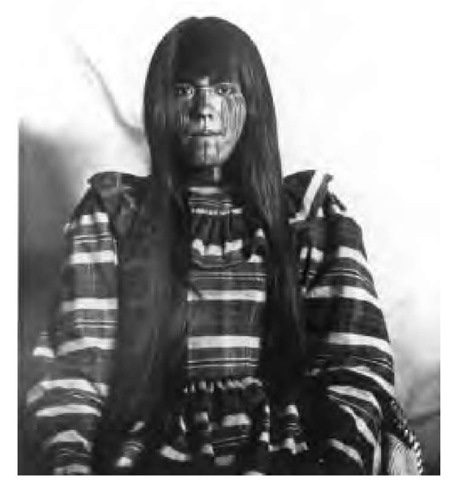
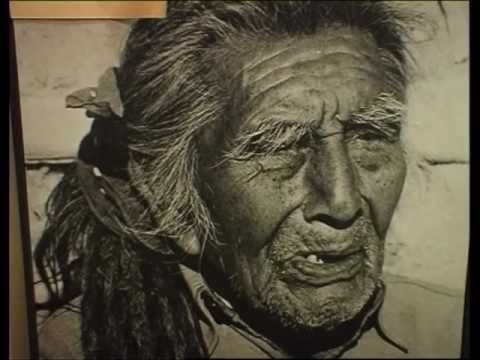
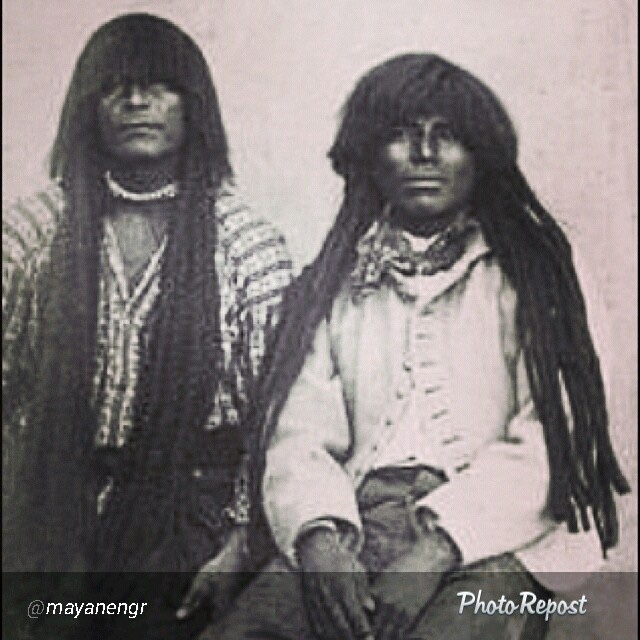

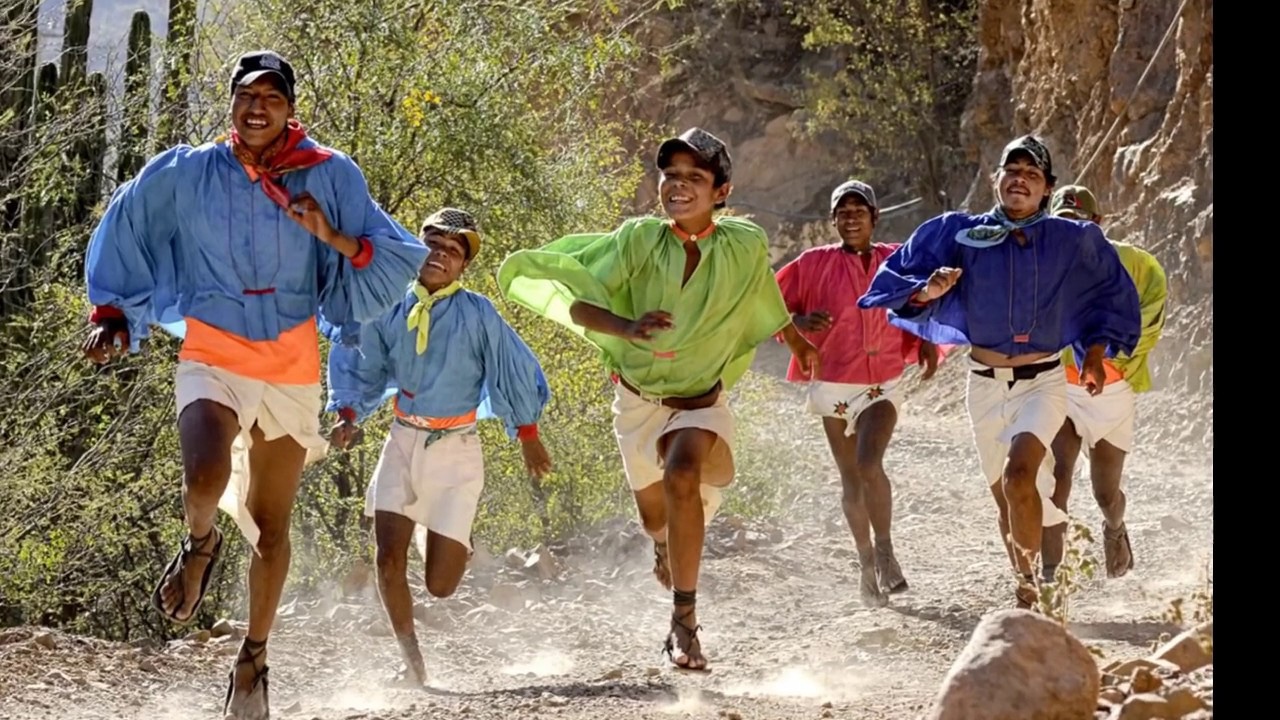

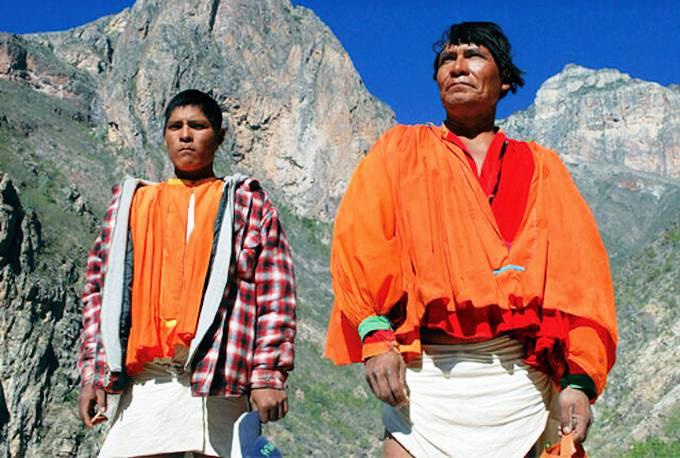
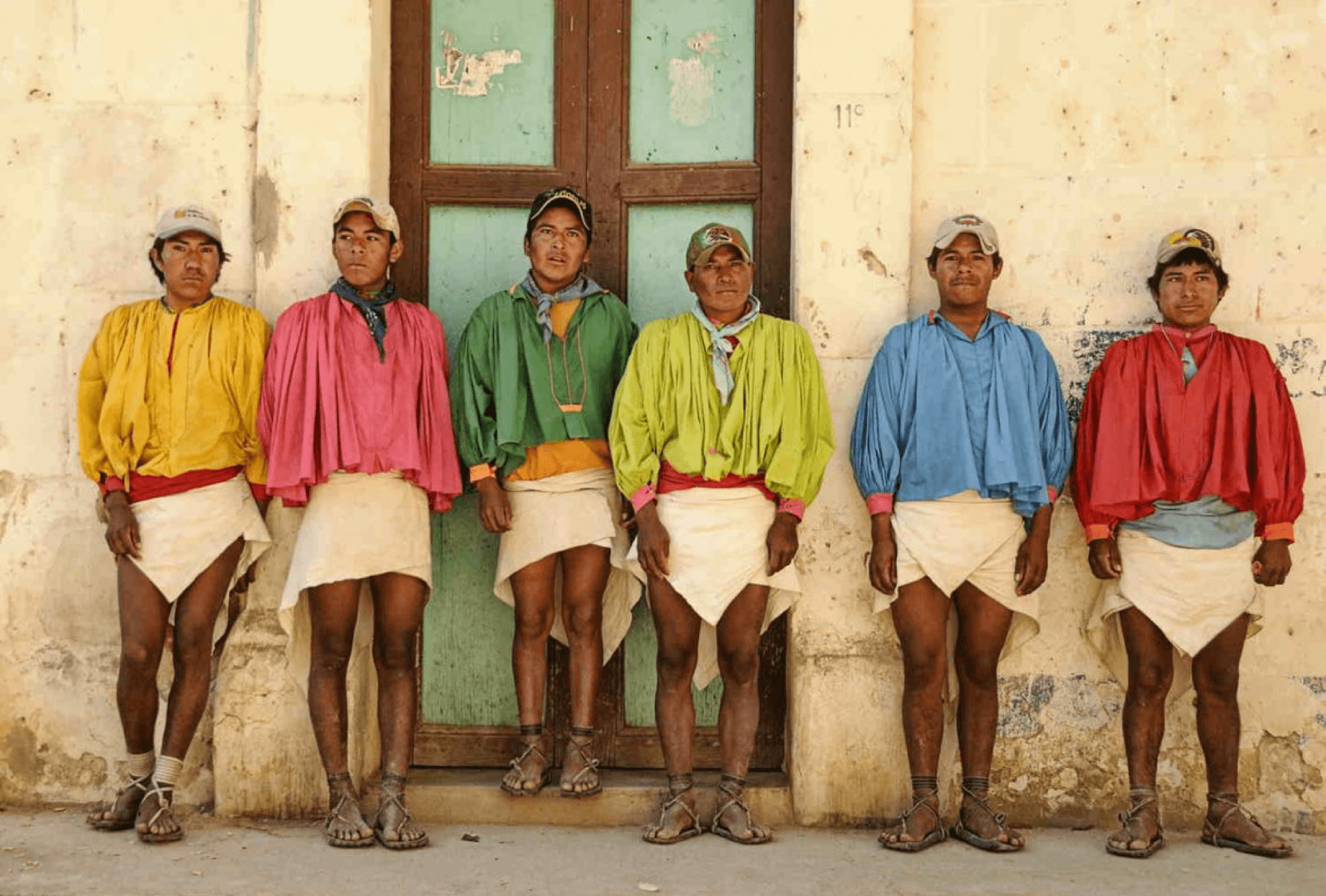
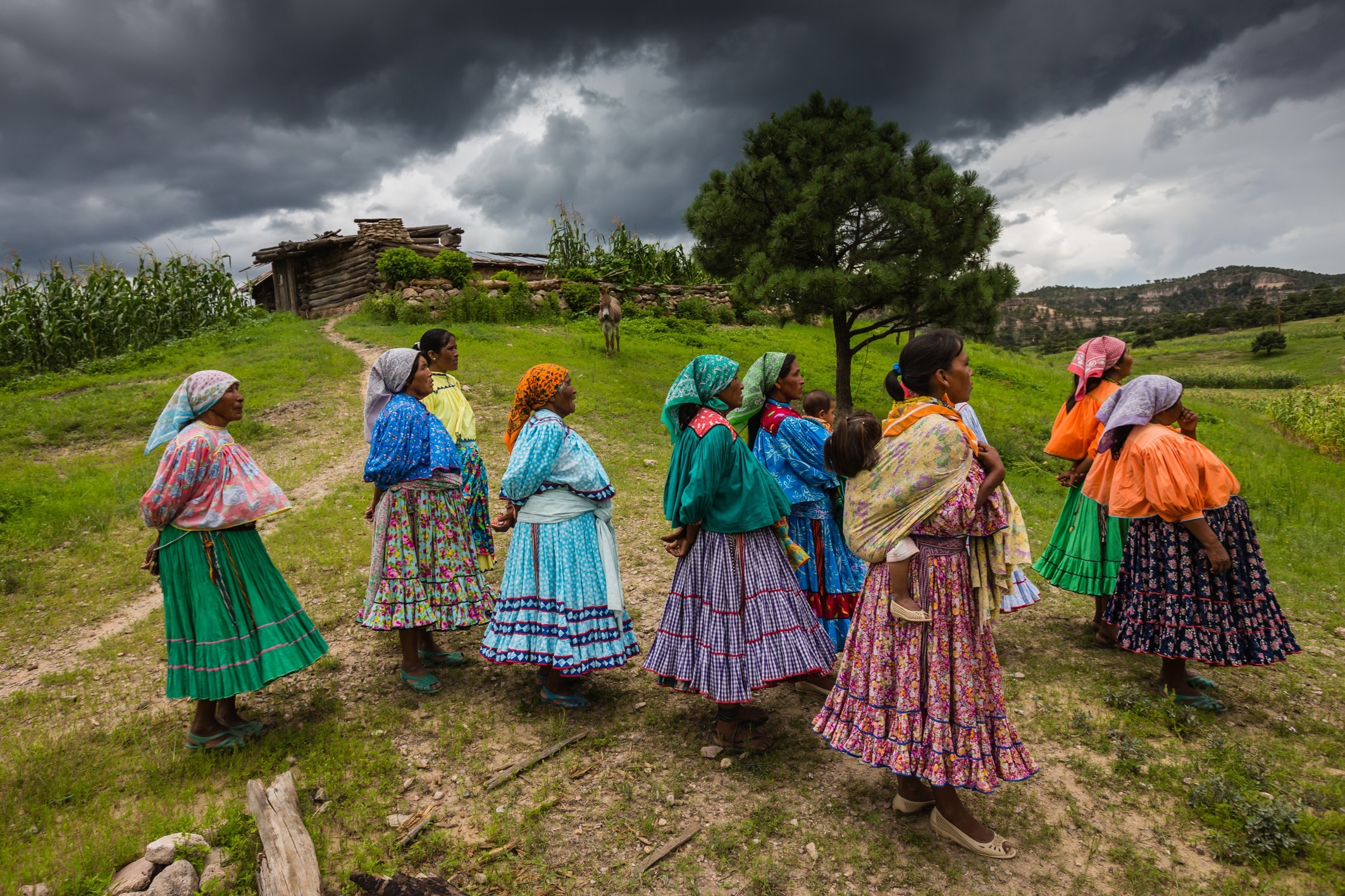

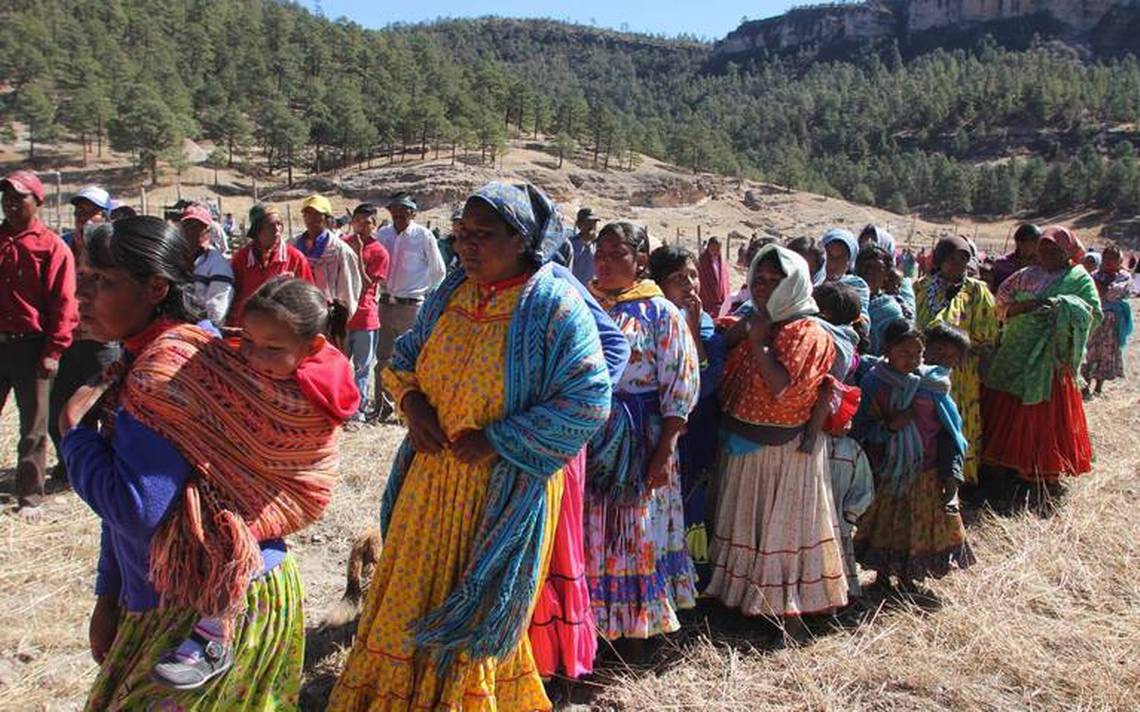
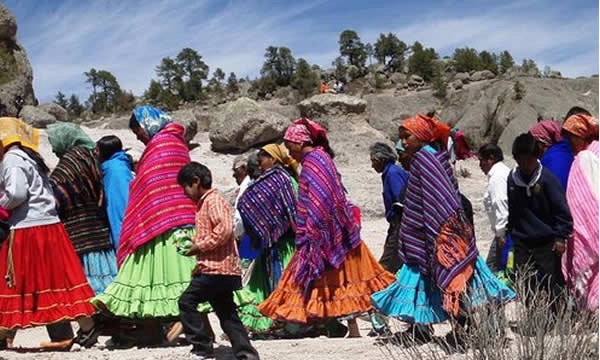
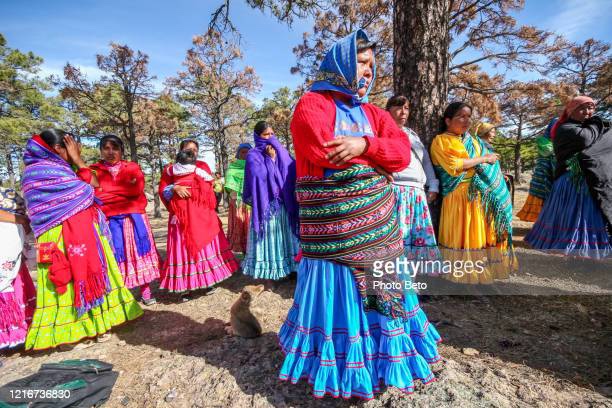
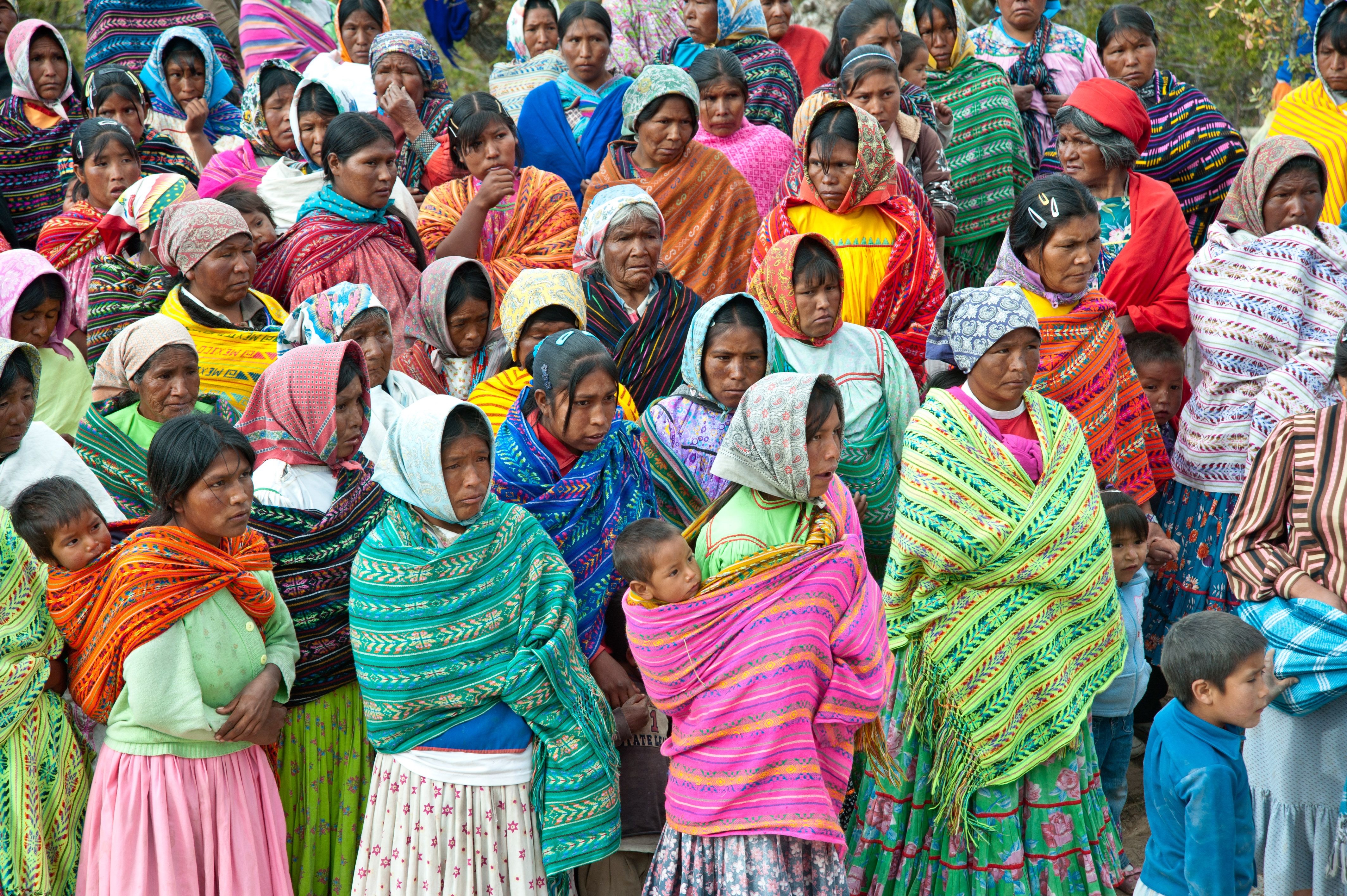
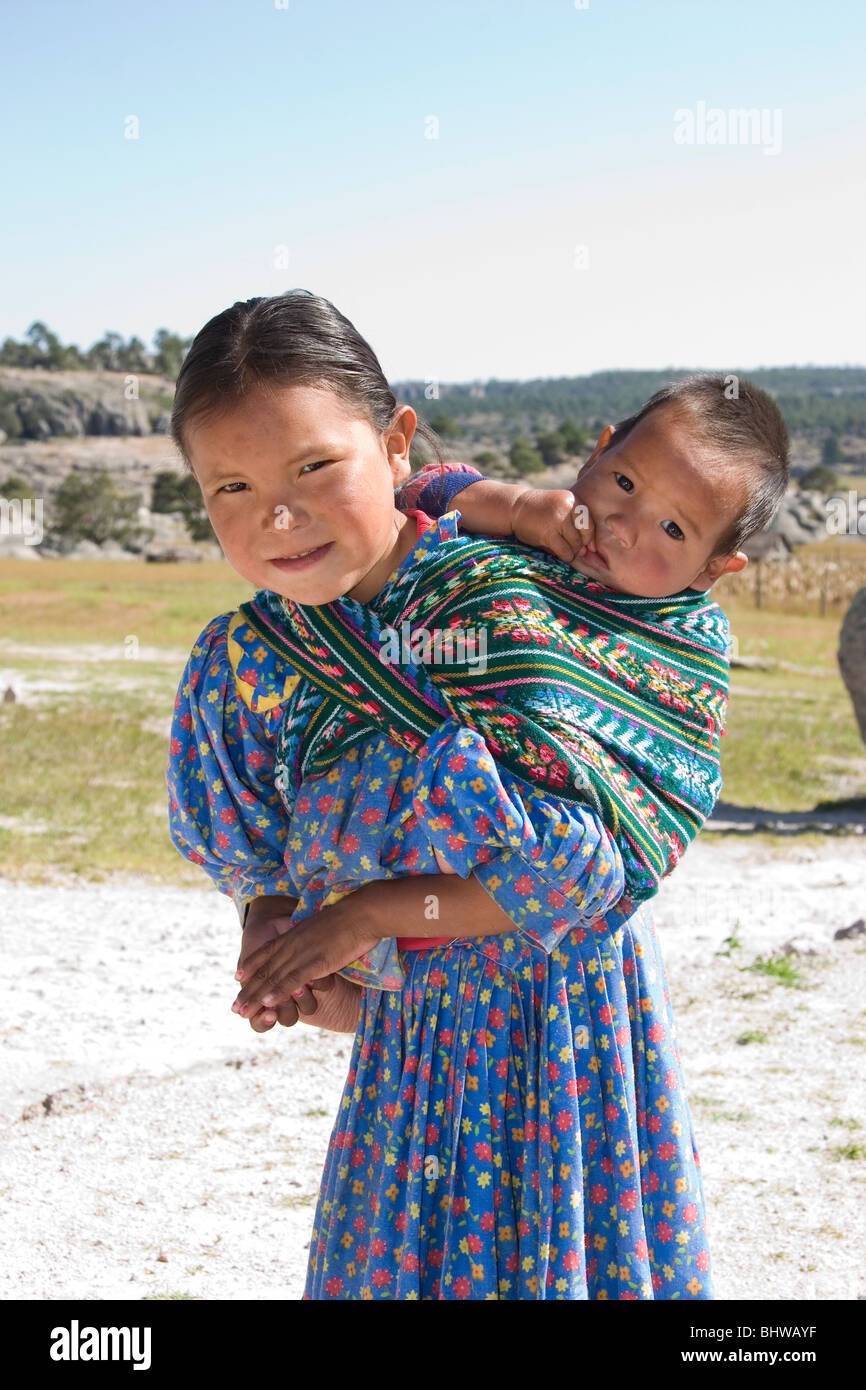

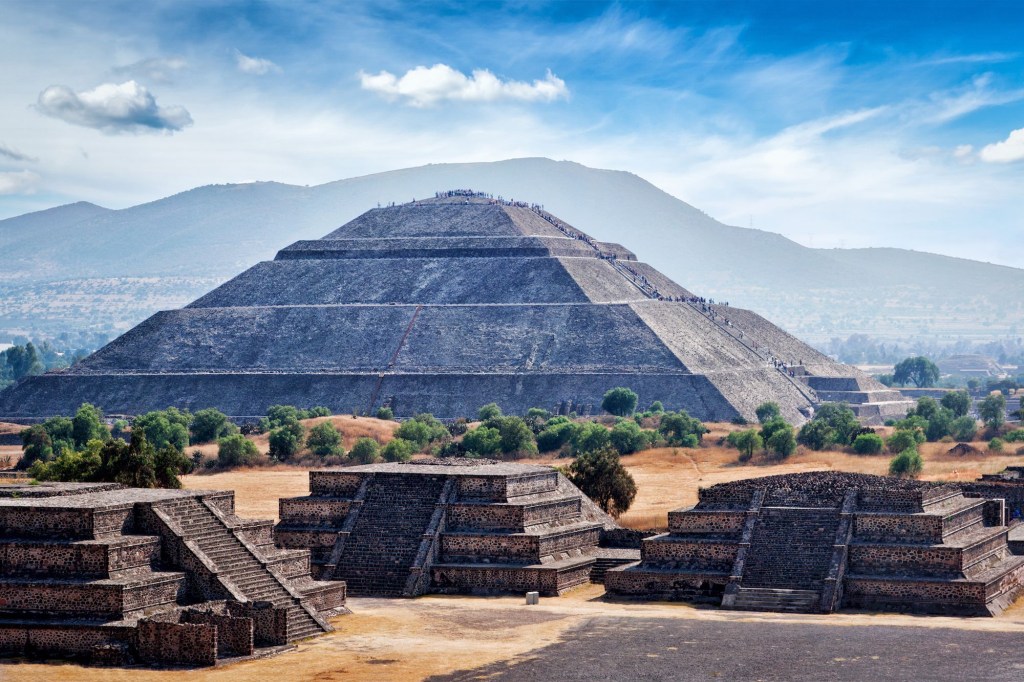
Central America is thus home to the Nahua, and once to the ancient Aztecs – THE Amerindians, more specifically. Nahua is of course a Nahuan/Aztecan Uto-Aztecan language.
The 4 layers of Nahuatl / Aztec / Mexicano / Nāhuatl / Nāhuatlahtōlli / Mēxihcatlahtōlli / Mācēhuallahtōlli:
- Infinitiii#♾
- Fervour/ardency/ardour/intensity
- Nahua-ness
- Procedure




The Uto-Aztecan family is where the Southern Amerindian languages begin: I ascertain all American Indian languages to belong to one large Amerindian family, all technically related to each other, divided between Northern and Southern.
The four layers of Tübatulabal / Pakaːnil / Paka’anil / Pakaanil:
- infinitiii[123…#♾🧮]
- personal investment
- Tübatulabal-ness
- liberating the soul
- haniːnɨʔɨŋ = my house
- naːadɨʔ = cat
- muːʃ = fish spear
- pit͡ʃiliː = squirrel
- haniː = house
- wɔːʔiʃɨhatd͡za = s/he might get jealous
- iwikkːɨki = I discarded (it)
- weːhiwat = s/he is being licked (e.g. kitten by mother cat)
The Uto-Aztecans are the Southern Amerindian sophisticates.
 The Buzz-Concept Project