I finished Part 1 looking at the Uto-Aztecan “big dogs”. Next up we have the Yuman peoples and languages.
Yuman
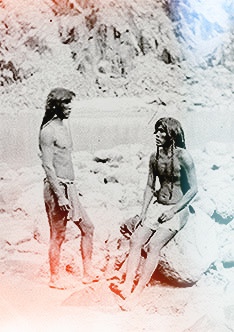
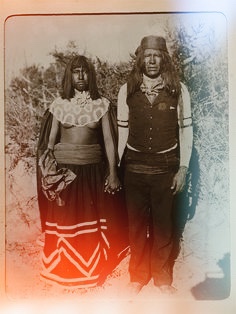
Additionally termed the Yuman-Cochimí languages, these languages are spoken in Baja California, northern Sonora, southern California, and Western Arizona. They are alternatively considered as belonging to a hypothetical Hokan family, consisting overall of about a dozen small families spoken mainly in California, Arizona and Baja California. The name Hokan is derived from the word for “two” in Hokan languages, such as *xwak in Proto-Yuman, c-oocj ([koːkx]) in Seri, ha’k in Achumawi. The Cochimí / Laymón language went extinct in the 18th century, and most other Yuman languages are now threatened. There are approximately a dozen Yuman languages. They are divided up into Cochimí, Kiliwa, and “Core Yuman” branches. Cochimí and Kiliwa both encompass just one language each: Cochimí / Laymón and Kiliwa / Kiliwi / Ko’lew / Quiligua / Ko’leeu Nyaha, respectively. Core Yuman languages, meanwhile, include the River Yuman languages, which include namesake Yuma / Quechan / Kwtsaan / Kwatsáan Iiyáa, and Mojave / Mohave / Hamakhav. These are the harmonious Amerindians, FYI.


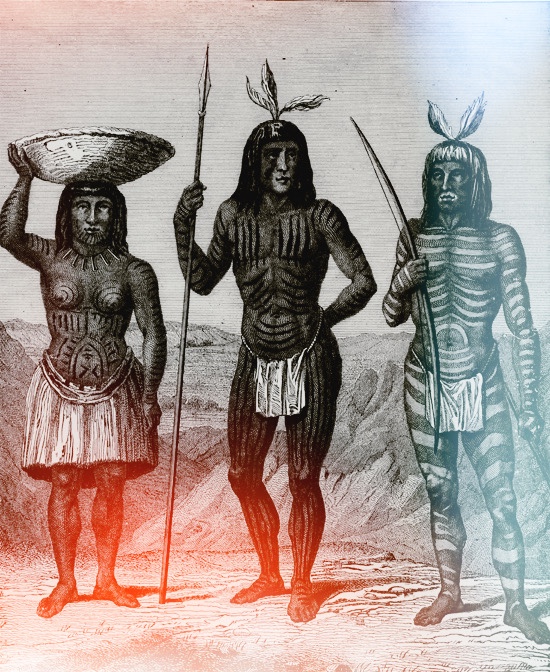
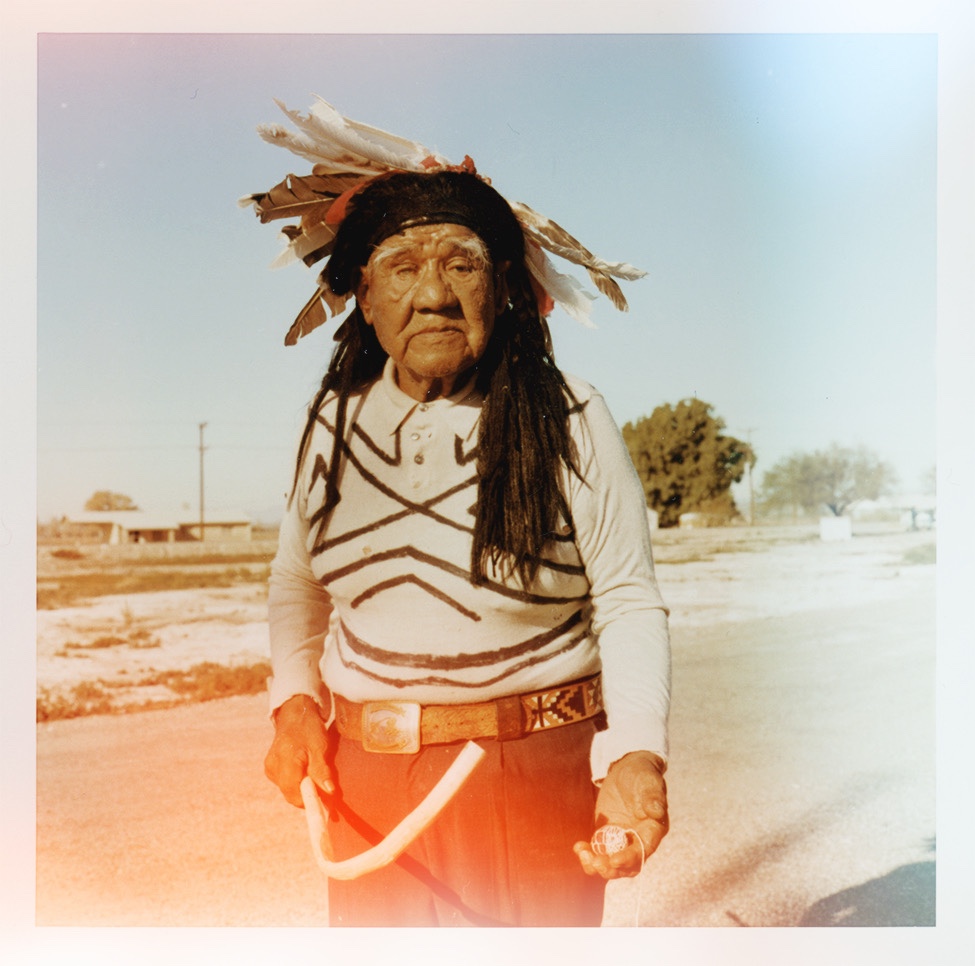
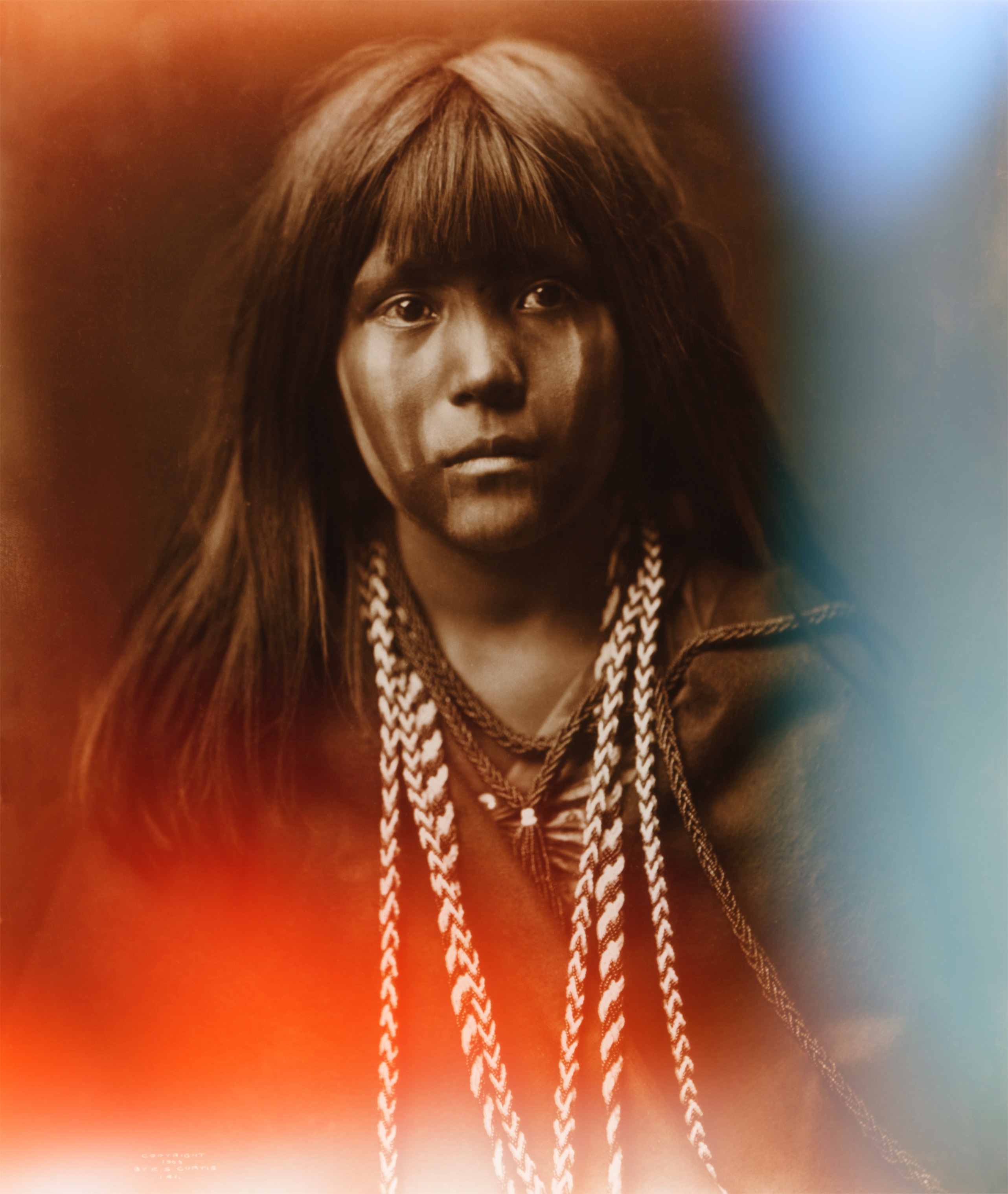
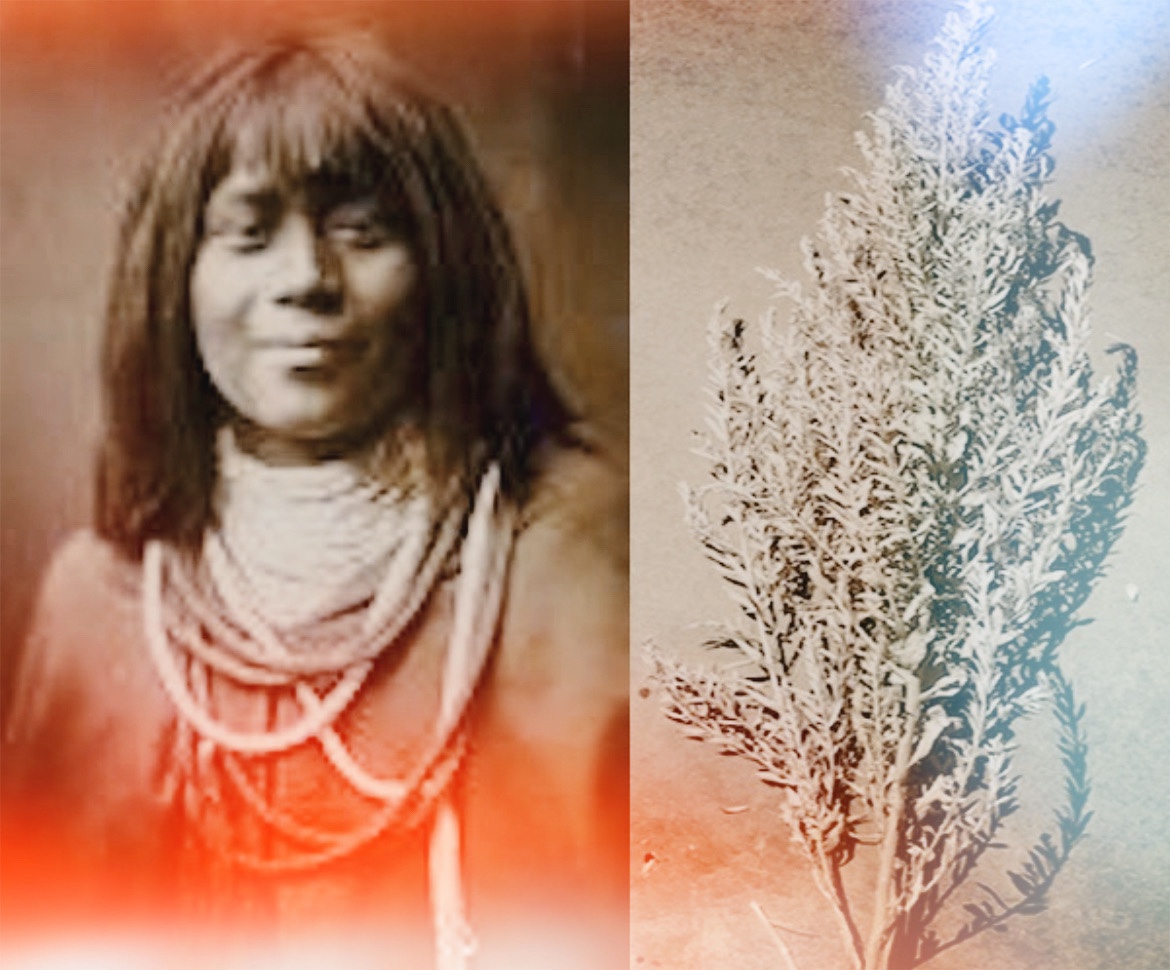
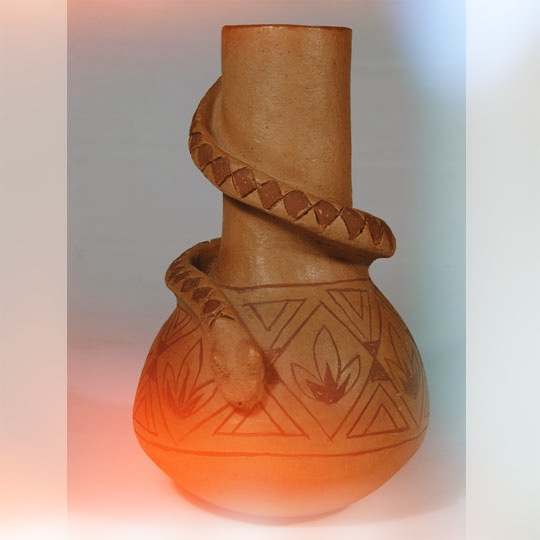
Words in Yuma / Quechan / Kwtsaan / Kwatsáan Iiyáa, the Language of Fluidity:
- arsentik = one
- xavik = two
- xamok = three
- chumpop = four
- sarrap = five
- Pa’iipáats suuváat. Someone was over there.
- Pa’iipáats nyaváyk suuváa. Someone was living over there.
- Tsam’athúlyəm éevtək uuváat. ‘Anyáayk viithíim, amanək, tsam’athúly nyaványa, tsam’athúly kéek a’ét. Anyétsəts nyuu’ítsk. He bothered ants. When the sun came up, he got up, and as for the ants’ nest, he was going to stir up the ants. We say that.
Words in Mojave / Mohave / Hamakhav:
- seto = one
- havik = two
- hamok = three
- chumpap = four
- tharap = five
- hatčoq ʔavi:-m ʔ-əta:v-k I hit the dog with a rock
- Jim-č havik kʷikʷay θinʸaʔa:k sukam-m Jim sold his brother a crow
The four layers of Mojave:
- infinity
- attention
- Mojave-ness
- conciliation
Otomanguean
The Otomanguean or Oto-Manguean languages are composed of the subfamilies Amuzgoan, Oto-Pamean, Popolocan, Subtiaba-Tlapanecan, Mixtecan, Zapotecan, and Chinantecan. The languages of these that remain alive are spoken in México. The Manguean branch is now extinct. The most important languages of the family are…
- Otomí (Hñähñu), an Oto-Pamean language, spoken in the Mexican states of Hidalgo, México, Veracruz, Querétaro, and adjacent states…
- Mixtec dialects, of the Mixtecan subfamily, spoken in the states of Guerrero, Puebla, and Oaxaca…
- Zapotec (Diidxazá, Dizhsa) dialects or languages, of the Zapotecan family, spoken in Oaxaca…
- Mazahua (Jñatjo / Jñatrjo), of the Oto-Pamean family, spoken in the states of Michoacán and México.


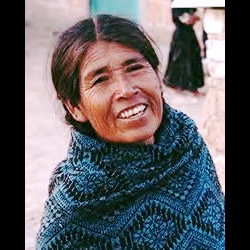
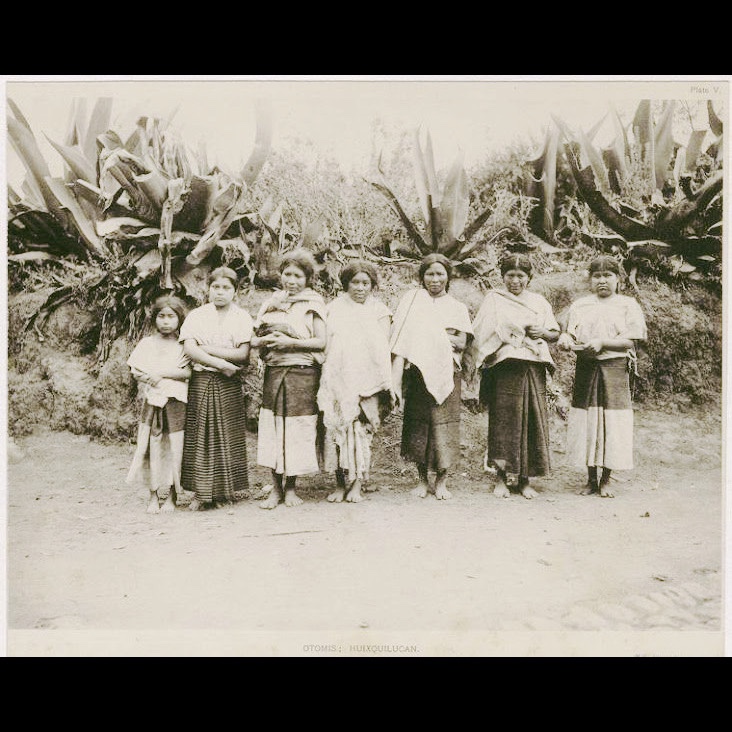
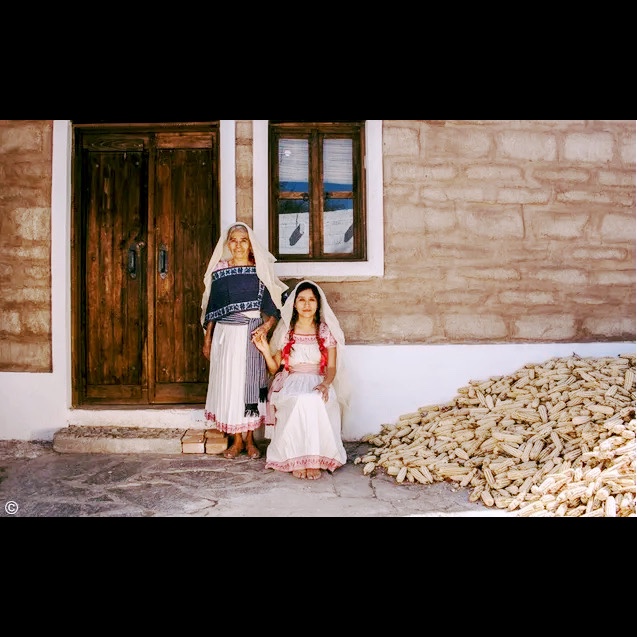


The “Otomanguean” peoples are the punctilious Amerindians. Why are Mexicans so detallistas (have such attention to detail)? They established their own family originally frustrated and concerned by the hyperstimulation other Southern Amerindian groups suffered from. They are concordantly obsessed with reflection and life experience. The two largest branches of the language family, Zapotecan and Mixtecan, are spoken by almost 1.5 million people combined in the Mexican state of Oaxaca. The Oto-Manguean languages have a wide range of tonal systems, some languages having as many as 10 tone contrasts and others with only two. Tone, intonation and pitch as a distinguishing feature in these languages are entrenched in their very structure and in no way a peripheral aspect of their forms as in others. All Oto-Manguean languages are, uniquely, tonal languages. They are much more analytic than other Amerindian languages, as opposed to synthetic/inflecting, structurally making use of prototypically single morpheme words, strict word order and isolated “helper” words & separate particles. English is also an analytic language.
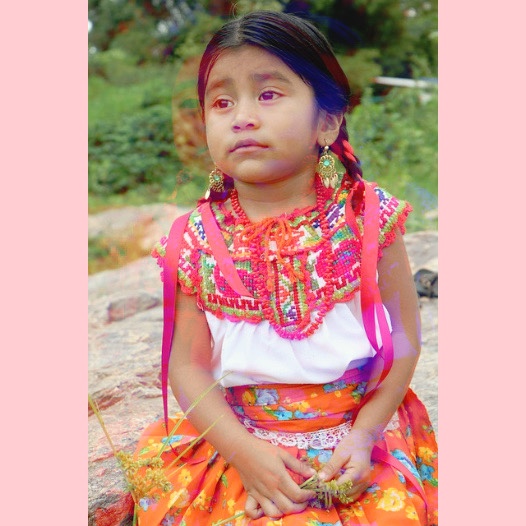
Words in Otomi:
- Gotho nu kja’ni i mu̱i ra zoo i gotho ro kuchti, i tu’ni nu ro ña padä bini i da budi, da mu̱i ra zoo koyu gotho yu kja’ni i yo kuadi. All human beings are born free and equal in dignity and rights. They are endowed with reason and conscience and should act towards one another in a spirit of brotherhood. (Article 1 of the Universal Declaration of Human Rights)
- Zenjua Ki – Hello (I salute you)
- Magö – Goodbye
- Di Ma’i (Ndunthi) – I love you (a lot)
Mixe-Zoque
The Mixe-Zoque languages are spoken in southern México. They are also called the Mixe-Zoquean, Mije-Soke and Mije-Sokean languages. They are divided into two branches—Zoquean and Mixean. A relation to the Totonacan/Totonakan languages has been proposed, to form a “Totozoquean” family. The Mixe-Zoque, Totonacan, and Huavean languages are then also proposed to be related to the Mayan languages, as the supposed Macro-Mayan family. The Mixe-Zoque peoples are the X-tra ingenious Amerindians. Their languages are head-marking, whereby agreement is marked at the head of the phrase/nucleus containing agreeing words. They are additionally polysynthetic, with complex verbal structures and simple nouns. They use ergative* alignment, whereby single arguments i.e. subjects of intransitive verbs behave like objects of transitive verbs, and differently from the agent of a transitive verb. They are in fact THE ergative languages of the world. Ergativity carries notions of the celebration of life experience in these languages. Good vibes. Why? In honour of southern México’s beauty! These languages also make use of direct-inverse systems triggered by animacy and topicality, whereby different grammar signifies the activity of transitive predications according to the relative positions of their subject and object in a hierarchy. In Mixe-Zoquean languages this feature is triggered by variation in animacy (vital state) and topicality (relevance). Mixe-Zoque languages furthermore morphologically distinguish between two basic clause-types, independent or dependent, verbs taking on different affixes depending on which type they appear in. Verbal aspect markers come in two sets, one for both types of clause; three aspects are distinguished within each clause-type: incompletive (action yet incomplete), completive (activity complete), and irrealis (may or may not happen, indefinite). As in most Amerindian languages, such pernickety features all work together to enhance one’s experience of life and the surrounding world.
Words in the Mixe language / Ayuujk:
- tuuk = 1
- meets = 2
- tëëkuk = 3
- mëëdax = 4
- mëëkox = 5
- tëëdëkj = 6
- juxtékj = 7
- tééktukj = 8
- taxtukj = 9
- maakj = 10
- Maguepe! = Hello!
- Ji jadaok! = Good bye!
- Nej mijts! = How are you?
- Oyëtsyam! = I’m fine!
- Näyjyëtu’un y’ënäny ja Jesús: Tu’uk ja ja’ay, nimäjtsk ja myaank. = Jesus continued: “There was a man who had two sons”

In Zoque / Soke / O’de püt:

- Our father, which art in heaven, hallowed be thy name. Thy kingdom come. Thy will be done on earth as it is in heaven. Give us this day our daily bread. And forgive us our debts, as we forgive our debtors. And lead us not into temptation, but deliver us from evil. For thine is the kingdom and the power and the glory for ever and ever. Amen.
*the term ergative comes from the Greek ergatēs / ἐργᾰ́της meaning “workman, labourer, worker”, combining ergon / ἔργον “work, labour; a task, matter, thing” (from PIE root *werg- “to do”) + -της (-tēs). The peculiar phenomenon of ergativity works to foster unity among users of a language, FYI. Ergative forms exist in contrast to the “accusativity” or accusative alignment of languages like English, in which the single argument of an intransitive verb and the agent of a transitive verb (both called the subject) are treated alike and kept distinct from the object of a transitive verb.


“She(S) walks”. – intransitive verb
“She(A) finds it(O).” – transitive verb
In Ayutla Mixe:
Ayutla Mixe is no longer an ergative language, although it is possible to find traces of an ergative system…
jä’äy ‘to write’: Intransitive: jaapy ‘s/he writes’; transitive: jyaapy ‘s/he writes them’.
xëy ‘to sew’: Intransitive: xiipy ‘s/he sews’; transitive xyiipy ‘s/he sews it/them’.
… jyaapy = ‘writ—them-(be)—writtenedst—(by)-her/him’; xyiipy = ‘ss—them-(be)—sseuws—(by)-her/him’
An interesting feature of language to take note of.


 The Buzz-Concept Project