Once the ancestors of the Uto-Aztecans had settled into the grooves of their cultural vibrancy, some sophisticates branched away to found the Mayan languages.
Mayan
Like the Otomangueans, the Mayans branched away dissatisfied with the volatility inherent within the Southern Amerindian template. This was in contrast to the Mixe-Zoques, however, who branched away simply having had a supposedly even better idea for becoming the X-tra ingenious Amerindians. That said, I do ascertain there to be a common Macro-Mayan family uniting the Mixe-Zoquean, Totonacan, Huavean, Mayan, and Chibchan (unique to my classification) languages. So there is actually a degree of linguistic unity in Central America, in spite of its intimidating diversity! The Mayan languages are the “Strategic” Tongues, and the Mayans themselves the formalist Amerindians. Mayans see planning/scheming like we see life itself. The most important Mayan language is Yucatec Maya / Maya / mayaʼ tʼàan / màaya t’àan / [màːjaʔˈtʼàːn], spoken in the Yucatán Peninsula and in Belize, the modern descendant of ancient Maya. Today the Mayan languages have at least 6 million speakers in Guatemala, México, Belize, El Salvador, and Honduras.


In pre-Columbian times, some Mayan languages were written in the logo-syllabic Maya script, whose use was particularly widespread during the Classic period of Maya civilization (c. 250–900).


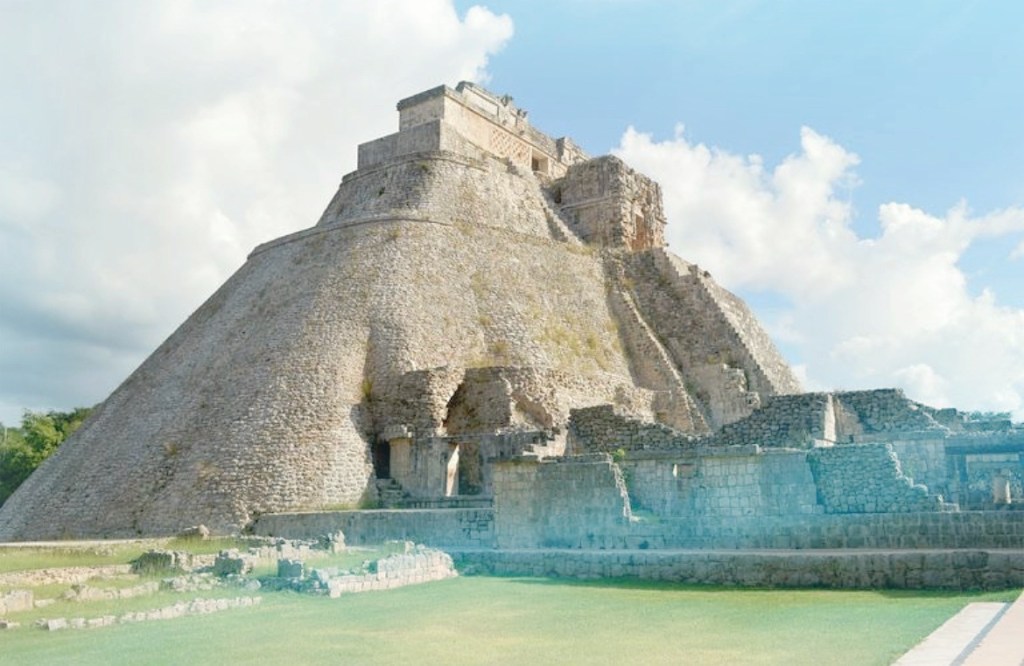

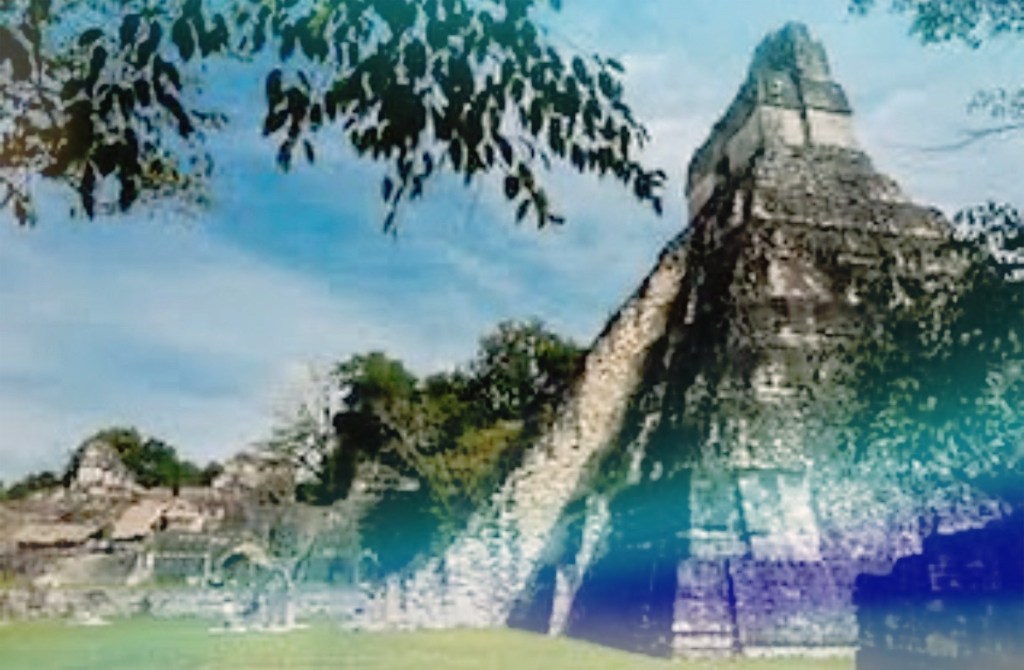

The Mayan family is one of the most studied and best-documented language families in the Americas. Proto-Mayan, from which these languages all supposedly descend, is believed to have been spoken at least 5,000 years ago. It has given rise to at least six branches: Huastecan, Quichean, Yucatecan, Qanjobalan, Mamean and Ch’olan-Tzeltalan. These are also ergative languages. Moreover, their morphology is technically agglutinating and polysynthetic, as is so common throughout the Americas.
Words in Yucatec Maya / màaya t’àan:
- Tuláakal wíinik ku síijil jáalk’ab yetel keet u tsiikul yetel Najmal Sijnalil, beytun xan na’ata’an sijnalil yetel no’oja’anil u tuukulo’, k’a’abet u bisikuba bey láaktzilil yetel tuláakal u baatzile’. All human beings are born free and equal in dignity and rights. They are endowed with reason and conscience and should act towards one another in a spirit of brotherhood. (Article 1 of the Universal Declaration of Human Rights)
- Kíimak óolal = Welcome
- Ba’ax ka wa’alik? = Hello
- Bix a bel? = How are you?
- Bix a k’ aaba’? = What’s your name?
- In k’ aaba’ e … = My name is…
- Jach ki’imak in wóol in wilikech = Pleased to meet you
- Ma’lob Ja’at kab kíin = Good morning
- Ma’lob chí inil kíin = Good afternoon
- Ma’lob ak’abtal = Good evening
- Ka ka’at = Goodbye
- Ku méejtech uutsil = Bon appetit
- Tene tin na’atik = I understand
- Meent’ uts = Please
- Dios bo’otik = Thank you
The “Macro-Mayans” collectively are the experimental Amerindians…


Chibchan
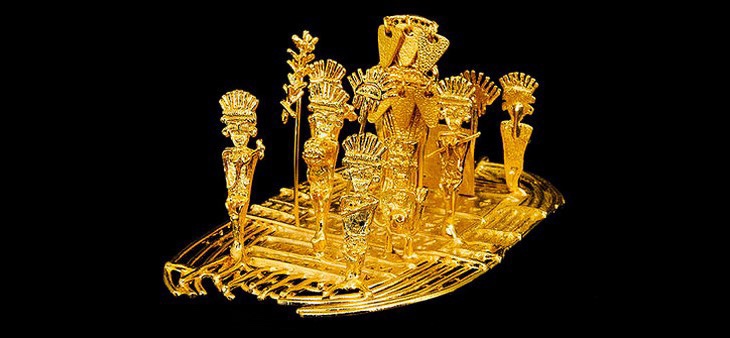
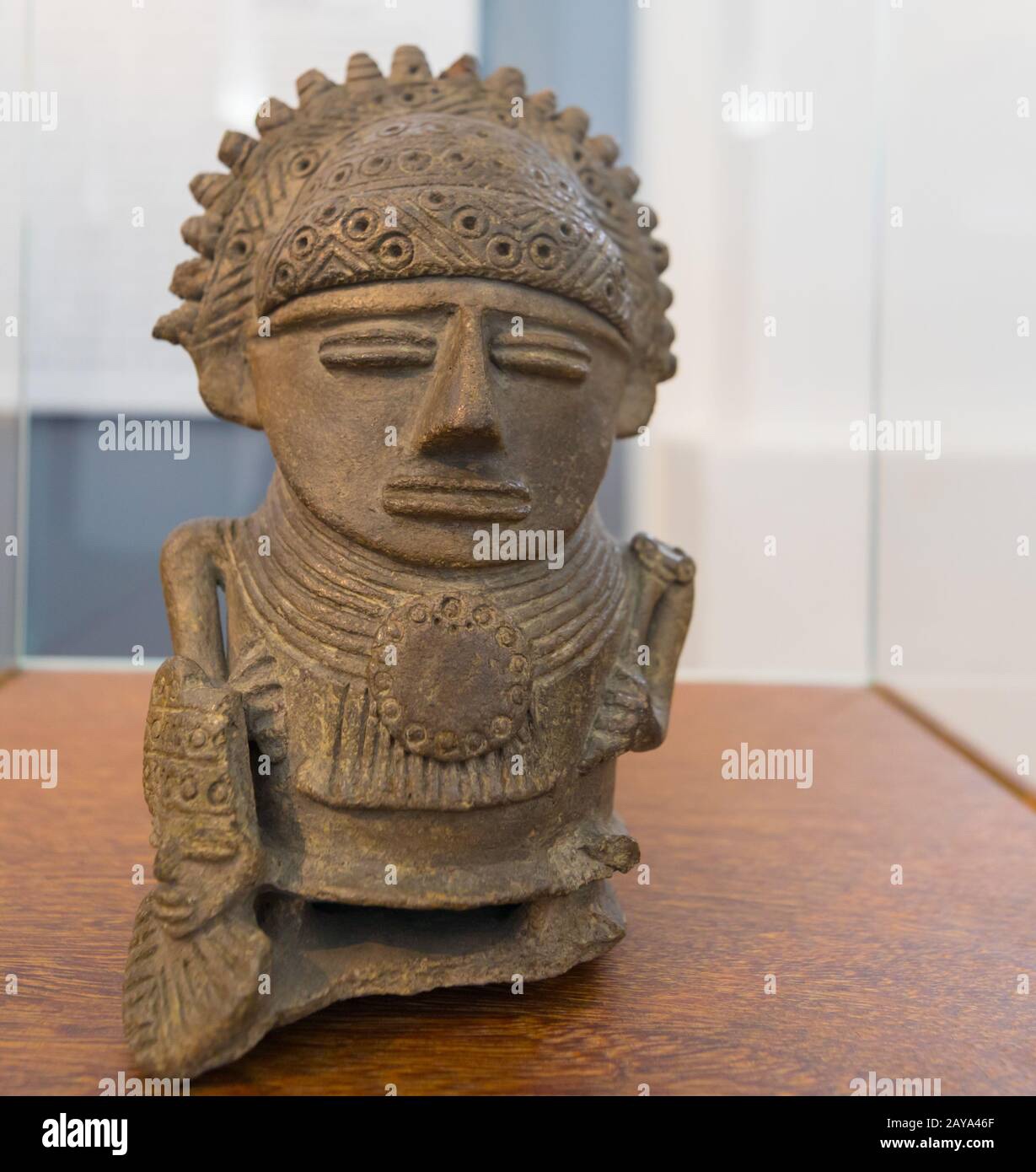
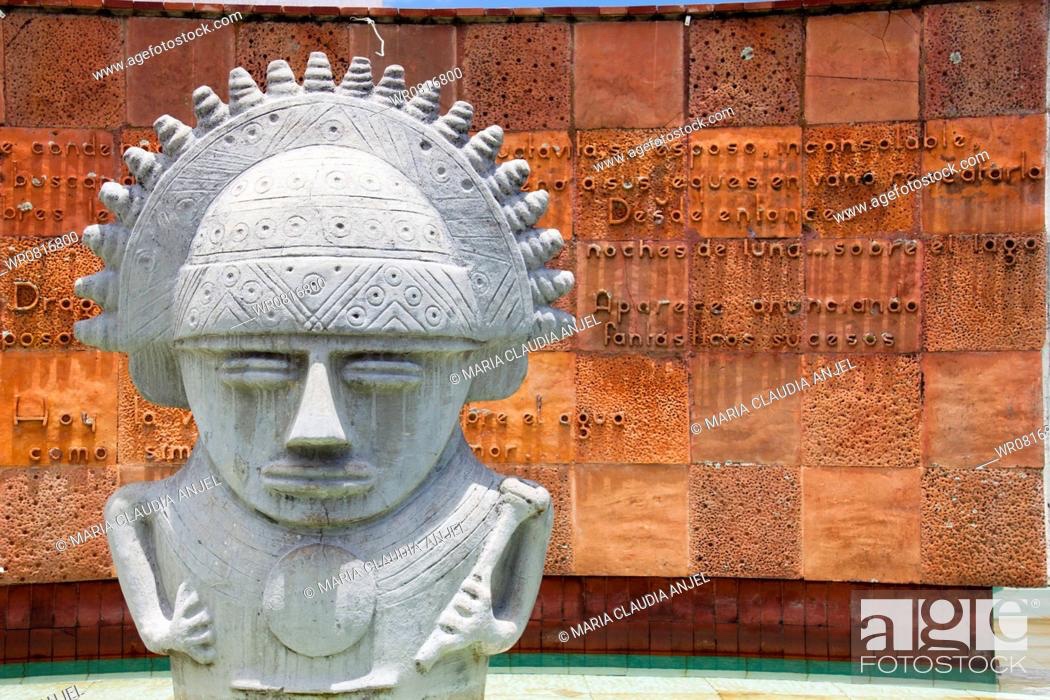
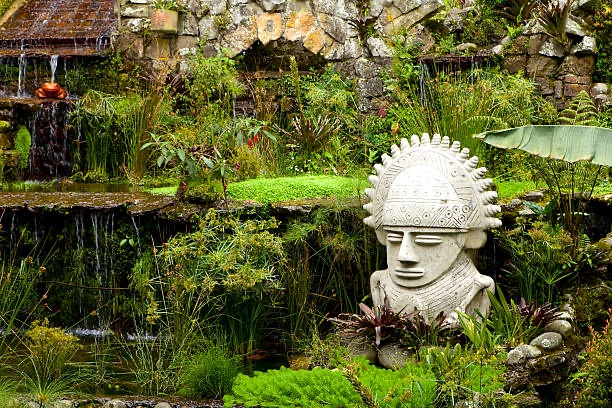
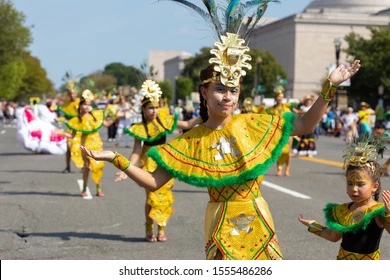
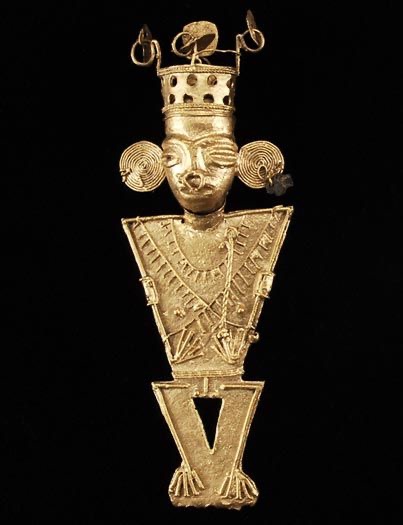
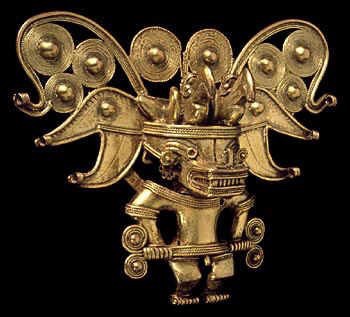
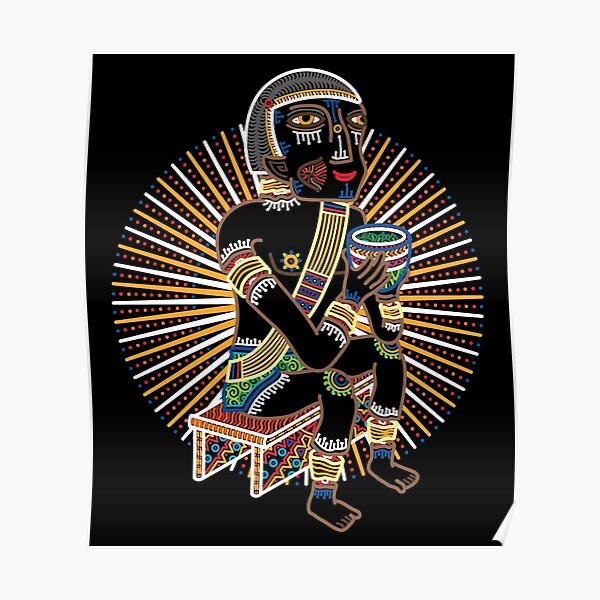
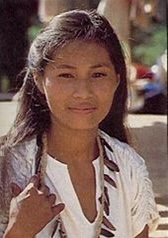
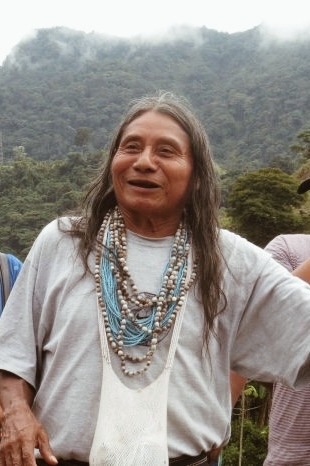
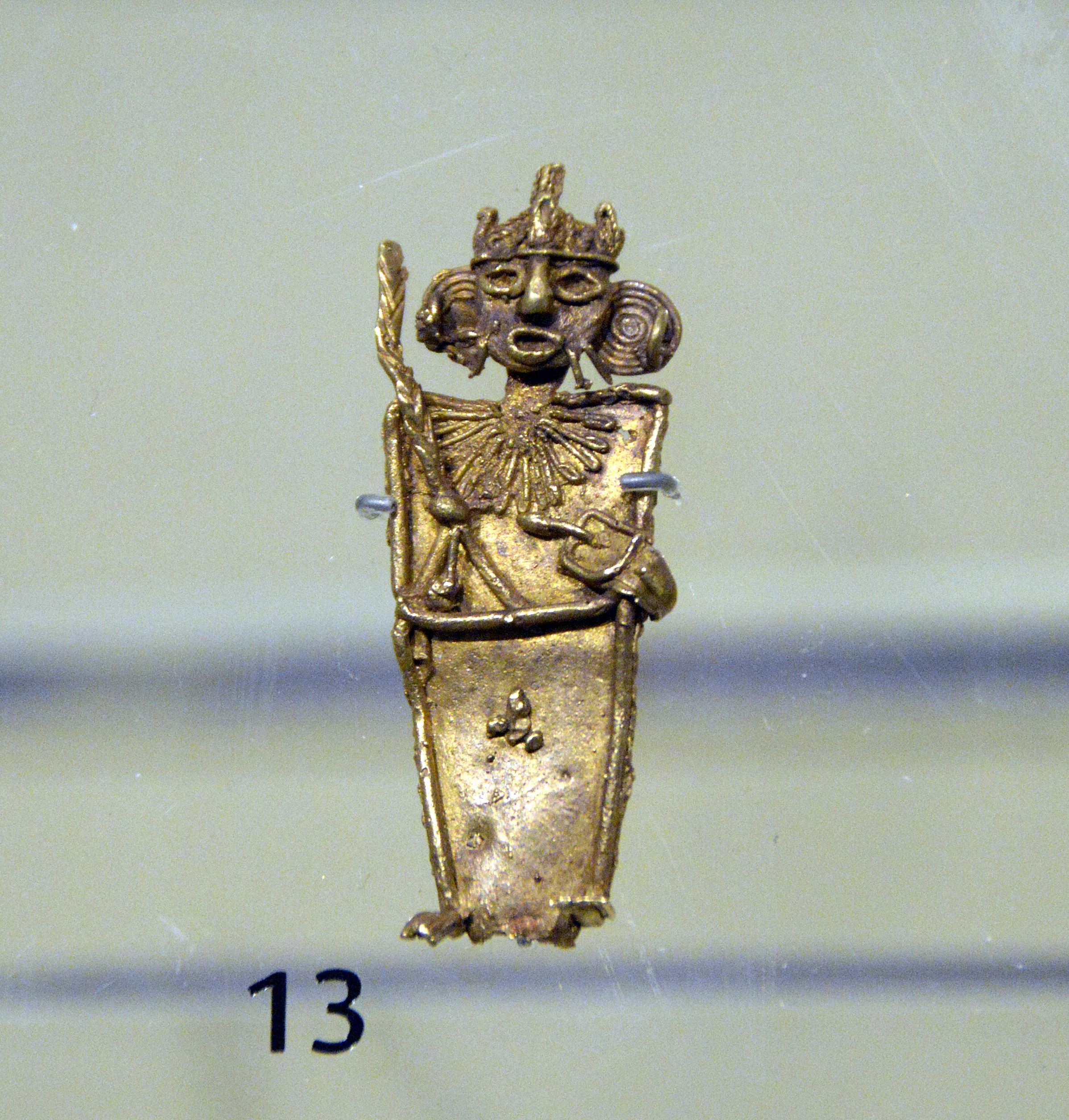
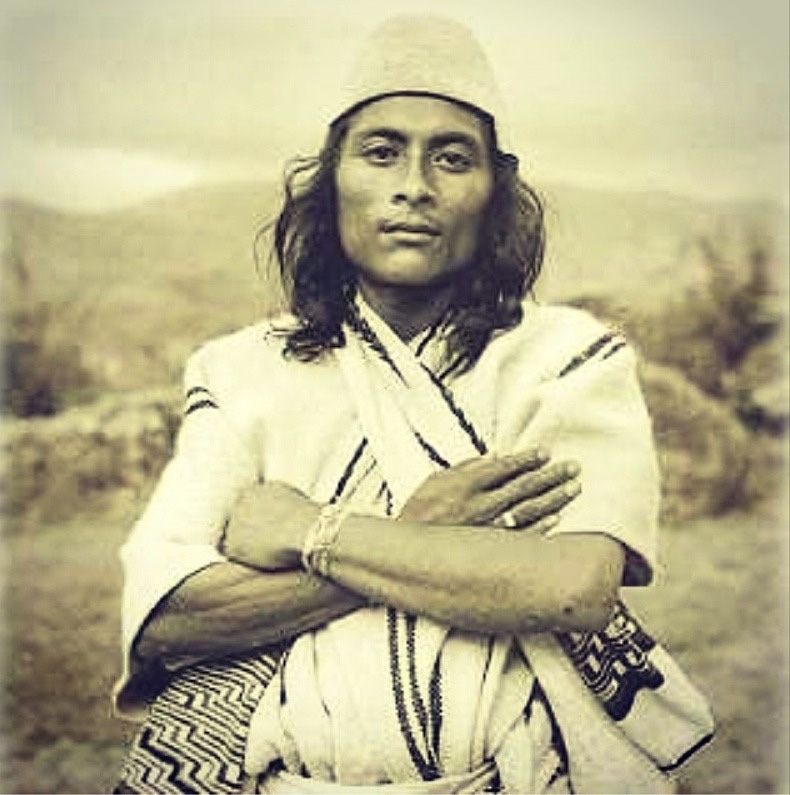
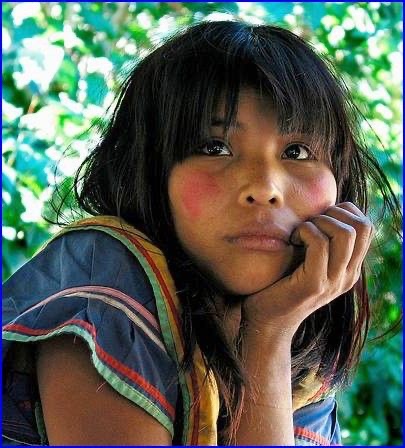
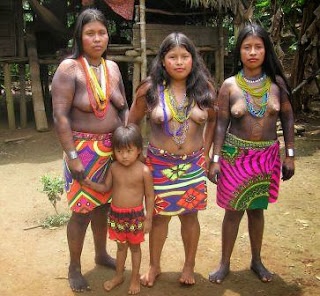
Finally, let’s look at the zesty Chibchan languages. The Chibchan languages are indigenous to the Isthmo-Colombian Area, extending from eastern Honduras to northern Colombia. The name is derived from an extinct language called Chibcha / Muisca / Muysca / Muysccubun / mʷɨskkuβun / Muysc Cubun / “language of the people/men”. Muisca/Chibcha was once the language of a powerful Indian empire whose centre was located near Bogotá, Colombia. Important present-day Chibchan languages include Guaymí and Move of Panamá, Kuna and Páez of Colombia, and Chachi and Tsáchila in Ecuador. The proposed Macro-Chibchan family also includes a number of minor languages of Central and South America. People in the “Chibchasphere” are obsessed with s p a r k l e. Chibchan peoples are the visual Amerindians.

Sample of Guaymí / Ngäbere:
- Kena dekä Ngöbökwe kä käinta btä kä tementa dätebare. Akwa kä temen ne nämane ngwarbe, iko jökrä. Ñö aibe nämane neen temen abko, Ngöbö Üai nämane kwite käinta ngibiarebti. Abti Ngöbökwe niebare, Kä raba ngwen. In the beginning God created heaven and earth. The earth was formless and empty, and darkness covered the deep water. The spirit of God was hovering over the water. The God said, “Let there be light!” So there was light.
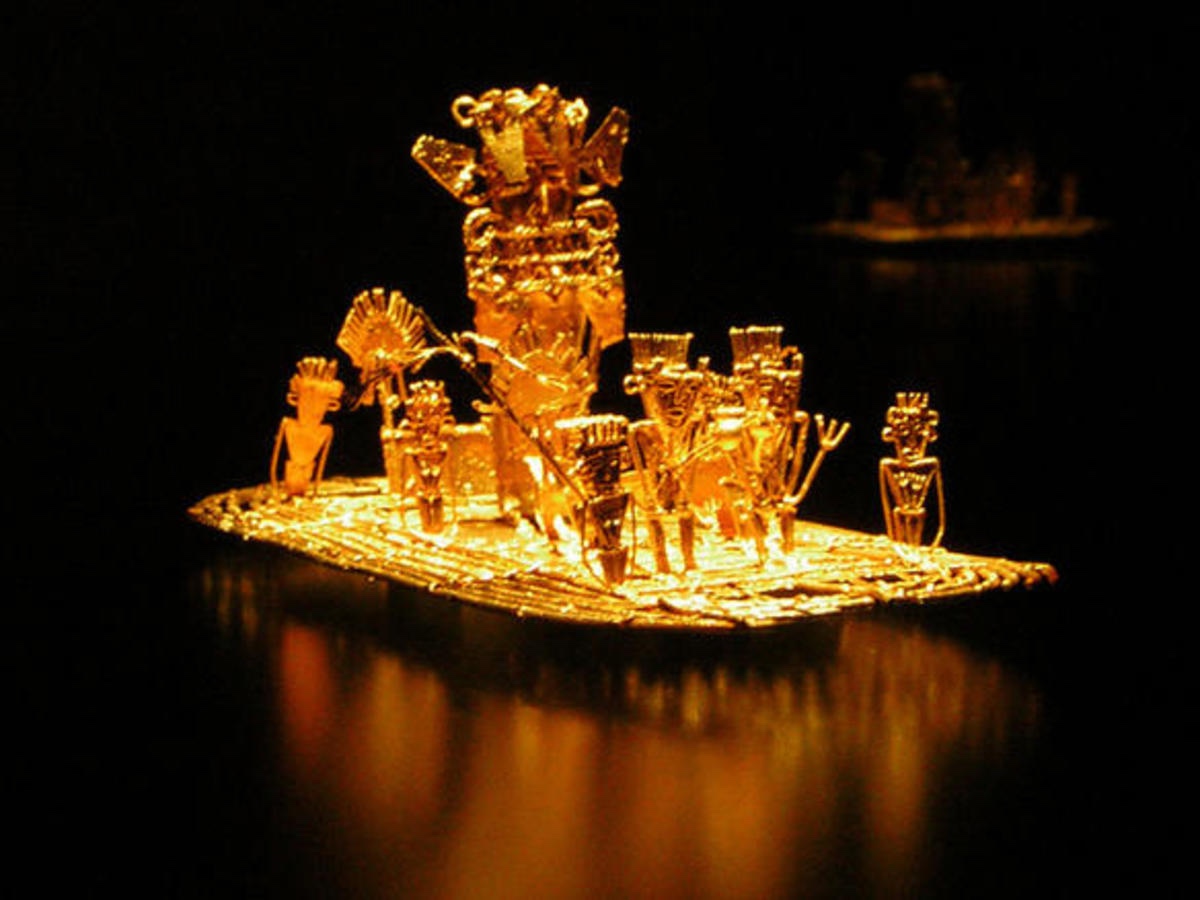
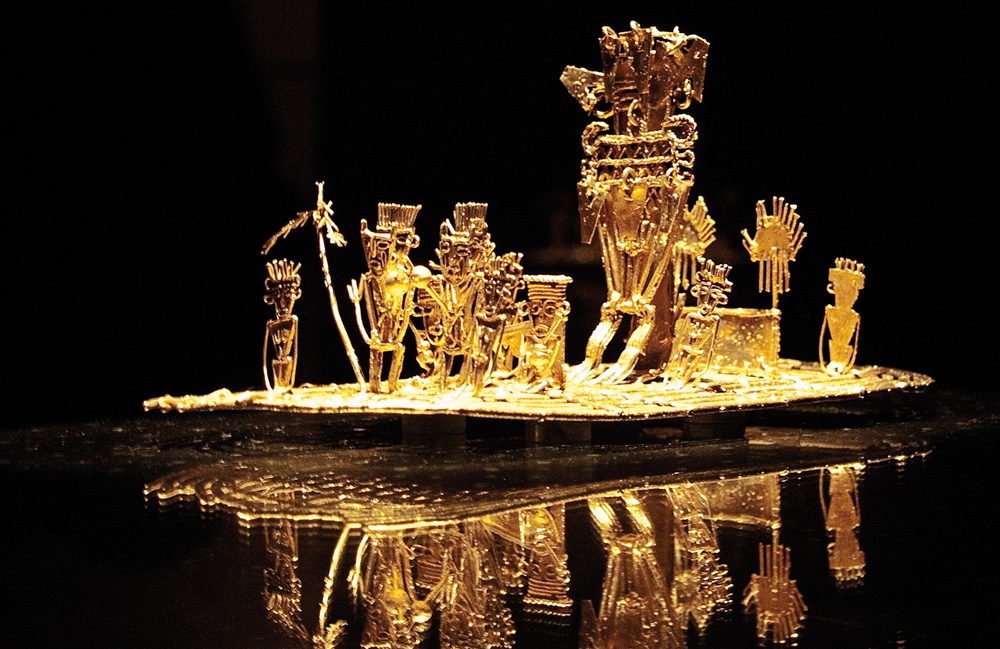

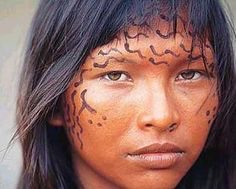
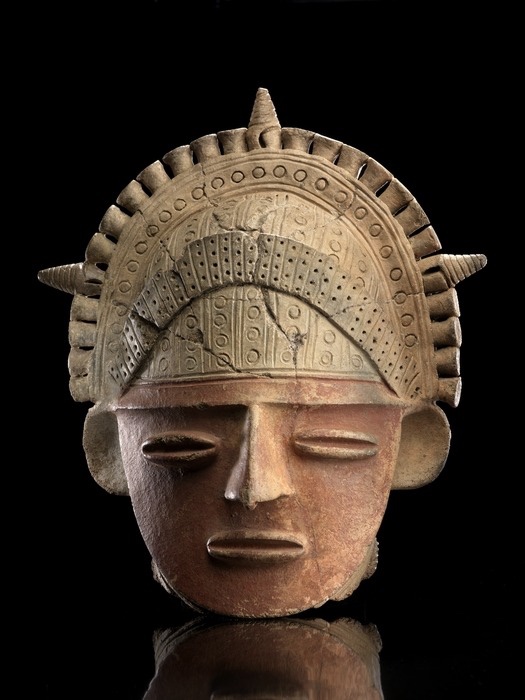
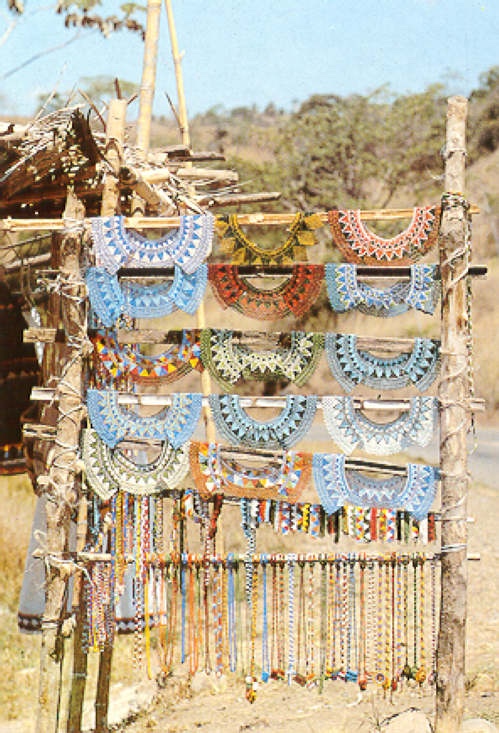
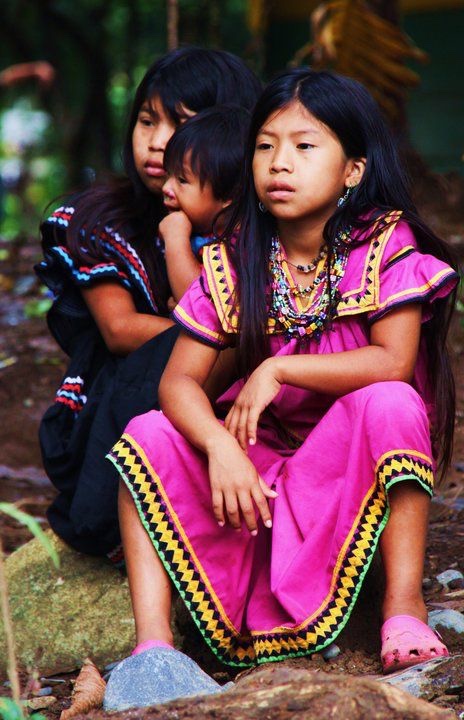
So…
So what exactly is it that makes Central Americans so cunning? Nothing — exactly, that is. And everything, precisely, you could say thanks to the scope of the Buzz-Concept infinity. But, really… First of all, we have the Uto-Aztecan peoples who are the sophisticated Southern Amerindians. One flipside of the trait of sophistication is the capacity for art or artfulness. Next we have the subtle influence of the Yuman peoples from the sidelines (ironically these sidelines being California, haha!), incorporating boundless fluidity at least in México. We then have the Otomangueans with their “hyper-detailism”. And then the Mixe-Zoque X-tra ingeniousness. The Mayan languages, for their part, are the “Strategic” Tongues. As I said above, speakers of these languages see being cunning or artful like others see being alive, directly explaining and underpinning the phenomenon of Central American cunning. All complemented by the Chibchan subversive flourish. All streams converge to give rise to an intrinsically corrupt “dimension” to Central American society, in turn allowing the isthmus to act as a notoriously convenient corridor in the illegal drugs trade, for example.
 The Buzz-Concept Project