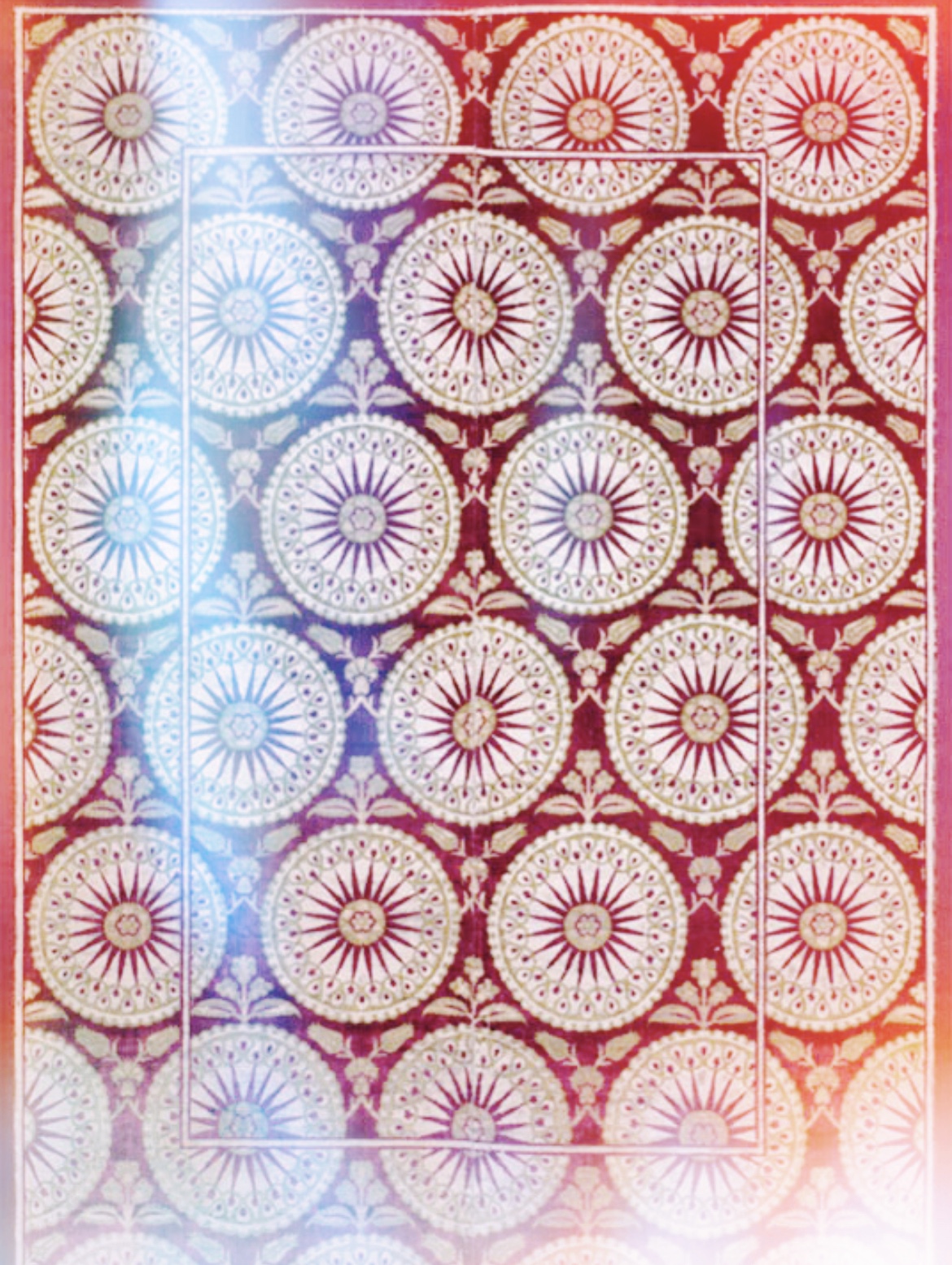
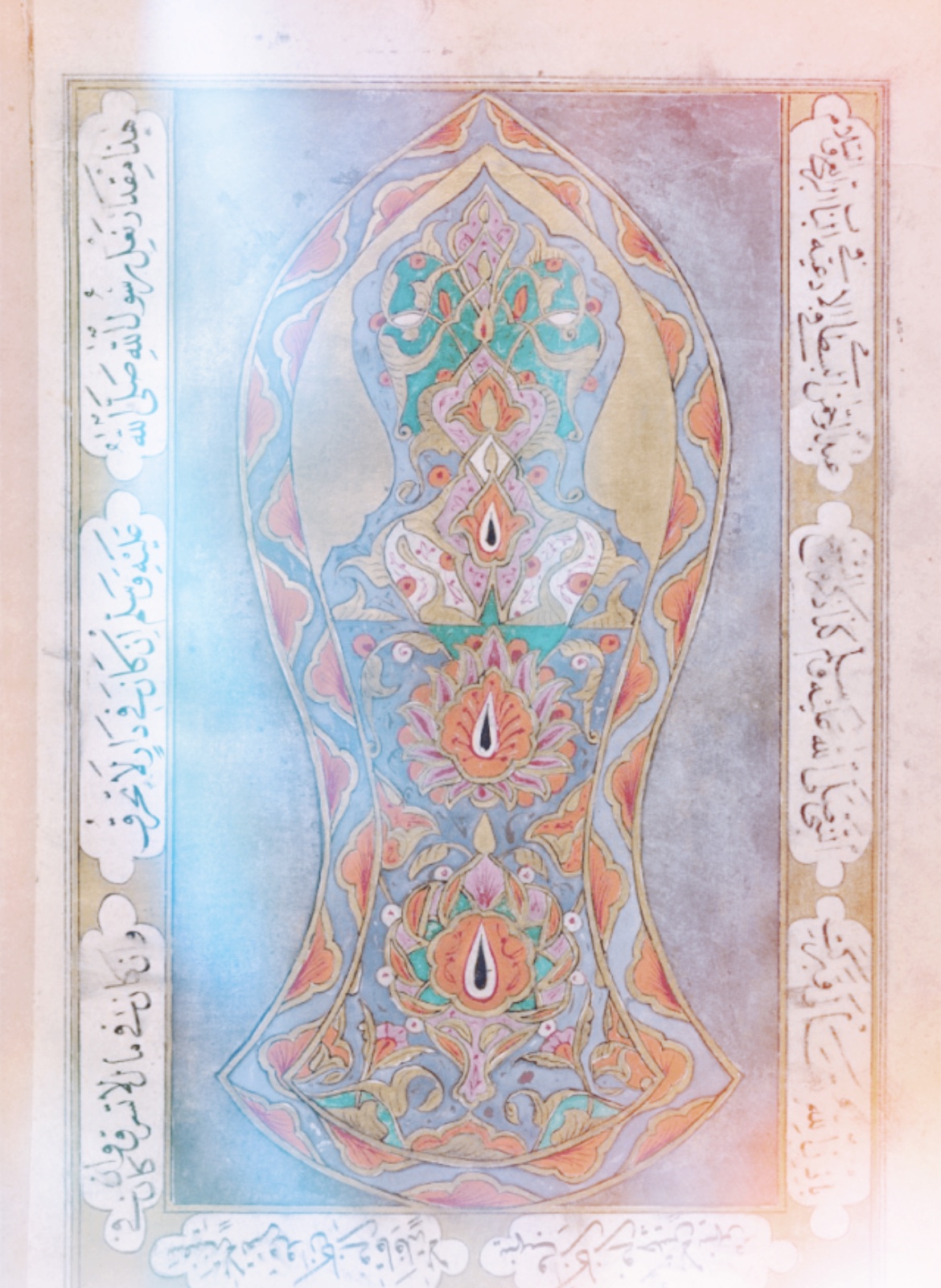
WHAT DID THEY LOOK LIKE?
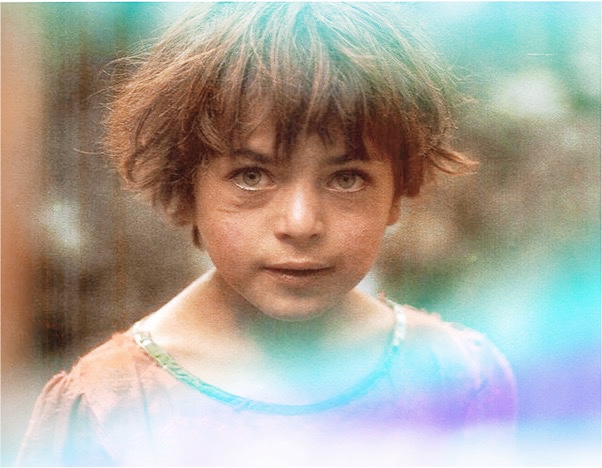
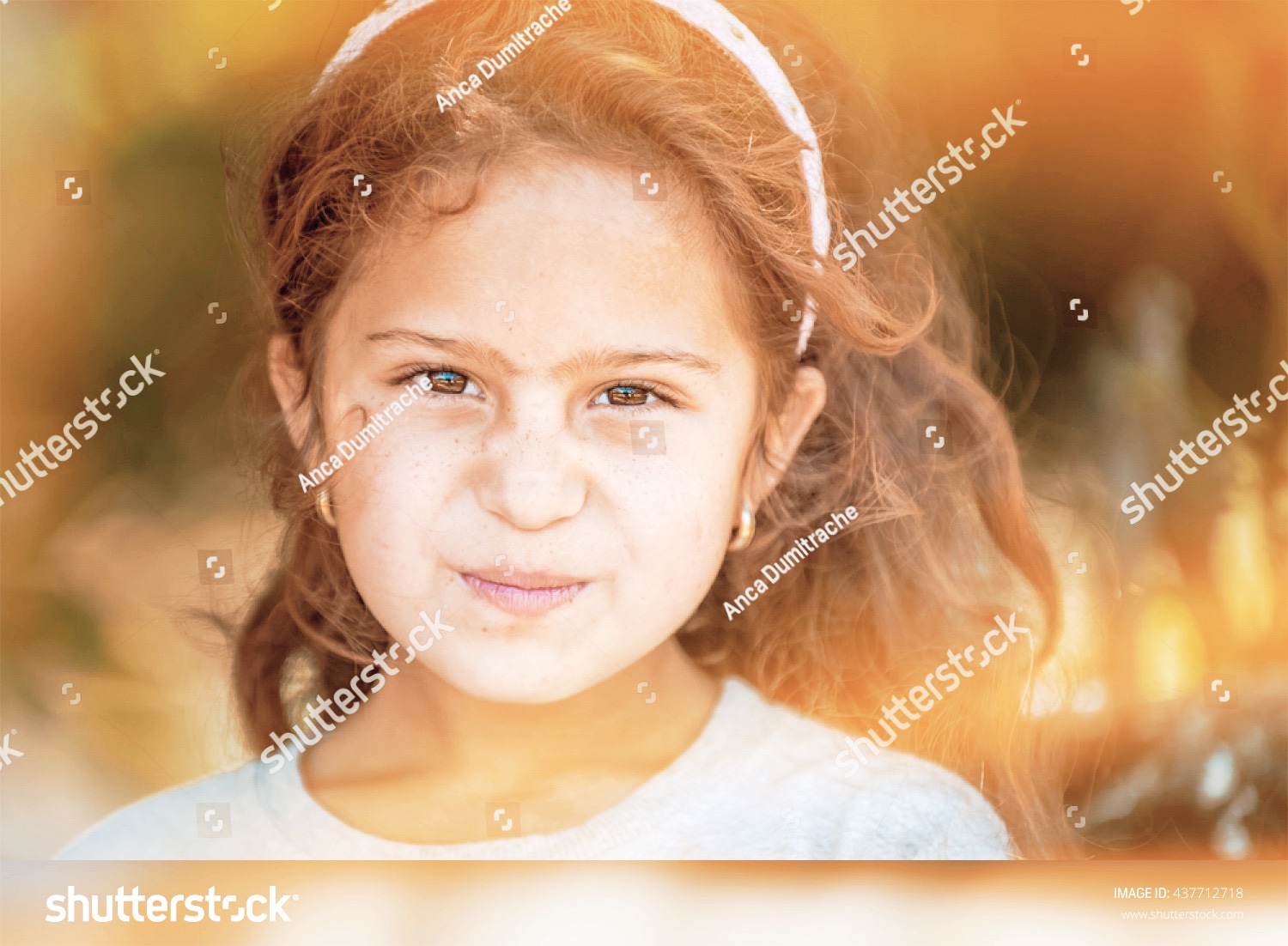
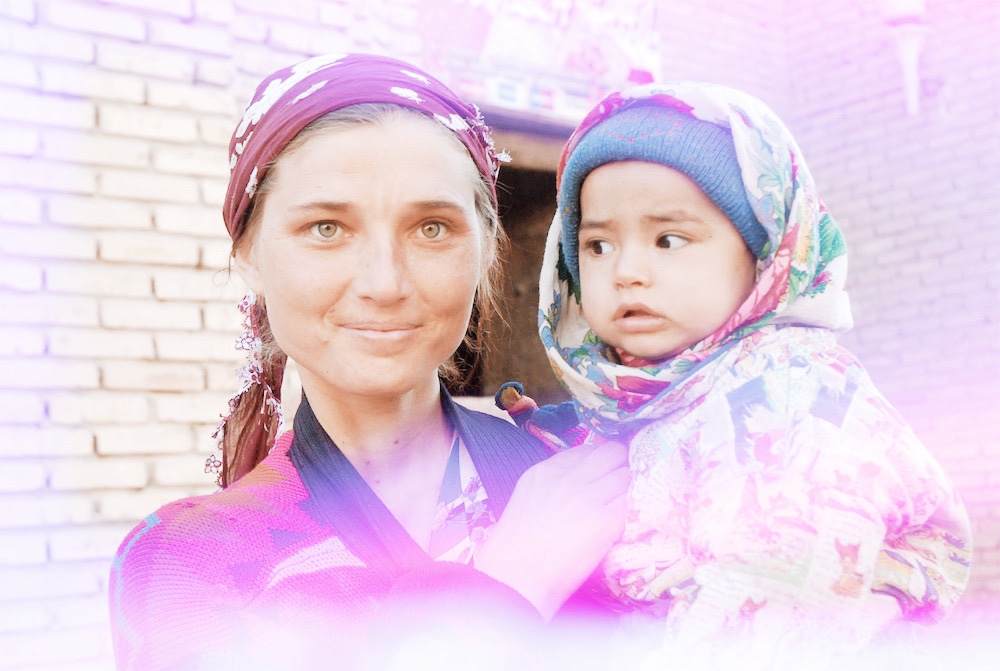


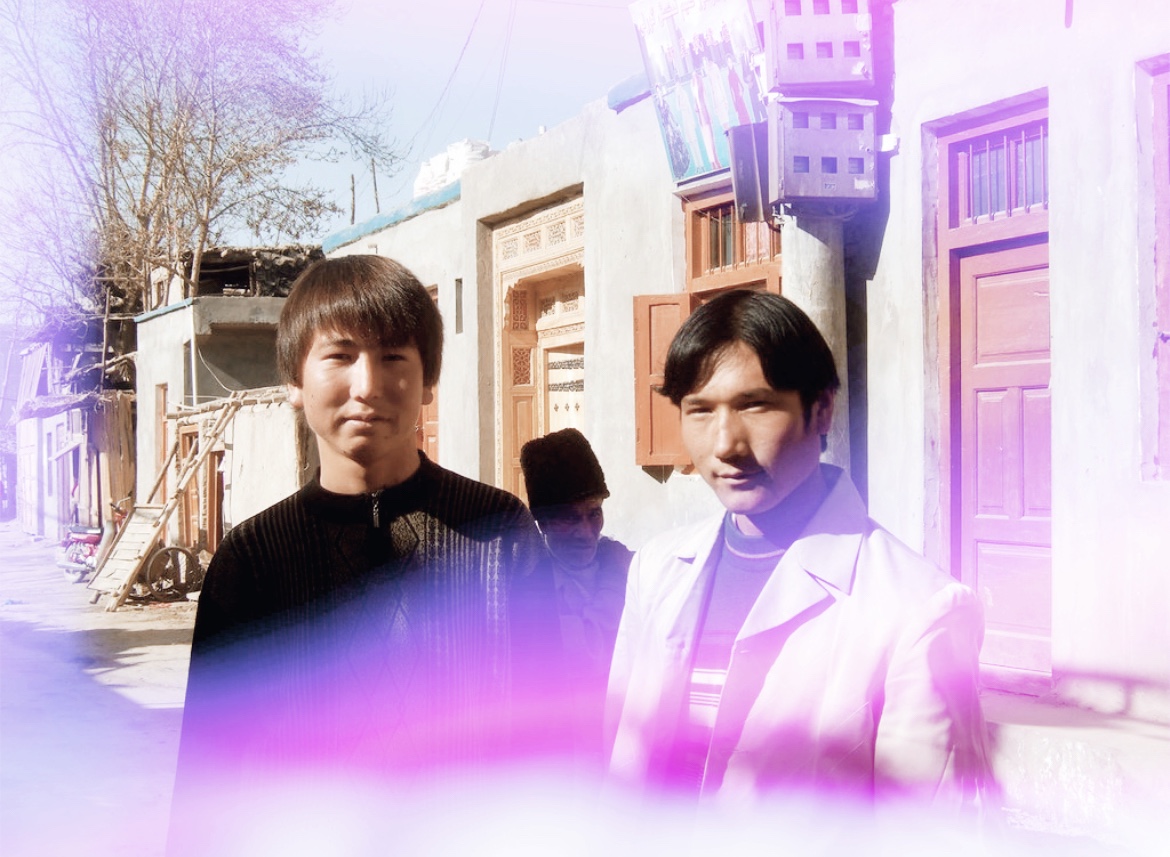
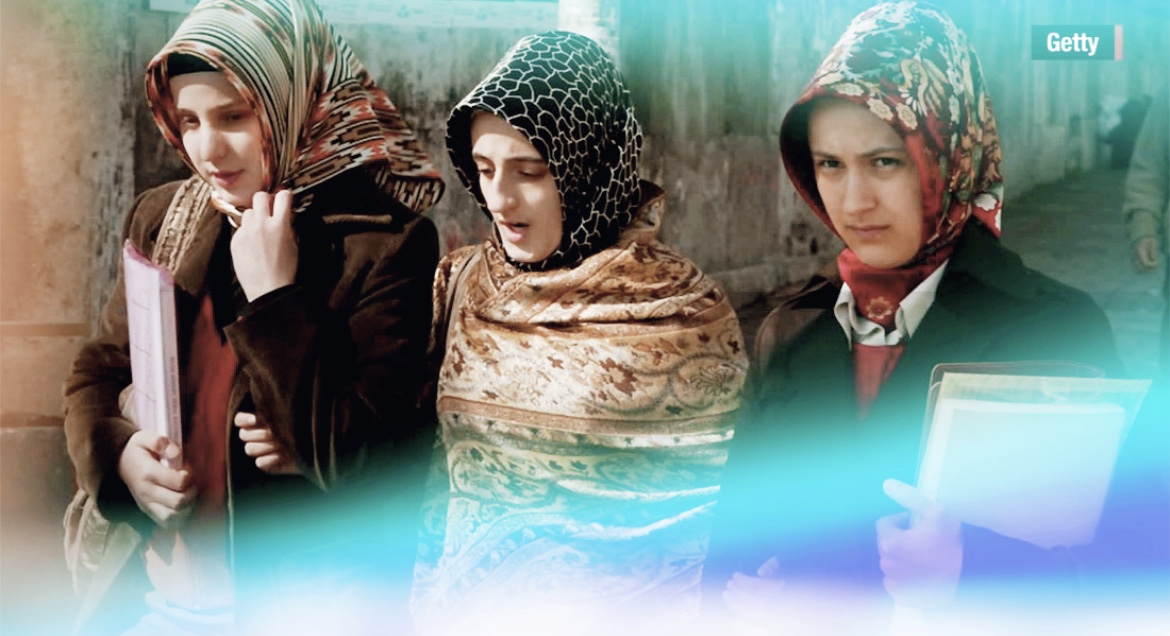
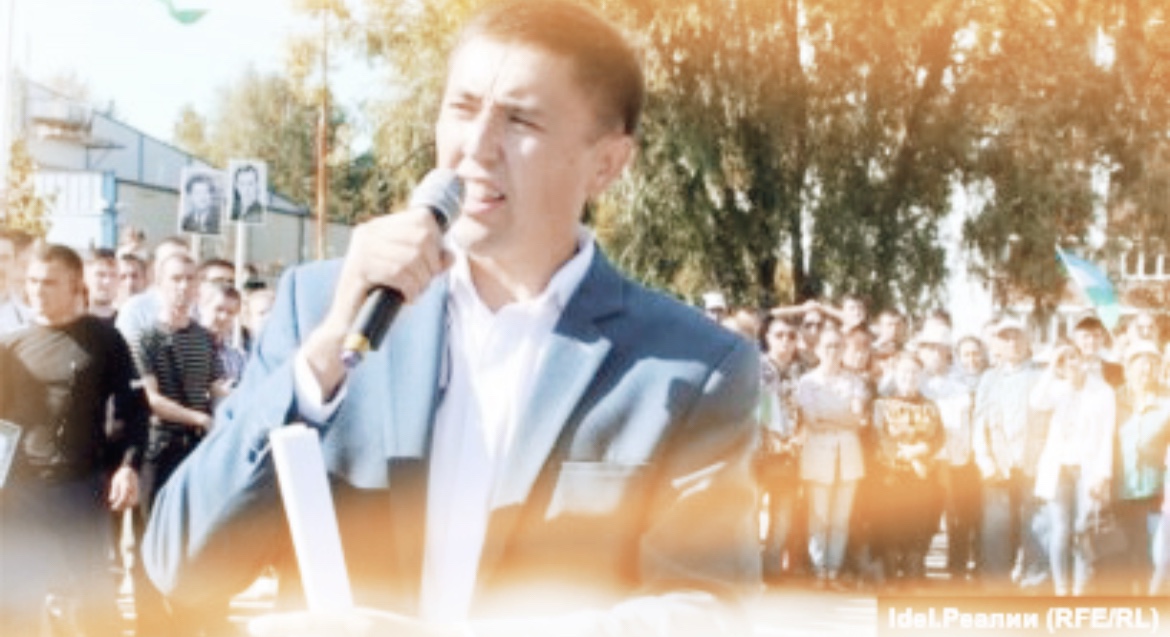

They did not look much like the Turkic peoples of today, who are believed to be principally East Asian in ethnic origin. They emerged 60-70,000 years ago from a union between rebellious Pre-Nostratic underlings and Pre-Austronesians of high birth. The first Austronesians, in turn, had emerged from the original Orientalesques around 100,000 years ago.

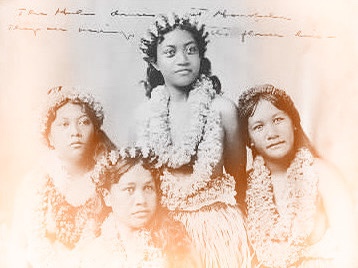
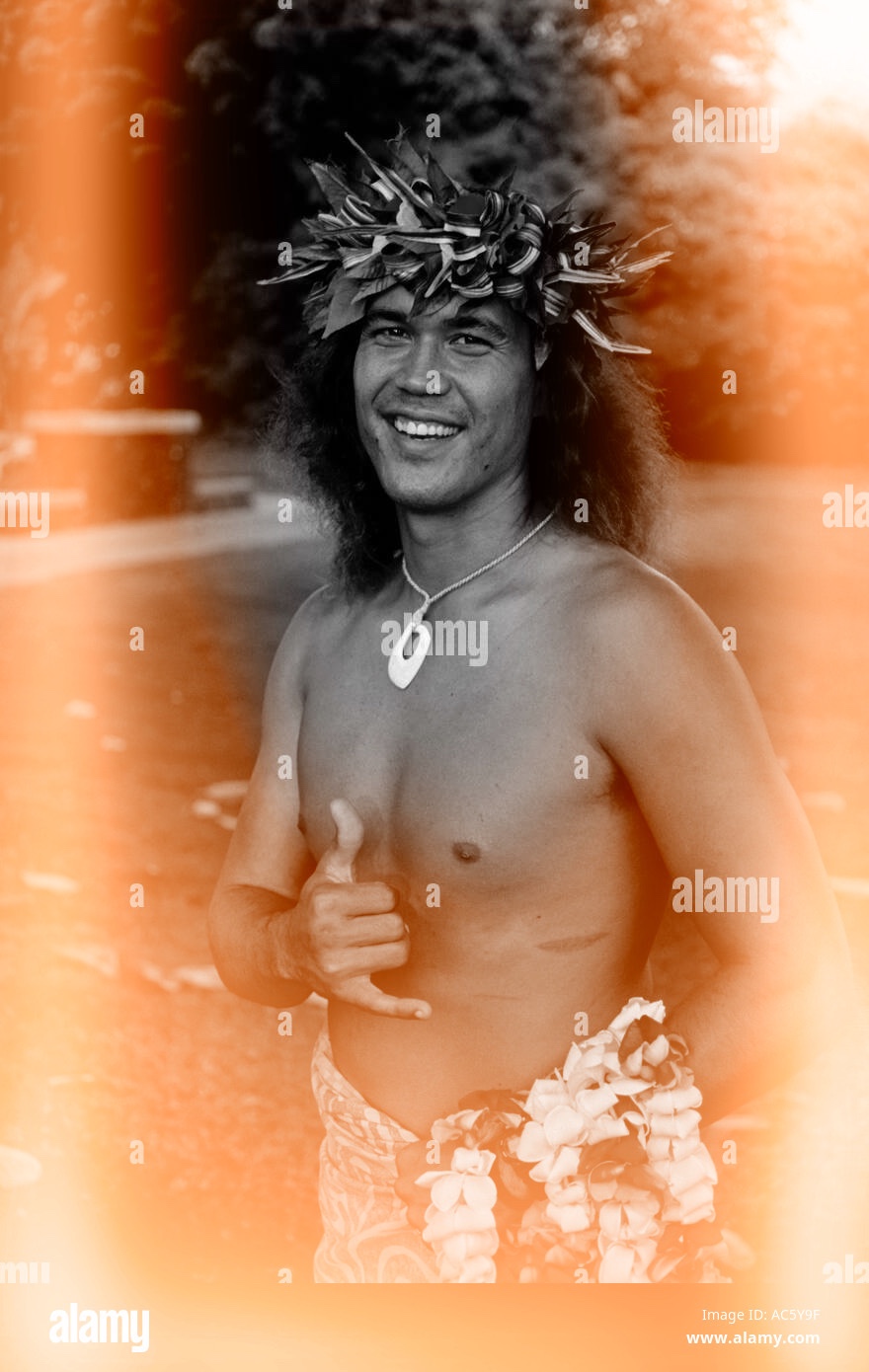
I call the people whom this post concerns the Origino-Turkiques starting from when they first emerged. When they branched out to establish their own new type of human language, having learnt how from the Origino-Orientalesqueys like everyone else, they became the Pre-Turkics, as I call them.
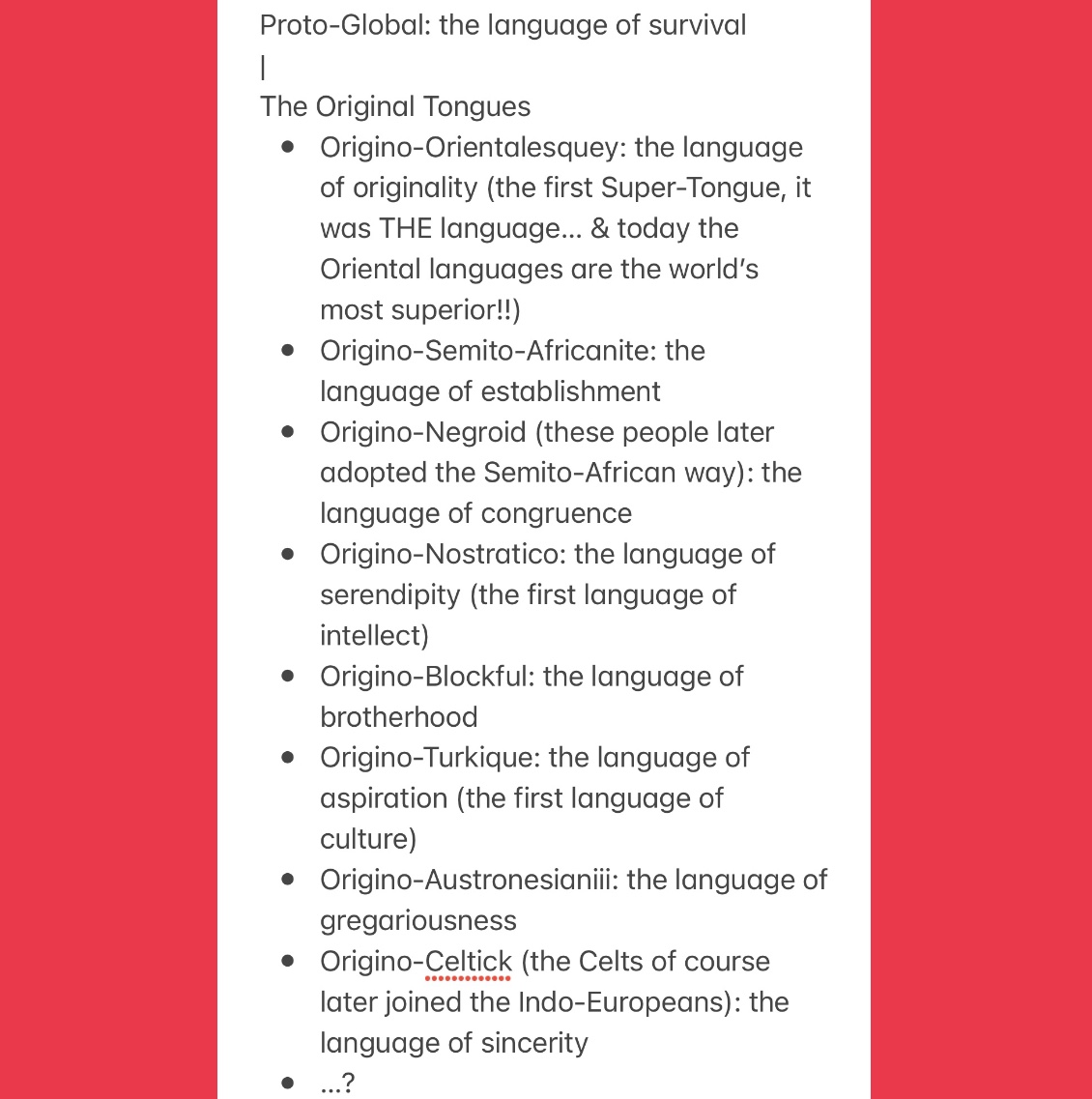
Origino-Turkique was an Original Tongue, descended from Proto-Global and related to the other Original languages.
70,000 years ago
They emerged. They inherited cultural sensuality from the outset from their Origino-Austronesianiii forebears, who invented that. They were peppy and agreeable. The first Turkiques spoke the Language of Aspiration, the very first language of culture. It occupied its own branch of the Original language family, the “Yielding” branch. Their Austronesian forebears had spoken the Language of Gregariousness, a “Popular” Original language.
65,000 years ago
The successes of Turkique culture, which revolved strikingly around sex or sensuality as an inspiring, transcendent force (more), made the Turkiques and the proud Austronesianiiis together decide to launch their own brand new types of human language, as everyone else was doing. The revved up Turkiques already knew where they wanted to go with this: they had learnt much about the heights of human experience from their primitively superior culture. They set in motion the trajectory of the Languages of “Absolutist Neurologisation” by inventing Pre-Turkic, the Language of Cohesion. They knew from their cultural experience that cohesion was the way forward for human society, as well as for the human mind itself; they knew that cohesion was empowering even on the most fundamental neurological level. The Austronesianiiis, meanwhile, had a more liberal, relaxed, passive approach, and ended up coming up with an idea for the Language of Pacifism – inspired by but unrelated to the cultural ingenuity of their Turkique cousins. Somewhat derivative, sure, but a nice idea, no?
The name of the Pacific Ocean comes from the Portuguese/Spanish Mar Pacífico, meaning ‘peaceful sea’, coined by Ferdinand Magellan / Fernão de Magalhães / Fernando de Magallanes during the Spanish circumnavigation of the world in 1521. He was inspired by the vibes of the Pacific i.e. Austronesian peoples in assigning this name, creating a parallel with the ideology of the Language of Pacifism.
60,000 years ago
The flourishing primitive Turkique population would become divided into three types: the centralists, the intense dazzlers, and the experimental outward-lookers. The intense dazzlers were like nobility, the centralists like a middle class, and the experimental outward-lookers were the underlings. The intense dazzlers were obsessed with the enigmatic Nostratic peoples and sought to emulate them. This is when the Turkiques really became the Original Pinnaculars, in keeping up with the intense dazzlers and their dynamic Nostratic idols. Such was the dynamic that characterised Pre-Turkic society for the tens of thousands of years that followed.
Were the Austronesians actually the real original Original Pinnaculars, who passed on the reins to the Turkiques, having been overtaken? Perhaps.
50,000 years ago
The centralists, the intense dazzlers, and the experimental outward-lookers would separate out into distinct tribes.
40,000 years ago
The intense dazzlers would abandon tedious ship and hop on board with the Pre-Nostratics.
30,000 years ago
The Pre-Turkic centralist people would finally depart from Africa, whose society they had sat on top of so to speak for a very long time as the Original Pinnaculars, to move to Eurasia. They immediately headed to Central Asia and the Turkic world has been based there ever since.
They have been living nomadically throughout most of their history since then. Pre-Turkic i.e. the Language of Cohesion evolved into the the Language(s) of Fair-mindedness, as they had to learn how to adapt to a new Eurasian order atop which they did not sit anymore. In particular, they had to learn how to appease other peoples who were becoming power-hungry. They could no longer coast on their “cultural pinnacularity”. Striking the balance was hard but extremely satisfying and fulfilling when achieved and this kept them busy until the end of the Stone Age.
Pre-Turkic people have since been interbreeding with Oriental East Asians and others for many thousands of years.
5,000 years ago
The advent of metalworking allowed conniving Pre-Mongol thirst for blood to explode. They were neighbours of the Proto-Turkics. The Turkic peoples became wary of signs of Mongol aggression, and became very discreet and “classy” to counter it all – so their “cultural pinnacularity” would not attract so much resentment. “Proto-Turkic” was the Language of Discretion and it buzzed tellingly about tact.
13th century AD
Mongol bloodlust would culminate in the brutal conquest of the rapidly expanding Mongol Empire over Turkic peoples, resulting in tens of millions of deaths.
Today
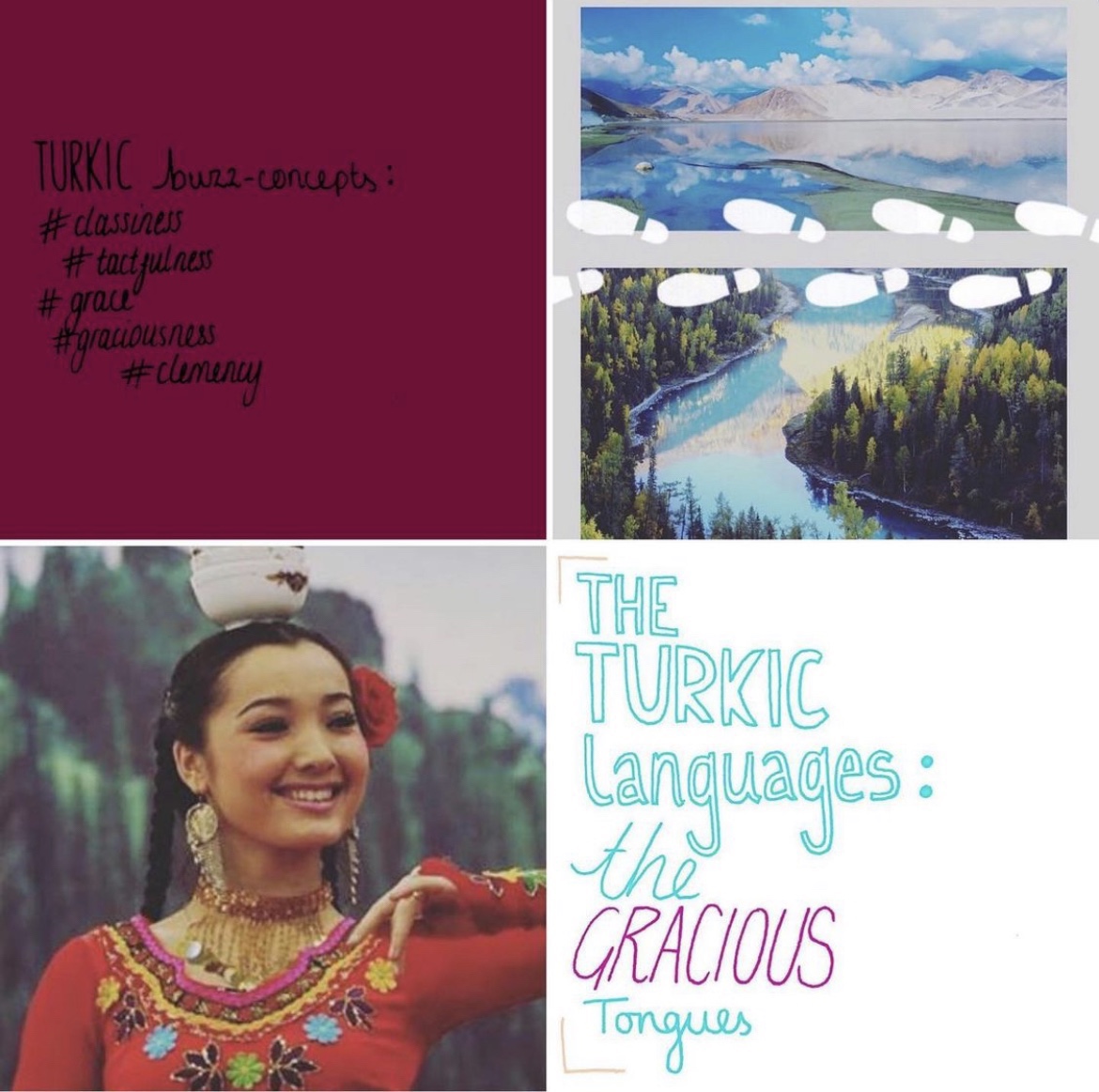
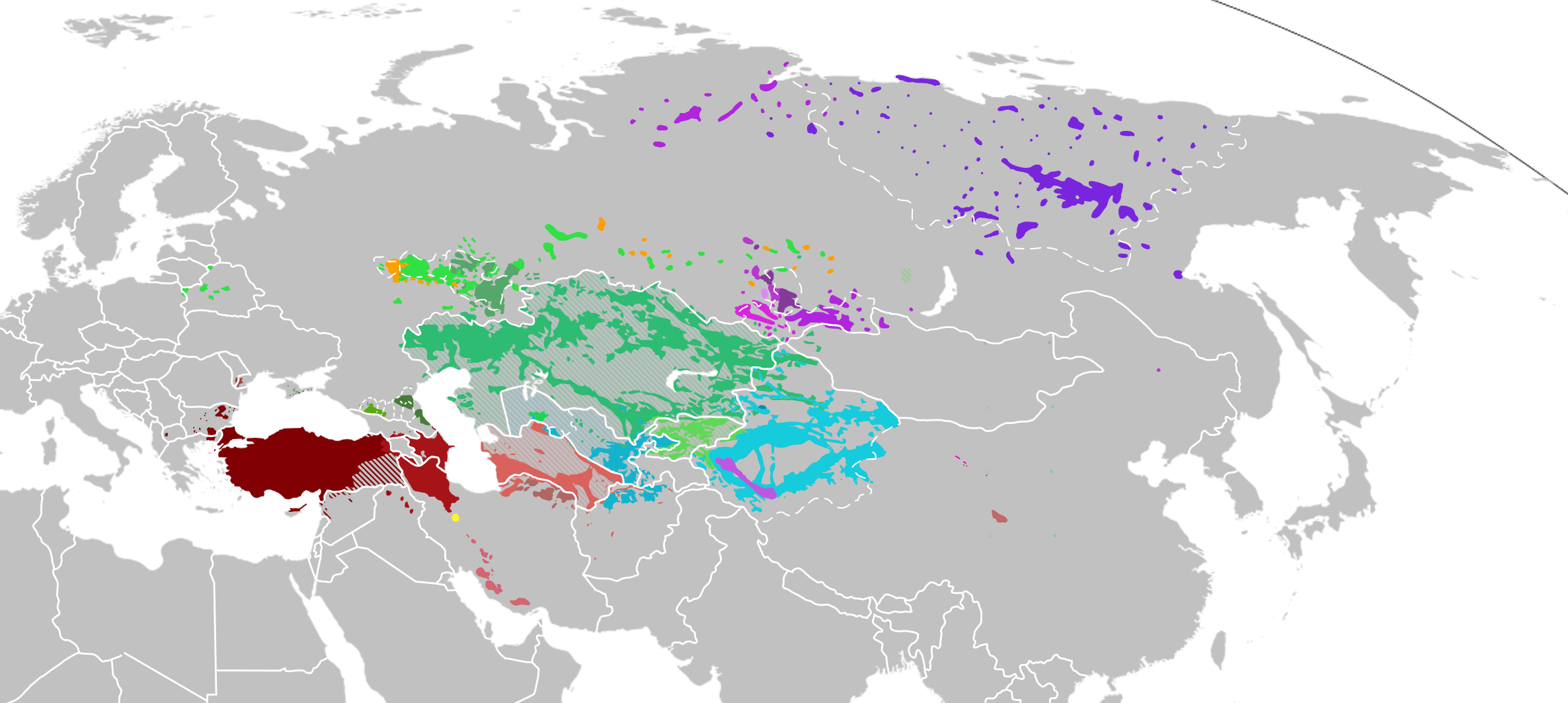
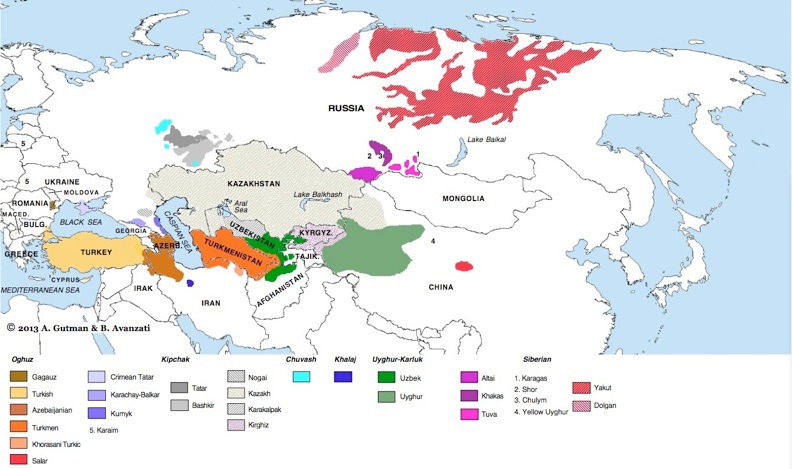
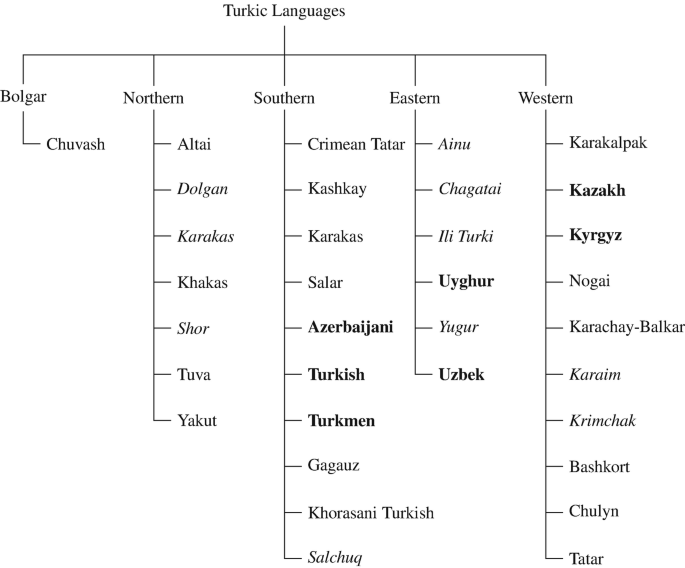
Today, the closely related Turkic language family is often considered to belong to a certain Altaic primary language family, alongside the Mongolic and Tungusic languages. Turkic languages are spoken in Eurasia, from eastern Europe to North Asia – from the Balkans to the Great Wall of China and from central Iran (Persia) to the Arctic Ocean. States in which Turkic languages are spoken include Turkey, Russia, Azerbaijan, northern Cyprus, Kazakhstan, Kyrgyzstan, Turkmenistan, Uzbekistan, China, Iran, Afghanistan and Bulgaria. The five most spoken Turkic languages are Turkish, Azerbaijani, Kazakh, Uzbek and Uyghur. The Turkic languages are the “Gracious” Tongues, buzzing about concepts related to classiness.
 The Buzz-Concept Project