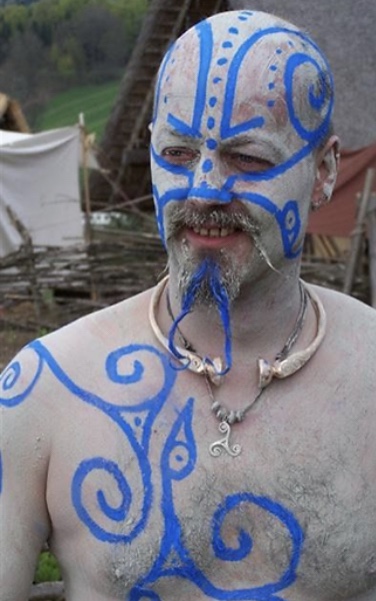
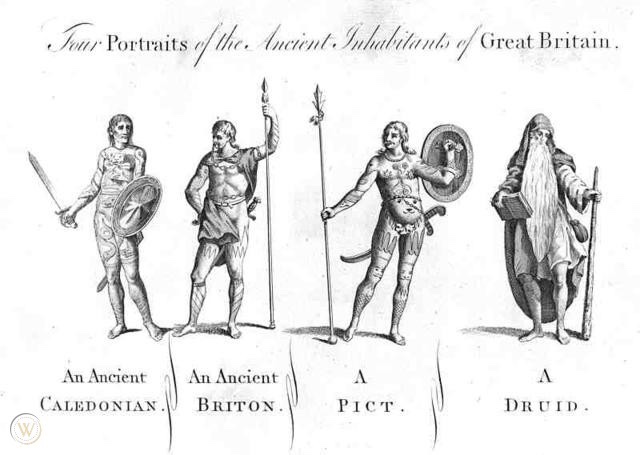
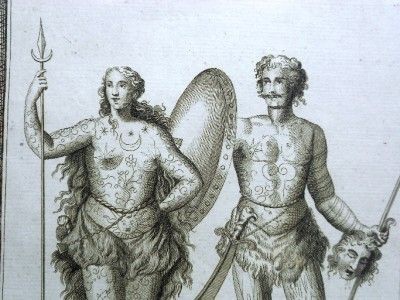
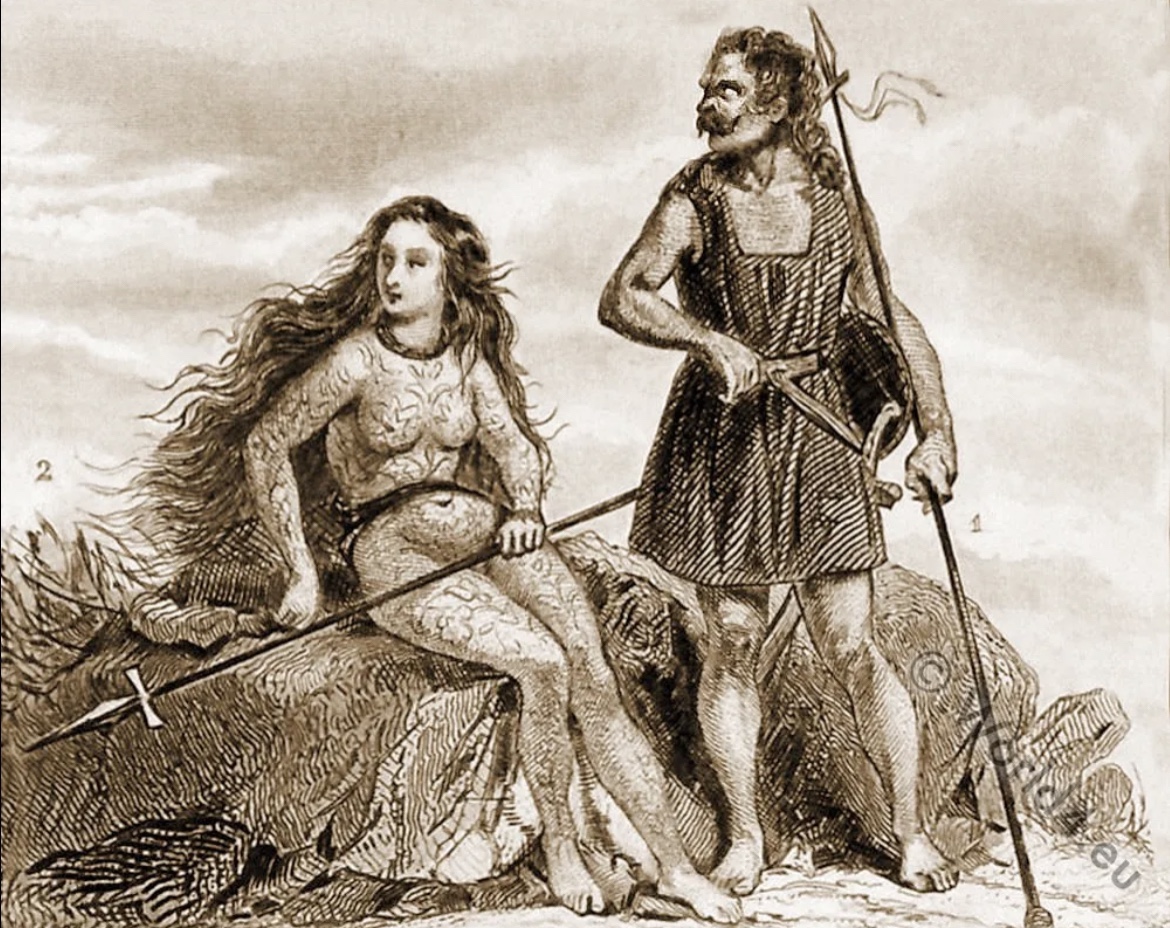
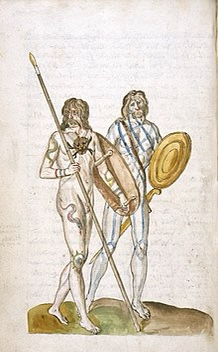
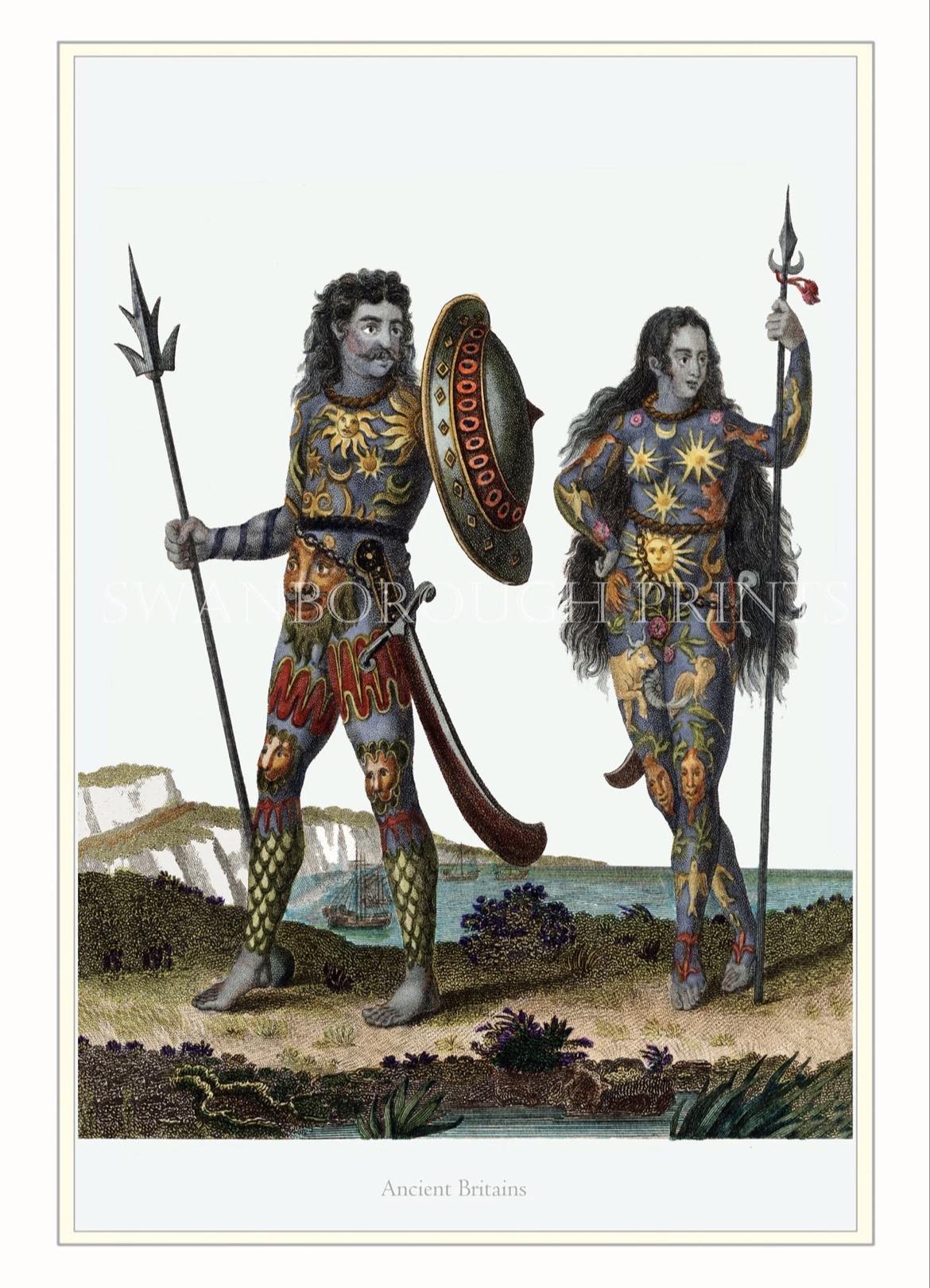
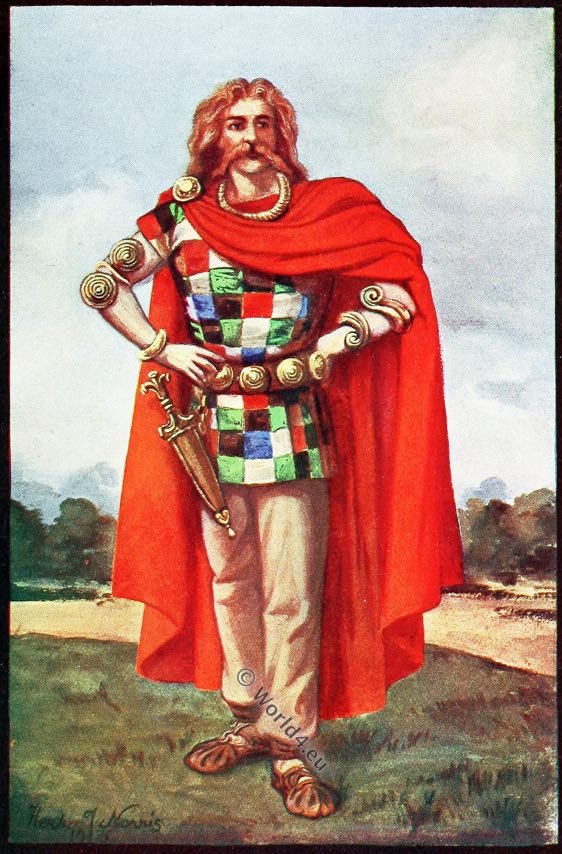
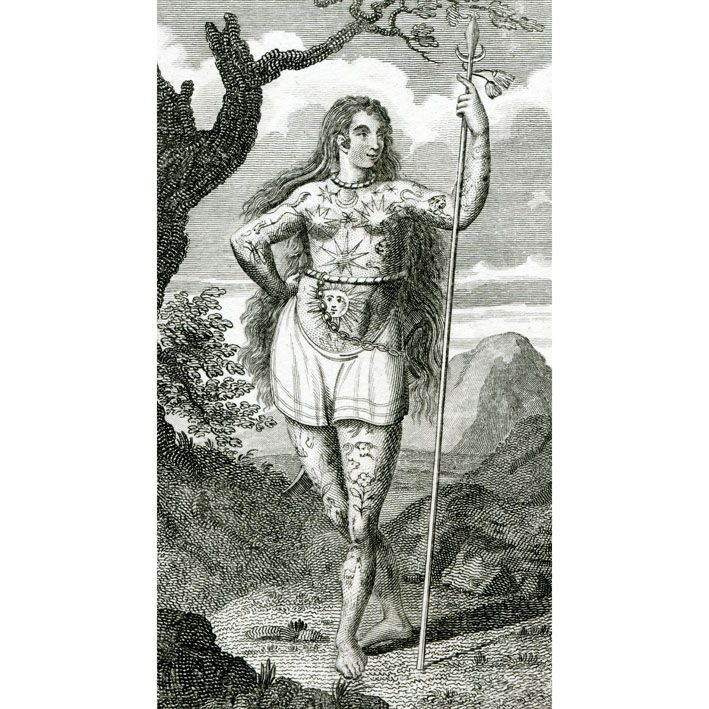
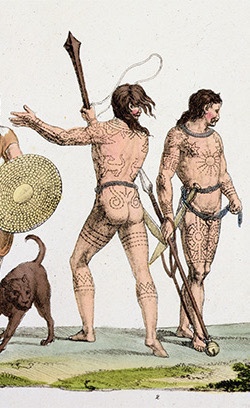
The Celtic languages of Western Europe are the “Intuitive” Tongues. They were once widespread throughout Europe and even in central Anatolia – during the 1st millennium BC. Since ancient times, they have been marginalised to Cornwall, Wales, Scotland, Ireland, Brittany, the Isle of Man, Chubut Province (Y Wladfa), and Nova Scotia. Today, there are six living Celtic languages: the four continuously living languages Breton, Irish, Scottish Gaelic and Welsh, and the two revived languages Cornish and Manx. The Celtic languages historically divided up into the Continental Celtic languages and the Insular Celtic languages. Only Insular Celtic languages (from the British Isles) have survived to this day. Out of the 6 surviving Celtic tongues, 5 of them are spoken within the British Isles i.e. the United Kingdom and Ireland. Welsh / Cymraeg is the only one that isn’t classified as endangered, and in fact has a relatively thriving population of around 1 million users. Breton / Brezhoneg of Brittany / Bretagne / Breizh in France was the language of Britons / Bretons who fled the British Isles at some point during the 1st century AD – having been previously brought to Britain from Armorica. These are both p-Celtic / Brittonic / Brythonic languages, along with the revived Cornish, and another certain extinct Cumbric language, and perhaps more. Breton and Cornish are Southwestern Celtic languages, while Welsh, Cumbric, and perhaps Pictish (of Scotland) were/are Western Celtic tongues. Meanwhile, Irish Gaelic, Scottish Gaelic and Manx are q-Celtic / Gaelic / Goidelic languages.
So, the Celtic languages are the “Intuitive” Tongues. They are Indo-European languages, “Glorious” Tongues. The Celts once formed an ancient cultural-linguistic sprachbund with Italic peoples, which in due course gave rise to a genealogical relationship between their languages, and thus to an Italo-Celtic branch of Indo-European languages, the “Dignified” Tongues. The Insular Celtic languages are the “Noteworthy” Tongues. The Gaels of Ireland and Scotland were/are THE Celts, or the classy conformists, and the Gaelic languages the “Personal” Tongues. The Irish are the wholesome ones, the Scots the élitist ones, and the Manx the “unionistic” ones. The Britons were/are the subversive ones, the captivating non-conformists. They spoke/speak the “Autonomous” Tongues. The Welsh are the 👀shrewd 👀 ones, the Cornish the subversively ~traditionalist~ 🗿🧞♀️🤗 ones, and the Bretons the dark ones.


For my part, I am of predominantly Celtic ethnic ancestry. I am remarkably very in touch with my Celtic heritage, the daughter of two well-read Oxford graduates, although I do not speak any of the languages having grown up in London. I am part Irish, Scottish and Welsh, in fact. From my mother I have inherited a very noble strand of refined intellectual Gaelic ancestry, and I get my indomitable p-Celtic genes from my father. The Celts were/are the pinnacular Indo-Europeans, moreover. And the world’s most superior ethnicity, scientifically speaking, FYI.

Brythonic super-genes
You may not have heard of the Celts before, and if you have, you won’t know much about them. Honestly, we Celts didn’t know all that much about what our ancestors were like. That said, they were a very important ethnicity in Ancient Europe. Celtic heritage is a force to be reckoned with, now in the contemporary world more so than ever. Why? For starters, because of English-speaking hegemony i.e. Anglocentrism, since English is a Celticised language – albeit genealogically Germanic before Celtic, but still. The rise of the English-speaking world has propagated pinnacular Celtic culture across the rest of the world over the past couple of centuries, in particular. Another specific example of the importance of Celtic culture comes to us via the foremost legacy of the liberal Irish-American US President John F. Kennedy from 1961-63. He was such an iconic Irishman, all four of his grandparents the children of Irish immigrants. You’re not conscious of it but Celtic patrimony could not be more important – truly, now more so than ever.
Because of JFK’s strong Irish identity, which often actually eclipses his legacy of American nationalism, in addition to the cause of Irish republicanism, Gaelic heritage has been thoroughly accounted for – as much as possible. The Brythonic patrimony, meanwhile, is trickier terrain.

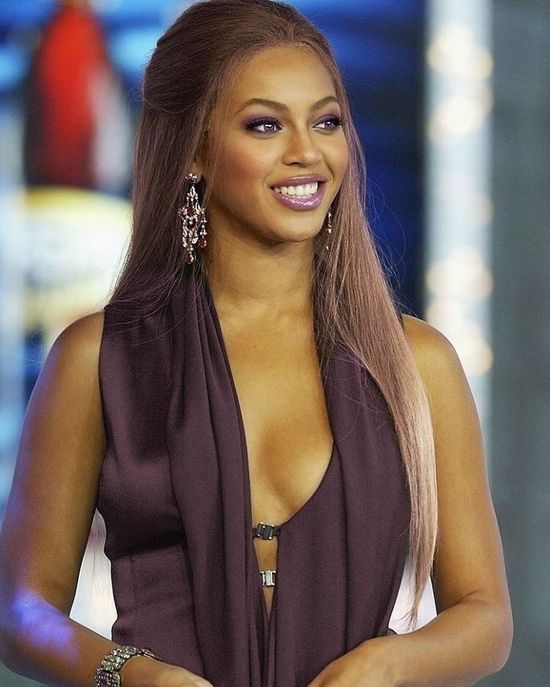
Brythonic Super-Genes, nonetheless, are everywhere… Beyoncé has them, and you could not count all the instances of Brythonic Super-Genes you come across in Hollywood, among celebrities…







B rite. But why?

The Celtic languages buzz about sophistication or something related. Back when Celtophonism was thriving, speaking them (authentically) was persnickety business. This is really how they have faded into the background, in spite of how ferociously proud every single modern Celt invariably is of their heritage. Speaking them authentically was just so hellishly difficult. In Proto-Brittonic, the Buzz-Concept was actually complexity. In Welsh, the name for Wales is Cymru [ˈkəm.rɨ], and “complexity” is cymhlethdod, interestingly. The name Cymru is supposedly descended from the Brythonic word combrogi, meaning “fellow-countrymen”. We are just such nitpickers. It’s in our DNA.

Meanwhile in Welsh…
- Genir pawb yn rhydd ac yn gydradd â’i gilydd mewn urddas a hawliau. Fe’u cynysgaeddir â rheswm a chydwybod, a dylai pawb ymddwyn y naill at y llall mewn ysbryd cymodlon. (Datganiad Cyffredinol O Hawliau Dynol)
- All human beings are born free and equal in dignity and rights. They are endowed with reason and conscience and should act towards one another in a spirit of brotherhood. (Article 1 of the Universal Declaration of Human Rights)
Meanwhile in Irish / Gaeilge…
Saolaítear na daoine uile saor agus comhionann ina ndínit agus ina gcearta. Tá bua an réasúin agus an choinsiasa acu agus dlíd iad féin d’iompar de mheon bráithreachais i leith a chéile.
More:
 The Buzz-Concept Project