
The Amur River is the world’s tenth longest river. It flows along and aligns with the Chinese-Russian border, before turning northeast and eventually emptying into the Strait of Tartary, which connects the Sea of Okhotsk to the Sea of Japan, between the island of Sakhalin and the Siberian mainland.

In Russian, it is referred to as река Амур / reka Amur. In Chinese, it is Heilong Jiang / Hei-lung Chiang / 黑龙江 / Hēilóng Jiāng / “Black Dragon River”. In Mongol, Kharamuren (“Black River”).

The river forms the border between the Russian Far East and Northeastern China i.e. Inner Manchuria.

The Manchu people, who presided over the Qing Empire of China, regarded the river as sacred. They used the name sahaliyan ula (Black River).

For many centuries, the groups inhabiting the Amur Valley included Tungusic peoples, including the Evenki, Solon, Ducher, Jurchen, Nanai, Ulch. They also included the Mongolic Daur people. Near the mouth, the Ainu and the Nivkh could be found, their populations sadly now dwindling. For these peoples, fishing in the Amur was the main source of food and the river thus the focus of their livelihood. To the Han Chinese, these peoples were sometimes collectively described as the Wild Jurchens. They were not known to Europeans until the 17th century when Russians undertook exploration of the region. The Nanais, as well as some related groups, would make traditional clothes out of fish skins, leading the Chinese to coin the name Yúpí Dázi 魚皮韃子 (“Fish-skin Tatars”).


Otherwise, the basin was originally populated by hunting and cattle-breeding nomadic people. North of the river there were the Buryat, Sakha/Yakut, Nanai, Nivkh/Gilyak, Udegey and Orok. South there were Mongols and Manchus. This was the homeland from which the Manchus conquered China, establishing the Manchu Qing dynasty which governed China from 1644 to 1911/12.

The Treaty of Nerchinsk would confirm Chinese sovereignty over the entire basin in 1689. China would then cede the lands north of the Amur to Russia in 1858; likewise with the lands east of the Ussuri in 1860. The Russians were obsessed with and fascinated by the river, the region and its peoples. Systematic study of the river system and a tradition of large scientific expeditions followed the initial tentative exploration. The Chinese, meanwhile, resented the supposedly, allegedly unequal terms of Russia’s acquisitions. Russian power in the region would come to be further challenged by the expansion of the Japanese empire into Manchuria prior to World War II, and after the war, Sino-Soviet tension would culminate in armed conflict along the Ussuri in 1969.
Eclipsed by Russian pomp and bias, and undermined by Han Chinese singularity of perspective, the indigenous history of the Amur was once extremely rich and lively. But it did not begin so recently. The history of Amurian culture in reality begins tens of thousands of years ago in prehistory when Proto-Orientalesque people first settled there, south of the glaciers during the last ice age. It would become the Orientalesque heartland – or better, the Amurian heartland!
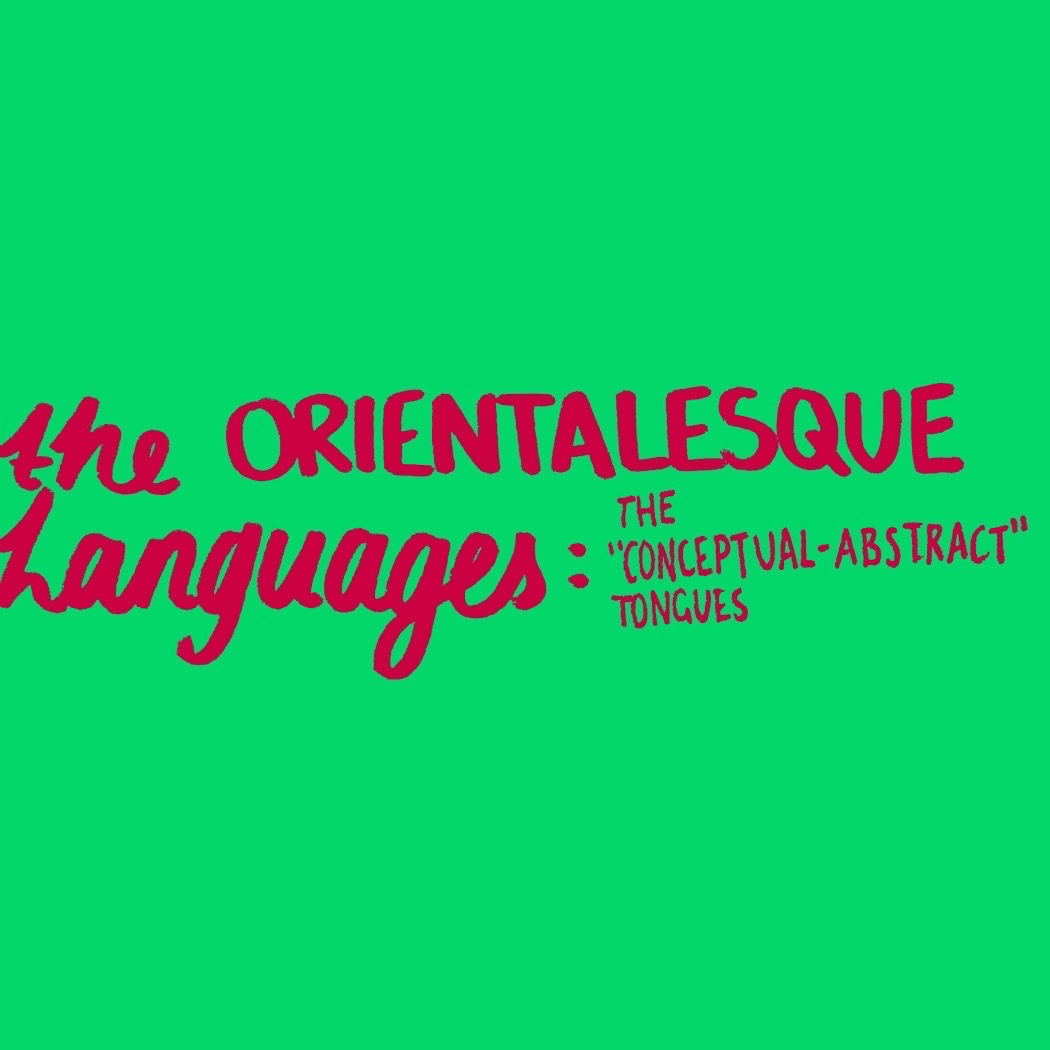
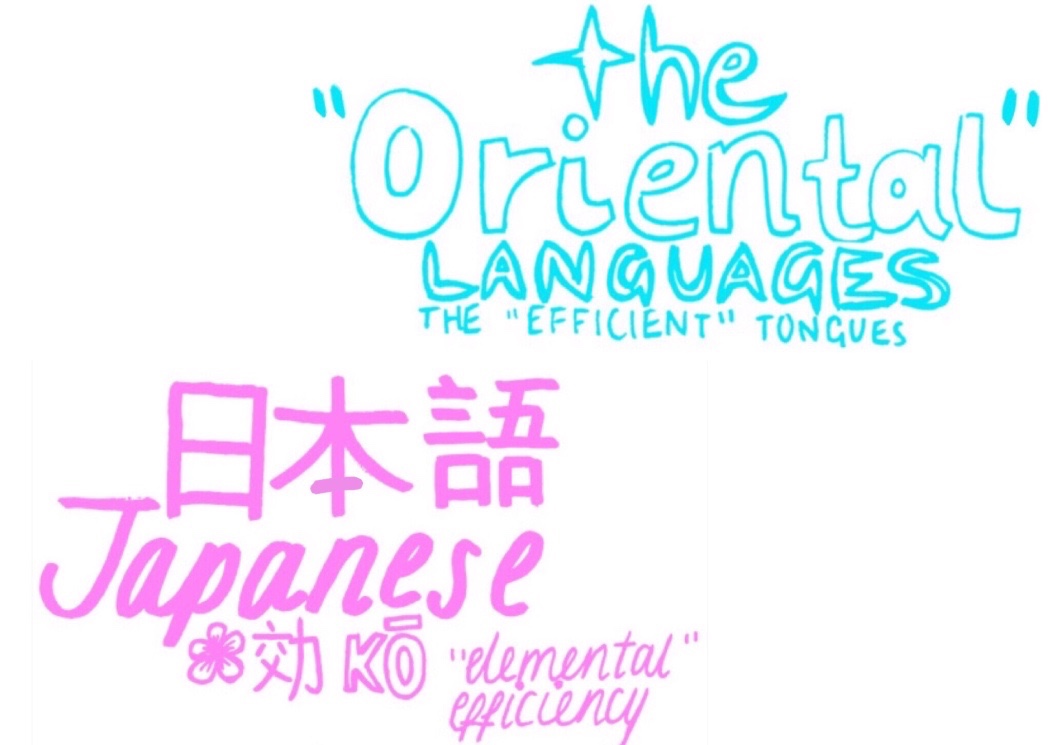
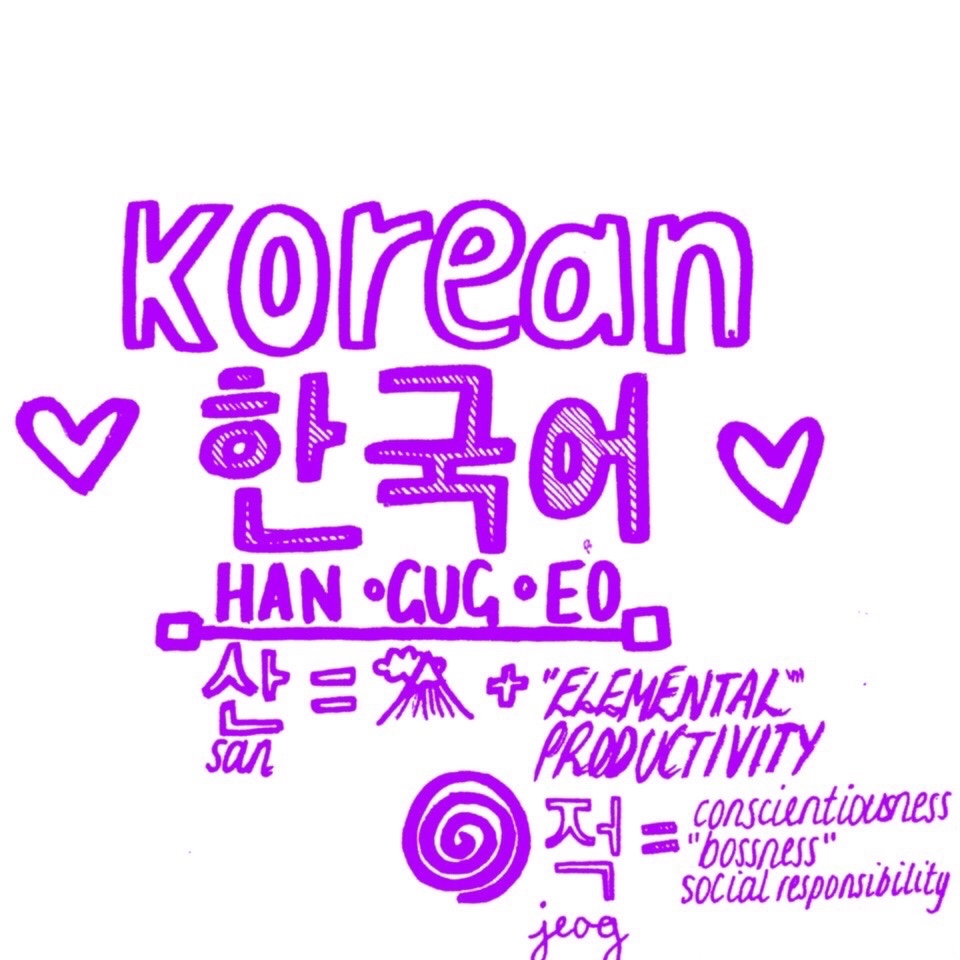
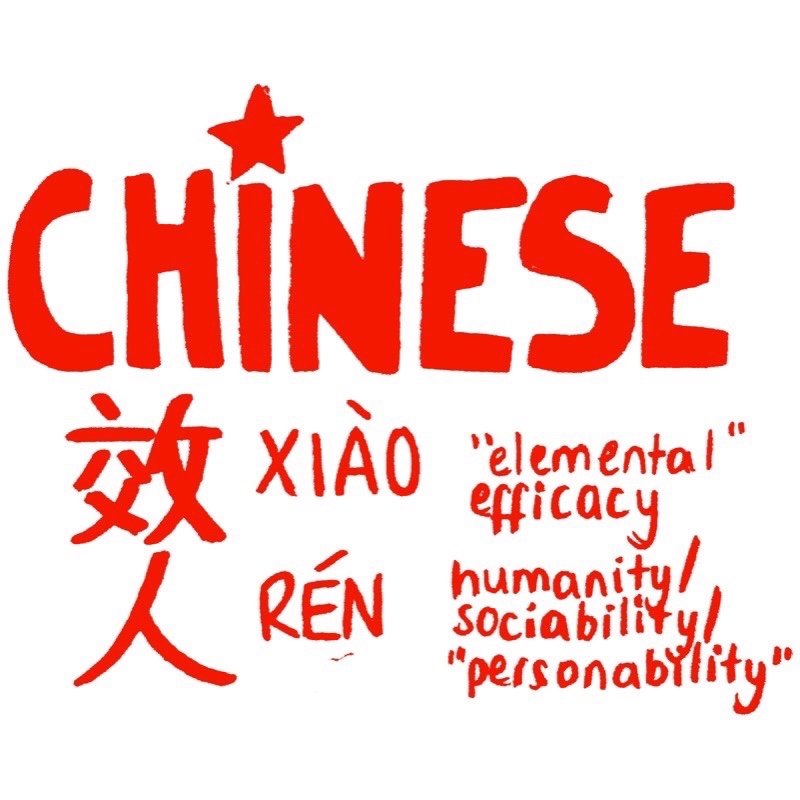
There, they established the Orientalesque / Amurian / Amuric / Mongoloid language family, today spoken by Orientals/East Asians and Amerindians ( – by Mongoloids). The “Amurian” family divides up first into the Oriental languages i.e. the “Efficient” Tongues and the Amerindian-Siberian languages i.e. the “Boundless” Tongues. Together they are all the “Conceptual-Abstract” Tongues, once upon a time all Super-Tongues and languages of intellect. Amerindians have since been detached from this trait. The Oriental languages, including Chinese, Tibetan, Burmese, Mongolian, Japanese and Korean, have maintained it, however. The Amerindian languages all intrinsically promote acuity, and the Oriental languages promote reason.
The Proto-Orientalesques were extremely spiritual, and believed the river and the glaciers to have spiritual significance. The beautiful verdant island of Sakhalin, which sits at the mouth of the Amur, was the idealised focal point of their ideology. It was held in such sacred esteem that even today Orientalesque peoples cannot concretise with regard to it. They see stars. Seriously. Ask a Chinese, Japanese, or Korean person. Show them a picture of it. They just can’t do it, for some reason. 🪶🦶
The Amur River region is one of the most important in world history. The Amurian/Orientalesque patrimony of the Americas and East Asia sits majestically at the forefront of contemporary global politics. It is through their hereditary linguistic supremacy, and accompanying enhanced capacity for rationality, after all, that China has been able to compete with the US as a front-running global superpower. And it is through the scope of the seemingly omnipotent Amerindian/American Buzz-Concept infinity that the USA finds itself up there too -ultimately!
The future looks very Orientalesque. Well, Orientalescent, since Native Americans only constitute an exceedingly small minority of the population of the Americas nowadays.





 The Buzz-Concept Project