🇫🇷 Nommer la beauté
🇮🇹 Definire la bellezza
🇪🇸 Apellidar la belleza

Many deem French to be the world’s most beautiful language! Others might say Italian, or Spanish – both of these related to French as fellow Romance languages. Accordingly, the peoples who speak these languages are ferociously proud of their mother tongues. A great deal of effort and money get invested in this dimension of their heritage. There are governmental entities devoted to maintaining the purity and the integrity of their languages.
J’aime la langue français. Sa beauté est étonnante. Je rêve de ses nuances poétiques. Je lis un formidable livre sur l’histoire des langues romanes.
Mi piace la lingua italiana. La sua bellezza è stupefacente. Sogno delle sue sfumature poetiche. Leggo un meraviglioso libro sulla storia delle lingue romanze.
Me gusta la lengua española. Su belleza es increíble. Sueño con sus matices poéticos. Leo un estupendo libro sobre la historia de las lenguas romances.
I like the [~] language. Its beauty is amazing. I dream of its poetic nuances. I am reading an excellent book about the history of the Romance languages.

The modern Romance languages evolved out of Vulgar Latin, and not out of idealised Classical Latin. This was the everyday vernacular Latin that was spoken throughout the different provinces of the Roman Empire. Each province, naturally, cultivated its own slightly different dialect of Vulgar Latin or Romance over time, and the extant Romance languages were also externally influenced, mainly going by other peoples they rubbed shoulders with in each region. So in the Italian peninsula, the Romans rubbed shoulders with other Italic peoples —the Romance languages constituting a subgroup of the Italic branch of the Indo-European macrofamily, all the other Italic peoples now being extinct making it correct just to refer to the Romance languages— and more, especially the Etruscans and Greeks. Etruscan belongs to a totally different non-Indo-European grouping, the Tyrsenian languages, also supposedly including Rhaetian of the Alps and Lemnian of the Greek island of Lemnos. Greek is another Indo-European language, occupying its own independent Hellenic branch. Modern Italian is based around what was the medieval Florentine dialect of Italo-Romance. There are other languages of Italy, including Latin itself (of course) of Rome & the Vatican City; Venetian of Venice; Sicilian of Sicily, and Sardinian (Sardu) of Sardinia and much more. The Italian peninsula continues to be very linguistically diverse. Meanwhile, French has evolved out of Northern Gaulish Gallo-Romance, a langue d’oïl – oïl being an archaic spelling of oui, a “language of yes”, as opposed to lenga d’òc or Occitan of the Mediterranean South of France which is more closely related to Catalan and also means “language of yes”. In Gaul, the Romans rubbed shoulders with Germanic tribes and Celts, who have also influenced the development of the modern French language. Spanish and Portuguese of the Iberian peninsula are Ibero-Romance languages, Spanish / español / castellano having evolved specifically evolved out of the dialect of Hispanic Romance spoken in the old province of Castile / Castilla. After the fall of Western Rome, Spain was also ruled by Visigoths and most famously by North African Arab Moors, the latter having injected an intense vein of visceral Arabophone influence into the language. Notably, the origins of synthesised Castilian Romance / romance castellano / Old Spanish were monastic, and it was written down for the first time by monks more than 1,000 years ago in San Millán de la Cogolla, La Rioja. Ever wondered why Spaniards are so intense?


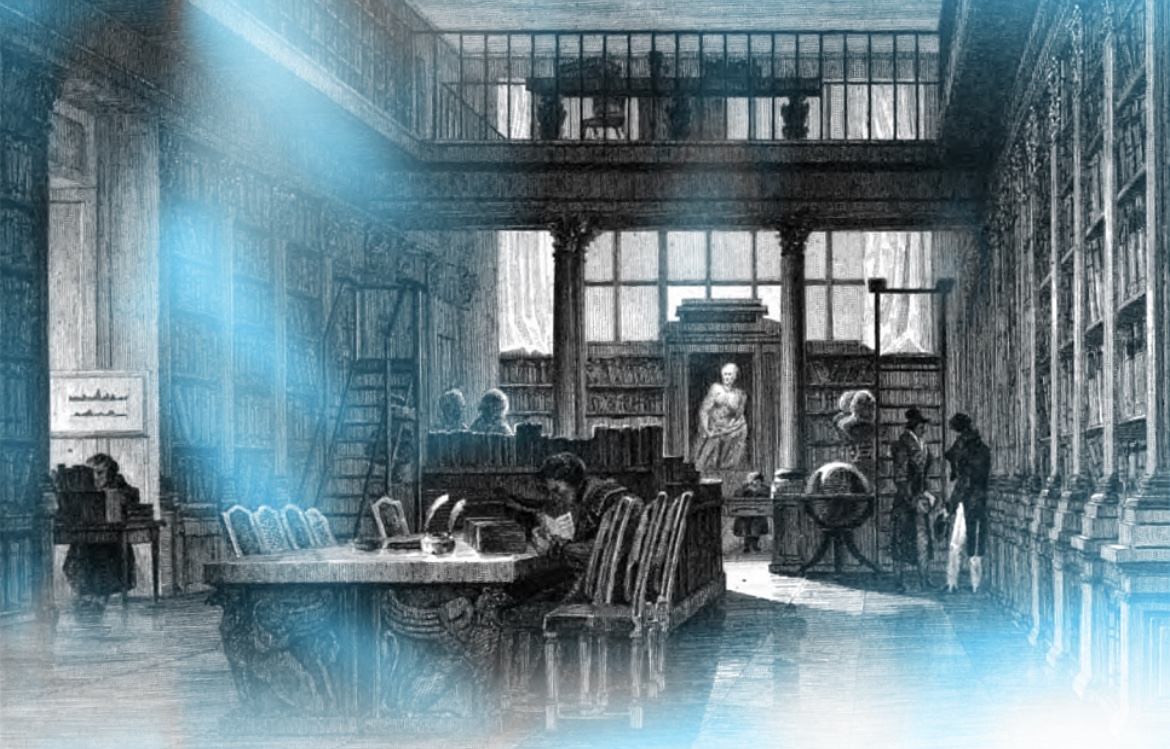
The zealously eloquent Romans spread their trusty alphabet and their refined flair for literacy throughout the empire and beyond. This is a flair that the peoples who speak Latin’s daughter languages all now also have, very nicely exemplified by the existence of institutions like the Académie Française and the Accademia della Crusca.
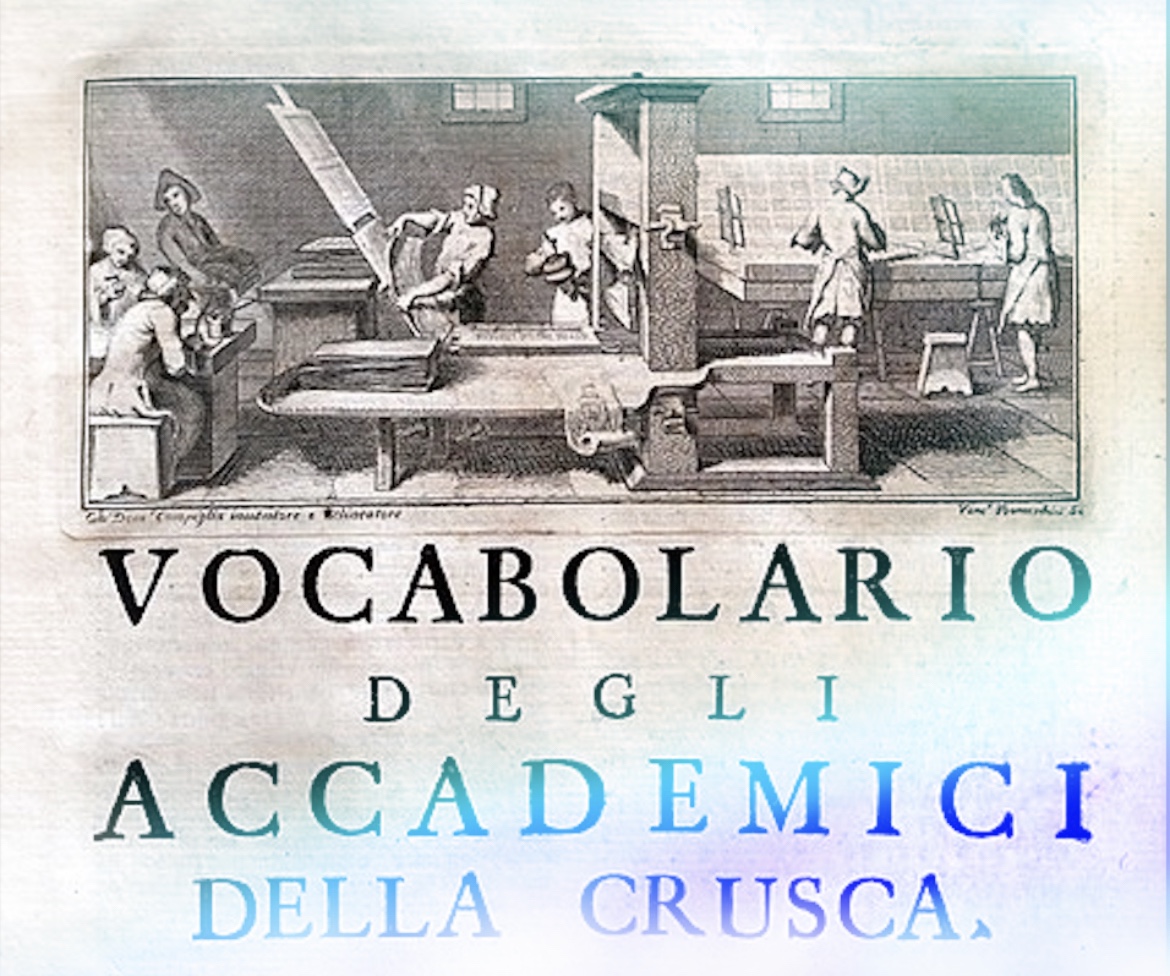
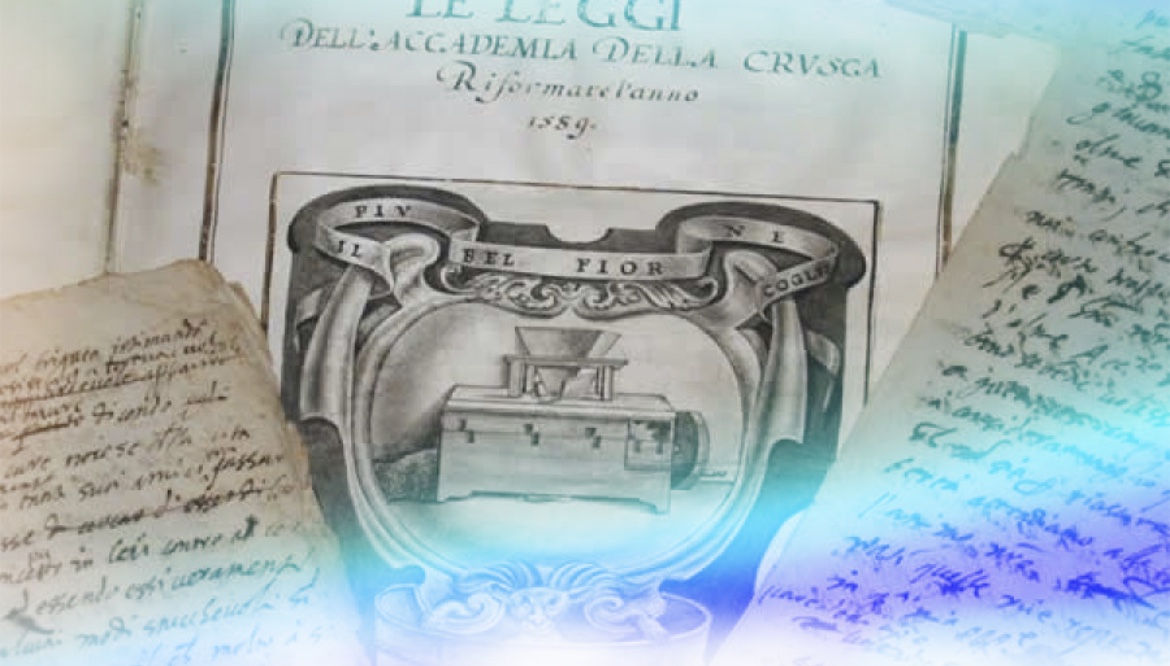
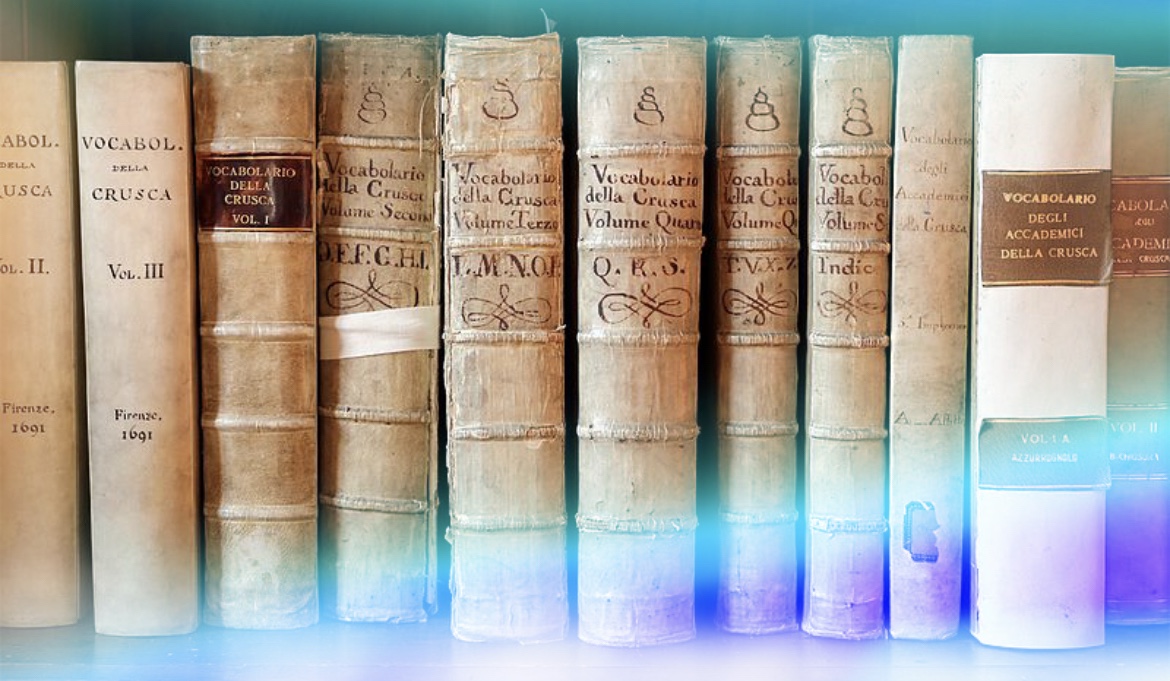
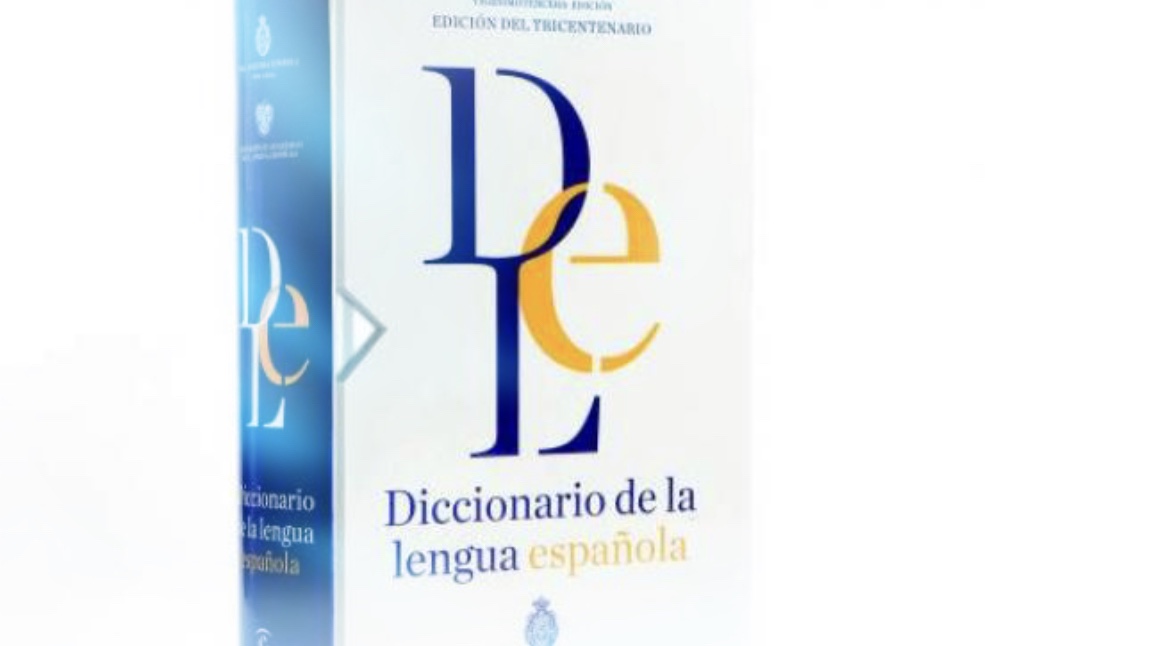
The Académie Française was established in 1635, modelled after Italy’s Accademia della Crusca (Academy of the Bran), which was established the previous century in Florence in 1582. Latterly, the Real Academia Española was also established in Spain in 1713…
Regulating ~L a B e l l e L a n g u e~
The Académie Française was established in 1635 by the Cardinal Richelieu, the chief minister to the king. While the role of culture in the process of official French governance is now a firmly established pillar of characteristically centralised French government, it wasn’t always like this: the Académie Française was the first instance of a body of highly literate individuals being able to fulfil a prominent role in the official administration of the nation’s future.
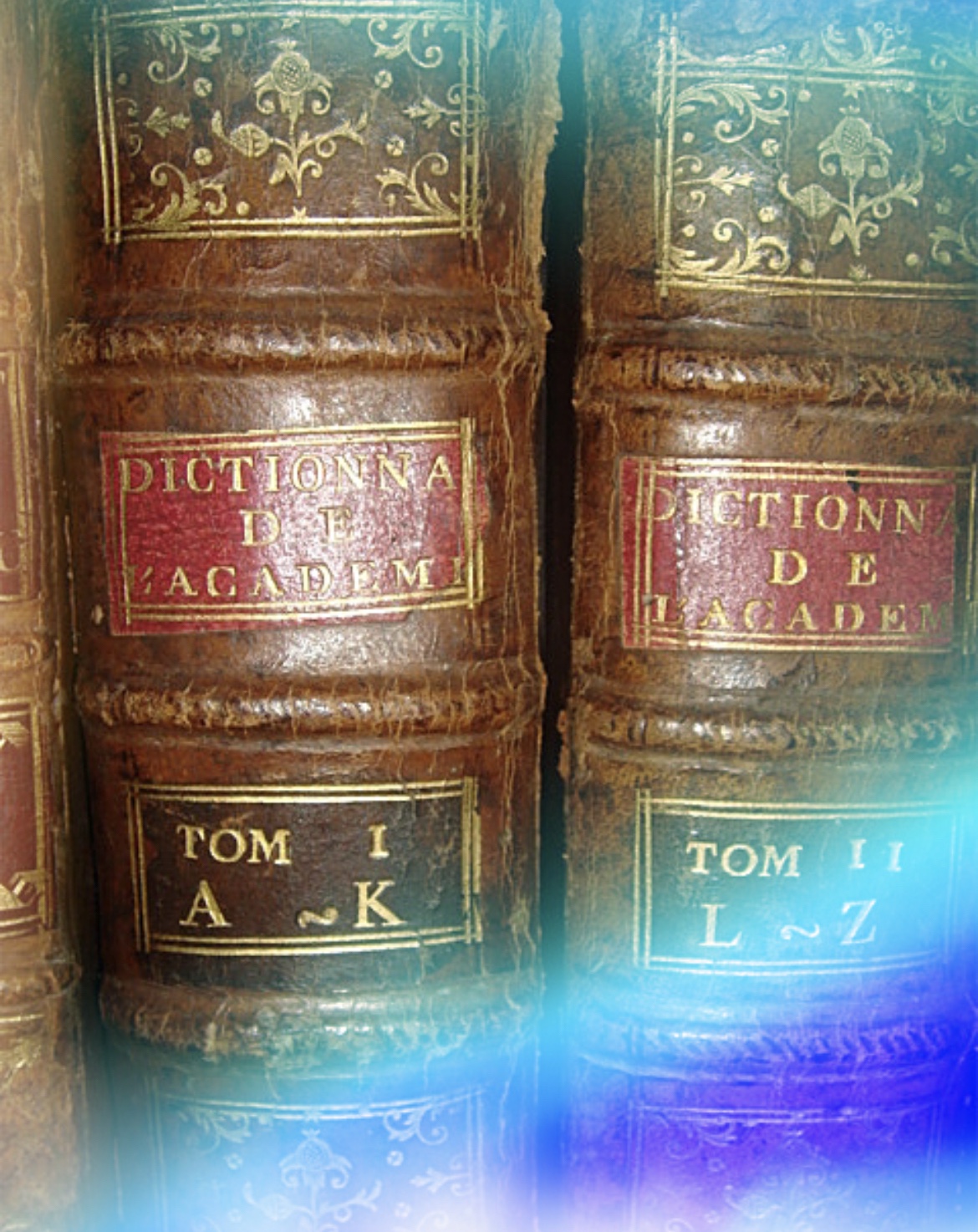
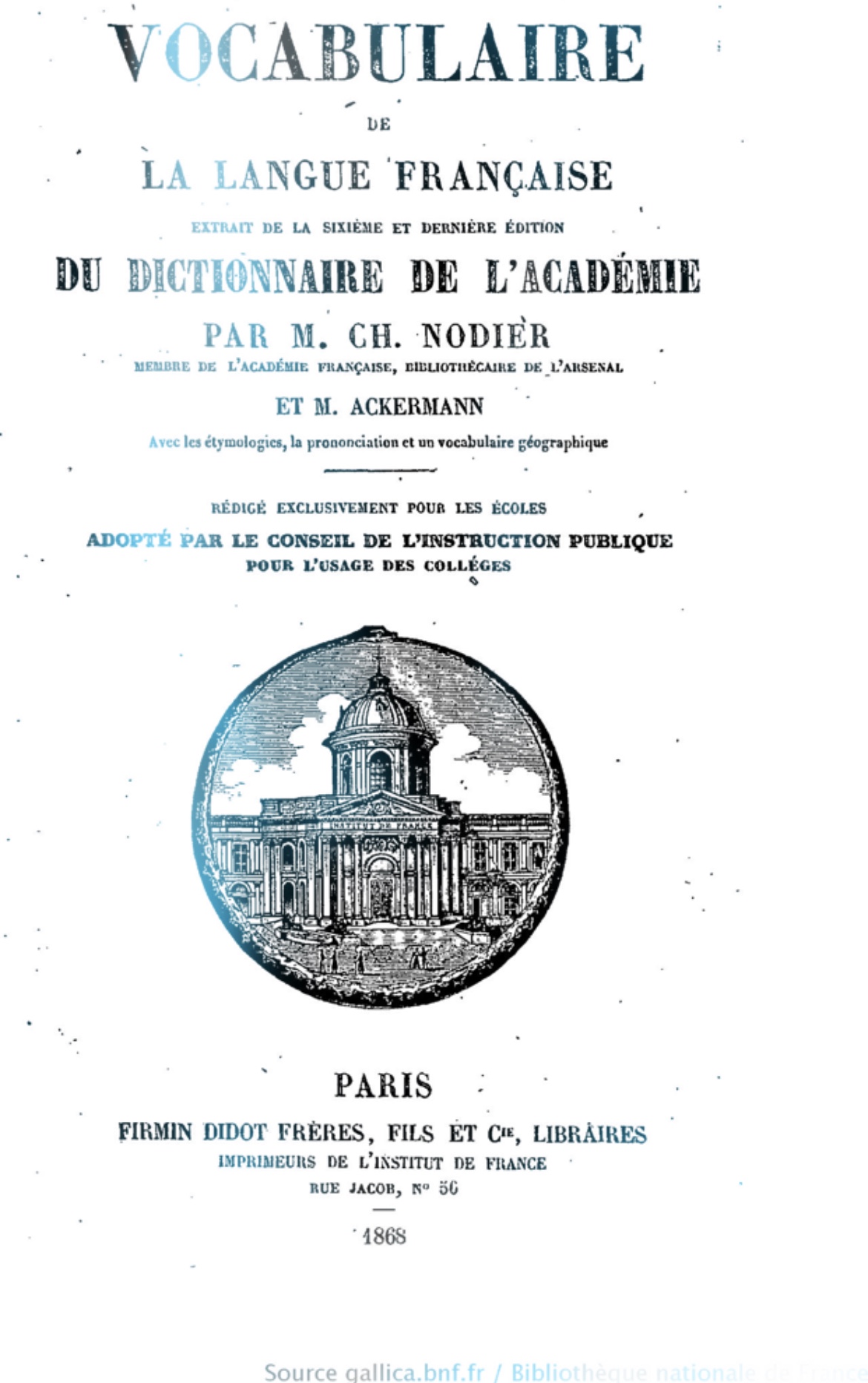
The Académie Française is the official authority on the French language. They decide and preside over what constitutes correct usage. This role encompasses the domains of usages, vocabulary, and grammar. They have an additional duty of undertaking the task of materialising an official dictionary.
This paragon of formality actually has an informal origin: it all started within a literary circle, which originally had nine members. These members included the chief minister Cardinal Richelieu and the author Valentin Conrart. With the establishment of the academy impending, others were appointed as members of the circle. The council for the purity of the French language that developed out of the circle was officially granted a royal patent on the 22nd of February 1635. “[T]o labor with all the care and diligence possible, to give exact rules to our language, to render it capable of treating the arts and sciences” is what they were tasked with, according to the parliamentary patent of 1637.
Today, the council has forty seats, each of which is assigned a number. One must apply specifically by number of seat, and not generally for any available position. These people are known as les immortels (“the Immortals”); the Academy’s motto is À l’immortalité. The principal member -the leader of the immortels– is known as the Perpetual Secretary. The group’s protector is the Président of France; originally it was Cardinal Richelieu, who held this post until death. There have been a total of 732 immortels, only nine of whom having been women. Famous members have included the authors Voltaire, Victor Hugo and Alexandre Dumas.
While the Académie and its members and loyal adherents enjoy a very central stance within French society, much criticism has been leveraged at them for alleged conservativism, and inappropriate and unwelcome snobbery. Recently, there has been much controversy surrounding the officialisation of feminine equivalents for the names of numerous professions e.g. le/la ministre – opposed by the Academy. They are also opposed to the recognition, protection and preservation of France’s regional minority languages including Flemish (Belgian Dutch – Germanic), Basque (Vasconic), Breton (Celtic), Catalan, Corsican and Occitan.


Standardising the Language of Letters / la Lingua delle Lettere
Italian is generally credited as being the most direct descendant of Latin, understood to be the least divergent from it, alongside Sardinian. What is now known as Italian / italiano began appearing from the 10th century, in the form of notes and short texts inserted into Latin documents such as lawsuits and poetry. The Italian language was only standardised and the various states of the Italian peninsula unified in the 19th century. Before then there was no standard language across the peninsula, written or spoken, and people would write and communicate in their own regional dialects or languages.
La lingua fiorentina, the Tuscan dialect of Florence, was popularised by influential writers including Dante Alighieri (1265-1321), Petrarch and Boccaccio during the 13th century. It became a standard literary language, and by the 14th century it was being used throughout Italy in political and cultural circles. However, Latin would remain firmly in place as the pre-eminent literary language until the 16th century. The first grammar of Italian was published in 1495 as Regule lingue florentine (Rules of the Florentine language), produced by Leon Battista Alberti. It was thenceforth used interchangeably with Latin for technical and scientific purposes over the Renaissance / il Rinascimento. Italian would become increasingly popular over Latin, culminating in its adoption as the official language of the unified country of Italy in the 19th century. However, only an estimated 2.5% of Italy’s population were able to speak the standardised Italian language properly when the nation was unified in 1861, and linguistic diversity is still a prominent feature of Italian society – albeit less and less so.

BIG BUSINESS…

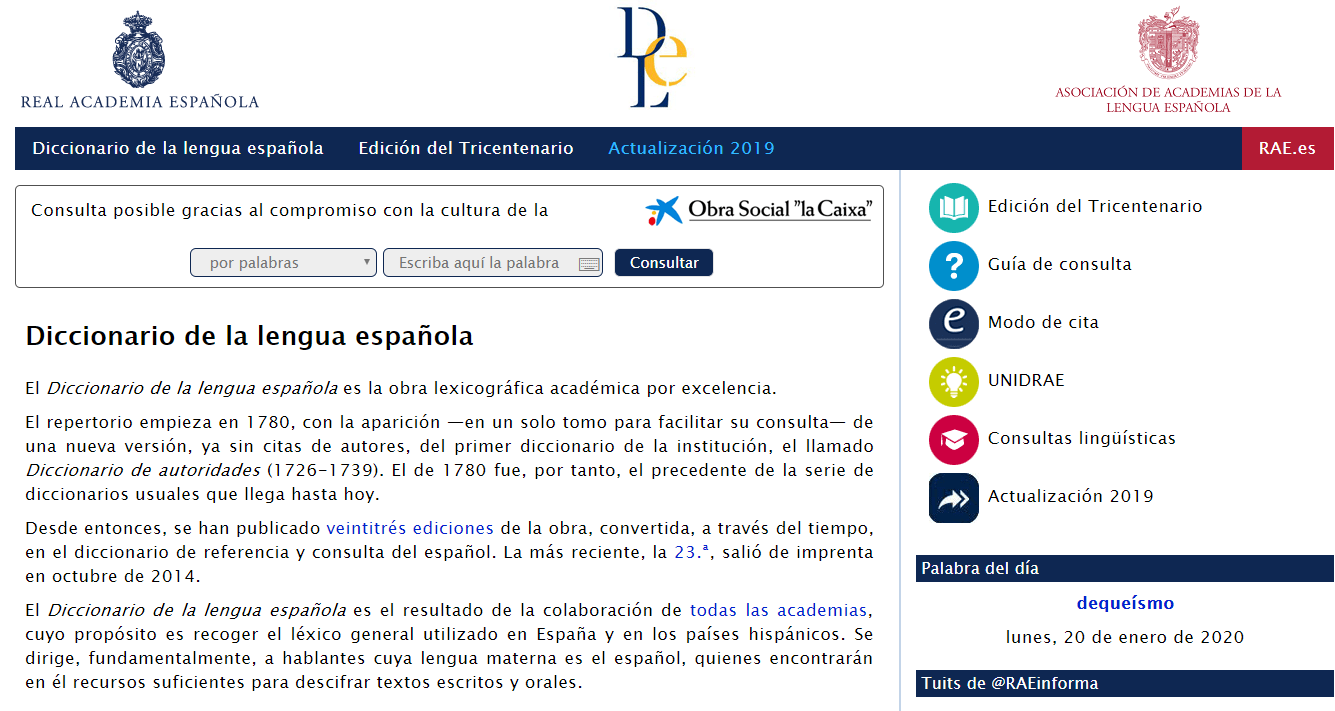
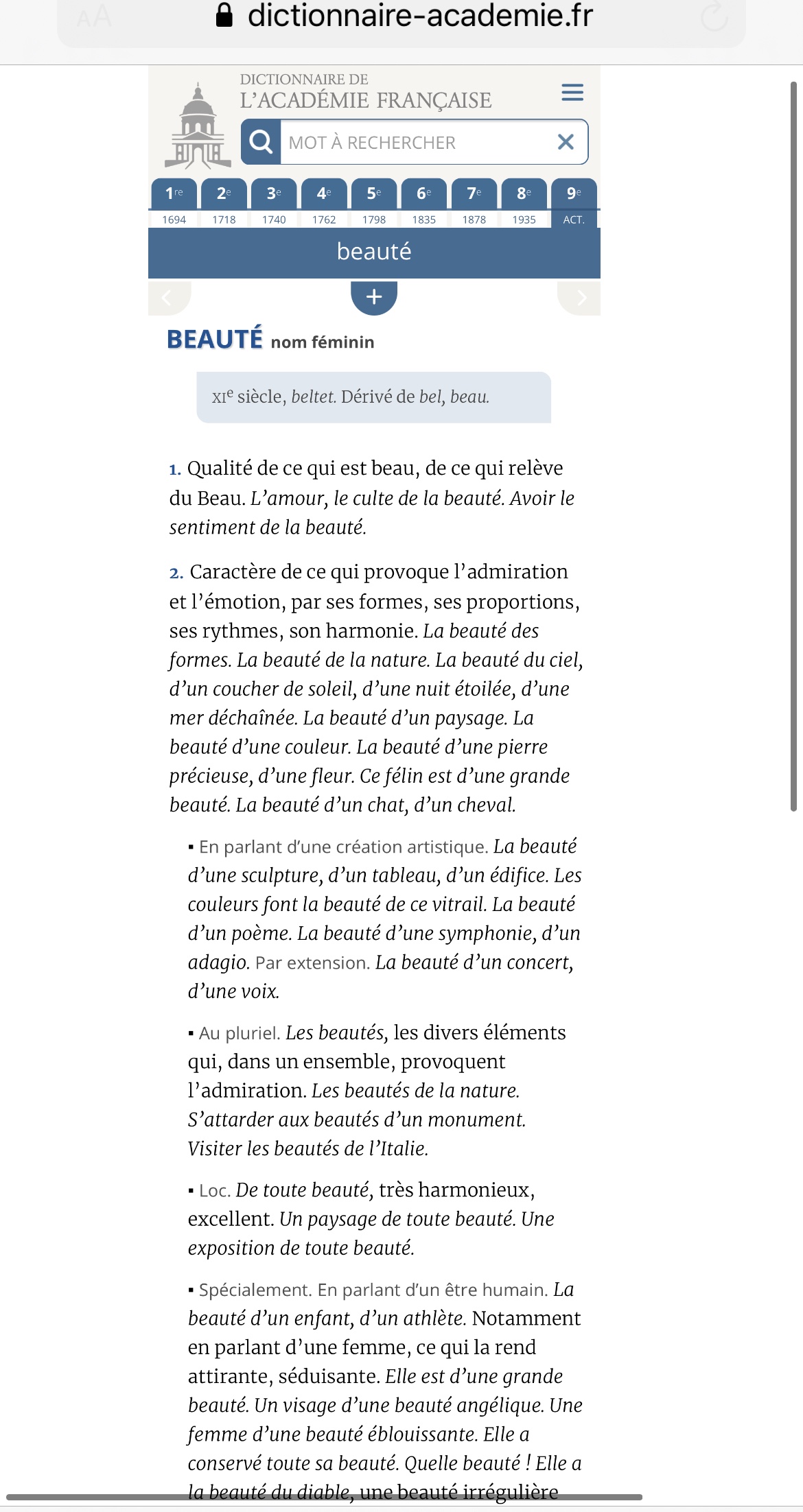
As their Roman ancestors were of Latin, Romance language speakers are ferociously proud of their languages, to the extent that things can get quite cut-throat. Eloquence is an idealised trait even among the working class, although this aspect of Romance society is fading in the globalised liberalised 21st century. Much care is taken in expression and pronunciation, by elites and the ignorant alike, remarkably. The result is that being well-spoken is traditionally more common among Romanophone populations than in other language families. Snobbery is rife, however, and the resultant stifling bureaucracy really bogs them down these days. In the face of fast-paced Anglophone informatisation and globalisation, this puts fusty square Romance linguistic traditionalists in a tricky position right now. Do they embrace the progressivism or the conservativism? How do they go about striking internal sociolinguistic balance between the two orthodoxies? What do you think? Great strife is derived from this issue on a foundational legal-political-constitutional level, FYI. What do you think they should do about it all?
 The Buzz-Concept Project