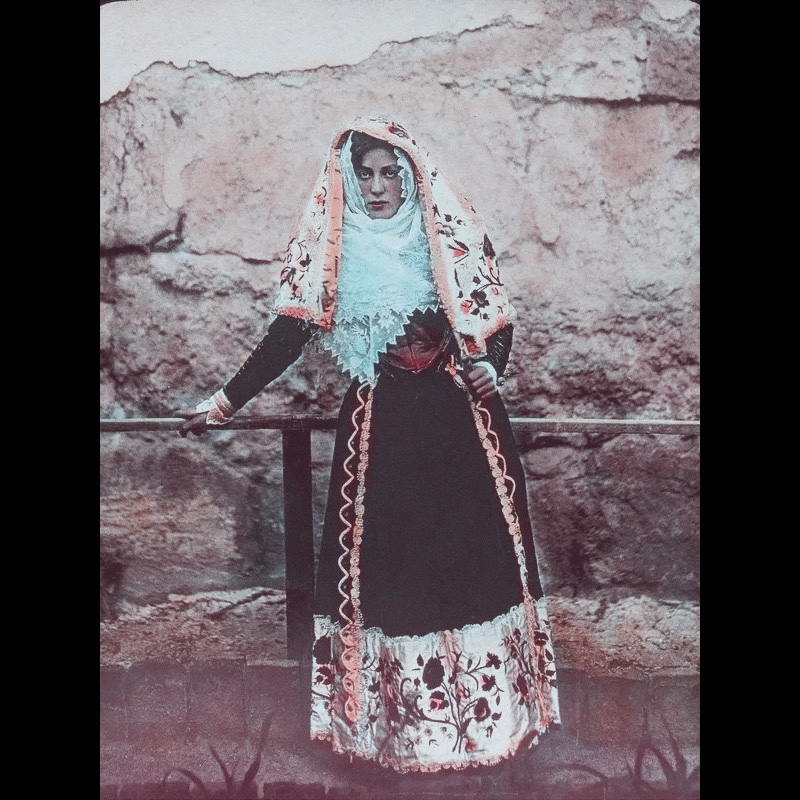
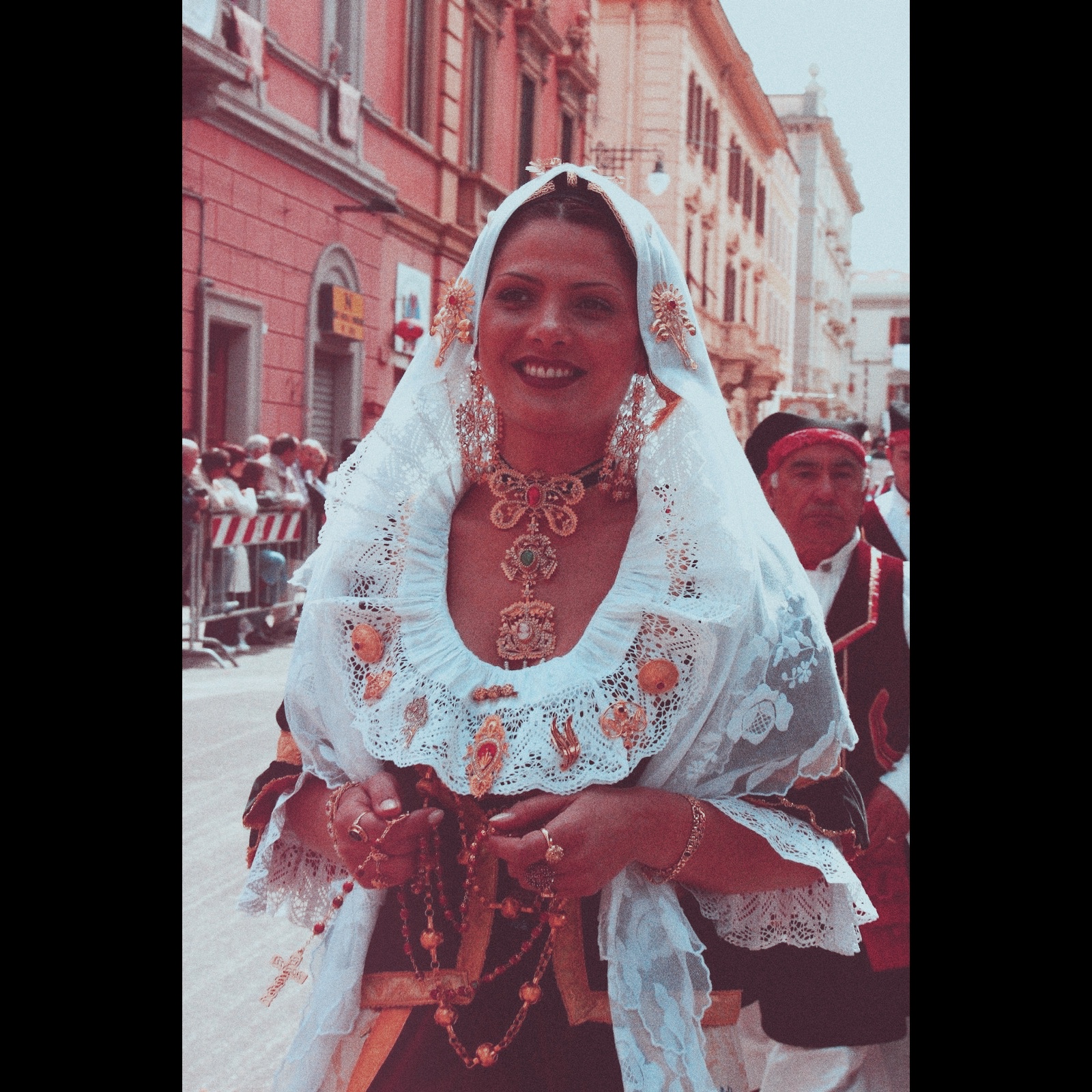
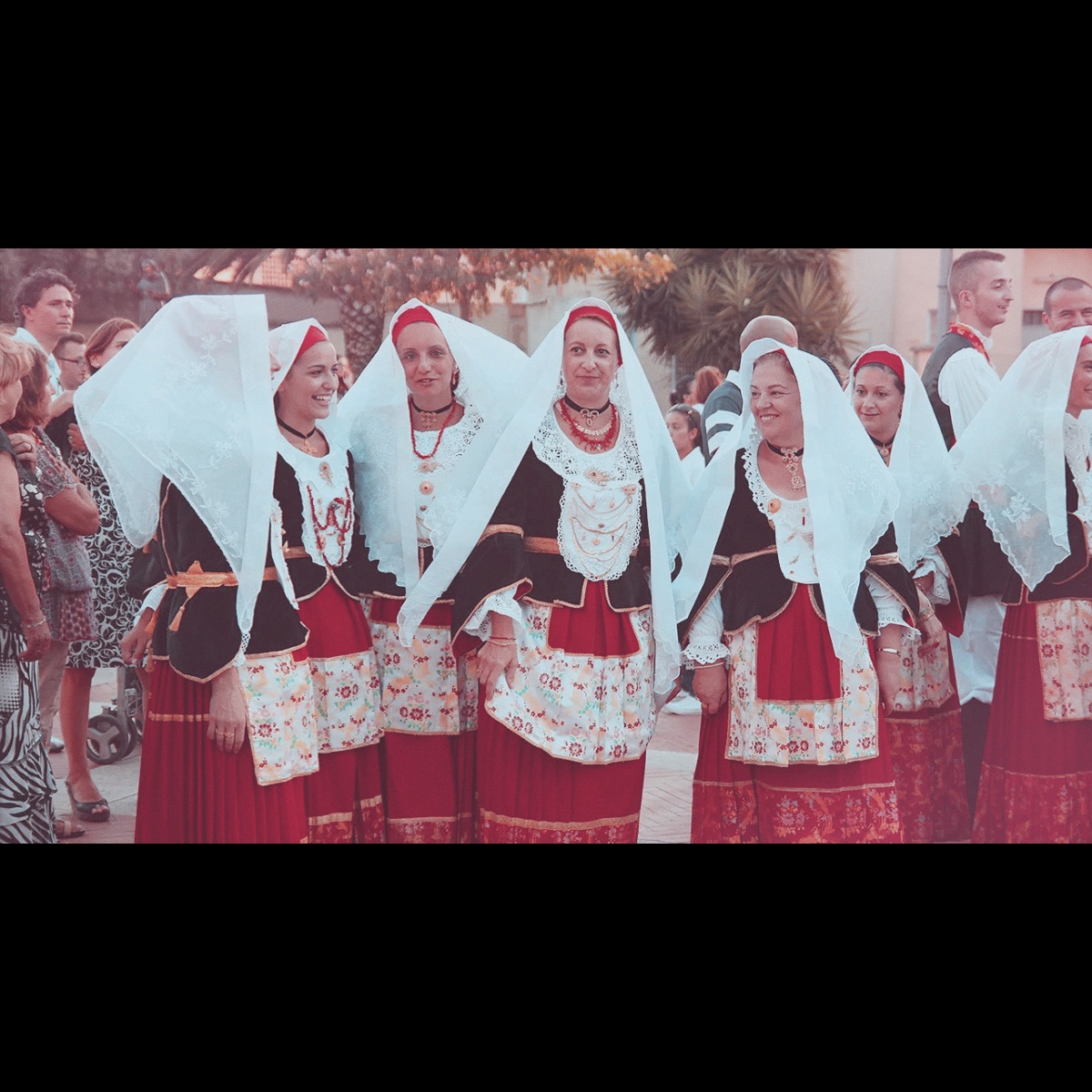
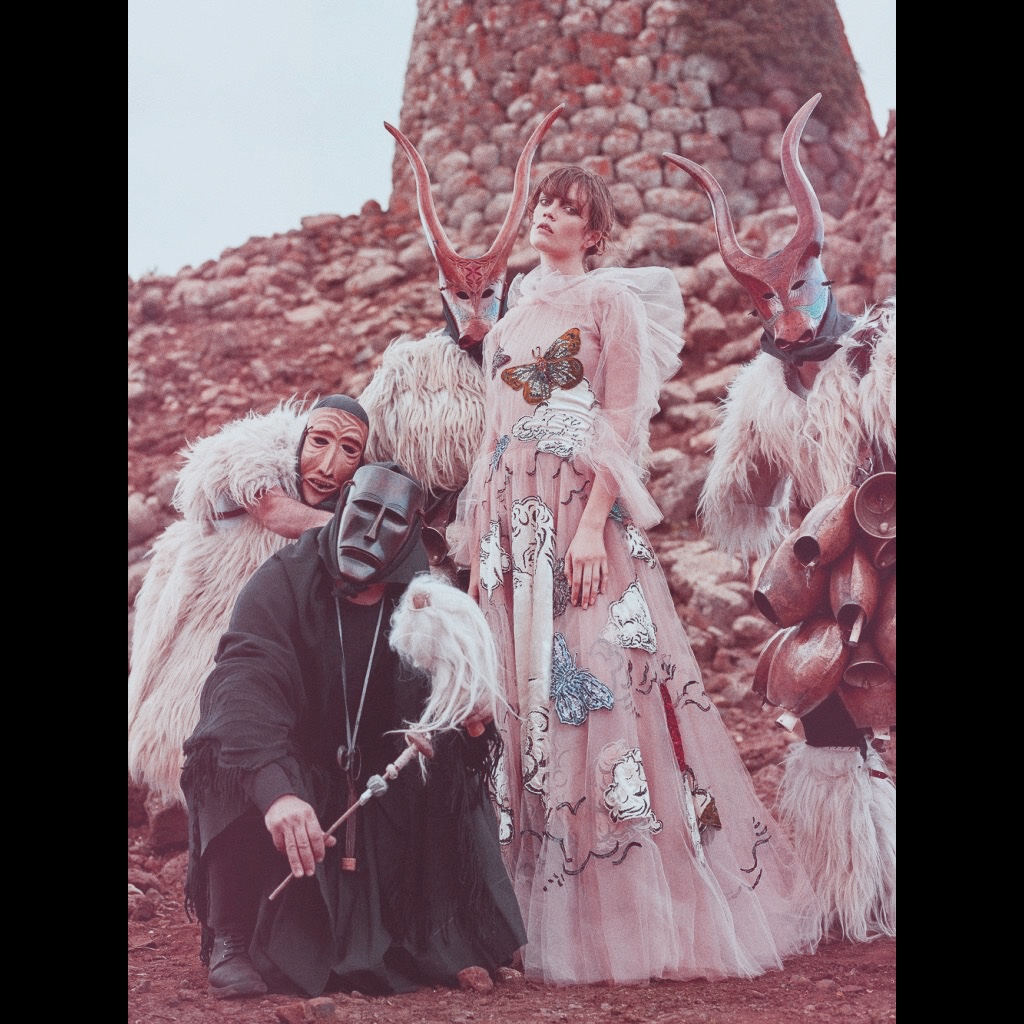
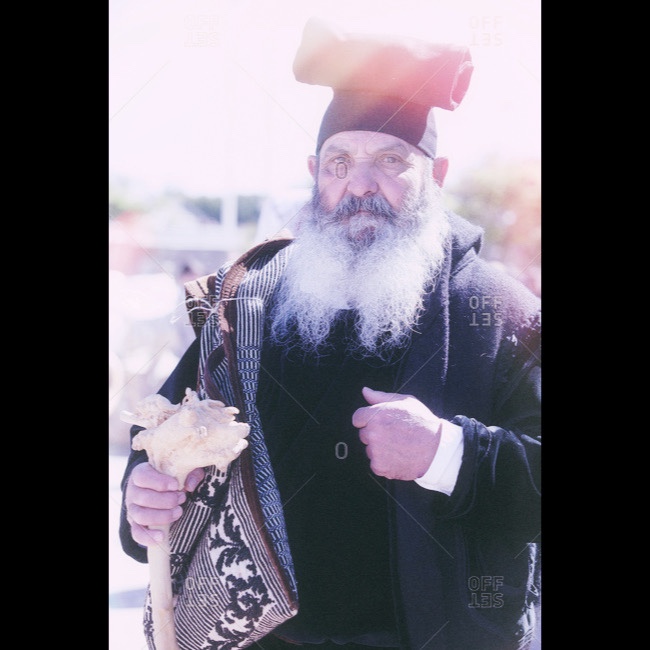
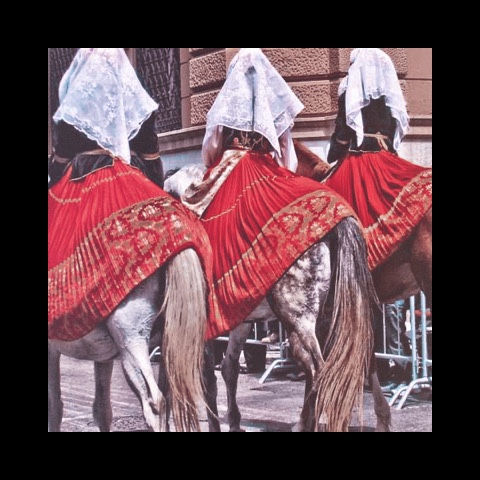
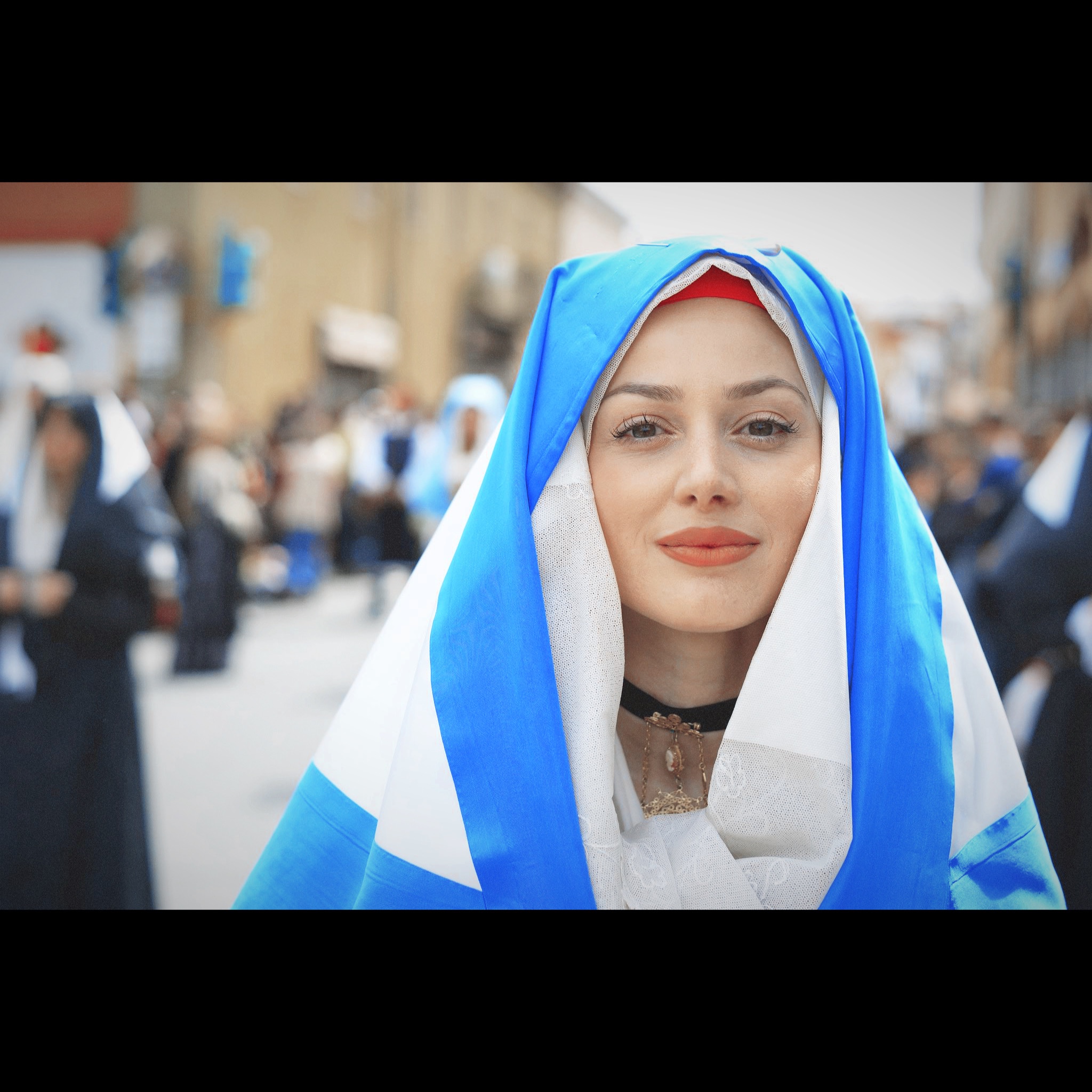
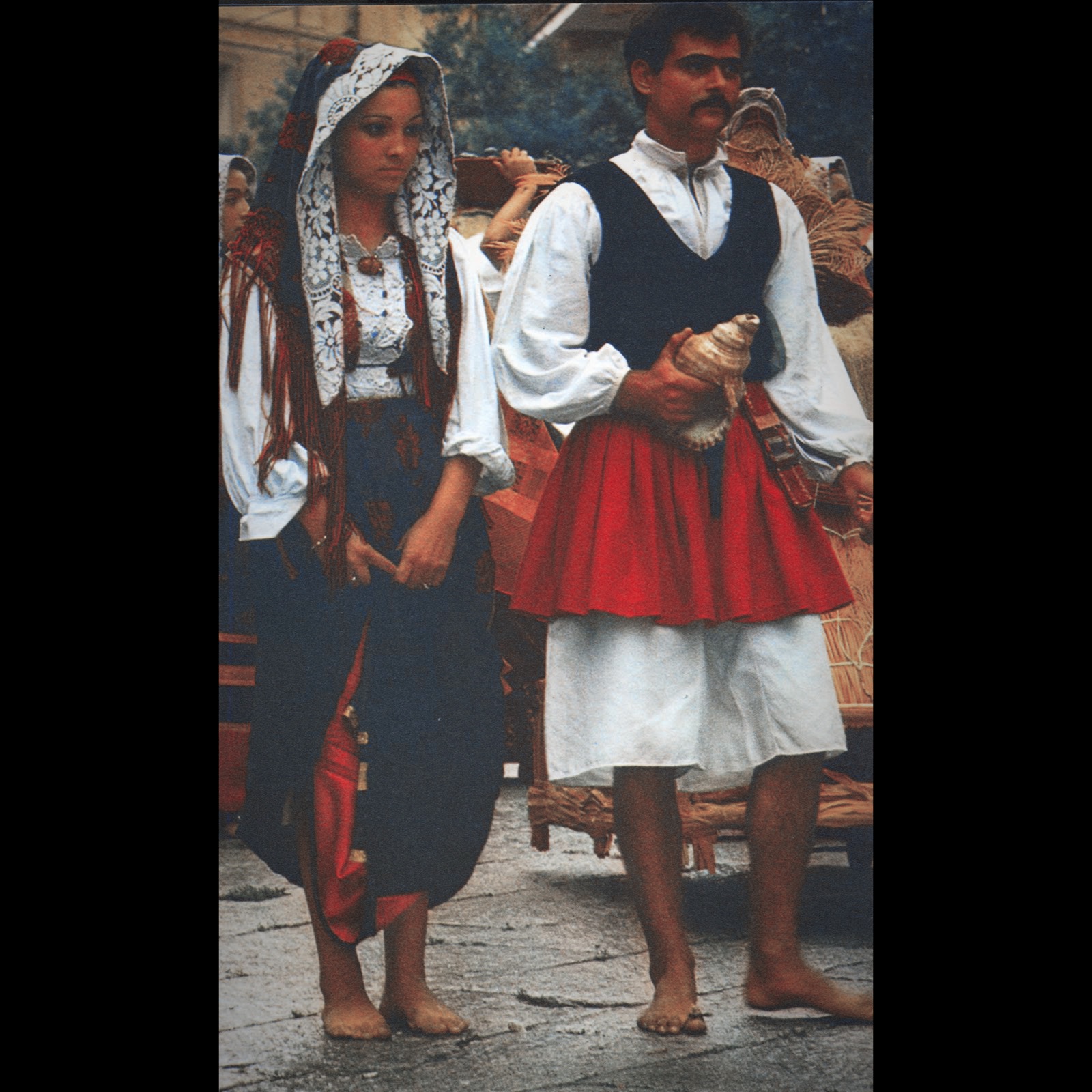
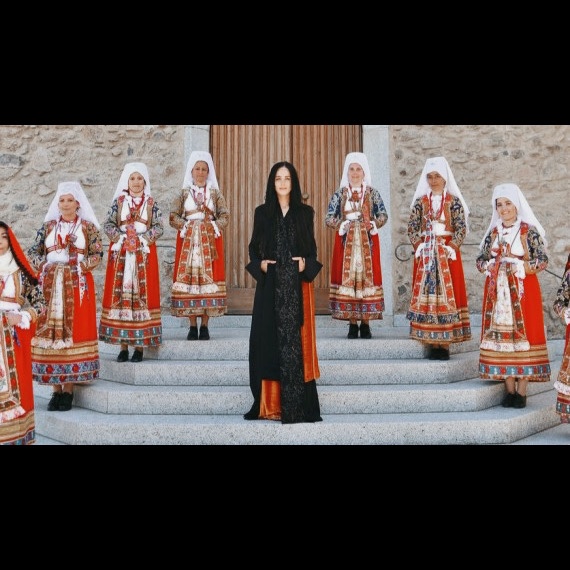
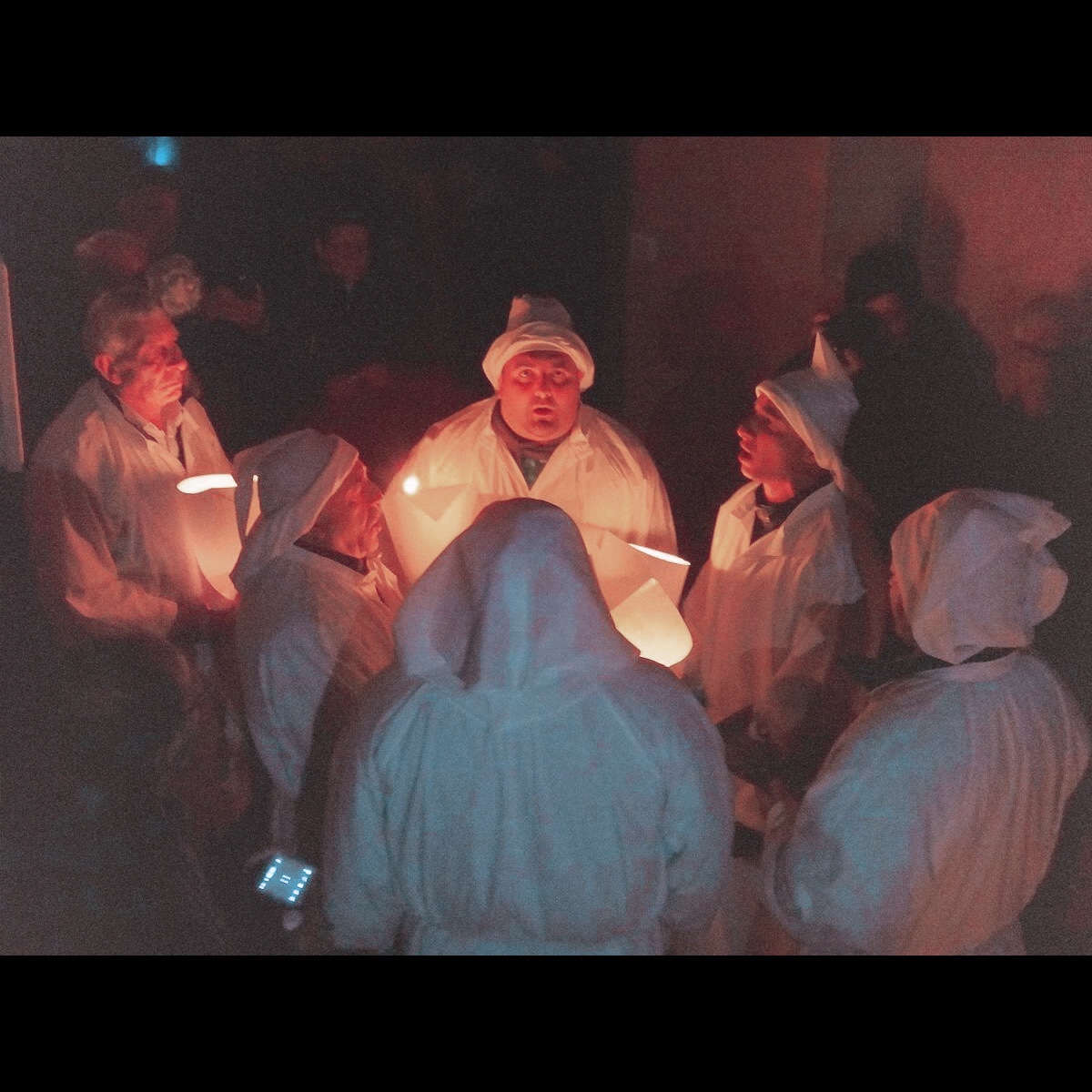
Sardinia is special.
La Sardegna è speciale.
Sa Sardìgna est ispetziale.
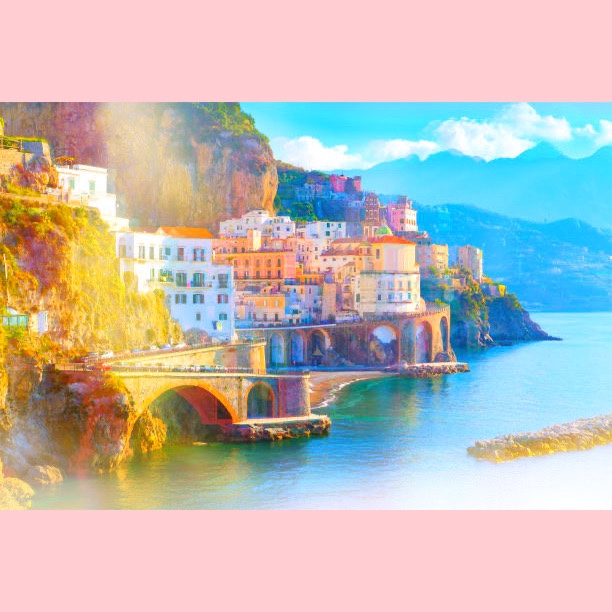
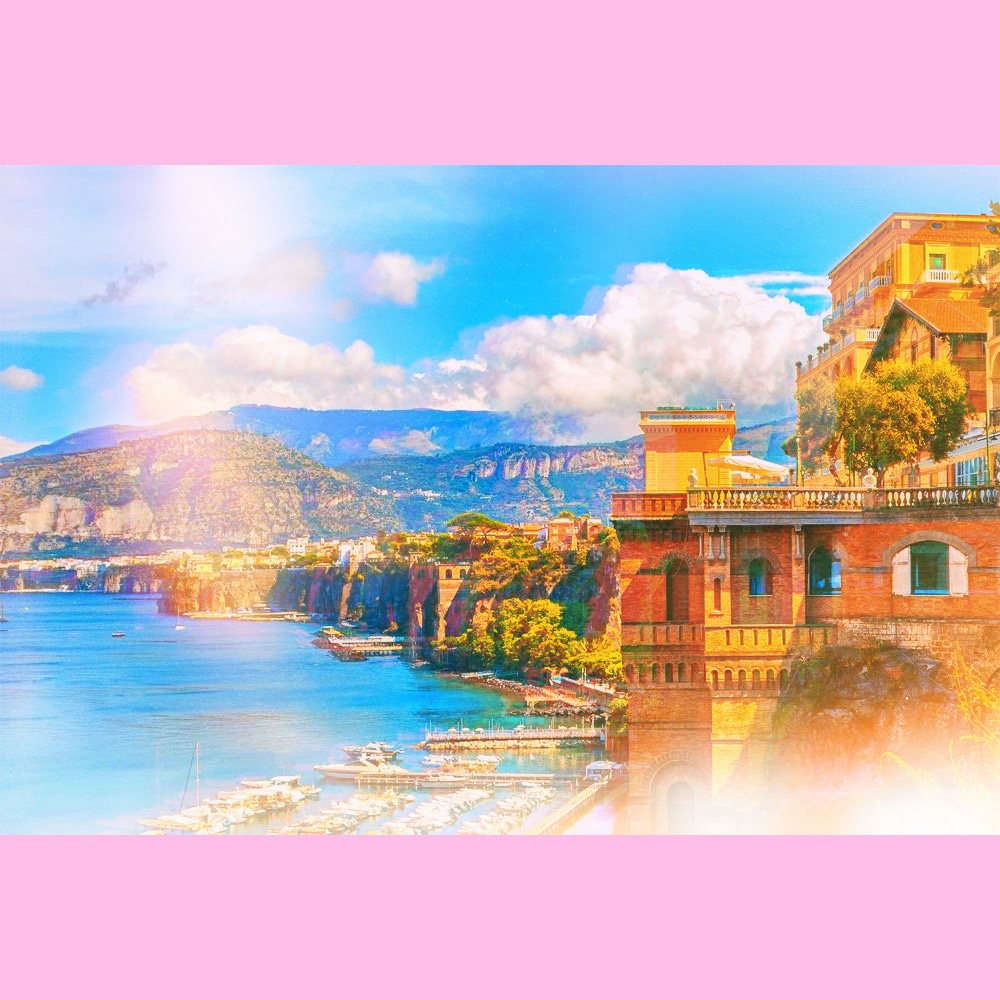
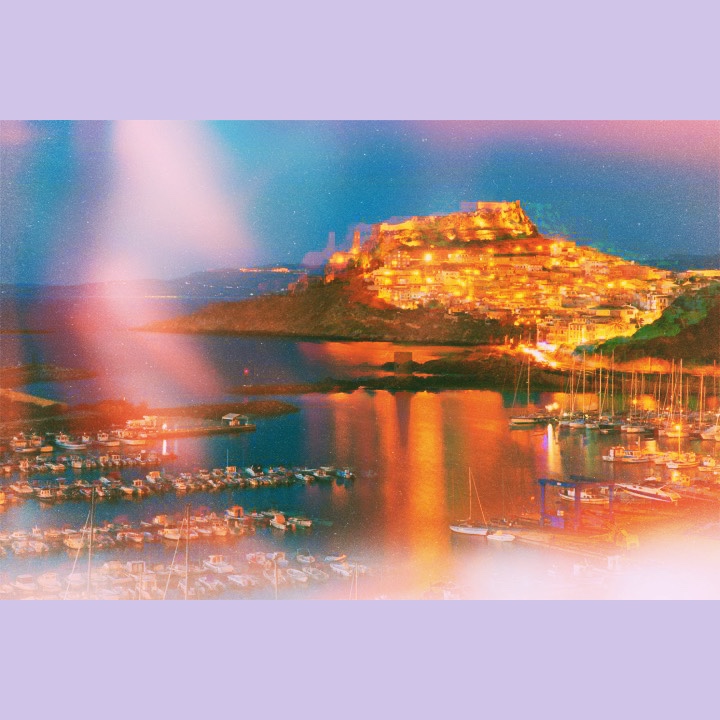
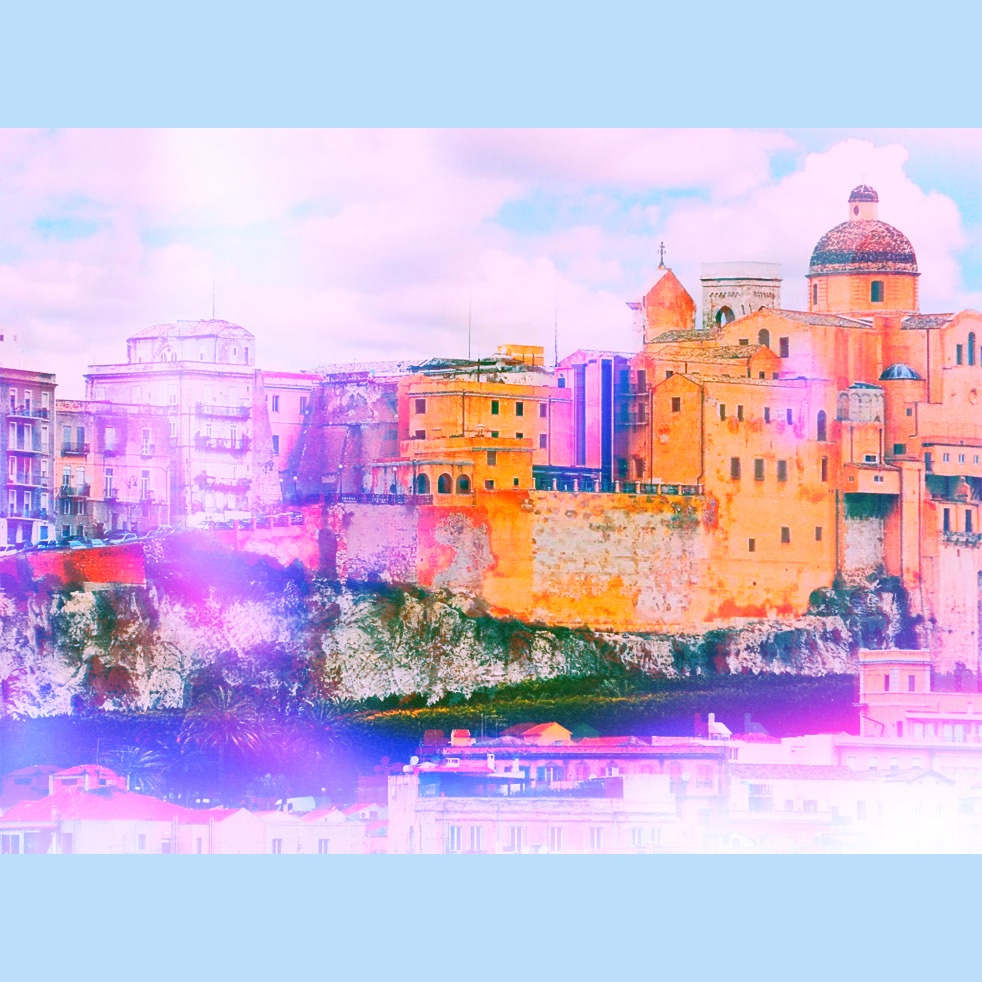
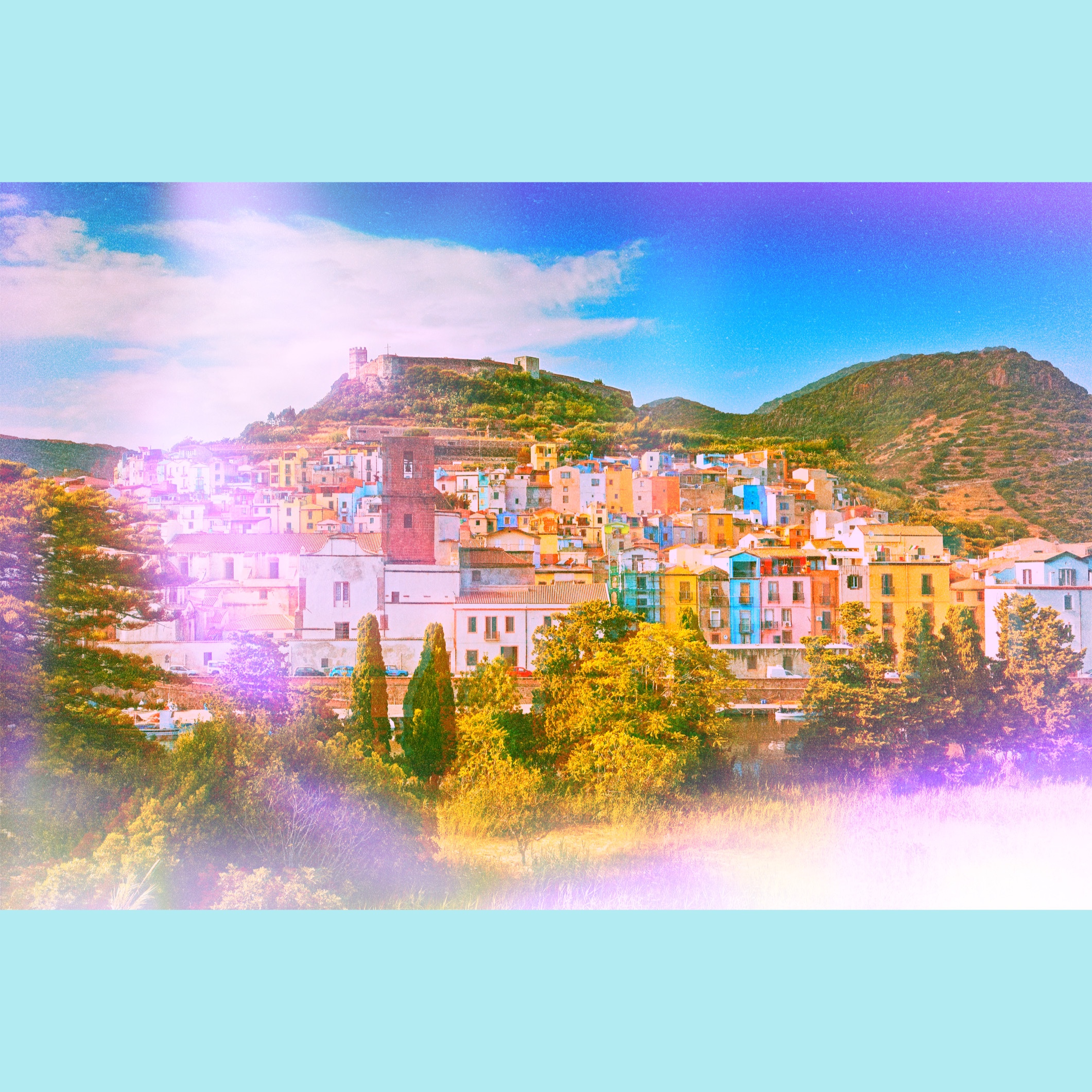
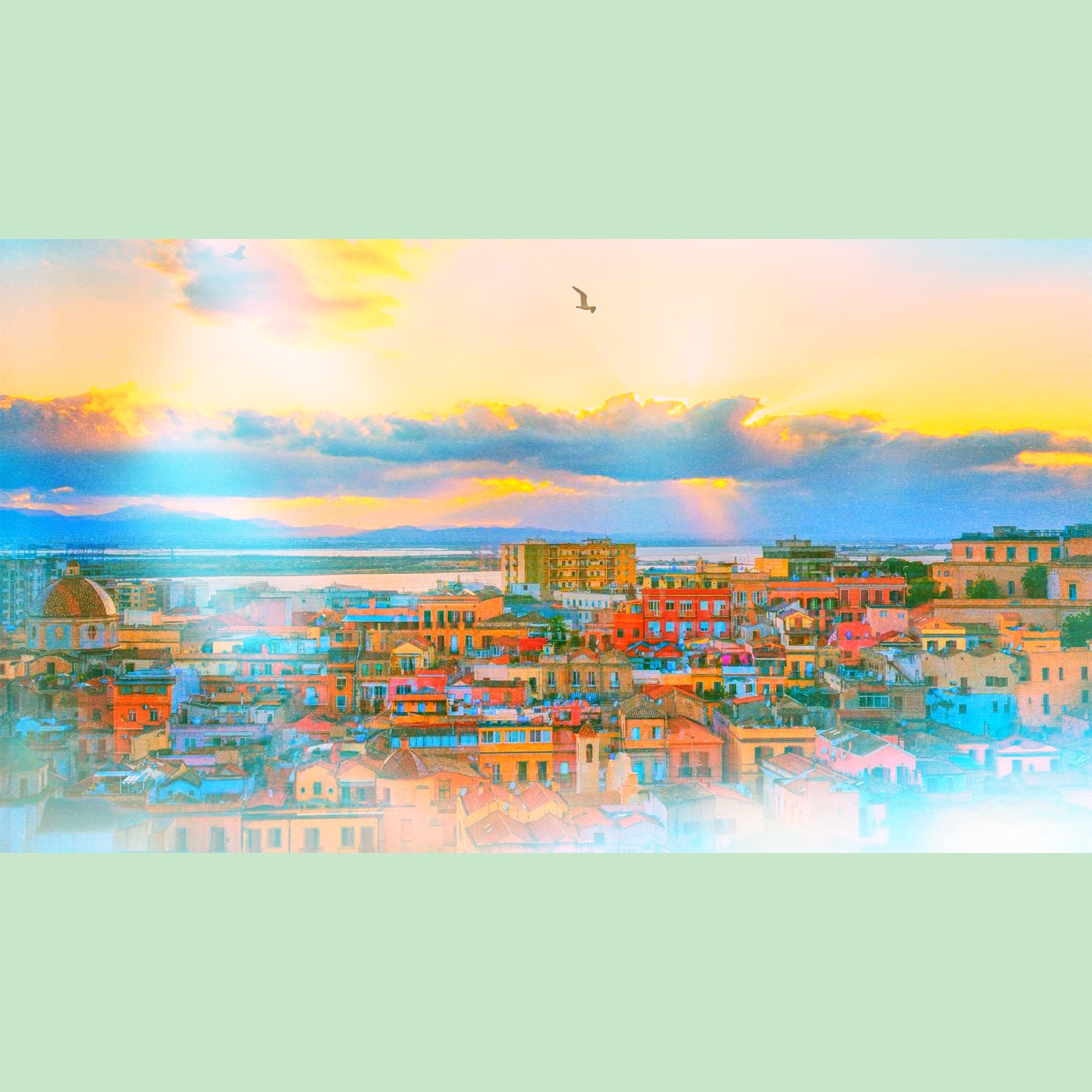
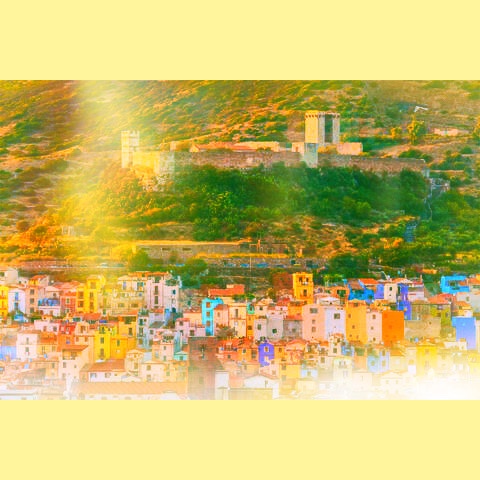
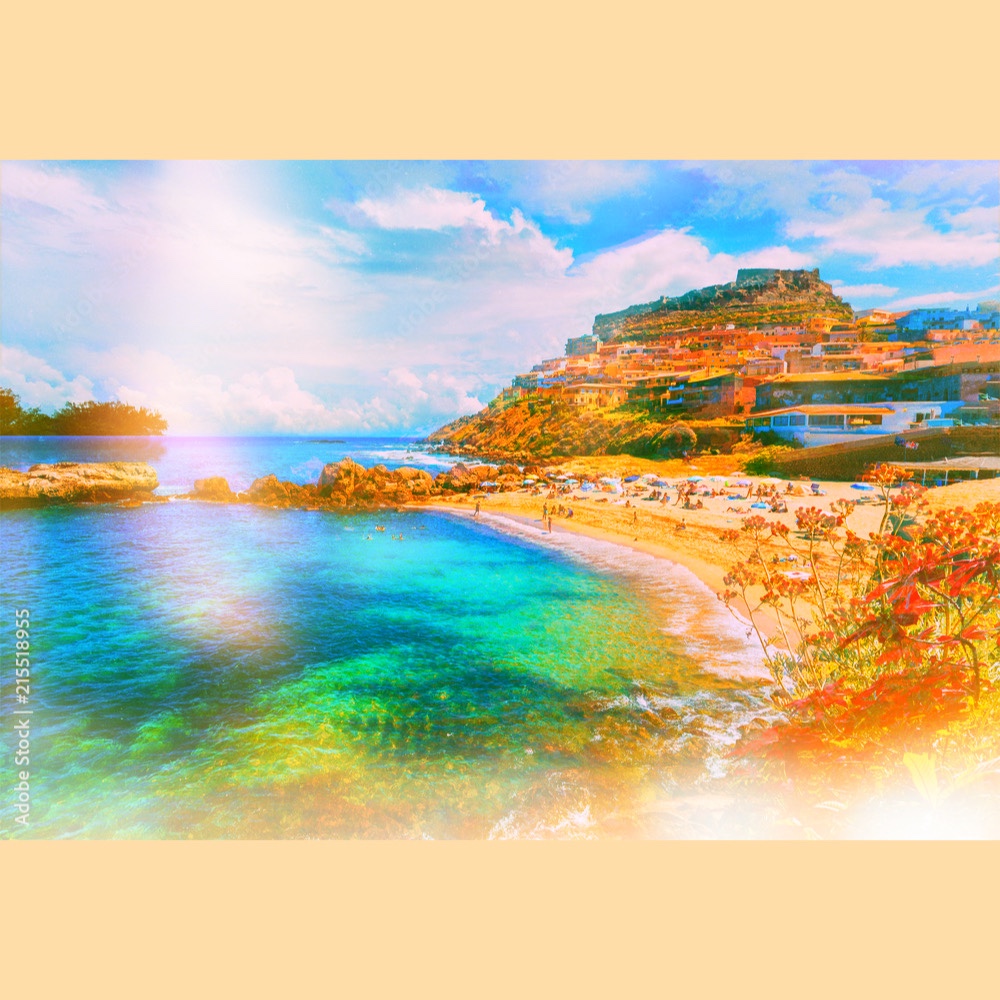
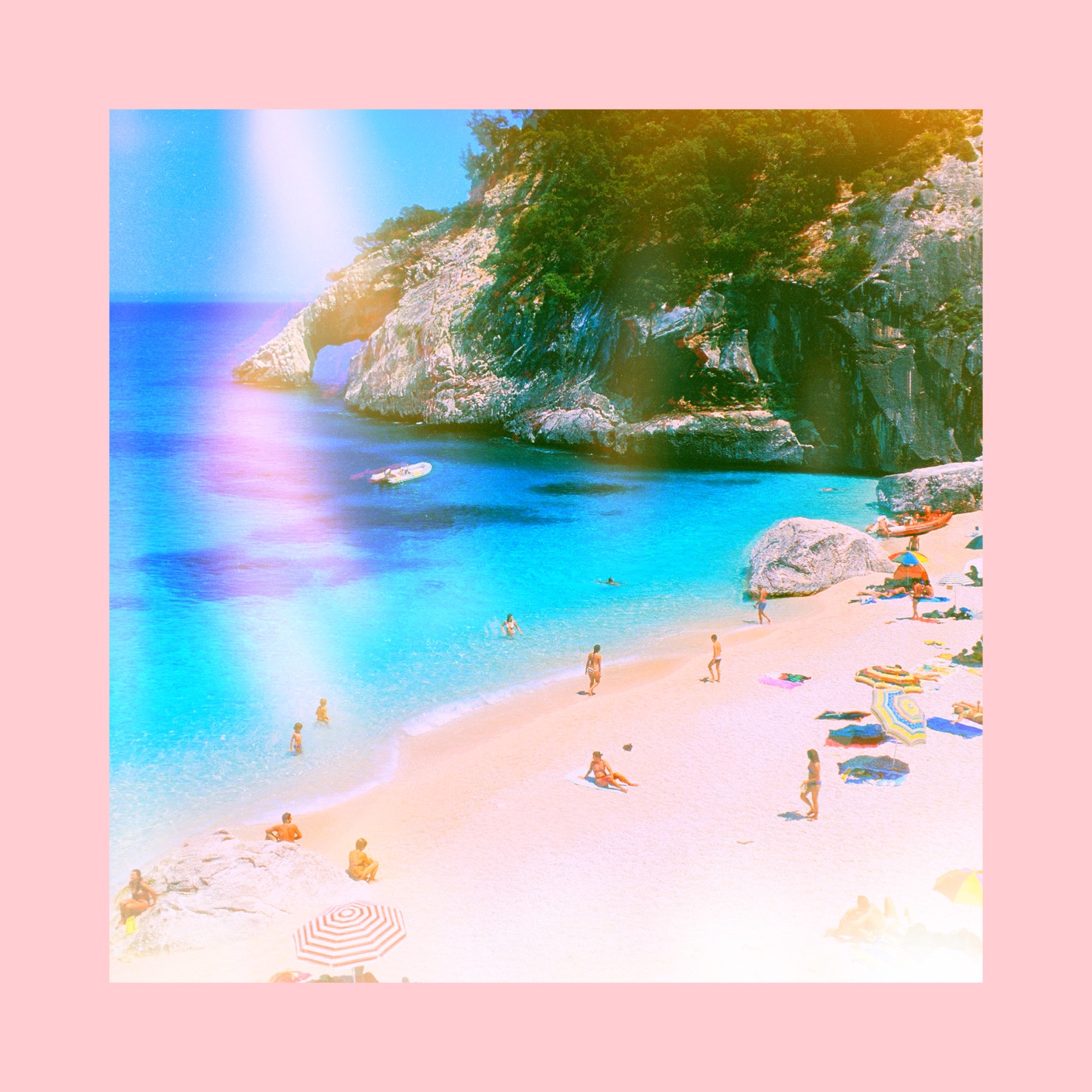
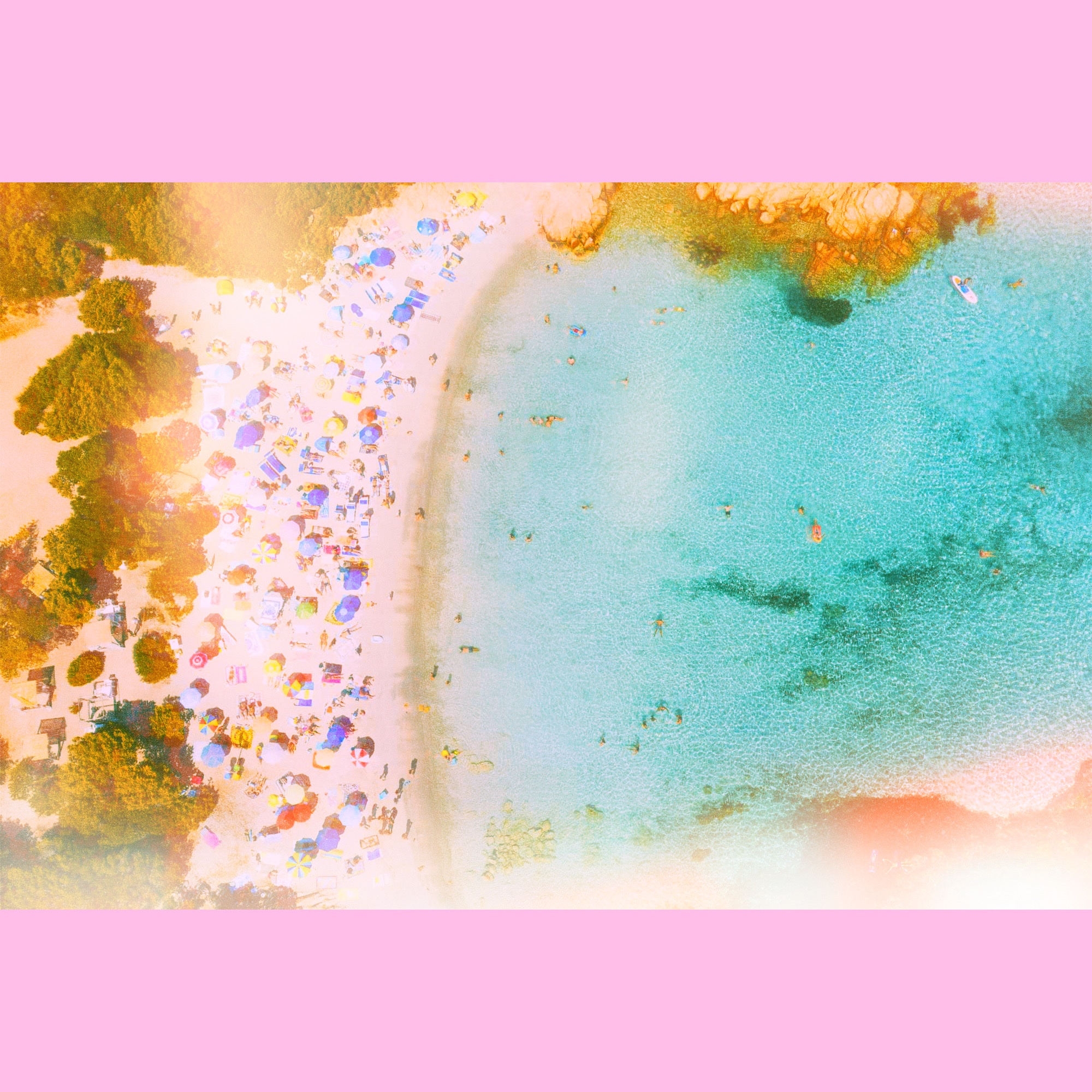
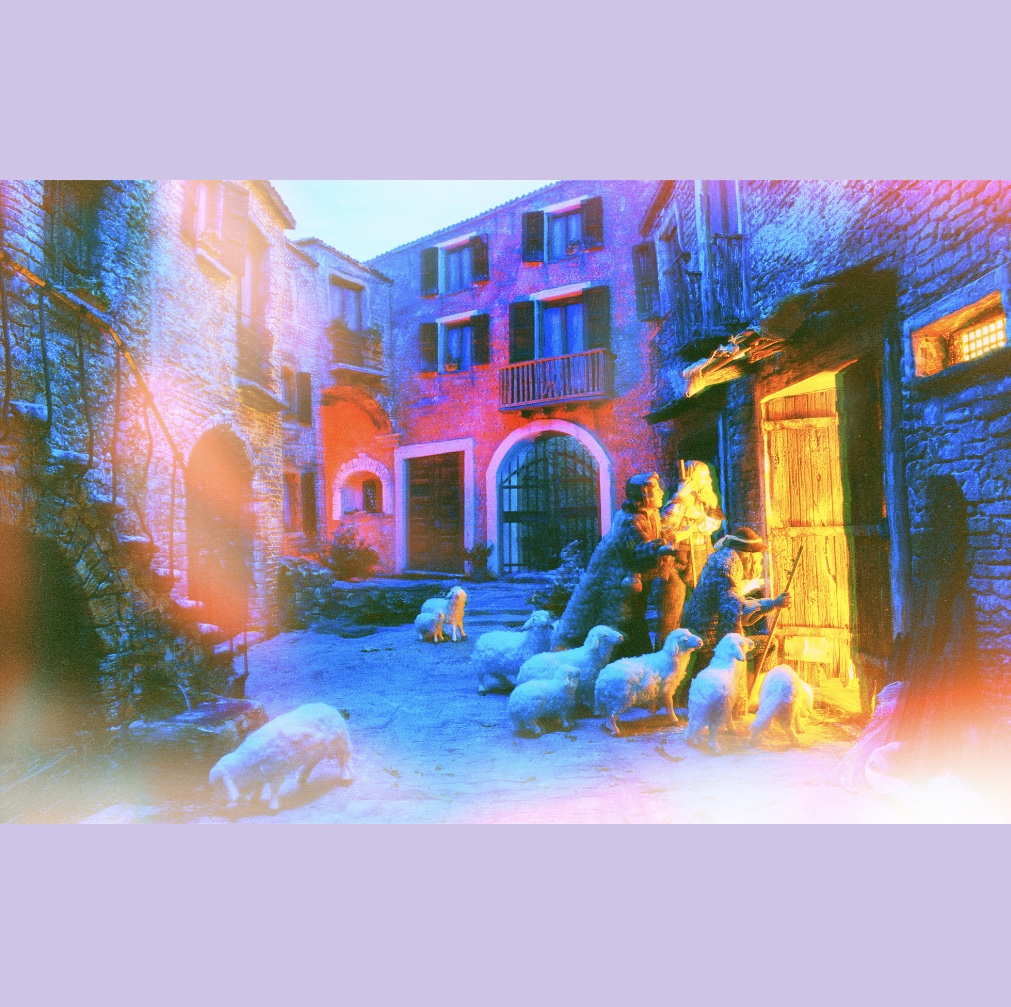
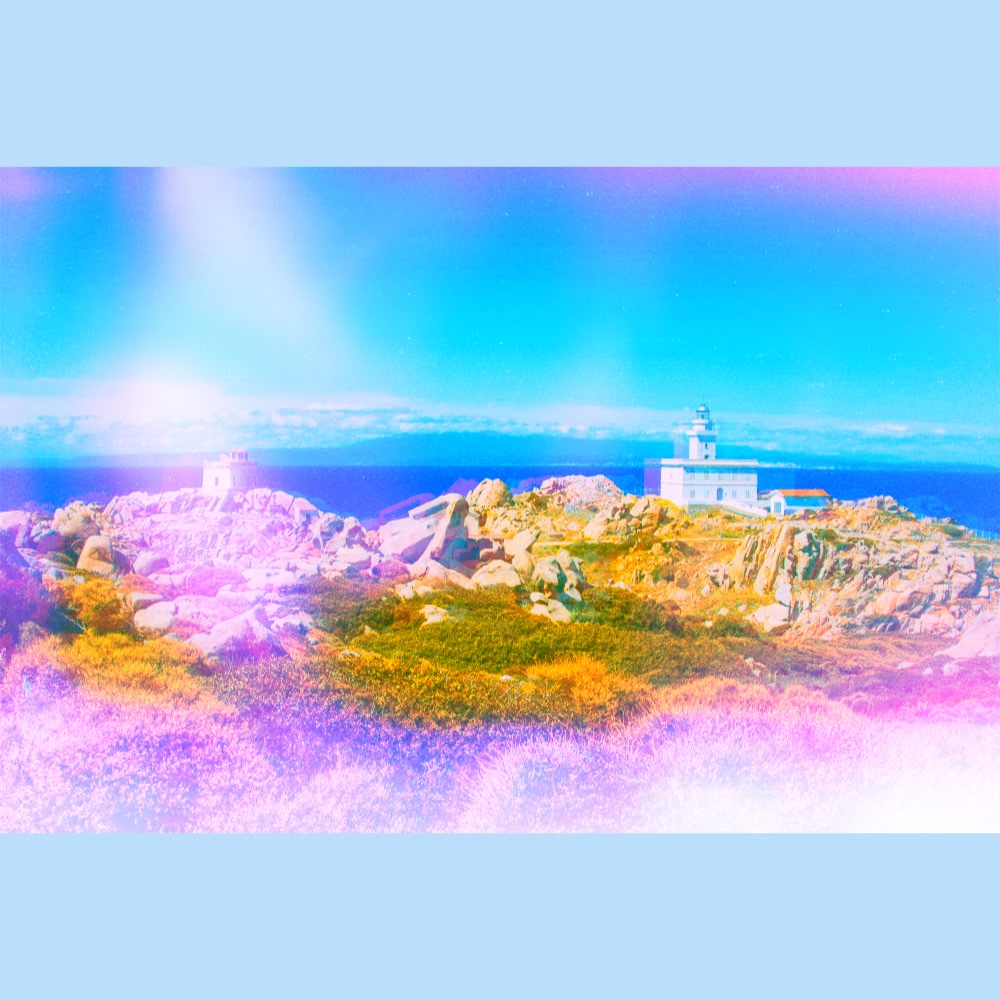
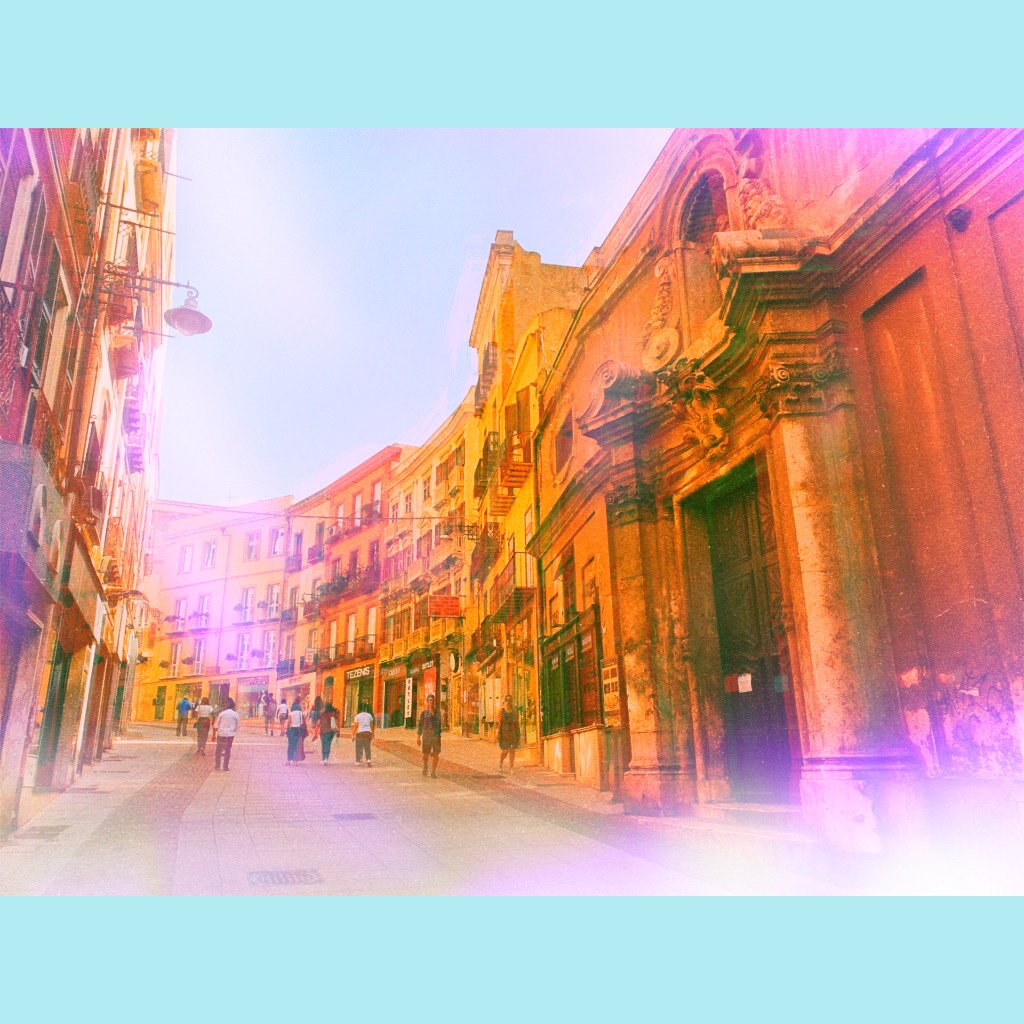
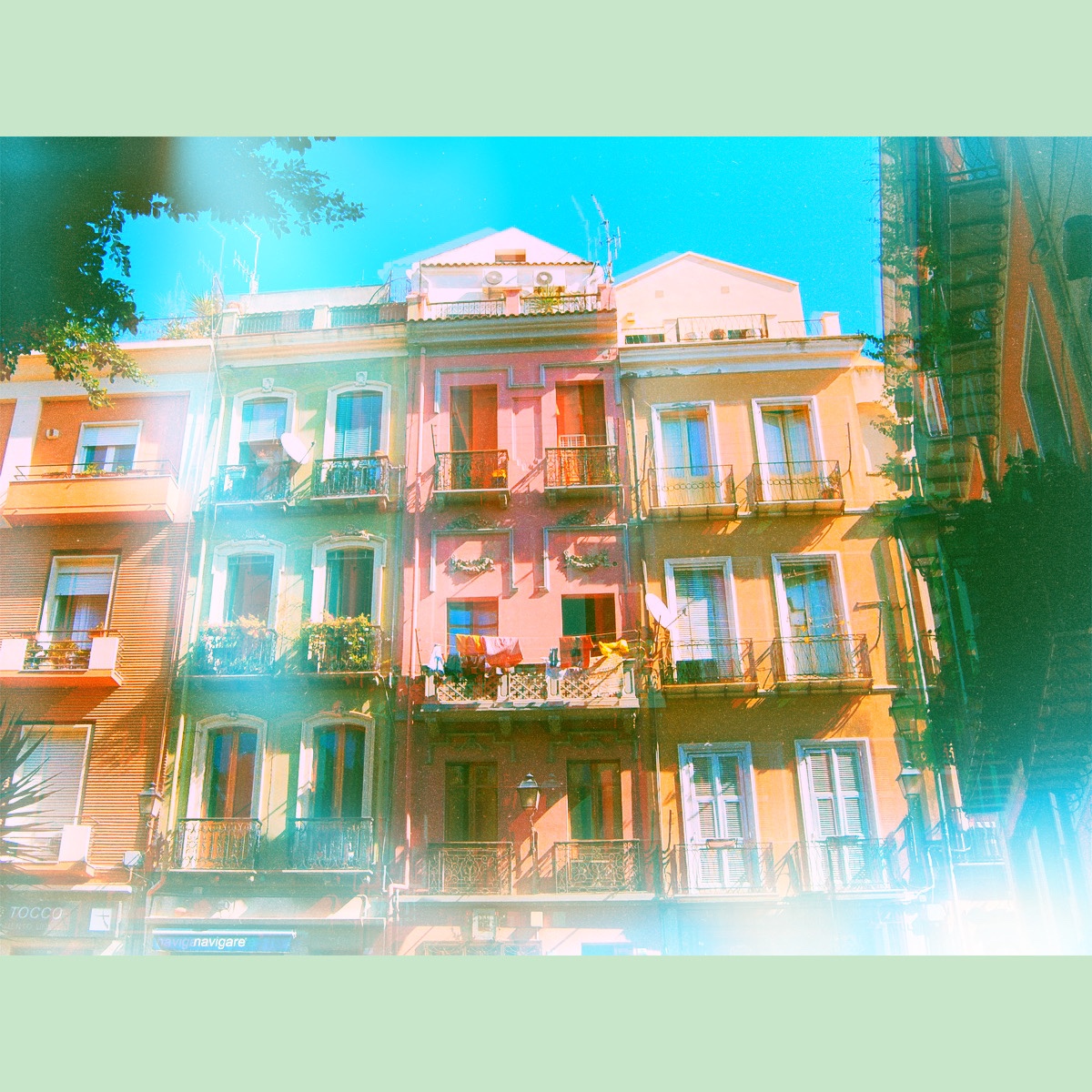
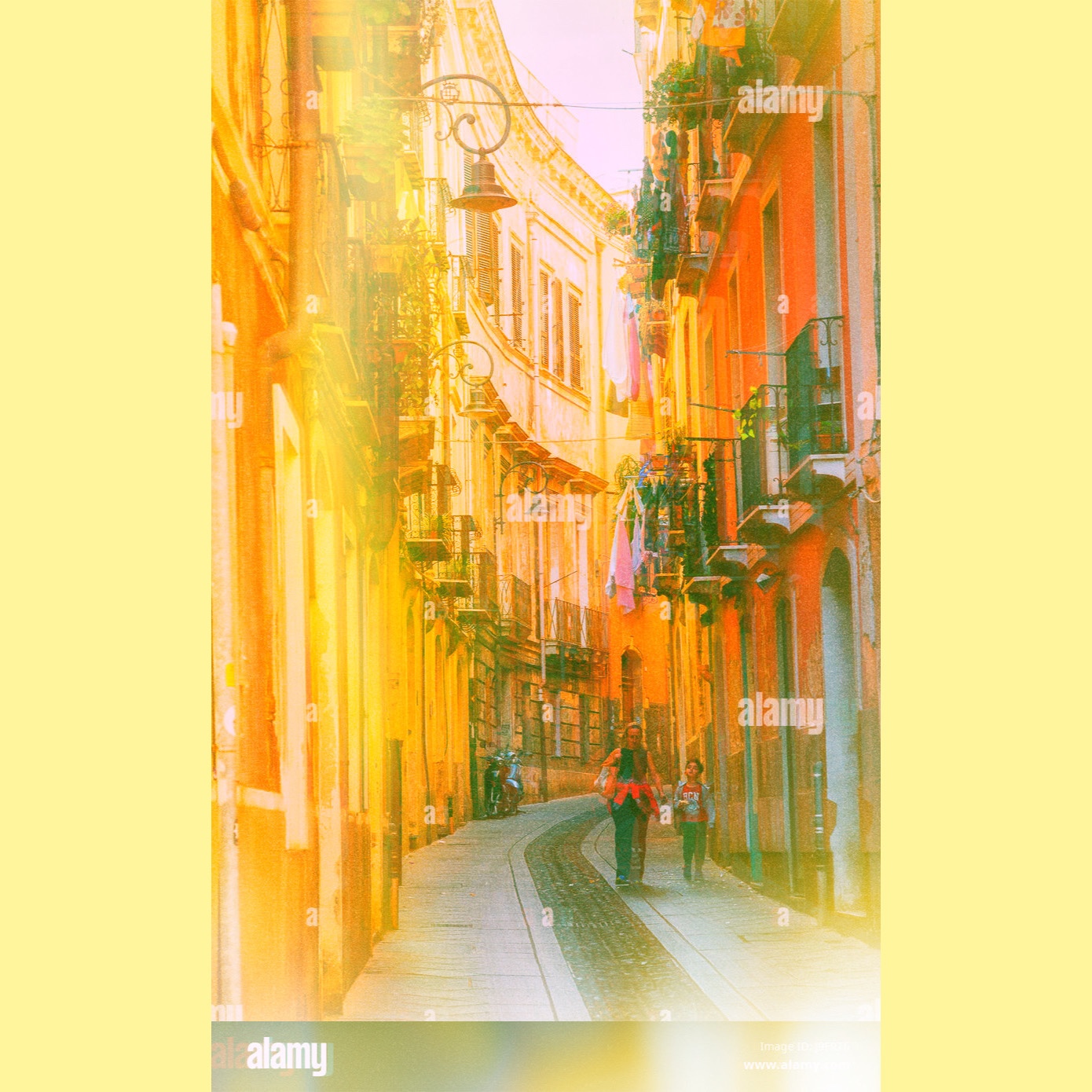
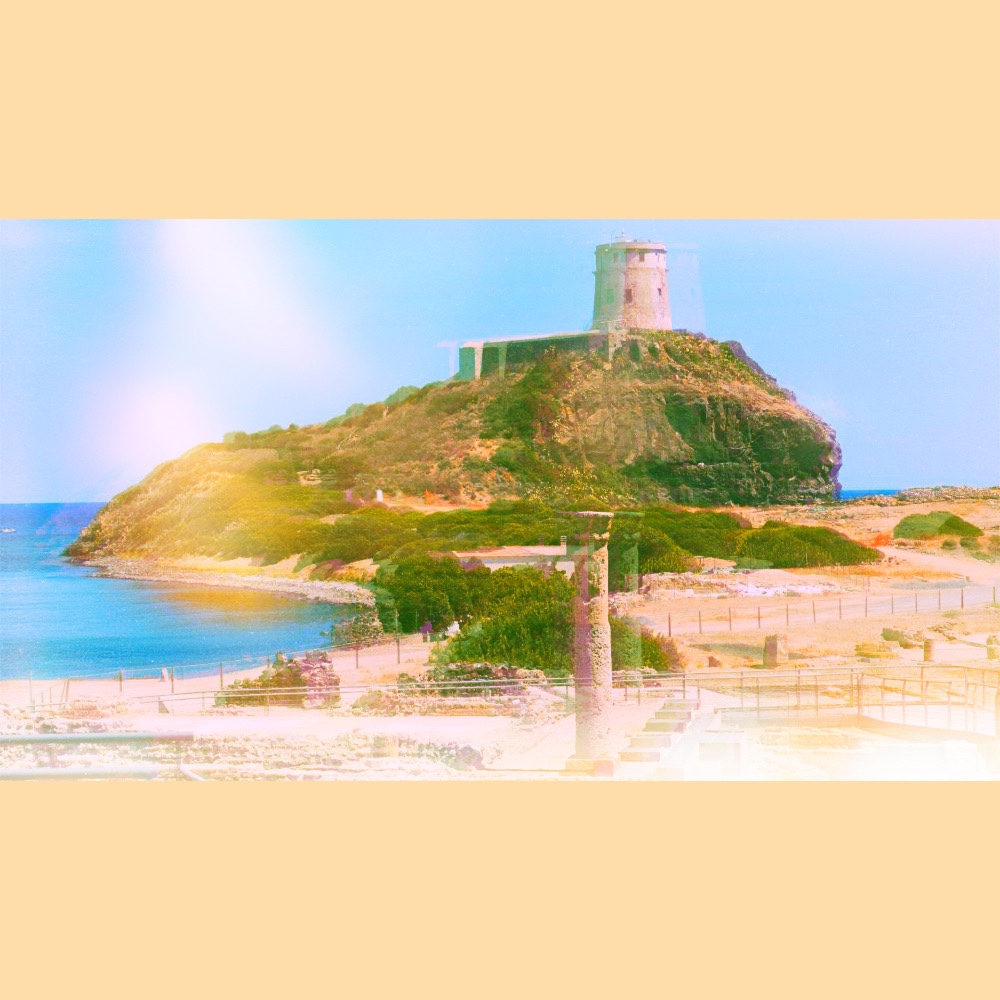
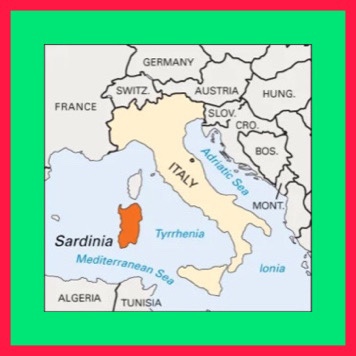
Sardinia / 🇮🇹 Sardegna / 🧙♀️ Sardigna / Sardínnia is the second largest island in the Mediterranean Sea after Sicily. The island constitutes one of the 20 regions / regioni of Italy / Italia.

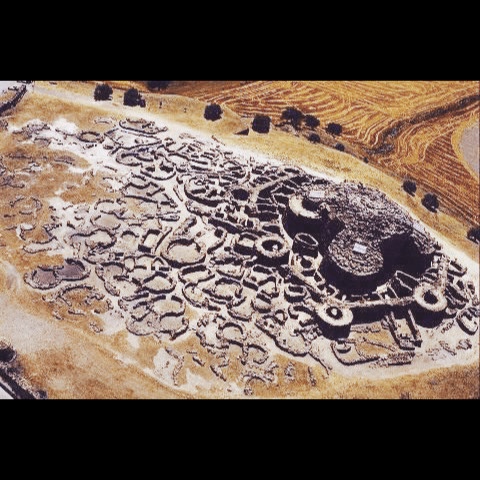
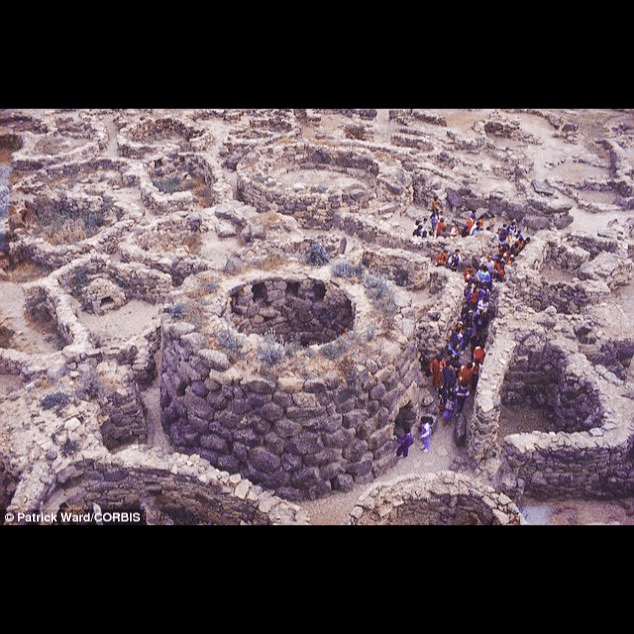
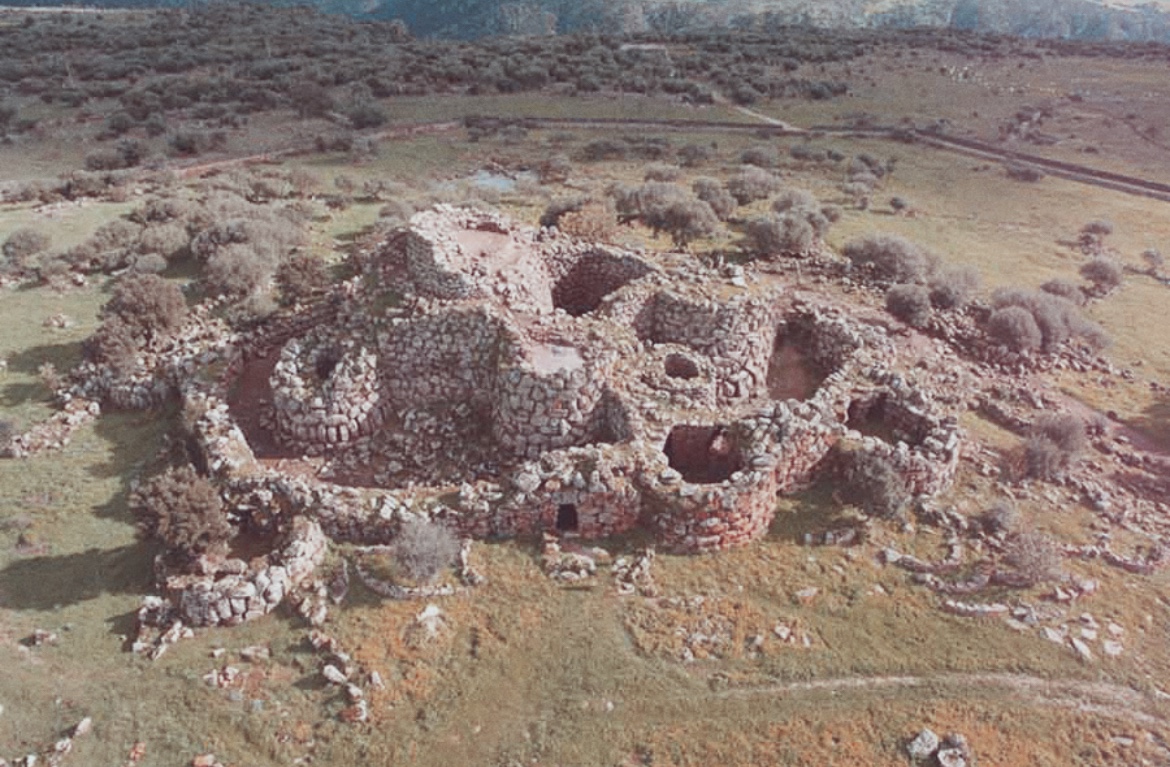
Sardinian history is rich and multicultural. Sardinians are accordingly the pinnacular Romance people – more on this to come, of course. Spellbinding are its nuraghi structures, truncated conic formations made of huge blocks of basalt taken from extinct volcanoes without any bonding of which over 7,000 have been found, erected in prehistoric times, perhaps around 1500 to 400 BC, possibly by Sea People. The Nuragic civilisation is mysterious, but its echoes resound strongly. It may be that Sardinia derives its name from the Sherden / Shardana / 🇪🇬 šrdn, a Sea People who fought in Egypt in the 13th and 12th centuries BC, and that they also can be credited with building the nuraghi (singular: nuraghe).

The name Sardinia may also come from a legendary woman called Sardṓ (Σαρδώ), born in Sardis (Σάρδεις), capital of the ancient Anatolian Kingdom of Lydia. It is suggested that the name had a religious connotation, associated with ancient Sardinian mythological hero-god Sardus Pater (“Sardinian Father” or “Father of the Sardinians”).
This is also believed to be the stem of the adjective “sardonic”, as in, to be “grimly mocking or cynical”. The 10th-century Byzantine Greek encyclopedia Suda identifies the word’s earliest roots in Ancient Greek σαίρω sairō, the notion of grinning in the face of danger, or curling one’s lips back at evil. Another explanation supported by the Oxford English Dictionary indicates that the term stems from an ancient belief that ingesting the sardonion (σαρδόνιον) plant of Sardinia would result in convulsions resembling laughter and ultimately in death. In Theory and History of Folklore, Vladimir Propp elaborates that it was customary to kill old people while laughing loudly among the Sardi or Sardoni, the ancient people of Sardinia.
What we can see is that the mysterious Sardoni, probably the Sherden, were highly spiritual and sophisticated, constructors of a captivating civilisation whose resonance has endured beyond Roman hegemony and modernity. The Sherden most likely had links and cultural ties, and probably genealogical ones too, to the notoriously subversive Philistines – another supposed “Sea People” who would go on to establish cities on the southern coastal plain of Canaan and to antagonise the biblical Israelites. The Sherden were first mentioned for certain in the records of the Ancient Egyptian pharaoh Ramesses II (r. 1279-1213). I have ascertained that the Philistines, for their part, spoke an Indo-European language, a “Glorious” Tongue. Cultural parallels suggest that Sherden of prehistoric Sardinia would have too. Like the Philistines, they most likely would have spoken a “Groundbreaking” Indo-European language…


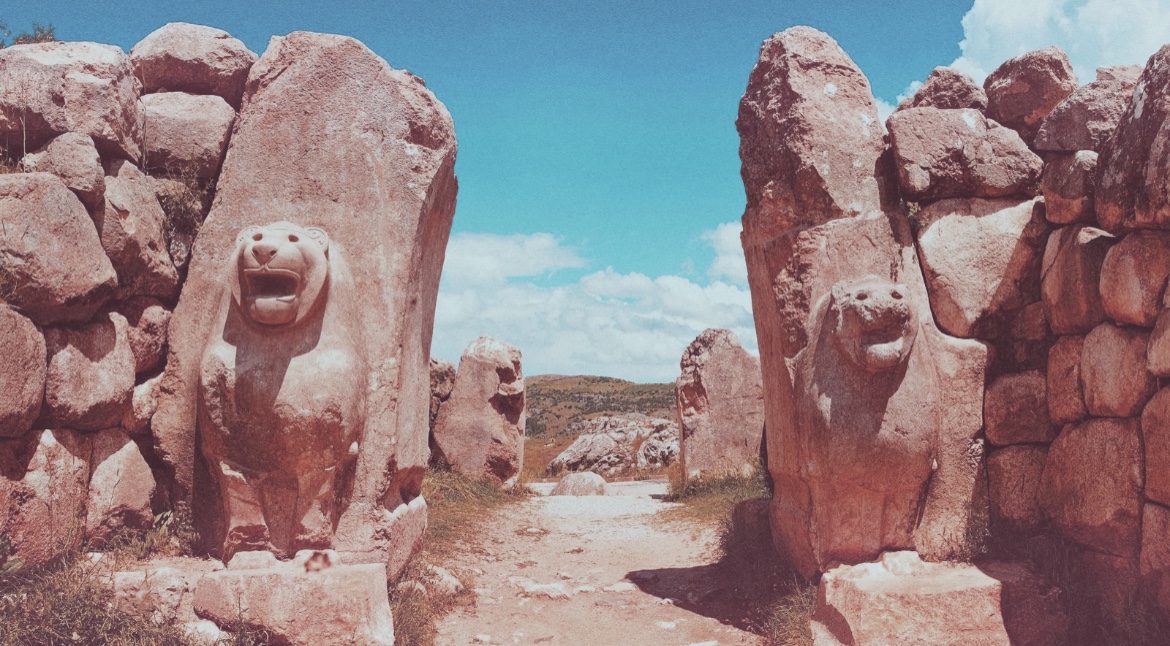
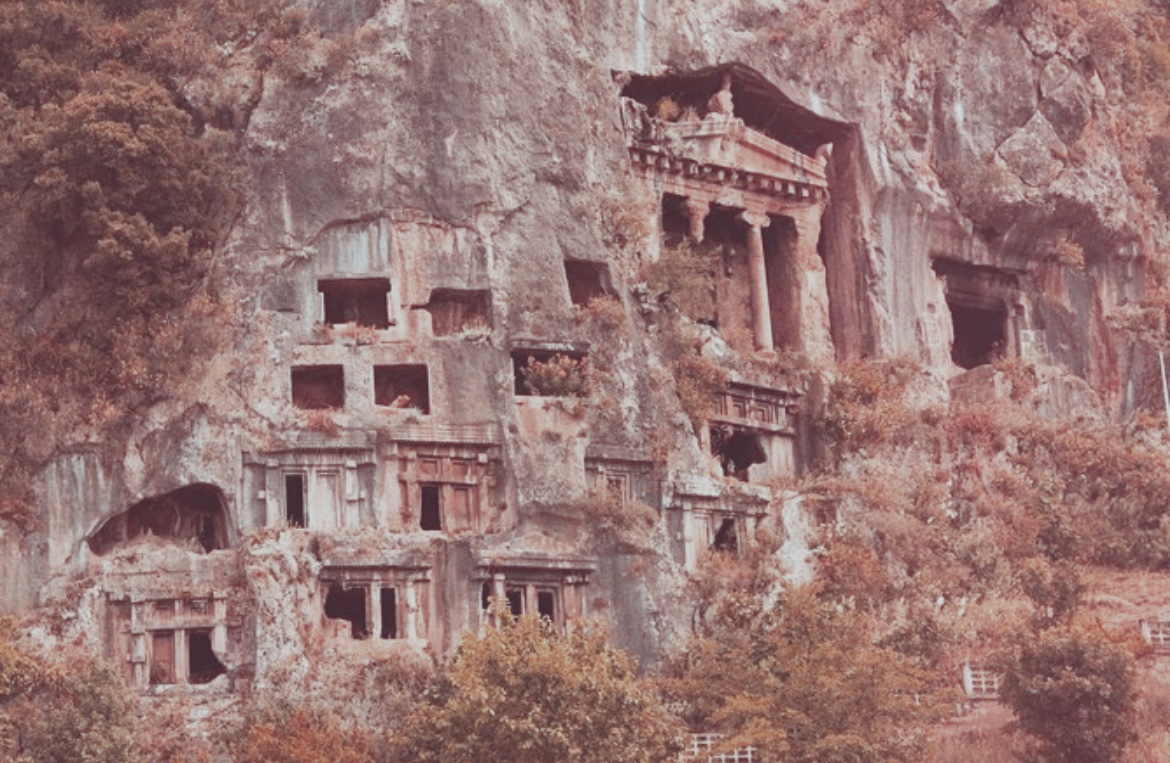
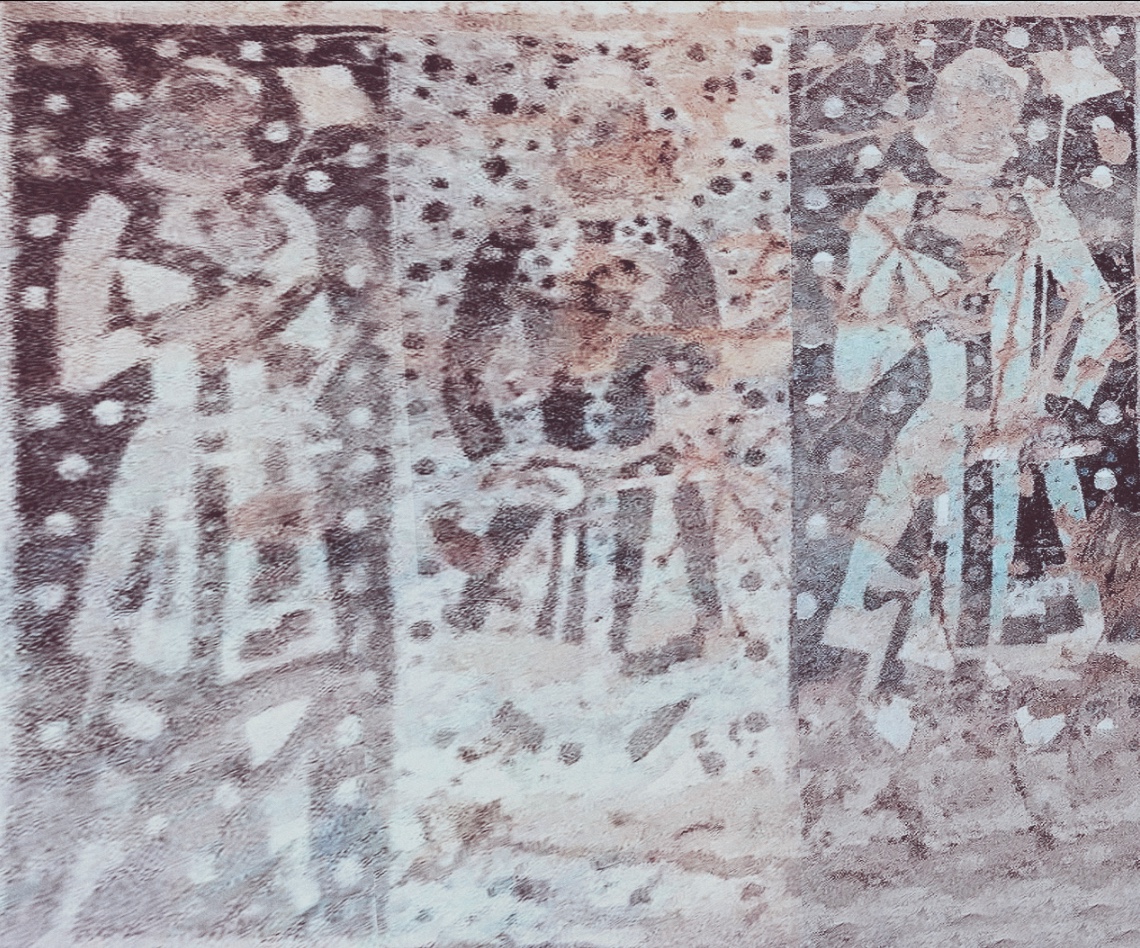
And now we know how Sardinia got its quirky subversive vibes!
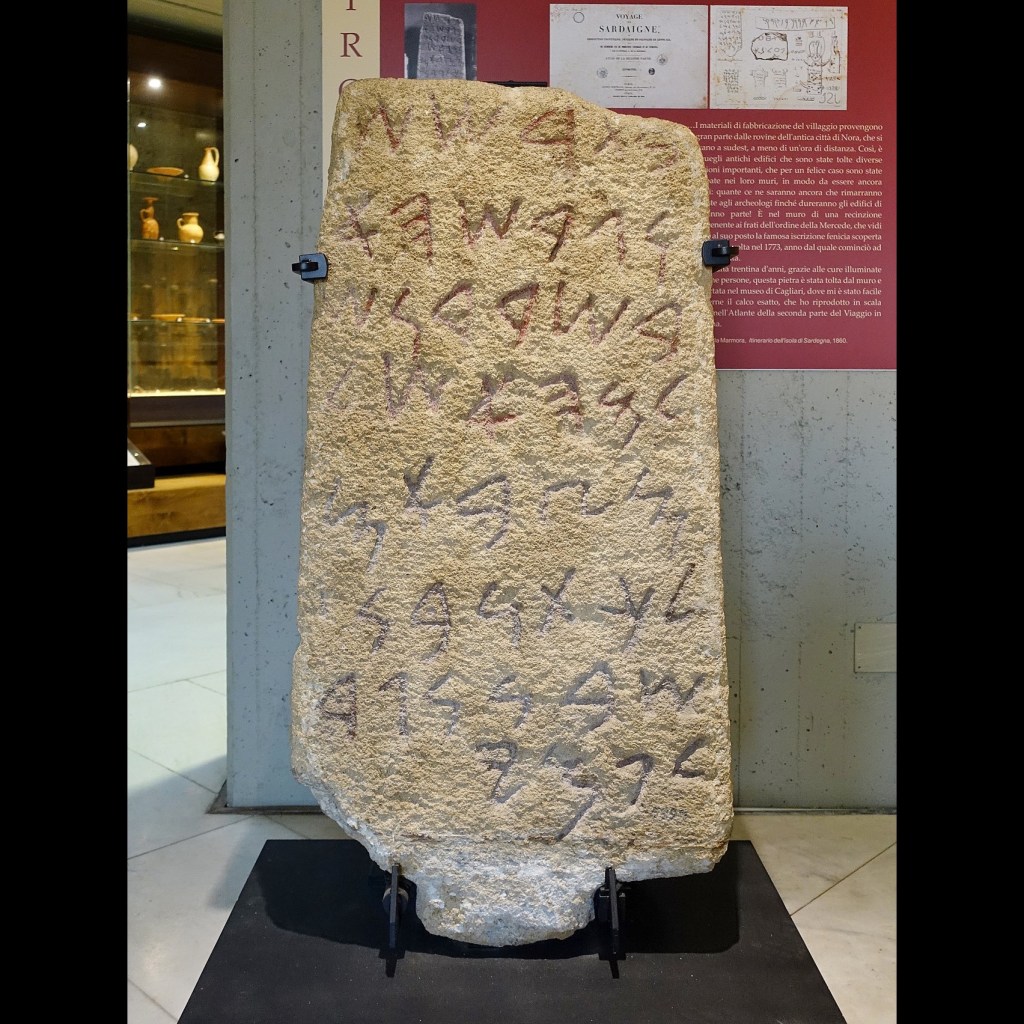
Sardinia would then be settled by Phoenician traders from the 9th or 8th century BC, who adopted the name Šardana, as testified on the Nora Stone. Proto-Sardinia was a place of much prosperity. The adventurous Phoenicians established the trading post of Karaly / 🏛 Caralis / 🇮🇹 Cagliari / 🧙♀️ Casteddu, now the capital of Sardinia.
The Greeks attempted to colonise the island in the early 6th century BC but were defeated by the Phoenicians. Carthage undertook conquest of the island from the late 6th century BC, driving Proto-Sardinians, with whom settlers had previously co-dwelled peacefully, into the mountains. Sardinia would become a Roman province in 238 BC, linked by jurisdiction to neighbouring island Corsica in 227 BC. Sardinia was understood explicitly as conquered territory by the Romans, over Proto-Sardinian tribal brigandage and Carthaginian rebellion. The remaining mountain tribes would come to stage insurrections that were firmly crushed by the Romans in the 2nd century BC. The Romans would hold Sardinia for about 700 years.
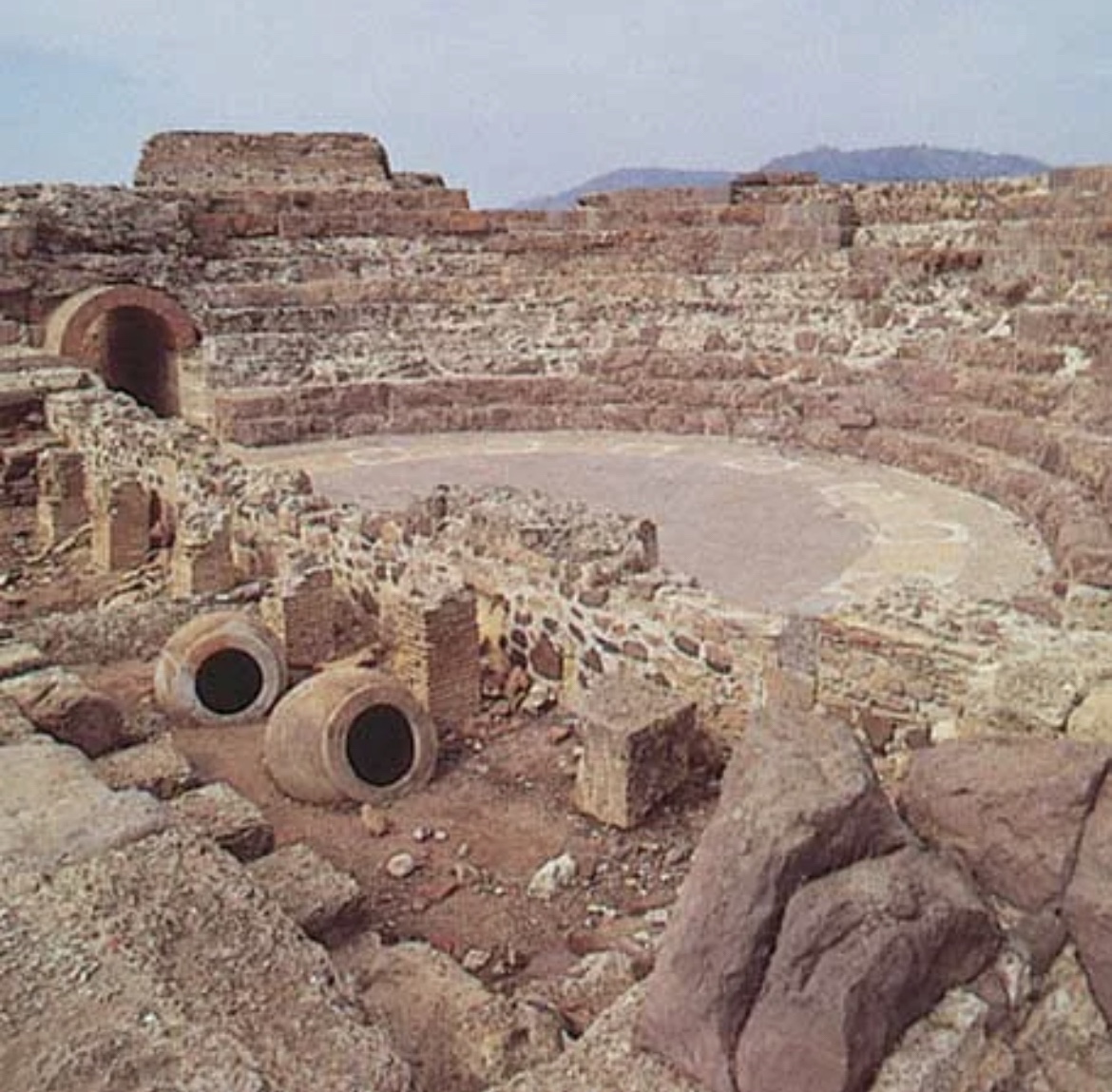
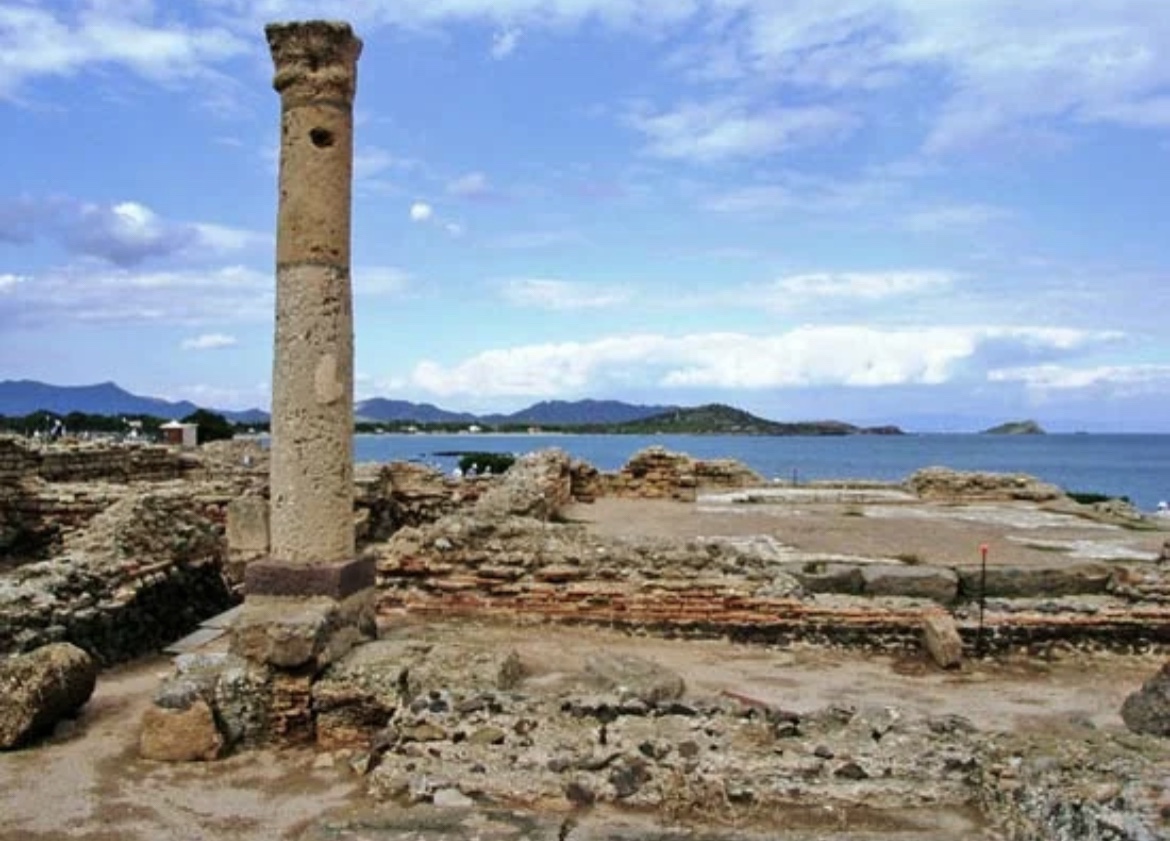
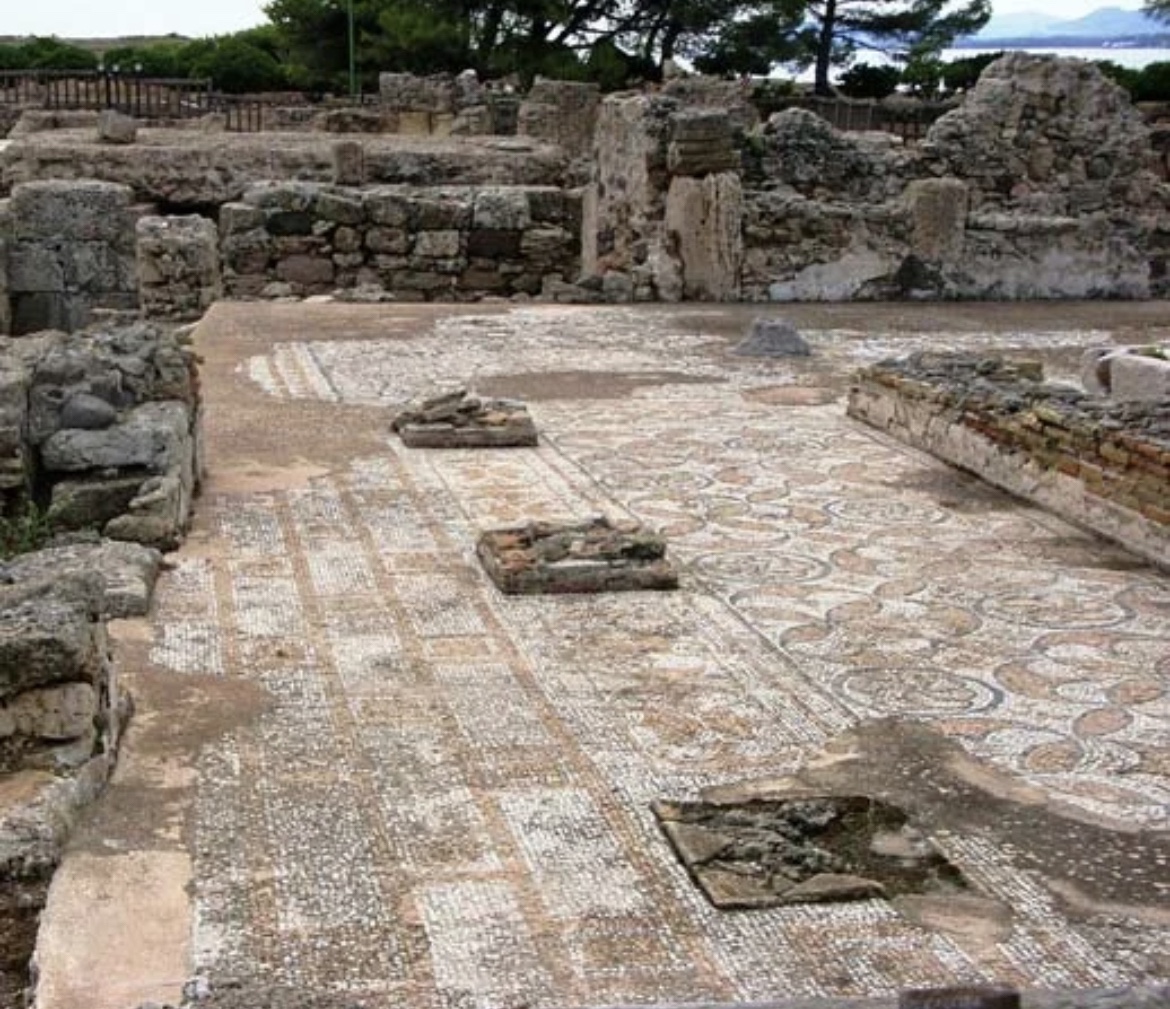
Little is known about Sardinia under the Roman Empire. It seems that the Romans consciously made the choice to leave it aside somewhat, not really wanting to disturb unnecessarily the feisty indigenous tribes —the mountainous interior of the island termed Barbaria “Barbarian land” by the Romans— with their already subversively rich culture, contented ultimately simply to have it under their rule. It was known, nonetheless, for its role as a granary and for the prevalence of banditry there. It was often used as a place of exile.
Sardinia was not an insignificant province as you might assume from its isolation. It became an important source of grain for the capital under Roman rule, which lasted 694 years. Latin of course came to be the dominant language. Roman culture, however, was slower to take hold in Sardinia than elsewhere. Meanwhile, Roman rule was often contested by Sardinian tribes from the mountainous regions, and it took many years for the Romans to pacify them. The obstacle of tribal resistance meant that Sardinian Romans had to become extra-disciplined about maintaining their culture. In time they would become in their very souls the pinnacular Romans, adopting a counterbalancing, sobering, dark, subversive flip-side or vibe from the tribal Sardinians – whom the Romans were secretly obsessed with. The Romans otherwise set Sardinian culture up as a source of ironically subversive solace and refuge, and modern Sardinian culture is now noteworthy for the sense of refined ease it propagates.
The East Germanic Vandals occupied Sardinia in the 5th century AD, having destroyed the Roman fleet charged to defend the territory. It was then recovered by the Byzantines of the Eastern Roman Empire the following century. Christianity would come to supplant the Paganism that had survived in the culturally conservative hinterlands into the early Middle Ages. Yet the Byzantines were accused of misgovernment over Sardinia; it is unknown at which date Sardinia separated from the Byzantine Empire.
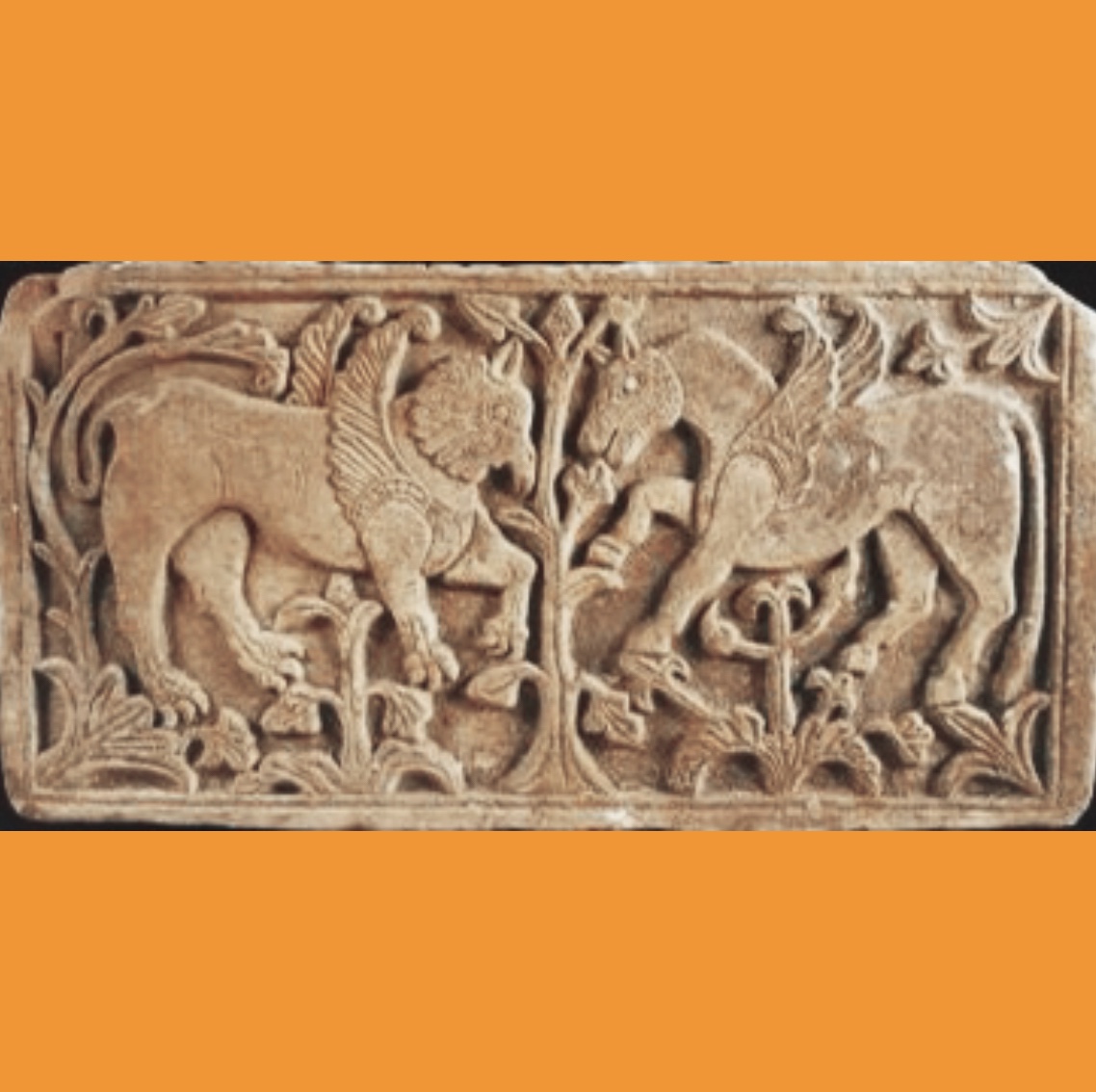
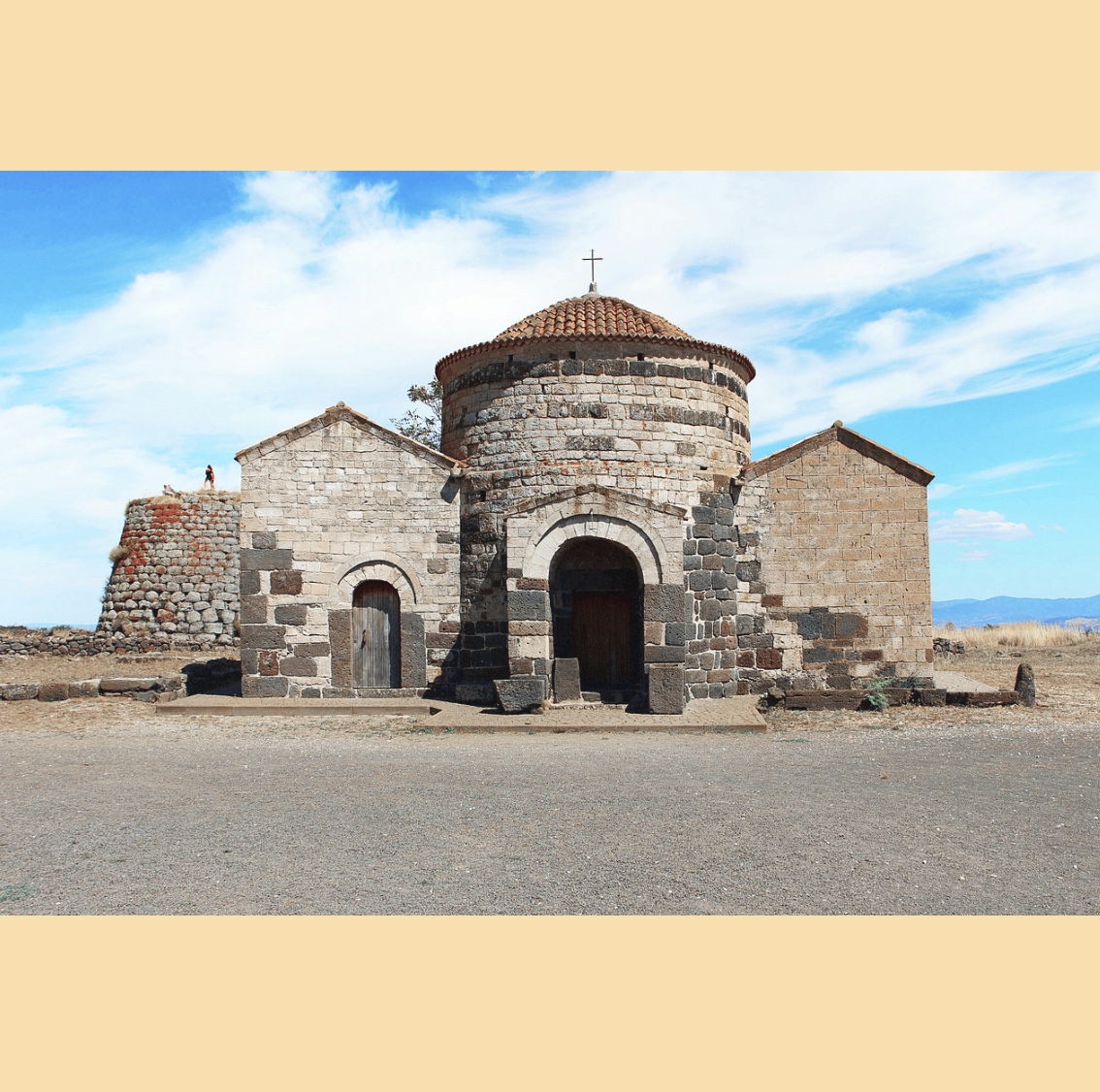
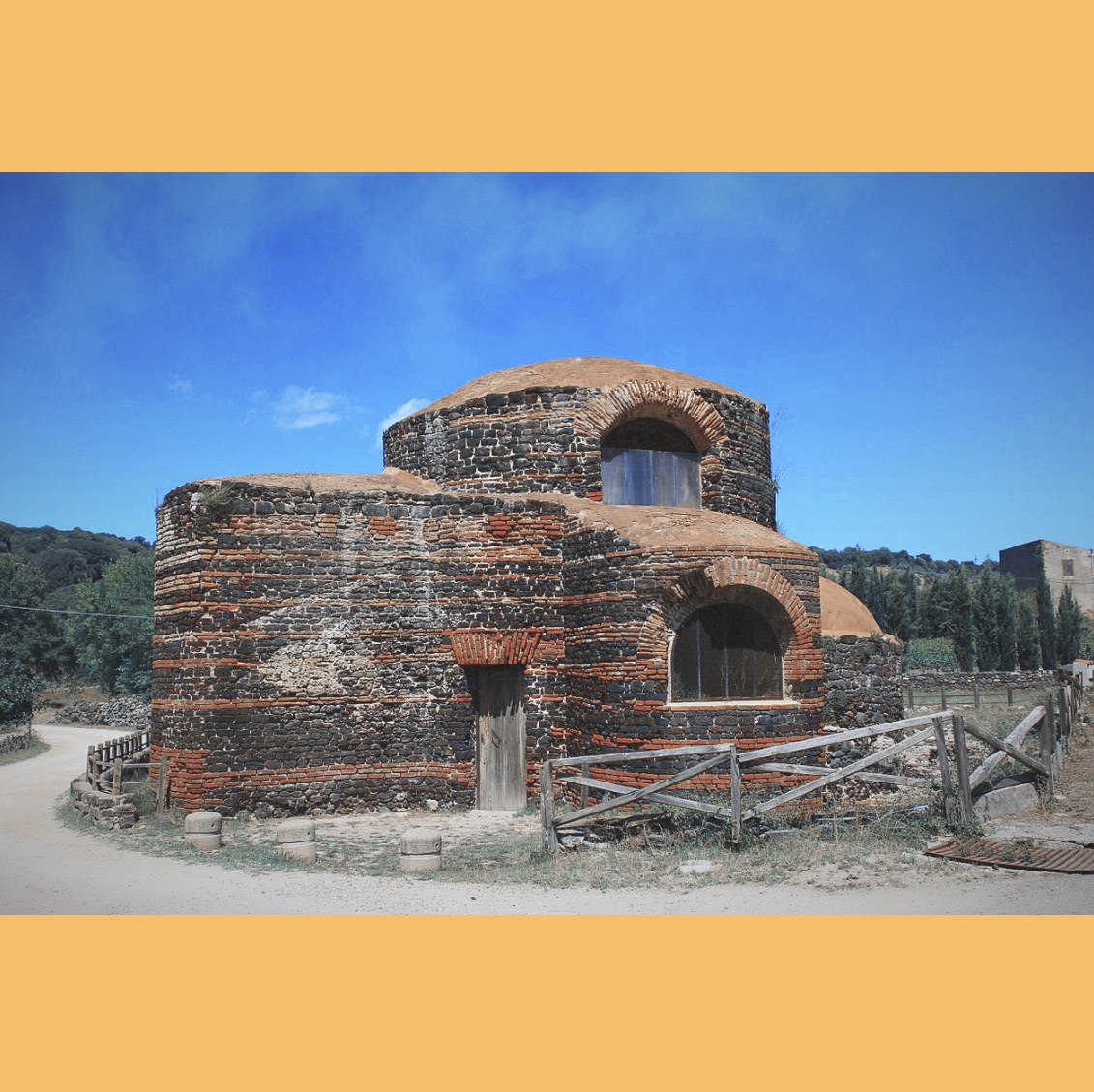
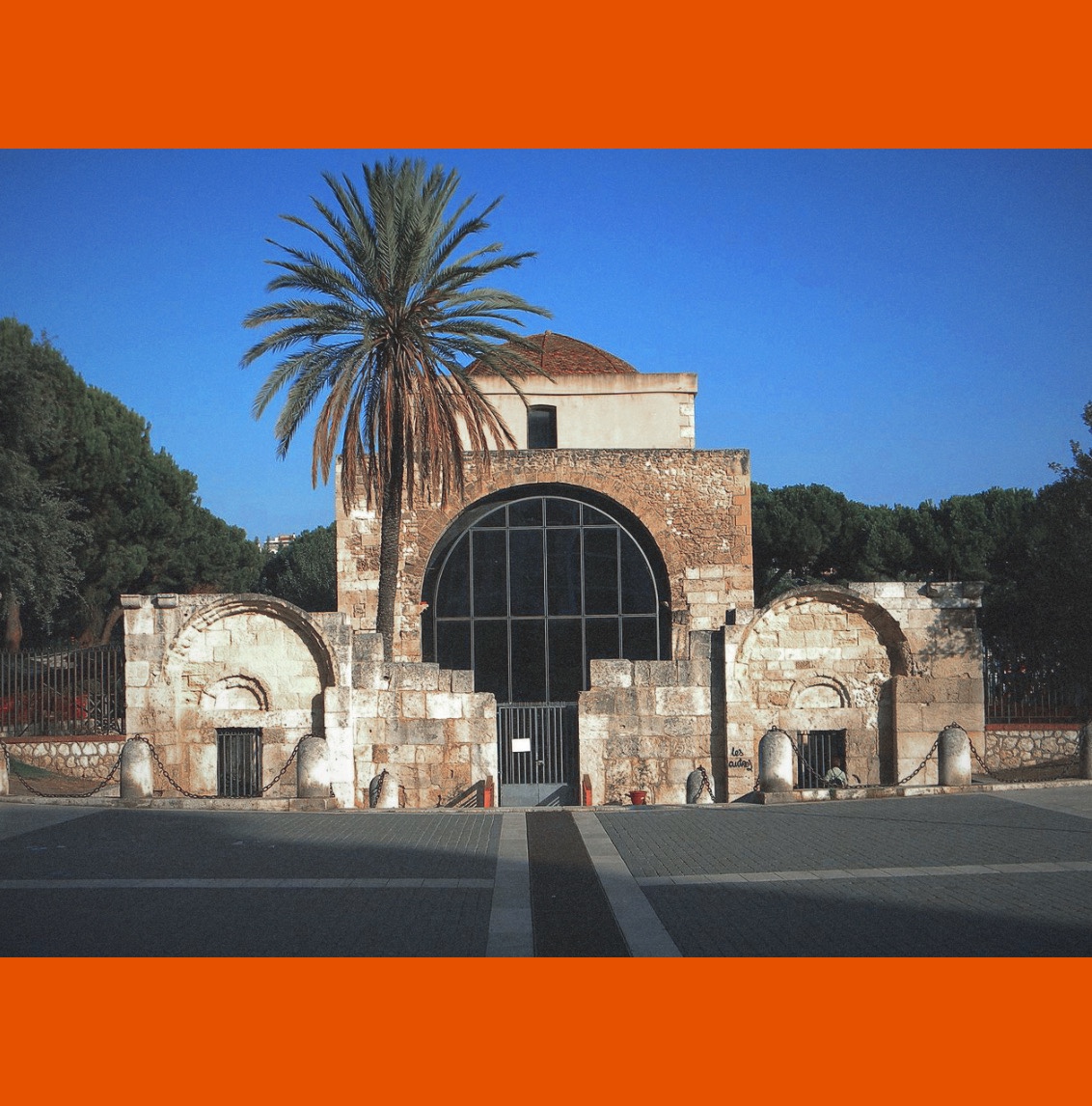
Disenfranchised from the Byzantines, the Sardinians had to learn how to fend for themselves, particularly against Arab raids from North Africa. They formed a system of self-rule, dividing the land into four kingdoms or Judicates / 🧙♀️ judicadus, logus, rennus / 🏛 judicati / 🇮🇹 regni/giudicati sardi. The navies of the Italian maritime republics of Pisa and Genoa would liberate the island from Arab incursion in the early 11th century. The strategic attempts of Pisa and Genoa to assert control over the four indigenous kingdoms / judgedoms / giudicati of Cagliari / Càlaris / Càralis, Arborea / Arbaree, Torres / Logoduro, and Gallura, further complicated questions of Sardinian sovereignty while paradoxically strengthening their indigenous Sardinian identity. The Sardinians perversely relished being competed for, deriving great warmth in their souls from their own strategic import in the advancement of foreign powers. The region was also opened up to monastic immigration and sovereignty was claimed over the island by the papacy, in the background.


All efforts would be undermined and the indigenous Sardinian buzz flattened somewhat by the Crown of Aragon from Iberia, who successfully established control over the island as the Kingdom of Sardinia / 🧙♀️ Rennu de Sardigna in the 14th century.

Iberian rule of Sardinia would endure until the island was released from the since unified Spanish monarchy, to become part of the Alpine House of Savoy / 🇮🇹 Casa Savoia in 1718. It was conceded as a treatied gesture by the Habsburgs unto Victor Amadeus II of Savoy in exchange for Sicily, forming the kingdom of Piedmont-Sardinia of the House of Savoy – the seat of Savoyard power remaining in Piedmont. The 1847 act of the Perfect Fusion / Fusione Perfetta abolished administrative differences between the Savoyard Mainland states of Savoy and Piedmont and the island of Sardinia, under Charles Albert. It was through the lens of this potent vision that his son Victor Emmanuel II of Savoy would see himself declared King of a unified Italian peninsula. Sardinia went on to become a somewhat forgotten region, but the Kings of Sardinia once technically ruled Italy.

Through all this, the Sardinians have managed to keep alive their quirky native language, Sardinian or Sard, a Romance language estimated to be spoken by upwards of 1,000,000 people. It is known natively as sardu [ˈsaɾdu] / sadru [ˈsadɾu] / limba sarda [ˈlimba ˈzaɾda] / lìngua sarda [ˈliŋɡwa ˈzaɾda]. Also spoken in Sardinia are Italian (obviously) and the minority languages Catalan, Corsican and Ligurian. Algherese Catalan / alguerés was originally brought by Spanish colonists in the 14th century and is still spoken in Alghero / L’Alguer. Two Corsican dialects, Sassarese / sassaresu / turritanu / tataresu & Gallurese / gadduresu, are spoken in the northern extremities of the island, directly south of Corsica. Then there is Tabarchino Ligurian/Genoese / tabarchin, still spoken on two small islands to the southwest of Sardinia, San Pietro and Sant’Antioco.
Sa Sardìgna est ispetziale. Why? The Sardinian Romans were the pinnacular Romans. But Sardinian is also the Language of Specialty. Indeed, it is believed to be the closest Romance language to their common ancestor Latin, making for a close call with Italian itself. Other influences, nonetheless, have come from Nuragic/Paleo-Sardinian, Punic/Phoenicio-Punic/Carthaginian, Byzantine Greek, Catalan, Spanish, and Italian. It is understood that these influences are divided between a Pre-Latin substratum, mostly Nuragic with some Punic, and a superstratum of the others.
Sardinian is divided into three forms: Logudorese / sardu logudoresu, Nuorese of Nuoro / Nùgoro, and Campidanese / sardu campidanesu. Logudoresu and campidanesu have their own orthography and written standards. The dialects of Sardinian differ quite considerably in phonetics, but not to the extent that it affects mutual intelligibility.
Words in Sardinian || sardu, saldu, Logudorese || sardu, sadru, Campidanese:
- Welcome || Ennidos || Bèni benìu (sg), Bèni benìus (pl)
- Hello || Bone die || Saludi
- How are you? || Coment’istas? (sg), Coment’istades? (pl) || Cumènti stàis?
- Reply to ‘How are you?’ || Ene, e tue? (sg), Ene, e bois? (pl) || Stèu bèni, grazie. E tùi?
- What’s your name? || Comment ti jamas? || Cumènti ti tzèrrias?
- My name is… || (Eu so)… || Mi tzèrriu…
- Where are you from? || De inne ses? || De aùndi bènis?
- Good day || Bon jiorno || Bòna di
- Do you speak Sardinian? || A lu faèddas su Sardu? / Su Sardu a lu faèddas? ||Chistionas sardu?
- // Totu sos èsseres umanos naschint lìberos e eguales in dinnidade e in deretos. Issos tenent sa resone e sa cussèntzia e depent operare s’unu cun s’àteru cun ispìritu de fraternidade. Tutti gli esseri umani nascono liberi ed eguali in dignità e diritti. Essi sono dotati di ragione e di coscienza e devono agire gli uni verso gli altri in spirito di fratellanza. All human beings are born free and equal in dignity and rights. They are endowed with reason and conscience and should act towards one another in a spirit of brotherhood.
- tzirighelta lucertola lizard
- tziribricu cavalletta grasshopper
- tzintzigorru lumaca snail
- unu, duos/duas, tres, bàtoro, chimbe, ses, sete, oto, noe, deghe one, two, three, four, five, six, seven, eight, nine, ten
- mùvara (Sardinian/Corsican Pre-Roman) muflone mufflon sheep
- mitza (Phoenician) sorgente spring
- tsippiri (Phoenician) rosmarino rosemary
- becciu (from Pisa and Genoa) vecchio old
- diaderu (Pisa/Genoa) davvero really
- cullèra (Catalan) cucchiaio spoon
- domu (Latin) casa house
- cras (Latin) domani tomorrow
- sciri (Latin) sapere knowledge
- mannu (Latin magnus) grande large
Sardinian is currently considered a distinct linguistic group among the Romance languages. The details of the classifications of the relationships within the Romance family I am yet to verify, and I preliminarily ascertain Sardinian rather to be a _Western Romance_ language. Within a proposed Western Romance grouping, meanwhile, which includes all other Romance languages but Romanian & Eastern, Sardinian is surely isolated, as expected. Either Romanian sits isolated as Eastern Romance, distinct from Western Romance, or Sardinian does as Island Romance, separate from Continental Romance. What do you think?
SARDINIAN: Totu sos èsseres umanos naschint lìberos e eguales in dinnidade e in deretos. Issos tenent sa resone e sa cussèntzia e depent operare s’unu cun s’àteru cun ispìritu de fraternidade.
VULGAR LATIN: Omne homnes nascuntu liberi e pares dignitat e jure, sunt da rationis e conscientiae, e agendu inter spiritu de fraternitat.
CLASSICAL LATIN: Omnes homines dignitate et iure liberi et pares nascuntur, rationis et conscientiae participes sunt, quibus inter se concordiae studio est agendum.
ITALIAN: Tutti gli esseri umani nascono liberi ed eguali in dignità e diritti. Essi sono dotati di ragione e di coscienza e devono agire gli uni verso gli altri in spirito di fratellanza.
ROMANIAN: Toate ființele umane se nasc libere și egale în demnitate și în drepturi. Ele sunt înzestrate cu rațiune și conștiință și trebuie să se comporte unele față de altele în spiritul fraternității.







 The Buzz-Concept Project