Continued from part 1.

So, those are my thoughts on the classification of Venetian within the Romance languages. The link between “innovative Romance” and “classically inclined” is of course too tenuous to pursue, so I would otherwise group them as above.
Venetian is really a dialect of a wider Veneto language native to the region of Veneto/Venetia. Venice is the capital of this region, and historically the capital of the Republic of Venice / 🇮🇹 Repubblica di Venezia / 🦁 Repùblega de Venèsia which existed for over a millennium from 697-1797. The Republic of Venice was an extremely powerful maritime state that exercised a huge amount of influence until it fell in 1797. It is difficult now to separate many aspects of the Venetian heritage from general Italian heritage, but its legacy remains with us very resonantly in the Western imagination, thanks to all that it has inspired in the arts and literature. The romanticism of Venice is a foremost compelling force in the world, it is fair to say, and the city is one of the world’s oldest tourist and cultural centres.
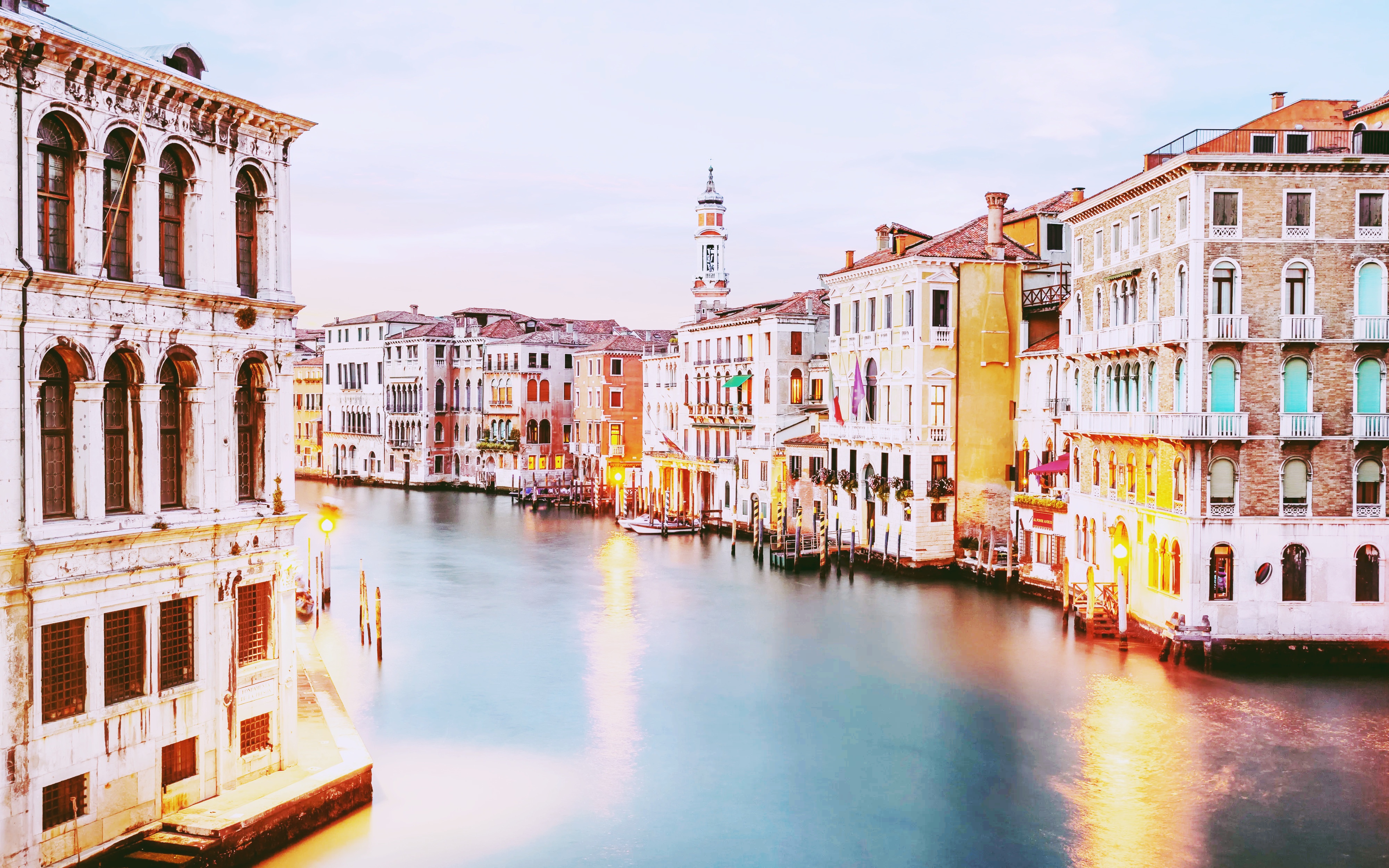
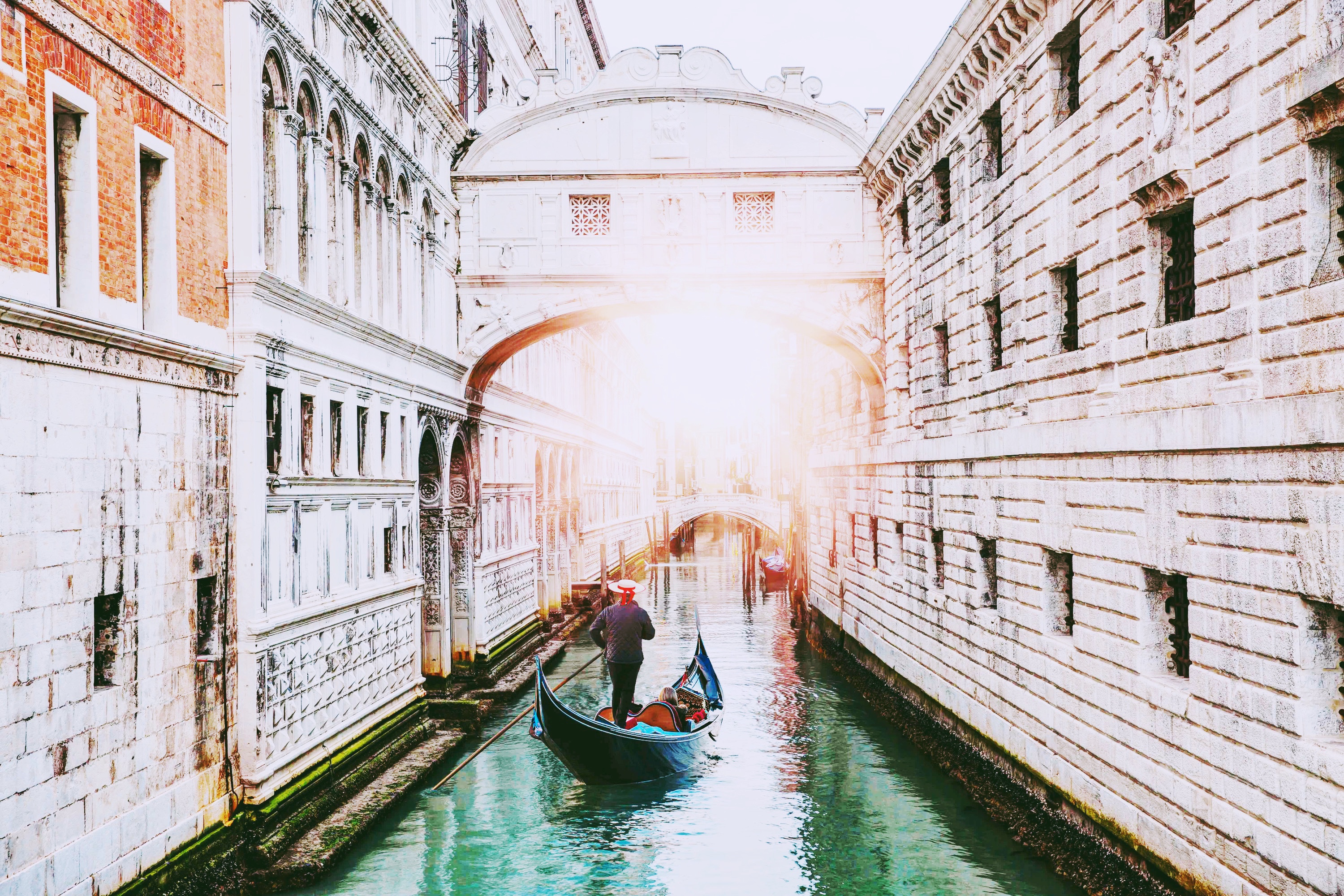
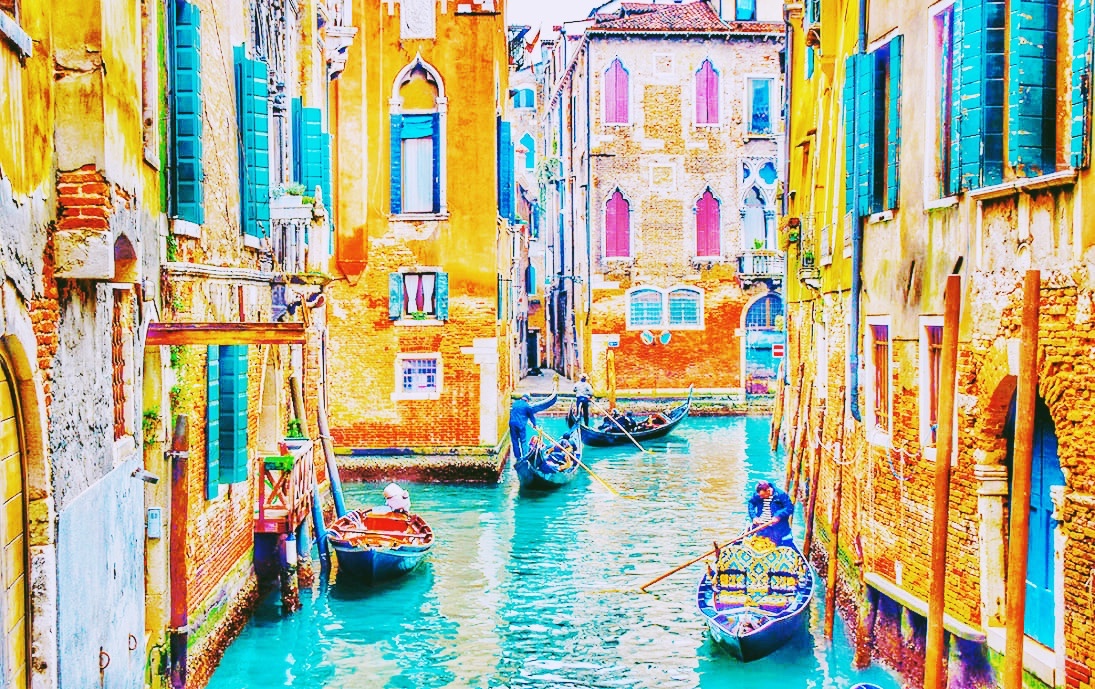
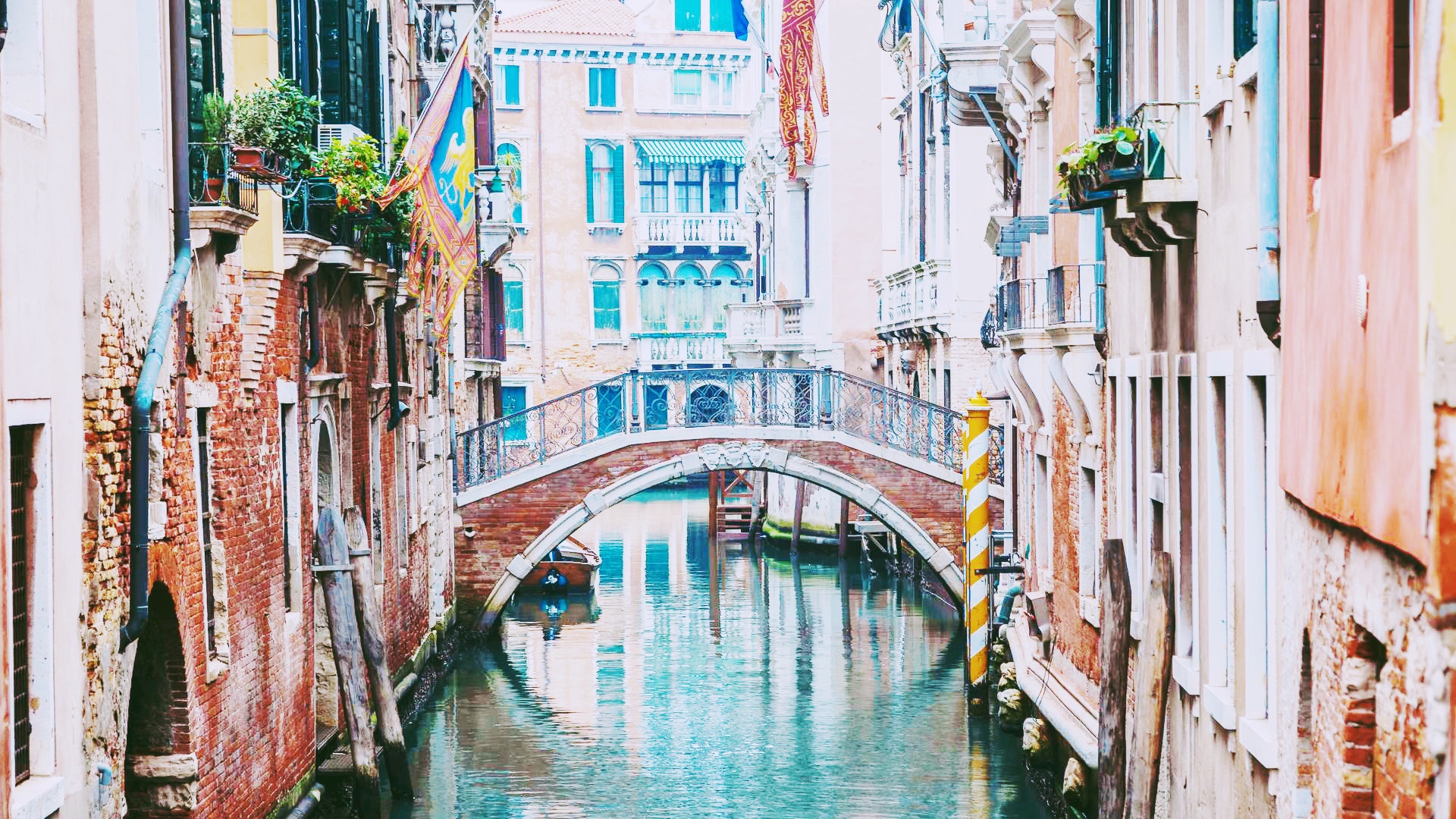
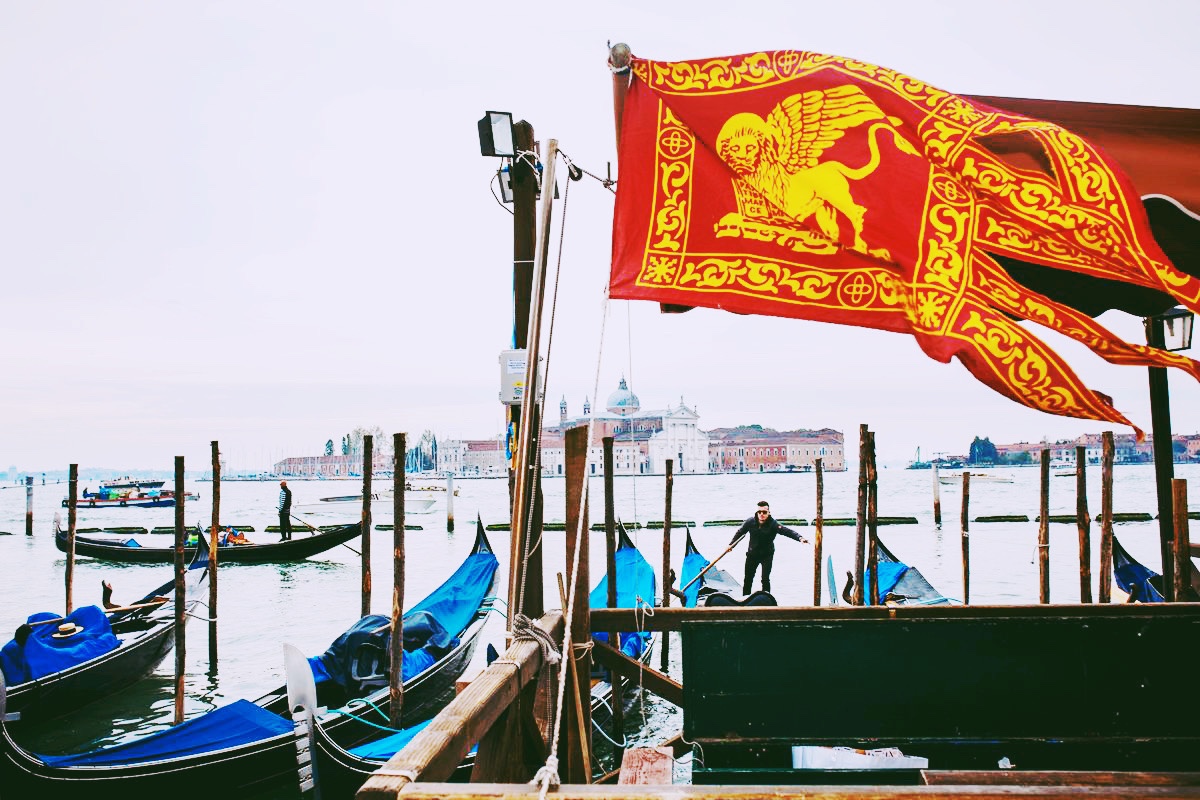
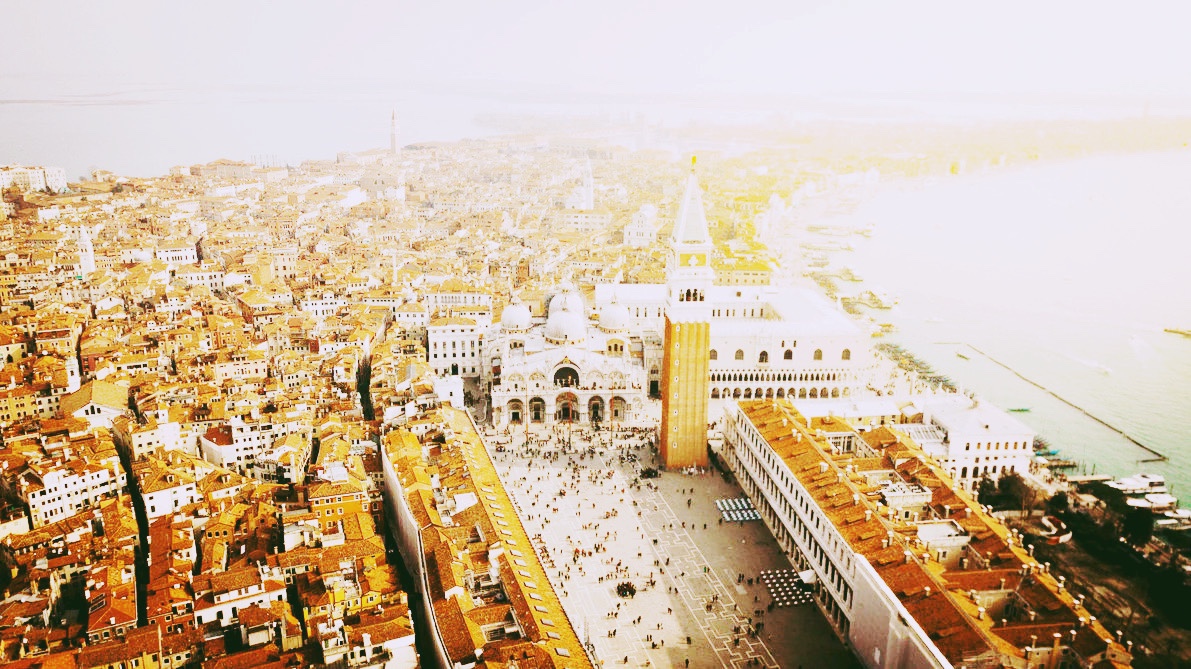
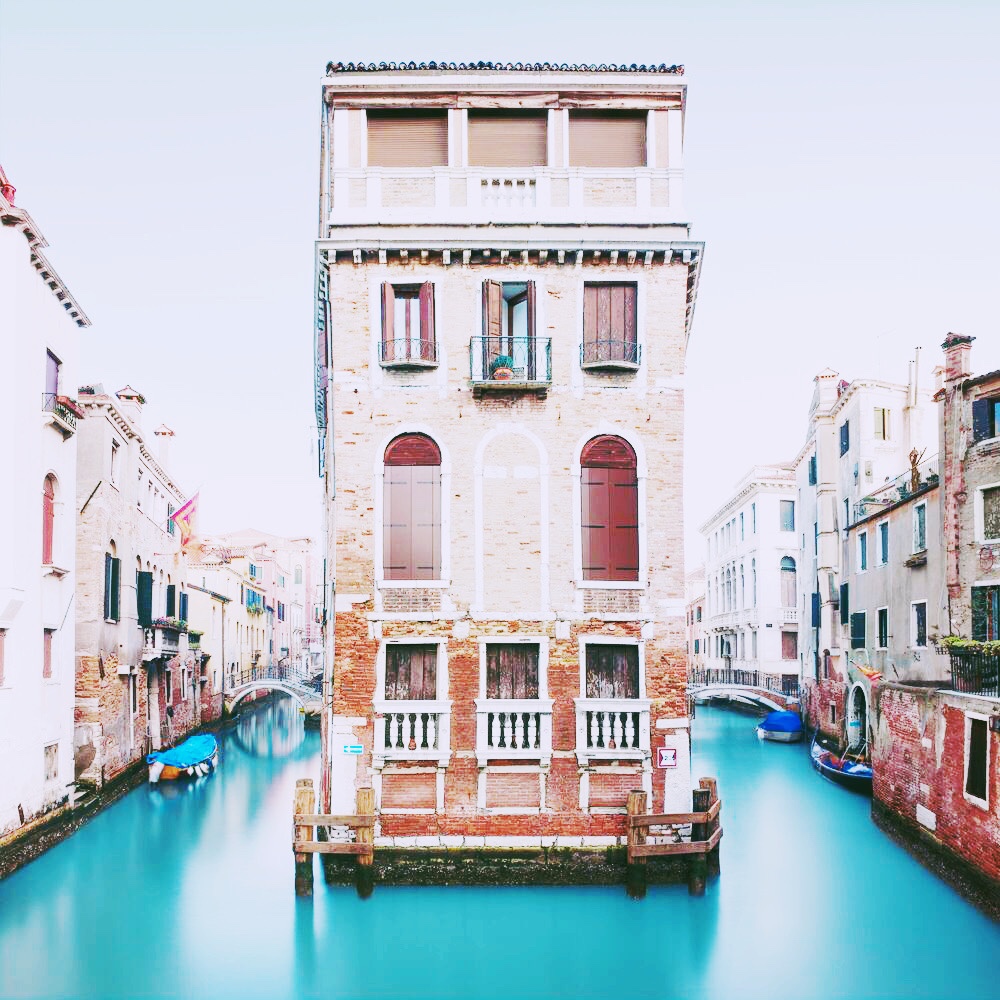
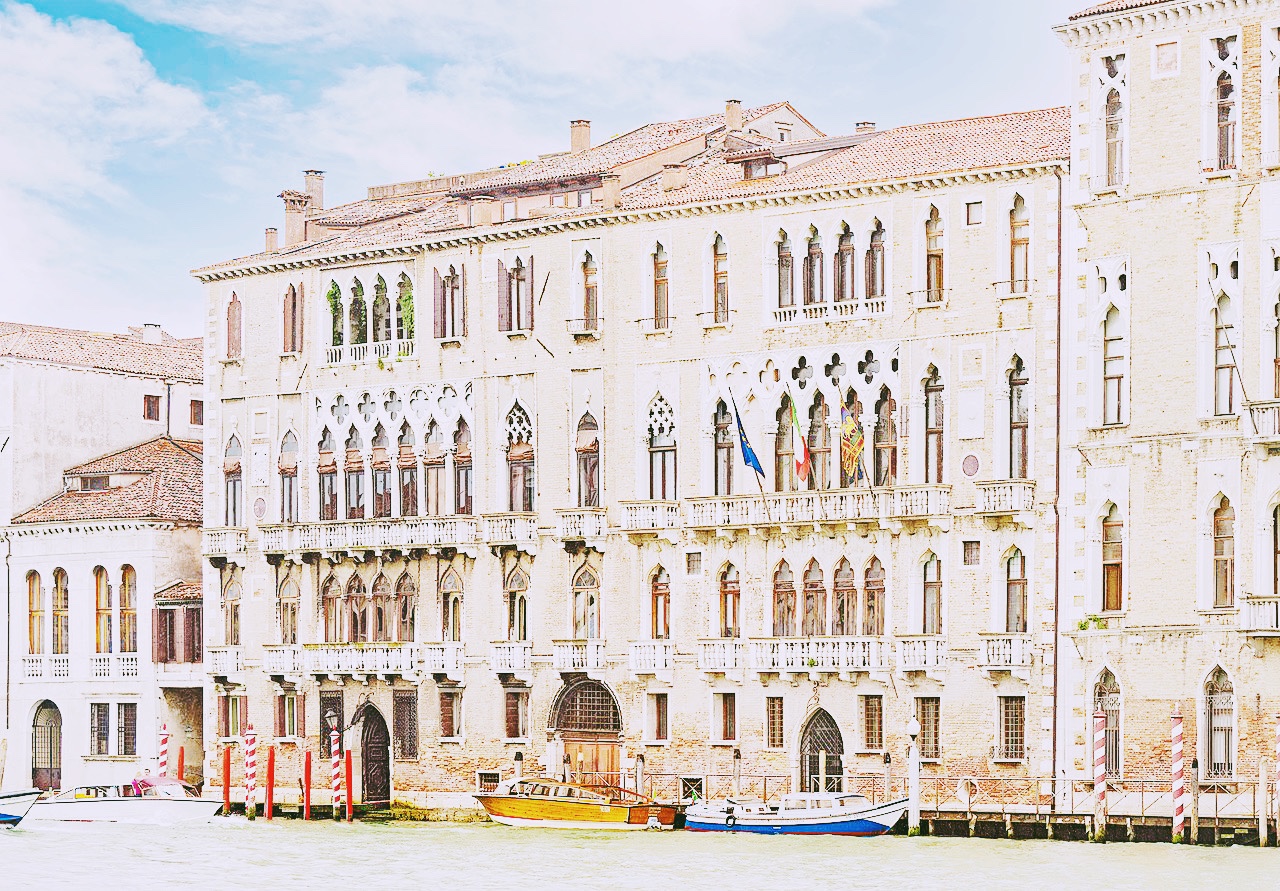
Historically, Italy was divided into various different states following the fall of Rome. The states were only unified as the nation of Italy in the 19th century. The Republic of Venice was one such state until 1797. Indeed, historic Venetians were different to other Italians. They had their own distinct culture and language. They had their own special type of trademark cultural splendour, characteristically subversive and playful. Although, jocose though they were, and gloriously diverting as Venetian society was, this had no impact on the substance of their legacy and power.


On the flip-side, Venetians were obsessed with maps and travel. The spirit of travel was always close to their hearts, illustrated by the exploits of the Polo family. Marco Polo, of an extremely wealthy Venetian family, chronicled their lucrative collective travels through Asia in the 13th century and got the imaginations of Venetian travellers going. His undertakings also stimulated the sale and circulation of maps. Venice became an important centre of the map trade during the European age of exploration. Their obsession with the map trade helped drive maritime exploration, assisting them in establishing a new international trading economy. Maps held an important place in daily life in early modern Venice. By the 10th century, Venice was commanding the largest merchant fleet in Europe, and since accurate charts were needed for trading and shipping, the production of cartography became a key endeavour -technical, scientific and artistic- during the Renaissance. Maps even became status symbols in Venice, beyond bringing much wealth to the city, presented as bound in vellum or leather as composite atlases, or as woodcut or copper plates. Venetians lived to trade, and had an innate understanding of the potential of maritime travel. They also understood the power of human thought, that cognitive connections lead to more connections which might then lead to a major realisation. Everyone in Venice lived proactively and they all had ties to trade. The state encouraged everyone to engage in production, trade, innovation, and new technology. It even actively sponsored industrial espionage. Branching beyond galleys, glass, silk and spices, Venice had cornered the printing market within half a century of the development of printing in Europe in the 15th century. Appetite for printed material in Europe grew, in time encompassing not only books but also maps. The Venetian regard for cartography made for a stunning parallel with their maritime and economic prowess, perfectly exemplifying their pursuit of excellence. The cartographical revolution of Venice is a fascinating phenomenon that is testament to their importance.
The Venetian region had once served as a frontier between East and West. In the time of Charlemagne, when Roman rule was divided between Charlemagne’s Holy Roman West and the Byzantine East, the lagoons of Venice aligned themselves with neither. In the medieval period, the postal service provided by Venetian galleys constituted the only means of communication between the courts of Germany and Constantinople.
Originally, the name of Venice is derived from the ancient Veneti people who inhabited the region by the 10th century BC. It is agreed that the original population of the settlement of Venice consisted of refugees from nearby Roman cities such as Padua, Aquileia, Treviso, Altino and Concordia, as well as from the undefended countryside. The refugees were fleeing Germanic invasions, which had devastated northern Italy from the fall of the Western Roman Empire in the 5th century. Some late Roman sources reveal the existence of fishermen dwelling on the islands of the marshy lagoons who were likely previous inhabitants. There is also documentation of “apostolic families”, the twelve founding families of Venice who supposedly elected the first doge (from Latin dux “leader”, Italian duca) and mostly trace their lineage back to Roman families. Uniquely among Italy’s main cities, Venice came into existence after the fall of Western Rome. The cultural sphere of Venice was thus set up as an alternative option, offering refuge from Germanic invasion and a new perspective on Romance heritage.
Venice rose to become the greatest seaport in late medieval Europe, and the continent’s commercial and cultural link to Asia. Vied for by Charlemagne and the Byzantines, Venetians learnt early on the importance of strategy and became increasingly autonomous. Political masterminds additionally, they would nonetheless remain closely associated with Constantinople, and were even granted trading privileges in the Eastern Roman Empire. The rise of Venice would coincide with the decline of Byzantium. From the 9th to the 12th century, Venice developed into a powerful maritime empire, an Italian thalassocracy / ‘sea power’ / repubblica marinara alongside Genoa, Pisa and Amalfi. By the late 13th century it was the most prosperous city in Europe. Its decline would begin in the 15th century, culminating in its fall in 1797 a few years prior to the Napoleonic Wars. After Napoleon’s invasion and the Napoleonic Wars, the Republic of Venice would be annexed unto Austria until joining the unified Kingdom of Italy in 1866.
The importance of the historical power of Venice is undeniably weighty. It cannot be ignored. Antithetical, therefore, is their playful take on Romance culture. Venice is arguably the world’s most beautiful city, even though there is a sardonic dimension to its cultural offerings. Abhorred by conventional extravagance, historic Venetians instead worked with what I have called in the title of these posts el scuarso scherçoxo (“playful/jocose pomp/magnificence”). El móndo vèneto, e el scuarso scherçóxo = “The Venetian world, and playful pomp”.

The four layers of Venetian / Vèneto:
- 1) passion
- 2) satisfaction
- 3) #V
- 4) playfulness


Words in Venetian:
- gaiety vivàda; happiness morbinéso, feliçità, contentésa, bonténp; joy zòja, legrìa, legrésa
- spassizar passeggiare to stroll
- el tiramisù tiramisù; cuxìna veneta Venetian cuisine
- xontàr giuntare, aggiungere to join, to add
- lùni lunedì Monday; màrti martedì Tuesday; mèrcore mercoledì Wednesday; zòbia giovedì Thursday; vènare venerdì Friday; sàbo sabato Saturday; doménega domenica Sunday
- maturlàn mattacchione, scherzoso joker; playful, facetious
- finézza raffinatezza refinement
- Tuti i eseri umani xe nati liberi e conpagni par dignità e diriti. I xe dotai de raxon e de cosiensa e i deve conportarse i uni co st’altri c[sic] spirito de fradelana. Tutti gli esseri umani nascono liberi ed eguali in dignità e diritti. Essi sono dotati di ragione e di coscienza e devono agire gli uni verso gli altri in spirito di fratellanza. All human beings are born free and equal in dignity and rights. They are endowed with reason and conscience and should act towards one another in a spirit of brotherhood.
- s’ciavo ciao greeting, contractions of schiavo which means “slave”, expressing loyalty and trust, originally from the Venetian s-ciào, s-ciàvo (from Medieval Latin sclavus, from Medieval Greek Σκλάβος / Sklávos, related to the ethnonym “Slavic”, since most of the slaves came from the Balkans), s-ciào vostro, s-ciào su meaning “(I am) your slave), a way of saying to someone “I’m at your service”. Analogous to Medieval Latin servus, still used as a colloquial greeting in parts of Central & Eastern Europe.
- Marionetta Marionette, “little Maria” – the origins of wooden puppets controlled by strings are in 10th century Venice. Going by a tradition of the time, a dozen couples were to be wed at one large ceremony, but pirates from Trieste captured the brides as they were arriving via corteo acqueo “water parade”. The brides were rescued and saved by the valorous Venetians, who from then on commemorated the event in honour of the Vergine della Serenissima “The Virgin Mary of Venice” (la Serenissima “the Serene”, “the most serene/sublime” being the city’s nickname). Each year, the noblest and richest Venetian families were asked to pay for the dowry of the 12 girls. The girls were called Marie(plural of Maria) and paraded through the city to mark the bravery of Venetian soldiers and the generosity of the Virgin Mary. The nobility, however, became overly eager and desperate to show off, outspending on the dowries. The Republic of Venice decided to substitute le Marie with giant wooden dolls in 1271, concerned the city might be plunged into financial difficulty with aristocrats going bankrupt. The dolls were known as Marione(singular: Mariona, “big Maria”). They were so popular that they came be sold in miniature on the streets as souvenirs, and thus we had the Marionetta.
- bałota, ballotta – in 16th century Venice, golden and silver marbles were used to determine at random the selection of electors in the strict election of the Doge. The concepts of “ballot” and “ballottage” thus derive from the Venetian voting system.
- imbroglio: there is an expression in Italian that goes Fatta la legge, trovato l’inganno (“You issue the law, and they find the loophole”). To subvert the democratic system of the ballotte, Senators would meet in a park near the Palazzo Ducale, the location of the elections, to scheme. The name of the park was Brolio / Broło and became synonyms with corruption, Italianised from “in Brolio” to imbroglio. In English it refers to a complicated, often embarrassing situation (“embroilment”).
- pantaloni: Pantalone is the name of an iconic character of the Commedia dell’Arte, often associated with the Arlecchino. He is a greedy merchant who sports an archetypal get-up, with a money purse around his waist; a black cape and mask; a scarlet jacket, along with tight, ankle-length trousers. The trousers, which were very popular among the Venetian working class in the 16th century, became known as pantaloni after the character.
- gaxeta gazzetta – while at war with the Ottomans in the 16th century, the Venetians thought it a good idea to produce short publications to keep citizens updated, sold very cheaply.
- xugàtolo giocattolo toy
- Benvignùo, benvegnù (sg-m), benvegnesto (sg-m), benvegnùa (sg-f), benvegnesta (sg-f), benvegnùi (pl-m), benvegnesti (pl-m), benvegnùe (pl-f), benvegneste (pl-f)
- Come xeƚa? Come vaƚa? How are you?
- Che nòme gatu? Come ti chiami? What’s your name?
- Bondì buongiorno good morning/afternoon
- Pàrlitu venesian? Parli veneziano? Do you speak Venetian?
- Si, un fià sì, un po’ yes, a little
- va là zo co lu va laggiù con lui go there with him
The Venetian language has the Fourth Layer, which influences culture, of scherçoxità “playfulness”. On the flip-side, Venetian is also known as the illustrious “language of the sea” because of the Republic’s historic maritime exploits and Venice’s location on water. Today, Venexiàn is an exclusive (the Venetians traditionally obsessed with the custom of discretion) language, and historically a prestigious one, yet one with a “human and accommodating” character and a “lilting prosodic” cadence, pronounced with a voice one might use perhaps when talking to a beloved or a small child. Its exclusivity has actually been heightened by mass tourism, becoming an “in-group” badge of identity. These contrasts were deliberately cultivated by the canny Venetians.


 The Buzz-Concept Project