
Continued from part 1 and part 2.
Venetian culture is such a treat ultimately because of their liberating attitudes. Historically, for example, the people of Venice maintained orthodox Roman Catholic views, but the progressive state of Venice regardless took it upon itself to promote religious freedom. Notably, not one person was executed for heresy during the Counter-Reformation period of Catholic resurgence during the 16th and 17th centuries.
Yet the original Venetians, including the historic Venetic people, were pathologically intense. The mainland refugees who first settled Venice were driven in great numbers by incursions of Lombard hordes, beginning in AD 568, into the islands of the lagoon, previously home to earnest itinerant fishermen and salt workers. The intensity of the fishermen and the situation made the refugees desperate for some solace and that is how Venetians derived their humour.
In fact, the Veneti were even the hyper-intense Italic people. The Veneti / Heneti were a pre-Roman Indo-European people who inhabited northeastern Italy, from Veneto to Slovenia. Their extinct language is attested by over 300 short inscriptions dating from the 6th to the 1st century BC. One of the principal sources of knowledge on the Venetic language consists of inscriptions dedicating offerings to the Venetic goddess Reitia 𐌓𐌄:𐌉:𐌕𐌉:𐌀 [reˑiːtsia]. She has been identified as an almighty goddess of creation, of navigation, of savage beasts, of nature, of healing, of the good and kind, of life, death and childbirth, and even writing, aligned by the Romans with Juno. Venetic has been classified as an Italic language or as a separate Indo-European language by scholars. A 2012 study suggested that Venetic was a relatively conservative language, with significant similarities to Celtic on the basis of morphology, supposedly occupying an intermediate position between Celtic and Italic on the basis of phonology. These similarities may have merely been the result of an areal phenomenon. Phonological parallels with Rhaetian (Tyrsenian) have also been underlined. In 2016, Celtologist Peter Schrijver concluded that Venetic and Italic together combine into one sub-branch of Italo-Celtic, the other branch being Celtic.
Words in Venetic:
- Venetic: Mego donasto śainatei Reitiiai porai Egeotora Aimoi ke louderobos
- Latin (literal): Me donavit sanatrici Reitiae bonae Egetora [pro] Aemo liberis-que
- English: Egetora gave me to Good Reitia the Healer on behalf of Aemus and the children
- Venetic: eik Goltanos doto louderai Kanei
- Latin (literal): hoc Goltanus dedit liberae Cani
- English: Goltanus sacrificed this for the free Kanise
According to Julius Pokorný, the ethnonym Venetī (singular *Venetos) is derived from the Proto Indo-European root *wen- meaning ‘to strive, to wish for, to love’. A bunch of etymologically related words have been identified: Latin venus, -eris ‘love, passion, grace’; Sanskrit vanas- ‘lust, zest’, vani- ‘wish, desire’; Old Irish fine (< Proto-Celtic *venjā) ‘kinship, kinfolk, alliance, tribe, family’; Old Norse vinr, Old Saxon, Old High German wini, Old Frisian, Old English wine ‘friend’.
We can see how Venetian culture nimbly straddles East and West, traditional and progressive, Italy and beyond, Romance and heathen, high culture and authentic idiosyncrasy, and more. All strands were combined and worked together to propel Venice to its status as key power and pre-eminent culture. Venice and its independent spirit were subdued by Napoleonic invasion and Austrian rule. It was ultimately ceded to a united kingdom of Italy in 1866, 5 years after the kingdom was formed. The integration of the Venetian region played a key role in securing the success of a modern unified Italian culture, their tradition of enterprise in particular providing an exceptional model for the rest of the country. Echoes of its modern influence also thus resound.
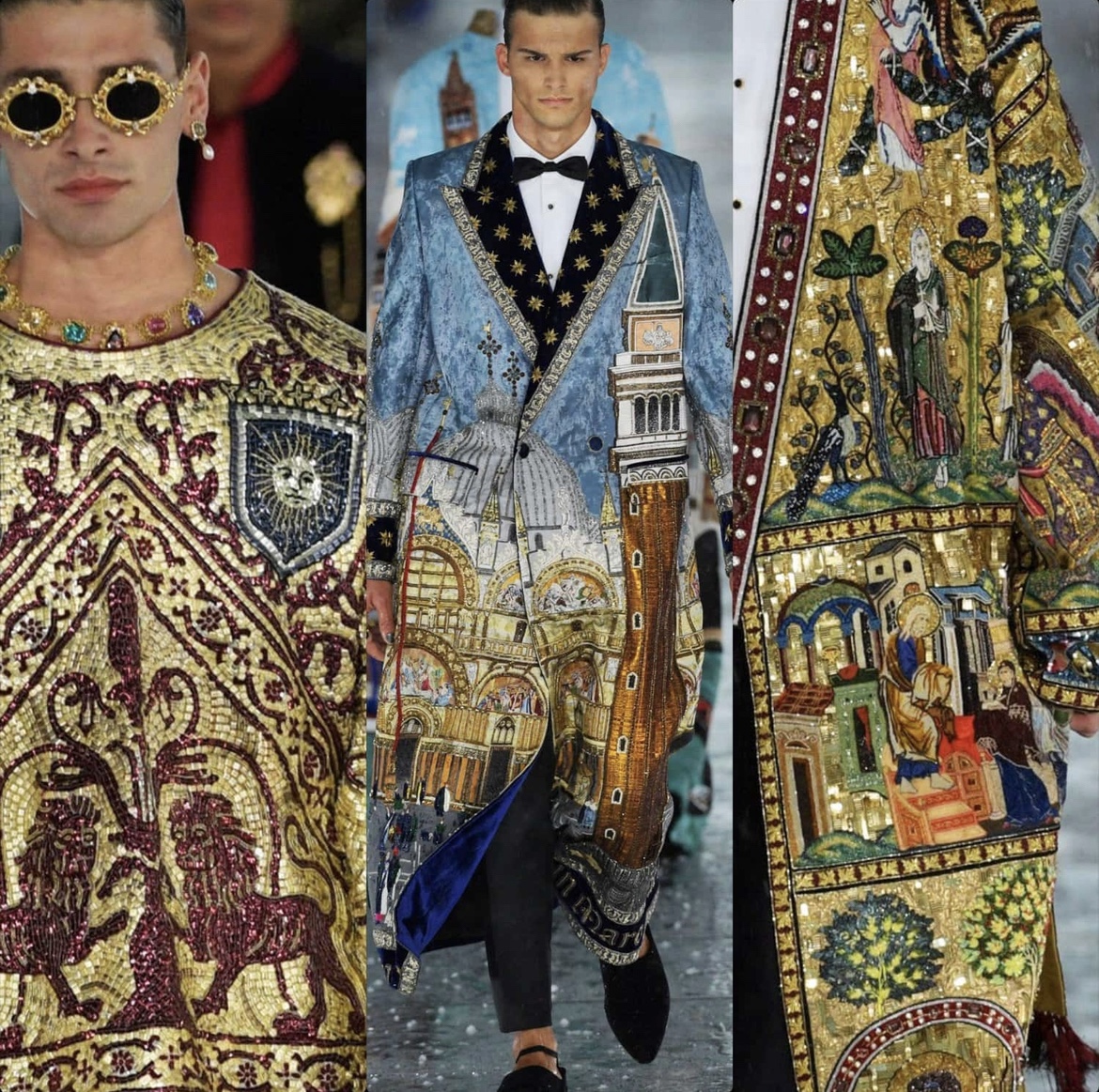
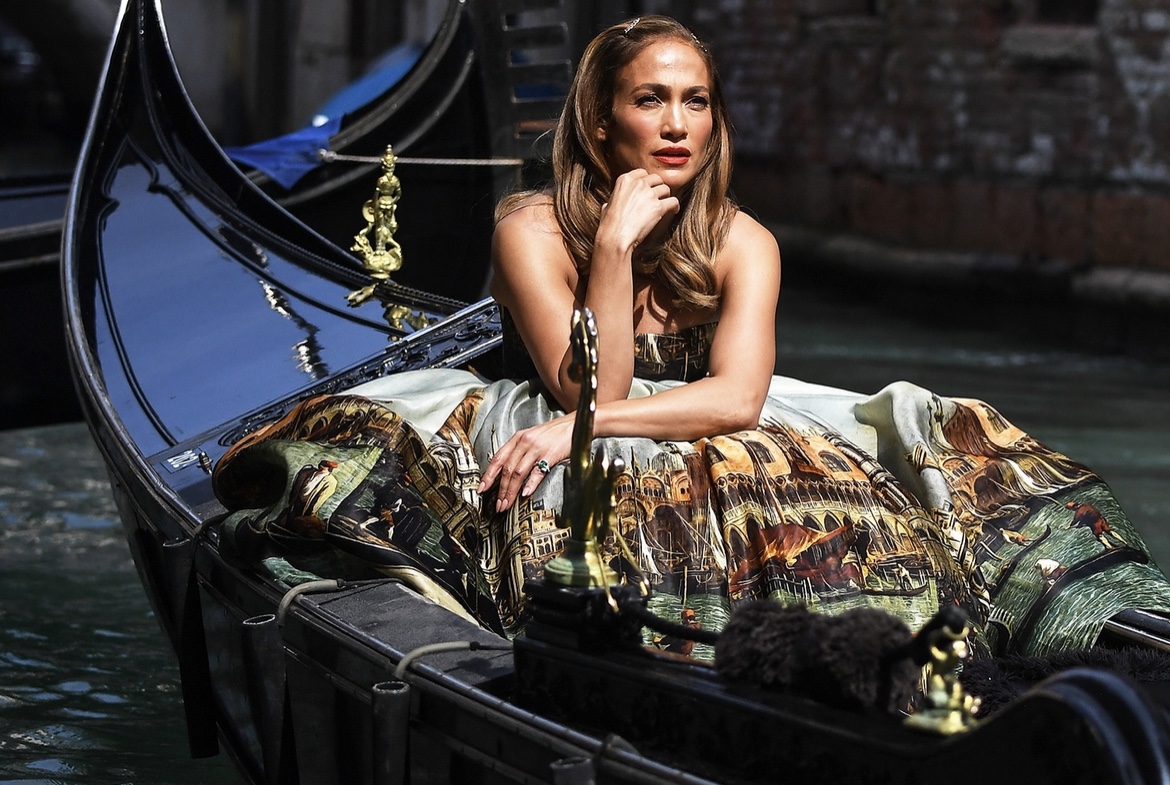
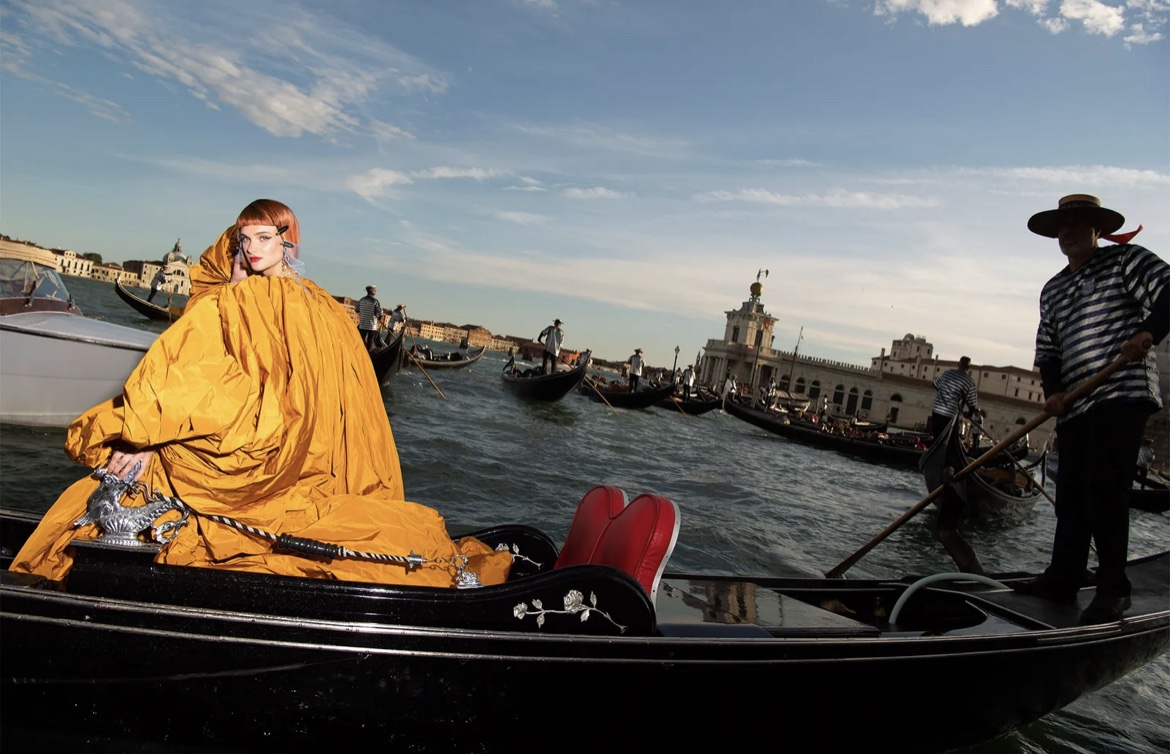
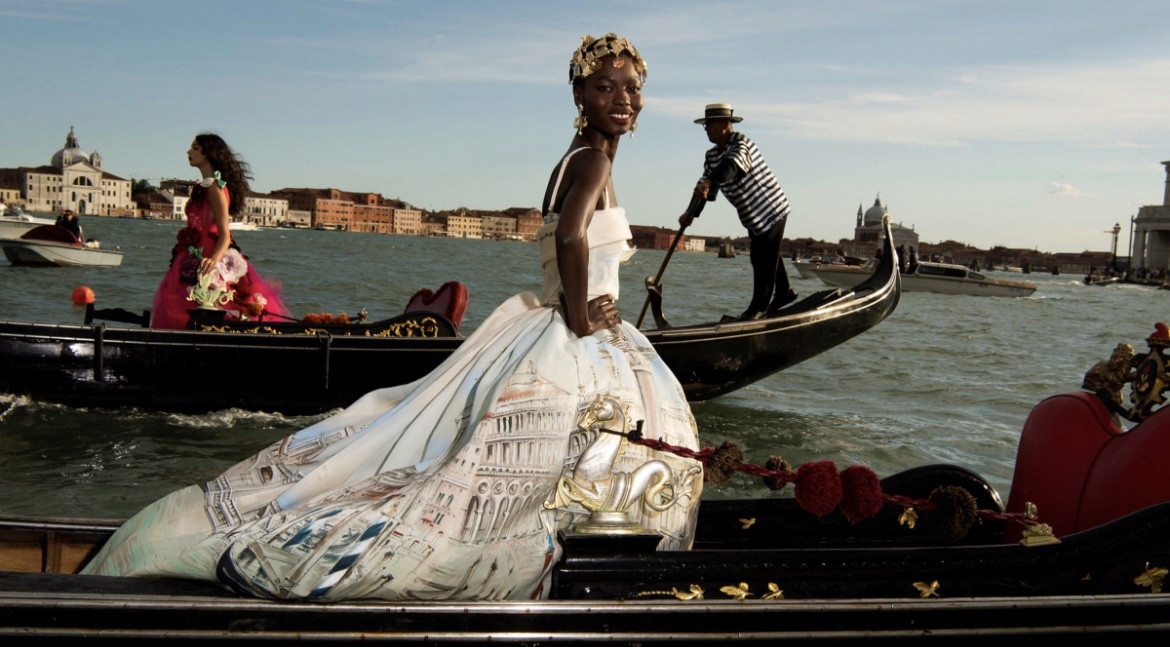
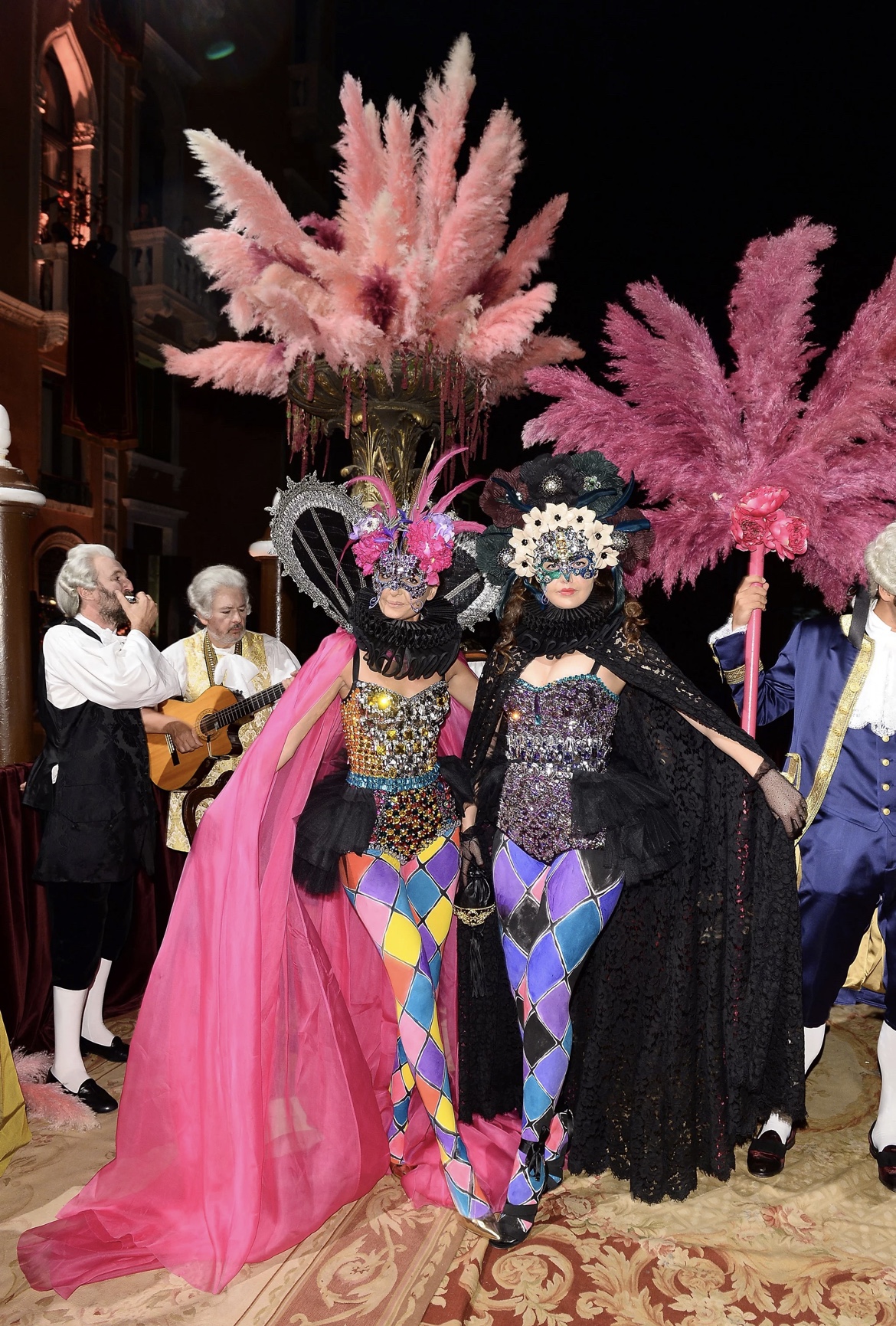
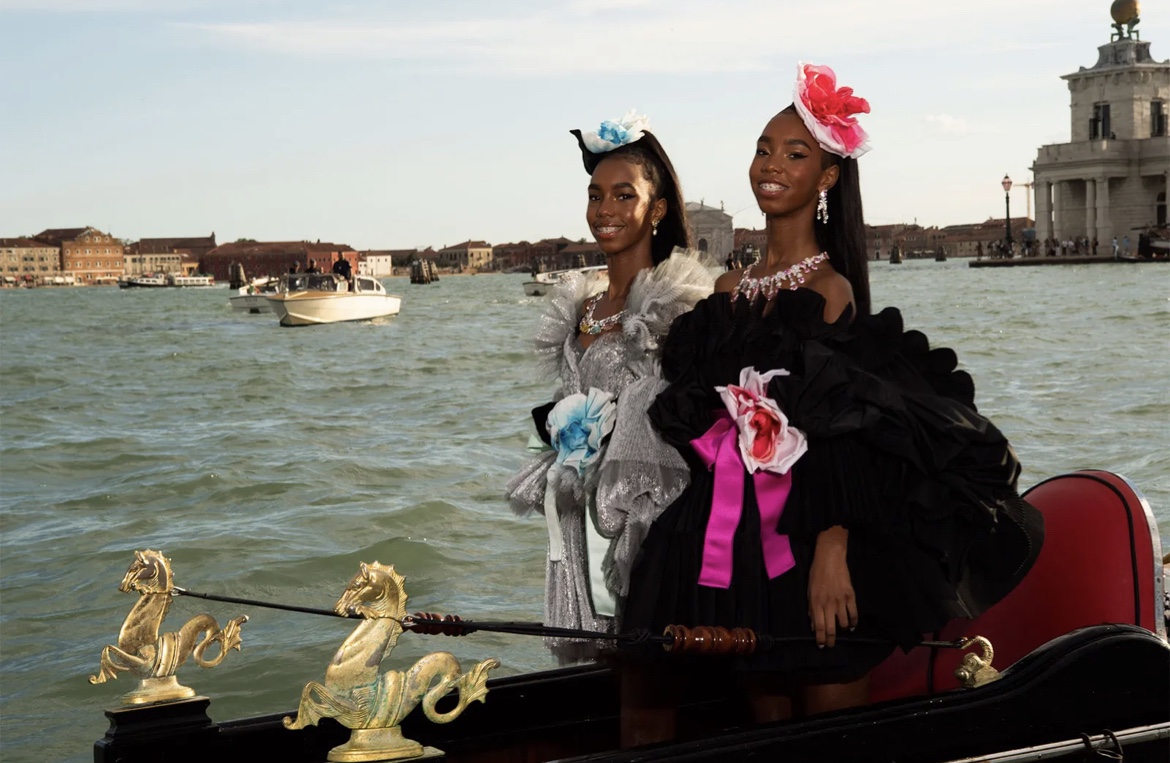
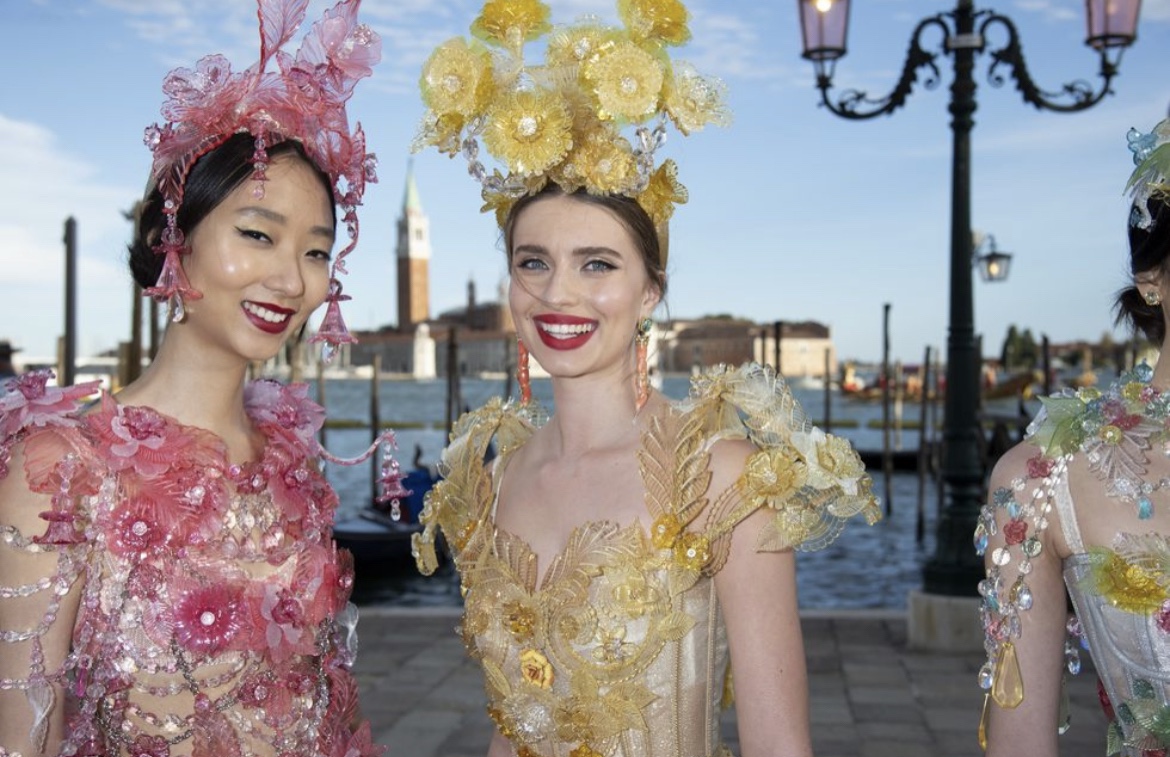

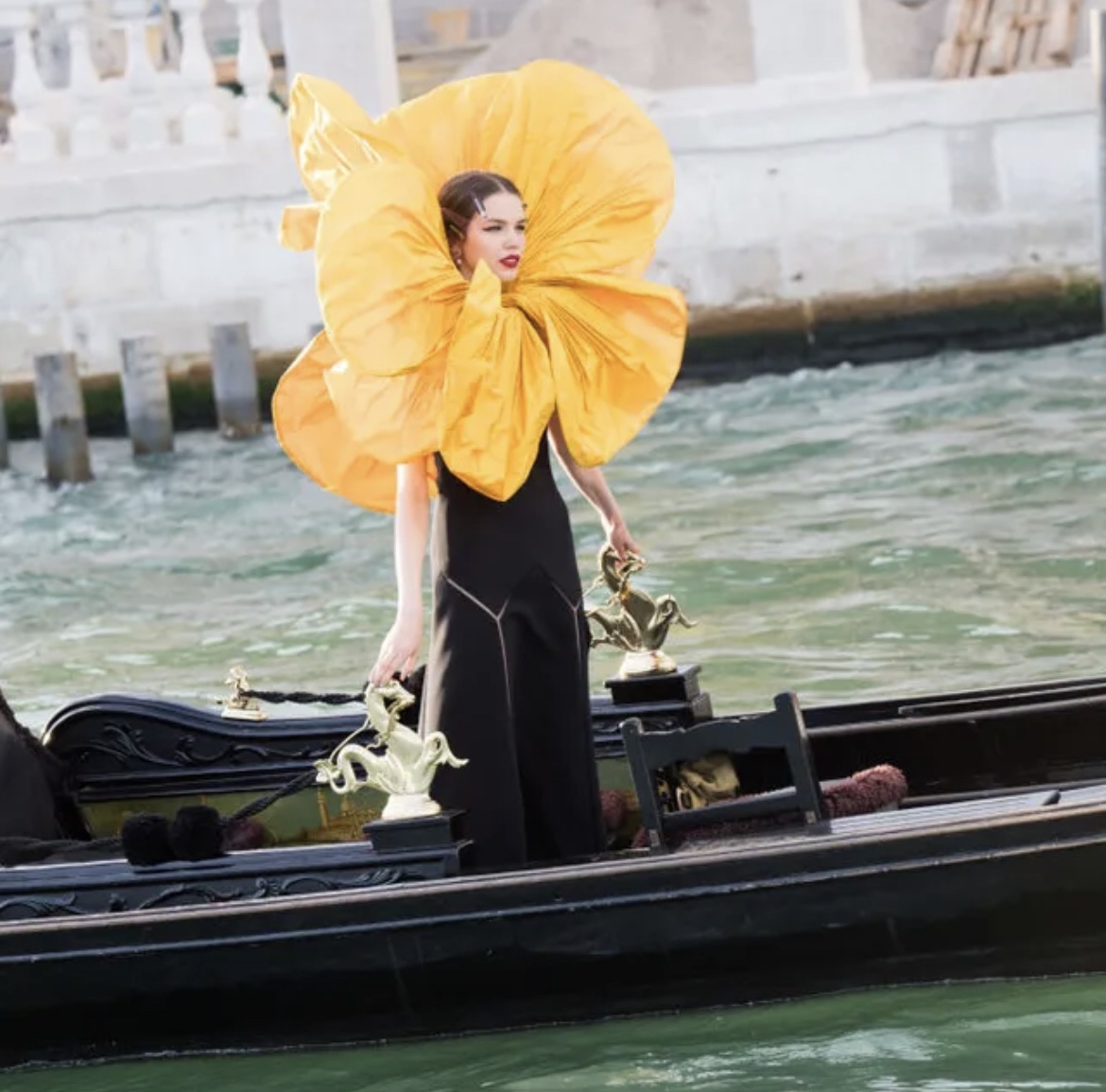
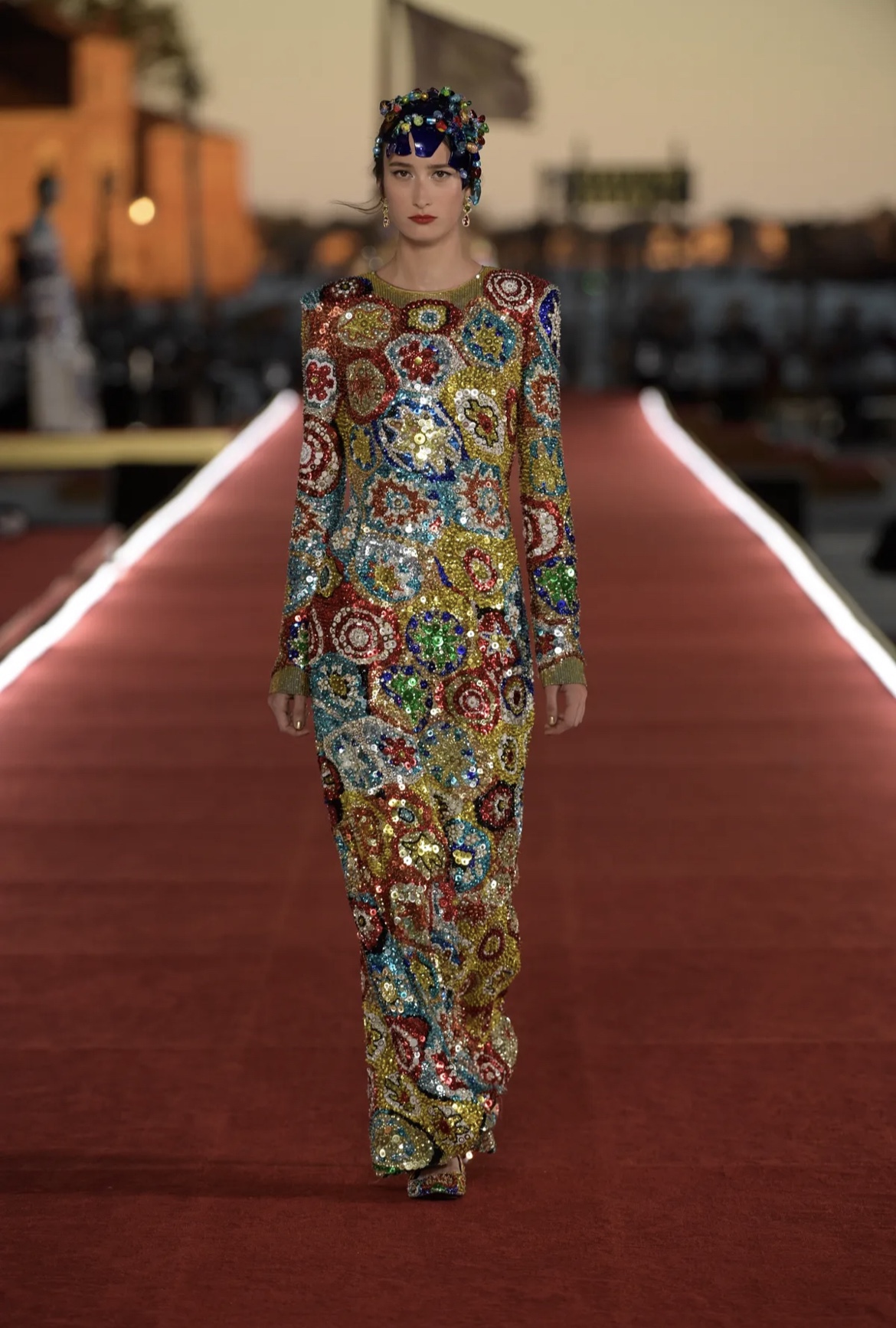
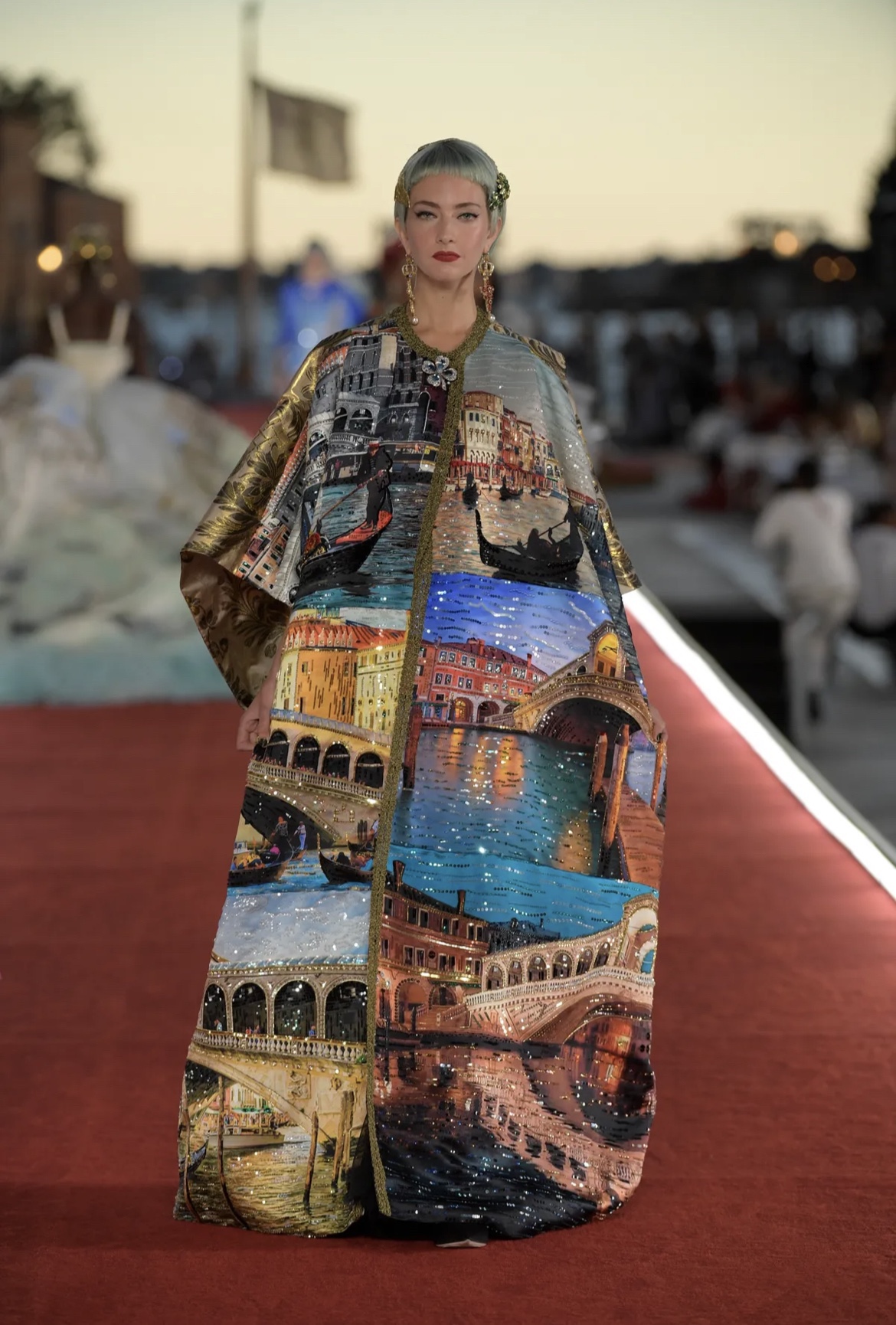






Venice was about strategy and life, and synthesising the two for best possible results. They loved maps, travel and life itself. They appreciated and revered the importance of routes – of routes through life, of routes through the city’s canals, like the routes of veins within the human body, transporting blood flow to key places like the brain for productivity. From lessons learned in their ancient past, by the founding refugees fleeing Germanic incursion, they sought to make the most of life very literally: to make the most money from the world, to put out the most productivity from their own enterprise, etc. Venice today is primarily renowned for its beauty, but we all have so much to learn from its historic economic and political successes even in the 21st century. Never forget that language evolves in synthesis with culture and vice versa. Regardless of how much or how little the Buzz-Concept Project resonates with you personally, language has undeniably been proven to be the best vehicle for human progress. The Venetian language may have been sidelined by standard Italian in modern Venice, but it is by no means an exception to that rule. Splendidly unique is el móndo vèneto – and its trademark scuarso scherçóxo just doesn’t afford the same transcendence in English.
 The Buzz-Concept Project