Japanese culture is becoming increasingly popular, and the Japanese economy more and more buzzy thanks to their astounding productive output…












Are you a Japanophile?
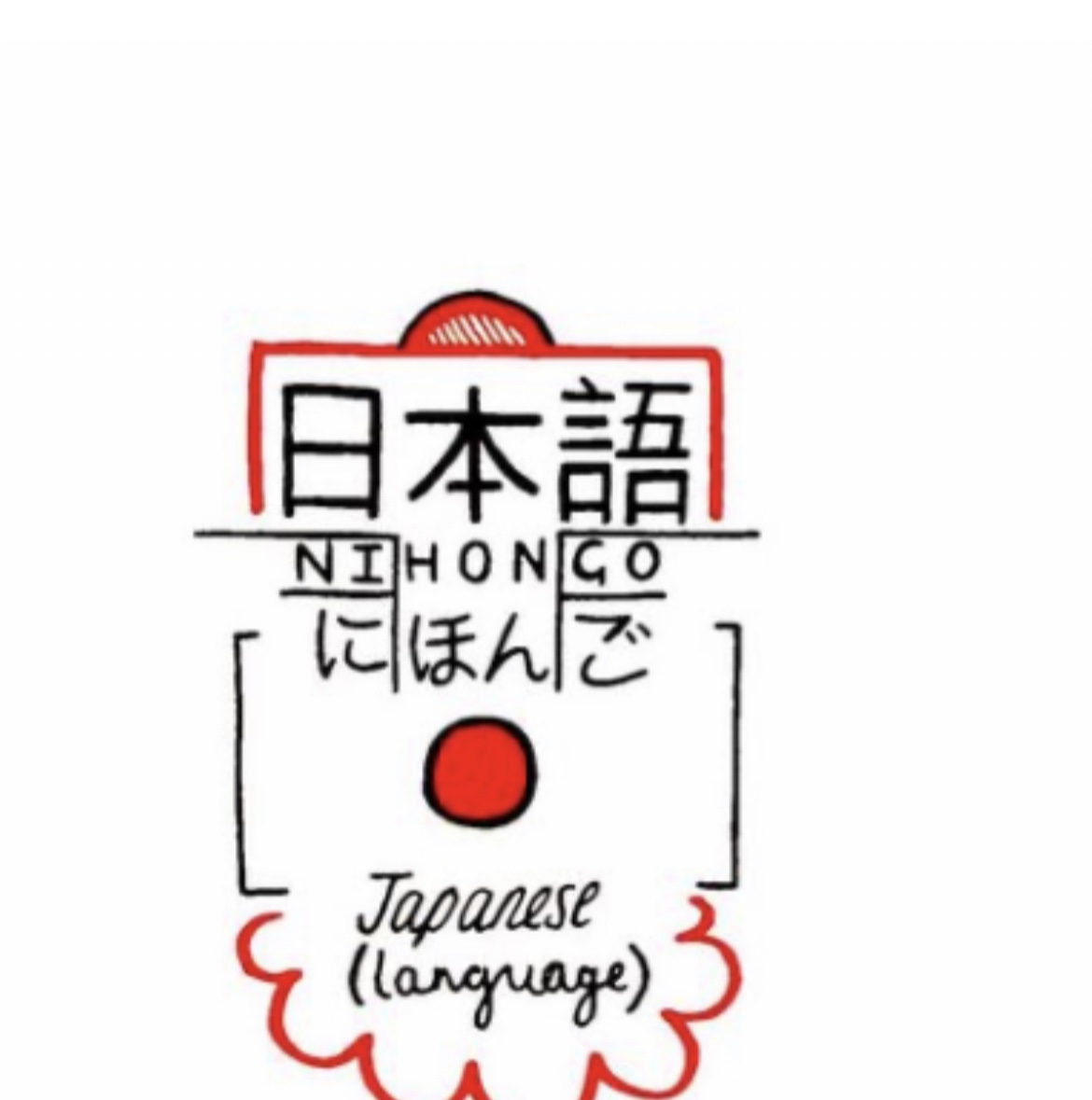
What about their language? Well, in fact, this is how they do what they do. It’s all thanks to their language, 日本語 Nihongo [ɲihoŋɡo], a Super-Tongue which is one of the world’s five most superior languages!
The four layers of Japanese are…
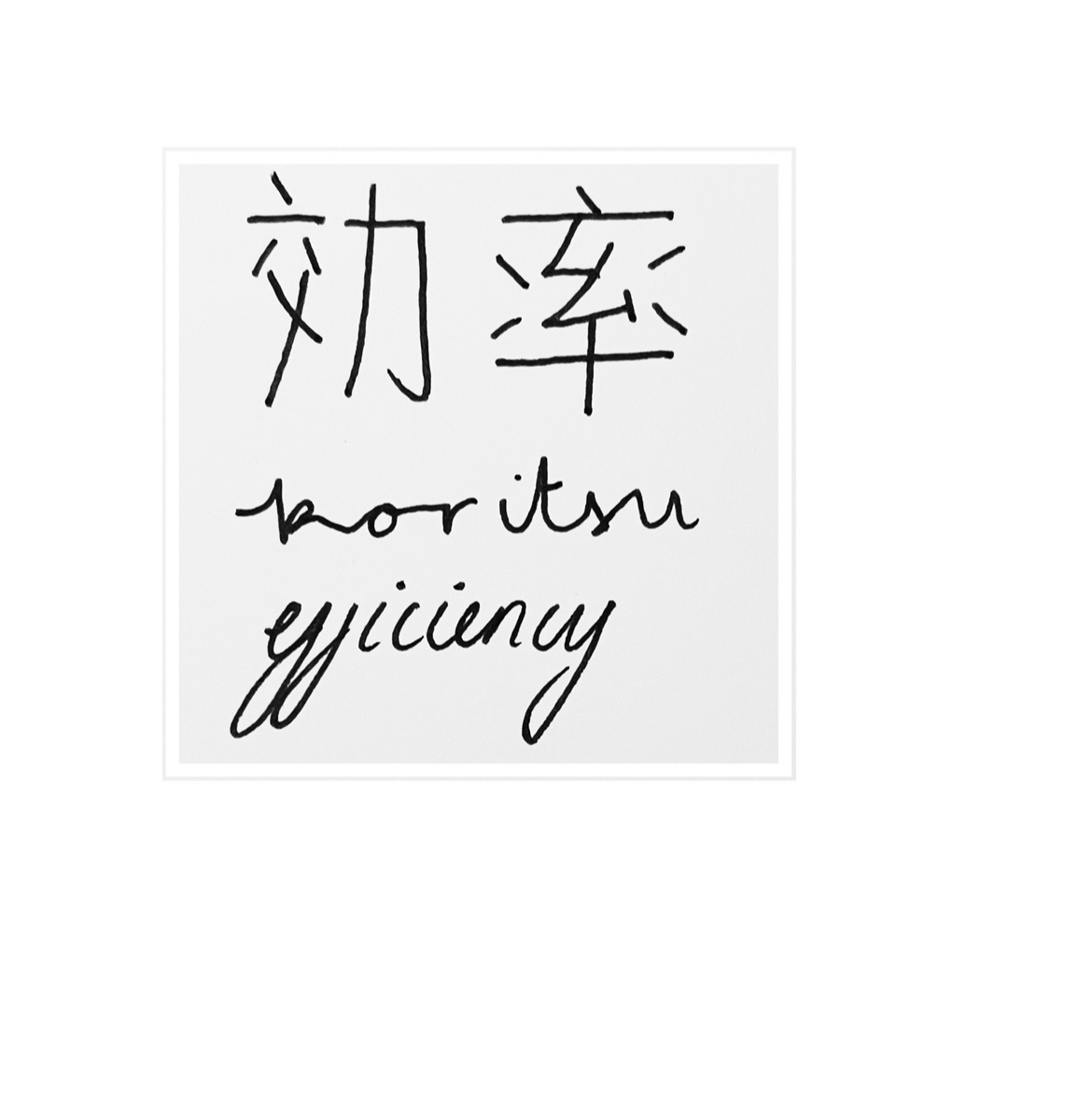
- 効 • kō • efficiency
- 楽 • raku • comfort
- 和 • wa • old name for Japan
- 奏 • sō • playing
The Japanese are the Oriental sophisticates and Japanese is the Language of Knowledgeability… It is technically an “Oriental” language as I have classified it, alongside Korean, Mongol, Chinese, Burmese and Tibetan – the “Efficient” Tongues. Yes, Japanese is related to Chinese!

Facts about Japanese:
- Japanese is generally considered a language isolate. It is assigned its own family of the so-called Japonic languages or dialects, its genetic affiliation otherwise not known, uniquely within the world’s major languages. The hypothesis relating Japanese to Korean is the strongest advanced so far. By my classification, of course, it’s an Oriental language.
- It is one of the world’s major languages, with more than 127 million speakers as of the early 21st century, overwhelmingly concentrated within the Japanese archipelago.
- Modern Japanese / 日本語 / にほんご / ニホンゴ / nihongo makes use of four different scripts: kanji / 漢字 / ‘Han characters’ imported from Chinese; hiragana / ひらがな / 平仮名 i.e. ‘simple characters’ or ‘flowing kana’; katakana / カタカナ / 片仮名 i.e. ‘partial characters’ or ‘fragmentary kana’, and rōmaji ローマ字 i.e. Latin script. Most Japanese writing is made up of a mix of kanji and hiragana. There are nearly 3,000 kanji characters used in Japanese. The characters have Japanese pronunciations, and most kanji characters have two pronunciations, with an additional one based on the original Chinese sound. The two kana scripts, syllabaries or moraic scripts, are derived originally from more complex Chinese characters. They consist of a whopping 46 characters each. Hiragana is used for native Japanese words and grammatical elements, including particles. Katakana is used for foreign words and names, loanwords, onomatopoeia, scientific names, and sometimes for emphasis. Hiragana is of course used far more than katakana, and was designed to blend into the flow of life, whereas katakana is more angular and indicates importance.
- Proto-Japonic was the common ancestor of the Japanese and Ryukyuan languages. It is believed to have been brought to Japan by settlers coming from the Korean peninsula in the 4th century BC, during a time known as Yayoi period. Japan was previously home to so-called Jōmon peoples, including the Ainu. Proto-Japonic was the Language of Sapience. That said, little is known about the prehistory of the Japanese language, nor when it actually first appeared in Japan.
- The Japanese language is conventionally divided into two forms: Hyojungo or Standard Japanese, and Kyotsugo, or the common language. Hyojungo is what is taught in schools, used on television and in official communication. Standard Japanese can also be divided into bungo ‘literary language’, the main written form until the 1940s and still important today for the likes of historians, literary scholars and lawyers, and kogo ‘oral language’ which is mostly used today. Standard Japanese is based on the Tokyo dialect.
- The basis of the Japanese sound system does not revolve around syllables but morae. In Japanese, they are known as haku 拍 or mōra モーラ. A mora is a rhythmic unit based on length. They do mostly align with syllables, but the difference can be seen as in the two-syllable word mōra itself, in which the ō is a long vowel and in fact counts as two morae; it is written in three symbols, モーラ, representing the three morae mo-o-ra. Other examples are the names Tōkyō (To-u-kyo-u, とうきょう), Ōsaka (O-o-sa-ka, おおさか) and Nagasaki (Na-ga-sa-ki, ながさき) which all contain four morae. The Japanese syllable-final n (ん) is also considered a separate mora, as in 日本 “Japan” which has the two different pronunciations of Nihon and Nippon. Both have two syllables, but Nihon にほん Ni-ho-n has three morae, and Nippon にっぽん Ni-p-po-n four. In the composition of Japanese verse forms such as haiku and waka, lines are defined in terms of number of moras; a haiku consists of three lines of five, seven, and five moras.
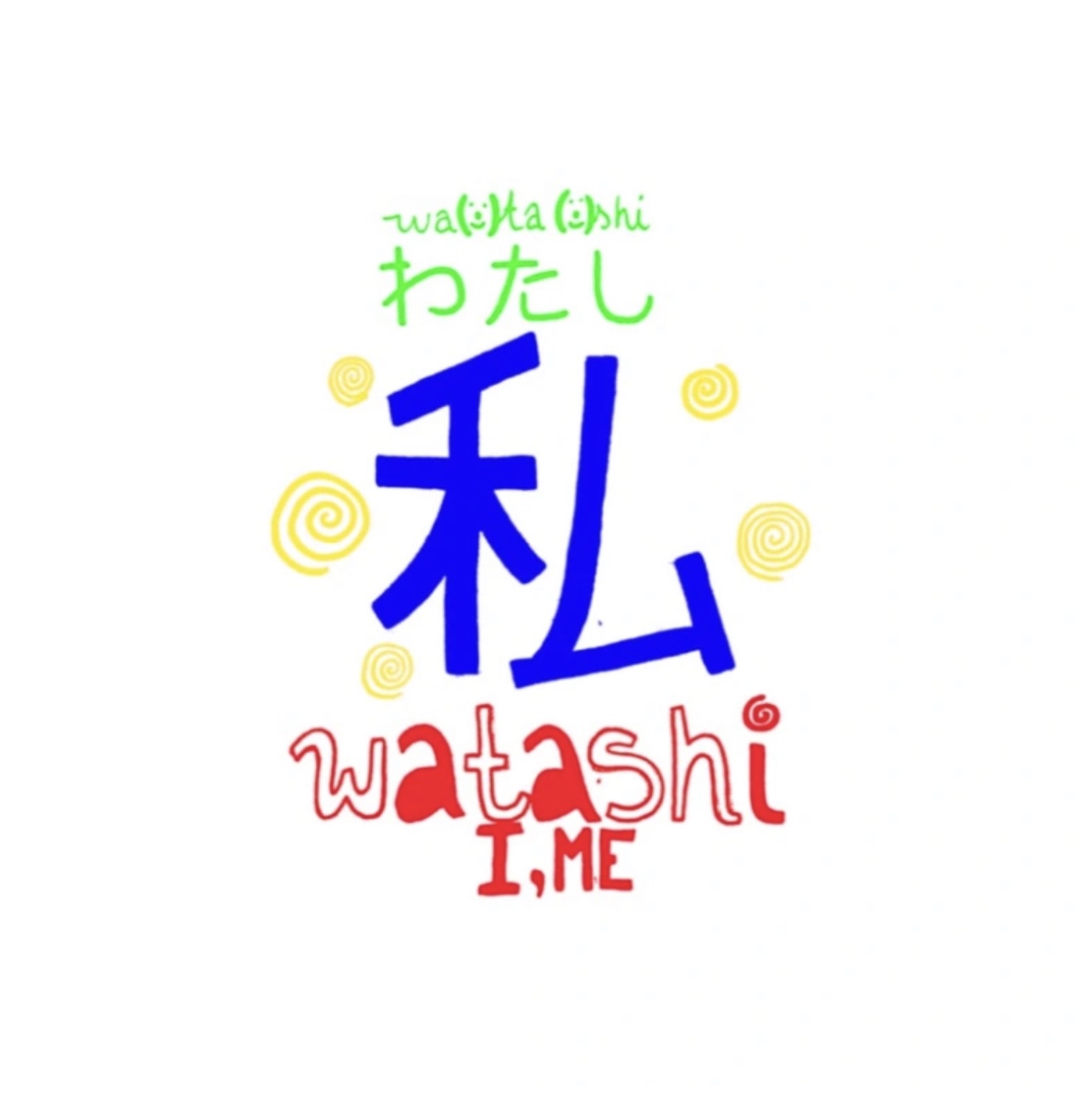
- The Japanese are very polite, and this is reflected in their language, with its rich repertoire of means to convey politeness. They make use of a complex system of honorifics and formalised grammar, with different verb forms and vocabulary to indicate the relative status of the speaker i.e. inferior or superior, and the listener, as well as persons referred to. Honorifics include the prefix お “o“, used show respect with items related to the listener. You might give your own namae, but politely ask for someone else’s o-namae. “O” is also often used in the context of general nouns with cultural significance, including o-sake (rice wine) and o-tera (temple). In some cases, it becomes almost inseparable from the root word, as in ocha (tea). For Japanese speakers, the “o” creates a sense of sublimity and ultimately conveys respect by engendering a good vibe. Japanese has different levels of speech, from ていねいご (teineigo) “polite language”, to くだけた にほんご (kudaketa nihongo) “casual language” (literally: “broken/crushed Japanese”), and けいご (keigo) “honorific language”. Teineigo is standard formal speech, the default between two adults with no relationship and when speaking to someone of a higher rank. It is marked by the use of desu (Watashi wa Tamsin desu “I’m Tamsin”), the polite copula of “to be”, and the verb suffix –masu (食べます tabemasu – to eat; 話します hanashimasu – to speak), and by the use of the aforementioned honorific “o”. Teineigo also means “conscientious/diplomatic/politic language”, and it uses complete sentences with a minimum of contracted forms. Casual Japanese is more liberal and less predictable, using plain verb endings, colloquialisms, and abundant contractions. Keigo, meanwhile, is the next level up from teineigo, used with someone who is significantly higher in rank. Keigo 敬語 is normally written with the kanji for “to respect/admire” 敬 kei and “language” 語 go. Japanese society traditionally relishes its hierarchy, and honorific speech resonates so intensely it feels like another language to them. Teineigo can actually be considered a form of keigo, alongside sonkeigo / そんけいご / 尊敬語 “respectful/esteemed language” and kenjougo / けんじょうご / 謙譲語 “humble language”. You never use sonkeigo to refer to yourself, that being what kenjougo is for. We also have the honorific suffix –san for ‘Mr., Mrs. or Ms.’
- Japanese has borrowed extensively from Chinese. In general, the Japanese are endlessly fascinated by other cultures and have borrowed a lot from many other languages. It is estimated that as much as 60% of Japanese vocabulary qualifies as Sino-Japanese. Words of Chinese origin are known as kango.
- The Japanese love onomatopoeia, and frequently make use of vivid onomatopoetic or sound symbolic words. Examples are wan-wan ‘bow-wow’, yobo-yobo ‘wobbly’, doki-doki ‘fast heartbeat’. They can be combined with regular words to enhance meaning and create nuances, such as waa-waa naku ‘weep’, meso-meso naku ‘sob’, oi-oi naku ‘whimper’. Why? For 奏 sō.
- Japanese has given rise to a reasonably large number of loanwords in English. We thus have geisha, judo, karaoke, karate, kimono, rickshaw (from jinrikisha, from jin‘man’ + riki ‘power’ + sha ‘carriage’), samurai, soy, sumo, sushi, tsunami, tycoon (from taikun ‘great lord or prince’).
- It is classified as an agglutinative language. In Japanese verbs, the verb forms are modified to add information such as negation, passive voice, past tense, honorific degree and causality. Examples include hatarakaseraretara (働かせられたら), meaning “if (subject) had been made to work…” or “if (subject) could make (object) work”, combining combines causative, passive or potential, and conditional conjugations. Another example: tabetakunakatta (食べたくなかった), “I/he/she/they did not want to eat” – combining desire, negation, and past tense conjugations, from taberu (“(subject) will eat (it)”) > tabetai (“(subject) wants to eat (it)”) > tabetakunai (“(subject) doesn’t want to eat (it)”) > tabetakunakatta (“(subject) didn’t want to eat (it)”)
- Japanese phonology is very pure. They largely make use of pure monophthong vowels that do not conventionally combine, merge, or glide. The articulation within each vowel remains steady. The stability of Japanese vowels is comforting to speakers, for 楽 raku. Japanese also has a simple syllabic structure, mostly going •consonant+vowel•. It has a small simplified consonant inventory. The refined result being a very efficient system of phonotactics, for 効 kō. Phonotactics is understood to affect second language acquisition, as in Japanese, with the stringency of Japanese phonotactics making it difficult for speakers to learn and acquire vocabulary in other languages.
- Japanese is alleged to boast a mix of an Austronesian (the “Respectful” Tongues) lexical substratum and an Altaic (a sprachbund generally encompassing Mongolic, Turkic and Tungusic, also sometimes including Korean and Japanese) grammatical superstratum. Incorporate these into the Oriental base, plus the Chinese influence, and thus we have Japanese! These intricately flavour the three main sources of words in the Japanese language: yamato kotoba (大和言葉) or wago (和語), kango (漢語), and gairaigo (外来語). The Japanese language existed originally in the form of yamato kotoba (大和言葉, “Yamato words”), also referred to in scholarly contexts as 和語 wago “Wa language”. Kango refers to Sino-Japanese words. According to the Shinsen Kokugo Jiten (新選国語辞典) Japanese dictionary, kango make up 49.1% of Japanese vocabulary, wago 33.8%, other foreign words or gairaigo (外来語) 8.8%, and the remaining 8.3% consisting of hybridized words or konshugo (混種語) that incorporate elements from more than one language.
- Written records of Japanese date to the 8th century. The oldest of these records is the Kojiki (712; “Records of Ancient Matters”). It chronicles myths, legends, hymns, genealogies, oral traditions and even semi-historical accounts which concern the origin of the Japanese archipelago, the kami 神 (Shinto “gods”, spirits, phenomena or “holy powers”), and the Japanese imperial line.
- Japanese distinguishes between concrete expression and relational conceptualisation within the language. Parts of speech are divided between those elements which express concrete concepts (e.g., nouns, verbs, adjectives) and those which express relational concepts (particles and suffixal auxiliary-like elements). The former set of aligned elements/parts of speech may stand alone, perhaps constituting one-word sentences, whereas the latter always are attached to nouns and verbs and express sophisticated grammatical concepts including tense, status of subject or object, and the speaker’s attitudes toward the proposition and toward the listener. The two levels of straightforward concrete and, as defined principally by particles, abstract relational, are actively distinguished inside the Japanese brain. To elevate communication from the straightforward concrete base level is what Japanese particles are ultimately for. This division comes before the classical part-of-speech categories of noun, verb, adjective, adverb etc. that European language speakers go by. As in, in the Japanese mind there are principally concrete concepts or parts of speech, and then the relational particles or suffixes. They don’t generally care to distinguish further between nouns etc. on a day-to-day level.
Japanese is one of the world’s hardest languages to learn. Yet their culture entices so many people with its electric vibrancy. The language barrier really frustrates the Japanese themselves, who delight in sharing their output with the world, relishing their role in the process of creative inspiration in particular… They really love to inspire in 日本 / Nihon / Nippon… 日 hi normally translates as “day” or “sun, and 本 hon as “book”, “this”, “main”; together in the country name they mean “sun origin”, hence “the Land of the Rising Sun” (or “the Land of the Sun’s Origin” – “Soloriginia”, the realm where the sun originates!) It’s a very poetic name, isn’t it? Before 日本 was adopted in the 8th century, Japan was known straightforwardly as Wa (倭, changed in Japan around 757 to 和) in China, and unto the Japanese themselves as Yamato.
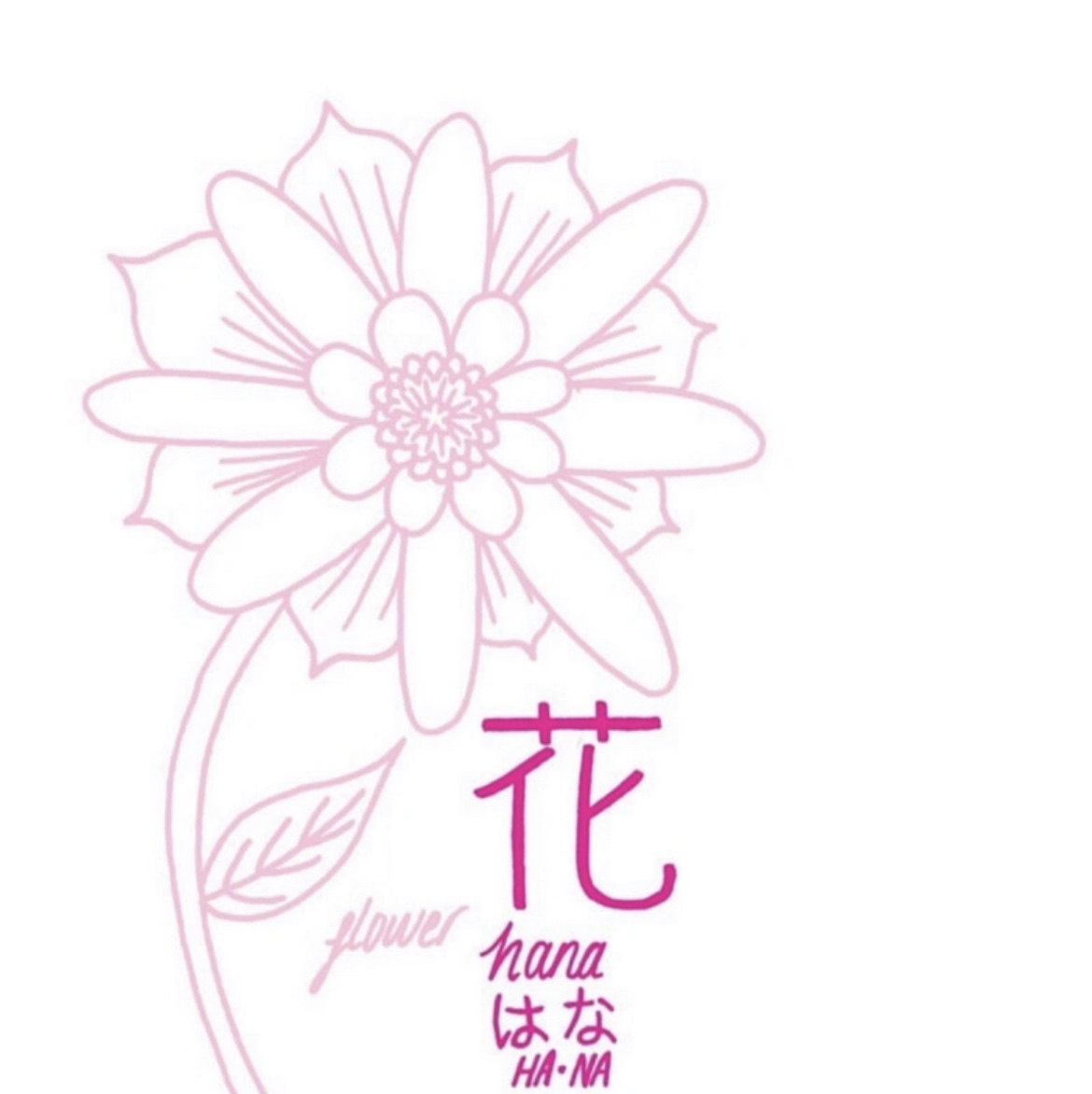
In Japanese, they “slay” over flora i.e. flowers when they use the language, with delightful effect…

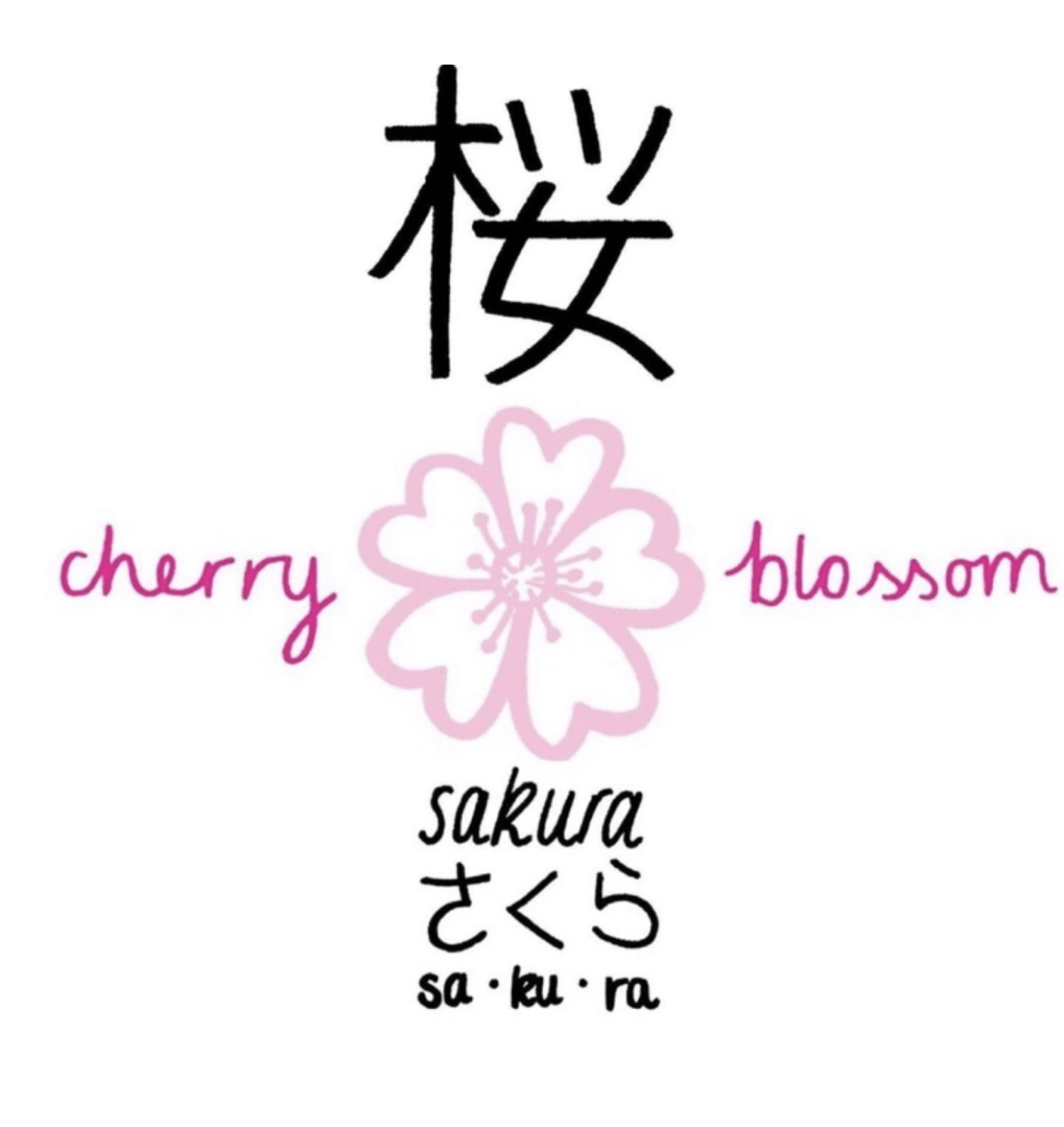
How to say “cherry blossom” in Japanese & more…



 The Buzz-Concept Project