


The Americas were first populated by the ancestors of today’s Amerindians some 15-30,000 years ago during the ice age. Glaciation had caused sea levels to fall, giving rise to a land bridge between Siberia and Alaska. The dramatic first crossing of Beringia was when the idea for the Amerindian Buzz-Concept infinity (the world’s most supreme) first emerged, the voyagers spurred by bursts of ingenuity as they powered through the harsh environment and their senses intensified.
It is posited that the Americas were populated in different waves: I have been focusing exclusively on the first wave, which was surely of Mongoloid i.e. Orientalesque origin – this being why the Amerindian languages are part of the wider Orientalesque primary family, ultimately related to Chinese, Japanese, Korean and Mongol. Some time before, the Proto-Amerindians had become detached from the Orientalesque heartland based around the Amur River. They were previously attached genealogically to the prehistoric Mongols.
The culture set up by the first Amerindians in Alaska has a modern descendant in Eskimo-Aleut culture, a grouping including the Eskimos i.e. Inuits and Yupiks. They are really the masterminds of the Amerindian world, speaking the “Catalystic” Tongues – catalysing the cycle of Amerindian history.

Words in Inuktitut ᐃᓄᒃᑎᑐᑦ of northern Canada:
- titirausiq nutaaq ᑎᑎᕋᐅᓯᖅ ᓄᑕᐊᖅ / qaniujaaqpait ᖃᓂᐅᔮᖅᐸᐃᑦ – the Inuktitut syllabary, originally adapted from the Cree syllabary

- (Nunavut Inuktitut) Inuluktaat inuulisaannguqput nangminiirungnasimaqaqɬutik ajjigiingmiglu ilitarijaujjutsiaqaqɬutiglu pijungnautitauqaqɬutik. Isumaksaqsiurungnatsiarnirmik inuutsiarutigijarlu piliqtungauttut, asianngurnullu iliurnirviqatigiittaruksariaqaraluaqput qatanngutigiiqqatigiittut anirniqsaarni. (Titiqqaqsimajuq 1 Kitutuinnat pijungnautit silarjuarmiuqatigiinnut nalunaiqsiutit) All human beings are born free and equal in dignity and rights. They are endowed with reason and conscience and should act towards one another in a spirit of brotherhood. (Article 1 of the Universal Declaration of Human Rights)
- Navvaasimalirannuk because we’ve found each other
- nanoq, nanuq polar bear
- kuuk river
- Halu, Ai, Ainngai Hello
- Tunngasugit Welcome
- Tavvauvusi Goodbye to all
- nakurmiik thank you
- ilaali you are welcome
- Ulaakut Good morning
- Unusakut Good afternoon
- Unukut Good evening
- Kinauvit? What is your name?
- Qanuipit? How are you?
- Ikajunga! Help!
- ii yes
- aakka, aagaa no
- Una suna? What is this?
- Tukisiviit? Do you understand?
- mamaqtuq delicious
- alianait wonderful
- iqaluk Arctic char
- nattiq seal
- tuktu caribou
- ᐃᓄᒃᑎᑑᓲᖑᕖᑦ? Inuktituuhuunguvin? / Inuktituusuunguvit? Do you speak Inuktitut?

The 4 layers of Inuktitut:
- boundlessness
- resilience, sturdiness
- Inuit
- cohesion
Words in Central Alaskan Yup’ik of Alaska:
- yuk person
- pik real
- cama-i hello (good to see you)
- waqaa hi! what’s up?
- piura good-bye
- quyana thank you
- quyana tailuci welcome
- cangacit? how are you?
- assirtua I’m fine
- arrluk killer whale
- cikuq ice
- cupun coal
- ataneq king
- kuk’uq animal (child’s word)
- mequssuk shaggy dog
- negiliq parka ruff
- panik daughter
- pukulria bone chewer
- qimugkauyar puppy
- qimugta dog (literally ‘puller’)
- taqukaq grizzly bear
- tulukaruk crow
- tungulria black one
- yuralria dancing one
- atauciq one
- malluk two
- pingayun three
- staamat four
- talliman five
- angun man
- arnaq woman
- macaq sun
- iraluq moon
- emeq water
- Tawa-lu tauna qulireq irniama atiita, ikani Ingrissaaraam nuniin’ ingrim’, uksuigaqamta, inartaqamt’-irniani mikteɫratni quliratui mat’umeng. Can’iraam-taum quliratui mikteɫratni. ‘Well now, this story was told by my children’s father across there near Ingrissaareq; when we made winter camp at the mountain there, when we went to bed, he would tell this story to his small children. Can’irraq told this to them when they were small.’ (Cev’armiut Qanemciit Qulirait-llu / Eskimo Narratives and Tales from Chevak, Alaska, p.71)

The 4 layers of Yupik:
- permanency
- frivolity
- Yupik
- astuteness
The Eskimo-Aleut languages are heavily agglutinating, with rich morphological systems in which a succession of different morphemes are added to root words to convey things that would require several words to express in English. For example, in Nunavut Inuktitut, we have… Tusaatsiarunnanngittualuujunga. “I cannot hear very well.” This intense aspect of their grammar strongly reflects their extreme historical environment and lifestyle. They are also known as the Eskaleut or Inuit-Yupik-Unangan languages. Conjectural relationships have been proposed with several other language families of the world, including Chukotko-Kamchatkan, Uralic, and even Indo-European. I propose that it is an “Orientalesque”/Amurian/Mongoloid language, along with other Amerindian languages and the Oriental languages including Chinese, Japanese and Mongol. Together they are all the “Conceptual-Abstract” Tongues. The Eskimo-Aleut peoples are actually THE “Orientalesque” peoples.
While this is what ultimately became of original prehistoric Alaskan culture, many Amerindians would move elsewhere throughout the Americas; a population even went on to settle on the exposed Beringian landmass for a few thousand years. This population is often referred to as the Beringian Standstill population. The landscape was probably too barren and icy to support human habitation at first, but a 2007 analysis of mtDNA found evidence that a human population lived in genetic isolation on the exposed Beringian landmass for around 5,000 years. This Ancient Beringian lineage is now extinct, not found as a contribution to modern Alaskan lineages.
Beringian culture was unique. It revolved symbolically around a tradition whereby prehistoric Eskimos (or their ancestors) would travel back to Siberia and make contact with their “Orientalesque” cousins in order to keep the collective hereditary canon updated. In due course, the “Orientalesques” would set up new Amerindian-speaking cultures in Siberia, modern so-called Paleosiberian groupings including Nivkh and Chukotko-Kamchatkan. The Siberia-bound Eskimos were regarded as spiritual “envoys”, and were held in great esteem. Intrepid Eskimos would occasionally undertake these pilgrimages in the hopes of finding the Orientalesque heartland when a significant step was advanced in the chronicles of the Buzz-Concept infinity i.e. when a new trick was learned. Beringian culture revolved around this tradition in the sense that Beringian Amerindians were obsessed by the Buzz-Concept infinity and lived partly to work up fervour about it and about the “envoys” whenever the time came around. Beringian culture was simple but had a hauntingly exquisite quality, thanks to its staged dimension.
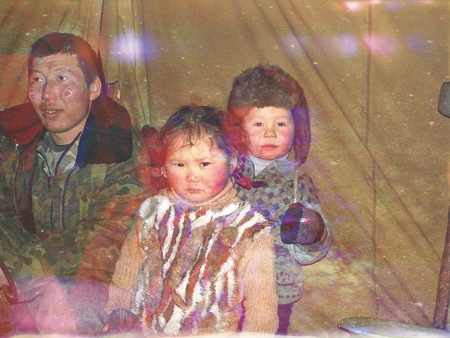
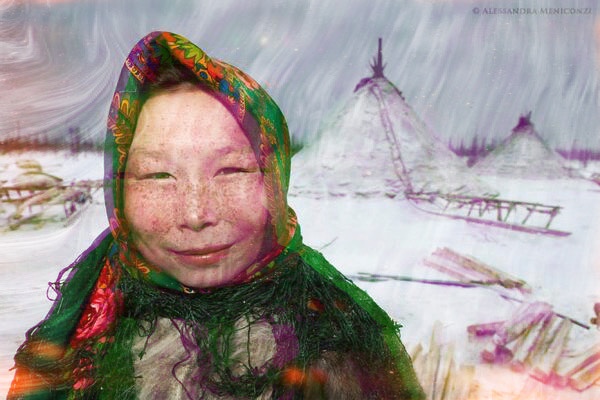
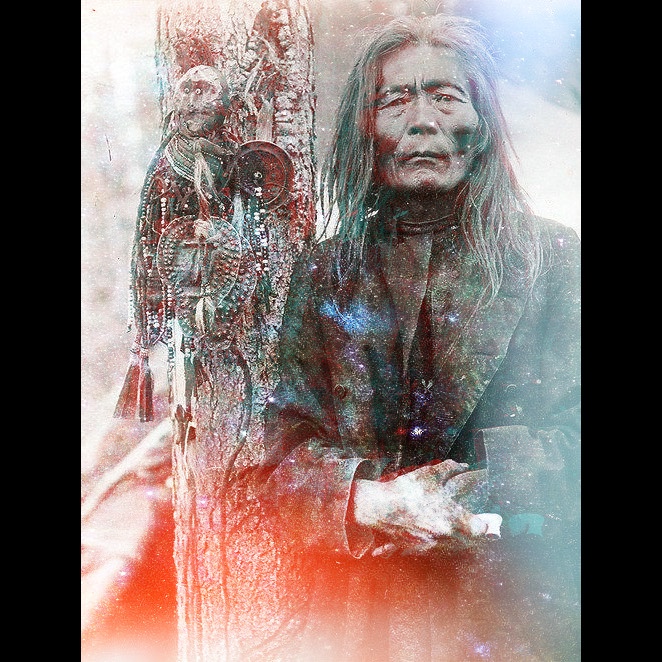
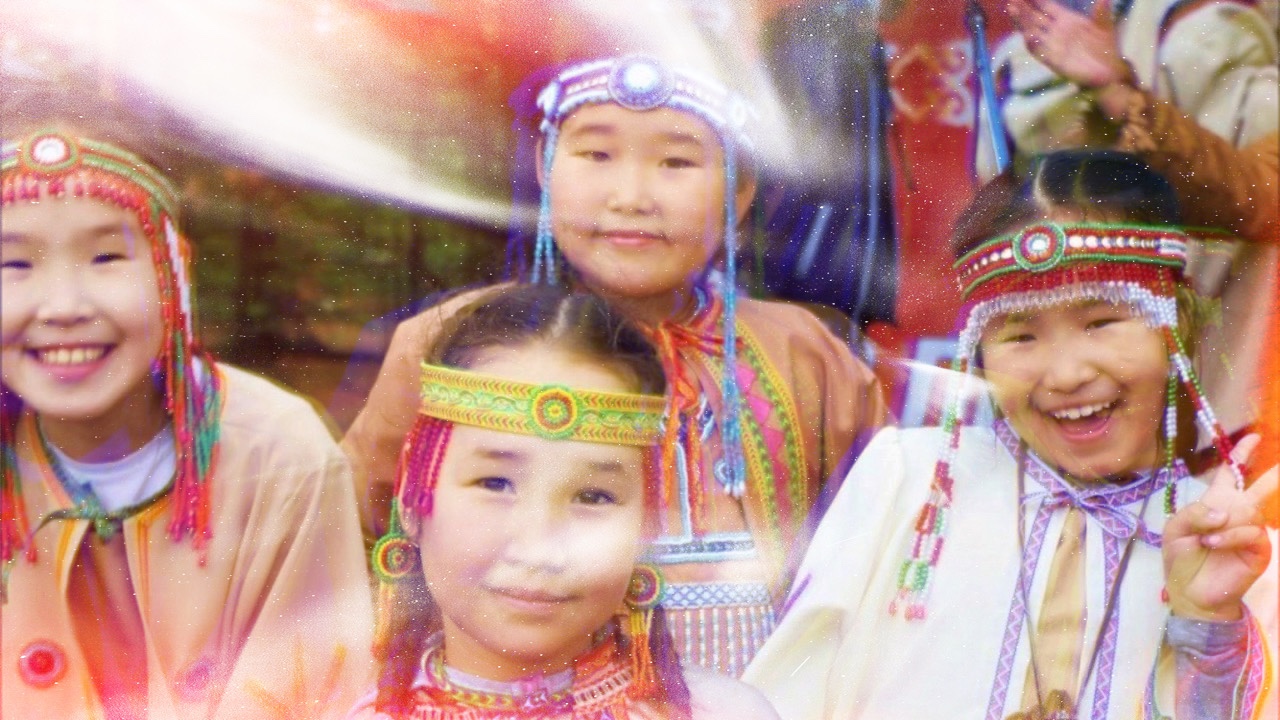
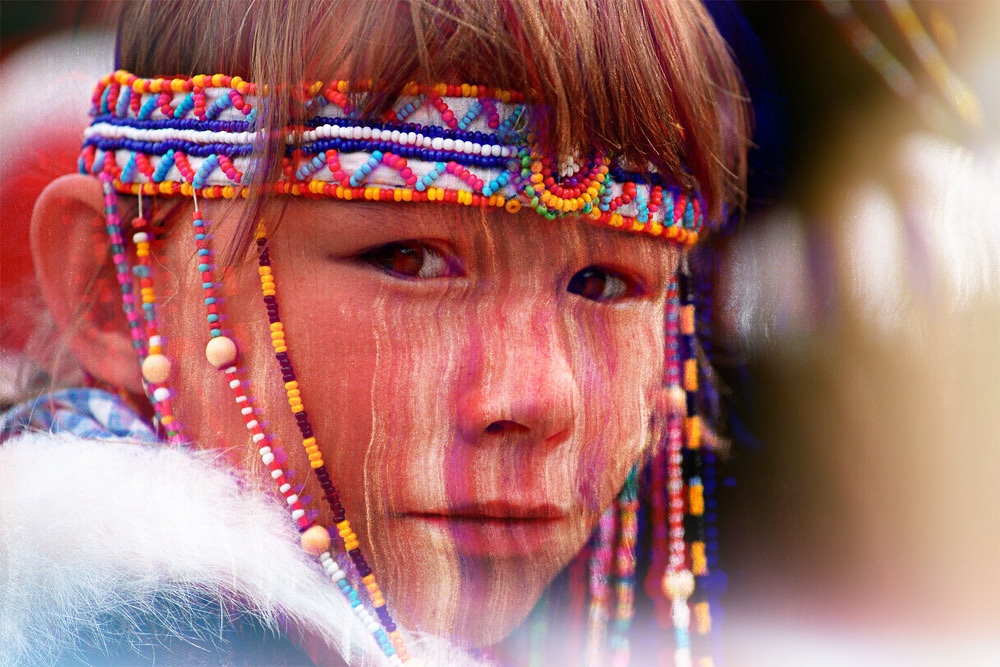

Remote prehistoric Beringian vibes were once the world’s best. And now they’re submerged in the sea…!


 The Buzz-Concept Project