It’s a concept. A lifestyle concept.
The Nivkh of Sakhalin are obsessed with accommodation. Their proclivity can be traced back to the very origin of their ethnicity and culture, however many thousands of years ago it was formed. Contact with Eskimos, Amerindians who hailed originally from North America, sparked the enthusiasm of other Mongoloids over in Siberia, who hopped on their bandwagon and took it upon themselves to set up new Amerindian-style tribes, cultures and languages. The Nivkh ethnicity was engendered upon some Eskimos being warmly accommodated by some other Siberian Mongoloids, and the warmth they brewed together allowed factors to synthesise with extremely fruitful consequences for those concerned. The group concerned were totally engrossed by their new culture – and by the very concept of accommodation, hospitality, housing, furniture etc.
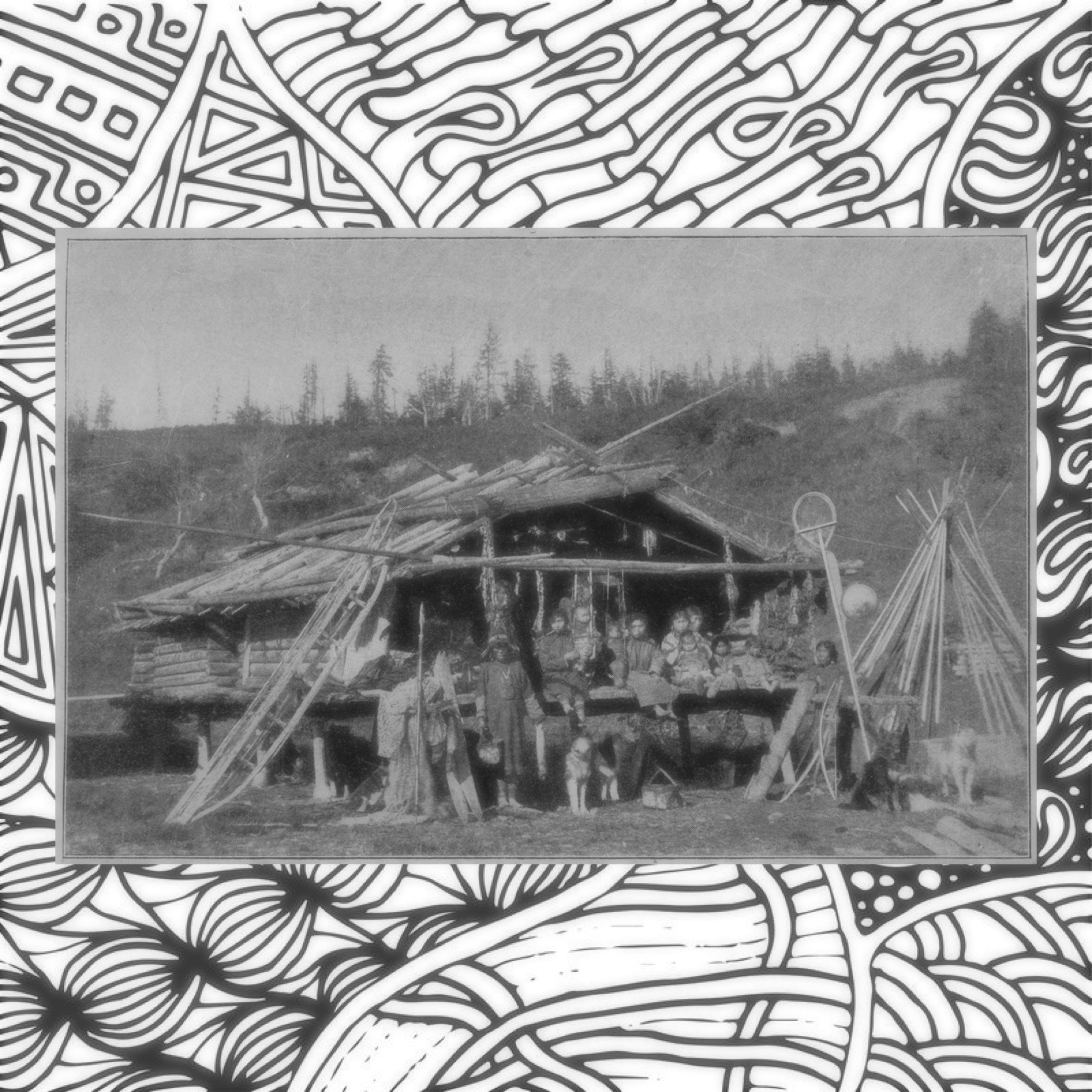
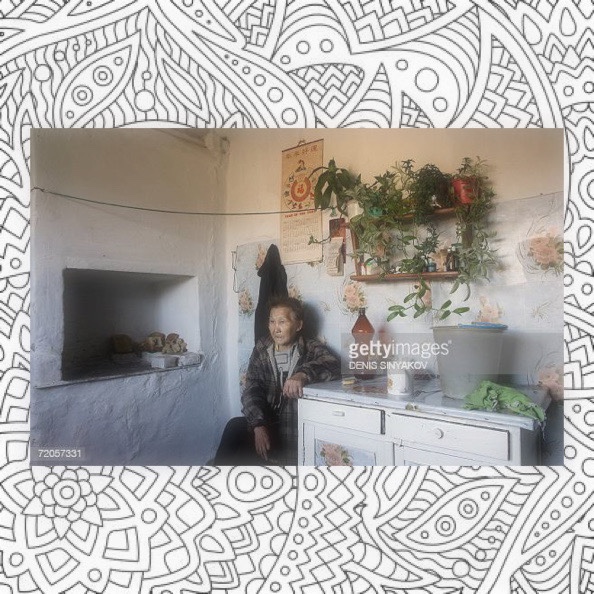
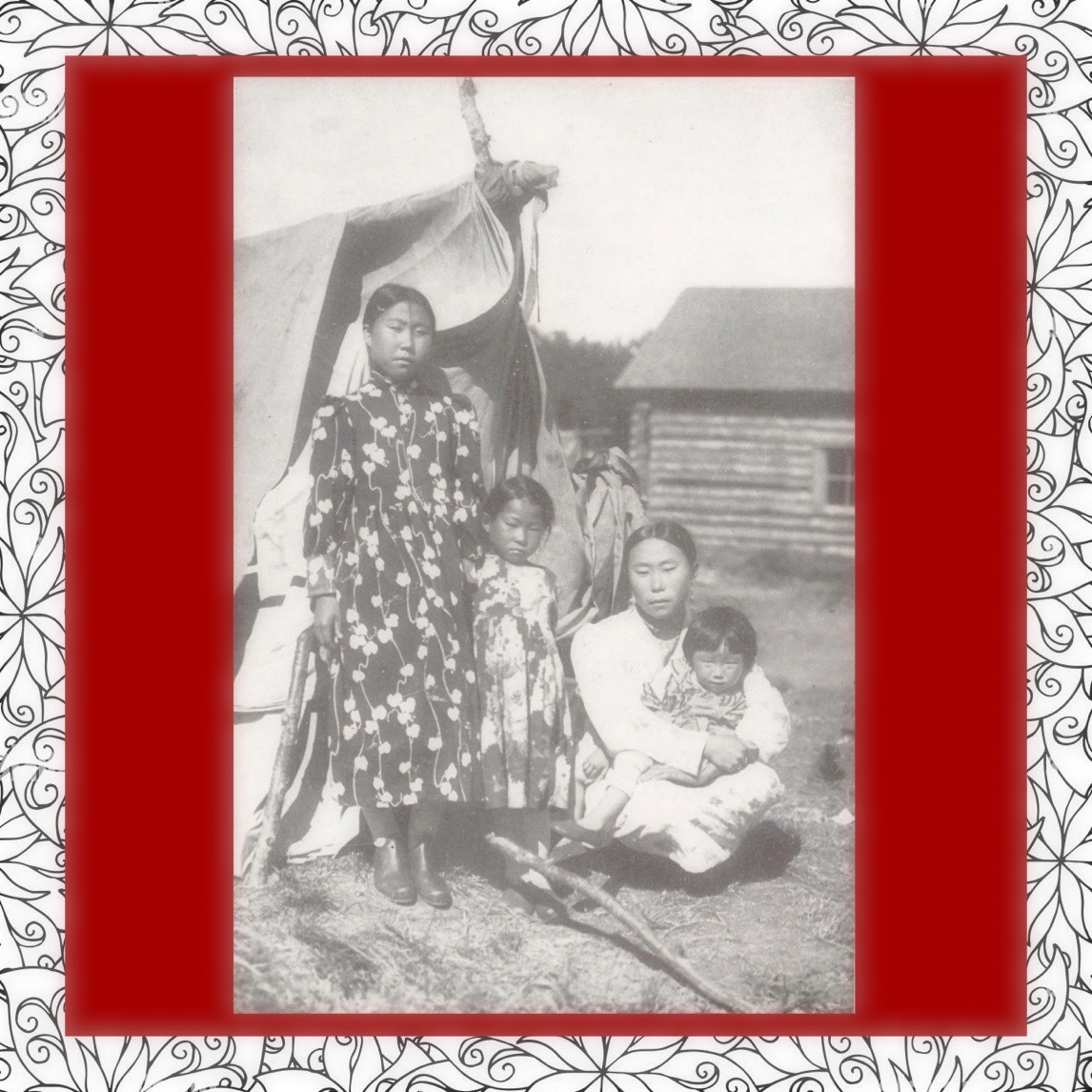
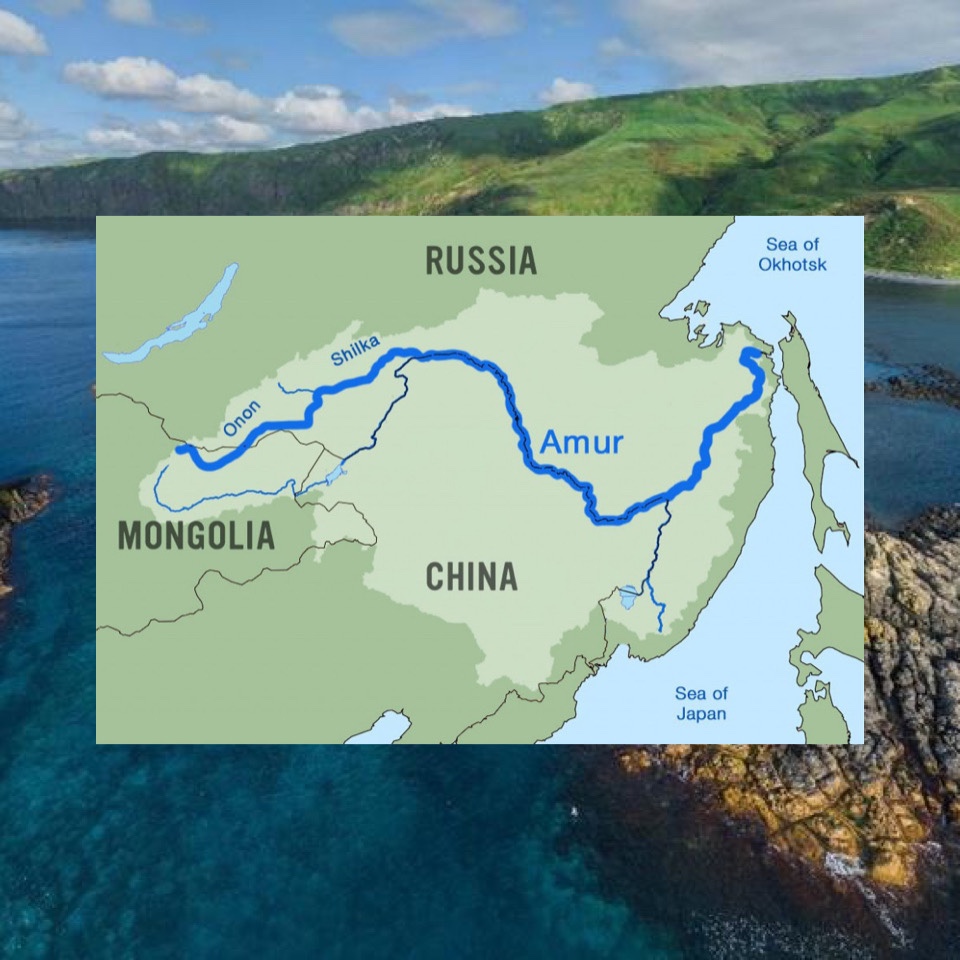
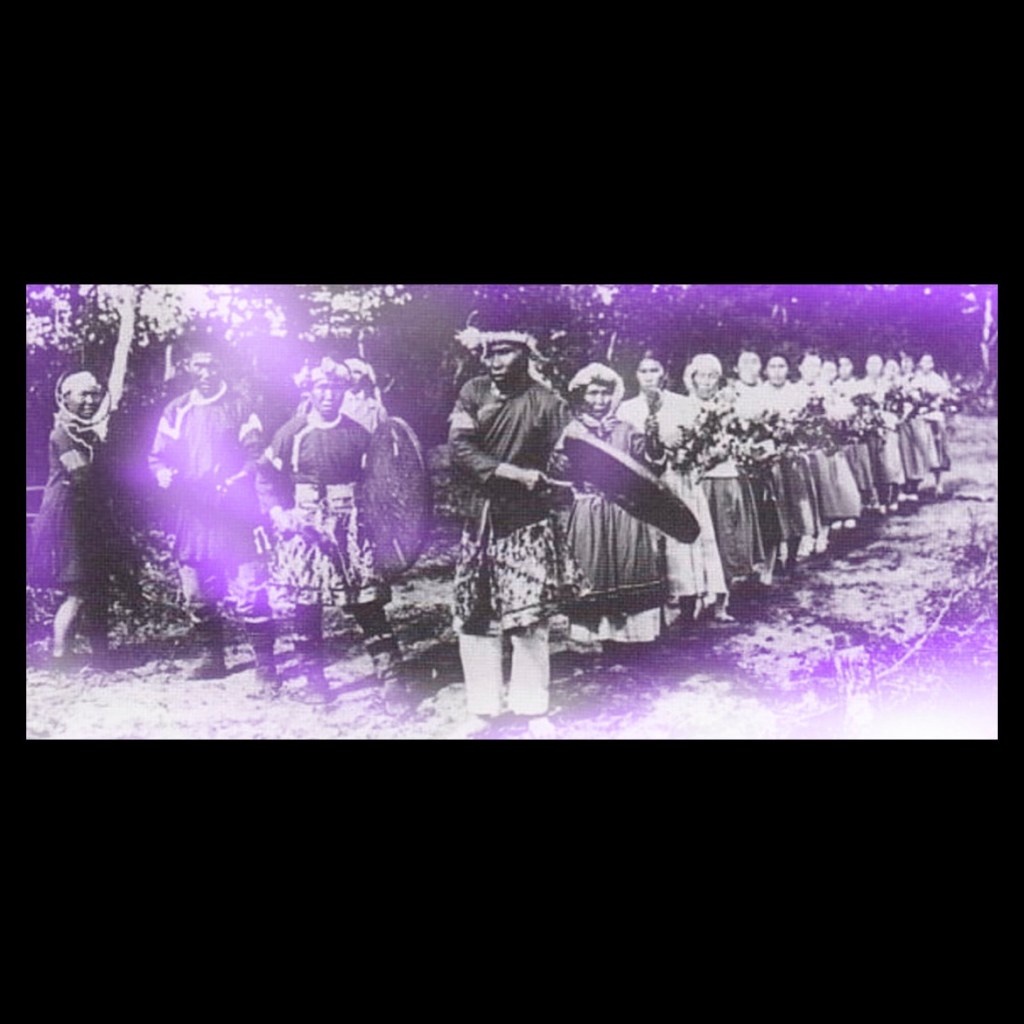
Supposedly having migrated some time ago to populate Sakhalin from the Transbaikal region, further up the Amur River, the Nivkh traditionally lead typical remote Siberian lifestyles. Estimates put their current numbers merely at a few thousand. They supposedly populated Sakhalin during the Neolithic Late Pleistocene, and today continue to dwell around the lower Amur River and on the northern portion of Sakhalin Island, but it is believed that their historic territories could have extended into Manchuria. Previously under Mongol, Chinese and Manchu control, the Nivkh came under Russian rule from the 1800s. When the Soviet regime was introduced from 1922, the Nivkh lifestyle was drastically changed to conform with the Soviets’ communist ideology. The Nivkh lands were poorly controlled by Russia, and the Nivkh were forced into labour collectives. Forced to do agricultural work, the Nivkh traditionally believed ploughing the earth to be a sin. Their traditional hunter-gatherer lifestyle was eradicated. Before then, the Nivkh had mainly subsisted on fish. Nivkh villages were located strategically near spawning salmon populations, on the coast and at the mouth of the Amur River. Men would take care of the fishing, hunting, tool crafting and transportation, and the women would busy themselves processing animal skins, making clothing and utensils, gathering plants, doing housework, and other homely things. Nivkh villages were located near spawning salmon populations, on the coast and at the mouth of the Amur. They had different types of houses. The Nivkh believed that spirits lived everywhere – in the sky, on earth, in the water, in the forest. Nivkh animists also believed that the island of Sakhalin represented a giant beast lying on its belly, the trees of the upland its hair, which would tremble the earth causing earthquakes when awakened. They had extensive folklore, songs and myths, and venerated fire as a uniting protecting deity formed through their ancestors. Way back when in prehistoric times, the Nivkh were sort of tribal bon vivants, “Orientalesque”/Amurian/Mongoloid cultural trailblazers. They boasted good attitudes, good vibes, and great inner wealth, even though their contemporary position is somewhat bleaker.
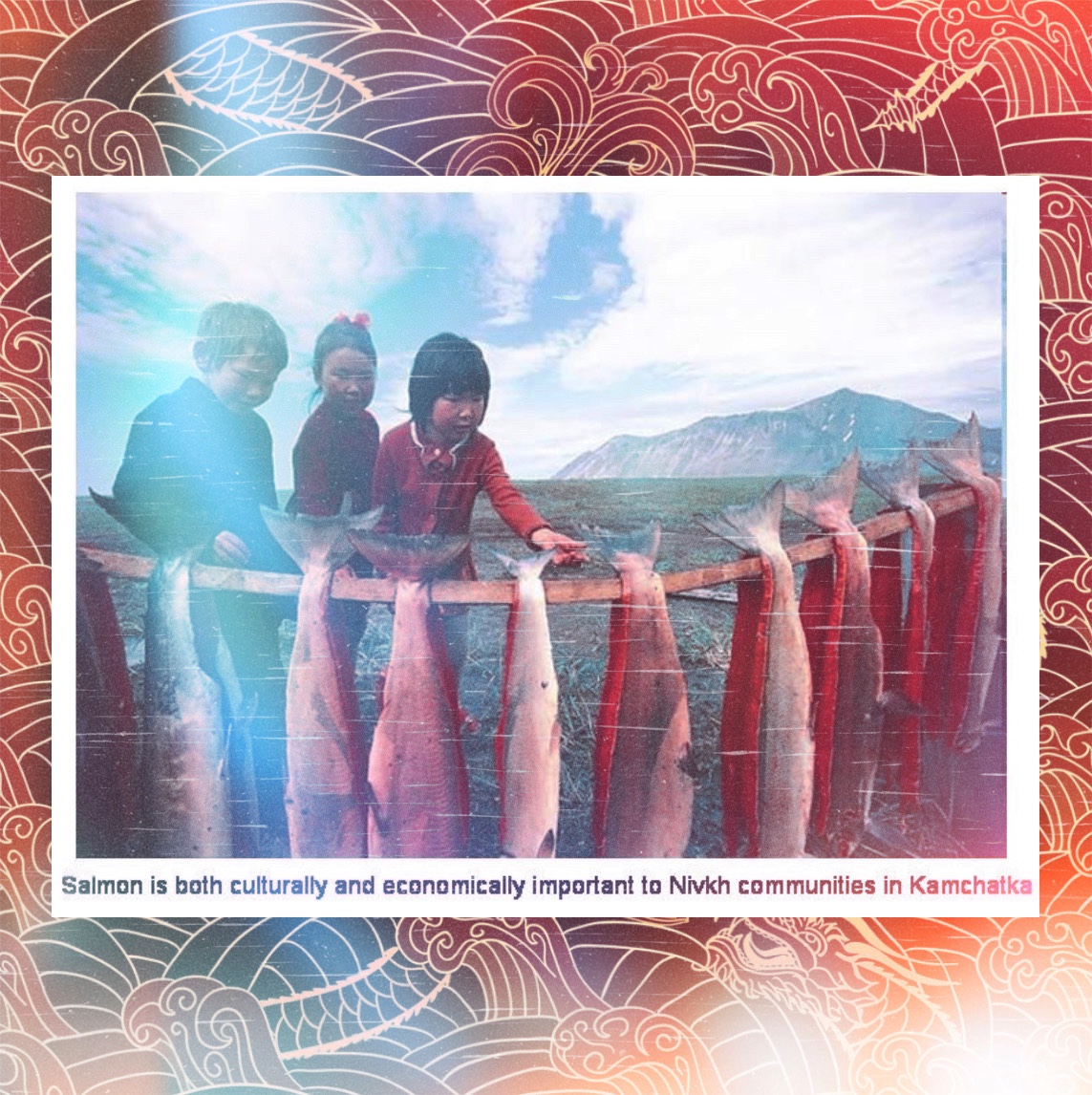
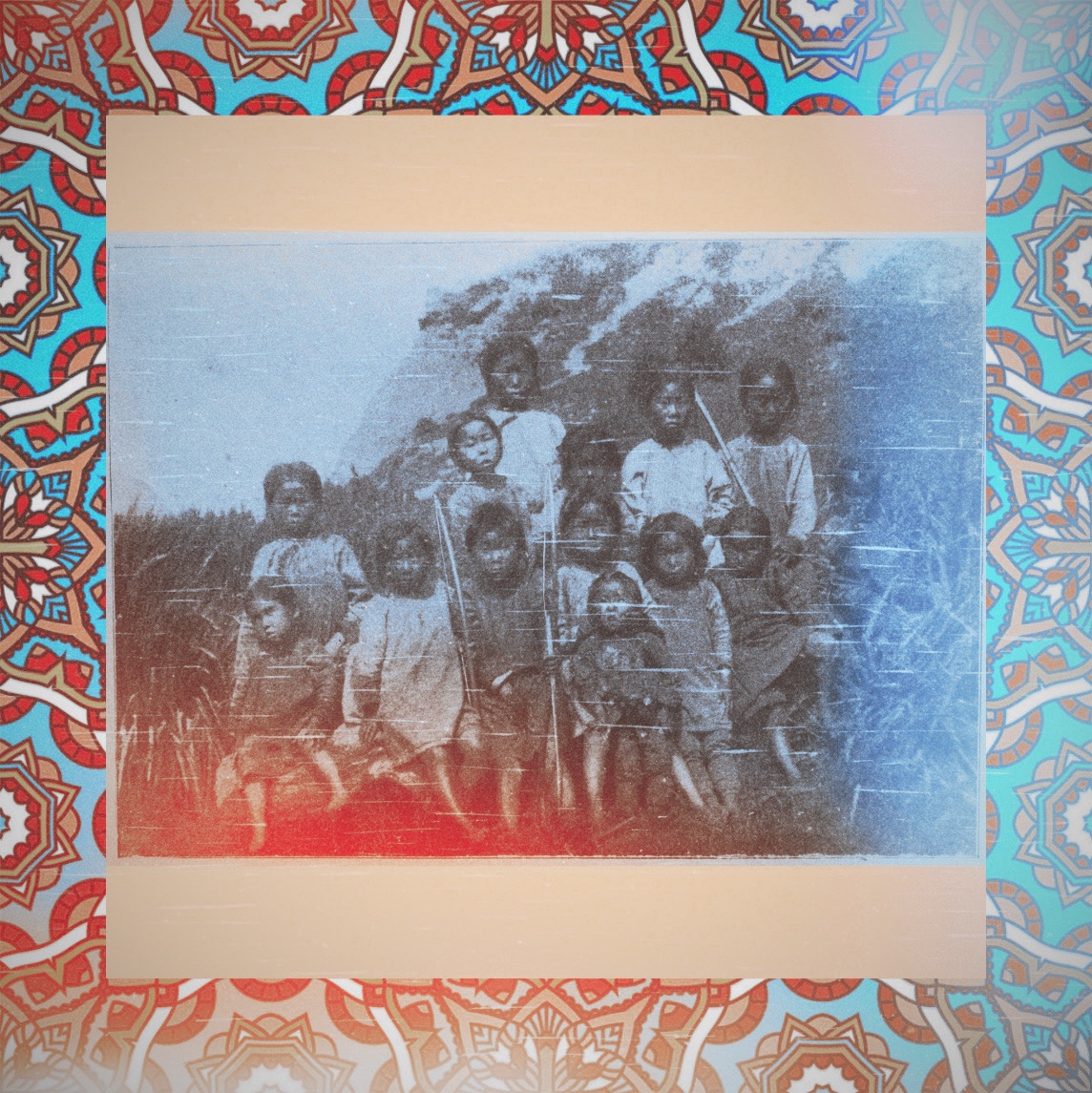
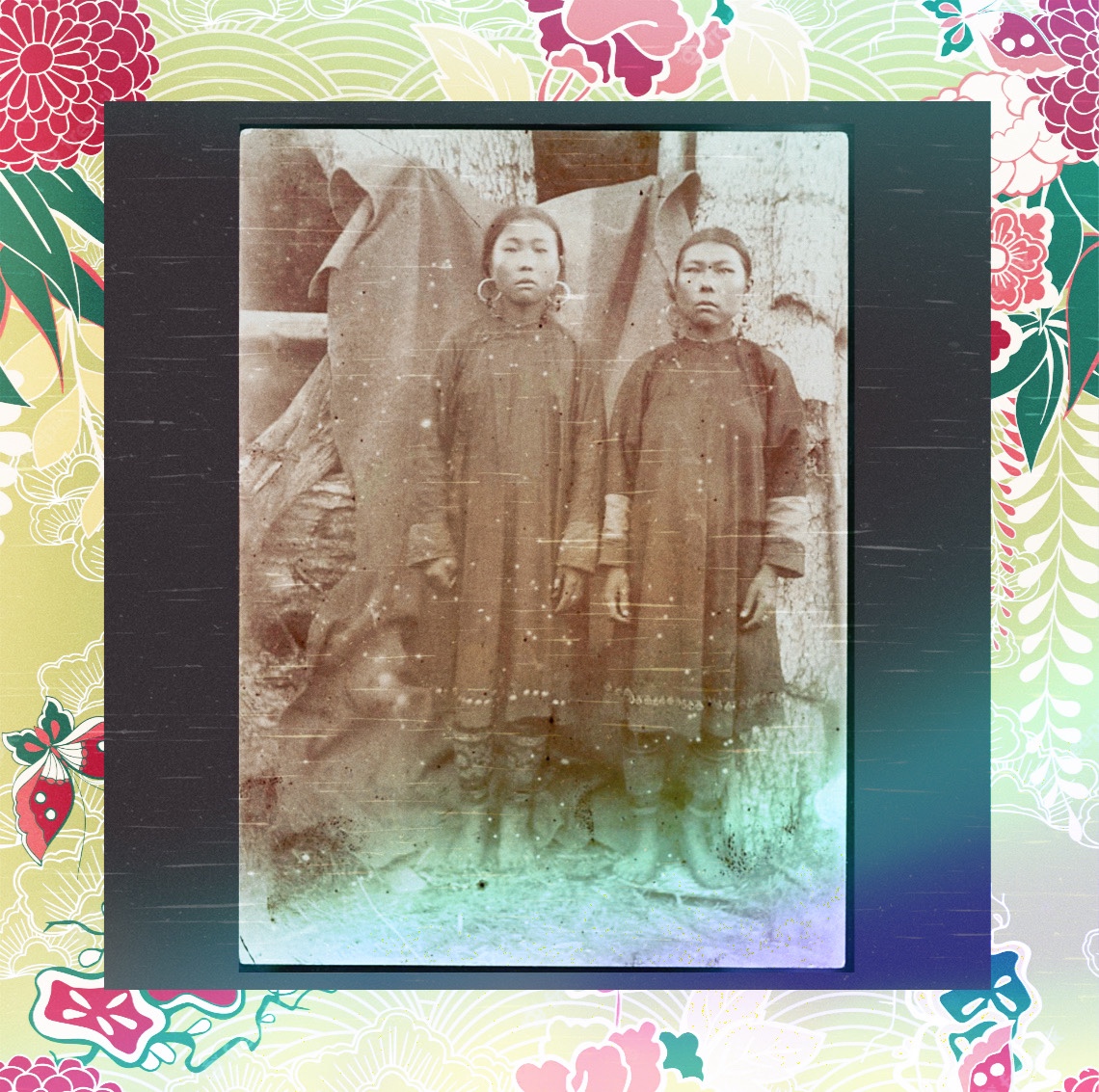
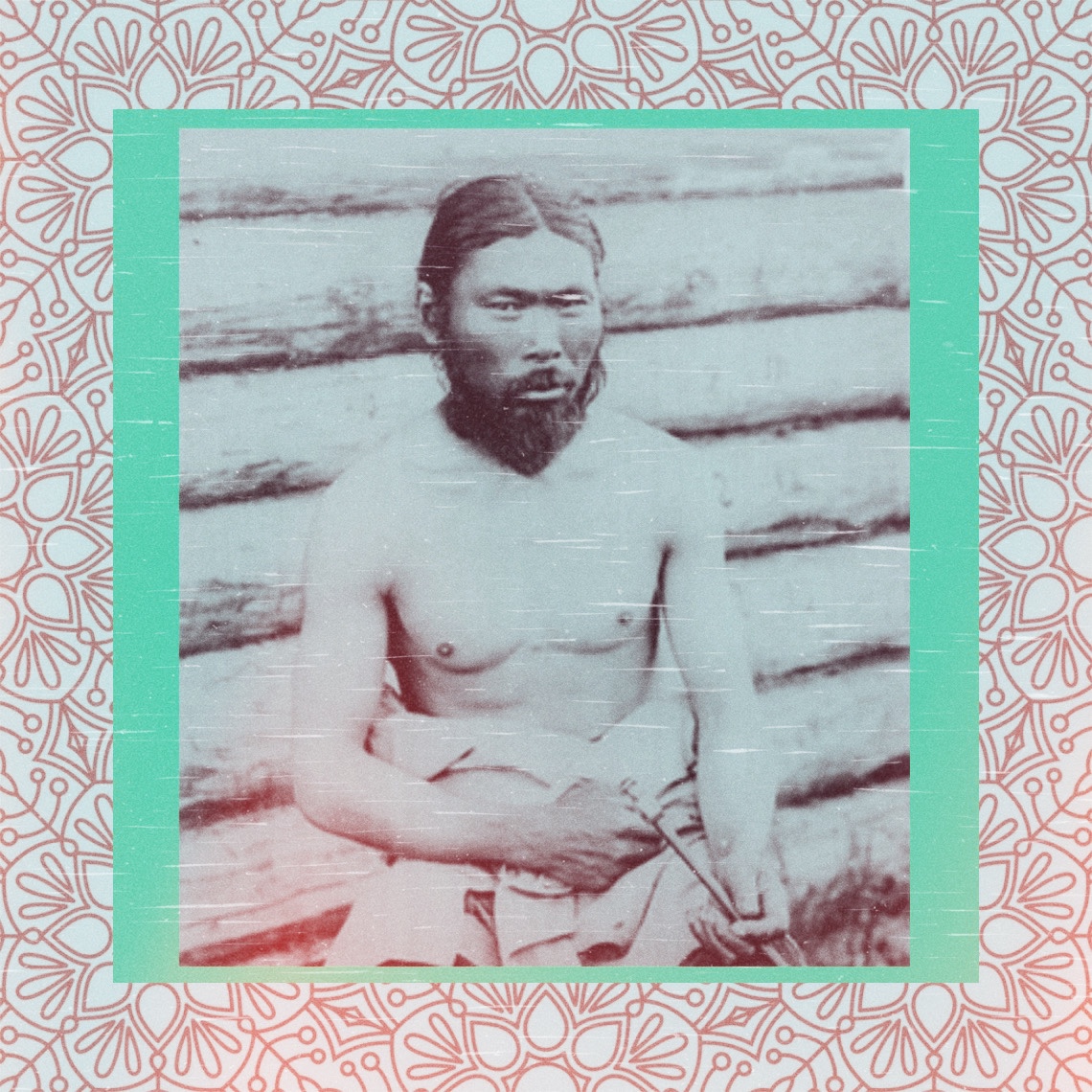

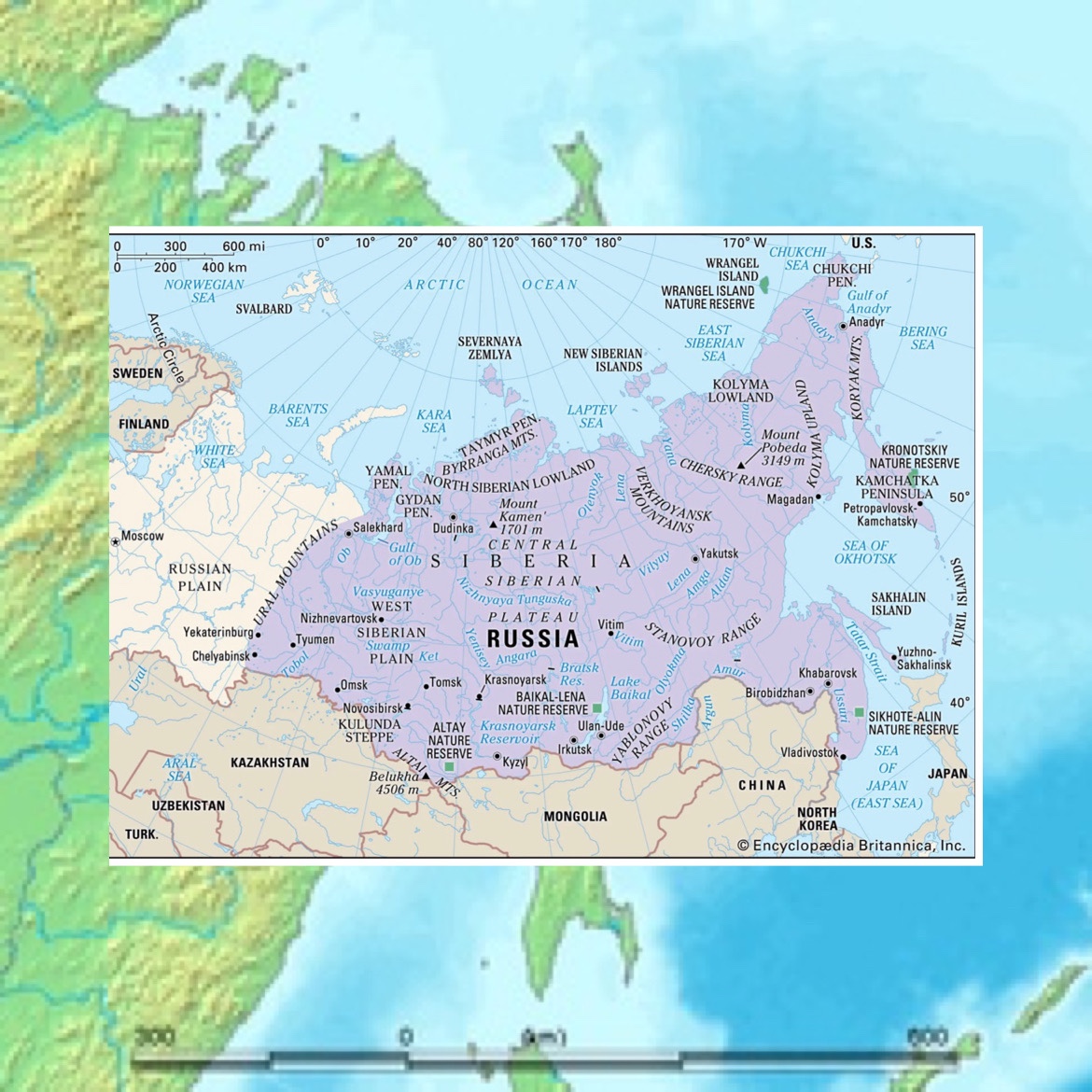
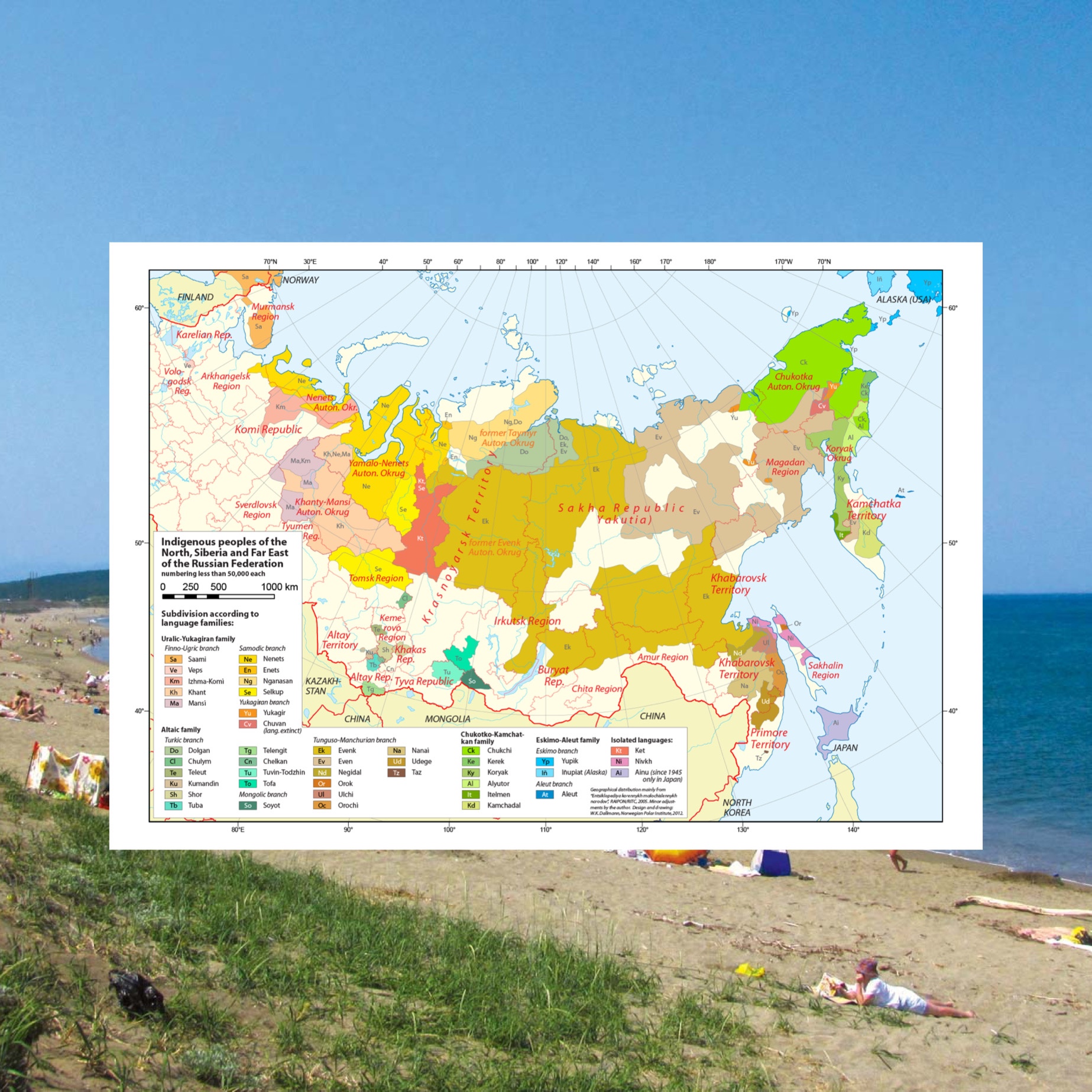
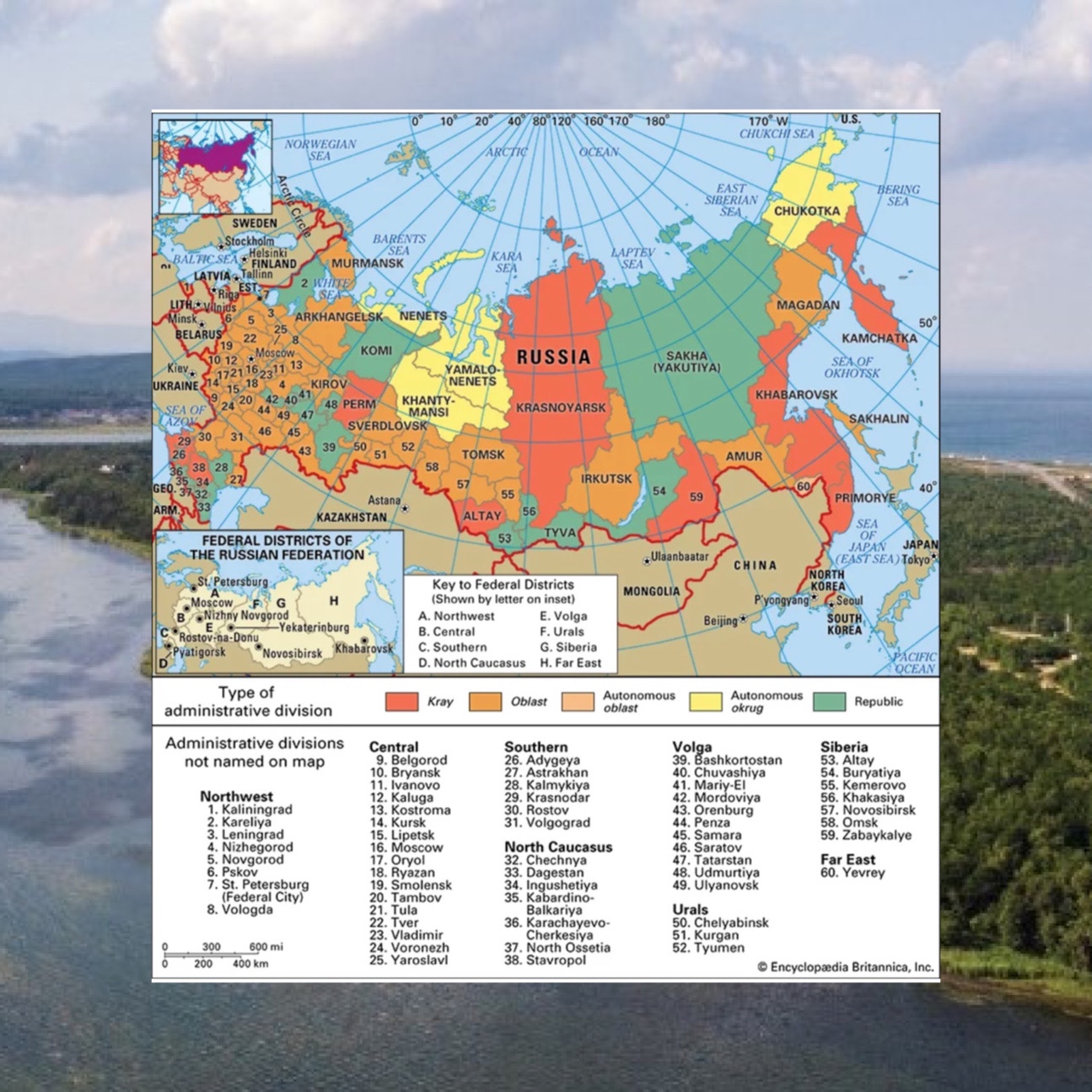
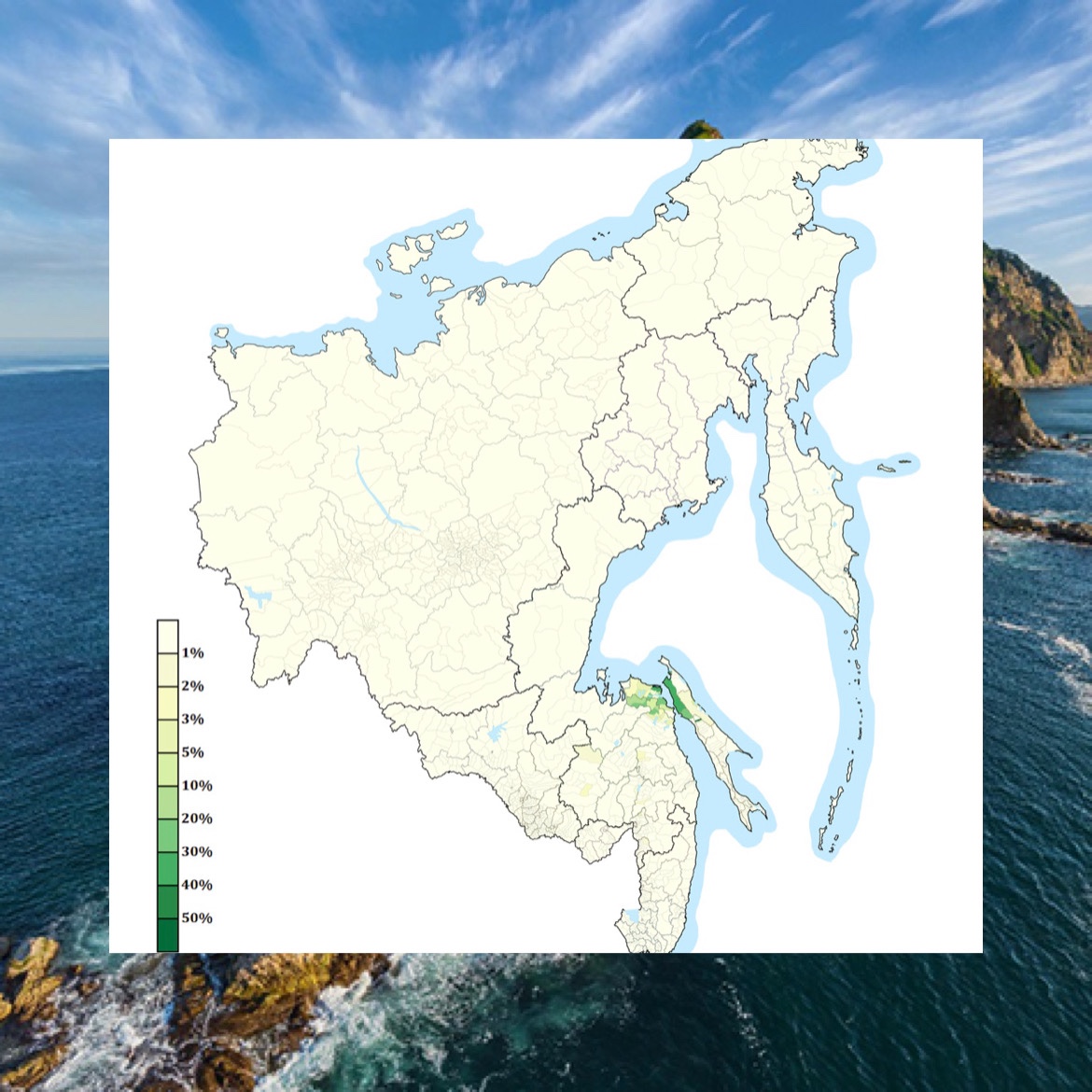
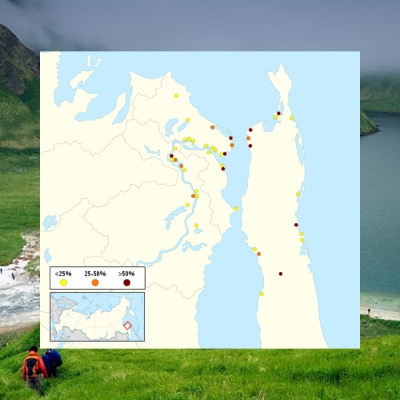
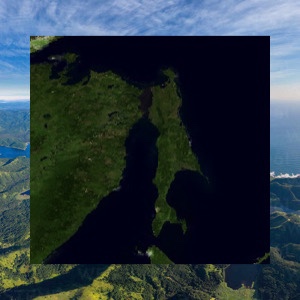
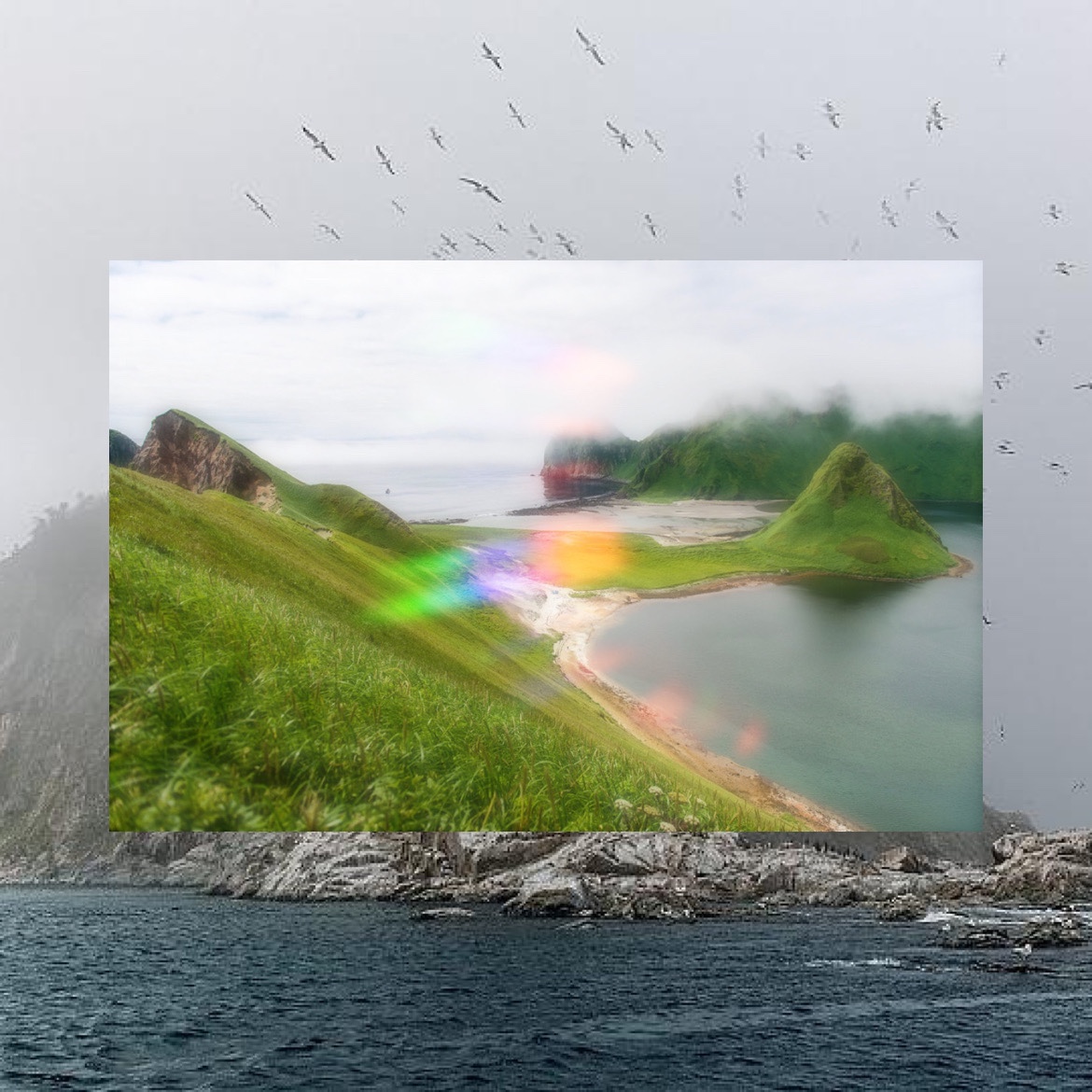
Alongside Russians, the island of Sakhalin is presently sparsely populated by three aboriginal tribes: the Nivhgu (Gilyaks), the Oroks, and the Ainu. The population of Sakhalin stands at about 500,000, about 83% being Russians, 5.5% Koreans, and the rest made up of tiny minorities including the Ainu, Oroks and Nivkhs. The Nivkh are also known as the Gilyak / Nivkhs / Nivkhi / Gilyaks / Нивхгу, Nʼivxgu (Amur) / Ниғвңгун, Nʼiɣvŋgun (E. Sakhalin) / “the people”. Their ancestral language, Nivkh / Gilyak / Amuric / Нивхгу диф / Nivxgu dif / /ɲivxɡu dif/ / нивх диф / ɲivx dif / нивх туғс / ɲivx tuɣs / Nighvng / Niɣvŋ, is moribund with a negligible amount of speakers still around. It is nonetheless the Language of Presence, with the Buzz-Concept ~s~e~r~e~n~d~i~p~i~t~y~.
Nivkh is normally classified as a language isolate, although relationships have been proposed with the likes of the Mosan languages of North America; Chukotko-Kamchatkan; Algic; Wakashan; Mongolic; Tungusic, and even Uralic. By my consideration, it is a “Trans-Siberian-American” language, alongside Eskimo-Aleut, Na-Dene, Muskogean, Chukotko-Kamchatkan, Yeniseian, Yukaghir, Ainuic, and Tungusic, the Languages of Perceptivity. Beyond this, it aligns technically with the Amerindian languages, the “Boundless” Tongues, which belong to the primary “Orientalesque”/Amurian/Mongoloid family of the “Conceptual-Abstract” Tongues, also including the likes of Chinese, Tibetan, Burmese, Japanese, Korean and Mongolian.
Nivkh grammar is moulded to complement everyday life experience. The nuances of Nivkh are experientially-focused, let’s say. It is an agglutinating synthetic language, whose words are generally easily divisible into root and grammatical morphemes, the latter almost exclusively being suffixes. An interesting feature of Nivkh is that it does not use any prepositions or conjunctions. Nor are there any adjectives, only qualitative verbs that convey states of being like ‘be-strong’, ‘be-gray’. The language also has a rigorous developed system of 8 noun cases.
Words in Nivkh (samples hard to find!):
- Tud γe-ja! ‘Take this one!’
- Atak-a:! Təɟ ajma-ja! Təɟ siɟ=ŋa? ‘Grandfather! Look at this! What is this?’
- ɲi naf-toγo əγřciŋ tud-ak pil-ŋ chxəf khu-ɢavr-d. ‘Until now I [have] never killed a bear bigger than this one.’
- aɟ-a ɲəŋ-doχ phrə-ja! ‘That one, come to us!’
- ɲaqr = one
- meqr = two
- caqr = three
- nɨkr = four
- tʰoqr = five
- ɲax = six
- ɲamk = seven
- minr = eight
- ɲɨɲben = nine
- mxoqr = ten
- nivkh = person
- kan = dog
- tig’r = tree
- nivkh nin = one person
- kan n’yn’ = one dog
- tig’r nekh = one tree
- If evd̦. | If e-v-d̦. ‘He took this.’ | s/he 3sg-take-ind
- If tavʁajvod̦. | If tavʁaj+vo-d̦. ‘He took a crab.’ | s/he crab+take-ind
- If tavʁajñənbod̦. | If tavʁaj+ñən+bo-d̦. ‘He took one crab.’ | s/he crab+one:non.human+take-ind
- If tavʁajñənvarkpod̦. | If tavʁaj+ñən+vark+po-d̦. ‘He took only one crab.’ | s/he crab+one:non.human+only+take-ind
- If tavʁajñənvarkuvrbod̦. | If tavʁaj+ñən+vark+uvr+bo-d̦. ‘He took only one crab at least.’ | s/he crab+one:non.human+only+at.least+take-ind
- Ţoŋrmeqrhemarnojaq humra… | Ţoŋr+meqr+hemar+ŋojaq hum-ra … ‘The egg of the old man with two heads was there ….’
- ţoŋr head
- ţoŋr+meqr two heads
- hemar old man
- nojaq egg
- Paχ ţosqţ. | Paχ ţosq-ţ. ‘The stone broke.’
- Ţosqvaχ kutţ. | Ţosq+vaχ kut-ţ. ‘The broken stone fell.’
- Həzosqvaχ kutţ. | Hə+zosq+vaχ kut-ţ. ‘This broken stone fell.’
- paχ stone
- Həlumr lili urd̦. | Hə+lumr lili ur-d̦. ‘This sable is very good.’
- Həlumr lukţ. | Hə+lumr luk-ţ. ‘This sable is fluffy.’
- Añţəj lili urlaluklumrkukuzr jeskid̦. | Añţəj lili ur-la+luk+lumr-ku+kuz-r j-eski-d̦. ‘Having taken out very good fluffy sables, (he) sells them again.’
- Həeriux ţ‘o tamd̦. | Hə+eri-ux ţ‘o tam-d̦. ‘There is a lot of fish in this river’; lit. ‘In this river fish is abundant.’
- Həeri ţ‘oramd̦. | Hə+eri ţ‘o+ram-d̦. ‘This river is rich in fish’; lit. ‘This river is fish-rich’
- ţ‘o fish
- eri river
The Nivkh are THE “Trans-Siberian-Amerindians.” The ones.
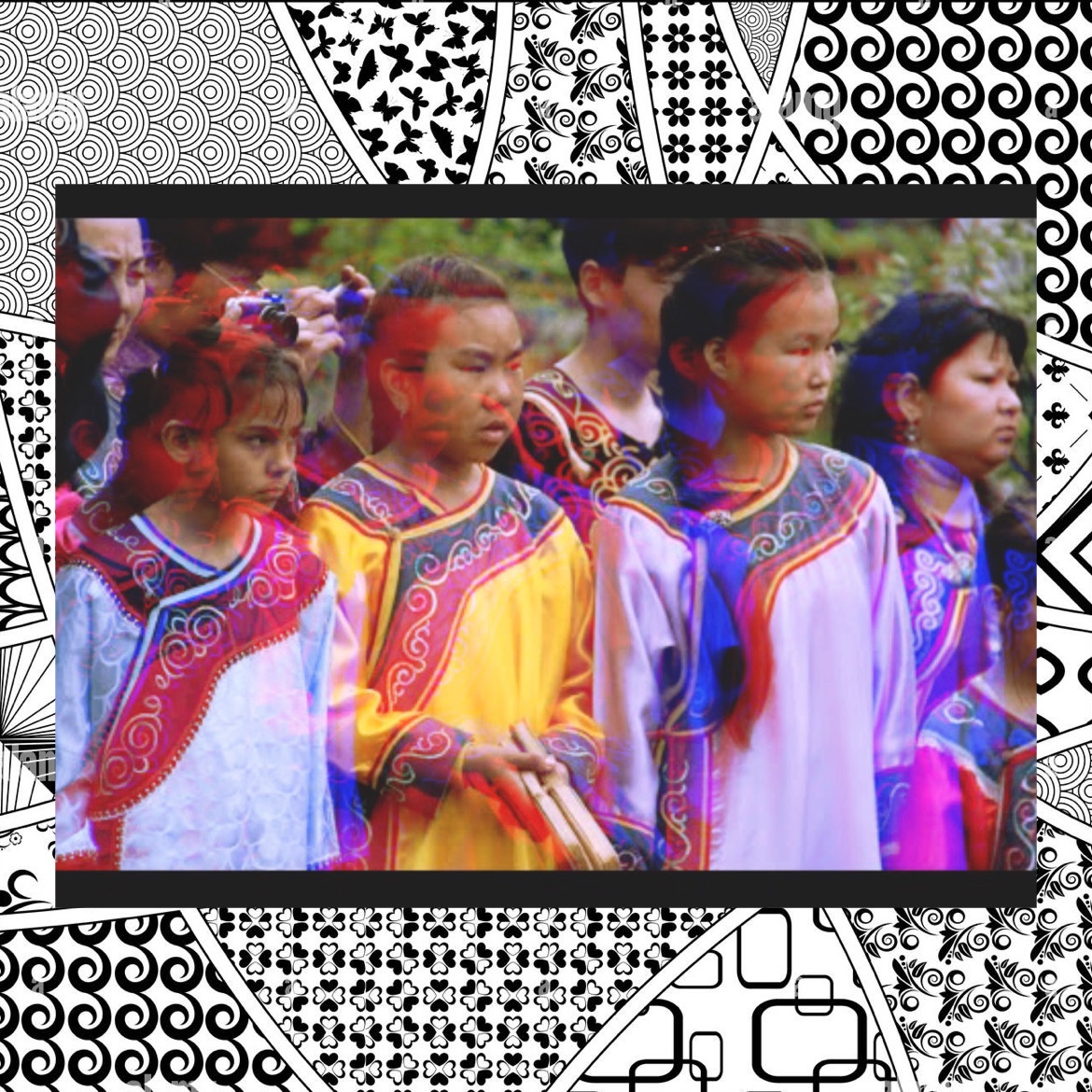
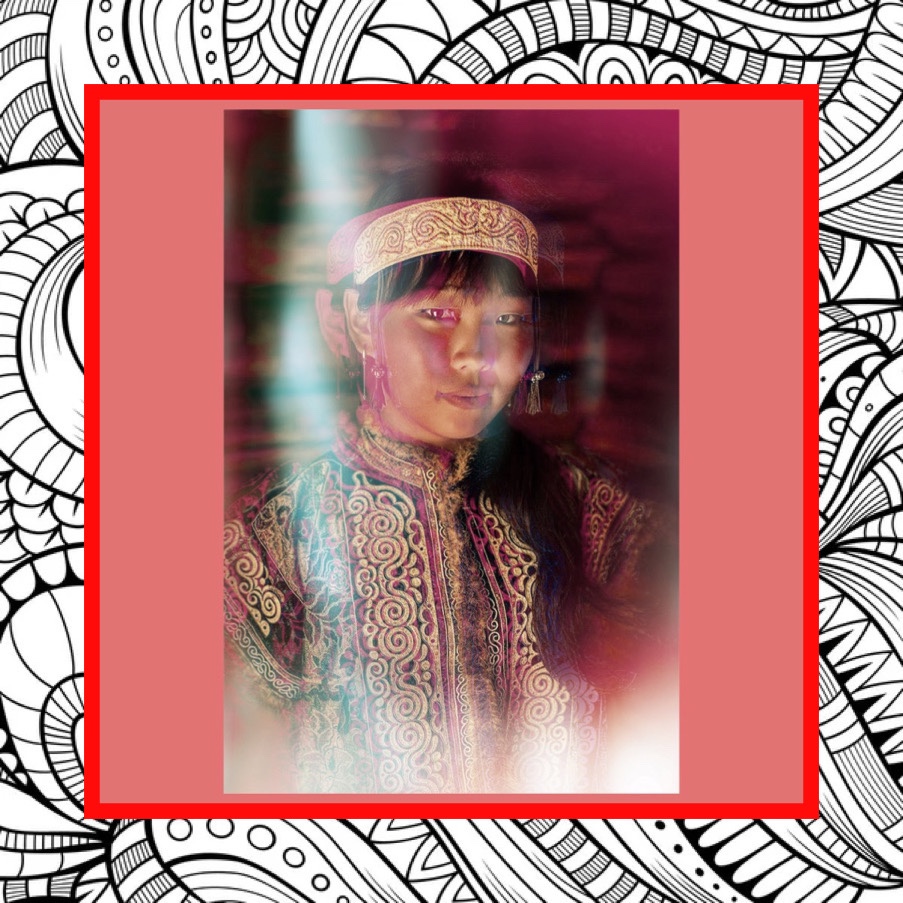
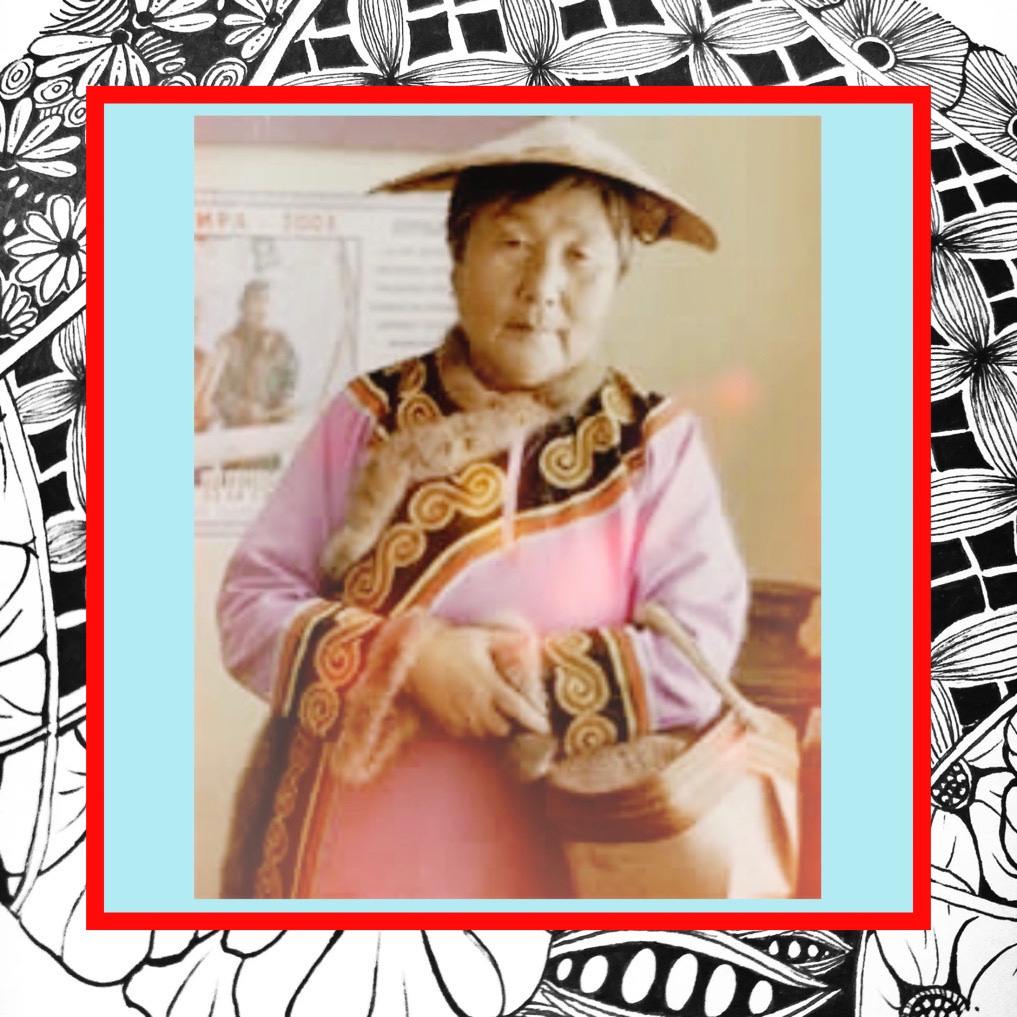
Extreme Nivkhing… It’s not really that extreme, although perhaps it is to wrap your head around! It’s a lifestyle, going by the Nivkh philosophy. You have to really be there in the moment with your entire head and body – in the moment, in the present, taking account of the details of your standing, of your posture, your sense of self. For Nivkh-speakers this is instinctive. Only then do we have |Extreme.Nivkhing!
 The Buzz-Concept Project