See the original post here.
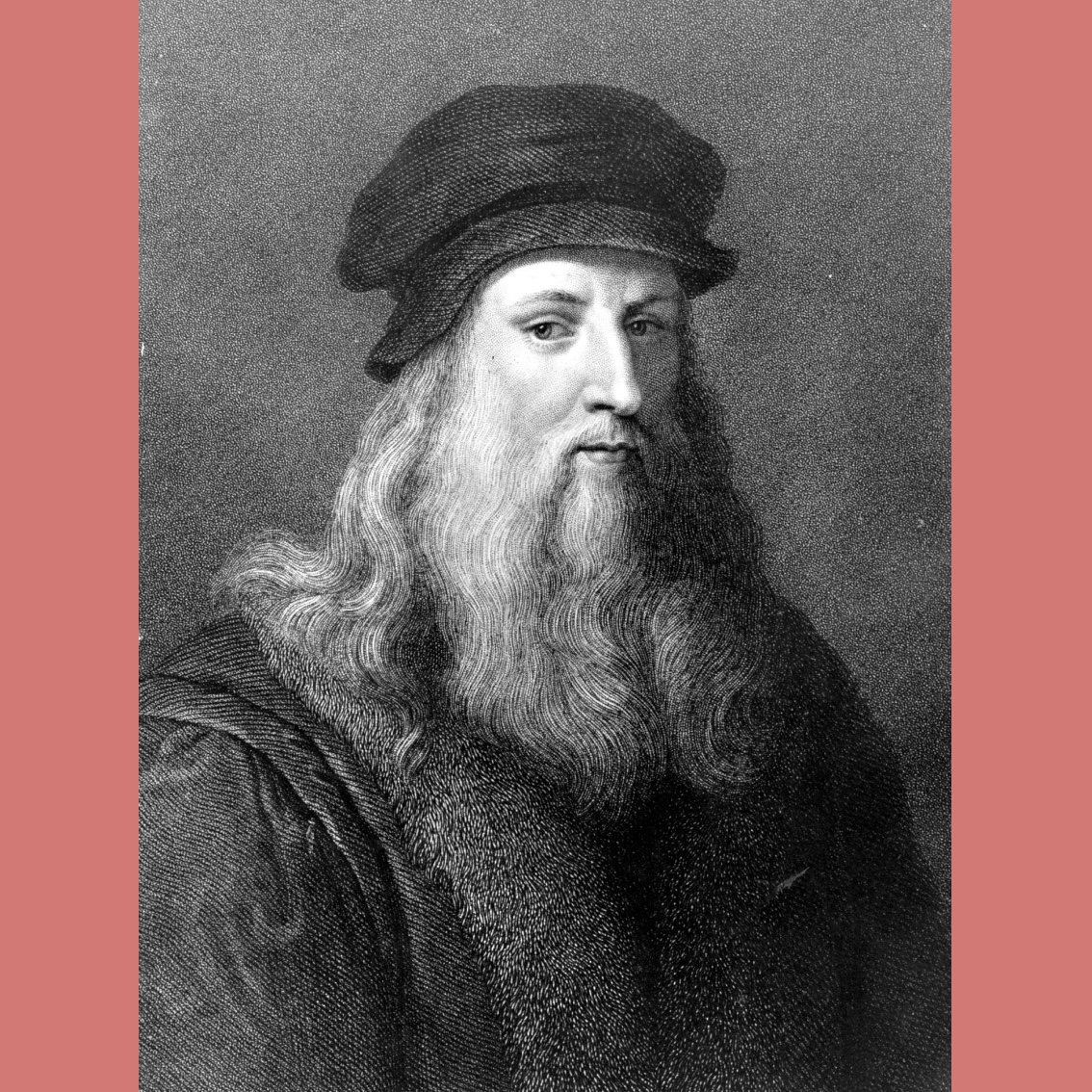
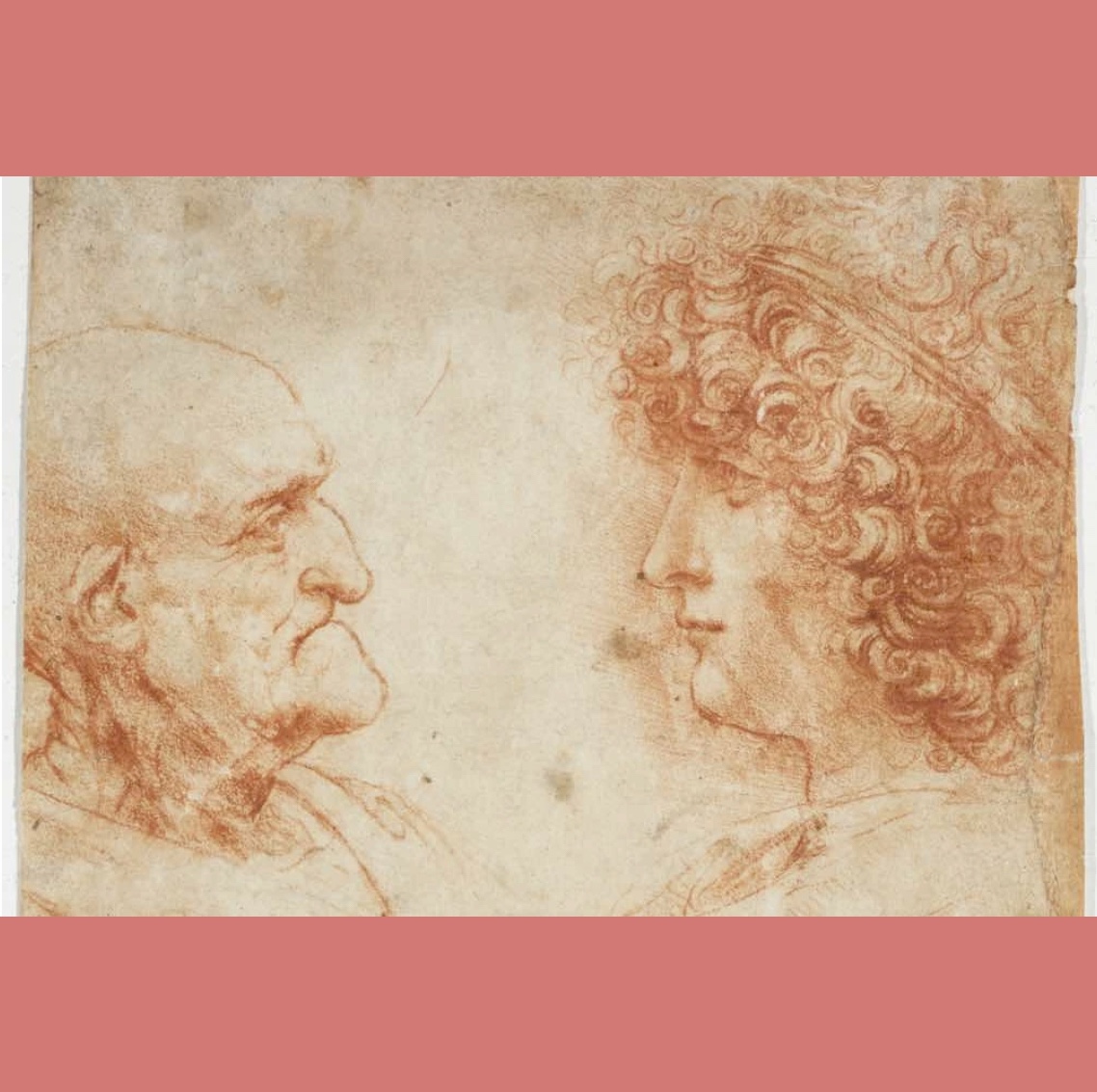

The “Da Vinci Curse” is a funny thing -a massive existential riddle for us all to solve- left by the legendary artist and polymath Leonardo di ser Piero da Vinci, popularly called Leonardo da Vinci ”Leonardo from Vinci”, or simply ”Da Vinci”.


Born in Anchiano, near Vinci in the Republic of Florence -now Tuscany- in 1452 out of wedlock, he grew up to become a pre-eminent painter, draftsman, sculptor, and engineer. His Last Supper (Il Cenacolo / L’Ultima Cena – 1495-98) and Mona Lisa (Gioconda / Monna Lisa – 1503-19) are two of the most popular and influential works of the Renaissance / il Rinascimento.


He also made extensive waves in his intellectual pursuits, putting his singular powers of intellect and observation to good use in the realms of engineering and the study of nature, especially. His dual pursuits of art and science by no means unfolded separately, and he applied his creativity to every realm of his study he could, and vice versa with the influence of his intellect upon his artistry. His graphic drawings or representations of his scientific ideas are the most compelling pieces of his output to me, personally, because of how unbelievably impeccably, precisely and vividly his science and his artistic technique are combined.
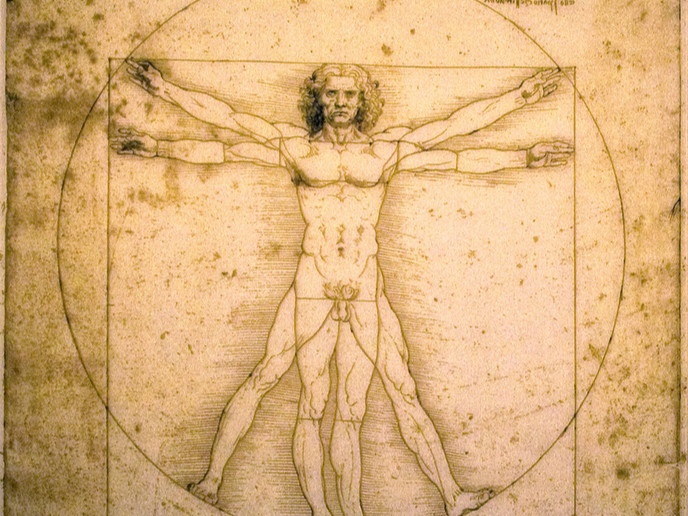
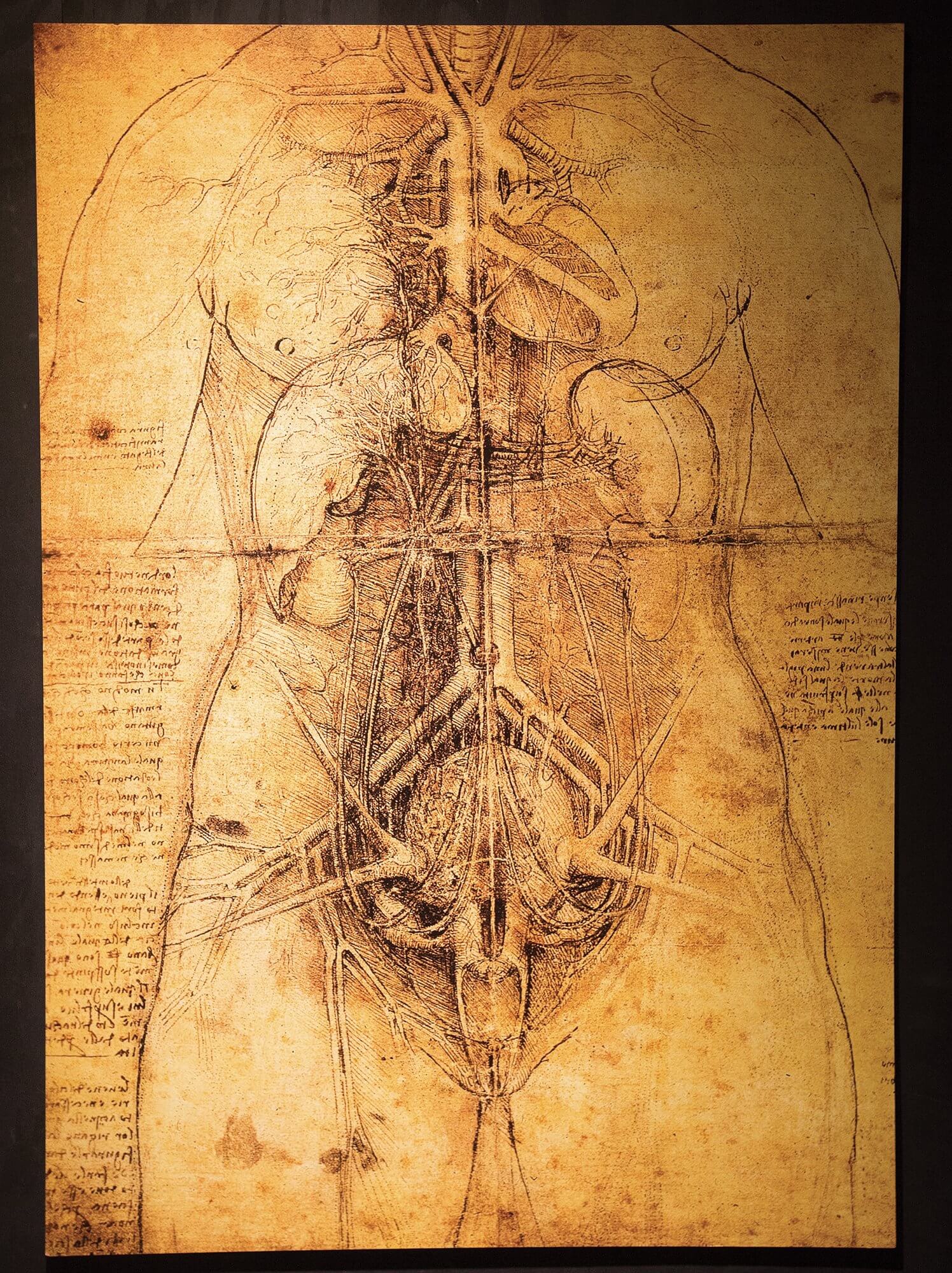
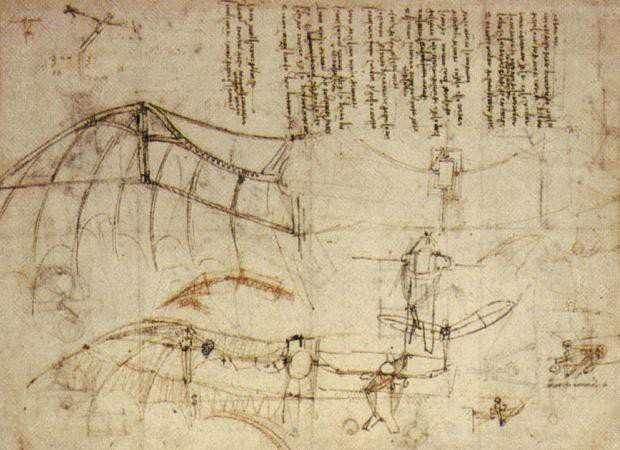

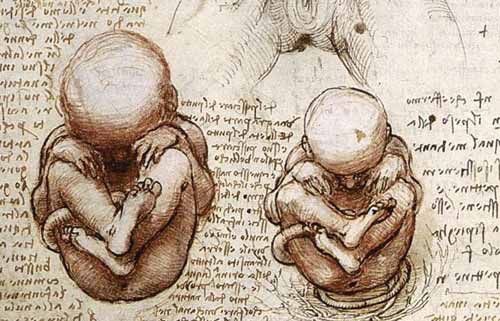
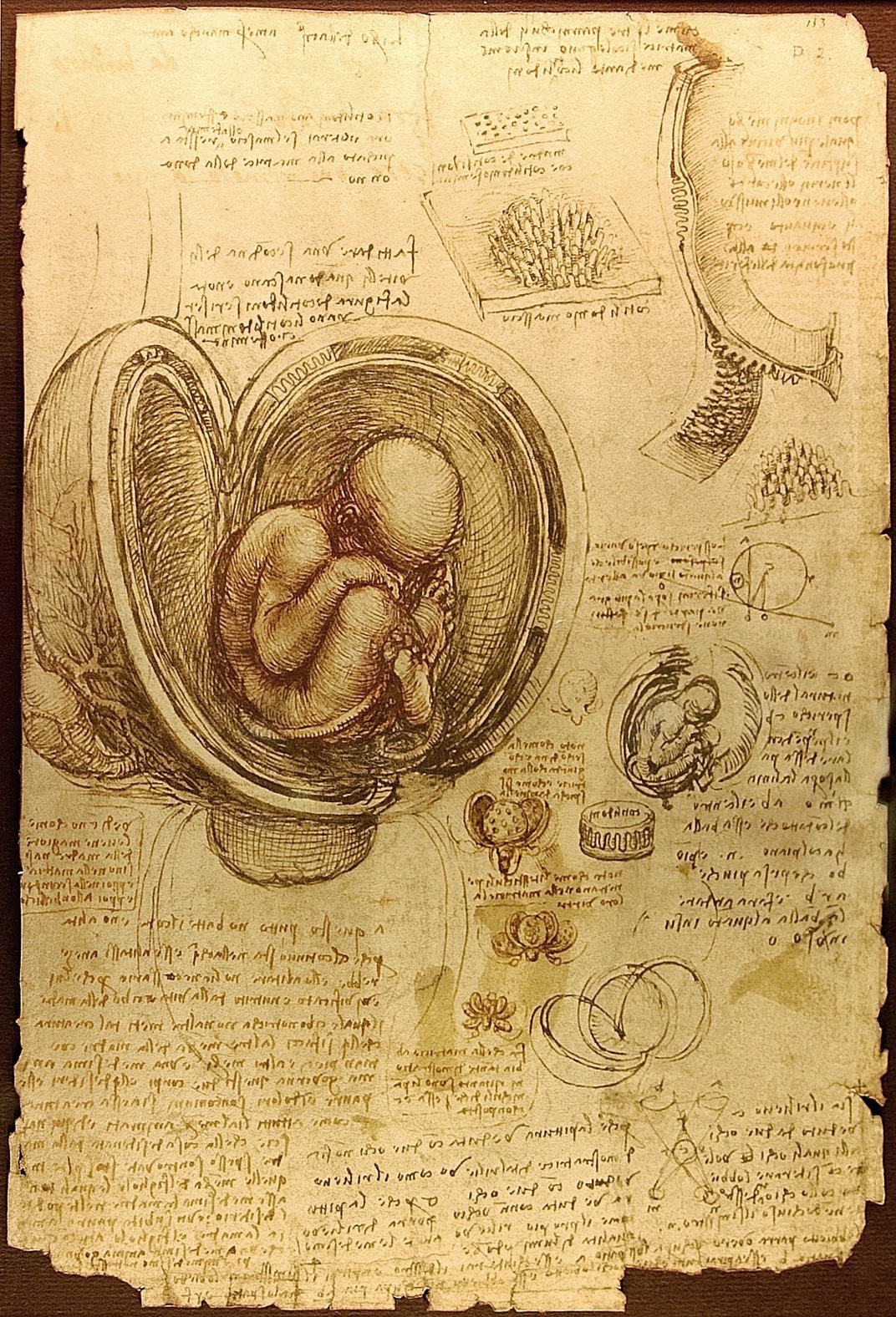
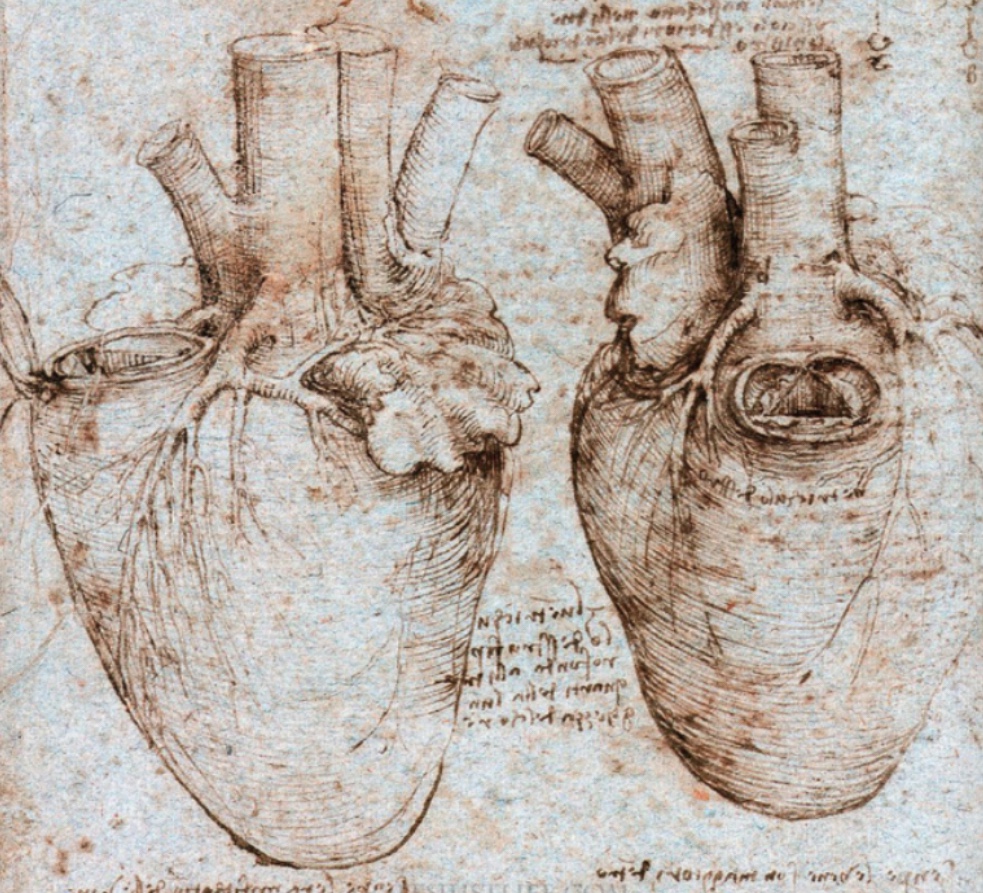
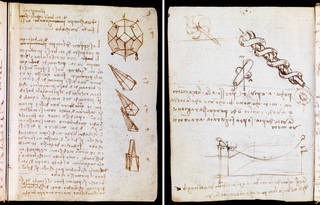
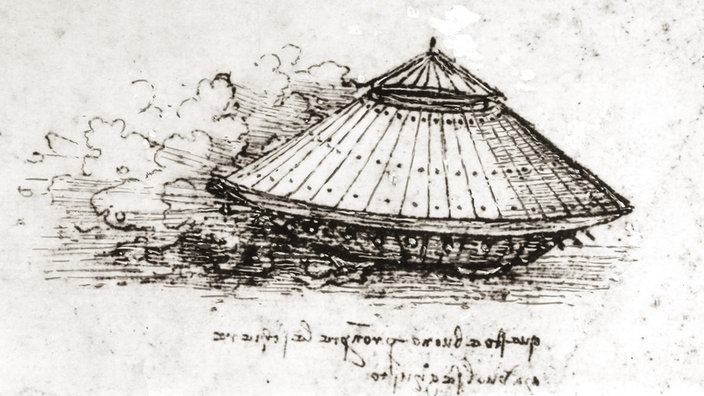
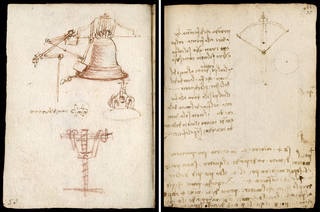

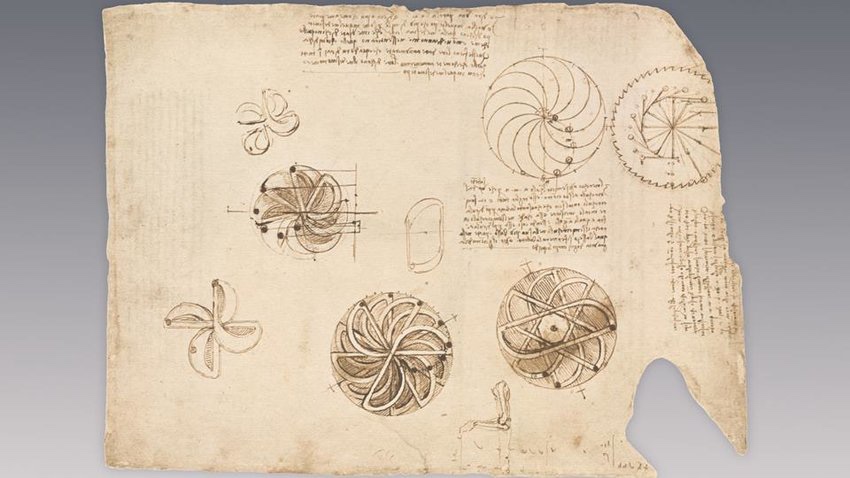
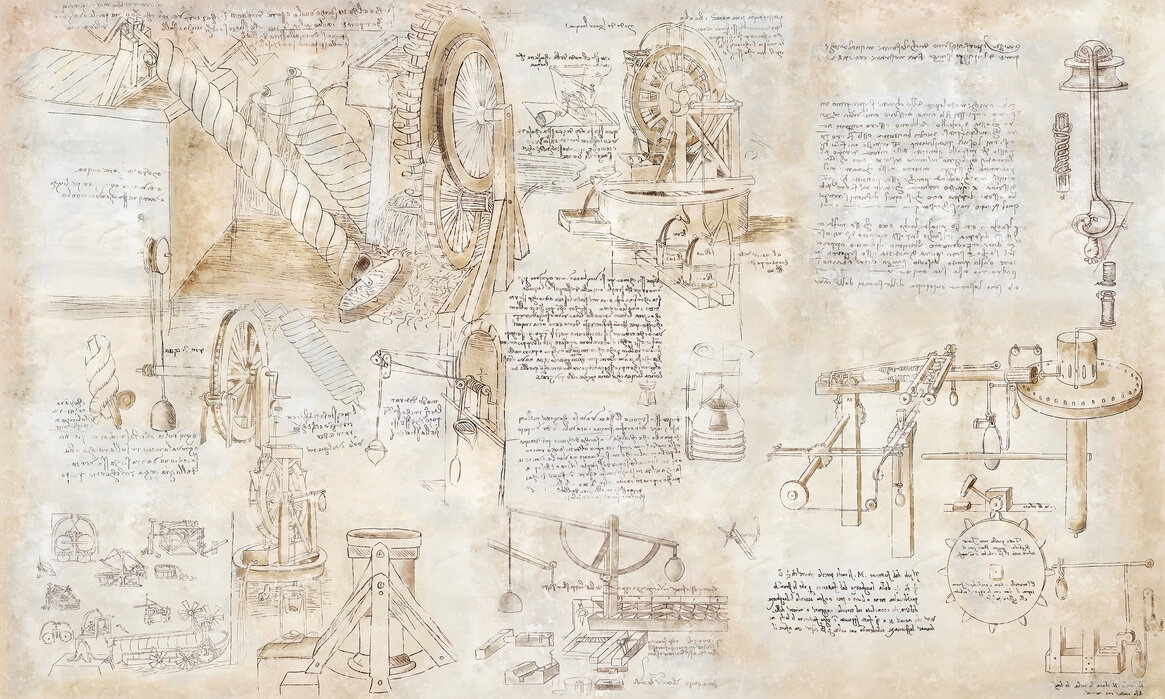
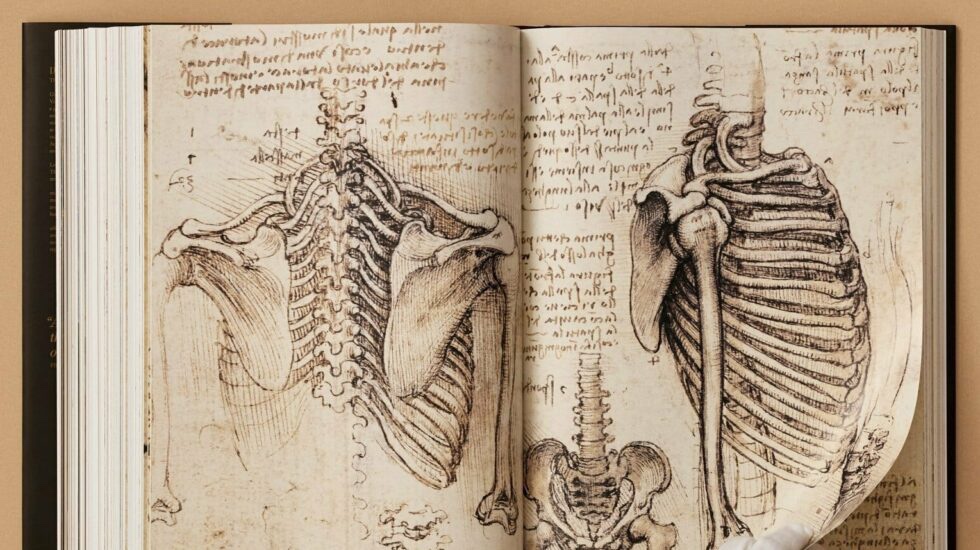
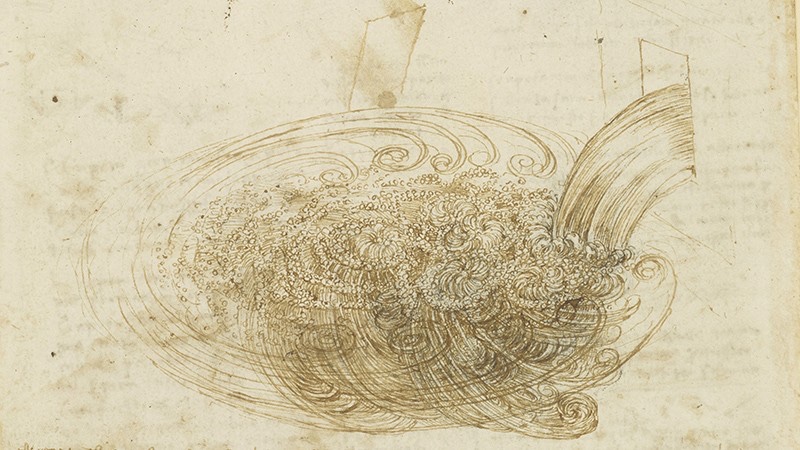
So precise he was that his powers of observation far exceeded the capacity of ordinary people to keep up. The realist, humanist sobriety of his artistic aesthetic acquired a complementary ethereal quality that he never actively, concretely cultivated thanks to this transcendence.


Da Vinci epitomised the Renaissance, a period of historical, social, cultural, intellectual and artistic advancement in Europe which marked the transition from the Middle Ages to modernity through the effort to revive and surpass ideas and achievements of classical antiquity and entailing the discovery of perspective in art, but also leapt Homerically ahead of his time. He reworked with his repertoire of supreme aptitudes fundamental aspects of the human experience, including our relationship with logic, perspective, art, vision, movement and perhaps even more. Even today we are still living in Da Vinci’s universe.
“Study the science of art. Study the art of science. Develop your senses -especially learn how to see. Realise that that everything connects to everything else.”
Leonardo da Vinci

He was so ahead of everyone else that he learnt how to toy with our perspective, to satisfy himself and to bridge the resulting void in the productive human consciousness. His devotion to reason actually limited him somewhat creatively, and his aesthetic is discernibly much less vigorous than you would expect from such a majestic visionary. Mathematically sober instead were elements like his colour preferences and his realism. Even his religious and supernatural subjects were effected from a grounded, somewhat sceptical or doubtful, perhaps cynical realist perspective. This unique dimension of his aesthetic and existence was what was soulfully codified in the pivotal mastery of the Mona Lisa, the world’s most prestigious work of art.

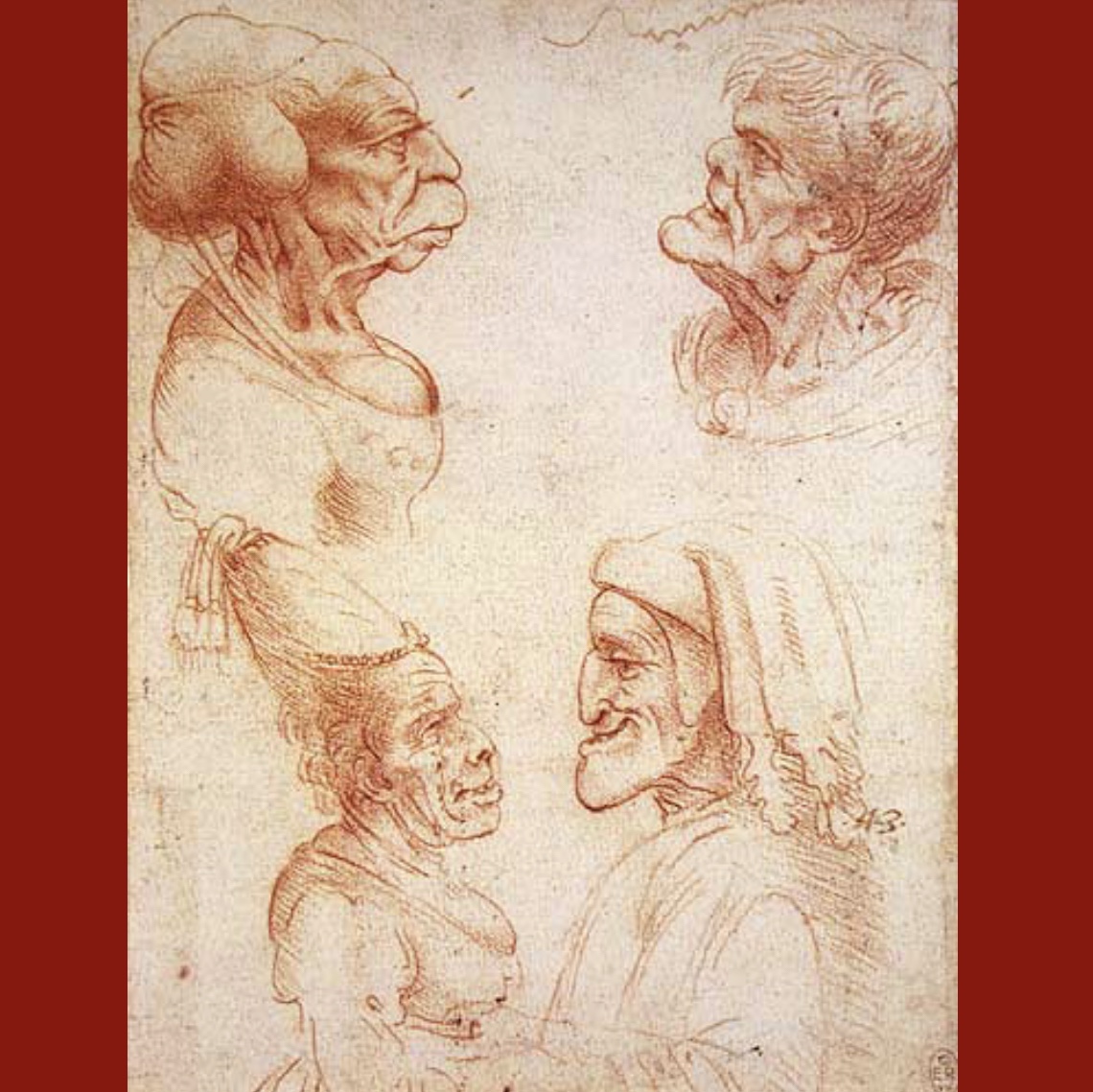
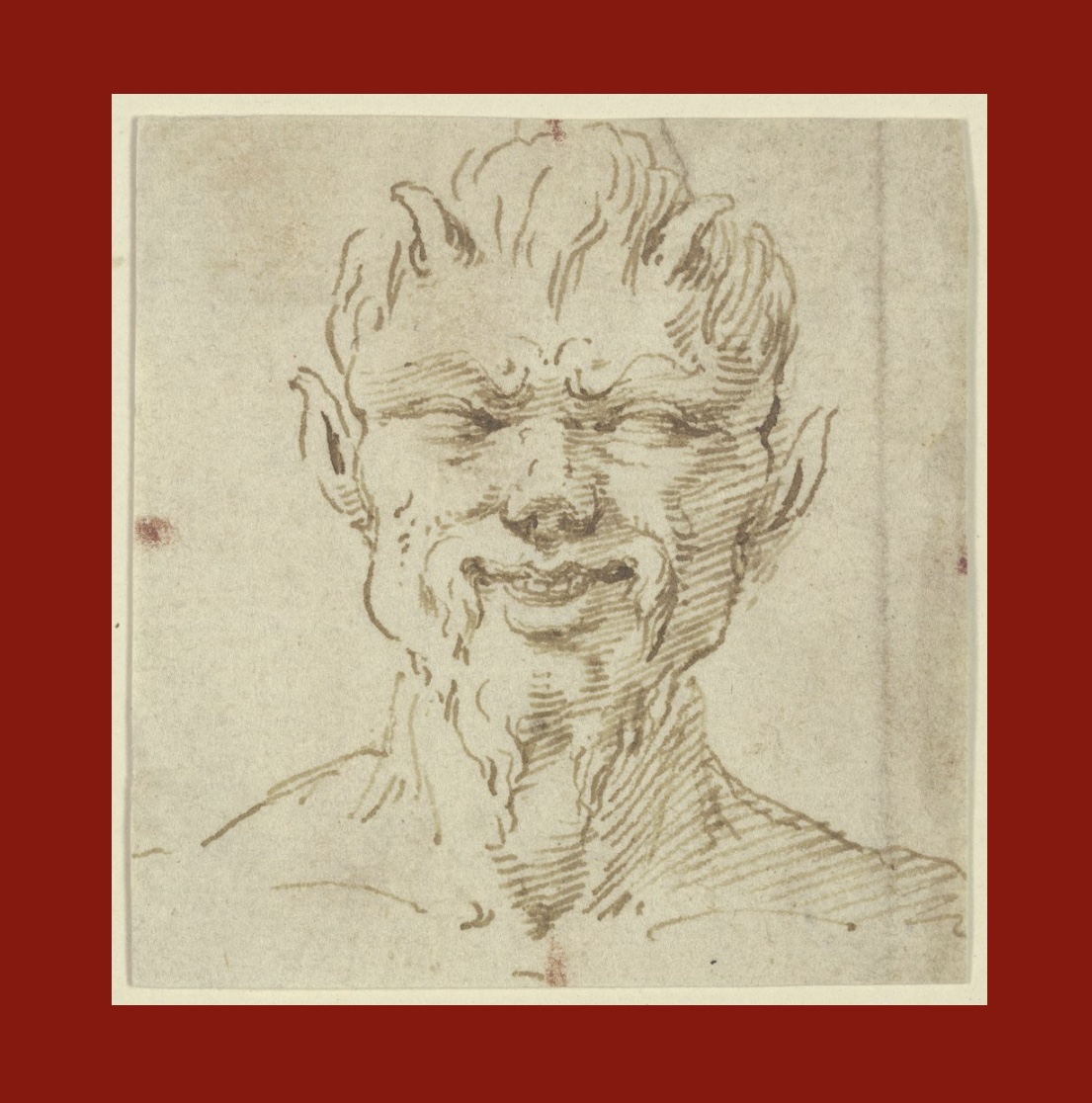
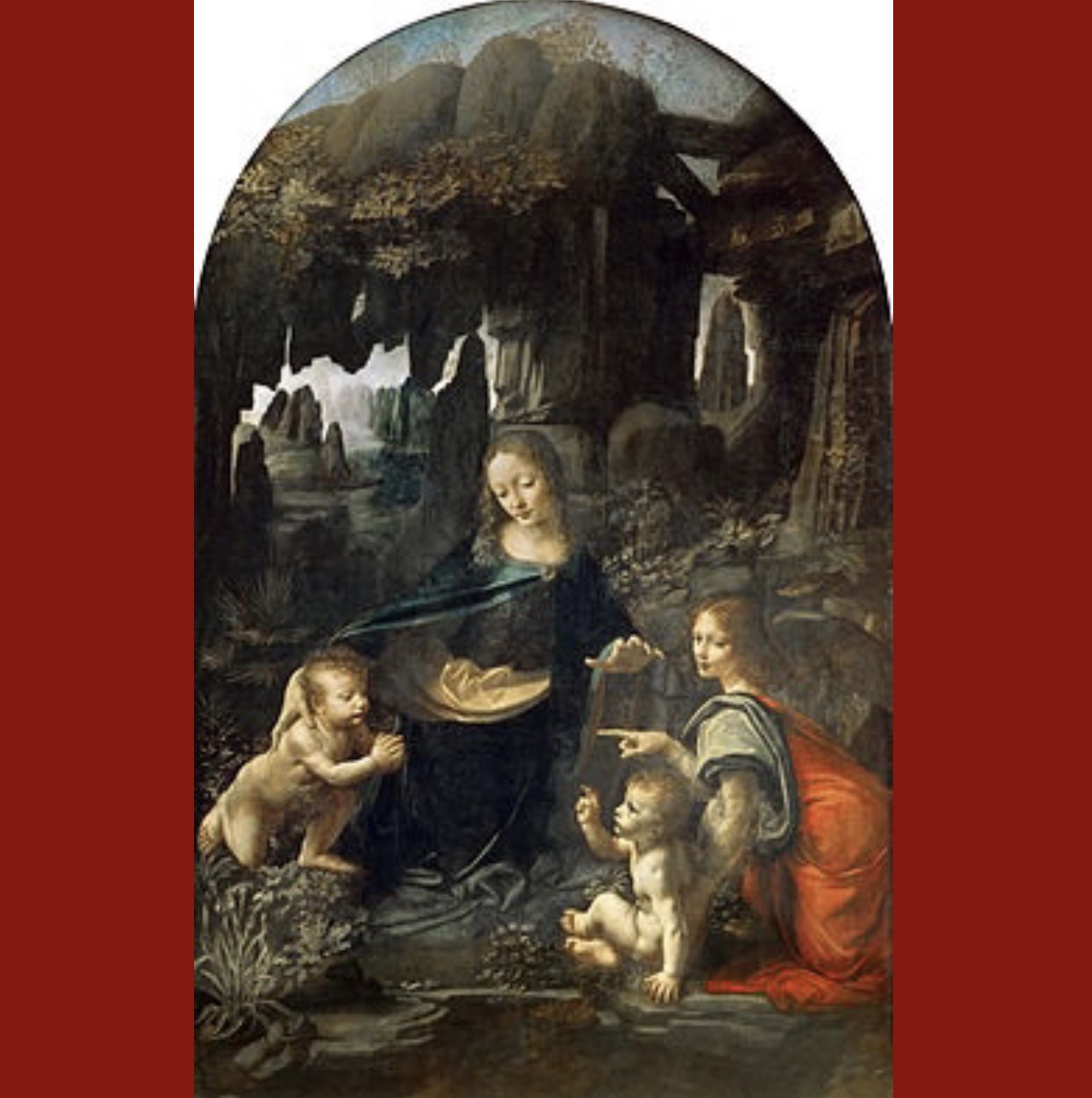
He left a puzzle for us, using the renowned beauty of his work to stun us into a stance by which we are firmly limited mathematically to our output in the world. Those who have the most valuable output will generally enjoy the most fulfilment, for example. Yep, Da Vinci did that: before him, winning in life centred exclusively around the social hierarchy. He conjured the “Da Vinci Curse” as a secret poetic comment on the human weakness for corrupt competitiveness, relating to the contrasting transcendence of his own supreme standing, up against envious irrelevant unenlightened laymen, and the sublimity that thus decorated his existence thanks to his superb intellect and skill. What do you think about this?

“Chi ha provato il volo camminerà guardando il cielo, perché là è stato e là vuole tornare.” — Once you have tasted flight, you will forever walk the Earth with your eyes turned skyward, for there you have been, and there you will always long to return.
His technical “beauty secret” for artistic world domination? The psycholinguistic aid of the musical, poetic fluency of the Italian language, the modern standardised version of which has its origins in the medieval dialect of Florentine society, popularised over the Renaissance and first formalised by Dante Alighieri. It eased his worldview along, permitting his powerful flow to reach such formidable heights. It felt like flying. Morphology, people, is so much more than the superficial forms of the words themselves ~

 The Buzz-Concept Project