


Derive happiness in oneself from a good day’s work, from illuminating the fog that surrounds us.
Don’t wait for inspiration, it comes while one is working.
He who loves, flies, runs, and rejoices; he is free and nothing holds him back.
There are always flowers for those who want to see them.
Creative people are curious, flexible, persistent, and independent with a tremendous spirit of adventure and a love of play.
I don’t paint things. I only paint the difference between things.
Creativity takes courage.
With colour one obtains an energy that seems to stem from witchcraft.
“What I am after, above all, is expression.”
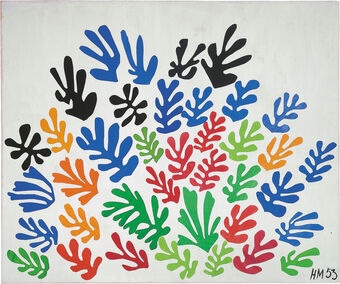
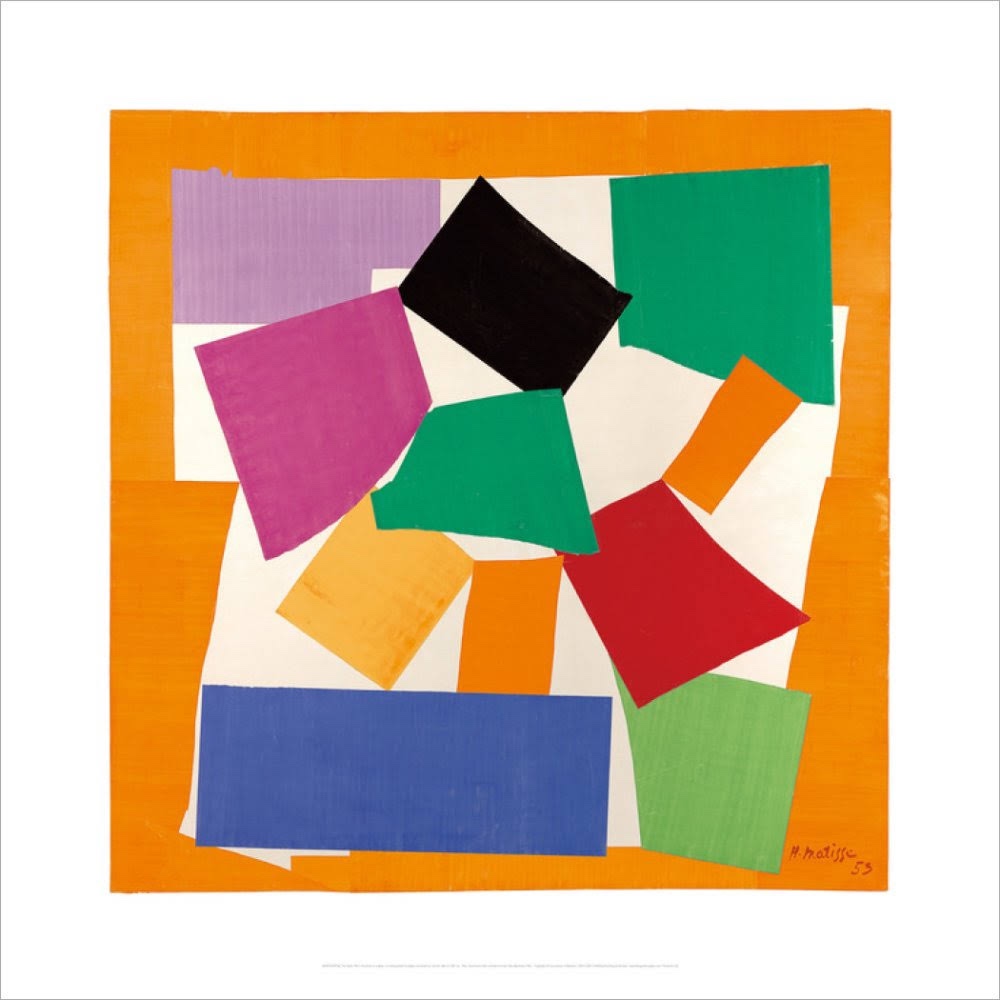
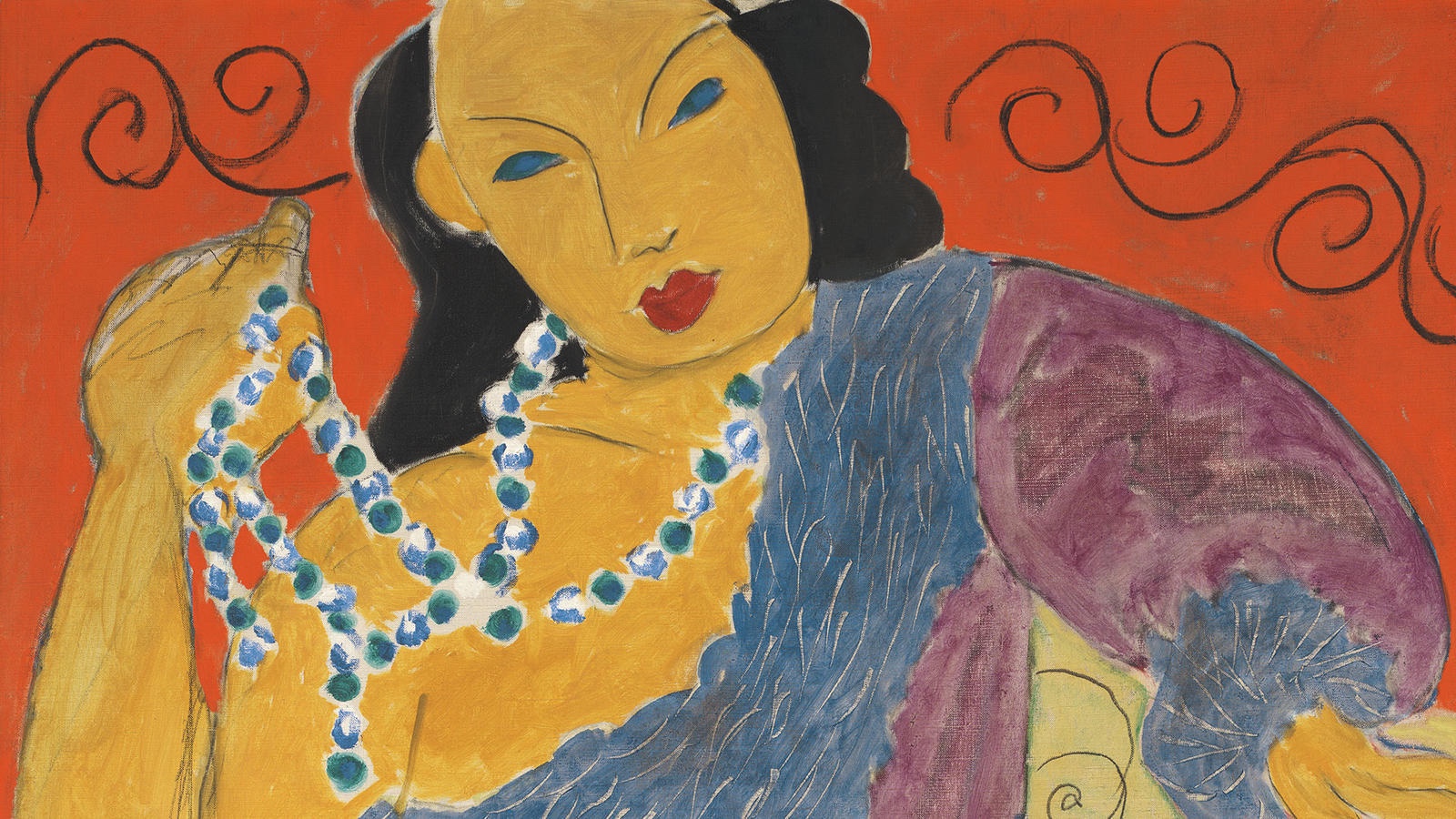
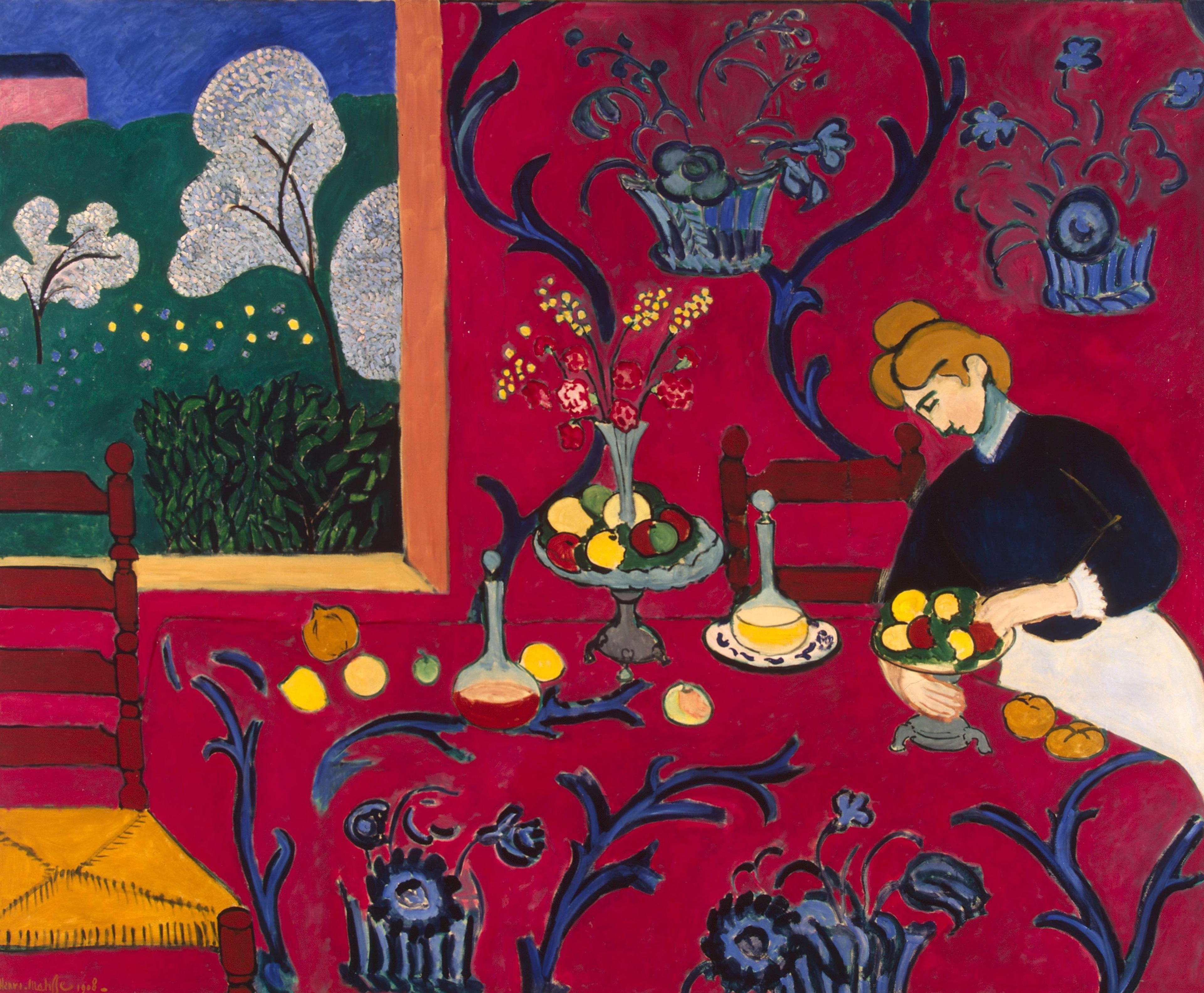
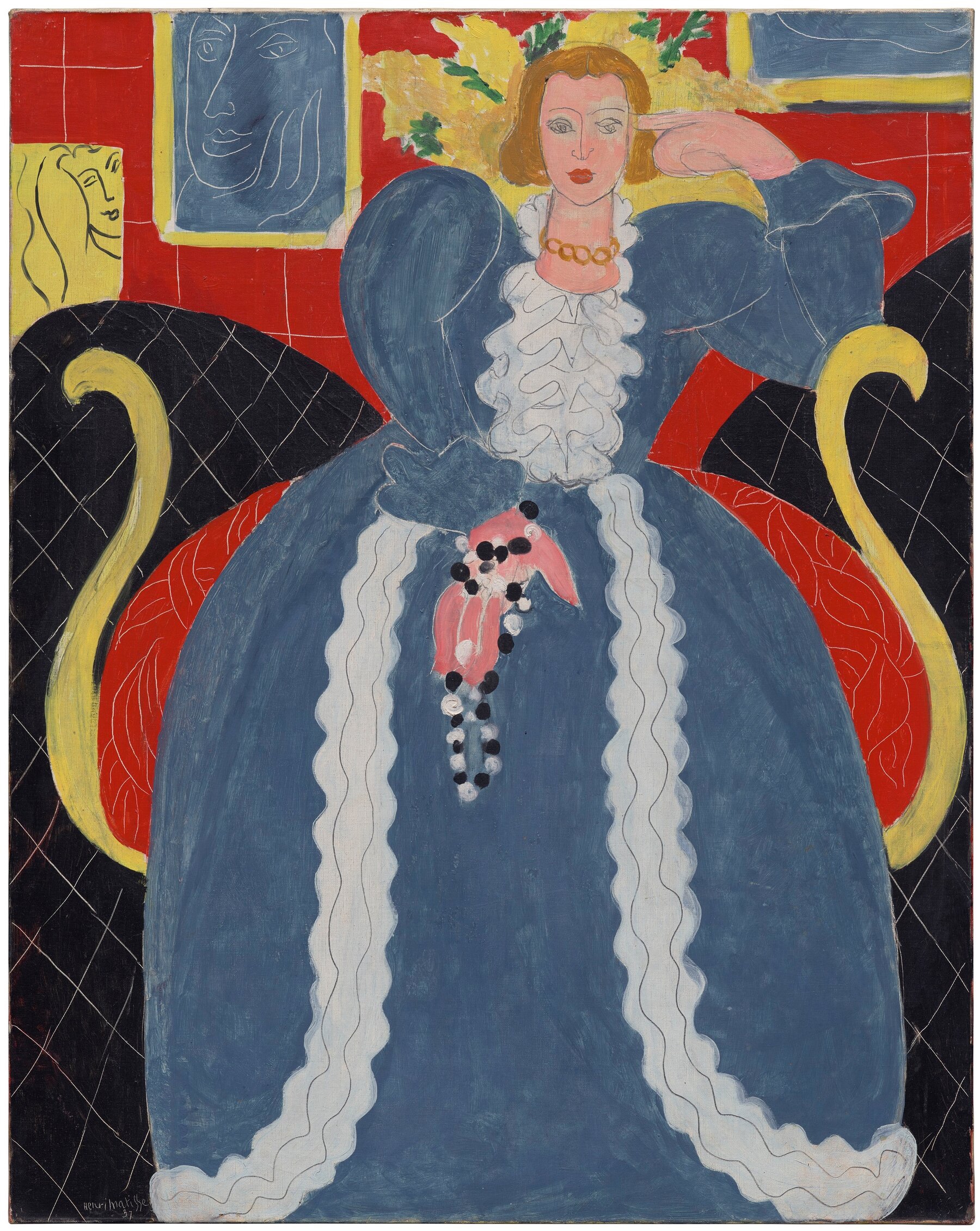
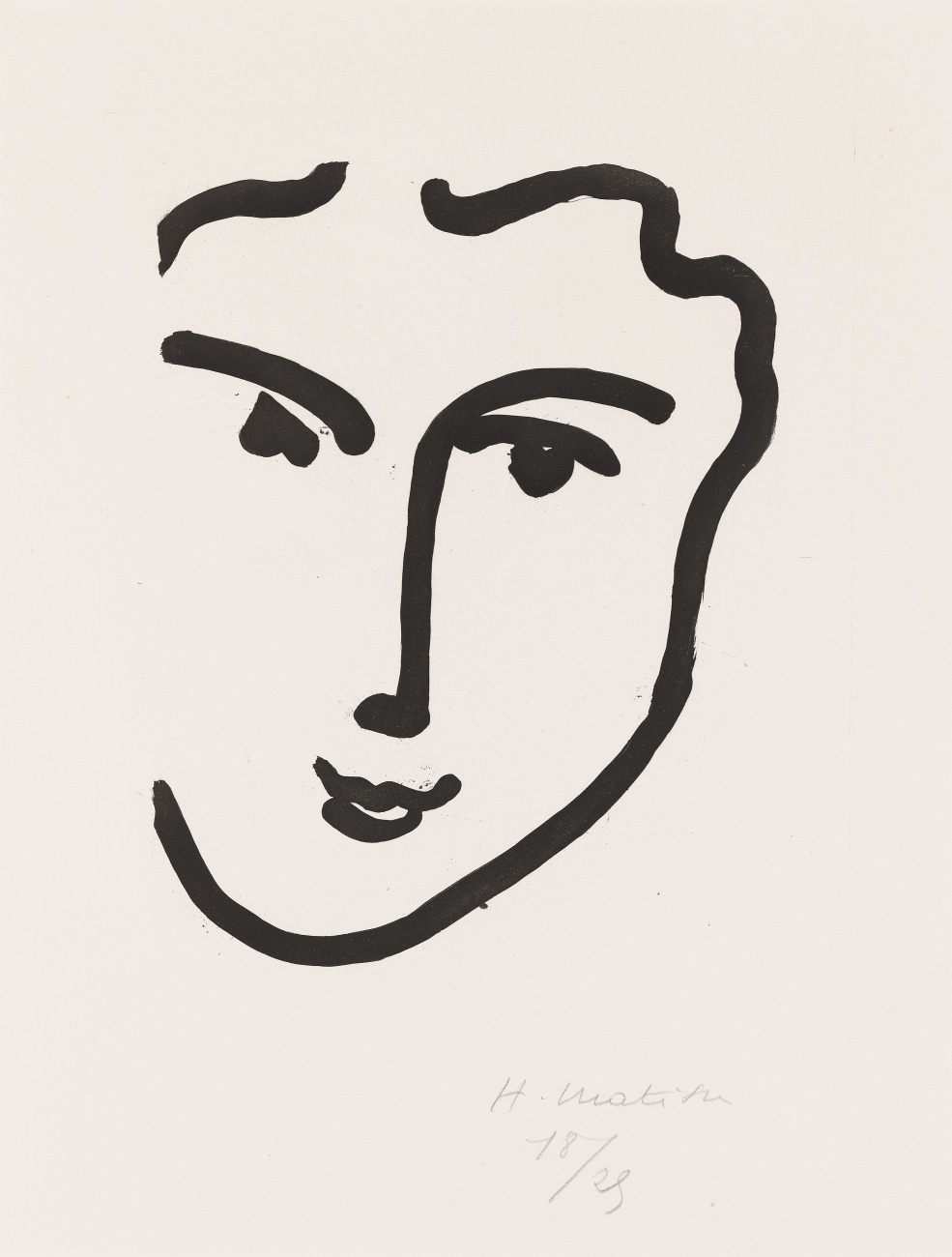
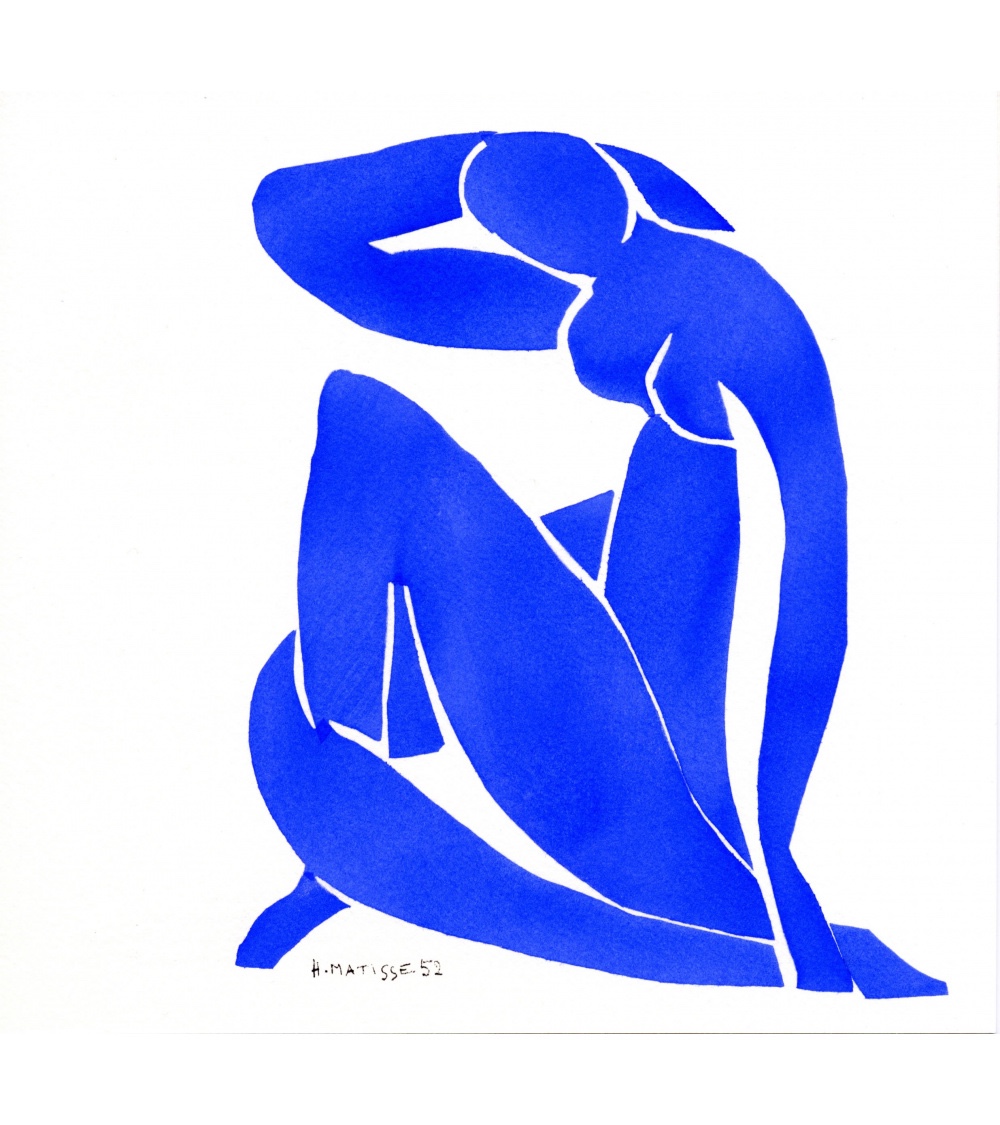
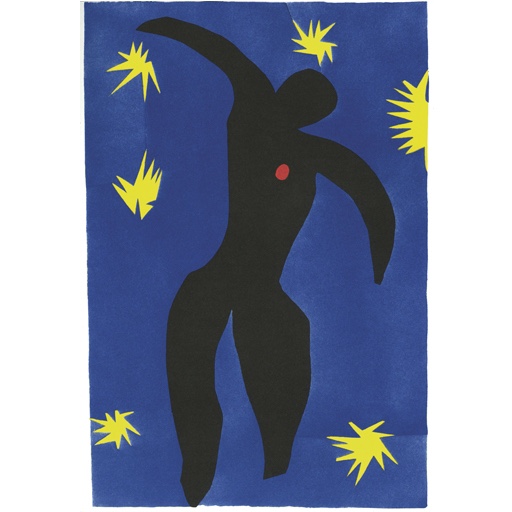
… so we have the ultimate stimulus of the legendary French artist Henri Matisse, master of colour. He realised his oeuvre ultimately as a manner of self-expression… And how else does one express themselves? Language of course being predominantly how we express ourselves! Here is where art and language can be seen to harmoniously unite – language being our main medium of expression, and art the most vivid.

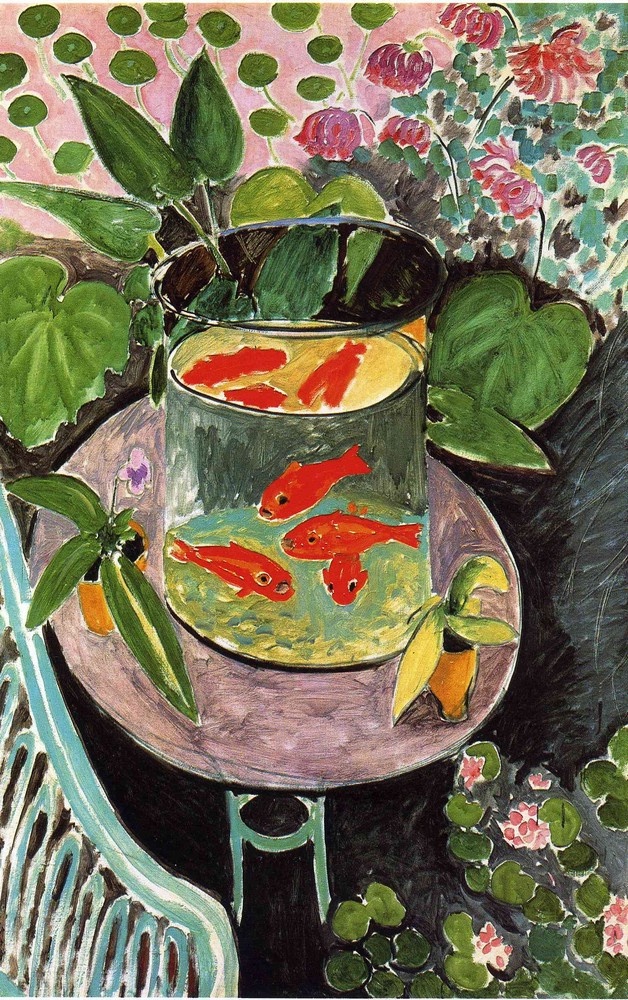
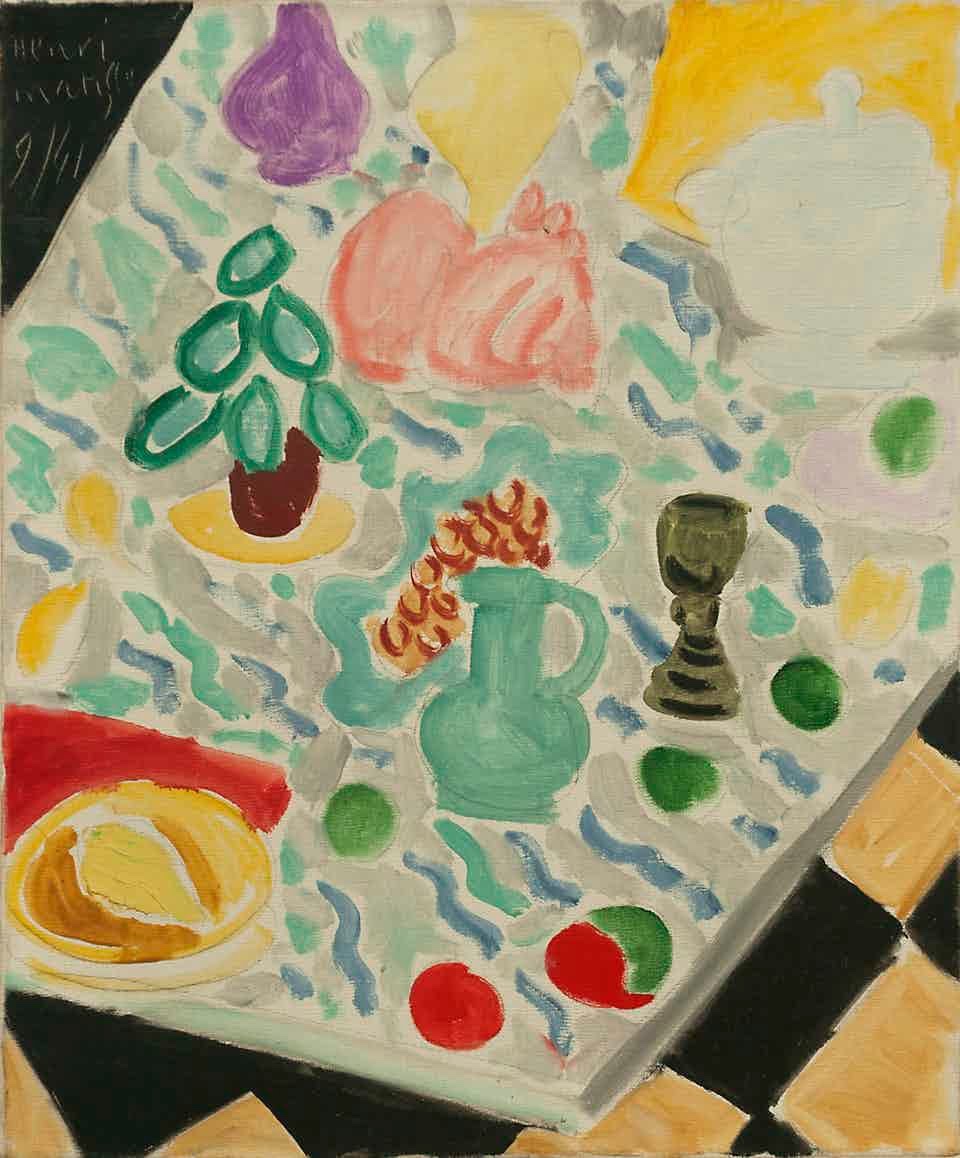
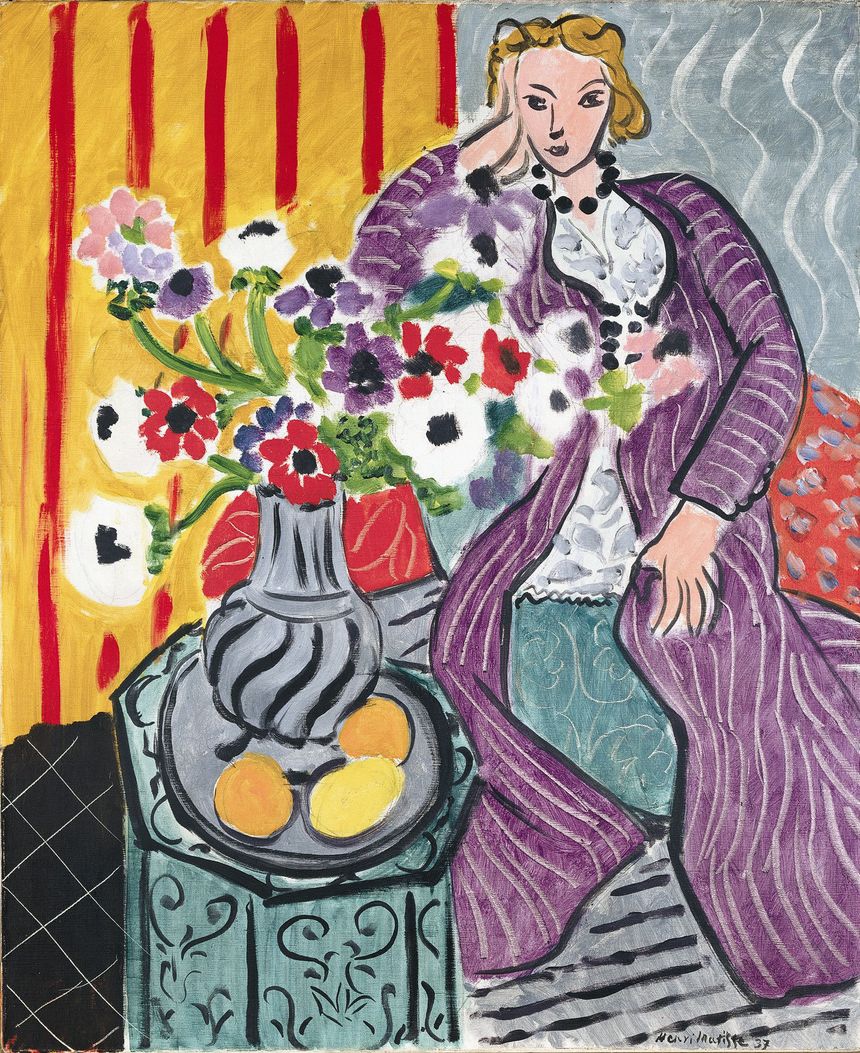
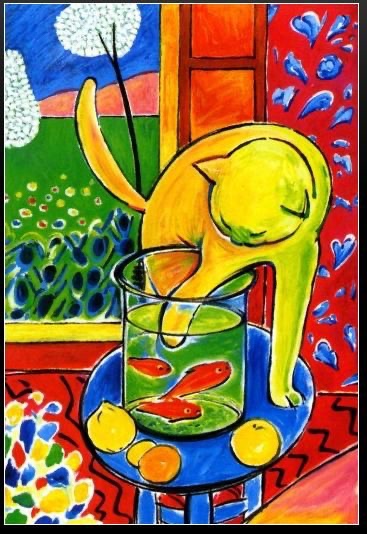
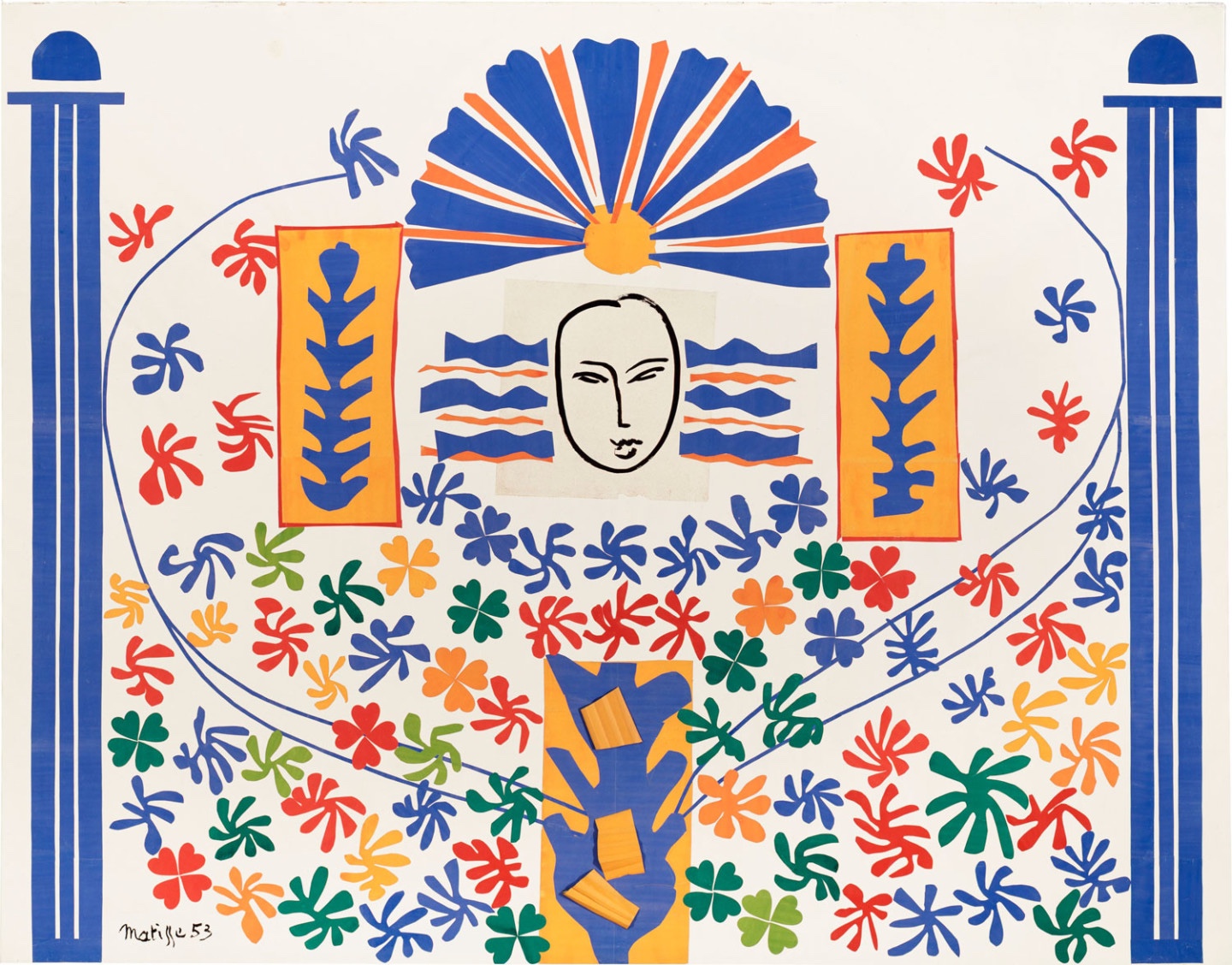
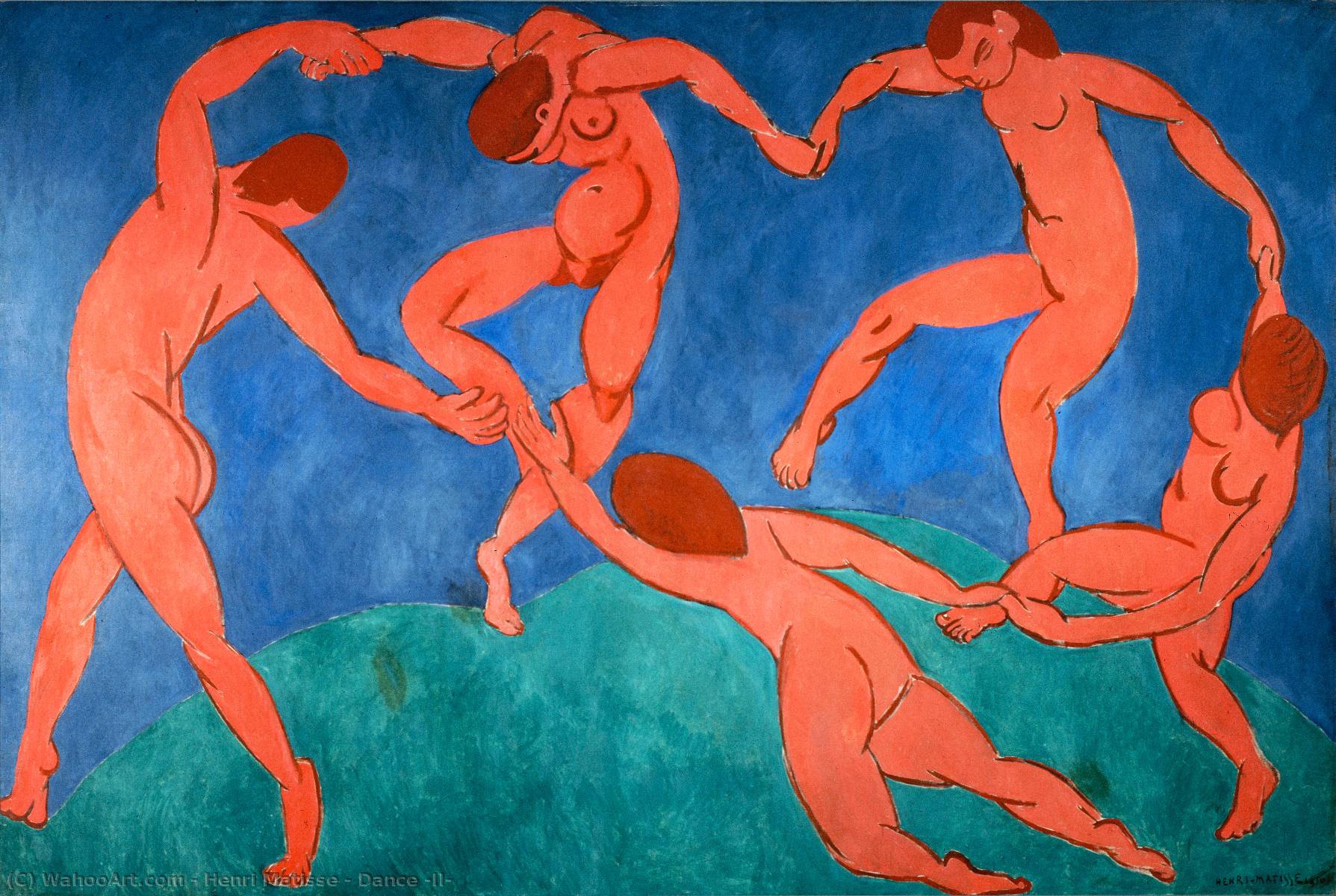
The aesthetic of Fauvism consummately illustrates the abstract intersection between art and language as mediums of expression. Fauvism revolved around unconventional applications of colour and artistry, particularly complementary or non-naturalistic colours and loose, spontaneous brushwork. Beyond this, the Fauves also put their paintbrushes to use to guide us through what we can and can’t possibly do with each of the two aforementioned media. Language is vital and endlessly useful, but it simply doesn’t inspire as vividly as art. So Fauvism was principally about colour, sure, and the concept of language only treated esoterically in the background of our consciousness. Matisse, who had previously studied the wordy discipline of law, said that the “chief function of colour should be to serve expression.” Fellow Fauvist pioneer André Derain clarified that they “were always intoxicated with colour, with words that speak of colour, and with the sun that makes colours live.” Yet colour was not all they explored: the respective roles of creativity and language in the world -relating to the process of self-expression- were clearly both subjects of great concern to these artists, especially Matisse across the entirety of his broader work.


Henri Matisse


Matisse also articulated that “when I put down a green, it doesn’t mean grass; and when I put down a blue, it doesn’t mean the sky”. Colour was set free by Fauvist paintbrushes, the ideologies behind the strokes meanwhile having been originally impelled by curiosity about the intrinsic relationship between visuals and meaning. This was the exact angle upon which the Fauvist movement was launched. Colour was liberated from the bounds of concrete meaning and reassigned an experimental abstract role in the metaphysical exploration of one’s relationship with the surrounding world. Prior to the Fauves, in fact, the only way to access such a level was with the medium of language, it is worth noting. Fauvism gives the first impression of having a simplified visual basis, but in reality its substance could not have been more loaded, with weighty philosophical depths even.
What can we learn from these visual experiments? To me they cleverly highlight the sheer power of both art and language, of which artistic expression is the visual flip-side. Fauvist colouring is deliberately challenging, yet they still took pains to harmonise their palettes, thus harmonising in essence their work with the surrounding world they depicted and were inspired by, including the language spoken within said world.
The nuances of Fauvism, or of language? Which resonate more with you?
 The Buzz-Concept Project