
Il faut cultiver notre jardin. It is up to us to cultivate our garden.
Voltaire (1694-1778)
So goes the concluding quote of Voltaire’s most prominent work Candide, ou l’Optimisme (1759), a novella which satirically comments on events, thinkers and philosophies of his time. Born François-Marie Arouet in Paris in 1694, his œuvre flavoured the eve of the French revolutionary era. Representative of the Enlightenment period of intellectual and philosophical development, he valiantly sought to put beneficial pragmatically-derived reason before his own inclinations, which were otherwise on an organic level impeded by his indecisive nature. He pursued the cause of reason so devoutly that his critiques and accusations of the pre-revolutionary government had him imprisoned more than once. A nationally treasured writer, historian and philosopher famous for his wit, he espoused pivotal progressive ideas revolving around criticism of society and fossilised norms inherent to Christianity —especially in the Roman Catholic Church— and the regime of the French monarchy, outspokenly advocating in favour of civil liberties – although apparently paradoxically sceptical of democracy.
Voltaire’s philosophies have been pivotal in directing French history since the Revolution. His sparkling vision has spurred inner workings of French nationalism ever since, and will probably always do so. Voltaire’s father had wanted him to become a lawyer, and it is his legal acumen that buttresses the formidable extent of his legacy. The legacy of his piercing acuity alone is pivotal to Western history, beyond the concrete matters he actively tackled. The modern West owes a great deal to Voltaire’s sceptical prodding. On one of the more superficial (!) levels at which he worked, he laboriously redefined the fundamental essence of what it meant to be French, and in turn European, and also rejigged the possibilities of the role of the citizen within society.
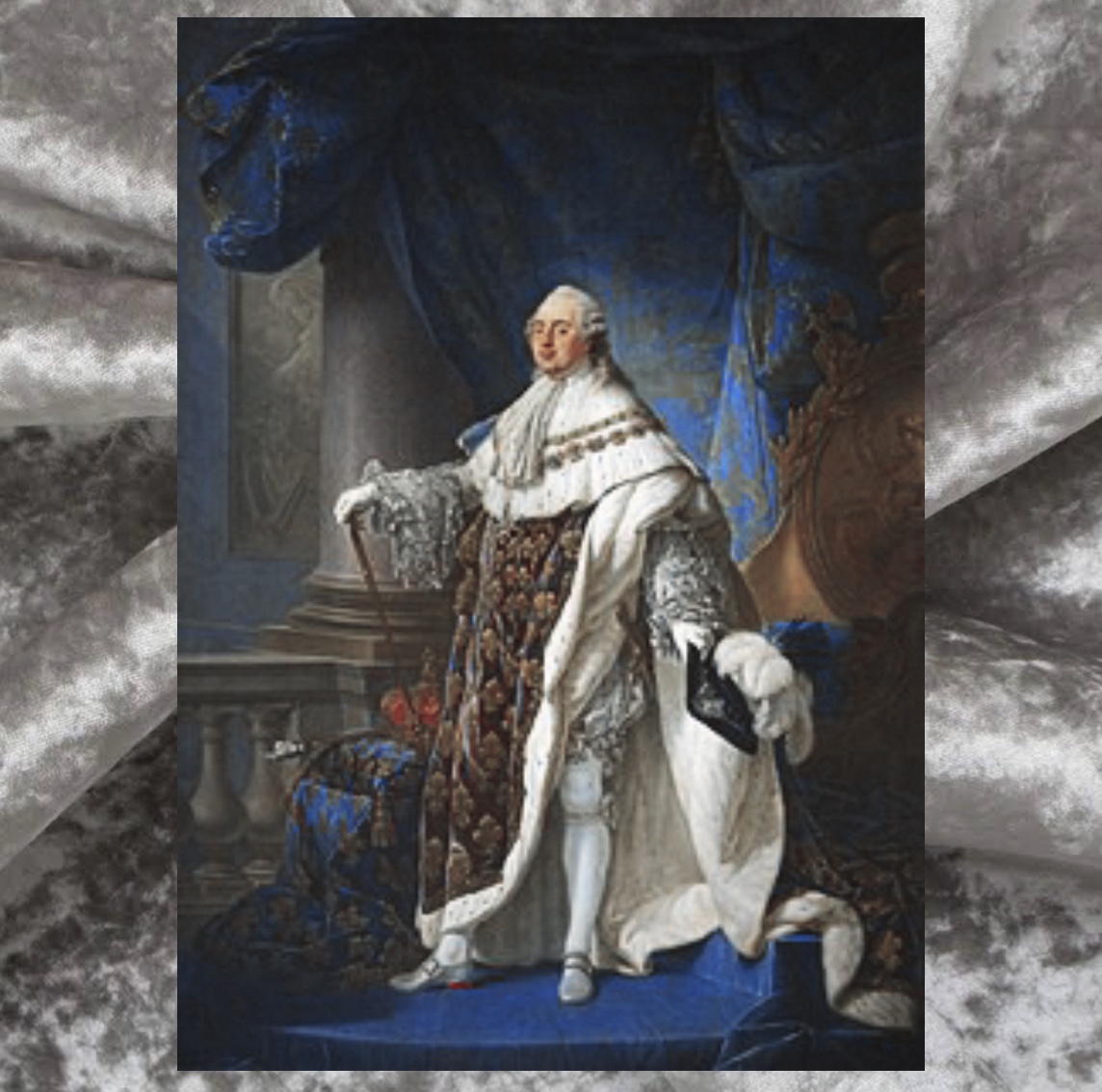
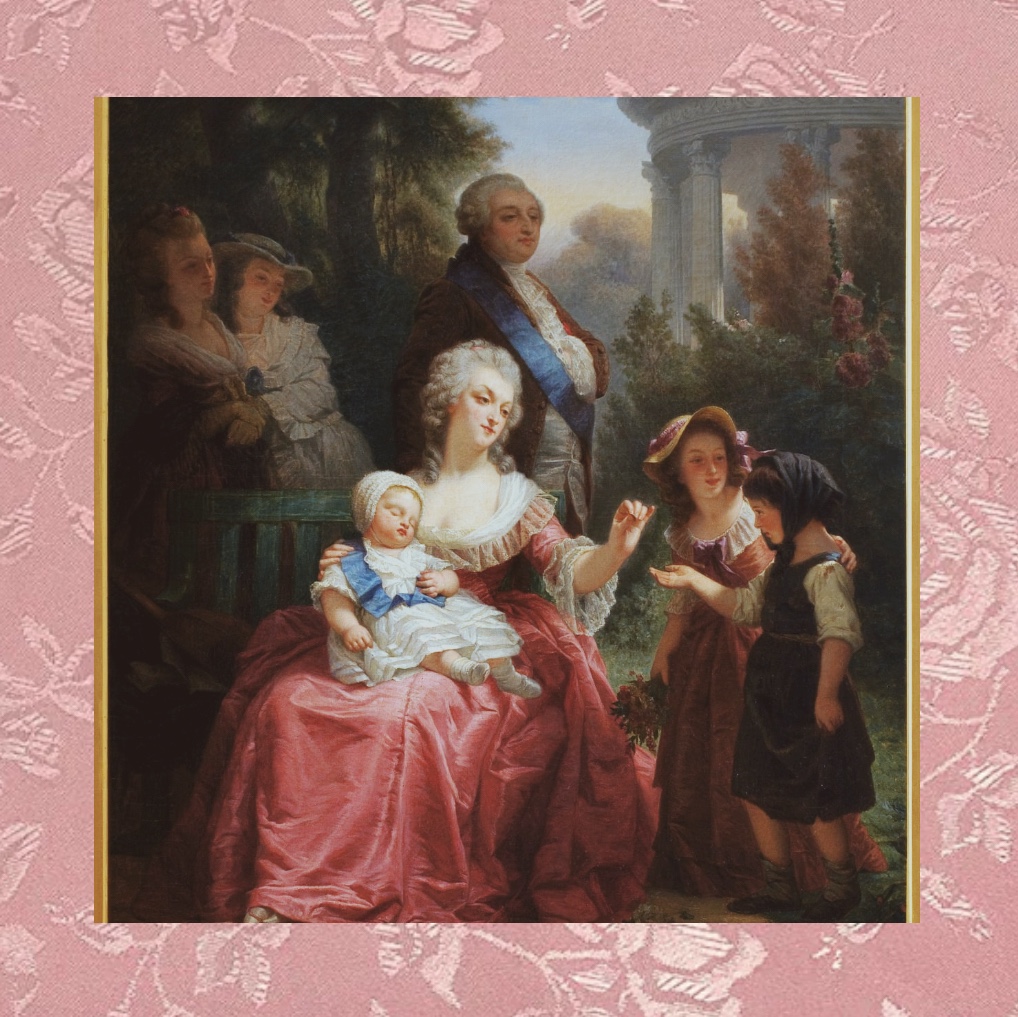
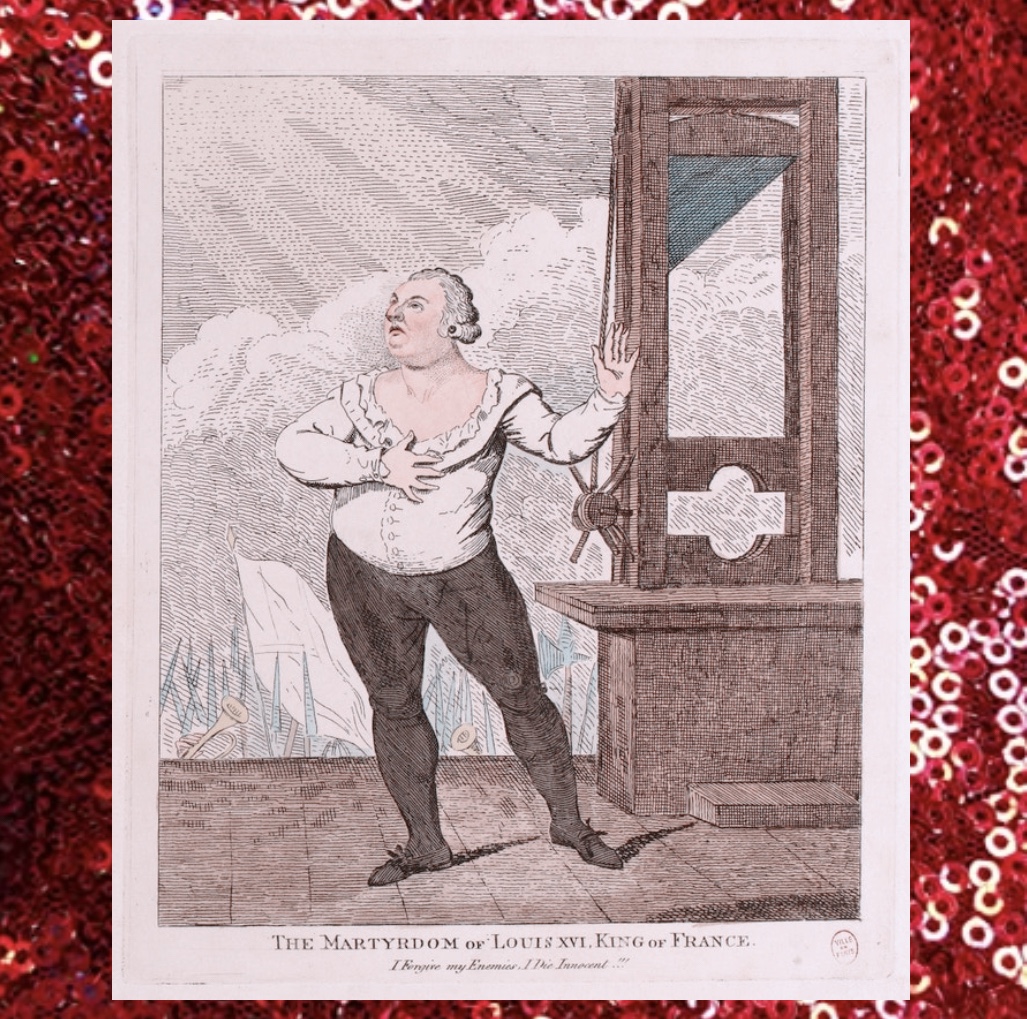
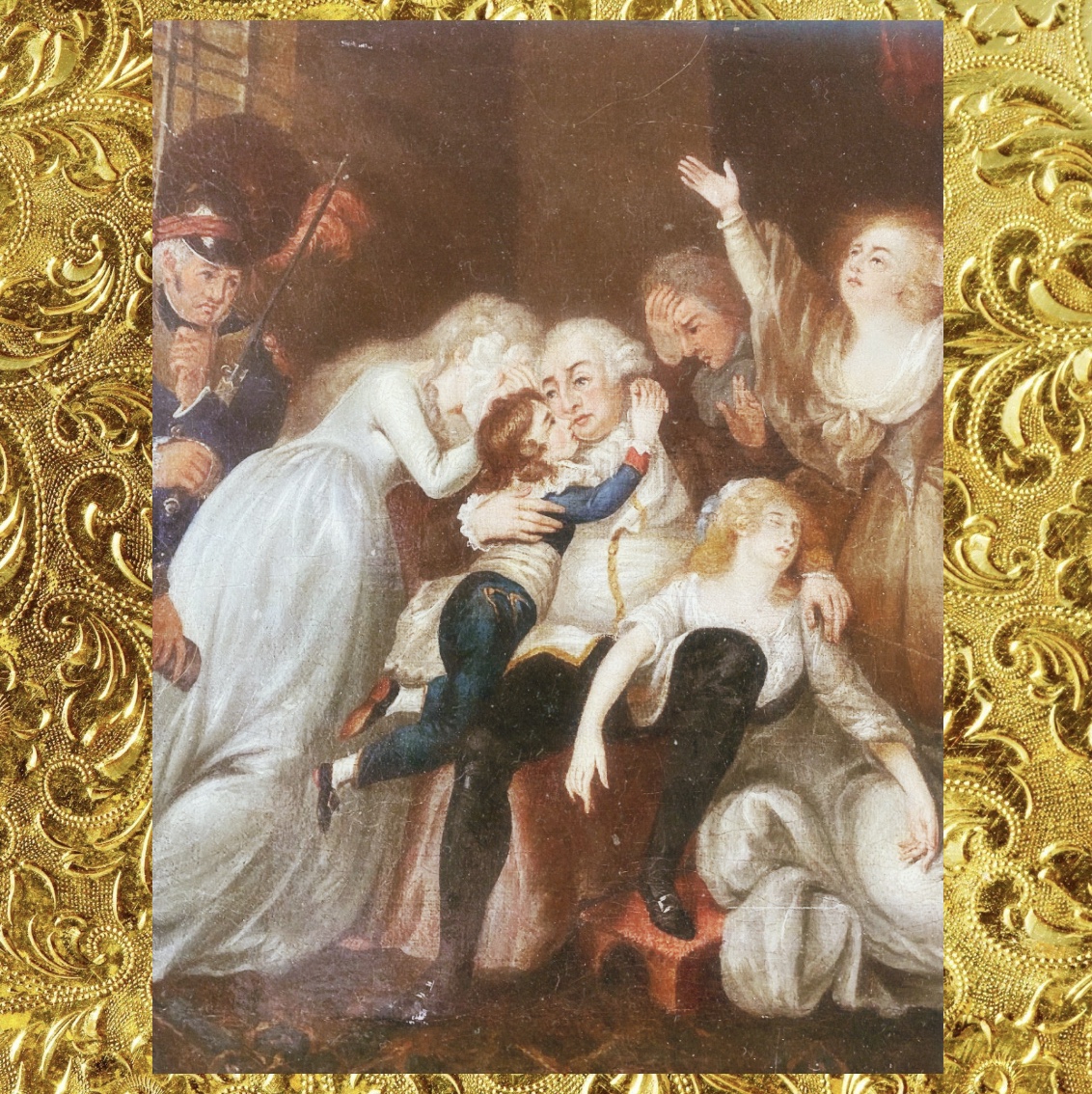
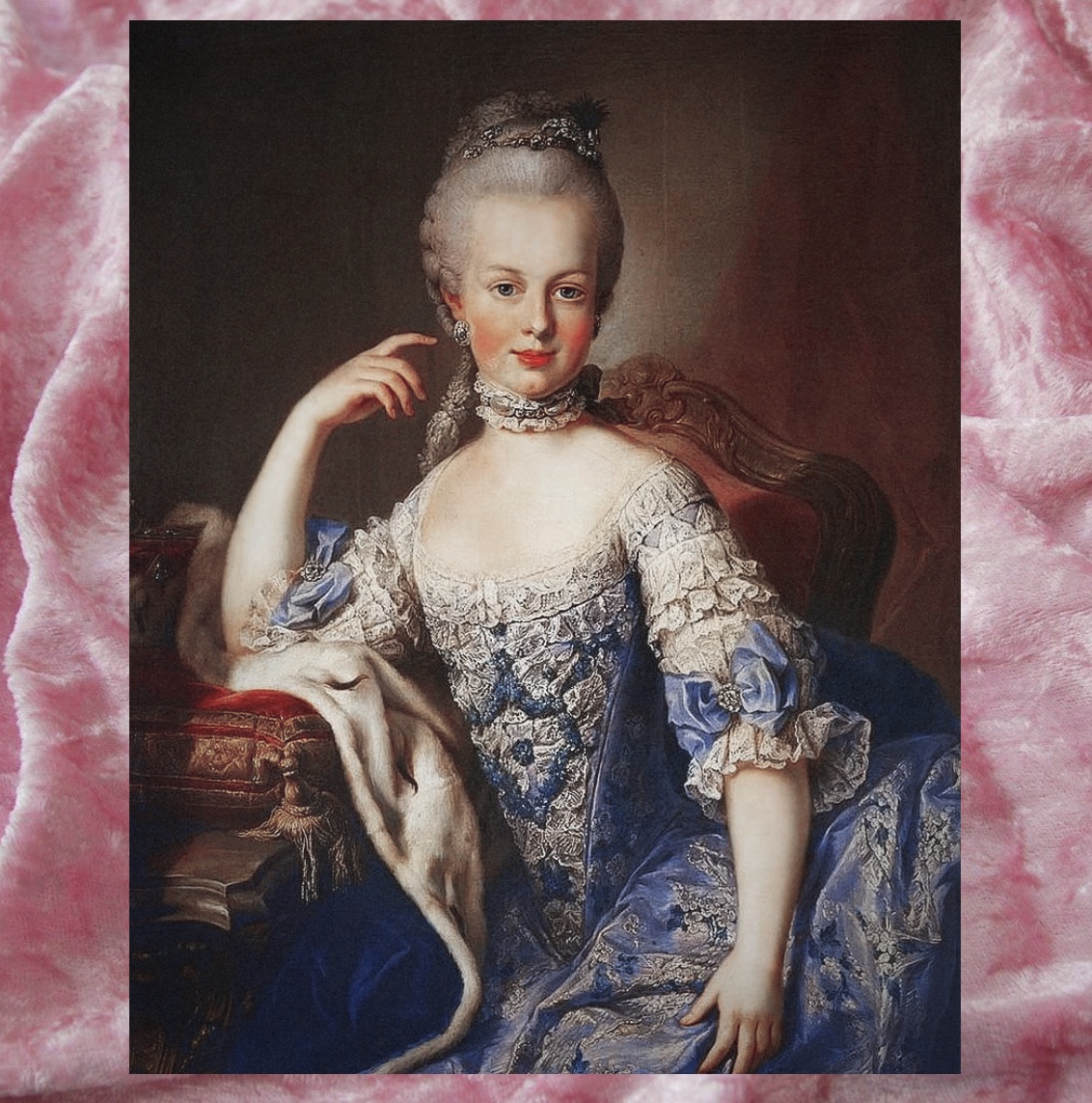
The French Revolution / la Révolution française, which began in 1789 and ended in 1799, was a period of monumental upheaval in French history that saw the oppressive ruthlessly elitist monarchy of the Ancien Régime / “Old Rule” / Old Regime toppled —King Louis XVI executed on 21 January 1793 followed by his Austrian wife Marie-Antoinette nine months later— and therefore the end of absolute monarchical government in France. The French First Republic / la Première République (the etymology of “republic” being from the Latin respublica, from res “entity, concern” + publica “of the people, public”) was proclaimed in September 1792, with its radical motto of “Liberté, Égalité, Fraternité, ou la Mort” = Liberty, Equality, Fraternity, or Death, and lasted until 1804 when the French Empire / l’Empire Français was instead proclaimed by Napoleon Bonaparte in 1804. The iconic Emperor Napoleon was himself a reader of Voltaire, born in French-annexed Corsica in 1769 of noble Italian blood, and participant in and supporter of the revolution. The revolution was a fundamental catalyst for the rise of liberal democracy in the West. It was ultimately a reaction to the Enlightenment and Voltaire’s vision, but one which has had unending consequences for world history thereafter. The principles, values and institutions that emerged from its developments have reigned supreme in French politics ever since.
L’illusion est le premier de tous les plaisirs. Illusion is the first of all pleasures.
Voltaire
That said, the revolution itself was not necessarily much about democracy but rather, as I said, an open-ended post-Enlightenment reaction to monarchical misgovernment. Indeed, it was a streamlined, still authoritarian/oligarchical/autocratic “republic” that was established rather than a refined fully-fledged modern democracy. Much confusion arises from these affairs as revolutionary France, while authoritarian still, did nonetheless give birth to many principles now central to Western liberal democratic government. I suppose the revolution’s legacy is thus primarily a cultural arrangement rather than a concrete political one. Did the revolution begin as a societal experiment, propelled perhaps by the desire to unleash the people’s pleasure of illusion as indicated by Voltaire?
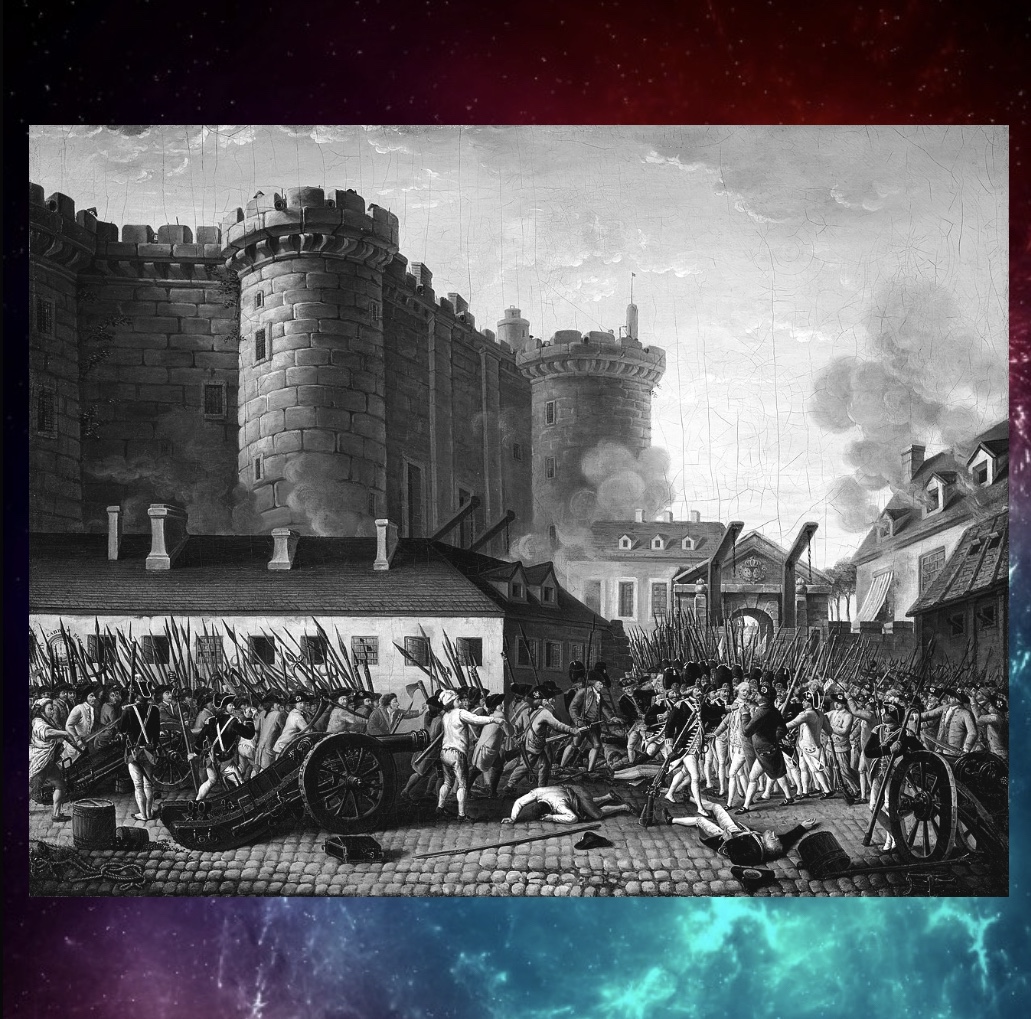
Arguably as much of a wit as a philosopher, Voltaire was the nom de plume (“pen name”) of François-Marie Arouet, an anagram. He adopted it in 1718 following his incarceration at the Bastille. It is an anagram of AROVET LI, comprising the Latinised spelling of his surname, Arouet, and the initial letters of le jeune (“the young (one)”). He was known as le petit volontaire (“determined little thing”) as a child, and resurrected the essence of this nickname within his pen name as an adult. The name furthermore reverses the syllables of Airvault, the hometown of his family in the Poitou region. It is also suggested that the name was intended to carry connotations of speed and daring, from associations with words such as voltige (acrobatics on a trapeze or horse), volte-face (a spinning about to face one’s enemies), and volatile (originally, any winged creature). Voltaire is known to have used at least 178 different pen names during his life. His wit knowing no discernible limit, he was also a keen linguistic type, having learnt Latin at school, who went on to become fluent in Italian, Spanish and English later in life. 🌀
Up against the disconcerting metaphorical revolutions of Voltaire’s wit and the convoluted equivocacy of revolutionary politics that are understood to buttress its stance, the modern state of French constitutional affairs has absorbed an essence of confusion. France now finds itself at a pivotal point: in an electronic-paced 21st-century world, they cannot afford to perpetuate this tedious dimension of their heritage. However, they don’t have the answers they need to leave it behind. Some lost in the splendour of their own past -imperial French, Frankish, or Roman- and suspiciously entranced by the juxtaposition of futurity, they have become detached from the present itself, sandwiched meagrely in between. Their Romance heritage isn’t serving them as well as their forebears believed its apparent omnipotence would in any progressive state — French being a Romance language alongside Italian, Spanish, Portuguese, Romanian, Catalan etc., descended from the prestigious ancient Latin language of the Romans. Clumsy are the Latinate embellishments of la Belle Langue -and she has inherited not only vocables from Mater but her preciousness, too- causing awkward difficulties people never imagined would arise in the Romance-speaking world, among the heirs to the once indomitable legacy of the Romans. Yet incorruptibly dazzling remains the façade that they are understandably unwilling to part with. In light of this dissociation, where does the French constitution stand? Could reform be due, and reform of what – their beloved constitution, their globally revered culture, themselves? And does it even matter? Que faire ?
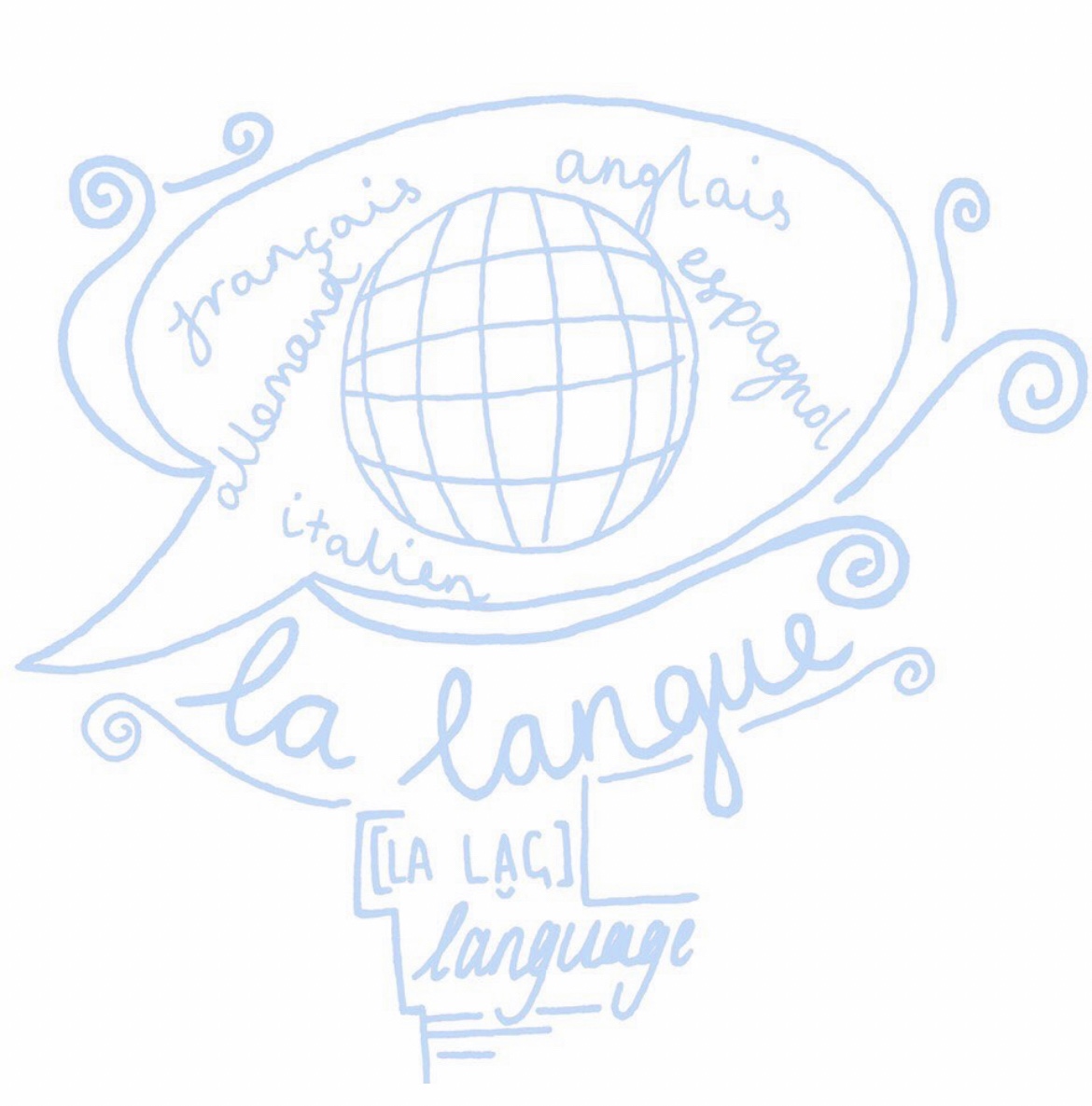
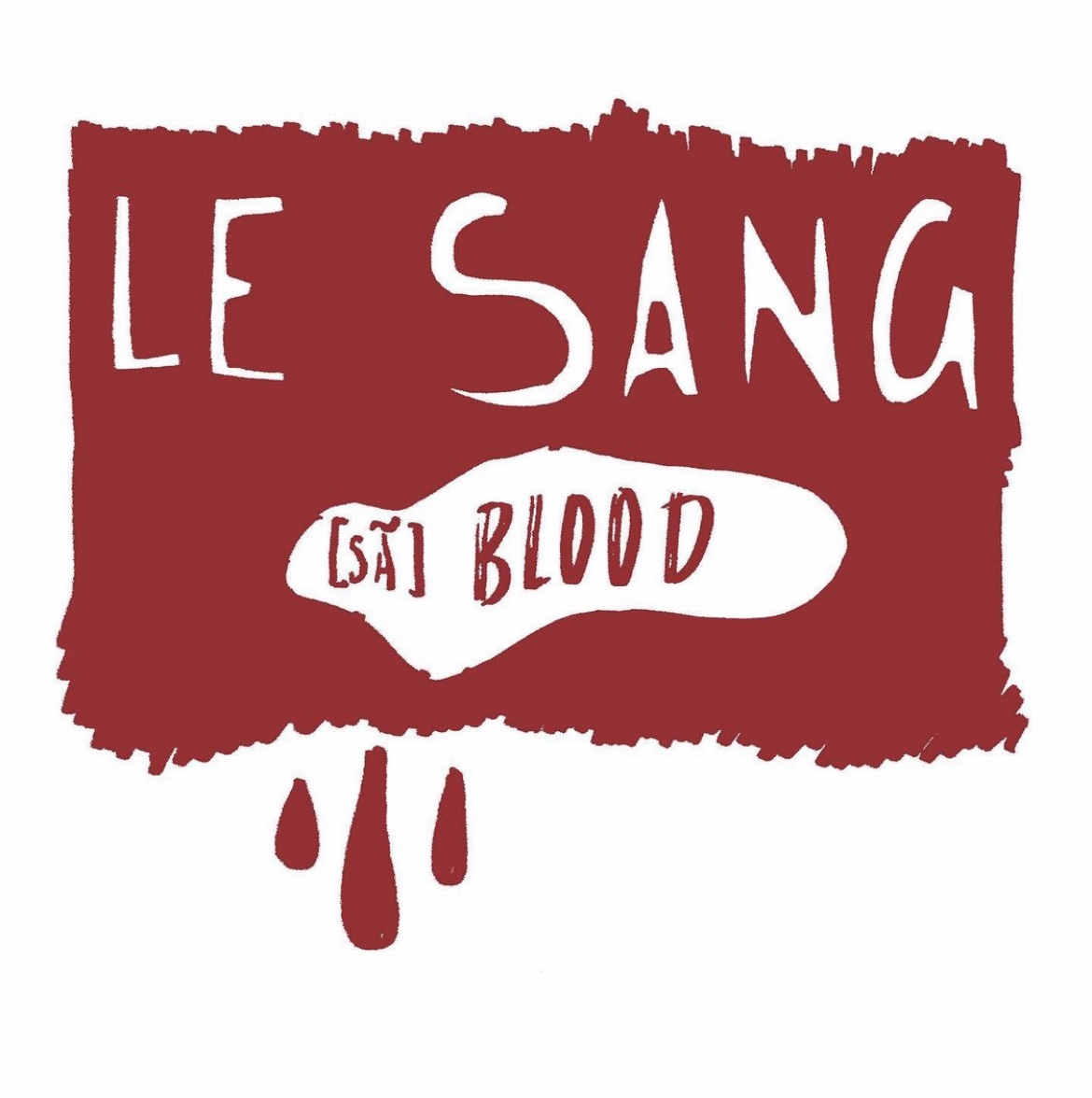
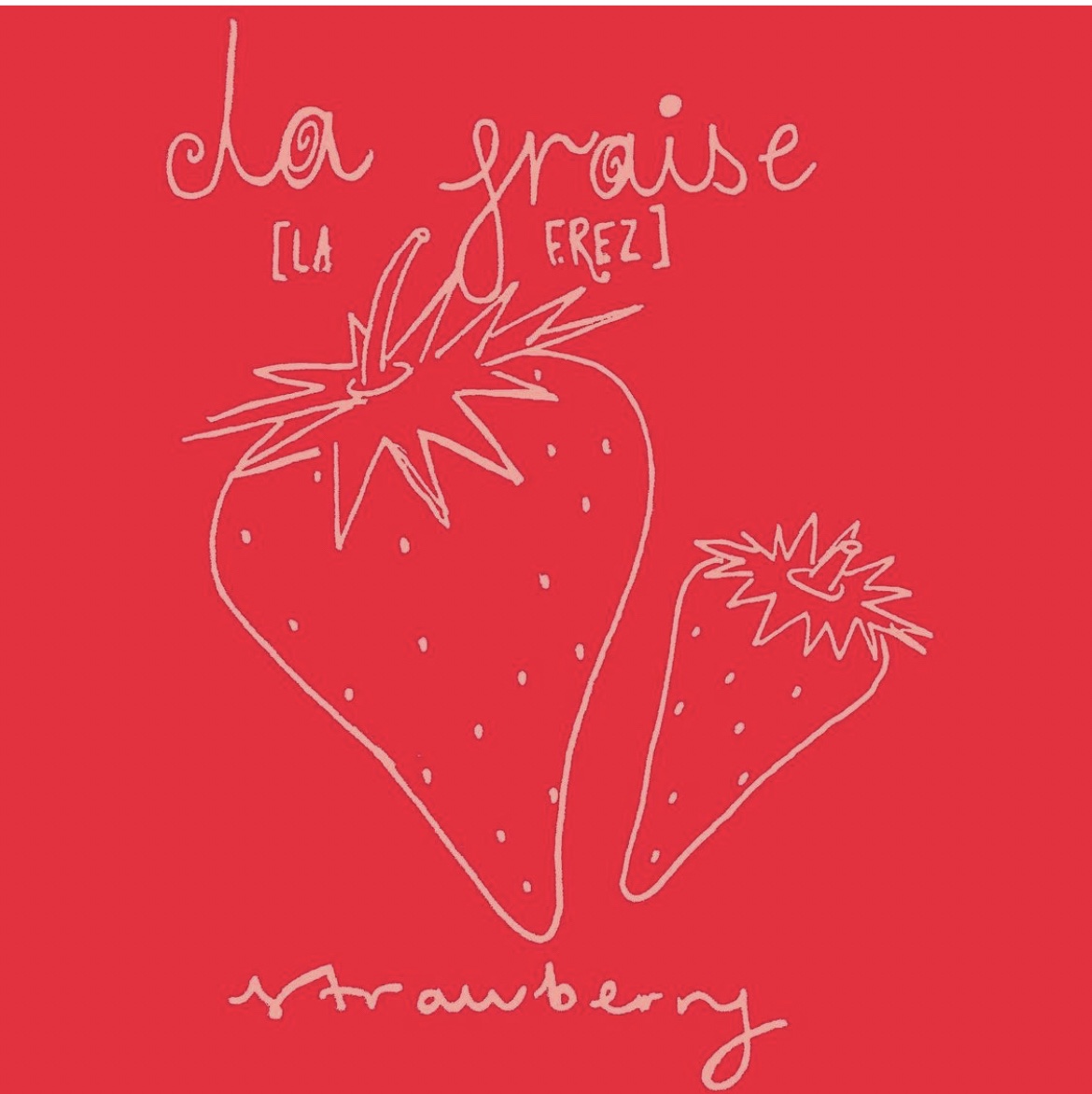
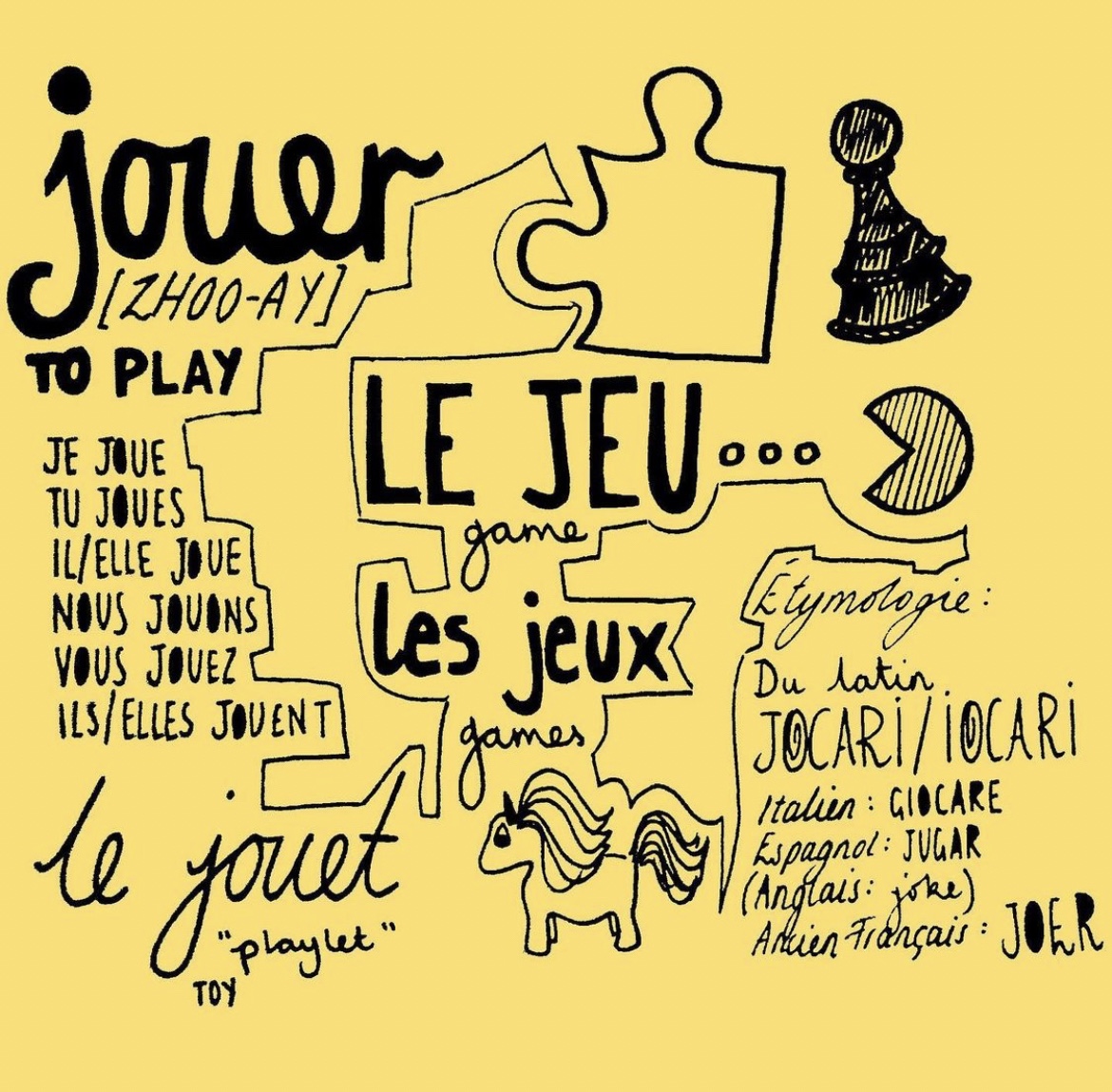
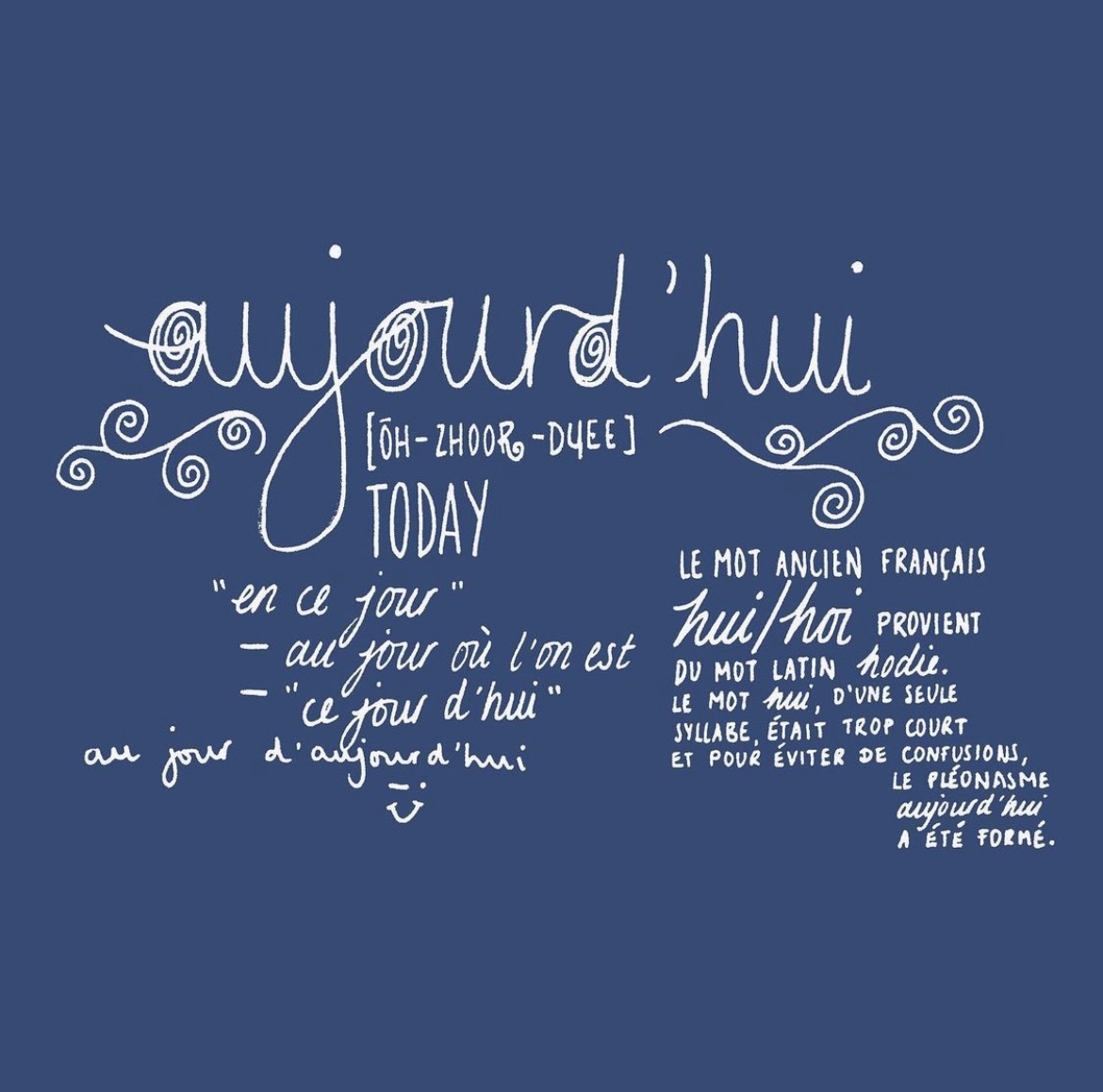
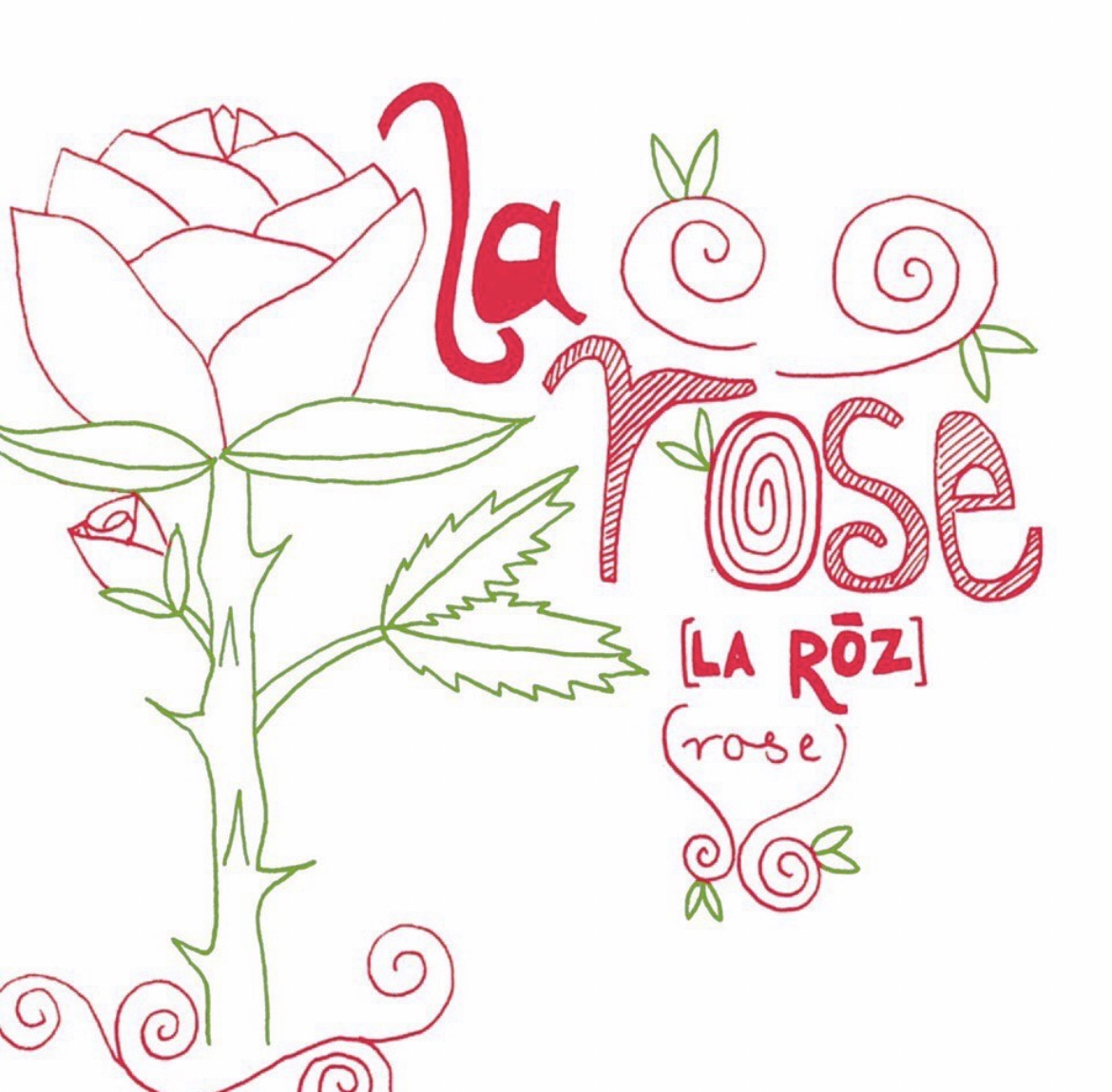
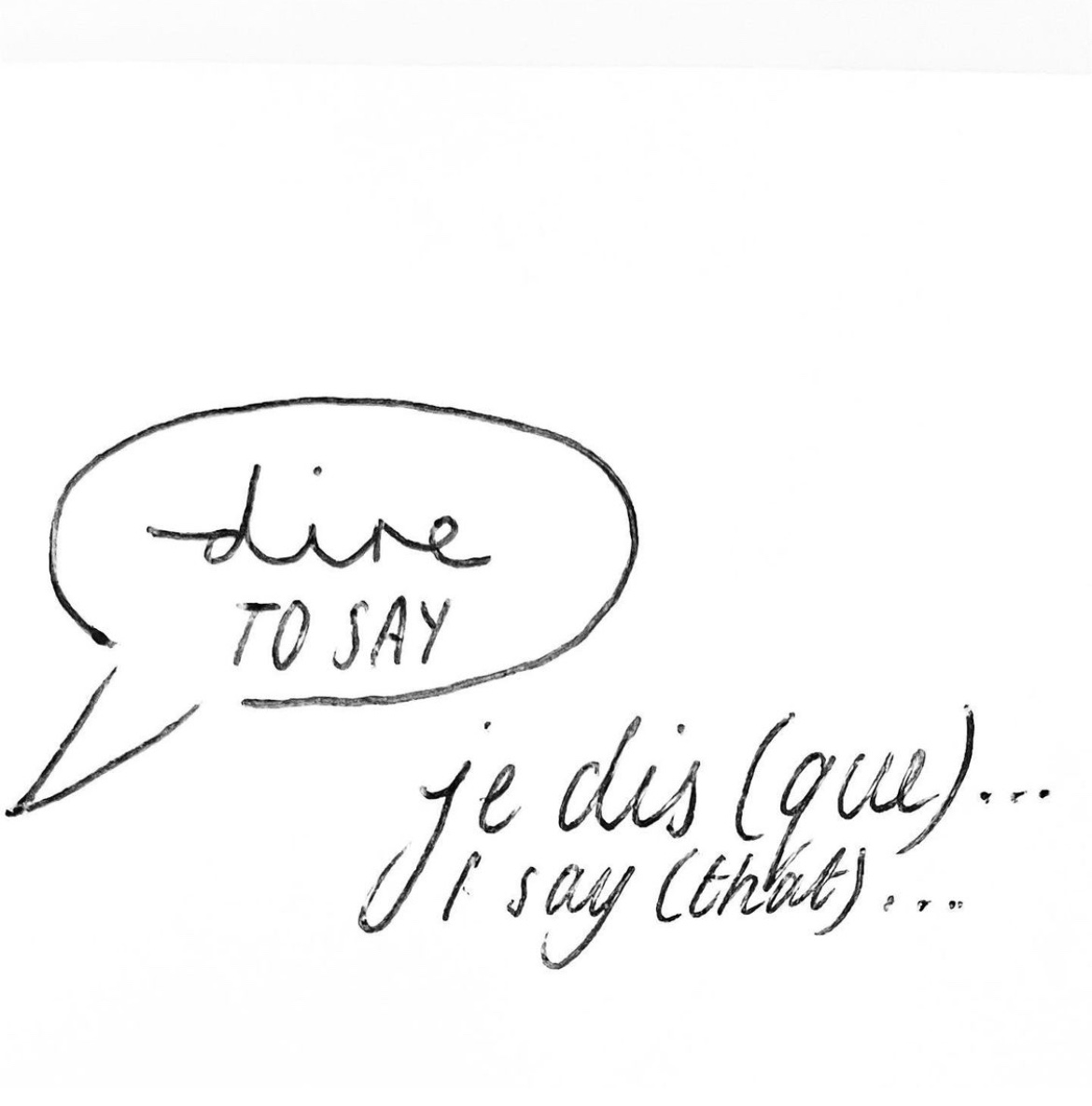
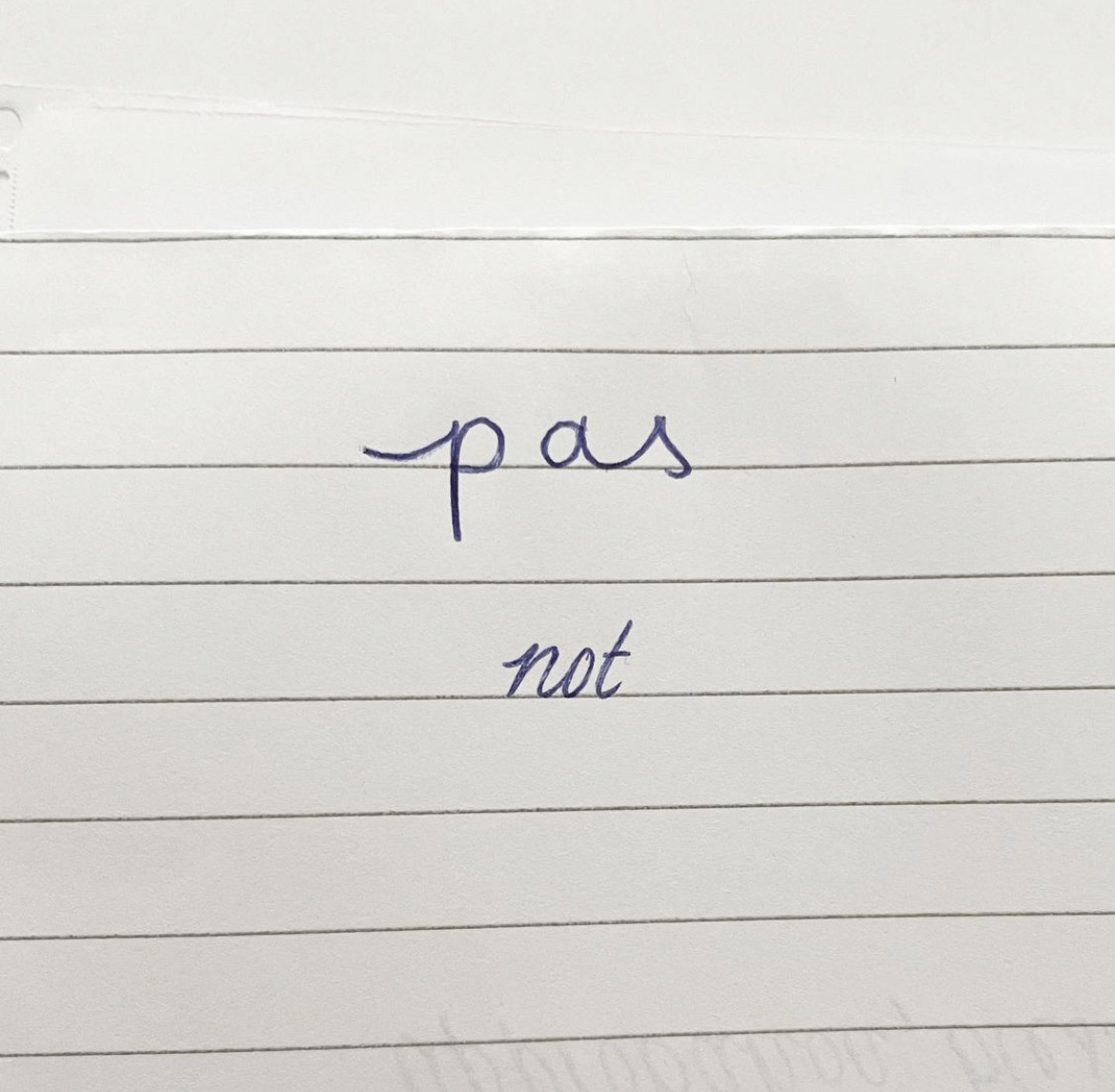
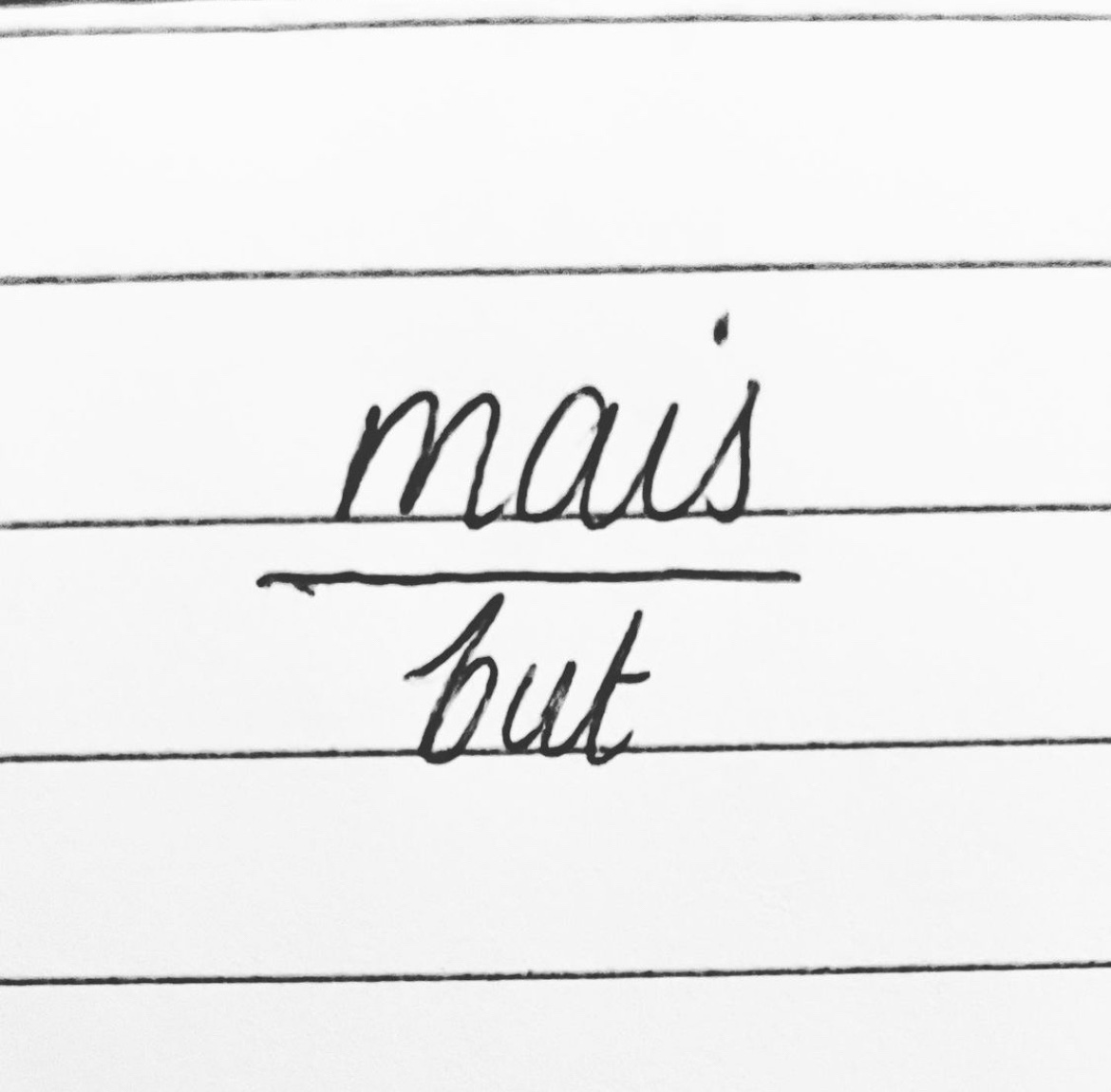
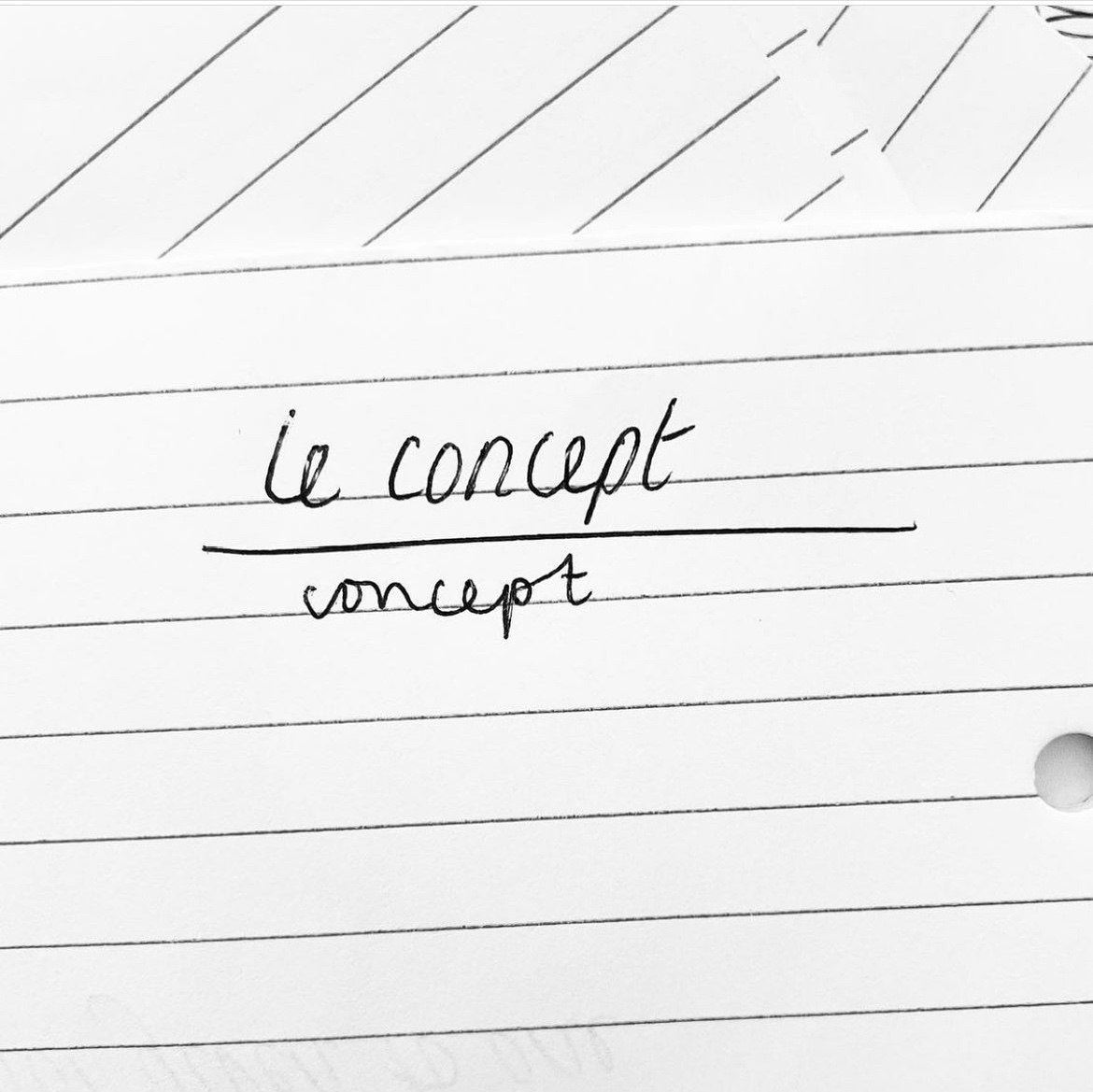
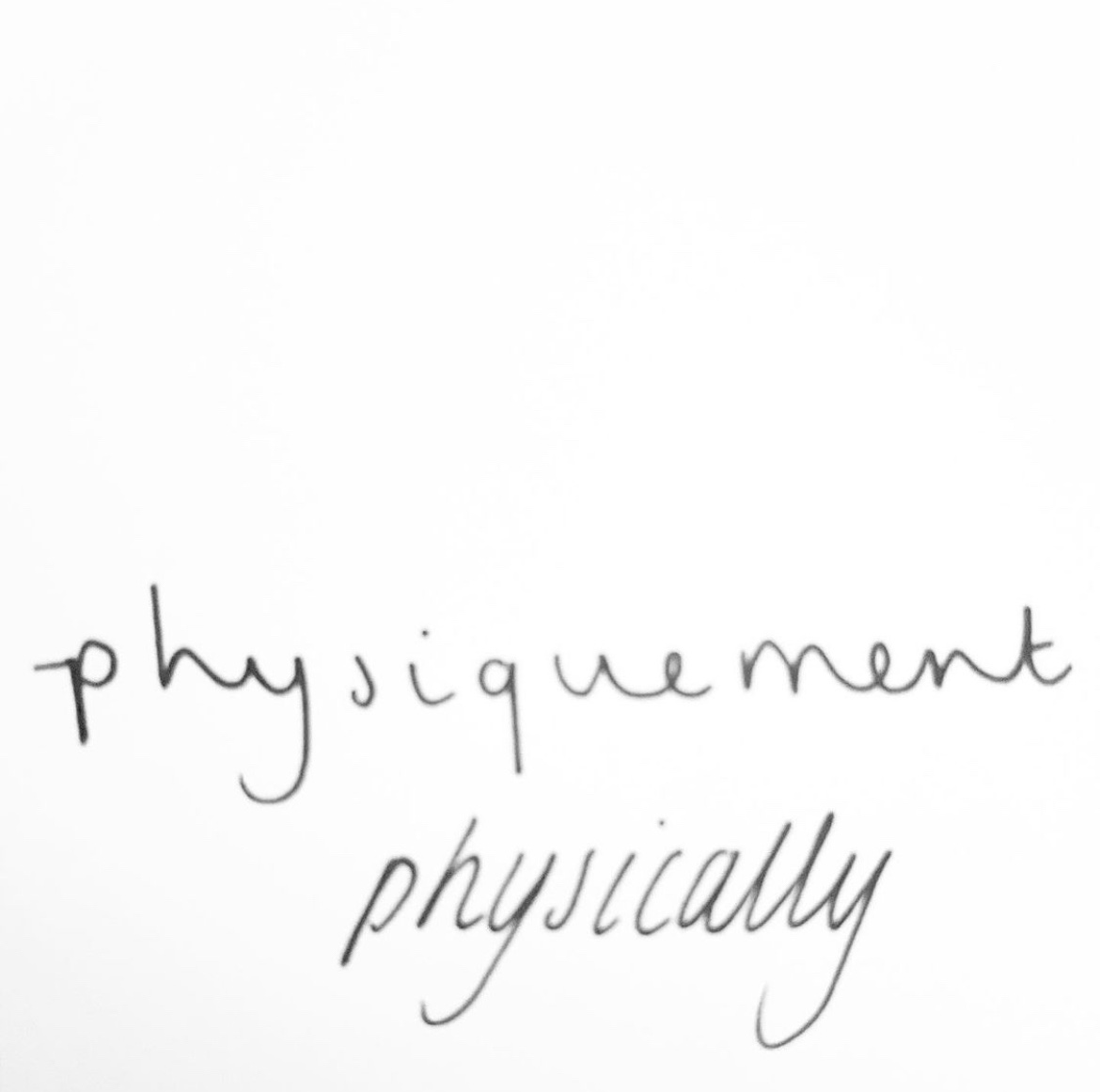
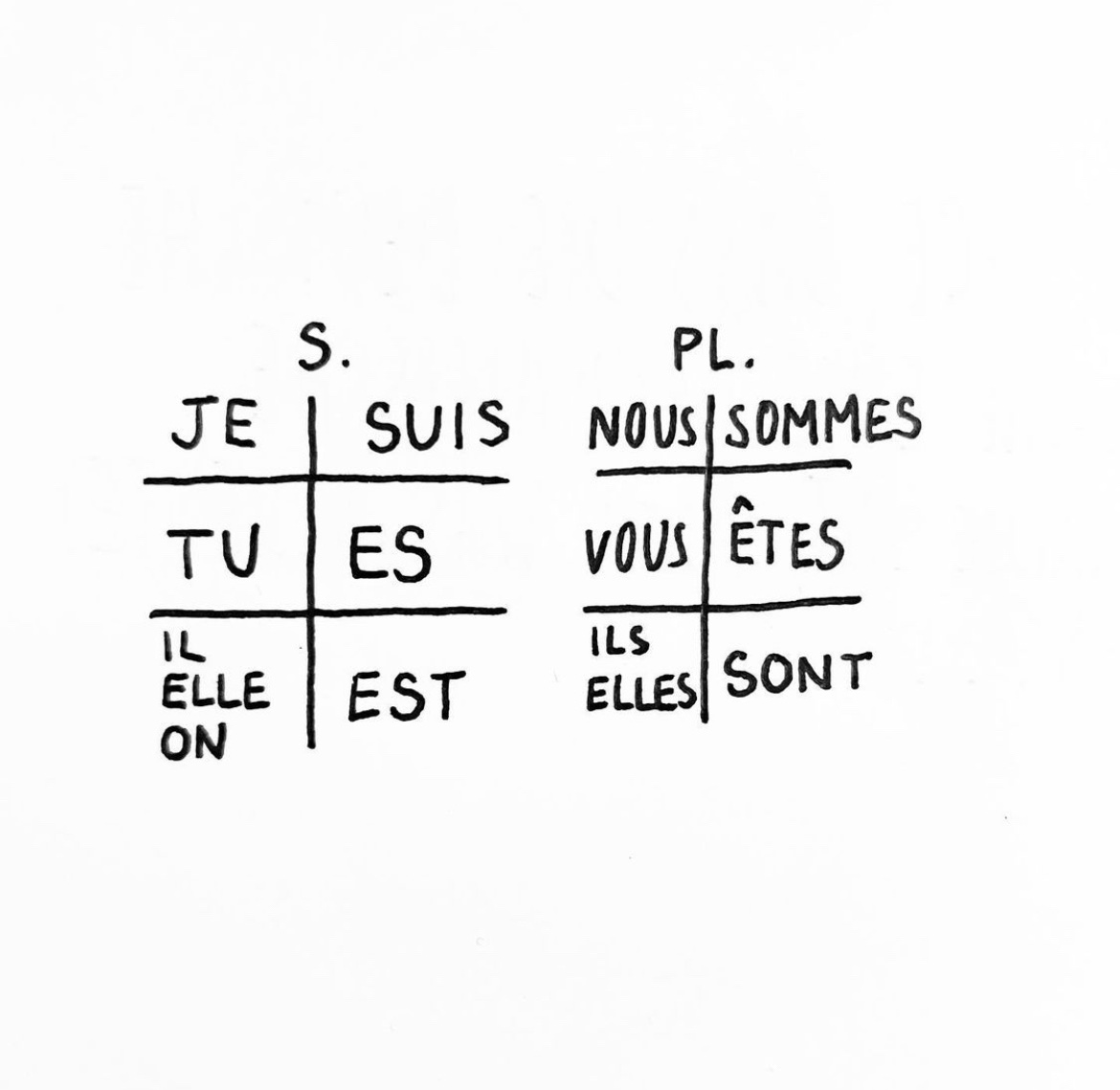
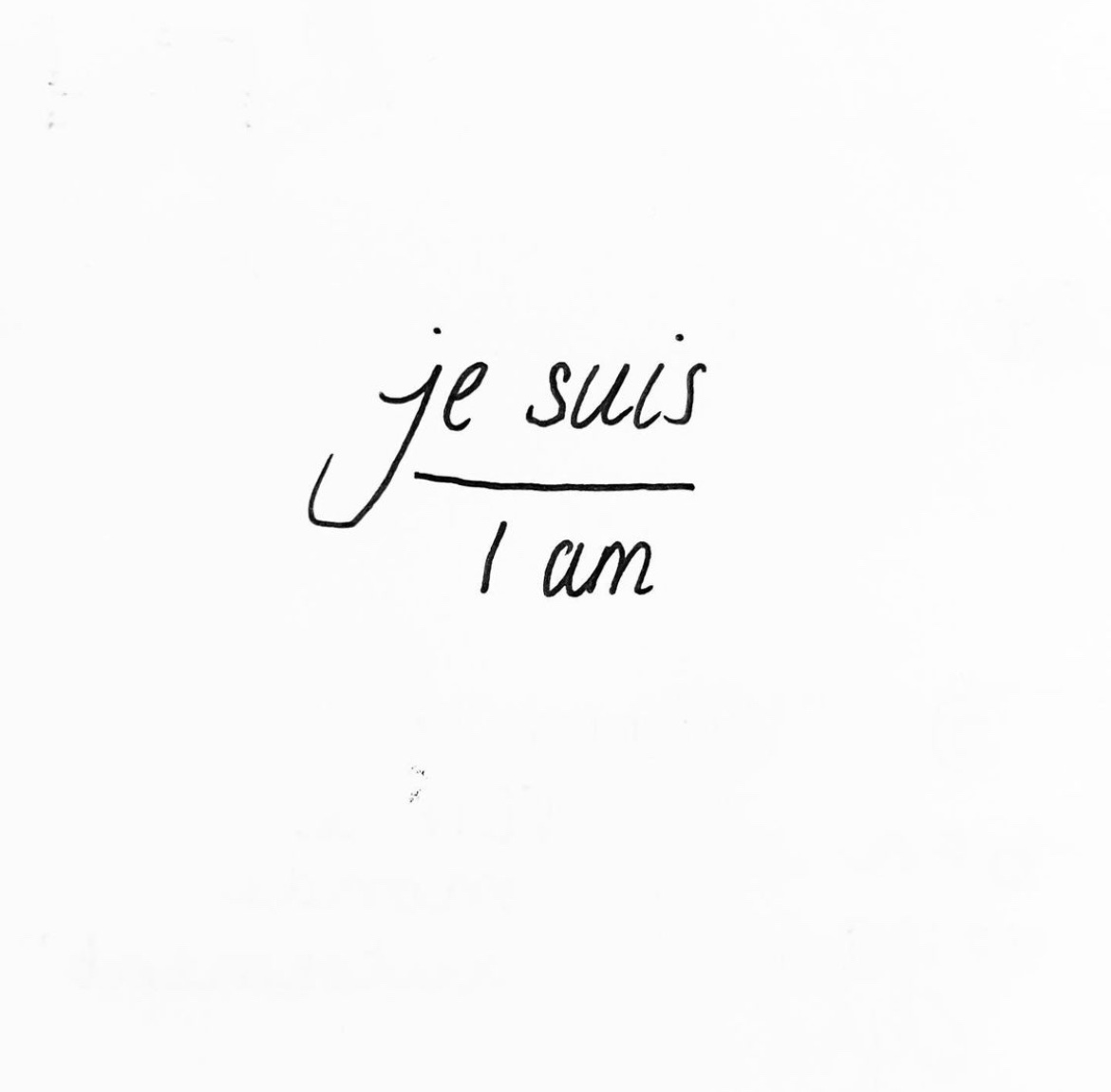
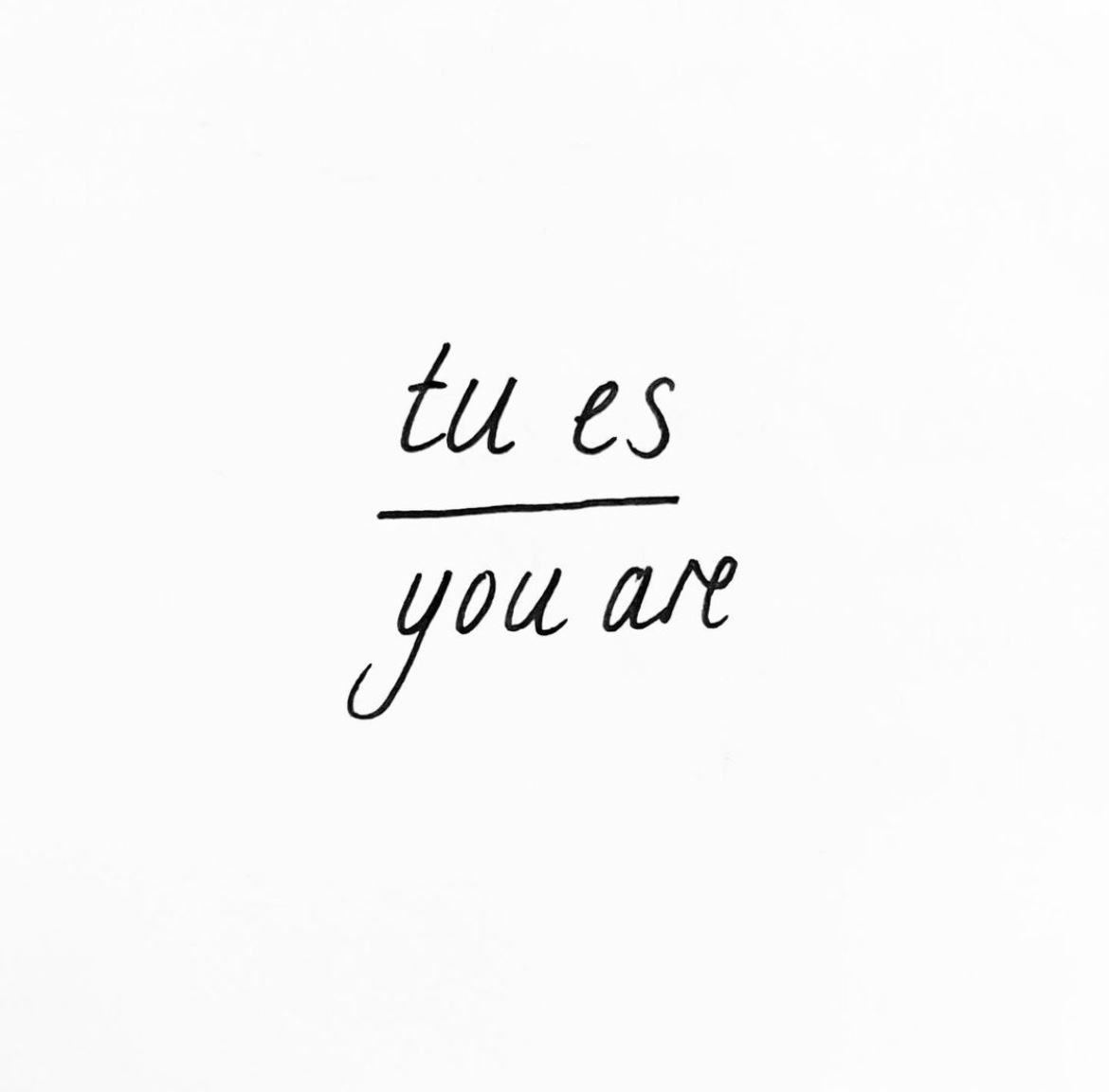
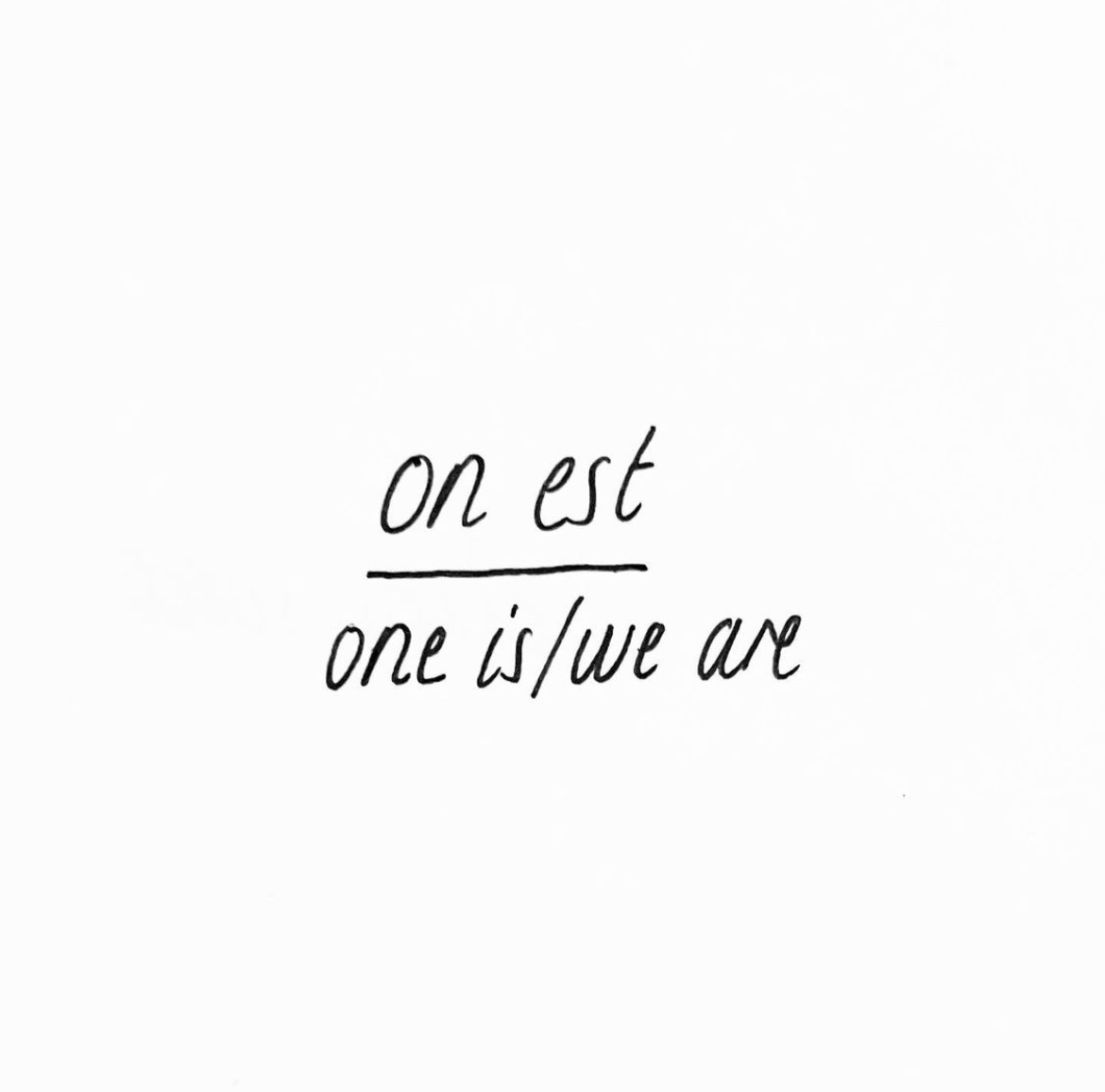
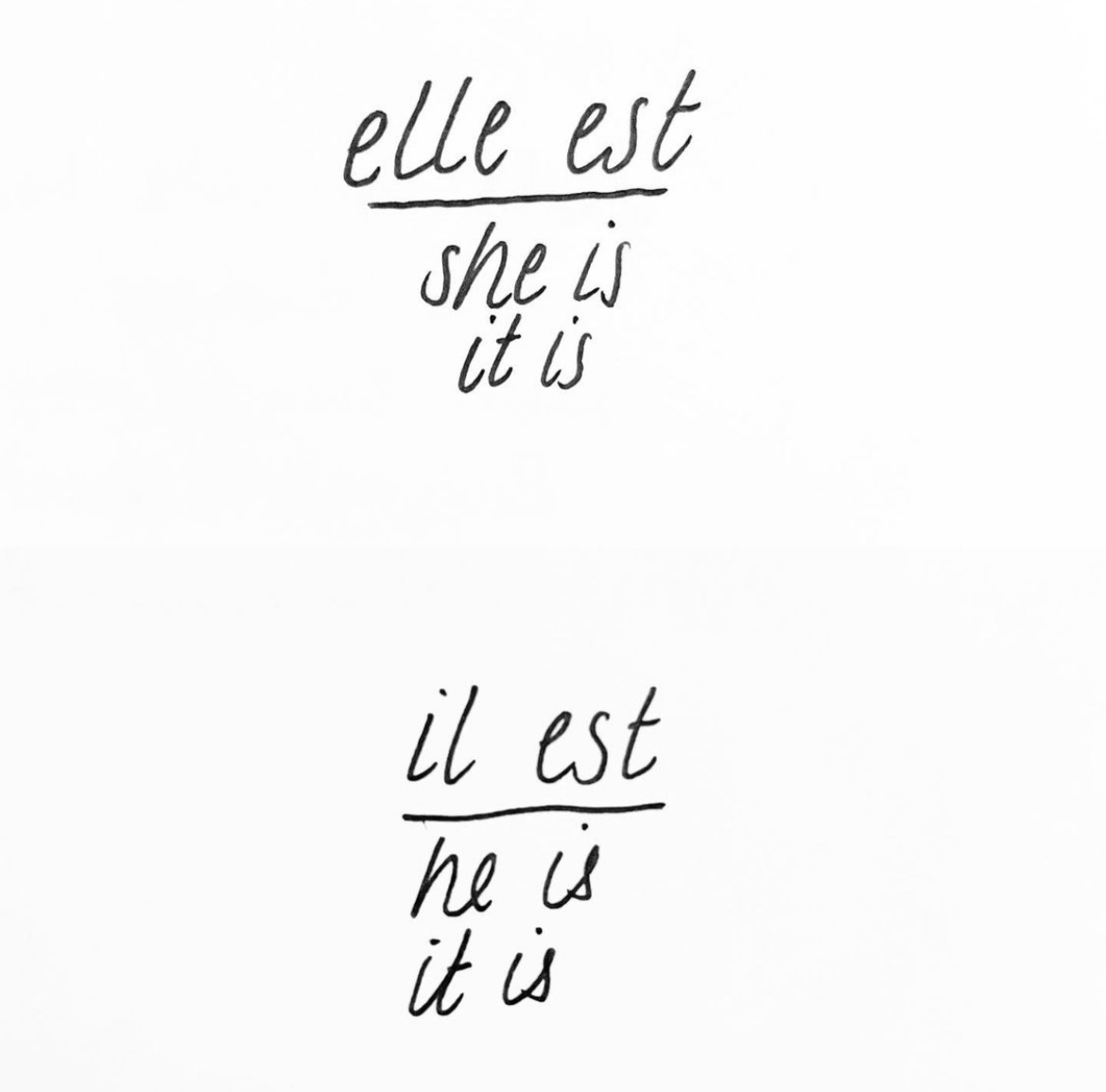
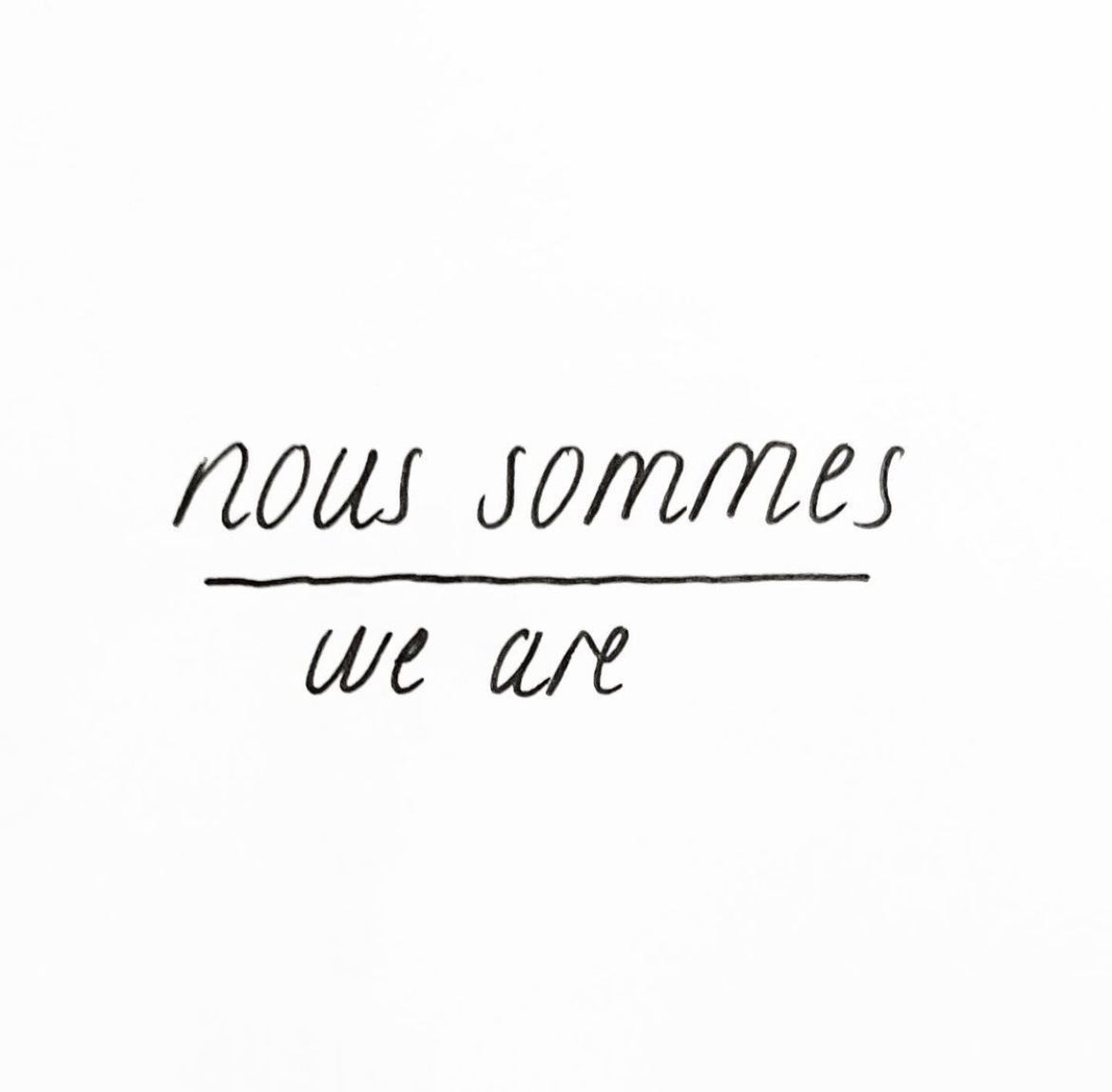
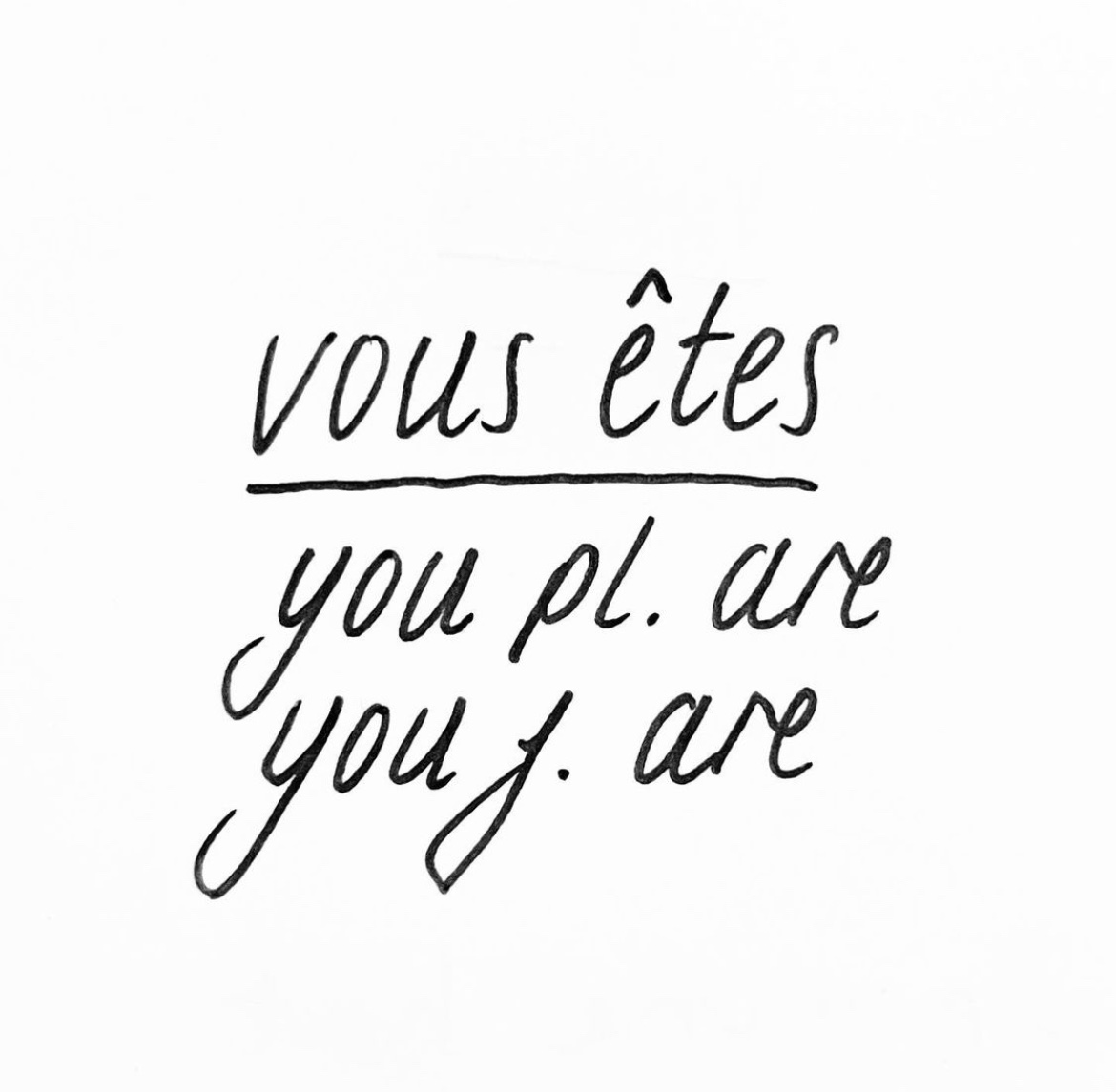
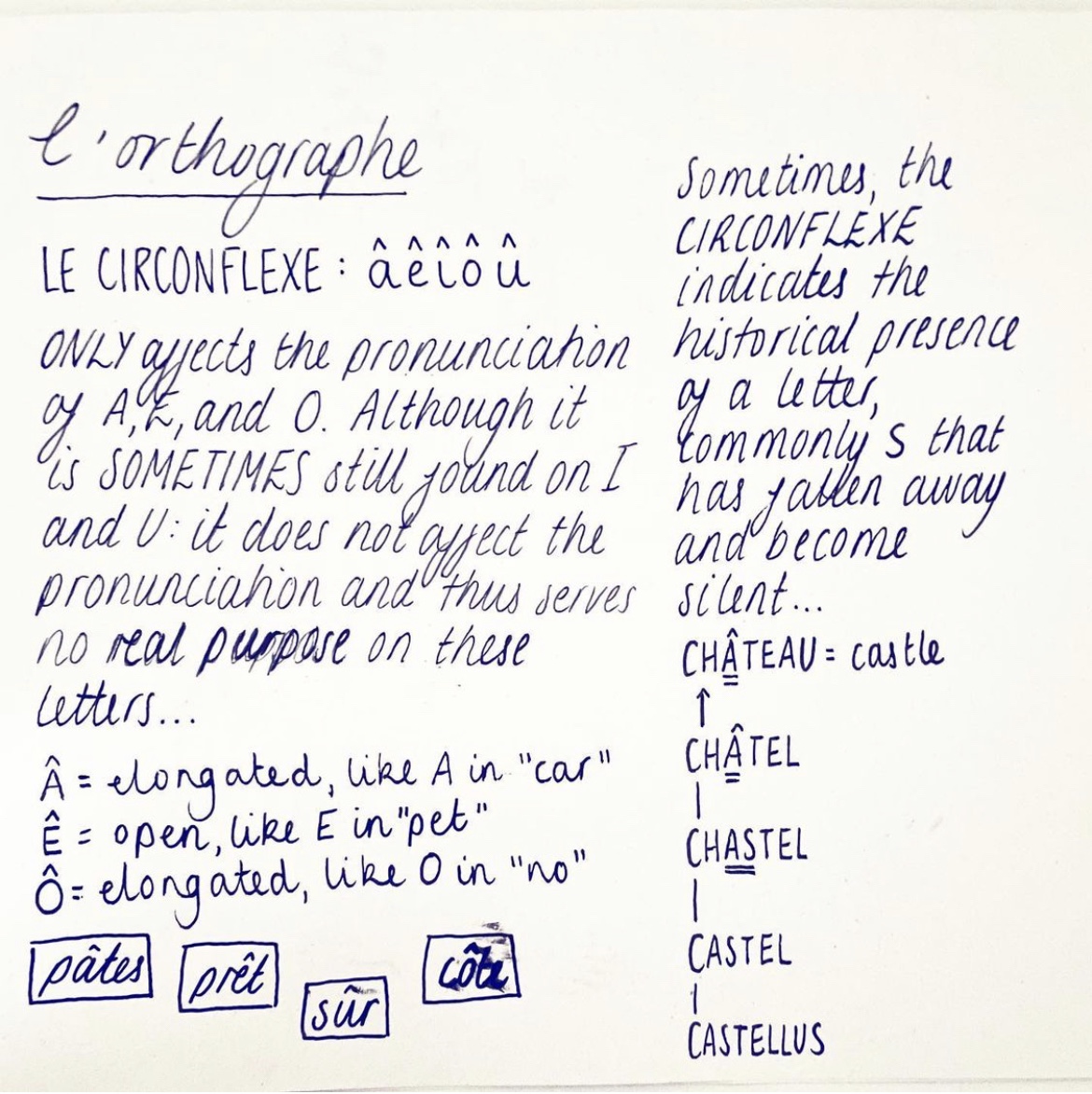
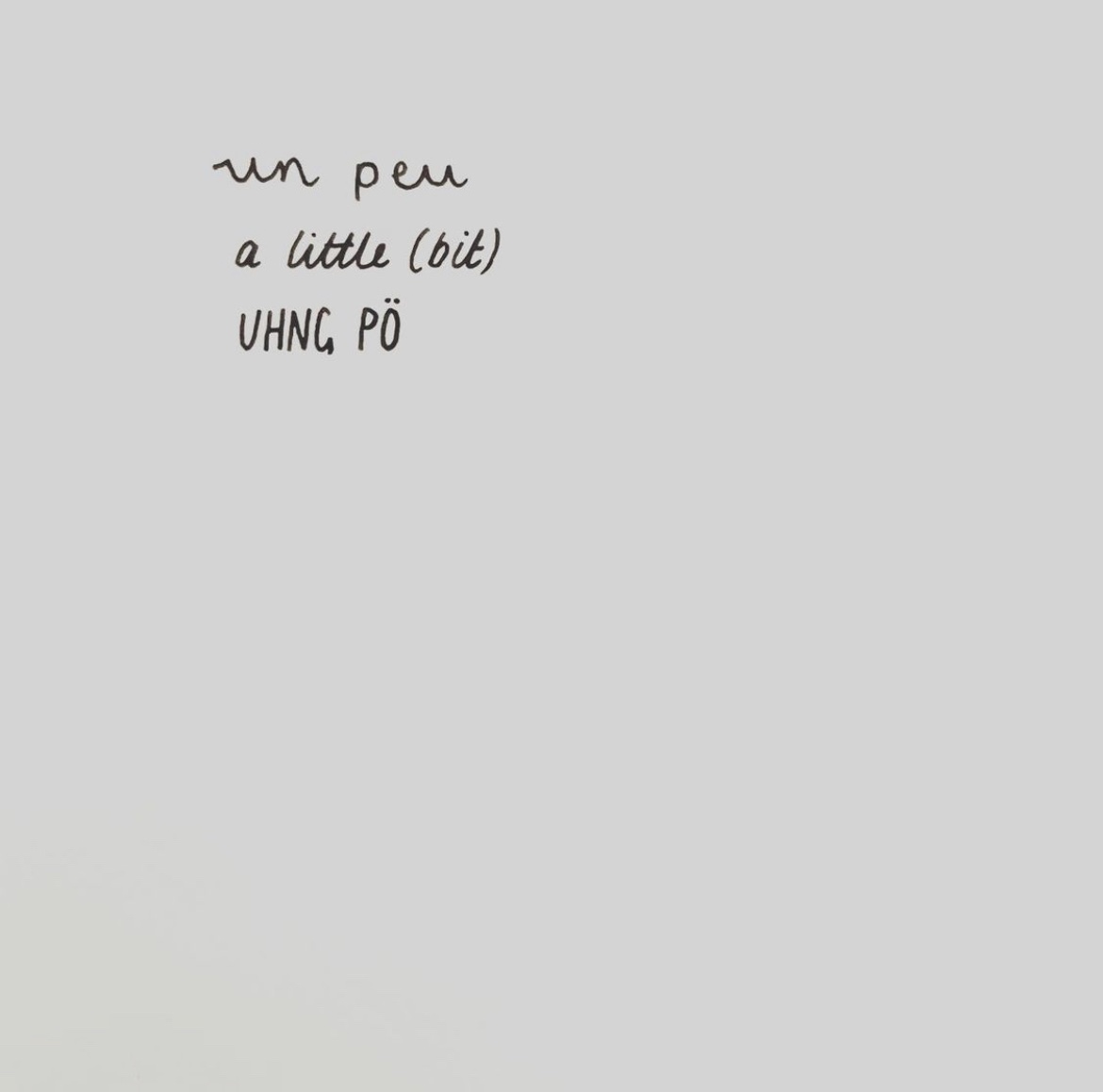
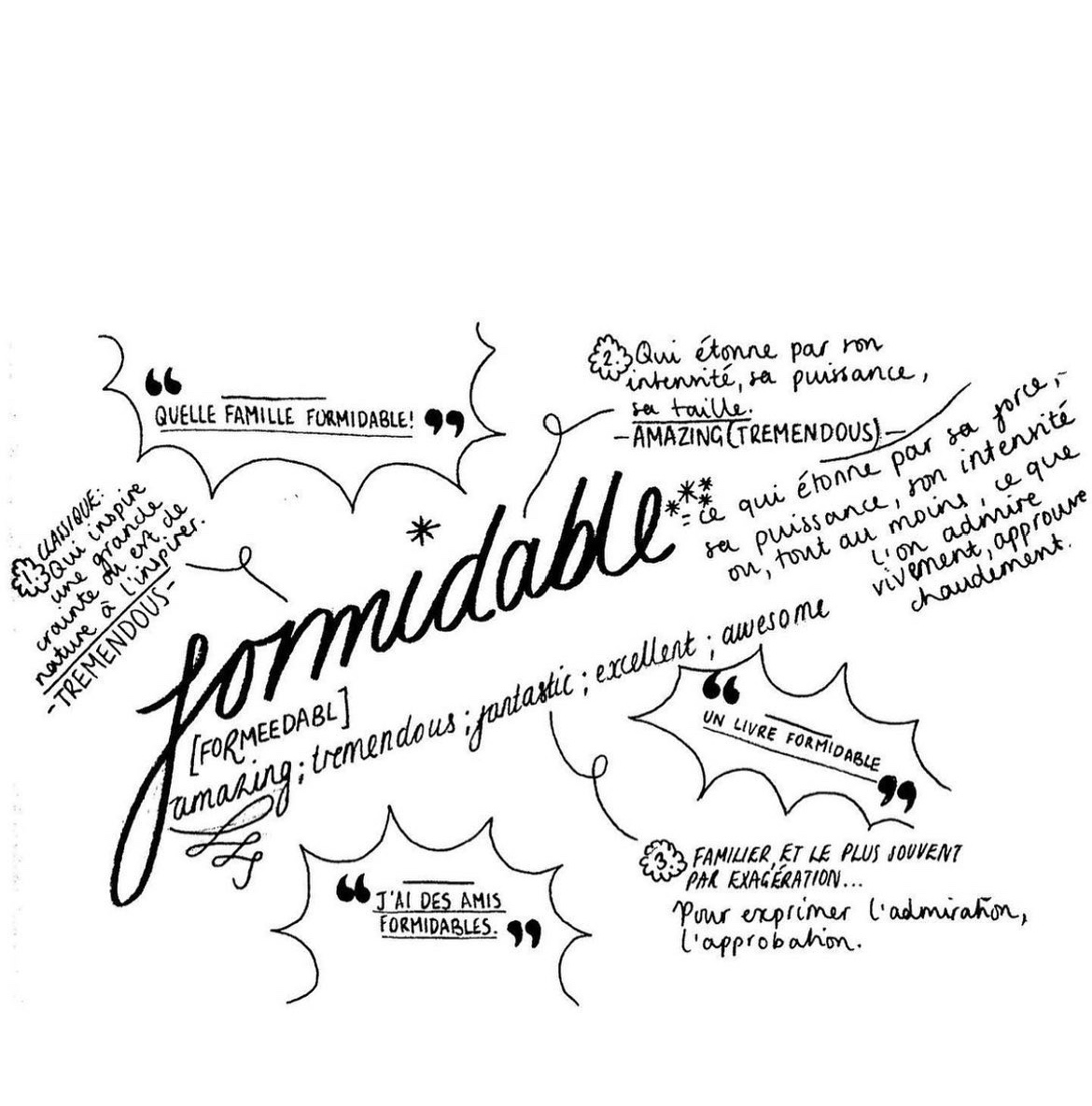
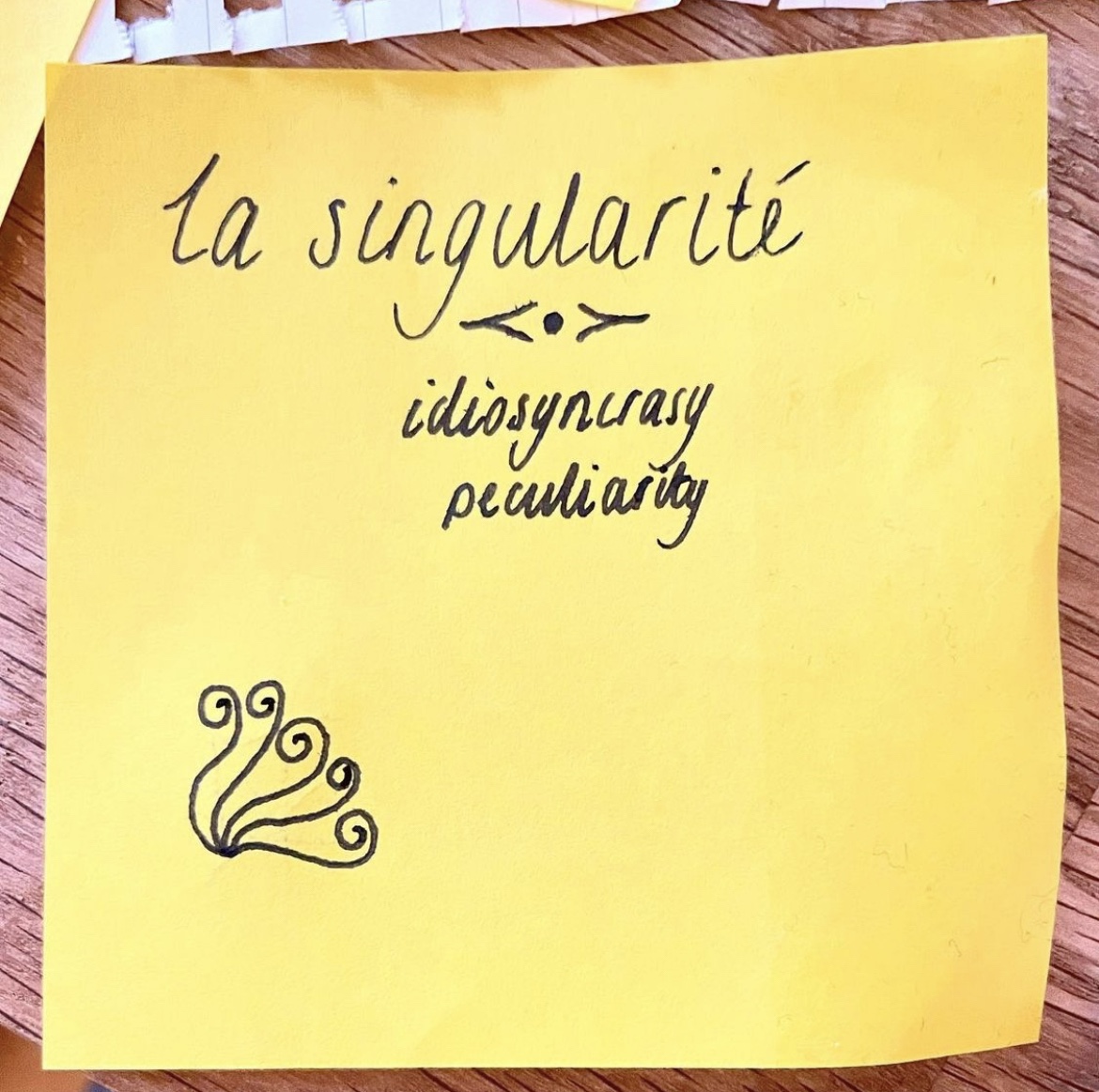
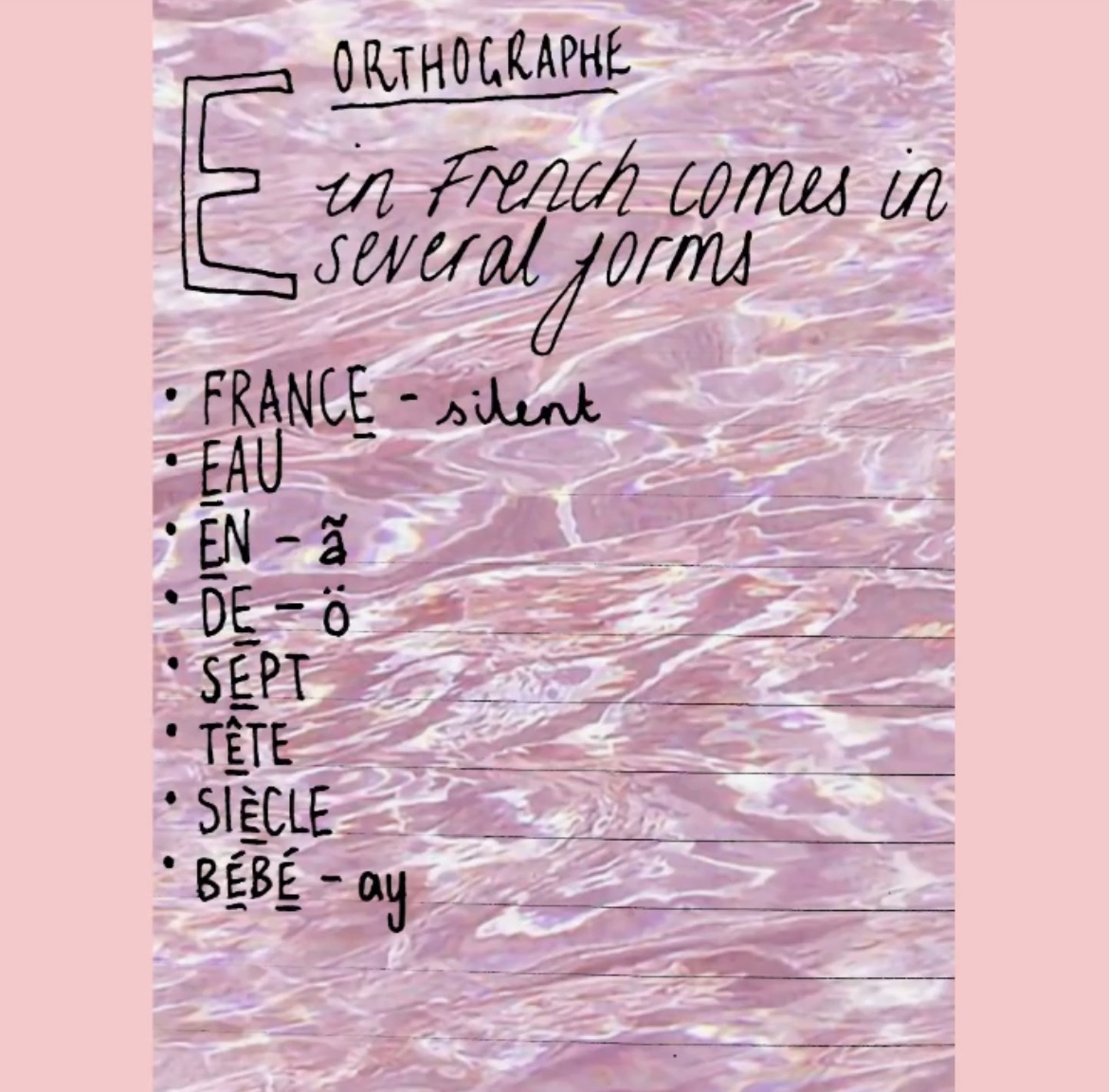
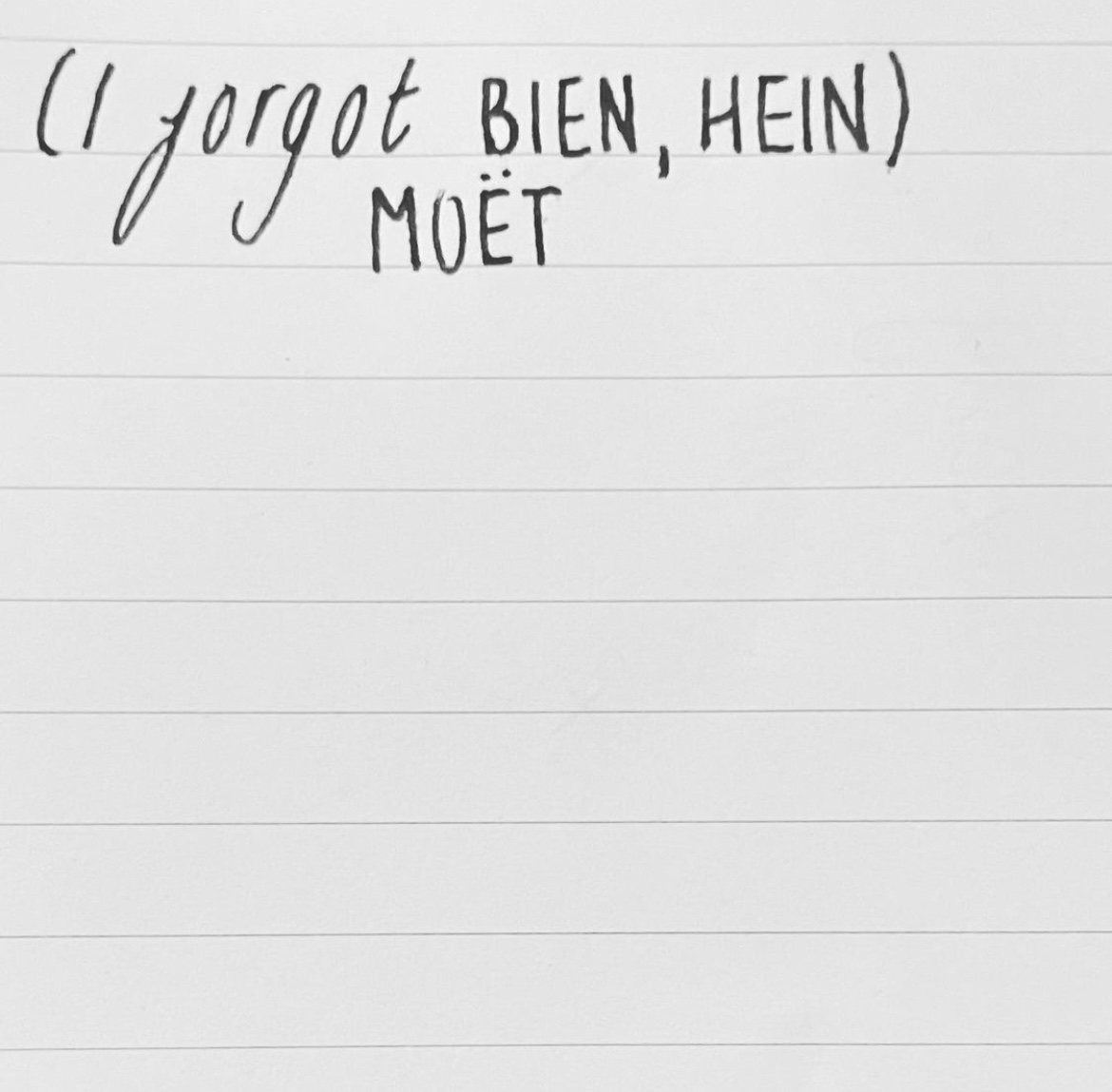
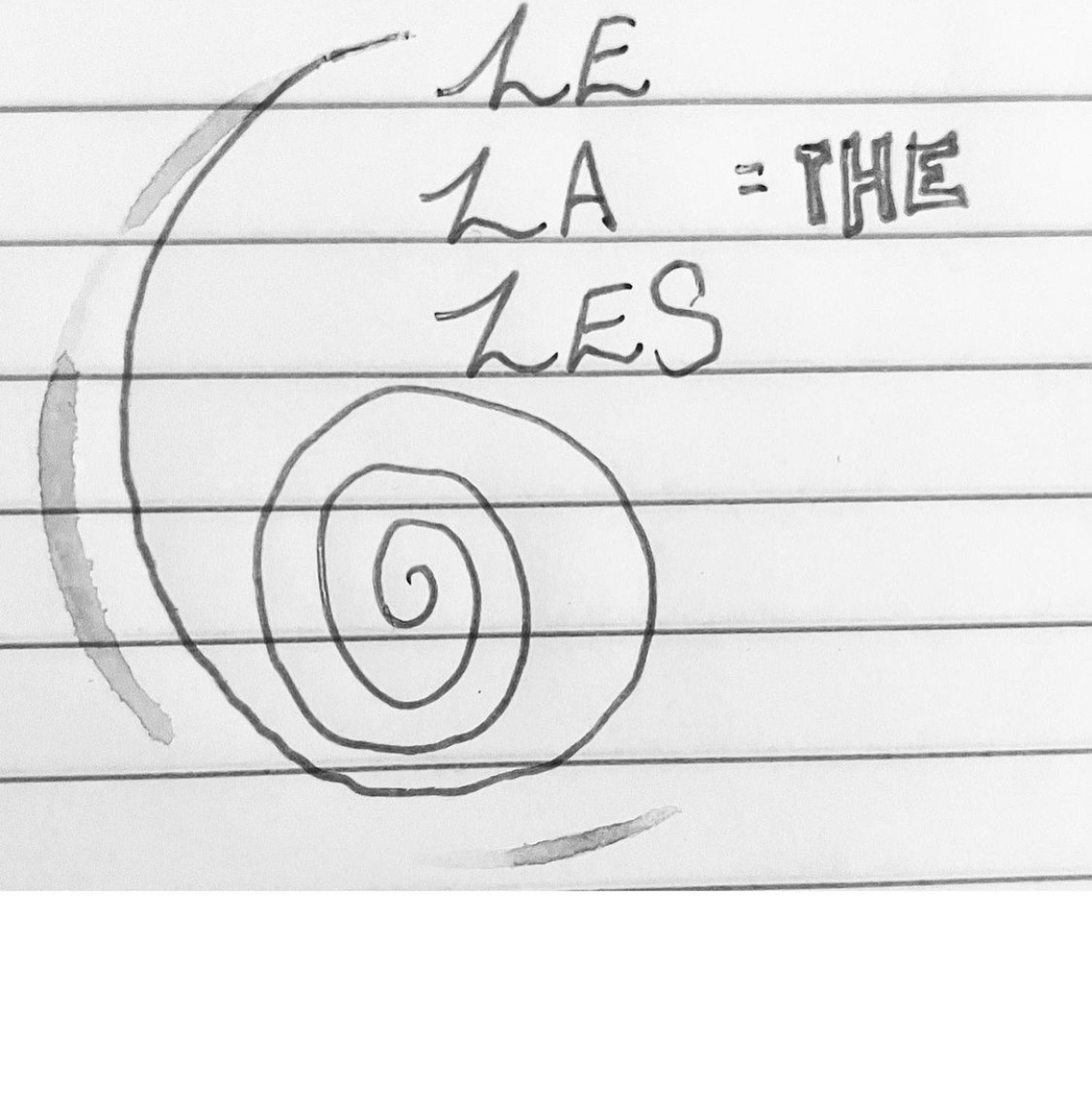
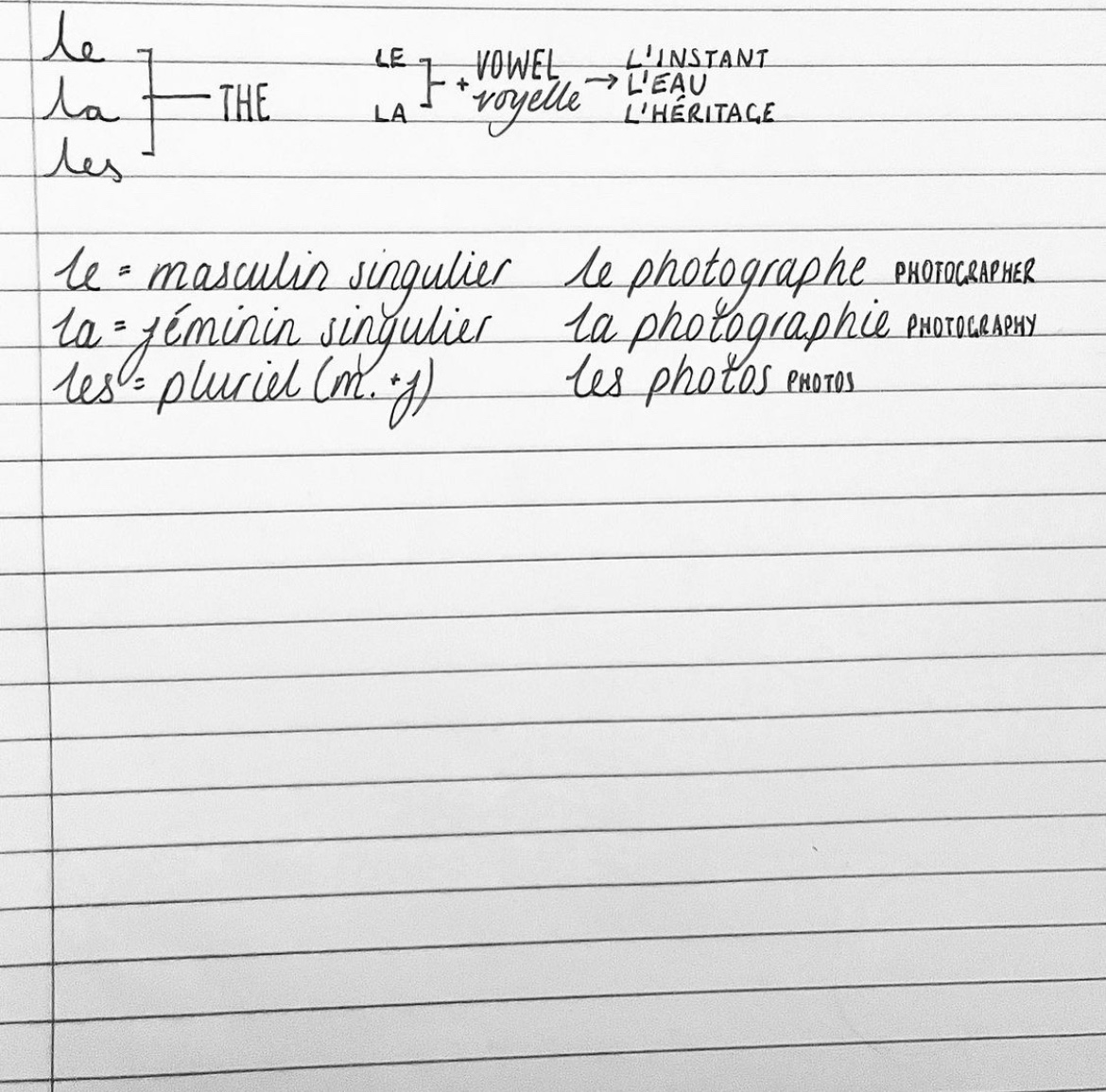
~Mots francophones~ by Tamsin:
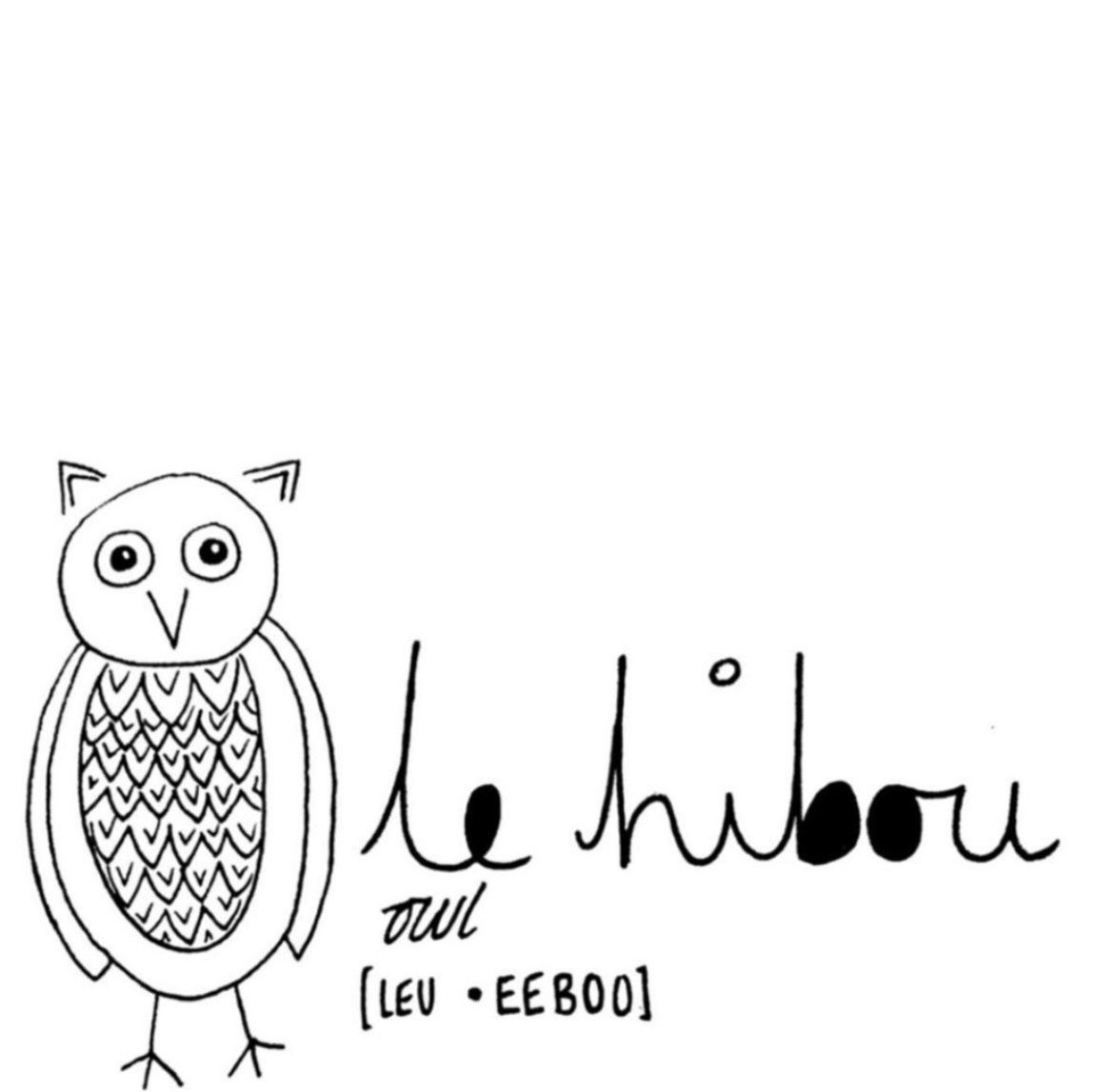








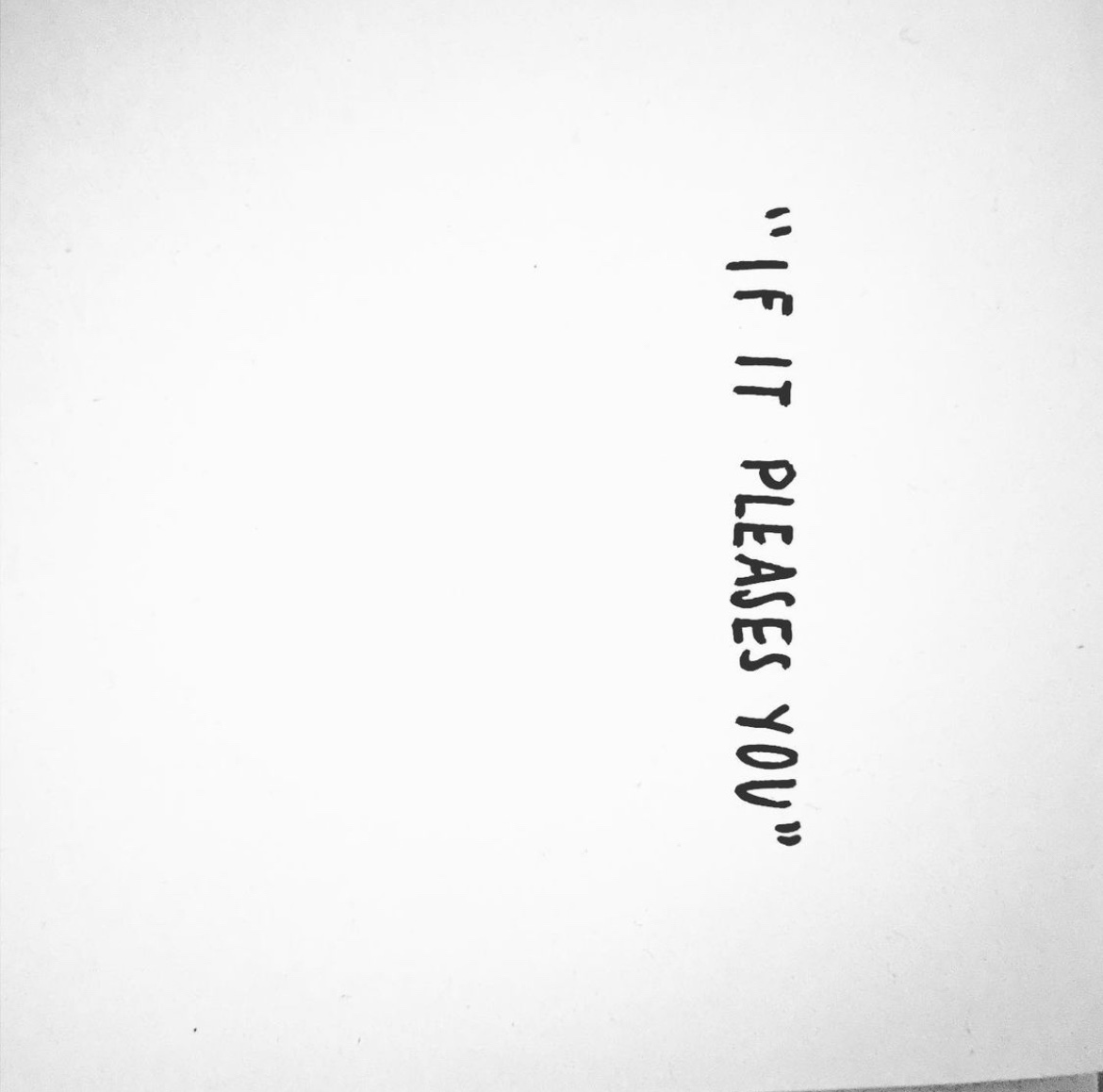
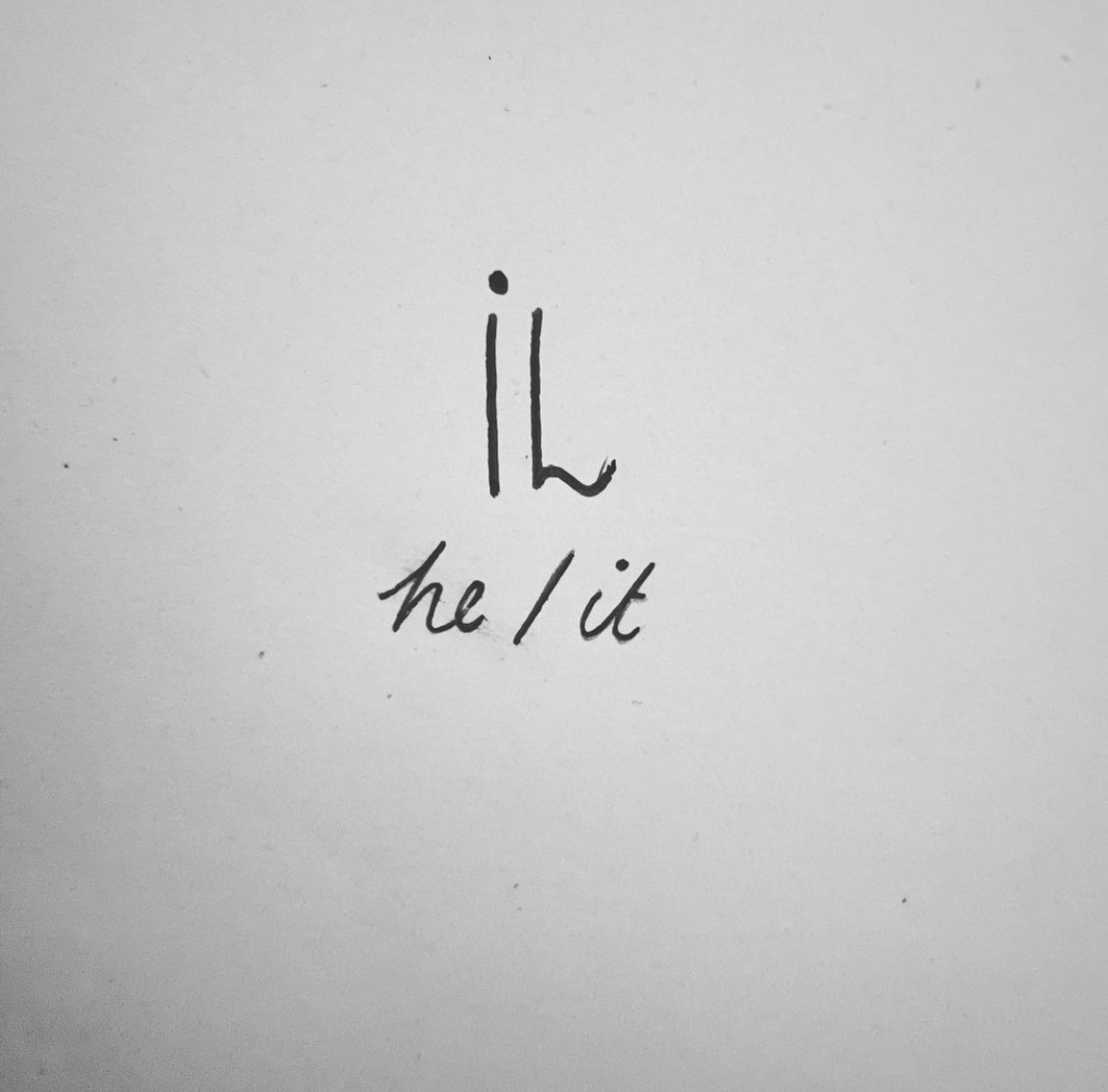
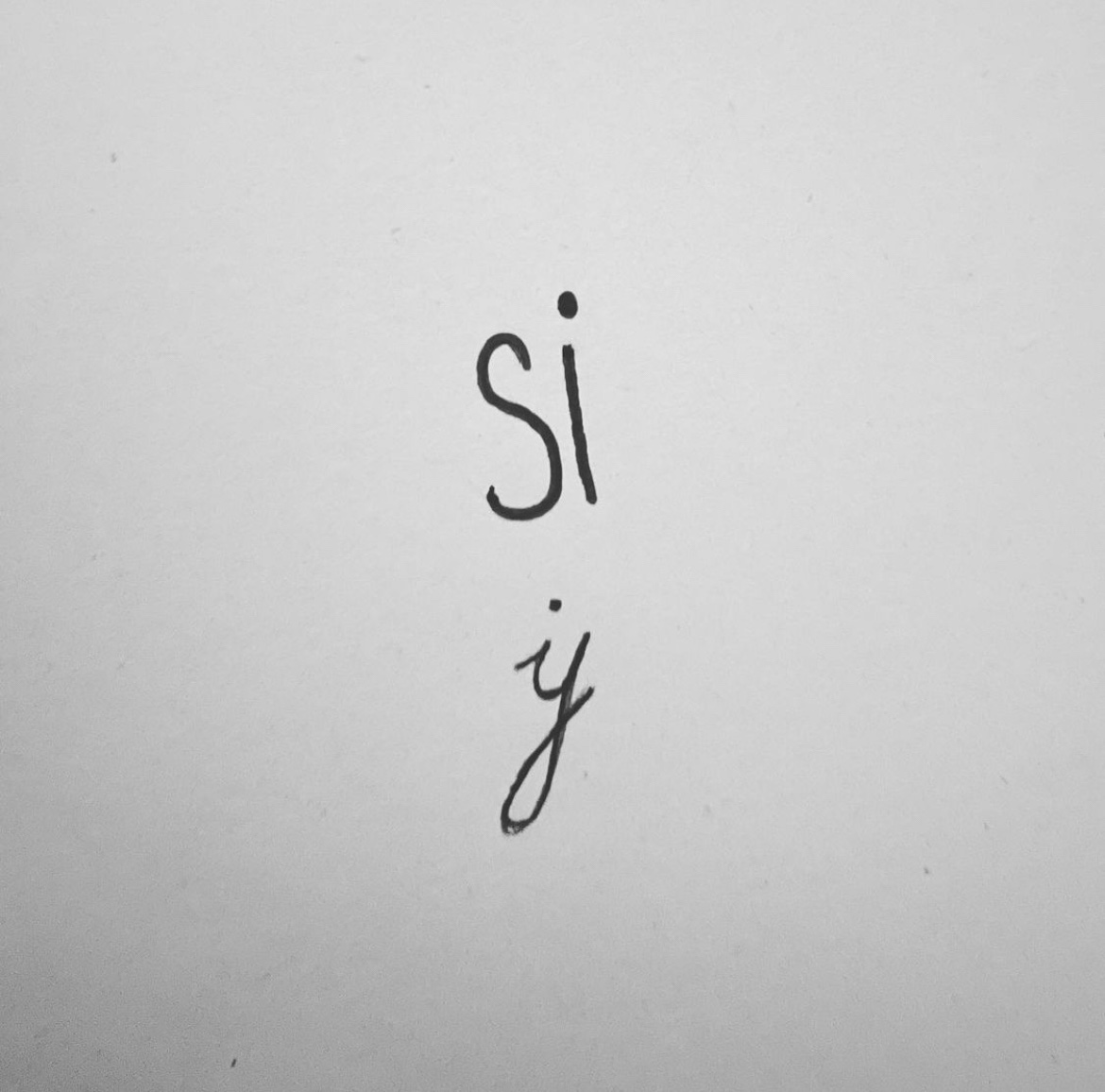
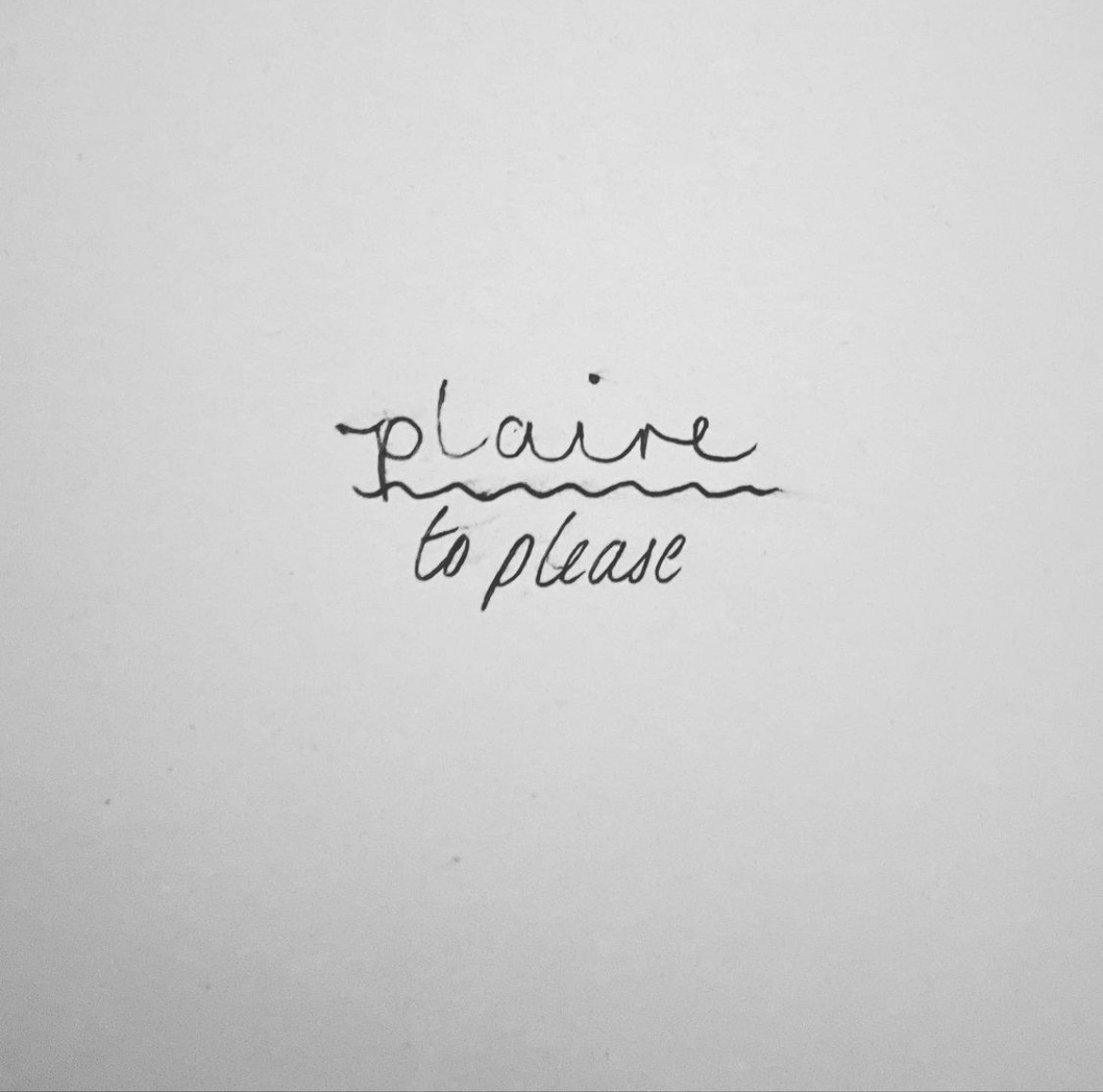

Fun fact:
 The Buzz-Concept Project