Au-delà de la philosophie: les visions de Jacques Prévert…
Plus tard ce sera trop tard. Notre vie est maintenant.
Later will be too late. Our life is now.
Jacques Prévert (1900-77), French poet and screenwriter
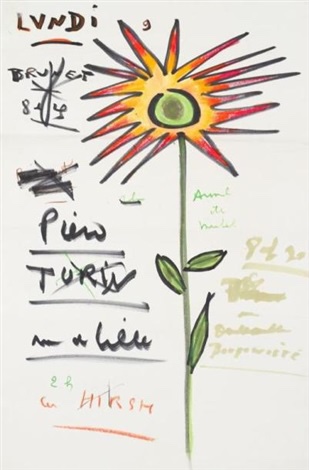
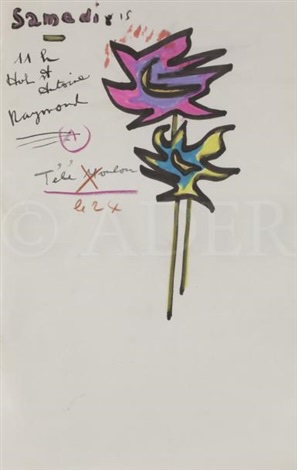
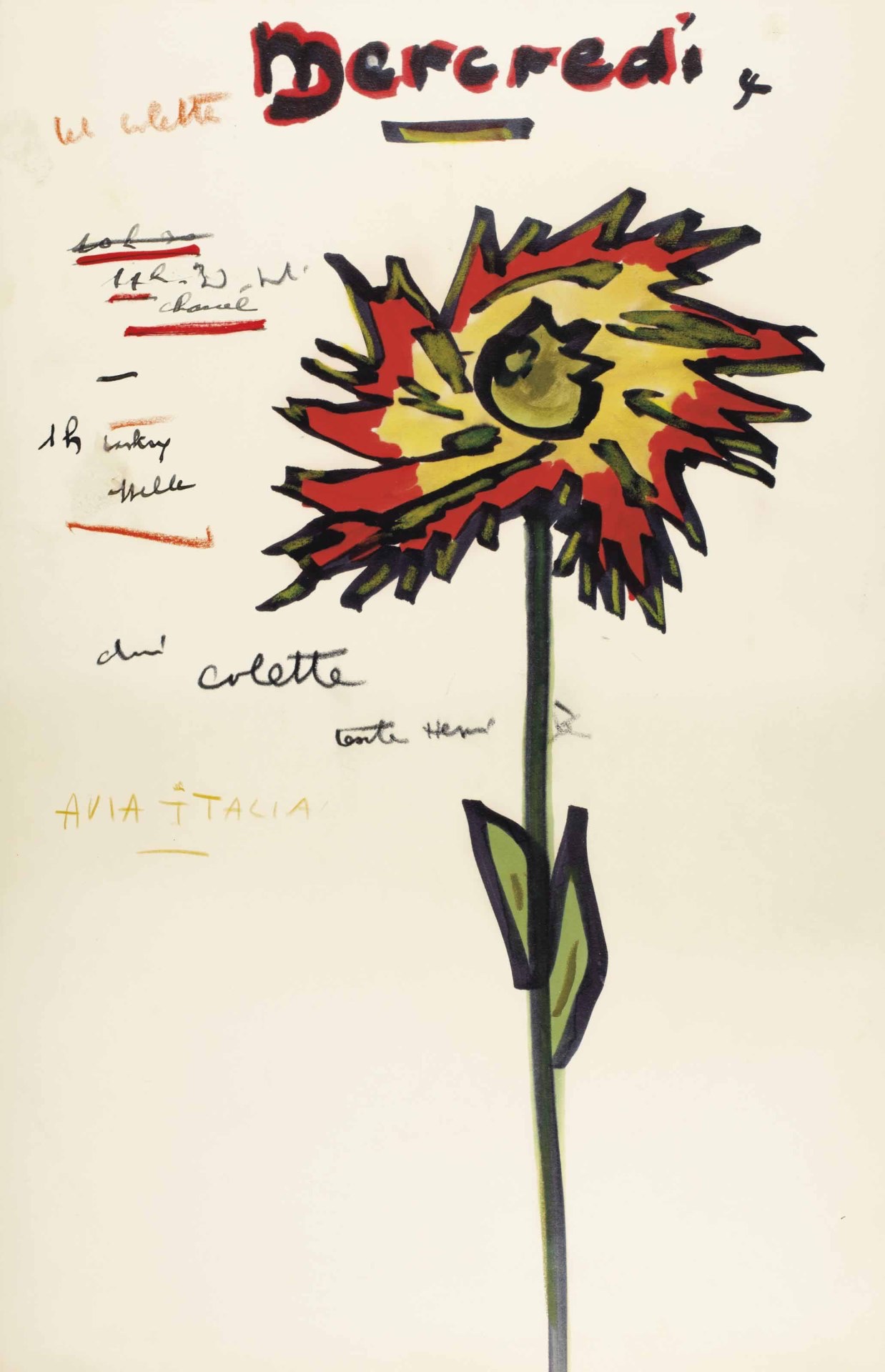
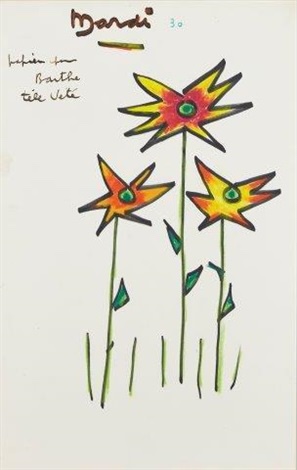
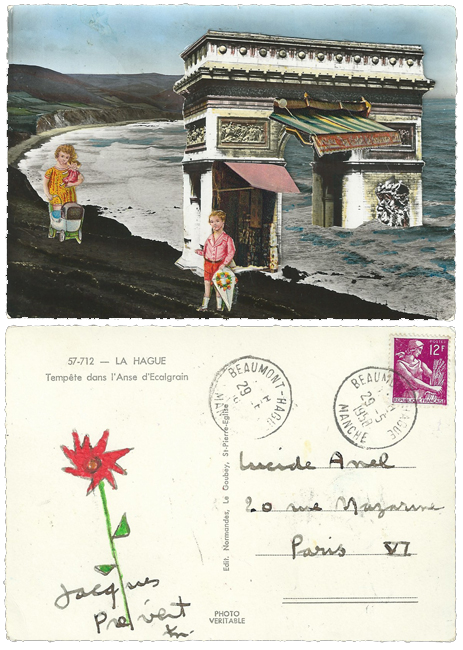
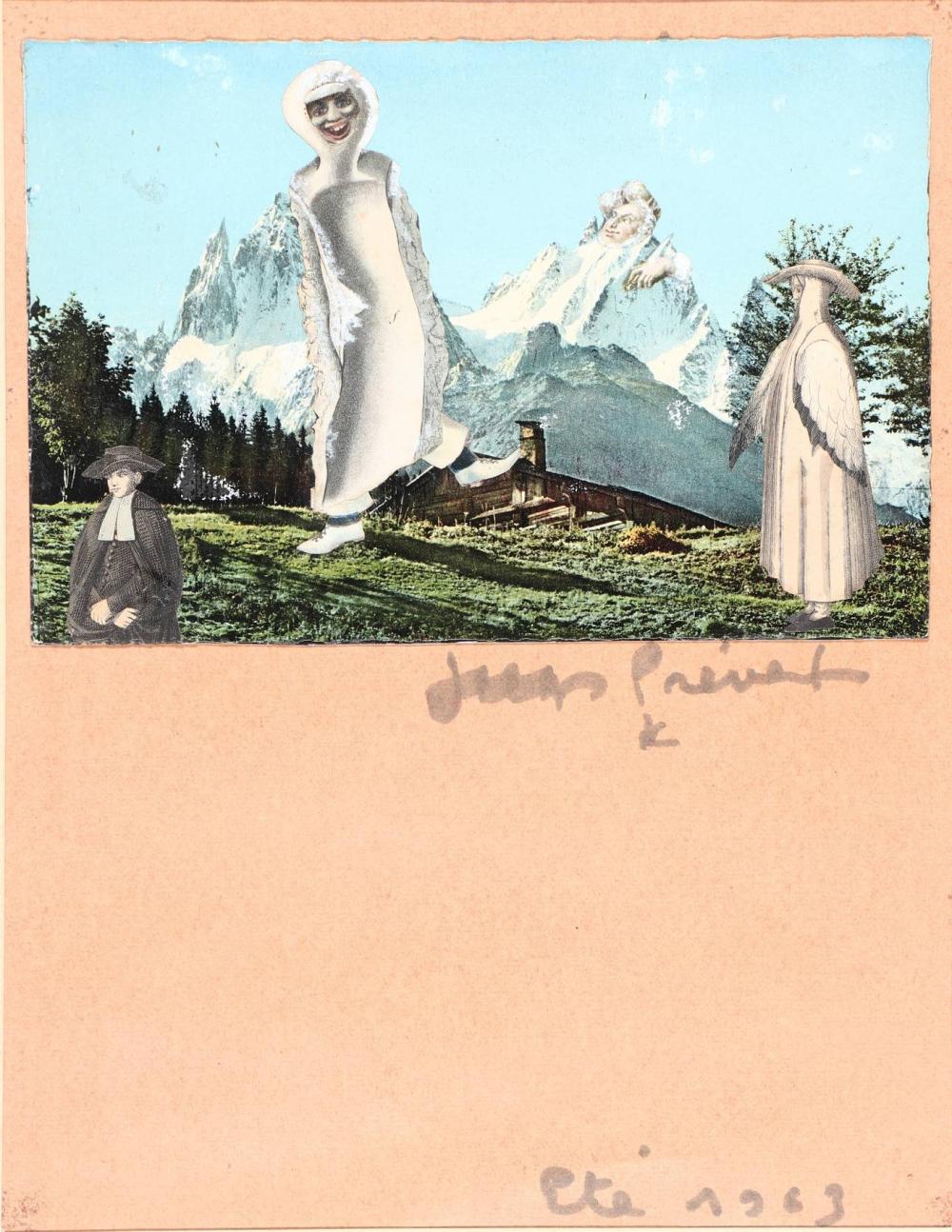
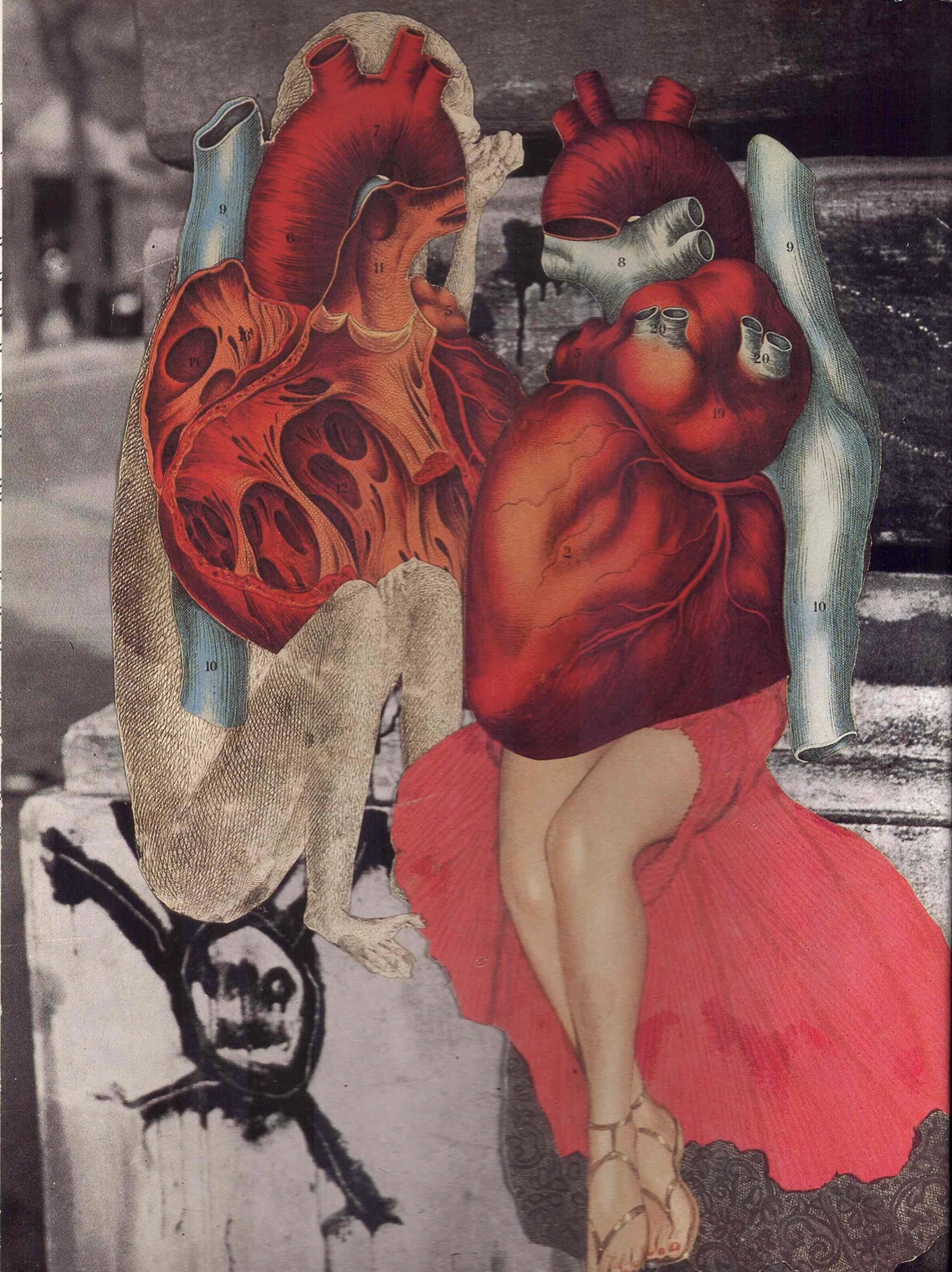
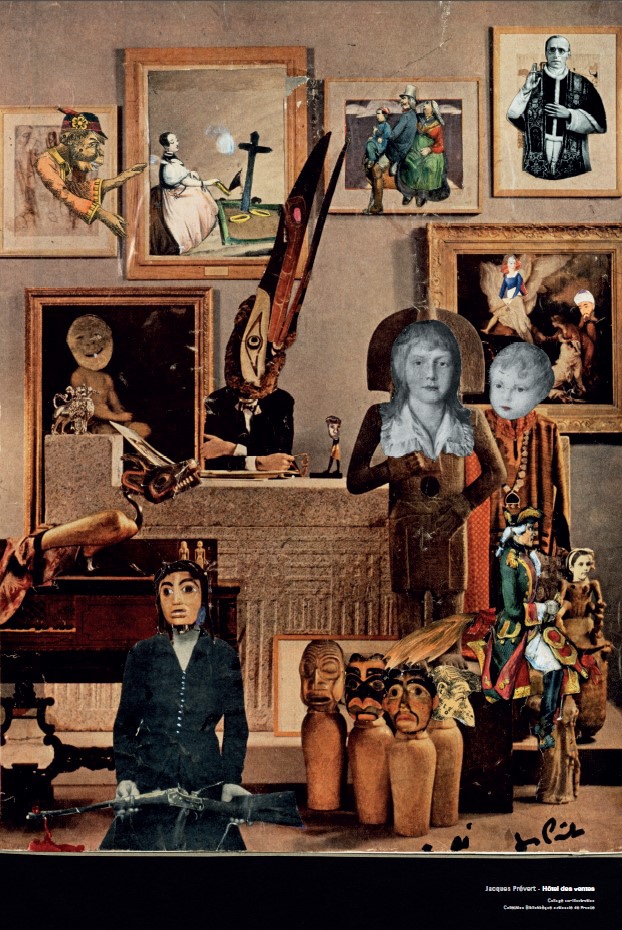
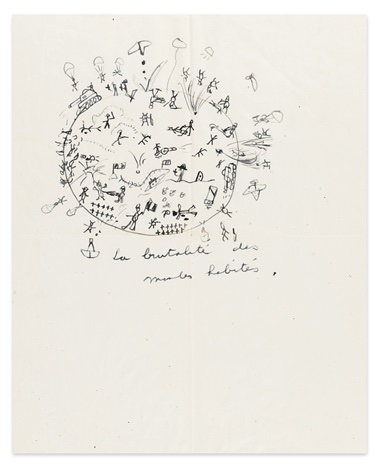
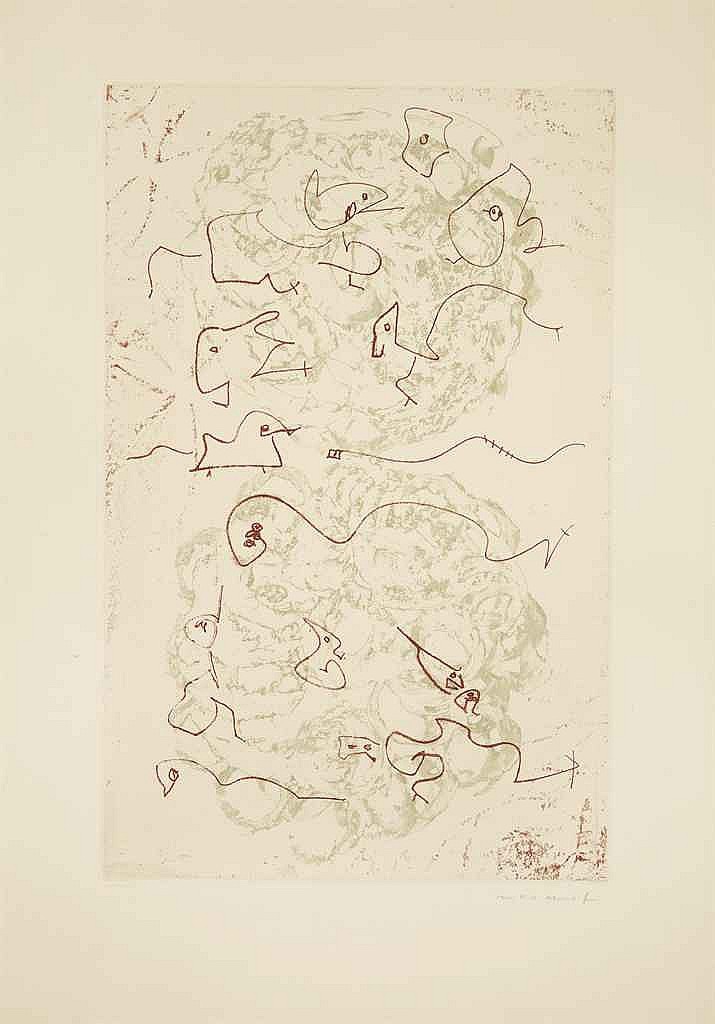
Avec lui, nous sommes dans un domaine où les mots et les yeux s’unissent…!
With him, we are in a realm where words and eyes unite.


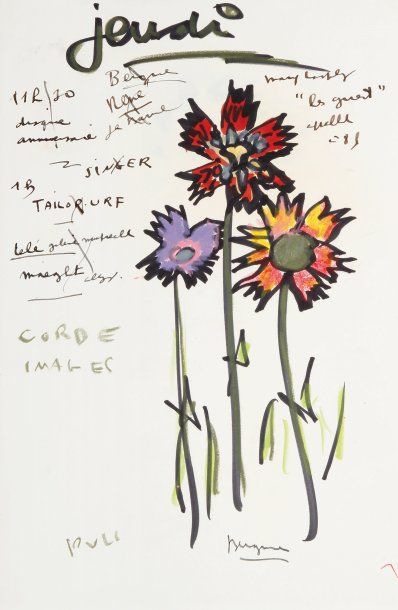
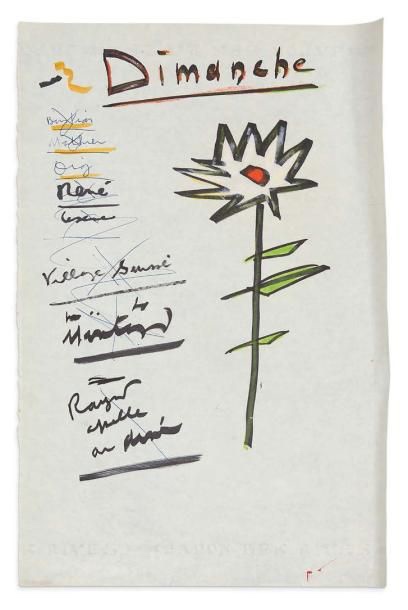
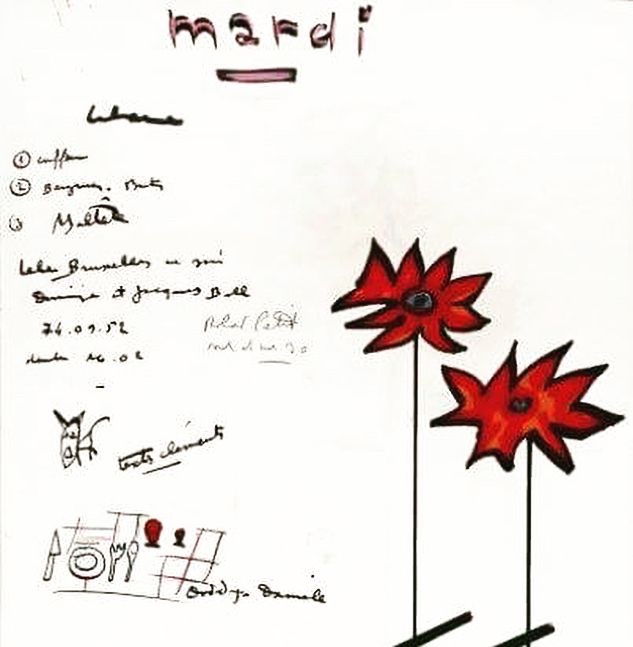


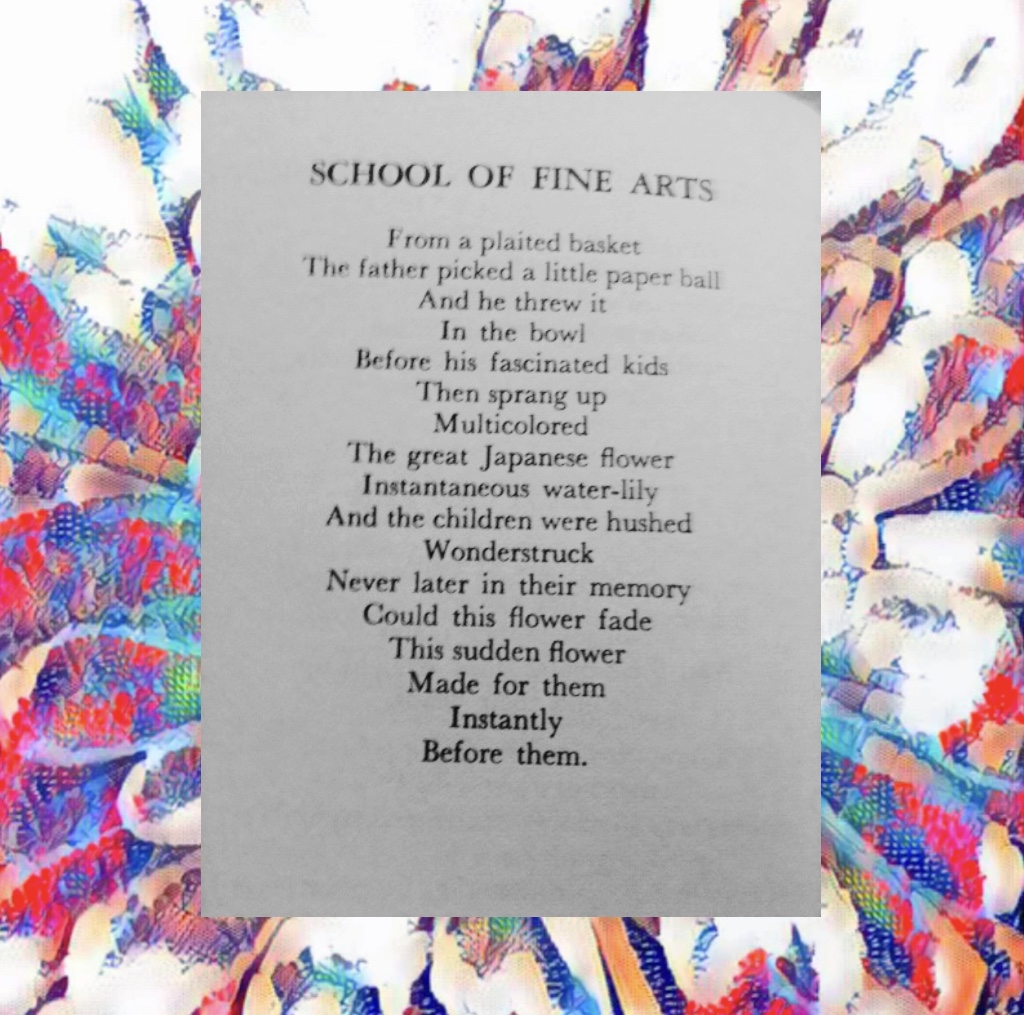
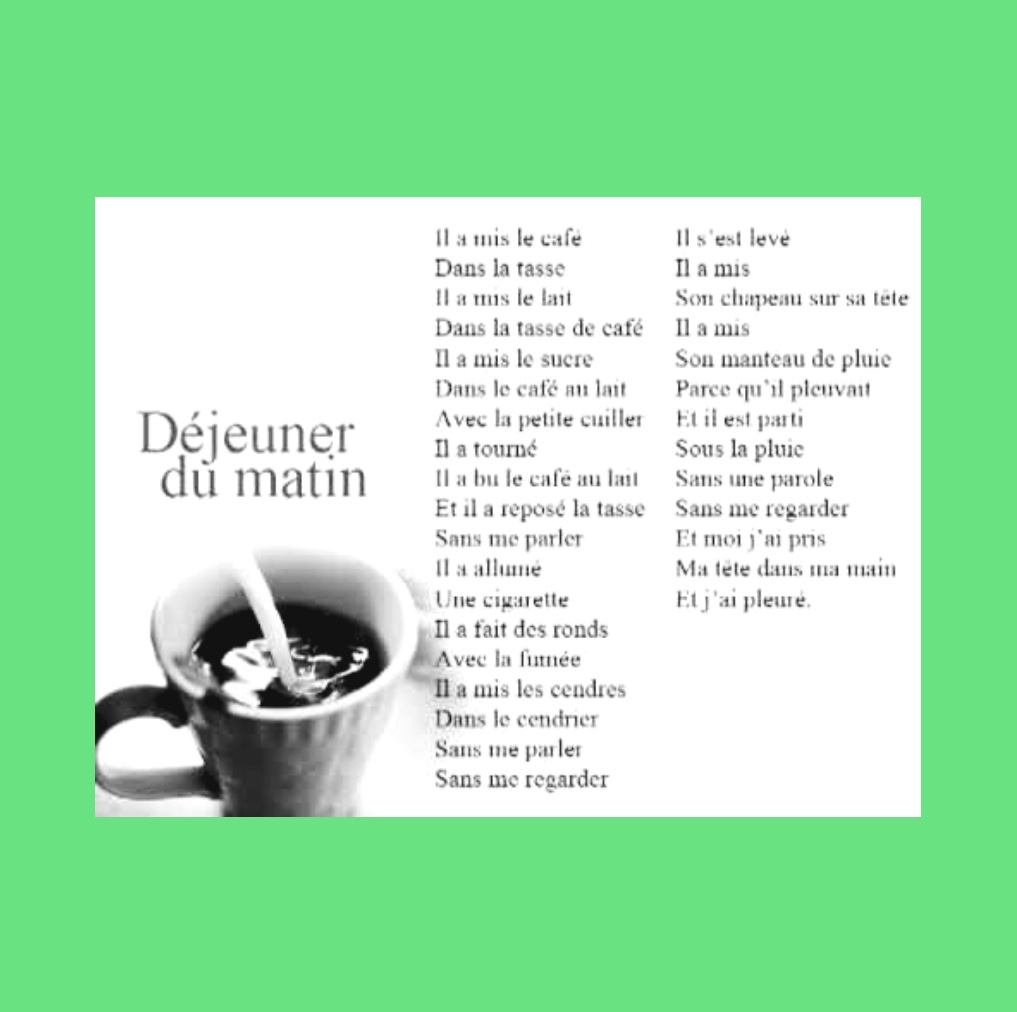
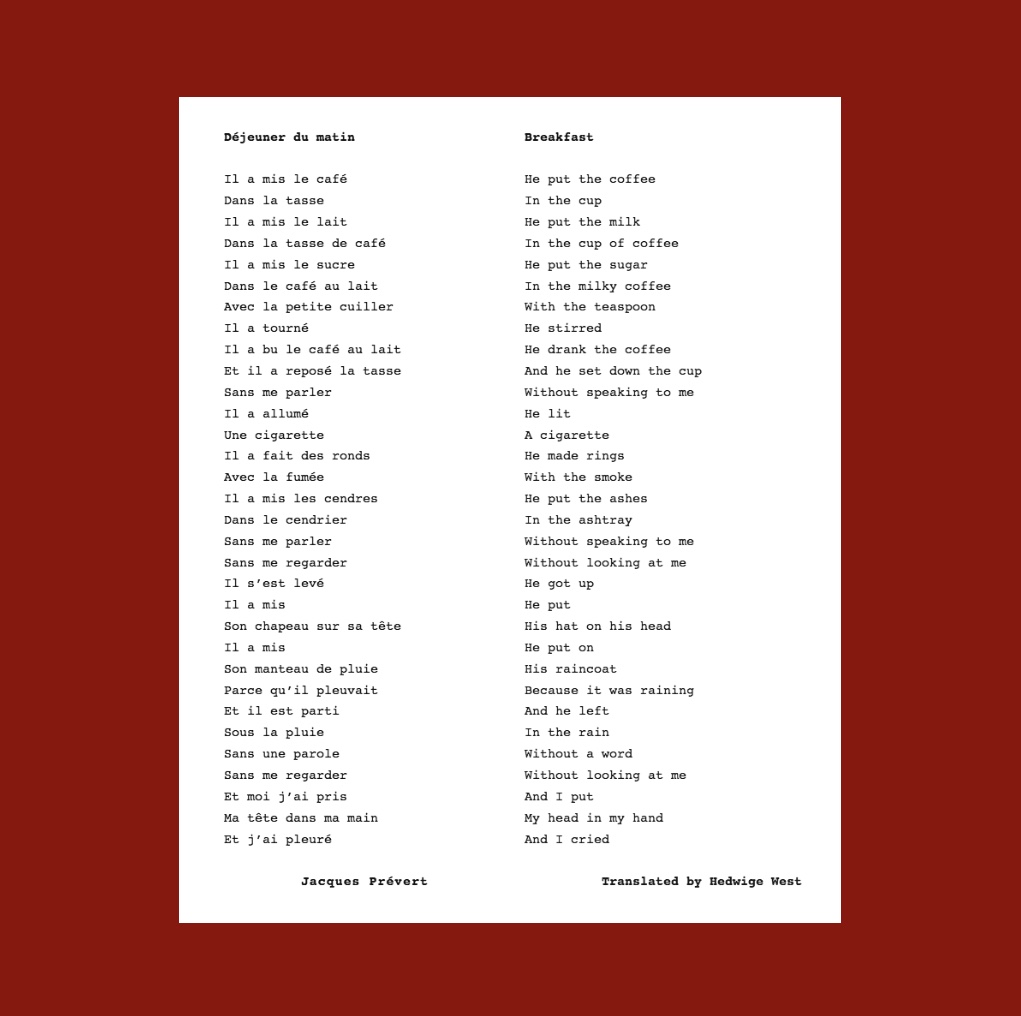
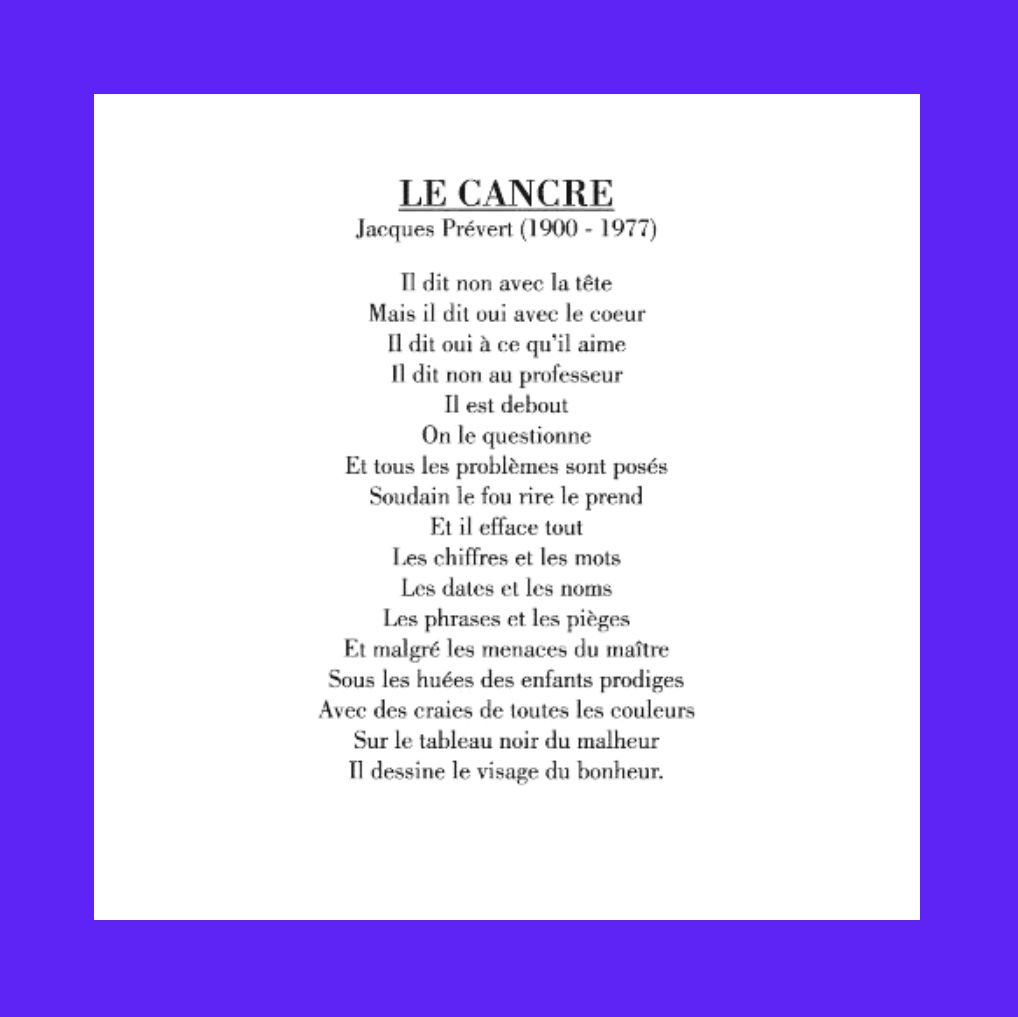
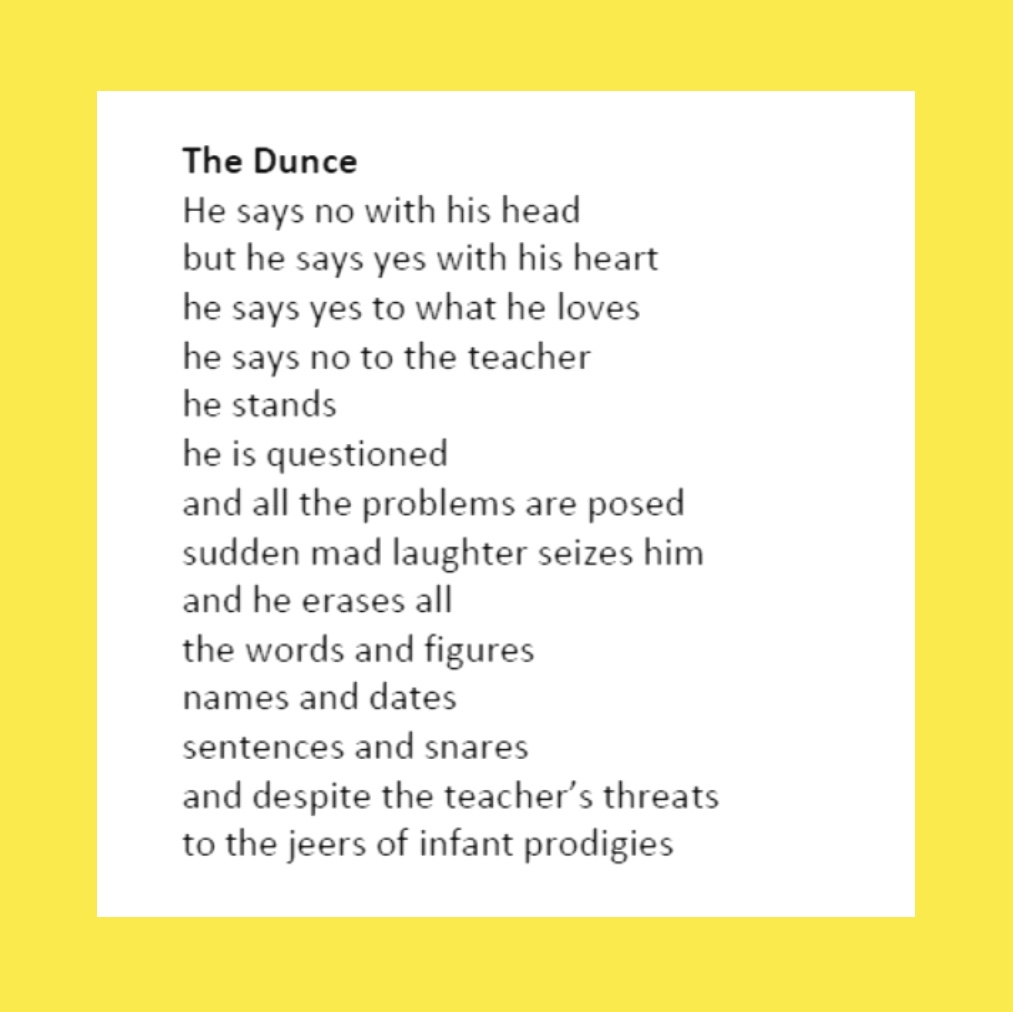

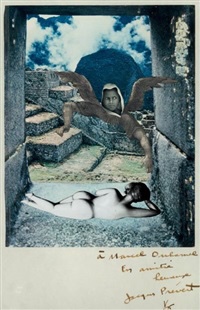
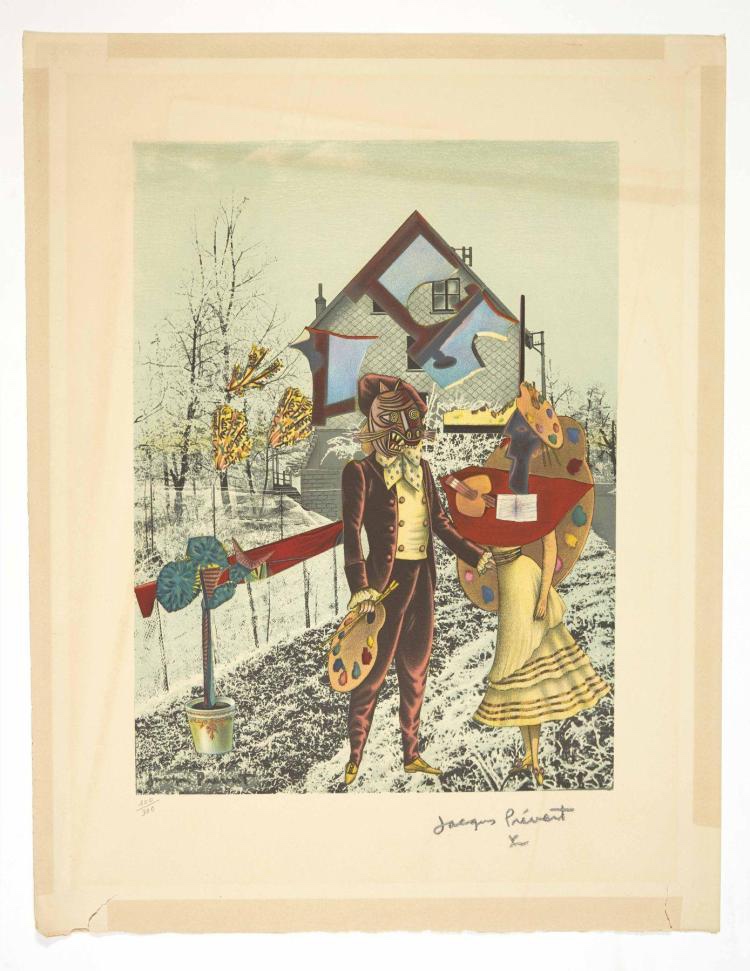
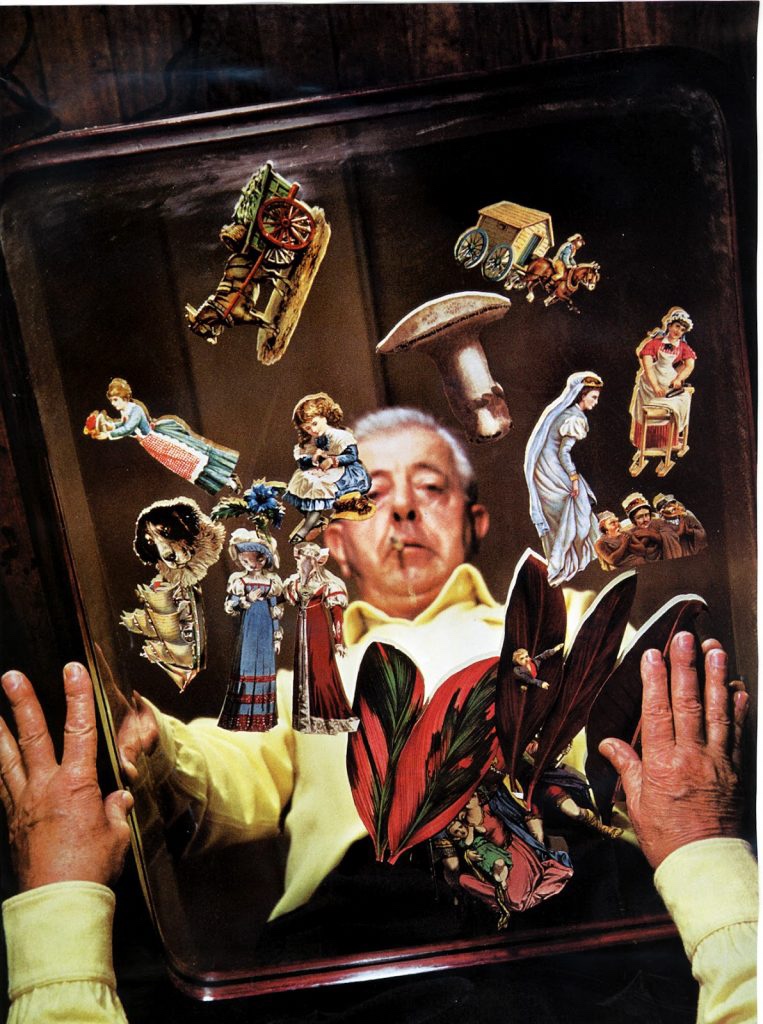
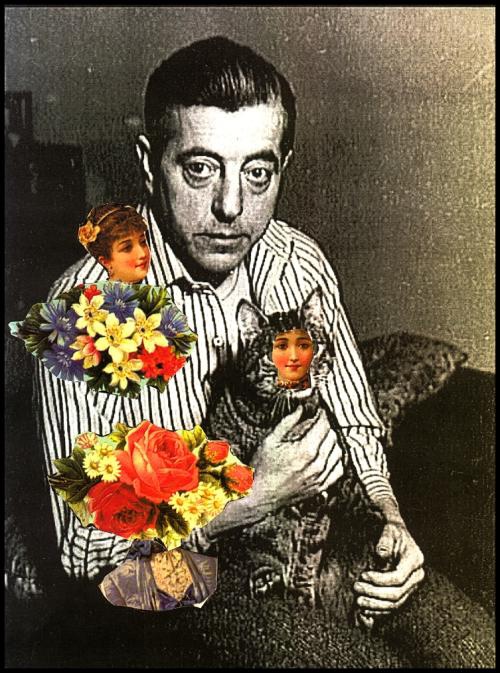
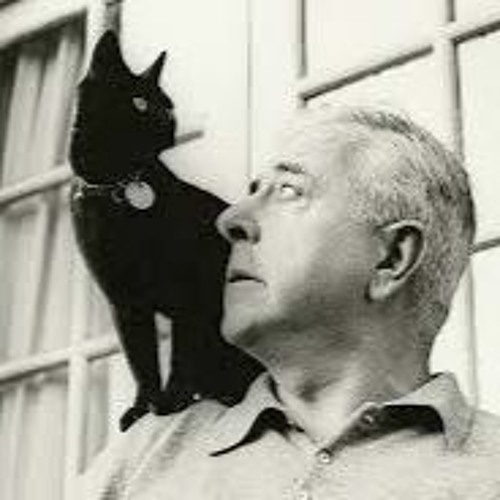
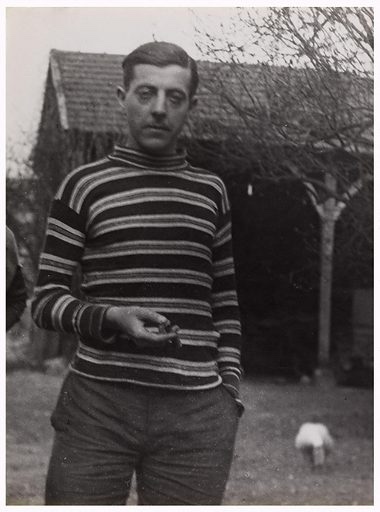

France is not poetic; she even feels, in fact, a congenital horror of poetry. Among the writers who use verse, those whom she will always prefer are the most prosaic.
Charles Baudelaire (1821-1867), French poet
An interesting fact is that different languages take differently to literature. Different languages have their own prescribed approaches to the composition of literature, and the distinguished literary bubbles of different cultures are often profoundly troubled by conflicted interests with their counterparts writing in other languages. So very many languages, furthermore, don’t even have literary traditions at all. As a linguist, it is fascinating but also confusing and unsettling to explore the world’s variegated literary heritage.
Human beings do not live in the objective world alone, nor alone in the world of social activity as ordinarily understood, but are very much at the mercy of the particular language which has become the medium of expression for their society.
Edward Sapir
Edward Sapir, pioneer of the doctrine of linguistic relativity, put forth the notion in the early 20th century that different languages entail their own distinct world-views and special, unique mechanisms with which to go about interacting with the world, which native speakers are to a large degree defined by. He was right to believe this. In reality, the use and scope of every different language of the world are underpinned by ideologies – for example, French is known as “the language of love”, although really it’s not love but adoration, alternatively the language of study. This has been happening as long as humans have been using language because it’s an extremely effective way for us to differentiate ourselves.
Italian, meanwhile, can be understood as the Language of Pleasure / la Lingua del Piacere, alternatively the Language of Letters / la Lingua delle Lettere i.e. the language of “practical literacy”, let’s say. The relationship between Italian-speakers and their national body of literature is very straightforward: it’s about making the most of their splendid language, descended as it is from the esteemed Latin language of the Romans (although from Vulgar i.e. common dialects rather than Classical Latin) with whose alphabet -the Roman/Latin alphabet- literacy has been propagated all over the world. Other languages have more nuanced angles, and the nature of these nuances of course varies quite substantially across the world. The Chinese literary tradition, dating back more than 3,000 years, for example, orbits specifically around ideals of conceptual abstraction.
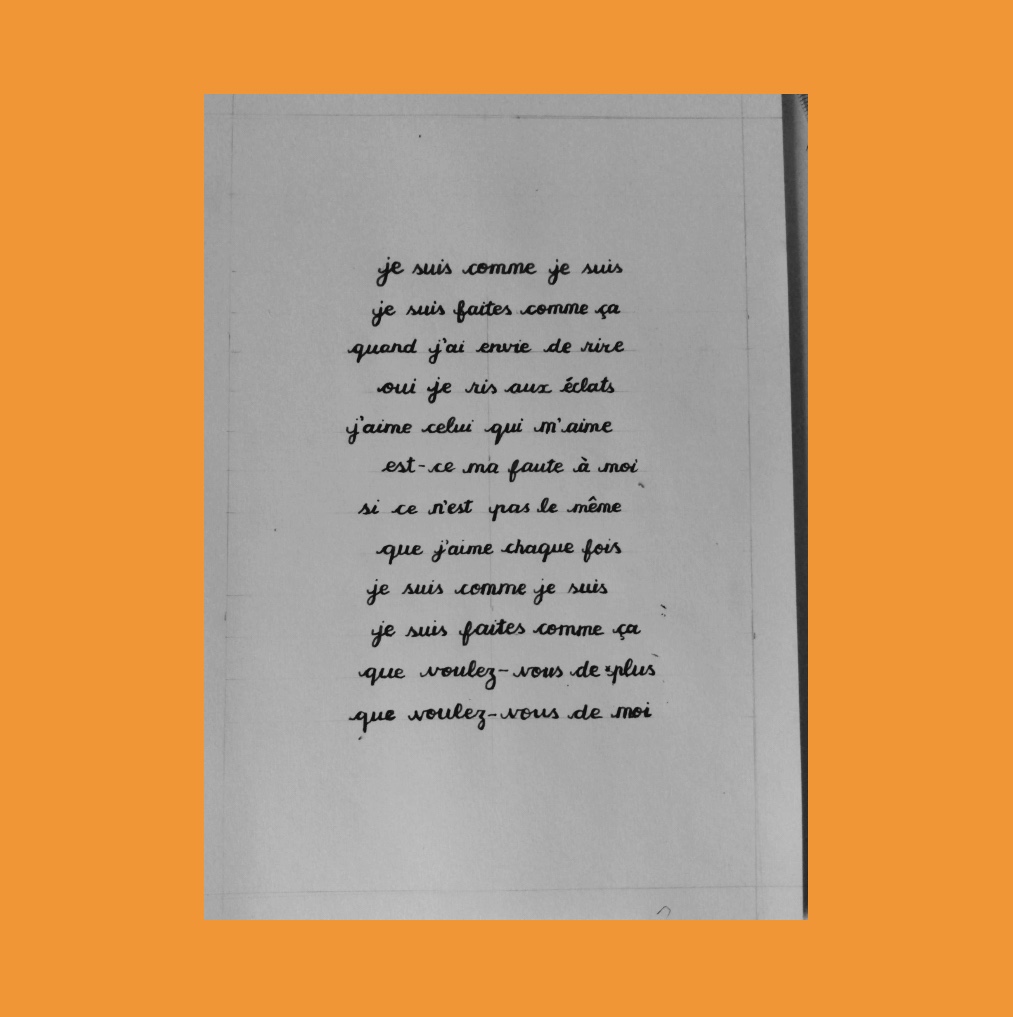
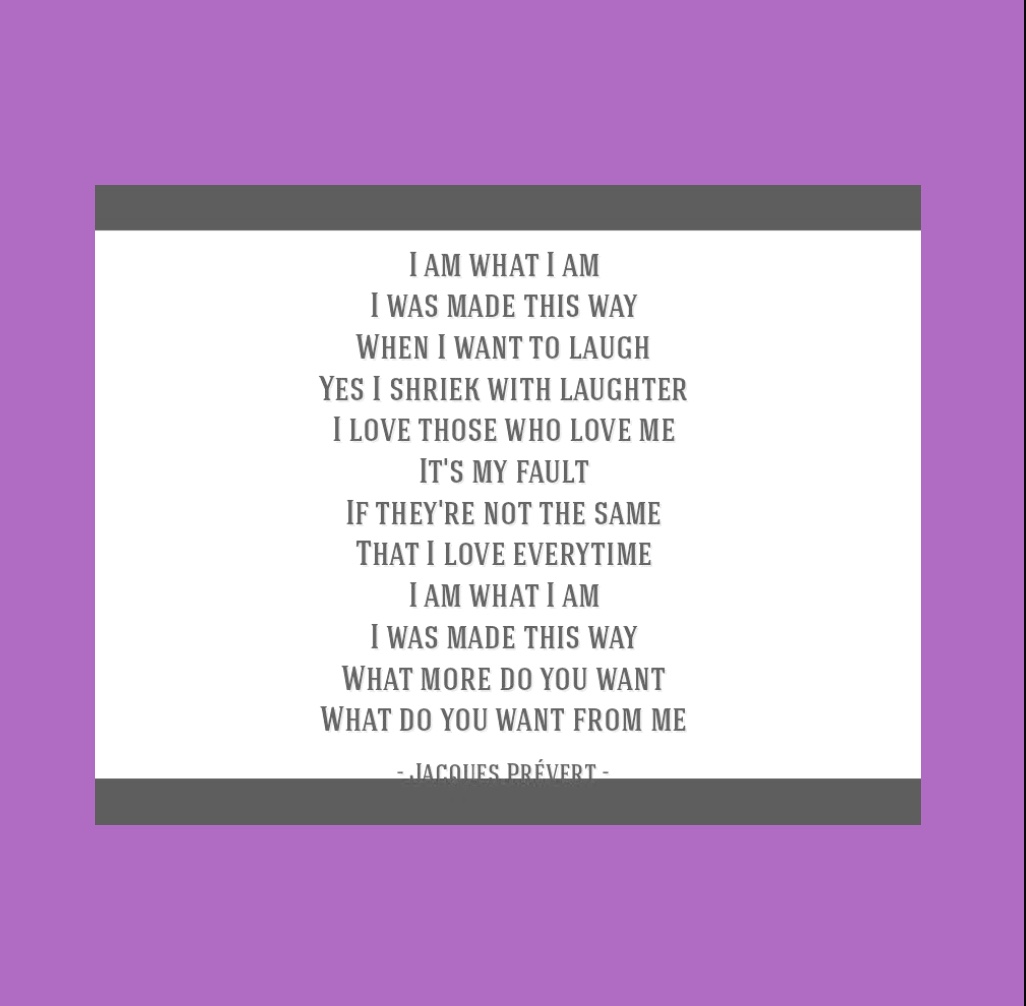
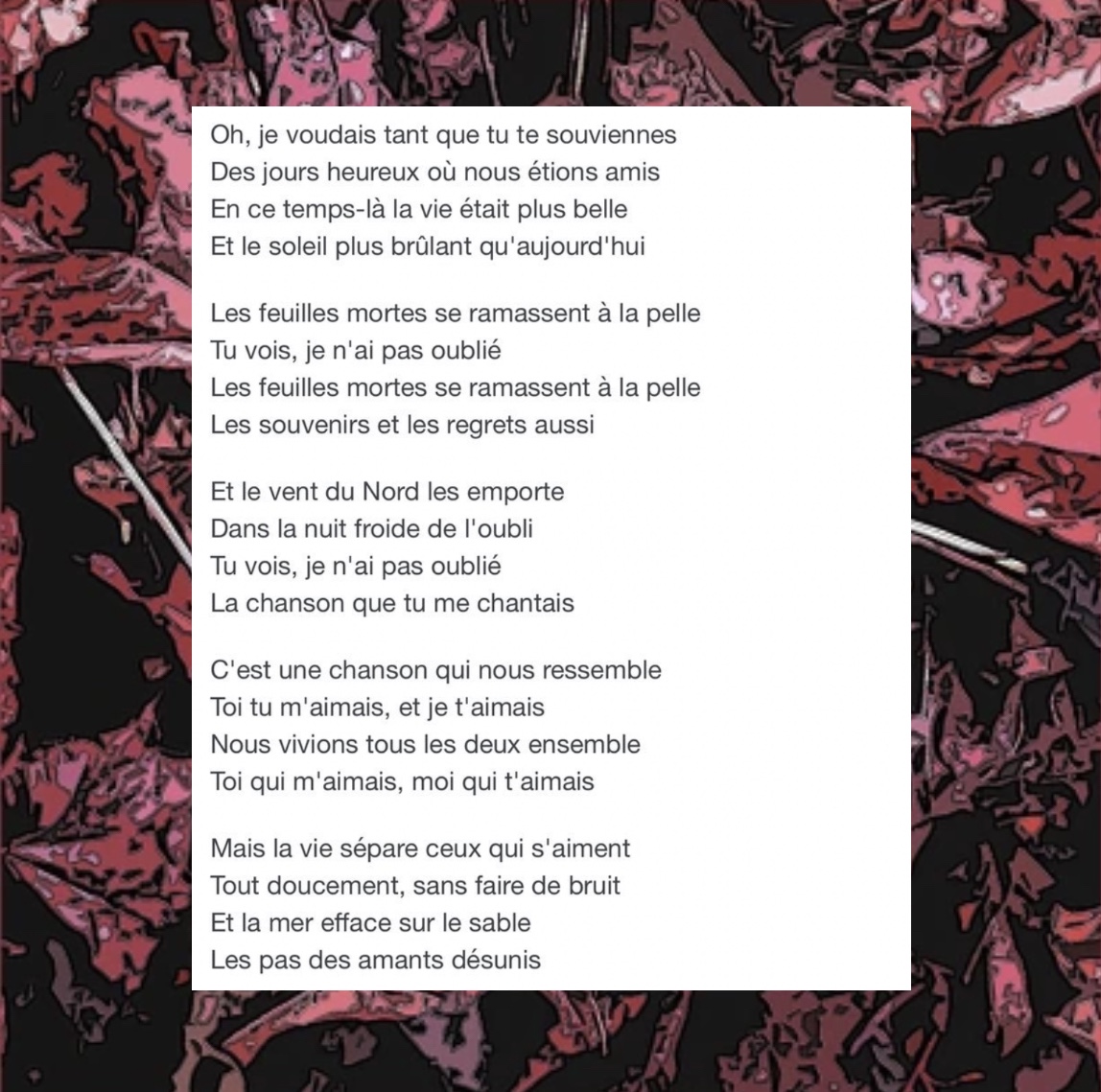
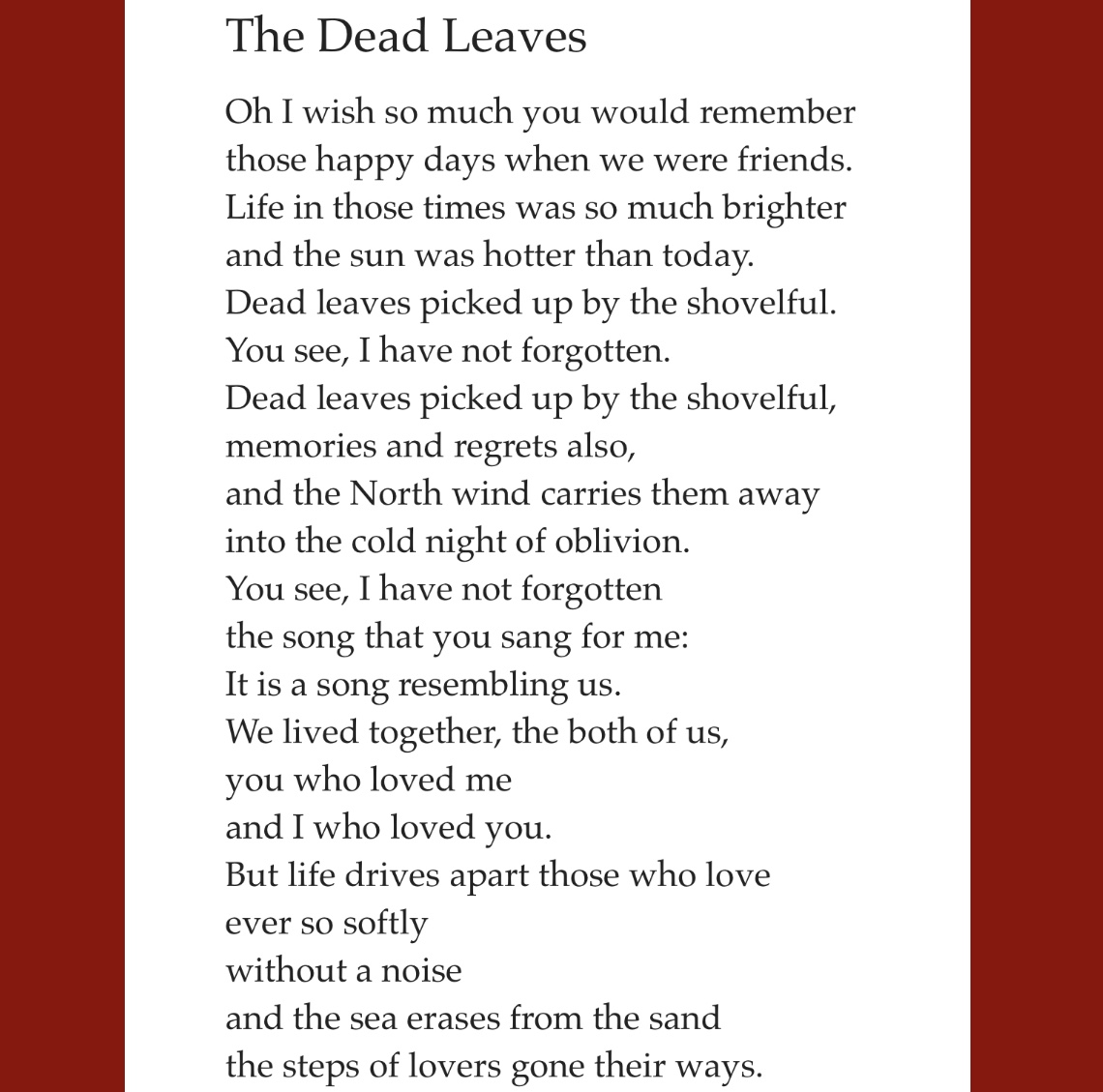
Charles Baudelaire suggests in the quote above that French is not necessarily the best language for poetry, and is much better suited to prosaic formulas. Perhaps this is because French is so vividly expressive even outside of the literary realm that there is no further to take it via the medium of poetry. Jacques Prévert’s output illuminates the ideological struggles of the French poet very aptly, his creative vision discernibly bursting beyond and outshining his technique itself, pre-eminent though it is.
Literature is humanity talking to itself.
Norman Rush
What do you think?
 The Buzz-Concept Project