The way we see flowers is coded for by the very name we assign them. According to Swiss linguist Ferdinand de Saussure, the “connection between the signifier and the signified is arbitrary.” He asserted that there is no logical or intrinsic relationship between the nature or form of a linguistic “sign”, i.e. component of language including words, and its meaning. It is indeed true that arbitrariness of sign —the sign being a combination of signifier (sound pattern, word e.g. the term rose) and signified (the concept it communicates, e.g. the concept of the 🌹 in our mind)— is largely the case across all the world’s lexemes. Yet this theory is not strictly accurate, there very often being some degree of evocative, symbolic, or onomatopoeic resonance behind the raw etymology of a word. The word “flower” and its Latinate/Romance cognates (Latin flos; French fleur; Italian: fiore; Spanish flor) are deliberately evocative of the delicate beauty of flowers themselves. Such connections between signifier and signified tend to be tenuous, vague, loose and perhaps illogical —most of them of course now being impossible to identify as the original ancestral languages like Proto-Italic and Proto-Indo-European are long extinct— but they’re there. Saussure was onto something, but his theory of the arbitrariness of the linguistic sign is not strictly accurate.

The English word “flower” is derived from the Latin flos, flor- (specifically from flōrem, accusative of flōs) “flower, blossom” via Middle English flour, from Anglo-Norman flur, alternative form of Old French flour, flor. The Latin flos is supposedly derived from the Proto-Italic *flōs, from Proto-Indo-European *bʰleh₃-s (“flower, blossom”), from *bʰleh₃- (“to bloom”). Cognates include Ancient Greek φύλλον (phúllon), Gothic 𐌱𐌻𐍉𐌼𐌰 (blōma) and Old English blōstm, blæd (English blossom, blade).


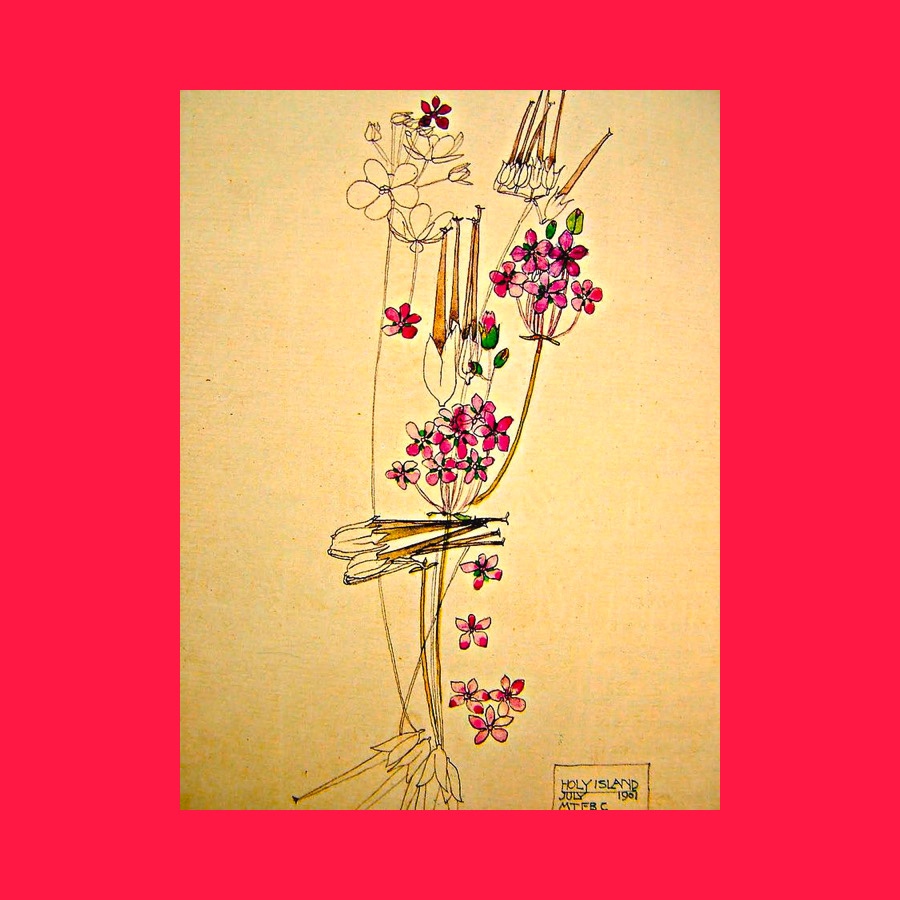
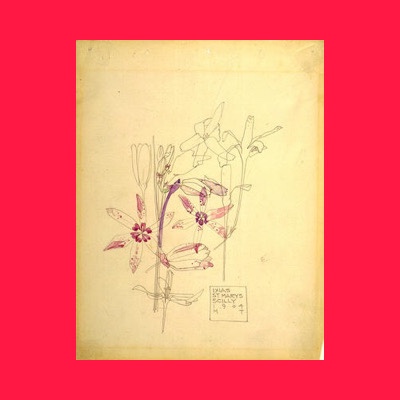
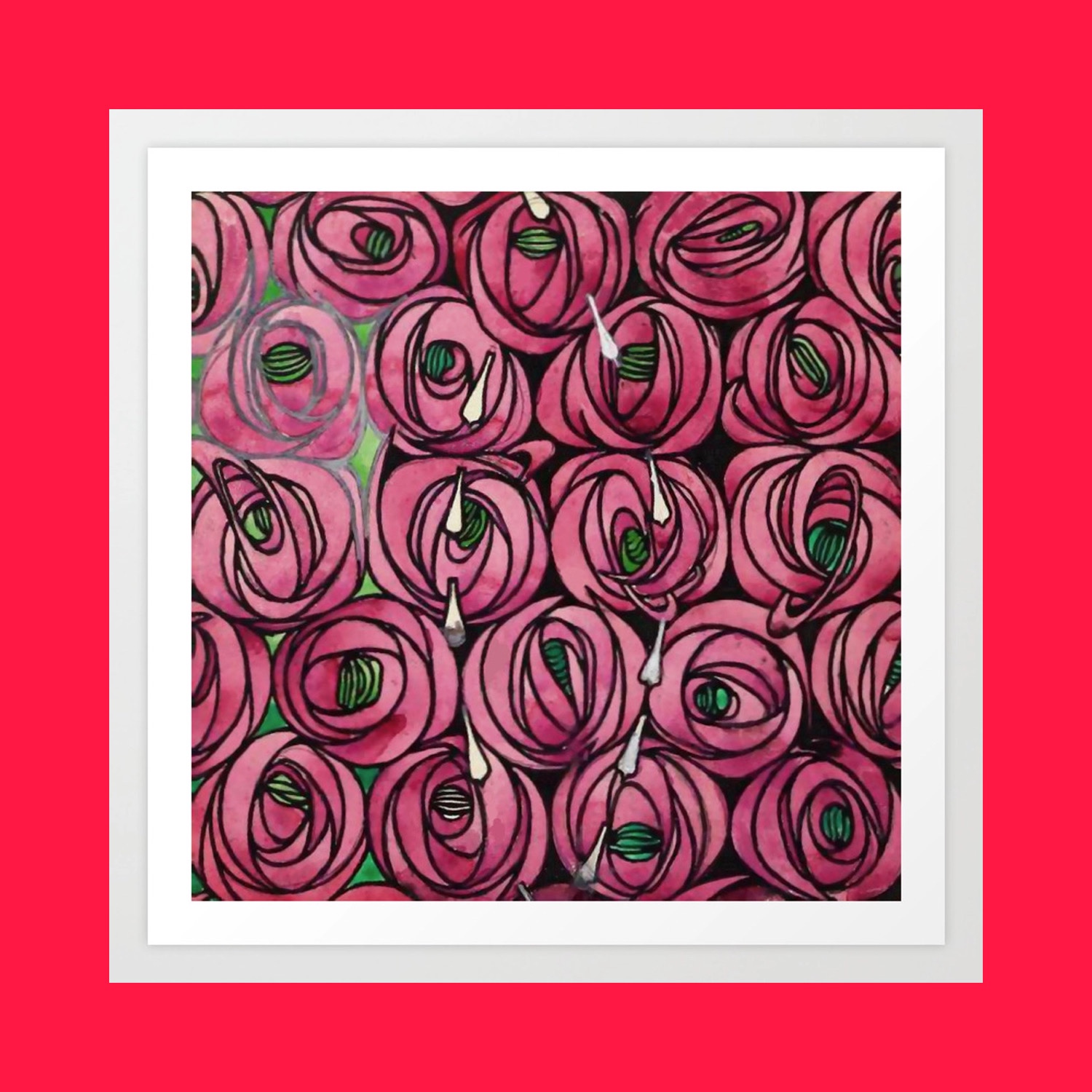
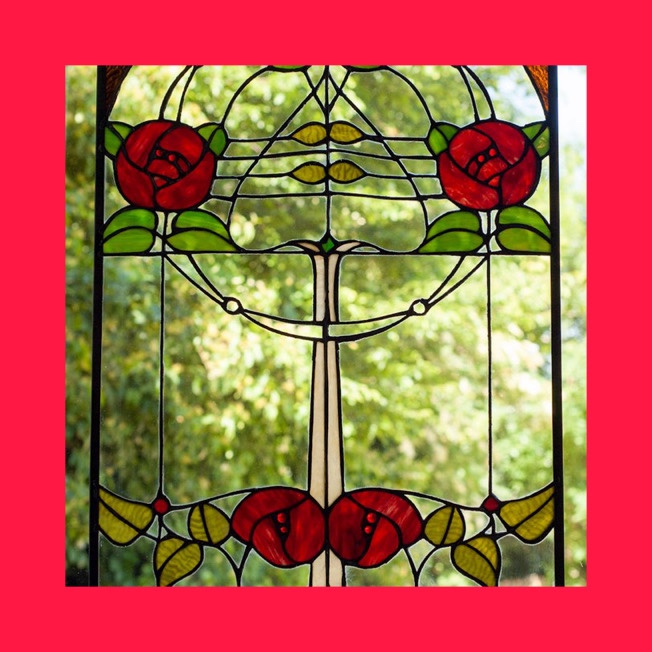
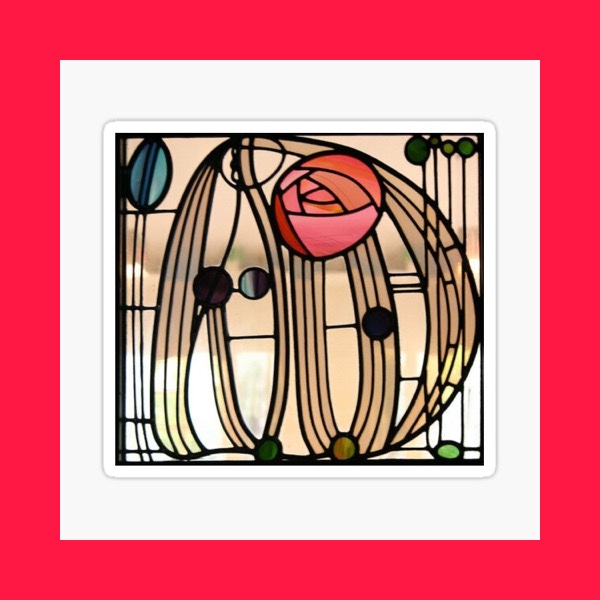
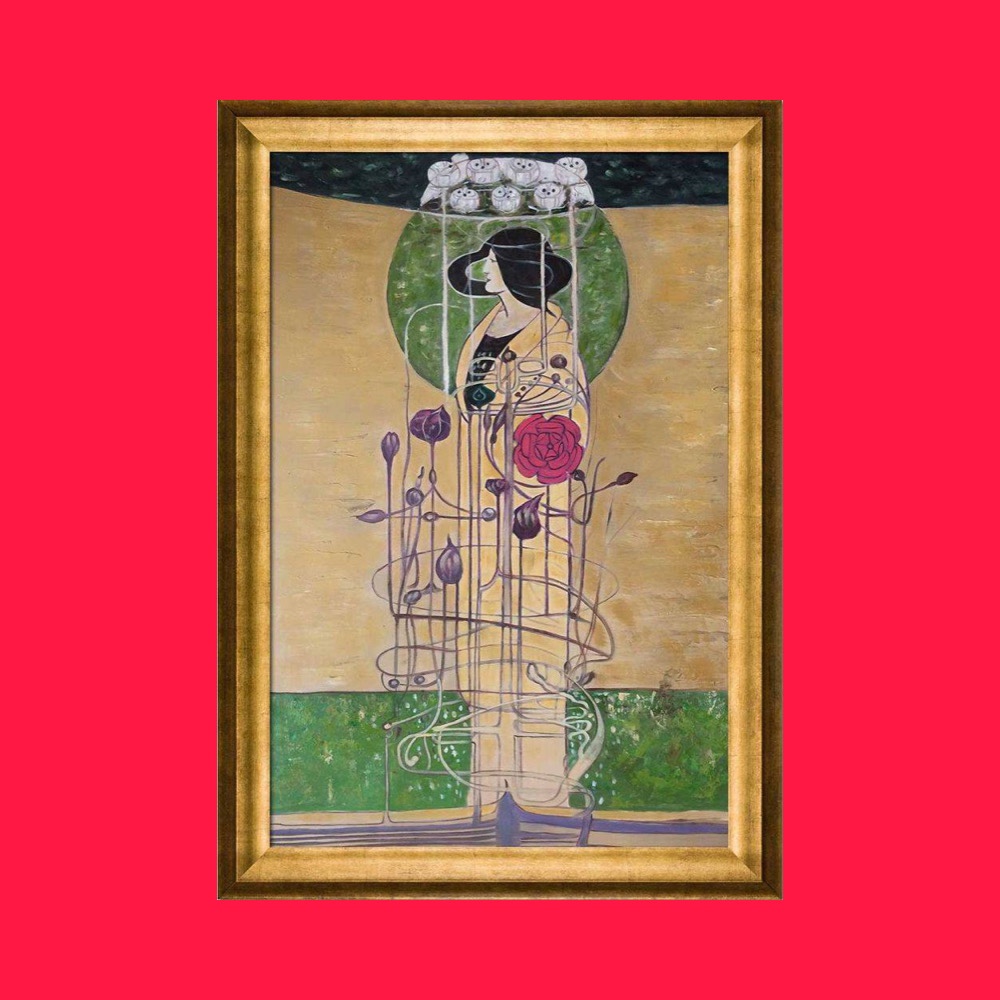
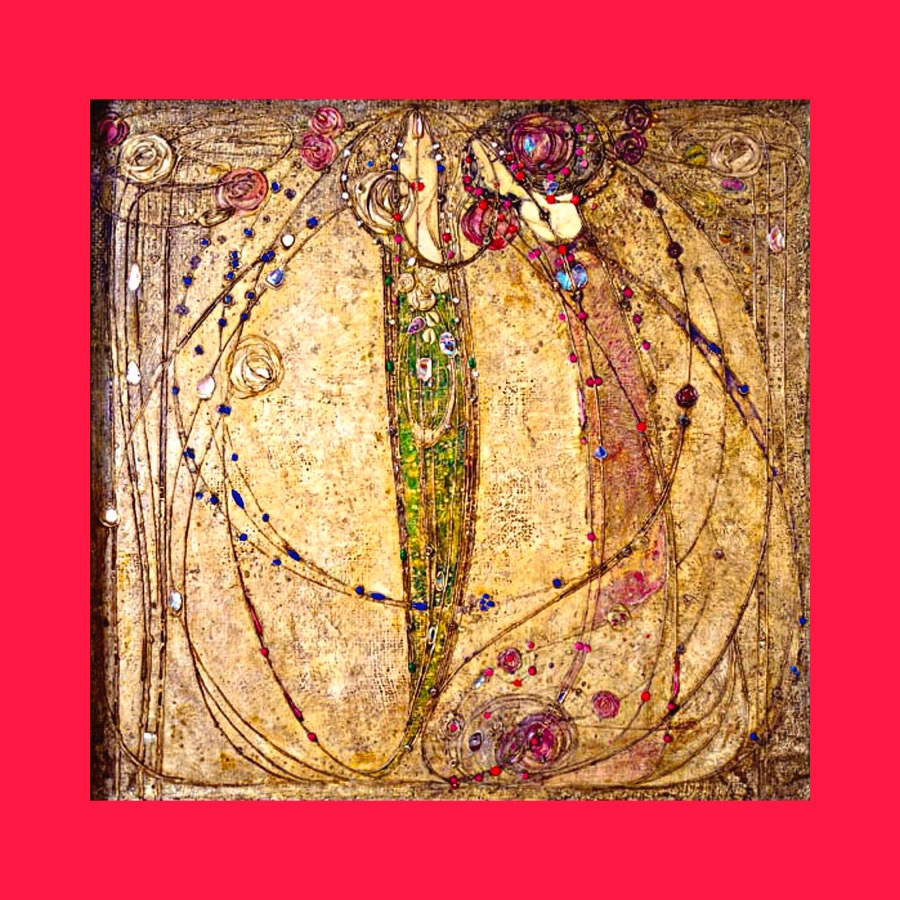
Flowers are a favourite motif for artists. In the centuries since the Renaissance, when the development of perspective first allowed artists to fully explore things like the intricate anatomy of flowers, and Botticelli’s Primavera featuring the goddess Flora, flowers have become a central theme in the world of art, as Christian devotion once was. The visual impact and creative evolution of the Renaissance have accordingly caused us to become detached from the once ingrained abstract connections within our own languages between signifier and signified – in Western cultures, anyway. The role of the flower in post-Renaissance art is tightly intertwined with -and deeply meaningful of- this precise shift in our use of language, creating a symbiosis that moves with our progress. As modern Western civilisation has flourished, the creative weight of the flower has too – the etymology of the verb “flourish” coming through Middle English flourish, from Old French floriss-, florir, from Latin florere, flos, flor-.
It seems impossible that artists (and people in general) will ever tire of exploring the creative possibilities of vital, inspiring, captivating, radiant, alluring floral beauty. Flowers are generally seen as positive symbols, aligned with nature, life, beauty and femininity, yet in Egypt they symbolise death. Their evocative power and creative potential are truly infinite. Ultimately, all of this is possible because of that subliminal evocative link between the linguistic sign/word of “flower” (flor, etc.) and the corresponding concept of the lovely flower that our consciousness has long since been severed from, but that which nonetheless still exists and evidently thrives. The power of language is boundless, and floral symbolism plays a big role in this phenomenon.


Once in a golden hour
I cast to earth a seed.
Up there came a flower,
The people said, a weed.
To and fro they went
Thro’ my garden bower,
And muttering discontent
Cursed me and my flower.
Then it grew so tall
It wore a crown of light,
But thieves from o’er the wall
Stole the seed by night
Sow’d it far and wide
By every town and tower,
Till all the people cried,
“Splendid is the flower!”
Read my little fable:
He that runs may read.
Most can raise the flowers now,
For all have got the seed.
And some are pretty enough,
And some are poor indeed;
And now again the people
Call it but a weed.
The Flower – Alfred, Lord Tennyson
 The Buzz-Concept Project