
I mentioned in my past post ~ The Da Vinci Curse ~ that “things are only ever really strictly relative in the context of human thought.” I have since been examining this complex idea more deeply.
A conclusion I have since concretised is that relativity is overwhelmingly a biased notion we have superimposed onto the world/universe around us. We normally have to be able to relate things to our own terrestrial perspective to be able to understand them. It is of course true that the planets of our solar system are positioned relative to the sun, for example, but -strictly speaking- also relative to the constitution of the fabric of spacetime, to the patterns of universal force, to the projections of the Big Bang (etc.) – i.e. to everything, and thereby purely, strictly relative to… nothing! Dimensionality is infinite across the universe and whatever lies beyond (i.e. there are infinite dimensions – read the aforementioned post for more), meaning that the universe indeed does not work -and spacetime is not strictly structured- in relative terms but ultimately in infinite i.e. anti-relative terms.
Human perspective is a superlatively powerful force, currently giving the natural forces of the universe a run for their money, at least within Earth’s atmosphere, in the form of global warming.


In a recent post I explored the partnership between the Vietnamese language and the aesthetic of the Swiss-German artist Paul Klee (1879-1940). The Vietnamese encapsulate their world into blocks of meaning or sense within the realm of using their language. Paul Klee was aware that such a language existed in the world but was unable yet keen to find which one. This curiosity formed a pillar of his unique aesthetic, relying heavily on vivid, painstakingly coloured/nuanced square/block/geometric forms. Having taught at the Bauhaus school of art, design and architecture in Germany alongside Wassily Kandinsky, his uniquely musical, yet naive or childlike, yet dryly whimsical aesthetic aligns with movements including expressionism, cubism, surrealism, futurism, abstraction, and more.


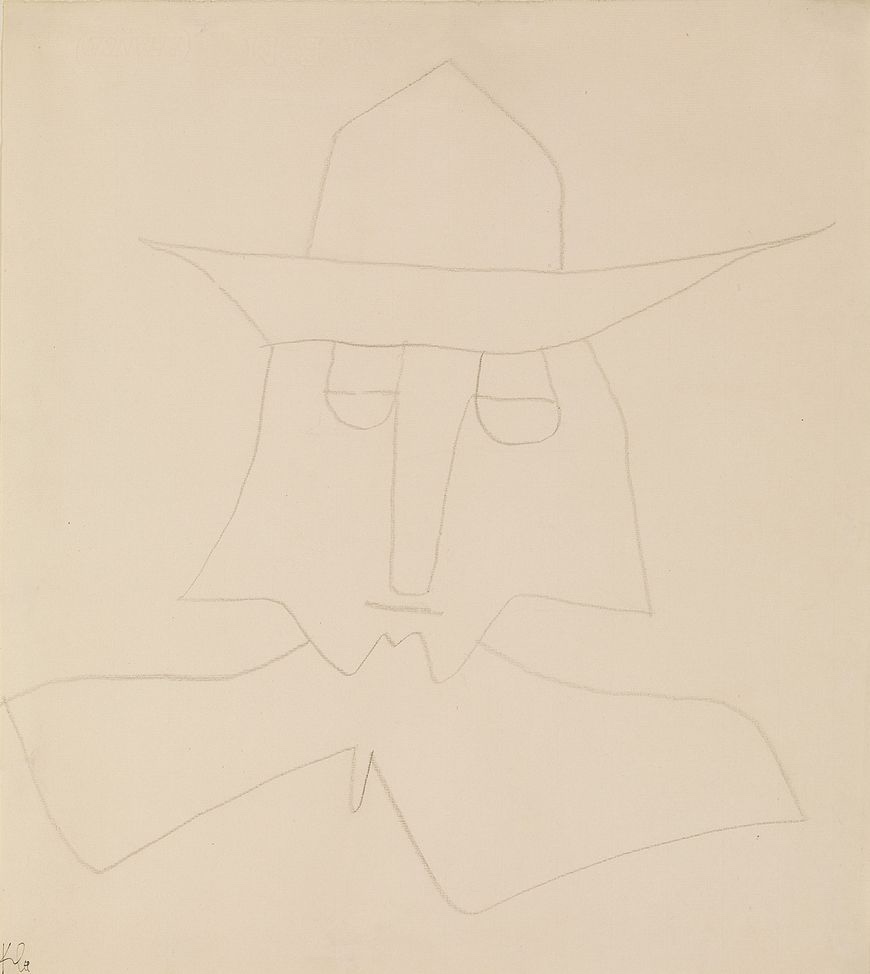
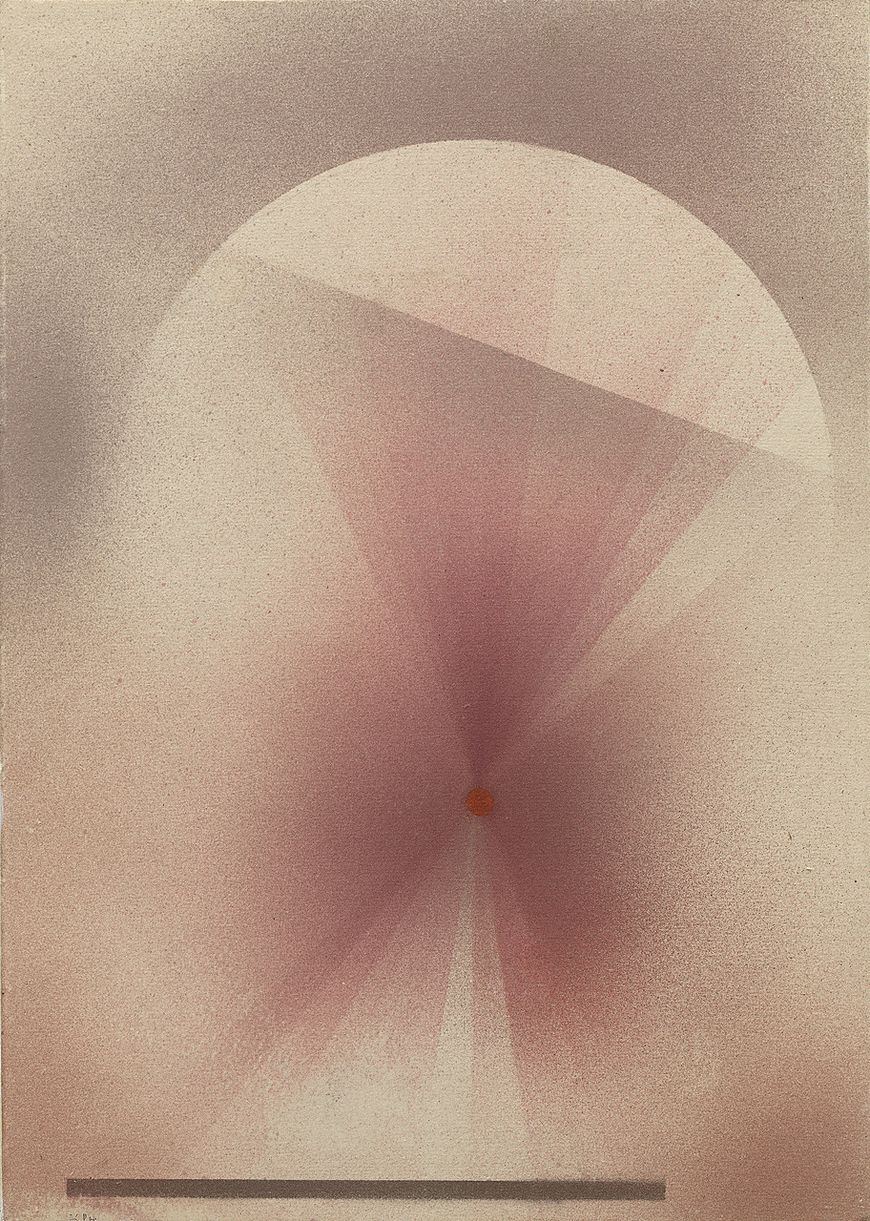
His obsession with the concept of perspective was typical of and trailblazing among the Cubists, the pioneers of what has been widely interpreted as the most influential creative movement of the 20th century. The most prominent Cubists included Pablo Picasso and Georges Braque. Cubism was partially spurred by the later work of Paul Cézanne, in which he explored more liberally the concept and use of perspective by painting things from slightly different points of view.


Cubist painters including Braque and Picasso attributed strong inspiration to Cézanne. Indeed, the very painting which engendered the term Cubism (above) with its lines and colours was directly inspired by Cézanne, who often painted the same small village of L’Estaque in the south of France. The Cubists derived their visions of geometry and perspective from Cézanne’s later works, blowing up his subtle forms into pronounced, audacious avant-garde configurations. Cézanne’s tentative vision converged with other -bolder- art forms including Cycladic art and African art —Picasso having been inspired by highly stylised, non-naturalistic, vivid African tribal masks— to provide a route for modern artists to make a break from the European tradition of thoroughly-honed linear perspective that had dominated representation since the Renaissance, in the form of Cubism. Cubism was the 20th century’s new line of artistic enquiry. And what did they gain? The world!


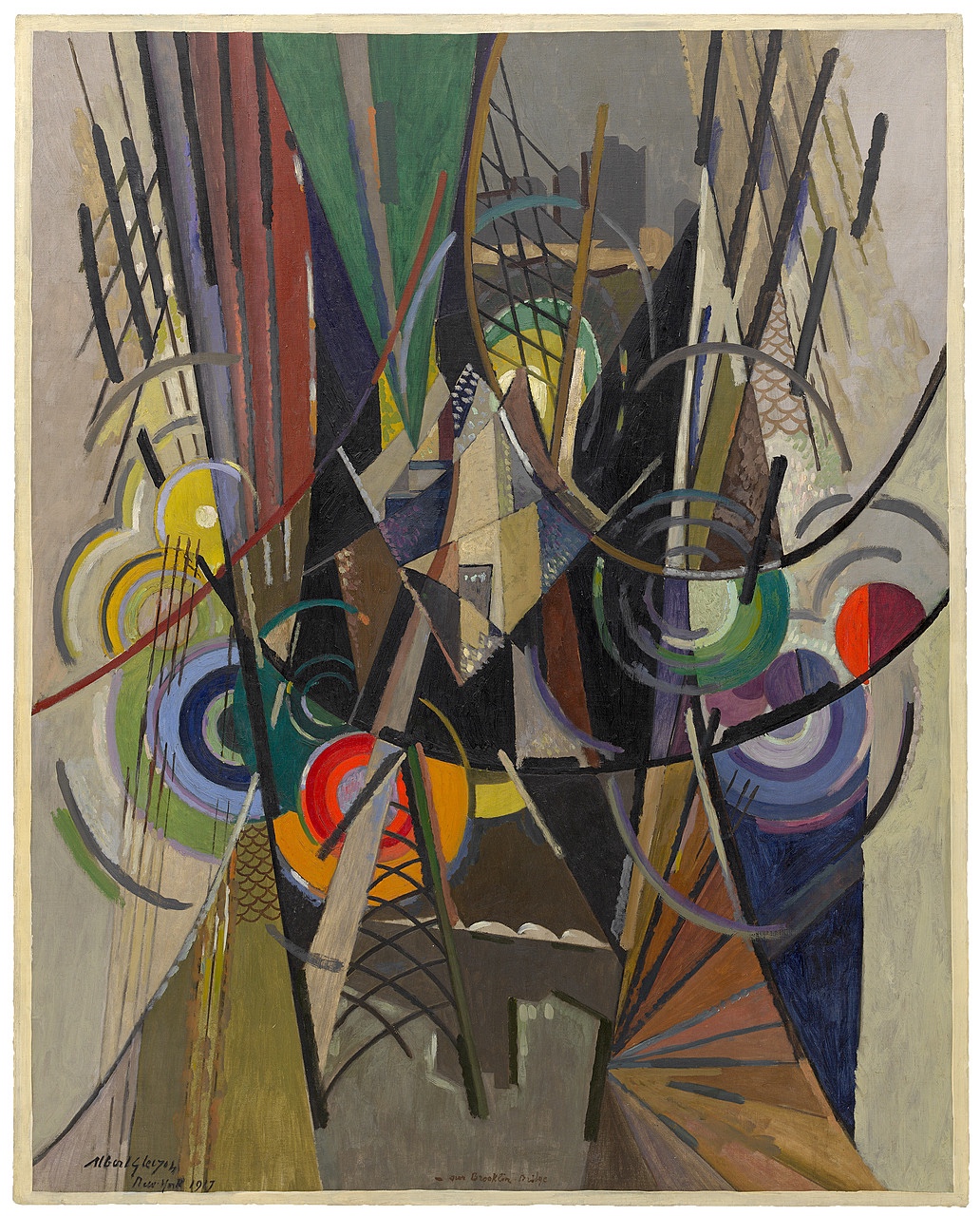
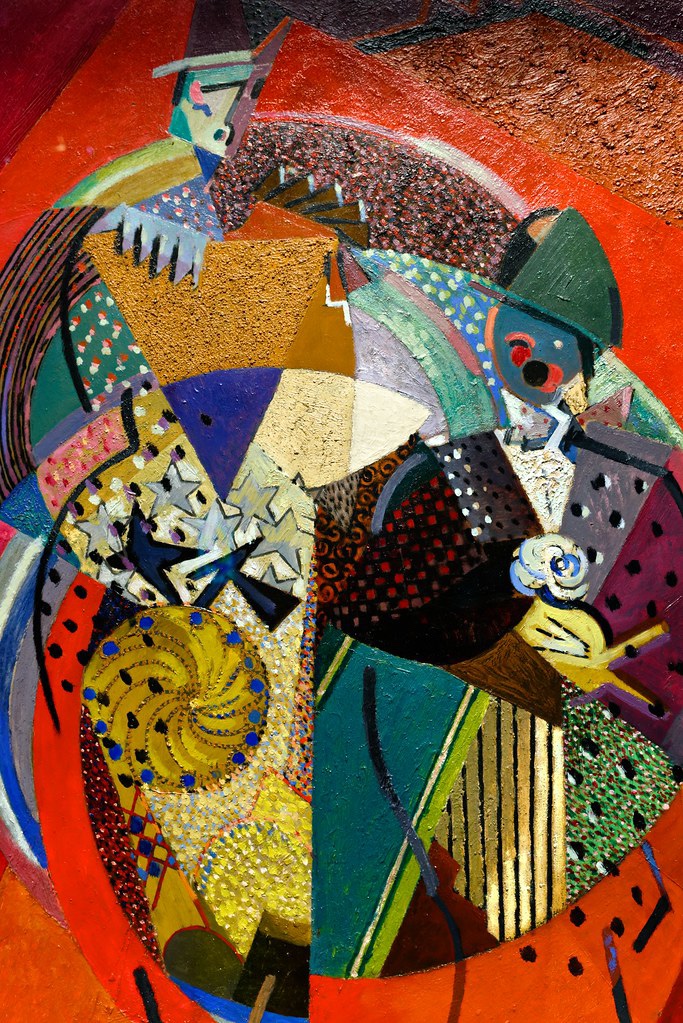
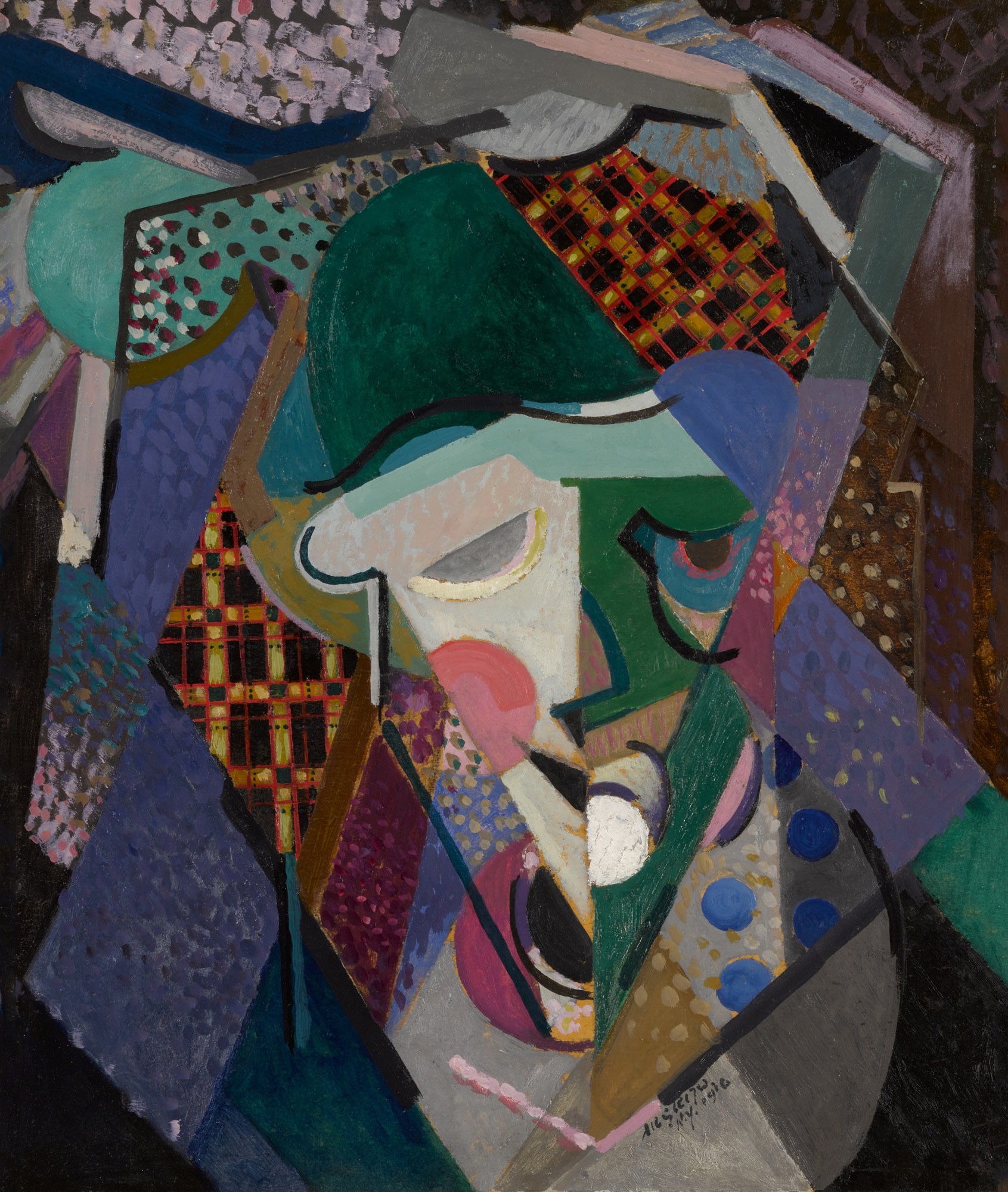
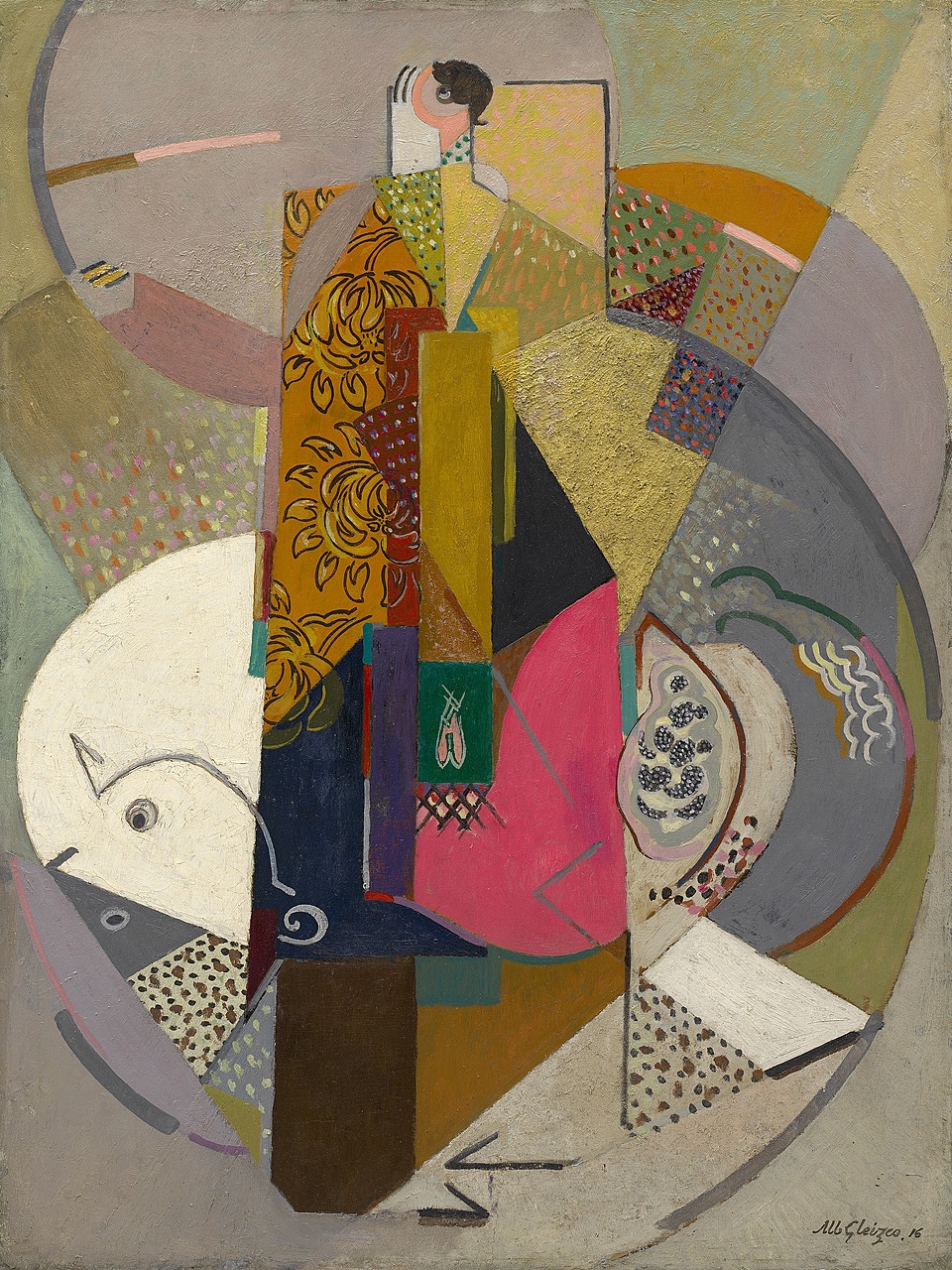
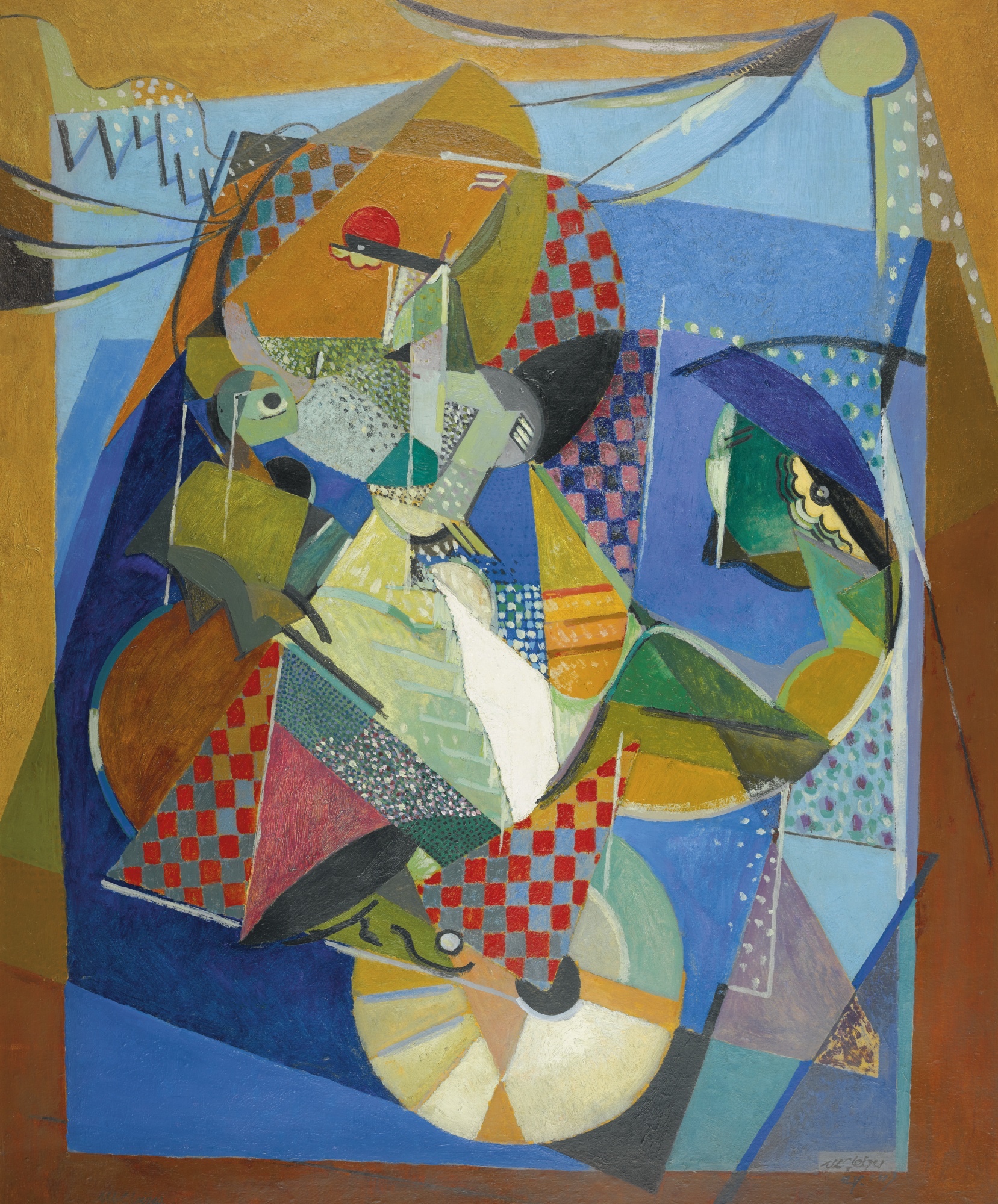
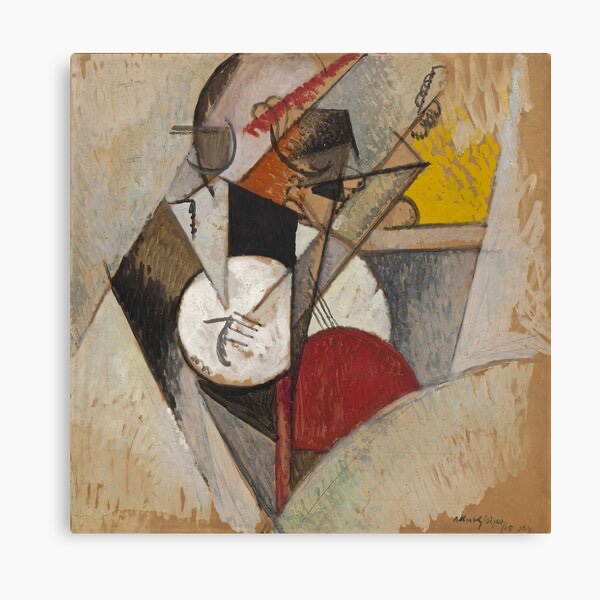
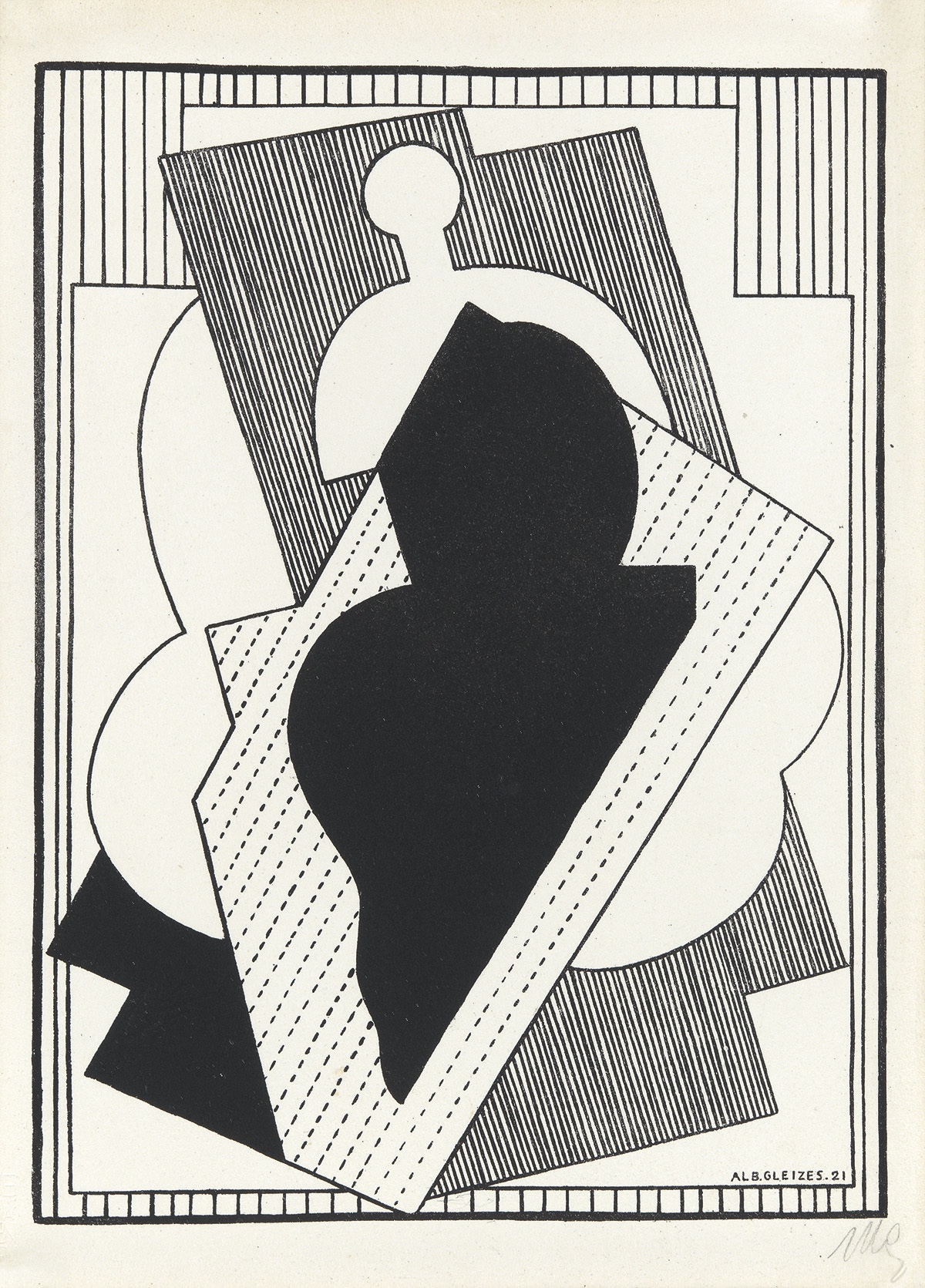
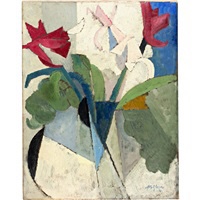
Cubism is about the concept of perspective. Thus deceptively versatile, it is the purest form of modern art, having unfurled in direct symbiosis alongside the configuration of modern Western industrialised society, much like how the Renaissance covered the intense, splendid cultural flourishing of the 2nd millennium AD.
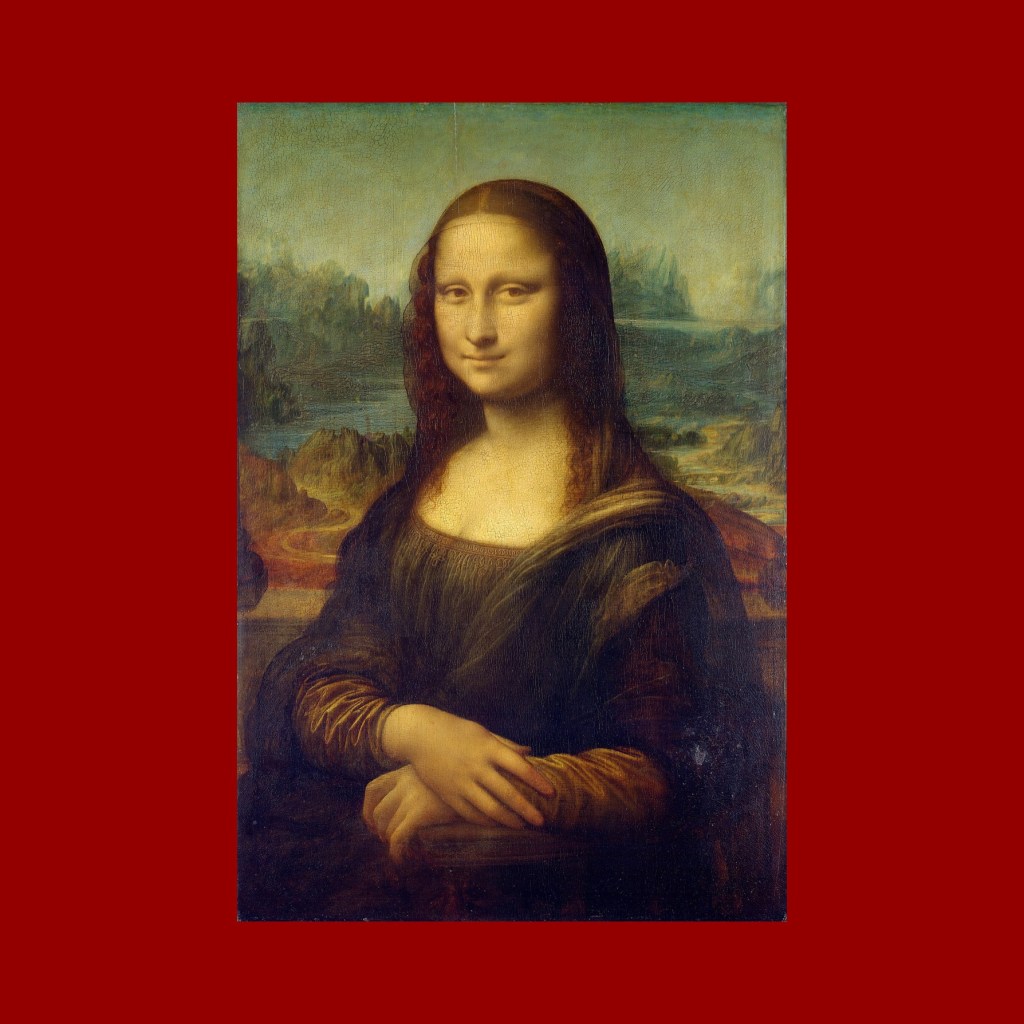
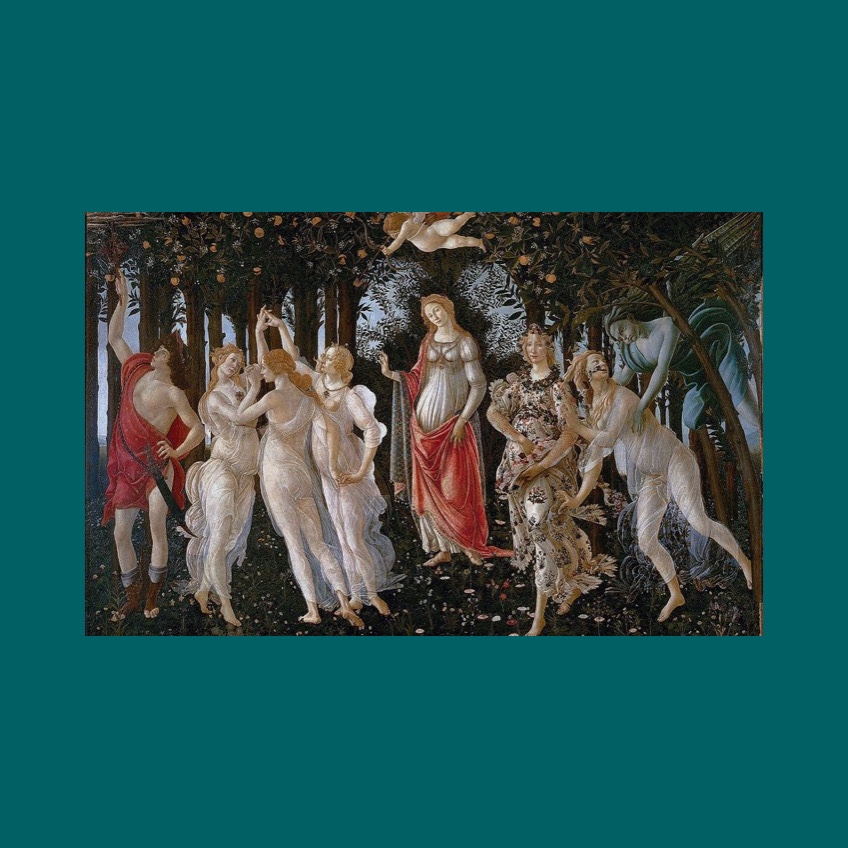
The decisive lines of Cubism are continually refreshing and reinvigorating in the context of a world which has given in to the involutions of its own perspective and its obsession with the obfuscated nuances of relativity – illusory physical as I have critiqued previously, philosophical, or linguistic (<~also see~>).
 The Buzz-Concept Project