




🇬🇧 CREATIVITY
art
mastery
🏛 CREŌ, “to create, make”
artem (accusative), ars (nominative)
peritia
🇷🇺 КРЕАТИВНОСТЬ kreativnost’, творчество tvorchestvo
искусство iskusstvo
мастерство masterstvo
🇬🇷 ΔΗΜΙΟΥΡΓΙΚΟΤΗΤΑ dimiourgikótita
τέχνη téchni
μαεστρία maestría
🇮🇷 خلاقیت khlaqat
هنر hnr
مهارت mhart
🇹🇷 YARATICILIK
sanat
ustalık
🇯🇵 創造性 sōzō-sei
美術 bijutsu
習熟 shūjuku
🇲🇳 уран бүтээлийн авьяас чадвар ᠤᠷᠠᠨ ᠪᠦᠲᠦᠭᠡᠯ ᠦᠨ ᠠᠪᠢᠶᠠᠰ ᠴᠢᠳᠠᠪᠤᠷᠢmb uran buteeliyn av’yaas chadvar
урлаг ᠤᠷᠠᠯᠢᠭmb urlag
ур чадвар төгс эзэмшсэн ᠤᠷᠠ ᠴᠢᠳᠠᠪᠤᠷᠢ ᠲᠡᠭᠦᠰ ᠡᠵᠡᠮᠰᠢᠭᠰᠡᠨmb ur chadvar tögs ezemshsen
🇨🇳 创造力 chàngzào lì
艺术 yìshù
精通 jīng tōng
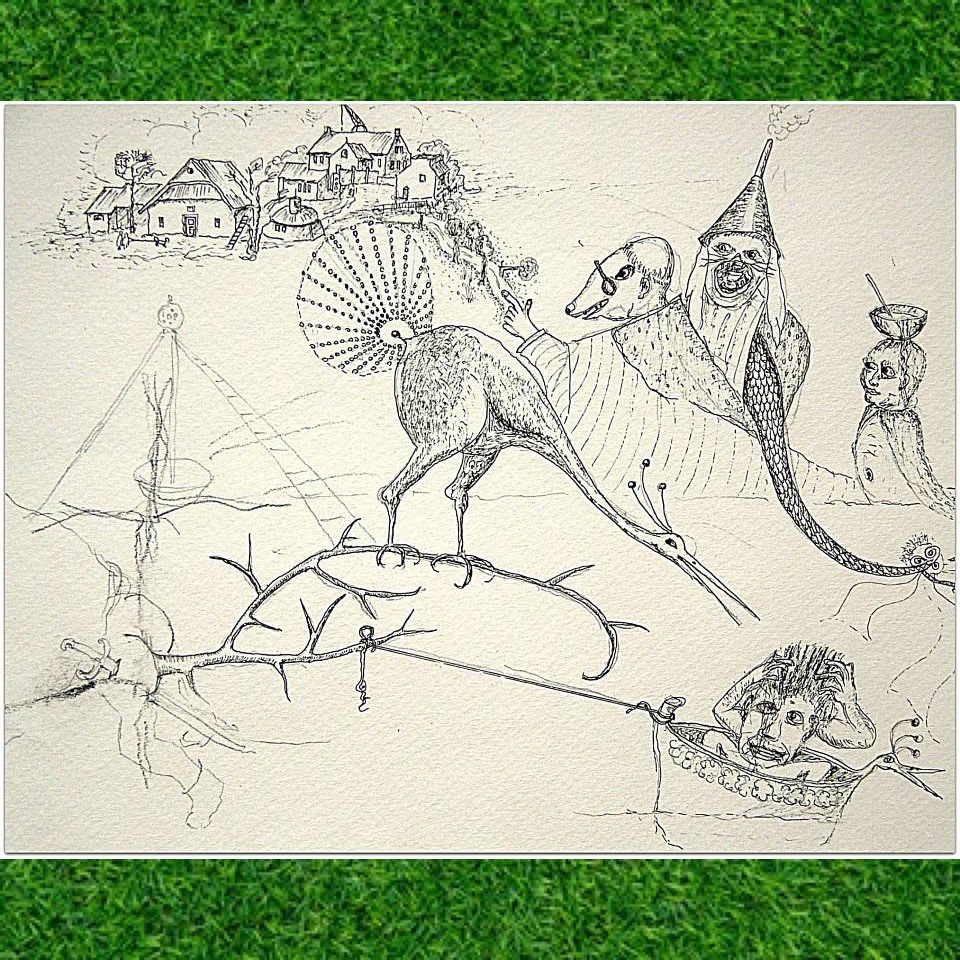
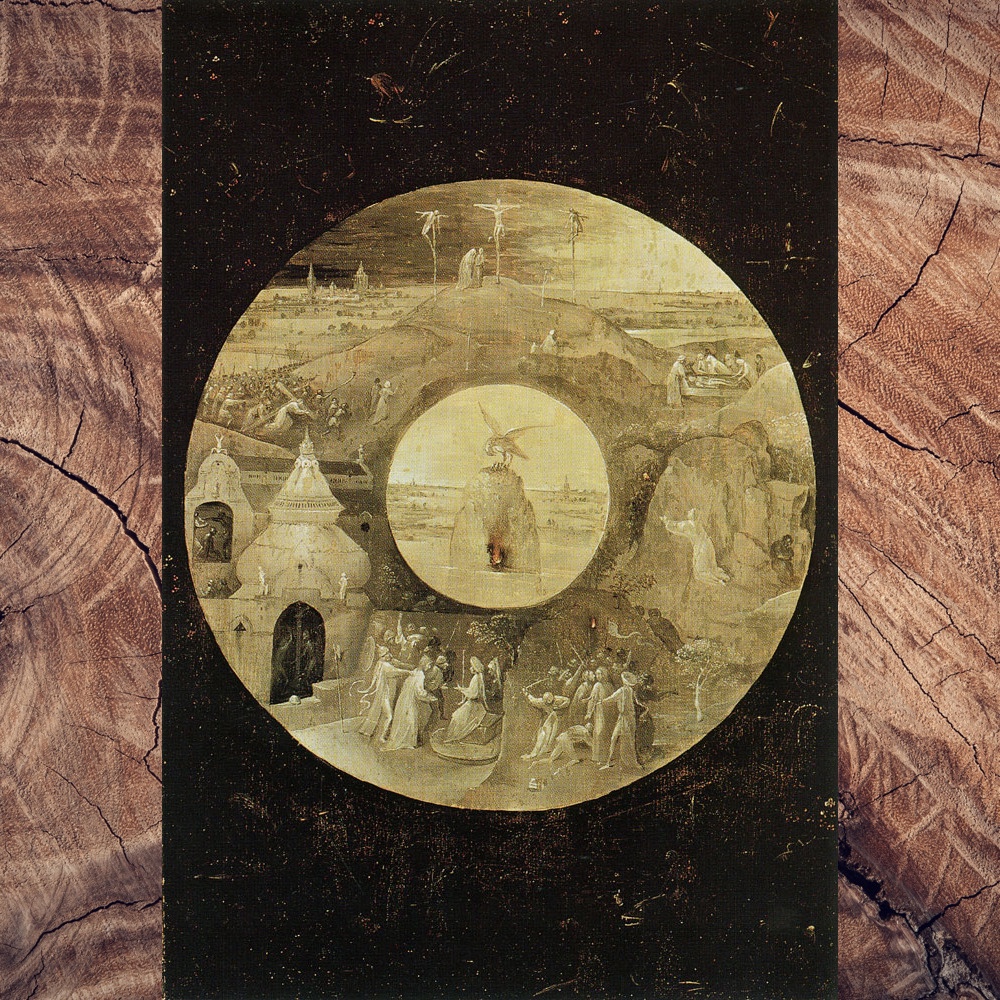
HIERONYMUS BOSCH, born Jheronimus van Aken, was a Dutch/Netherlandish painter from Brabant within the Holy Roman Empire. His work is interesting to us as it really exemplifies the output of the Holy Roman Empire, the grandiose superstate that united shifting swathes of continental Europe from the 9th century to the 19th century. The Holy Roman Empire was envisioned transcendently as a dominion for Christendom, maintaining strong yet acutely hypocritical papal authority, in theory to continue the noble tradition of the ancient Western Roman Empire. It was founded by King Charlemagne (🏛 Carolus Magnus / 🇩🇪 Karl der Große “Charles the Great” – referred to by some as the father of Europe, Pater Europæ) in 800.
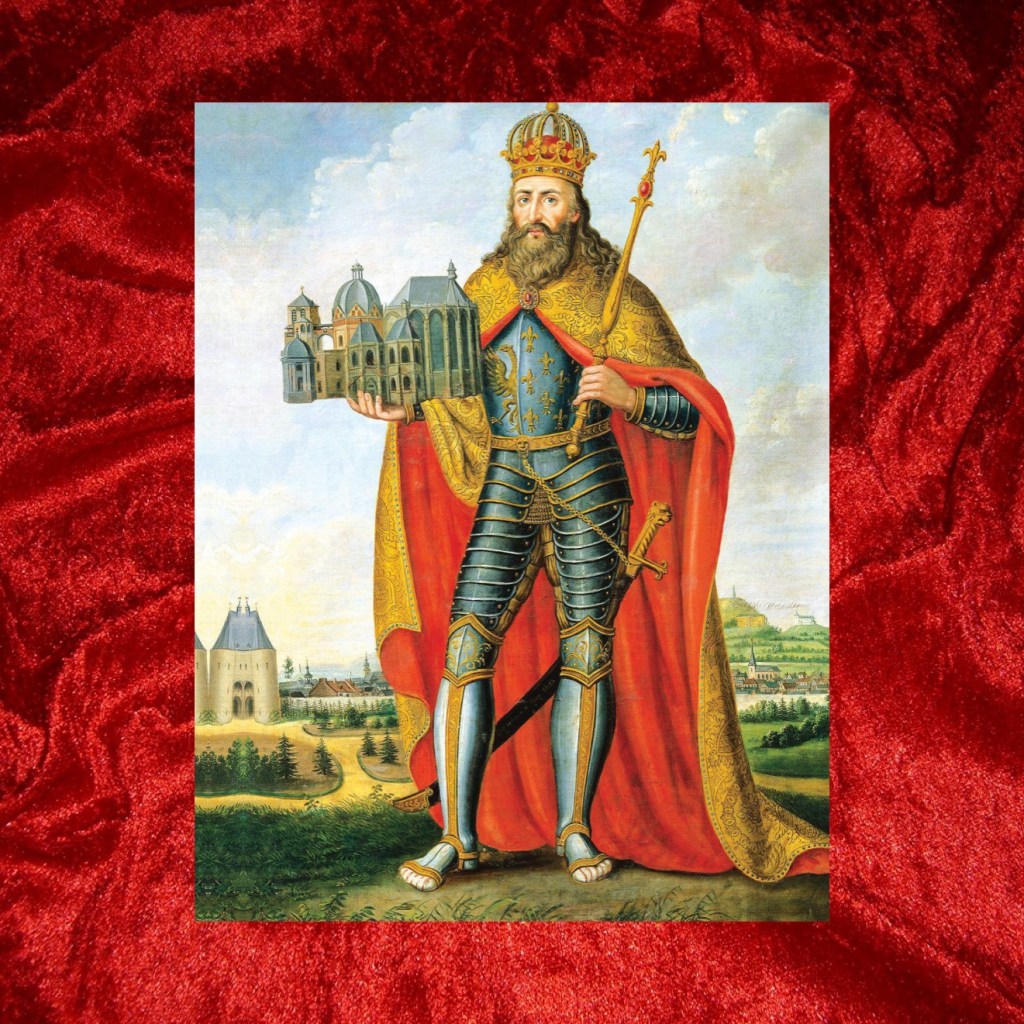
CHARLEMAGNE (747-814) was born unto the Frankish king Pepin the Short, and would be crowned King of the Franks and King of the Lombards, two Germanic peoples, before attaining the title of Holy Roman Emperor. He displayed a talent for languages and, aside from his native language of -presumably- Frankish (quite possibly a Rhenish Franconian dialect of Old High German), and/or “Proto-French” which had already begun to emerge in his time, he also spoke Latin and understood Greek, and perhaps more. He instigated a key linguistic event in Europe in the form of the Carolingian Renaissance and Reform. During this period there was a large growth in the spread of literature, writing, the arts, architecture, jurisprudence, liturgical reforms, and scriptural studies. Charlemagne understood intrinsically the importance of learning and education, beyond his prowess as warrior and administrator. His overall vision was one of history’s most enrapturing and potent. Charlemagne’s era came some centuries after Western Rome itself fell, and while Voltaire would one day dismiss the Holy Roman Empire as “in no way holy, nor Roman, nor an empire,” the Carolingian Renaissance nonetheless oversaw the breathtaking flourishing of arguably the true potential of the Roman intellectual tradition, permitting an exuberant flowering of scholarship, literature, art, and architecture. One key tactic was the increased provision of monastic schools and scriptoria (centres for book copying) in Francia. Beyond this, the Carolingian Renaissance engendered the urge for people to write better Latin, additionally to copy and preserve patristic and classical texts, and to develop a more legible, classicising script with clearly distinct capital and minuscule letters. Much of the familiarity still held among modern Romance speakers in connection to their Classical/Roman/Latinate heritage is thanks to Charlemagne and his linguistic sensibility. Charlemagne envisioned this resulting world of splendour for them. What better backdrop for the cultivation of one’s literary and linguistic aptitudes, no?
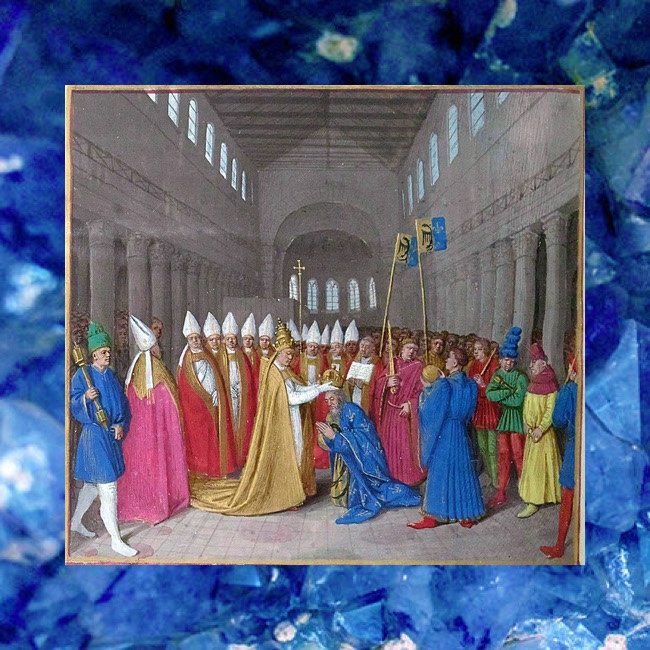
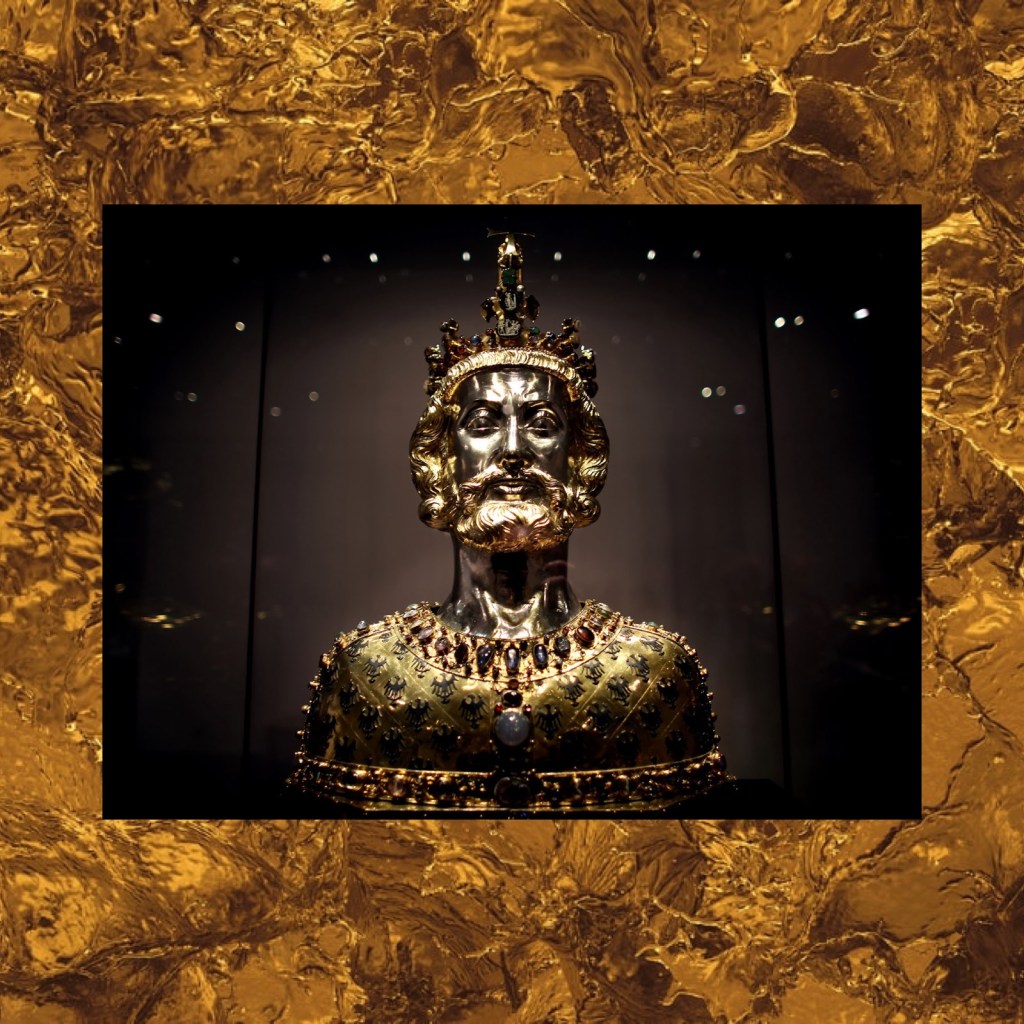
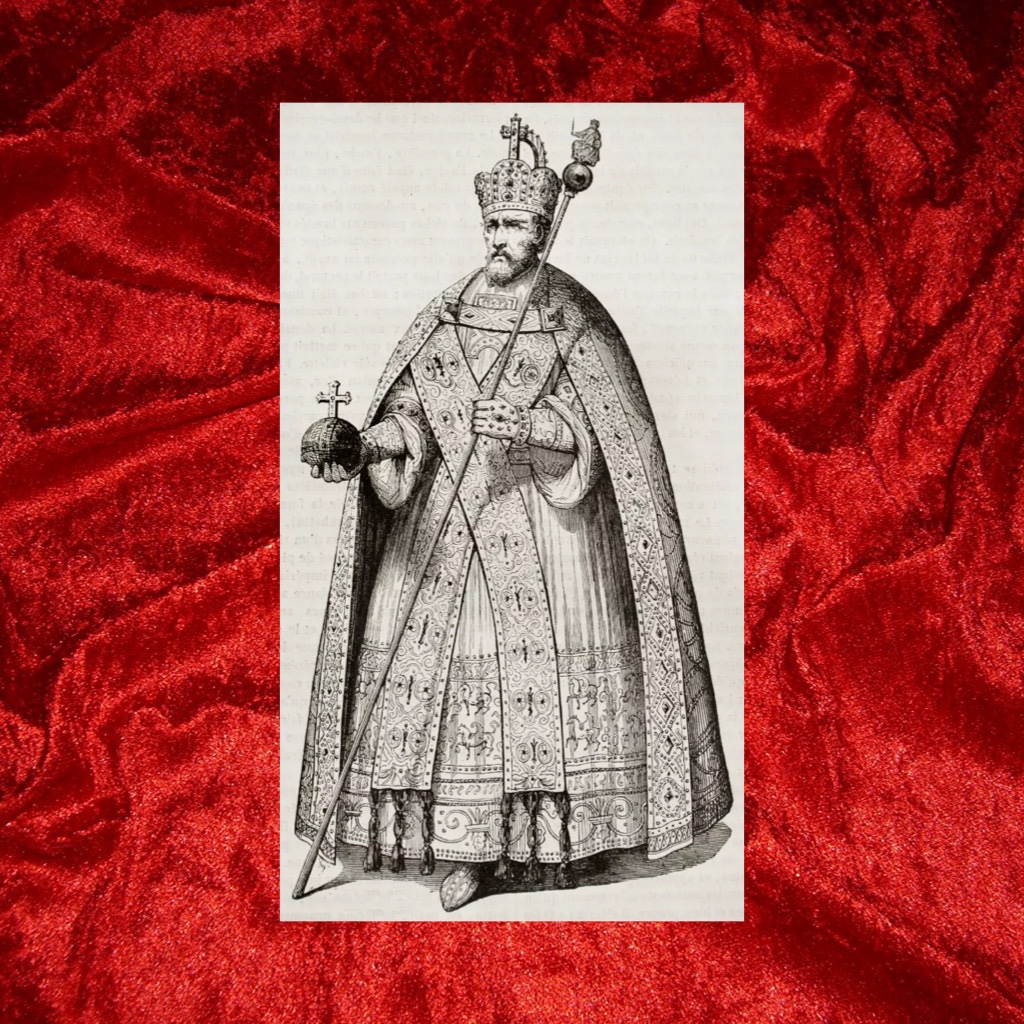
THE HABSBURG DYNASTY would take up the reins from 1440, lasting until the Empire’s dissolution in 1806. The Carolingian dream / the Carolingian vision (yes, like the American Dream) faded, losing its ideological integrity and giving way to the hollow élitism that has since taken over Europe. Imperial Reform began under the reign of Emperor Frederick III (r. 1452-1493), over the background of Europe’s highly divisive and controversial Protestant Reformation, by which the Empire transformed into the Holy Roman Empire of the German nation, with what is now Austria as its nucleus. It was ultimately according to the reverberations of Holy Roman development that the political contours of Europe as we now know it materialised. The dynamic of continental affairs has been laboriously redirected from Roman(ce) dominance into Germanic hands, the latter no longer the repugnant so-called “barbarians” who were so wholly loathed by the cultured Romans they antagonised. Holy Roman power was a strange phenomenon, so transcendently complex by nature and scope that only those who had the luxury to sit atop it could understand it, seeking ambitiously as it did to synthesise the plurality of streams of cultured European heritage – derived in principle from the traditions of the the four great ethnicities of ancient Europe: the Romans, the Germanics, the Slavs and the Celts. When the Holy Roman Empire dissolved during the post-French-Revolution Napoleonic Wars of 1803-15, spectres of its transcendent, sanctified, elaborate, intangible mechanisms took over and are yet to be vanquished.

Europe’s premier dynasty…


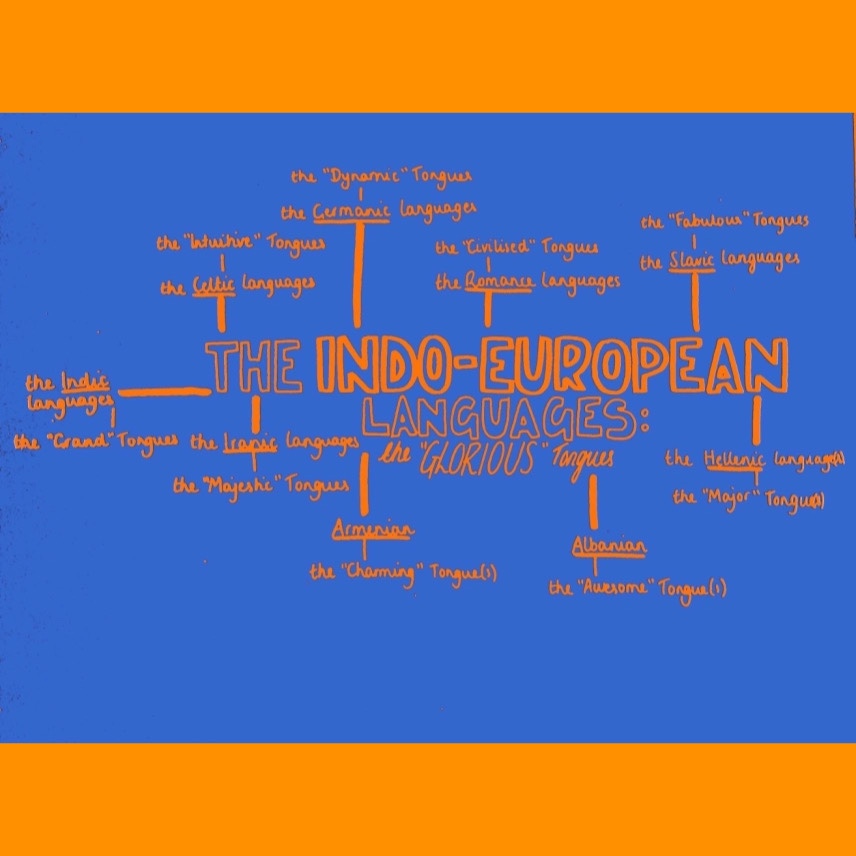
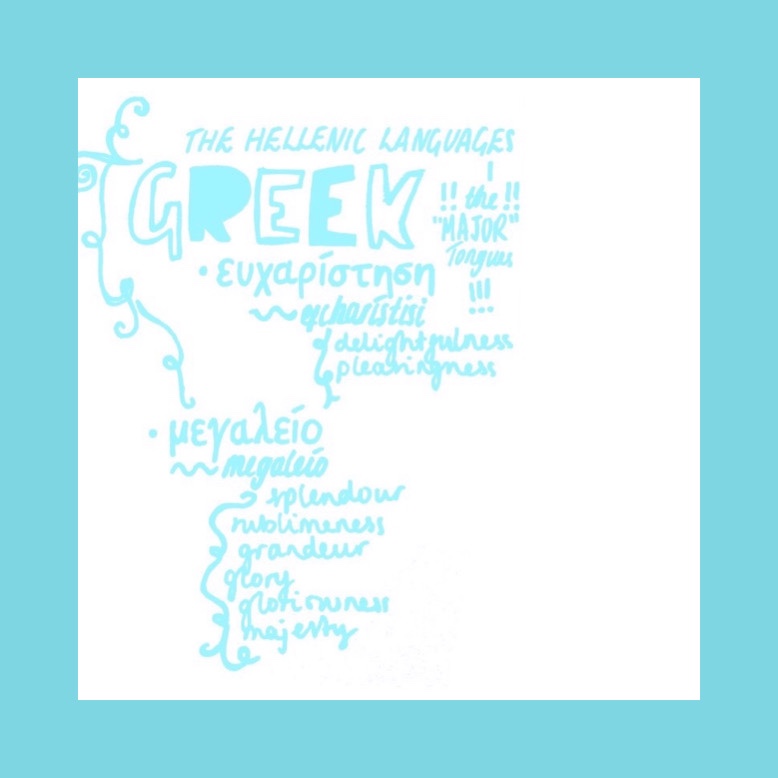
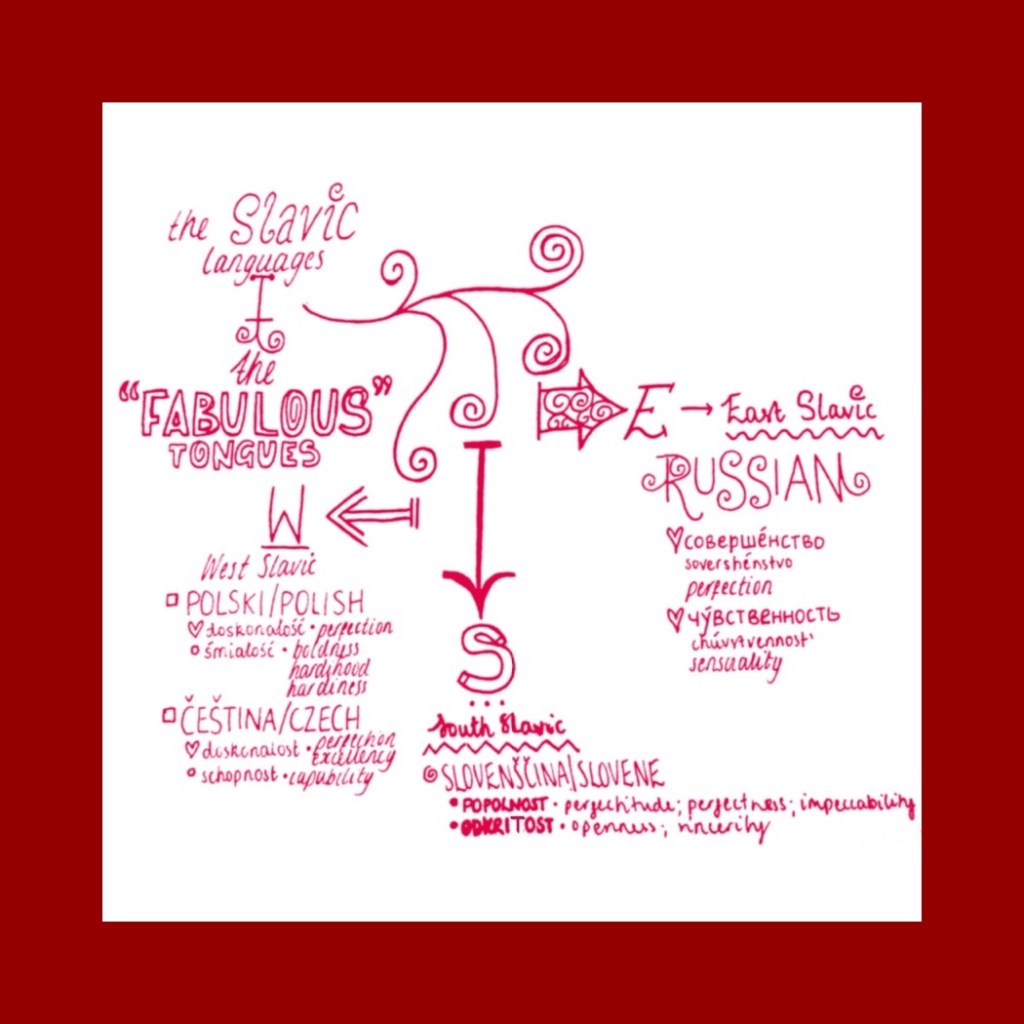
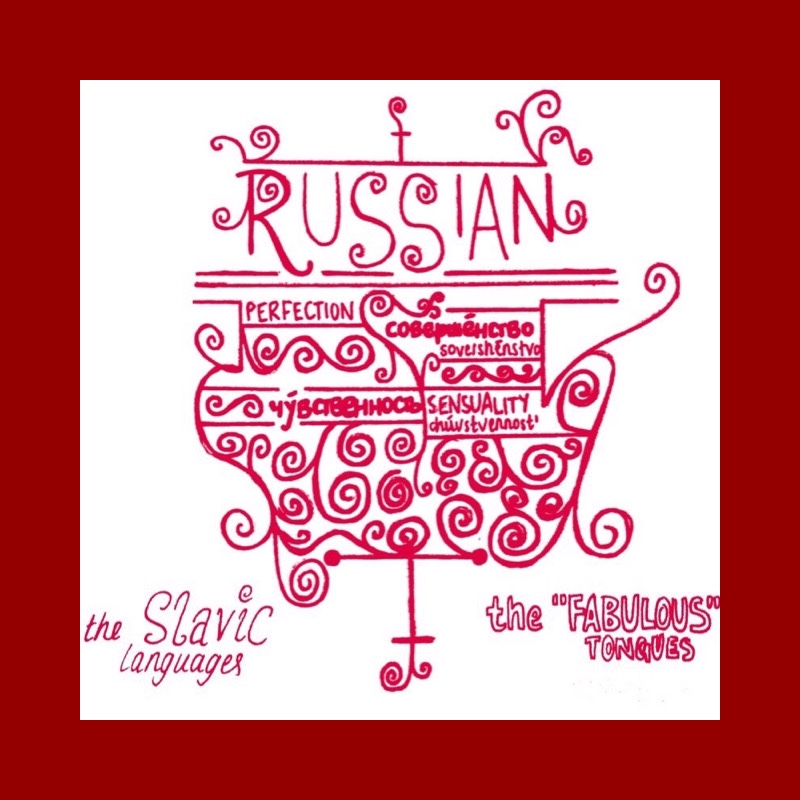
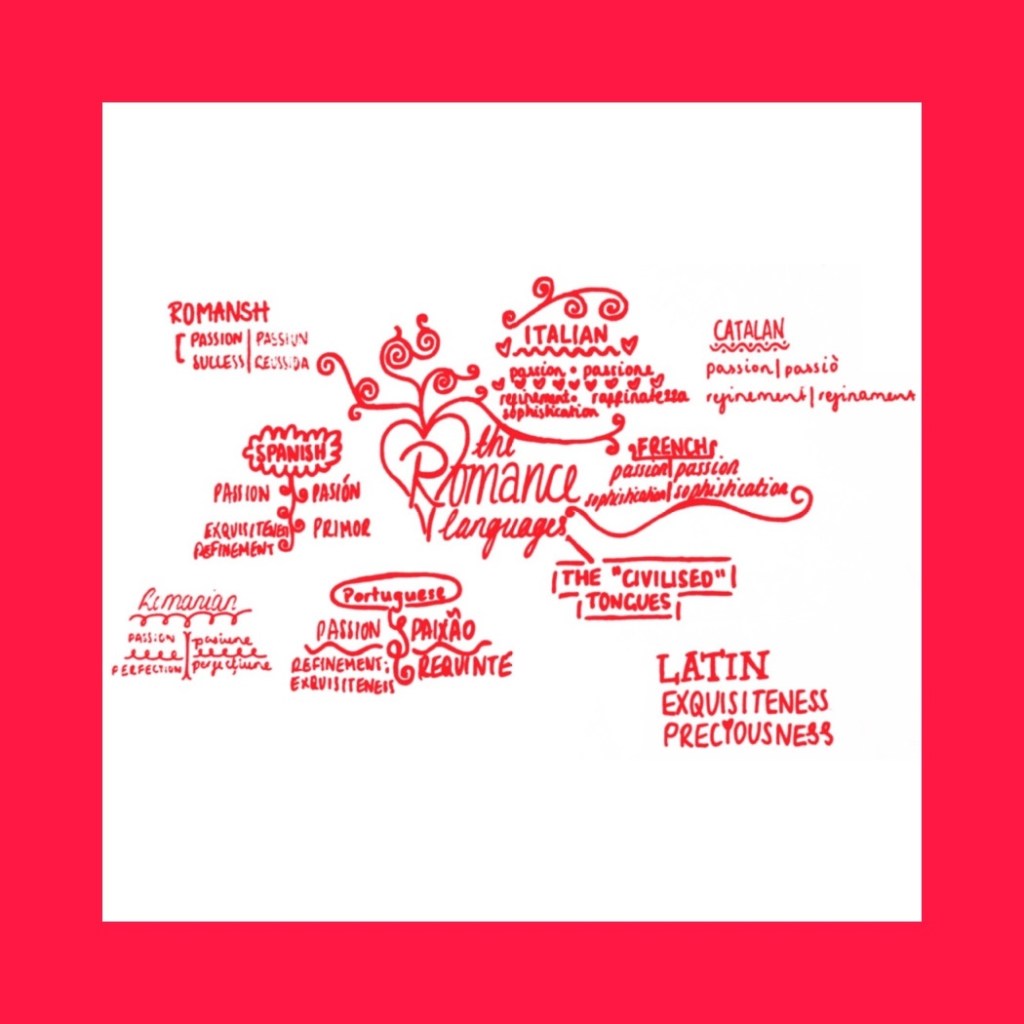
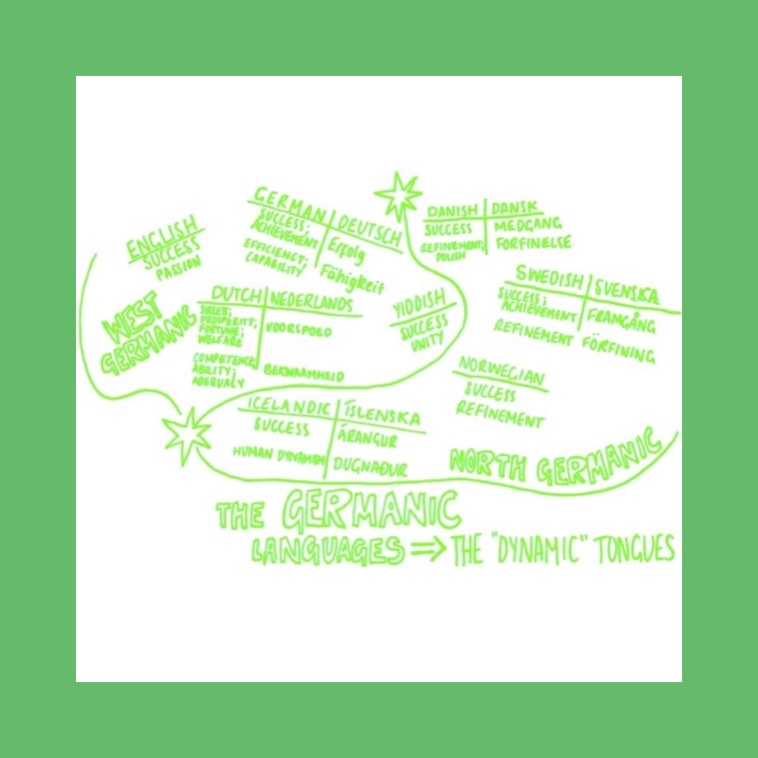
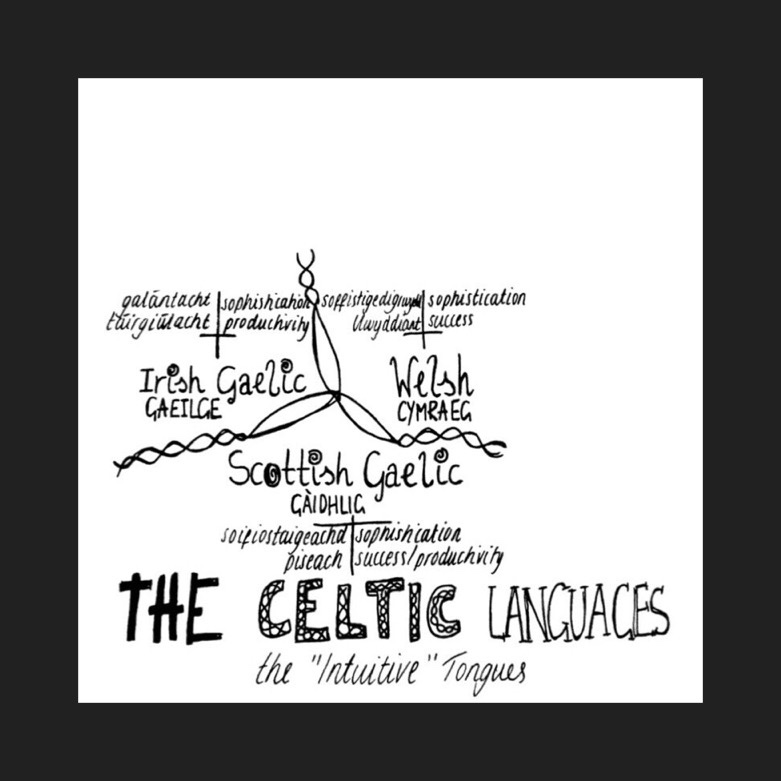
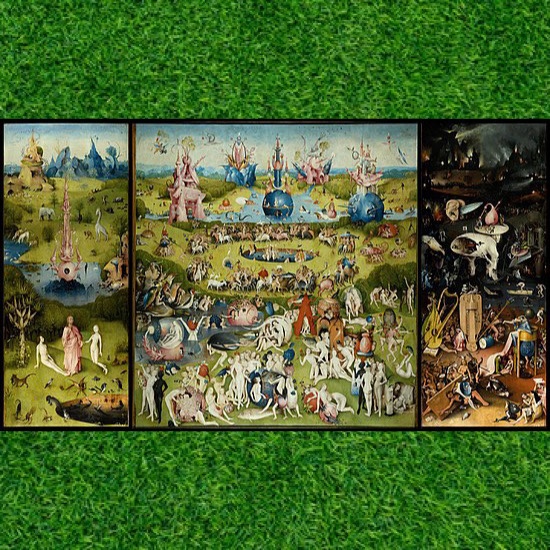
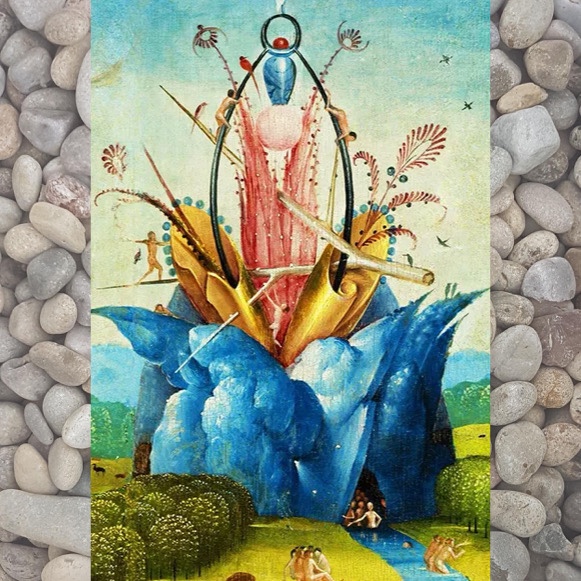
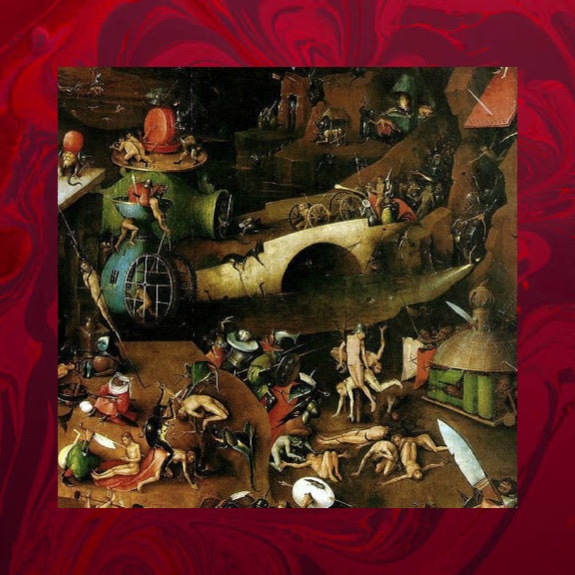
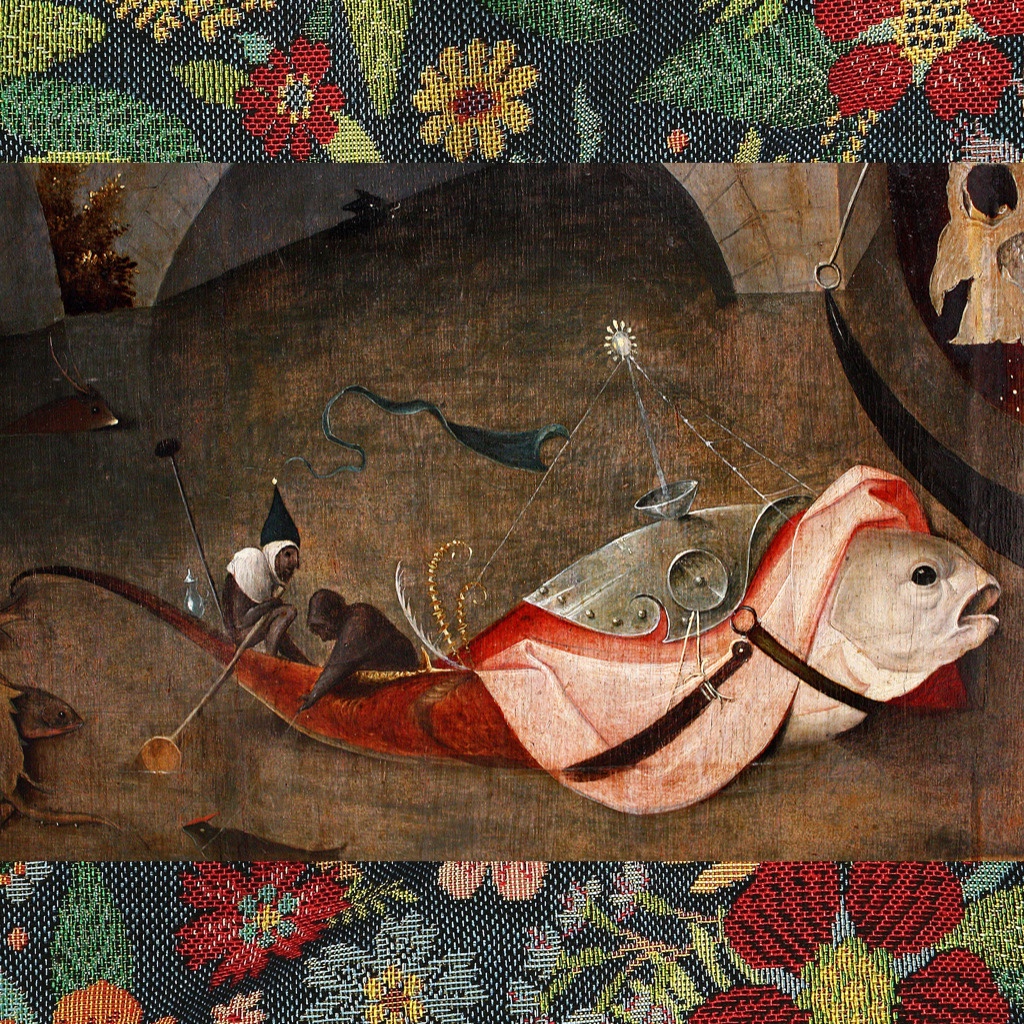
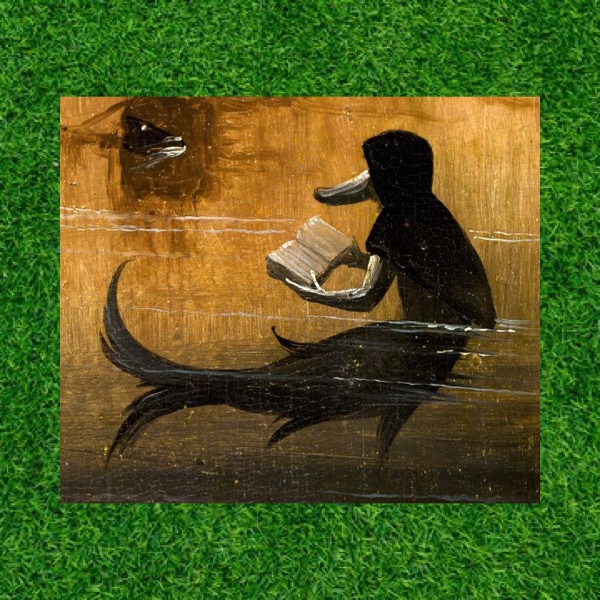
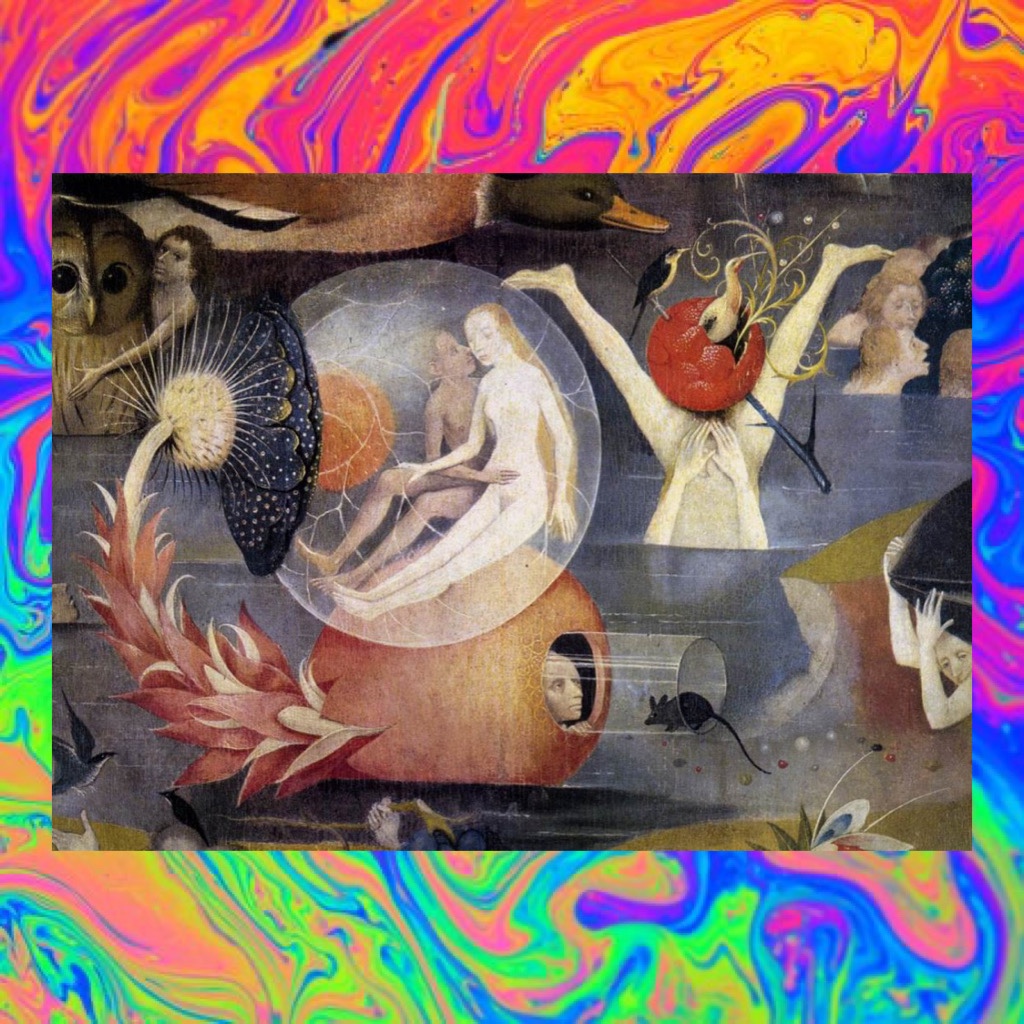
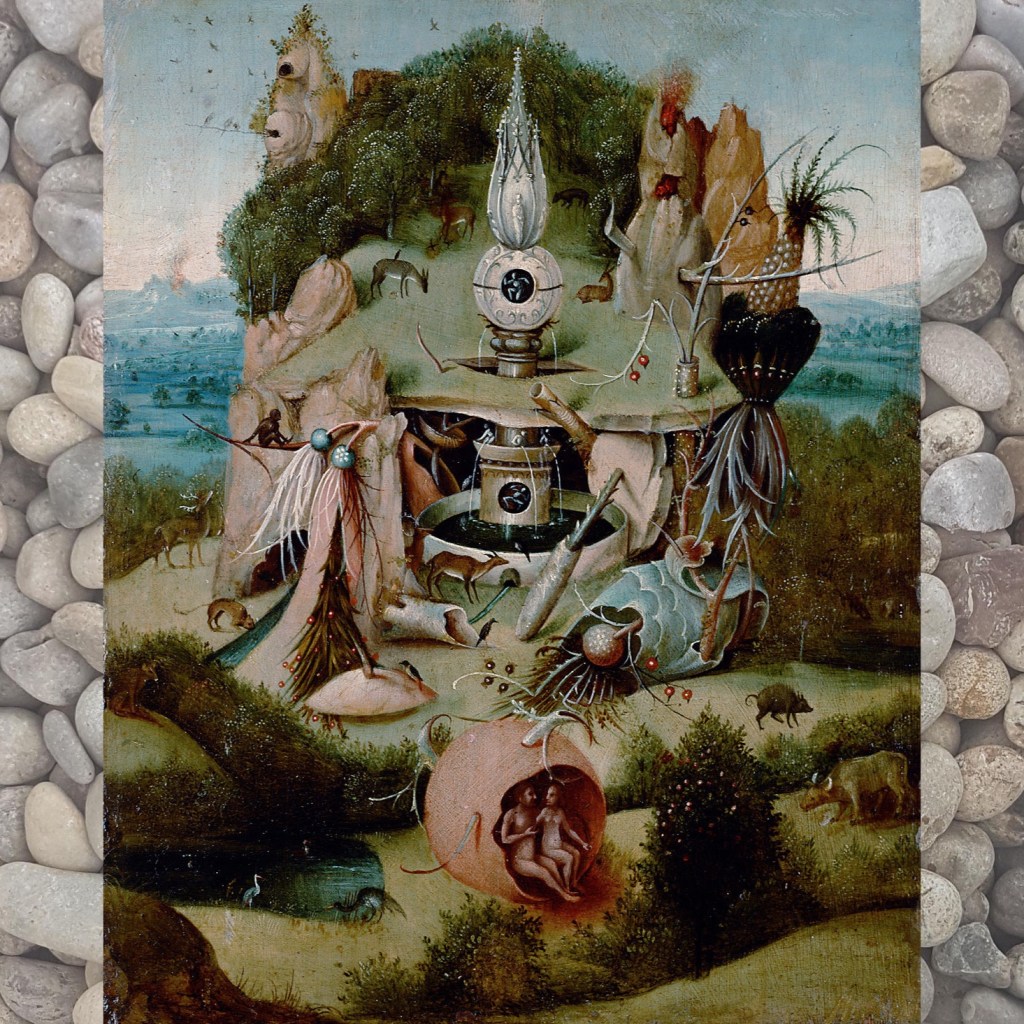
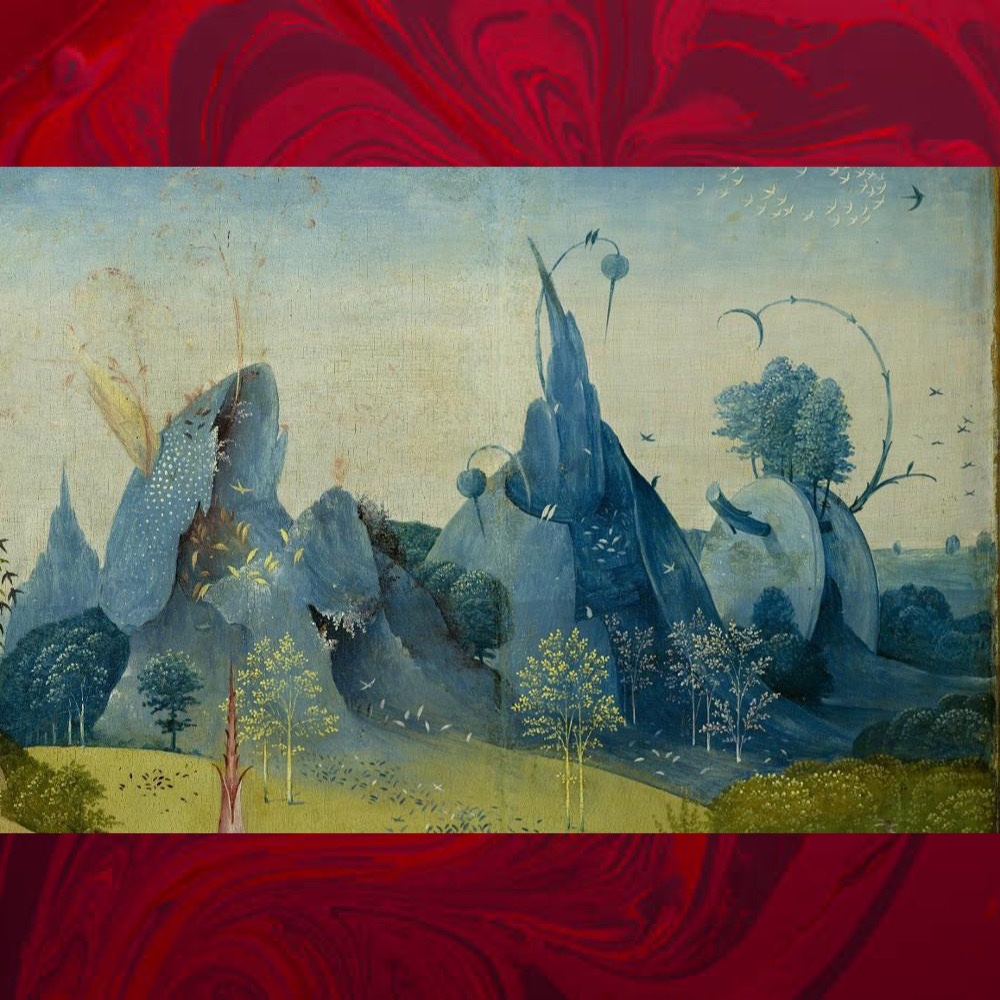
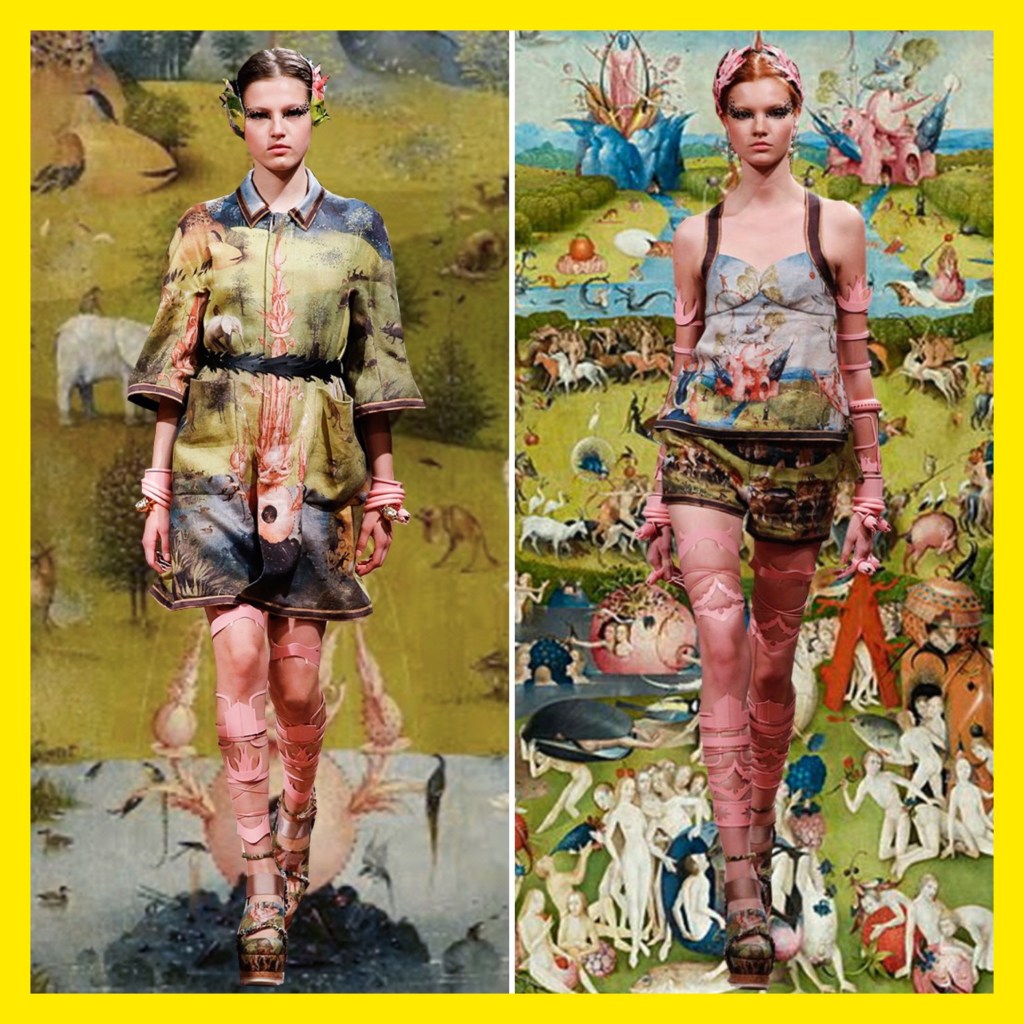
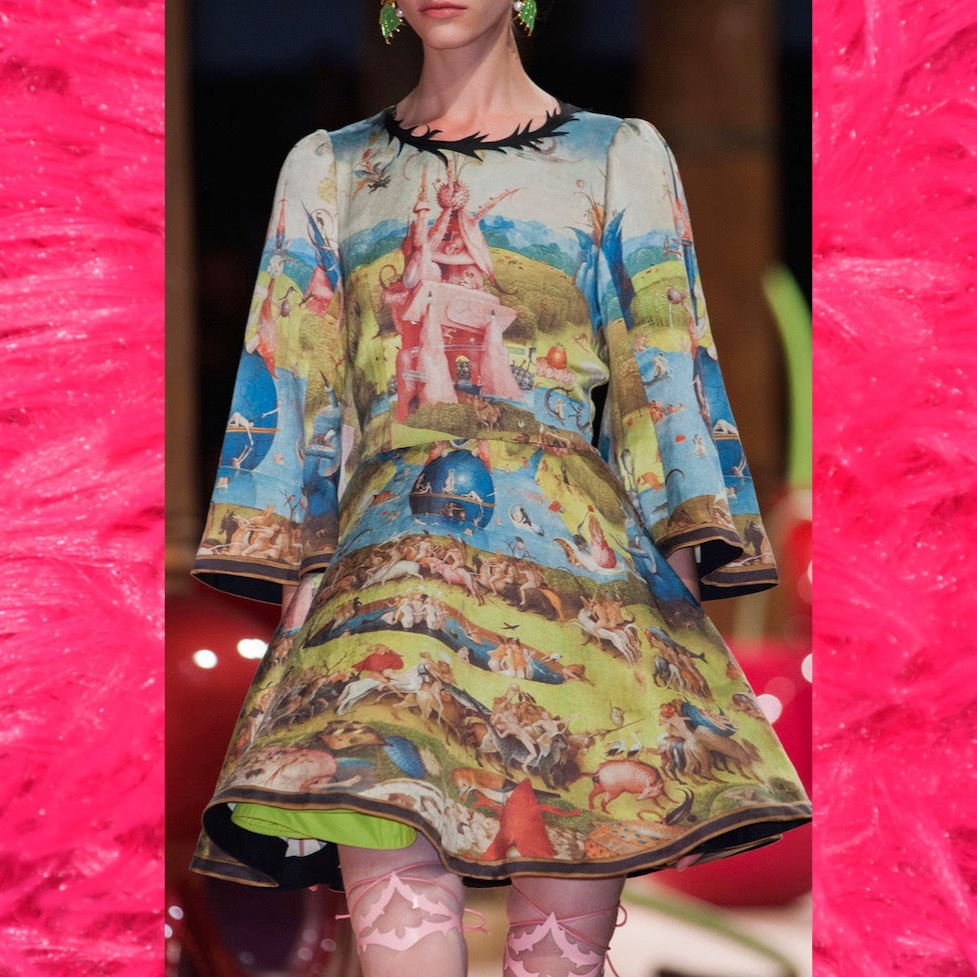
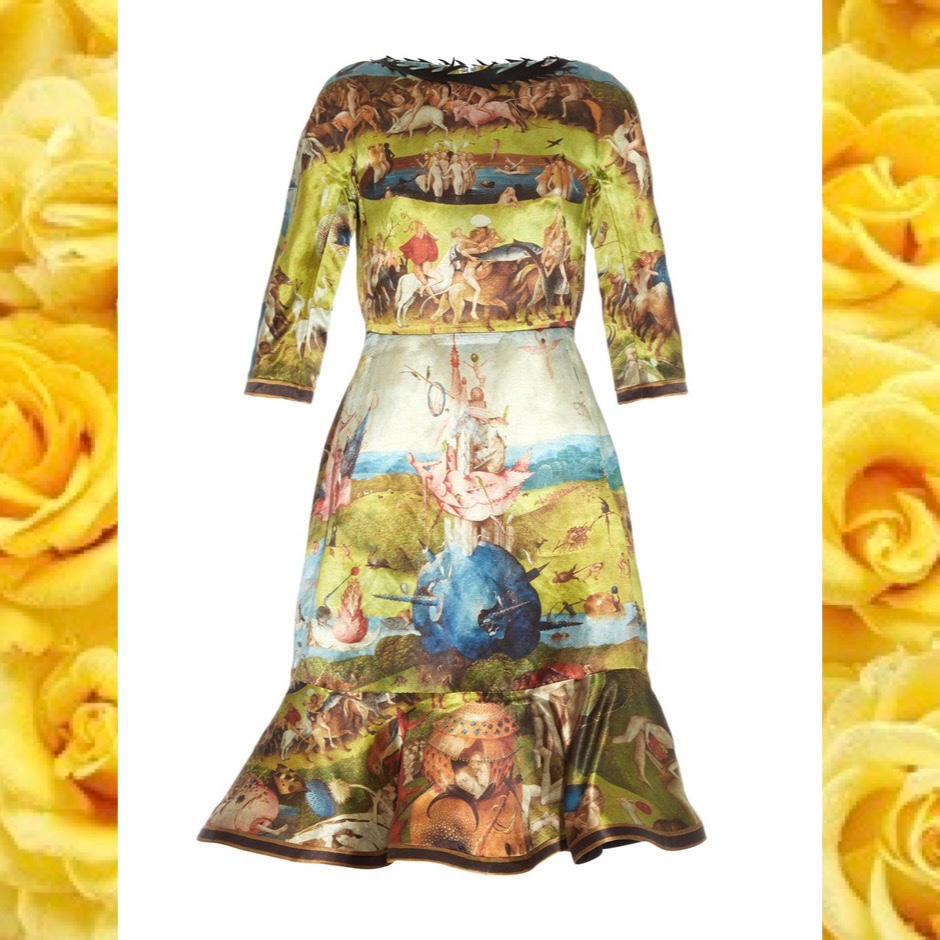
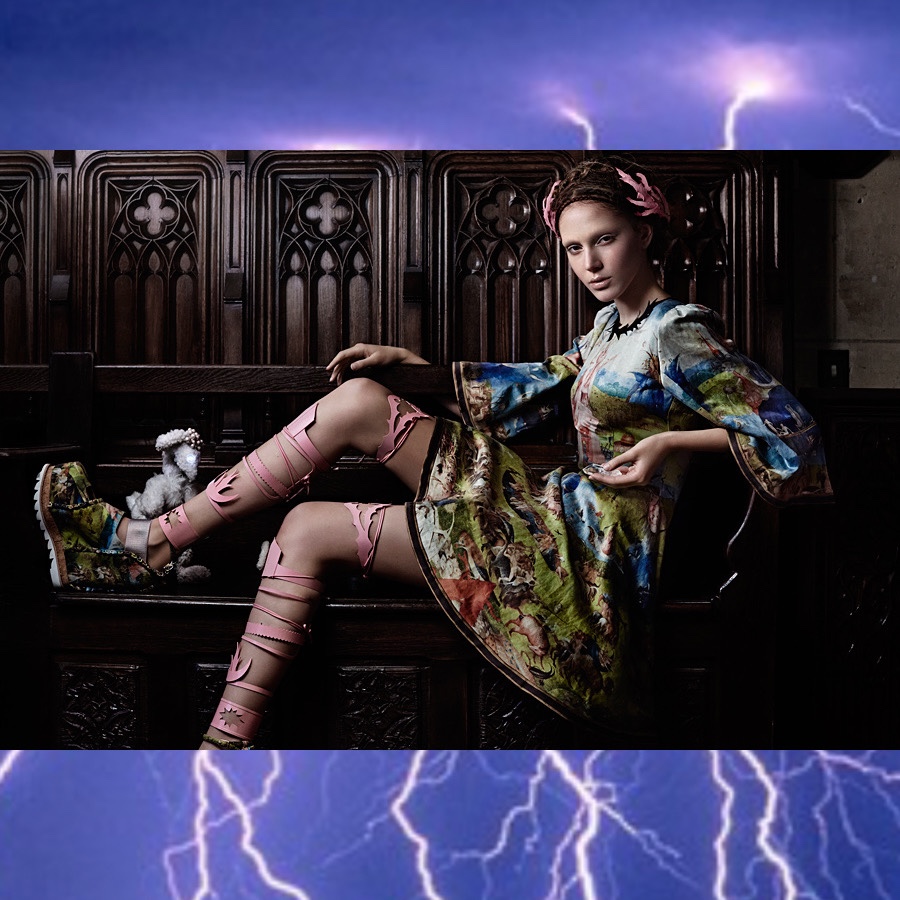
AS IT HAS EMERGED, the different linguistic strands of Europe have stubbornly proved pretty much impossible to synthesise. Not for lack of trying. Latin, of which use was once universal among educates, has become obsolete and greatly resented for the shadow of obdurate, fusty antiquation it has come to project. Instead, an array of independent nationalities have been carved out and proclaimed according to highly specific linguistic affiliations. Within this landscape, the œuvre of Hieronymus Bosch stands out for the way in which it painstakingly accentuates his astoundingly responsive embrace of Holy Roman European unity in all its lavish, esoteric, convoluted complexity. Perhaps this is symbolised, exalted along with his faith and creativity, in the haunting scapes of his famous painting The Garden of Earthly Delights, realised between 1490 and 1510.
 The Buzz-Concept Project