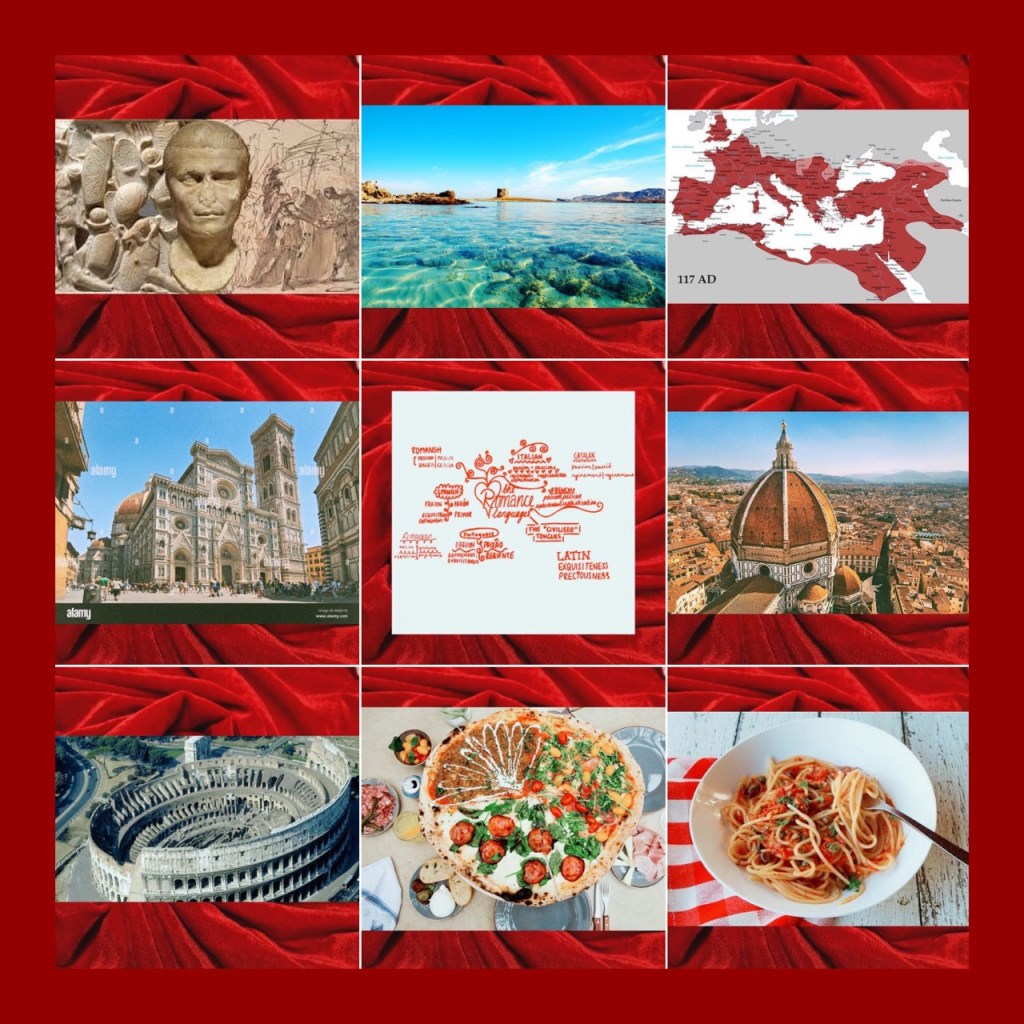
The Ancient Romans (Latin: Rōmanī / Ancient Greek: Ῥωμαῖοι, Rhōmaîoi) famous for their culture, intellect, literature, militarism, empire, politics, and more, were #obsessed with circles 🔴🟠🟡🟢🔵🟣⚫️⚪️🟤
- 🏛 circulus
- 🇮🇹 il cerchio
- 🇫🇷 le cercle
- 🇦🇩 el cercle
- 🇪🇸 el círculo
- 🇵🇹 o círculo
- 🇷🇴 cercul
The Roman Empire (unified 27BC-AD395; Western AD395-476/80; Eastern AD395-1453) spanned a considerable proportion of Europe and surrounding regions at its height, although the Romans first and foremost boasted a marvellous Classical culture universally renowned for its literature and architecture. Their supremacy operated through a cyclical dynamic, arising from a passion for literature and insight, and culminating in political and military dominance. Hence their obsession with circles, and the symbolic power of pizza!

Publius Vergilius Maro [ˈpuːbliʊs wɛrˈɡɪliʊs ˈmaroː] (70-19BC) was born near Mantua, in the village of Andes (now Virgilio, Lombardy), in the Roman province of Cisalpine Gaul / Gallia Cisalpina / Gallia Citerior / Gallia Togata in what is now northern Italy. Known commonly as Virgil, he was an ancient Roman poet of the Augustan (and broader Golden Age) period, that is, who was active during the reign of the first Roman emperor Caesar Augustus. He is believed to be descended from earlier Roman colonists, placing him presumably at the epicentre of Roman imperial and cultural activity – although accounts of his background vary. After completing his education, he found himself considering a career in rhetoric or law, whereupon he turned his attention instead to the more open option of poetry. As a youth, Virgil exhibited shyness, reservation and sensitivity. His later work nonetheless had a wide and profound influence on Western literature, and his persona notably featured in Dante’s Divine Comedy as the author’s guide through Hell and Purgatory. Virgil being ranked as one of Rome’s greatest literary figures, his Aeneid / Aenē̆is is considered a national epic of ancient Rome.


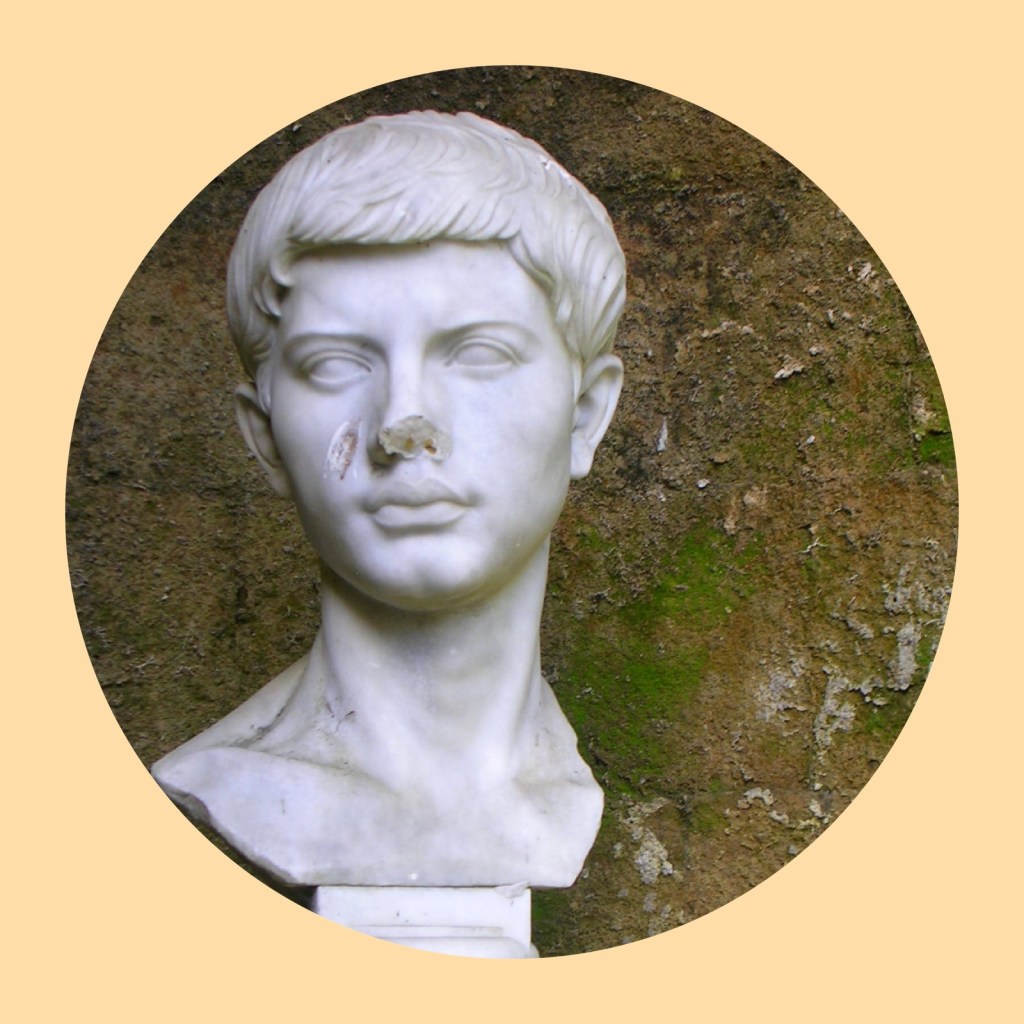
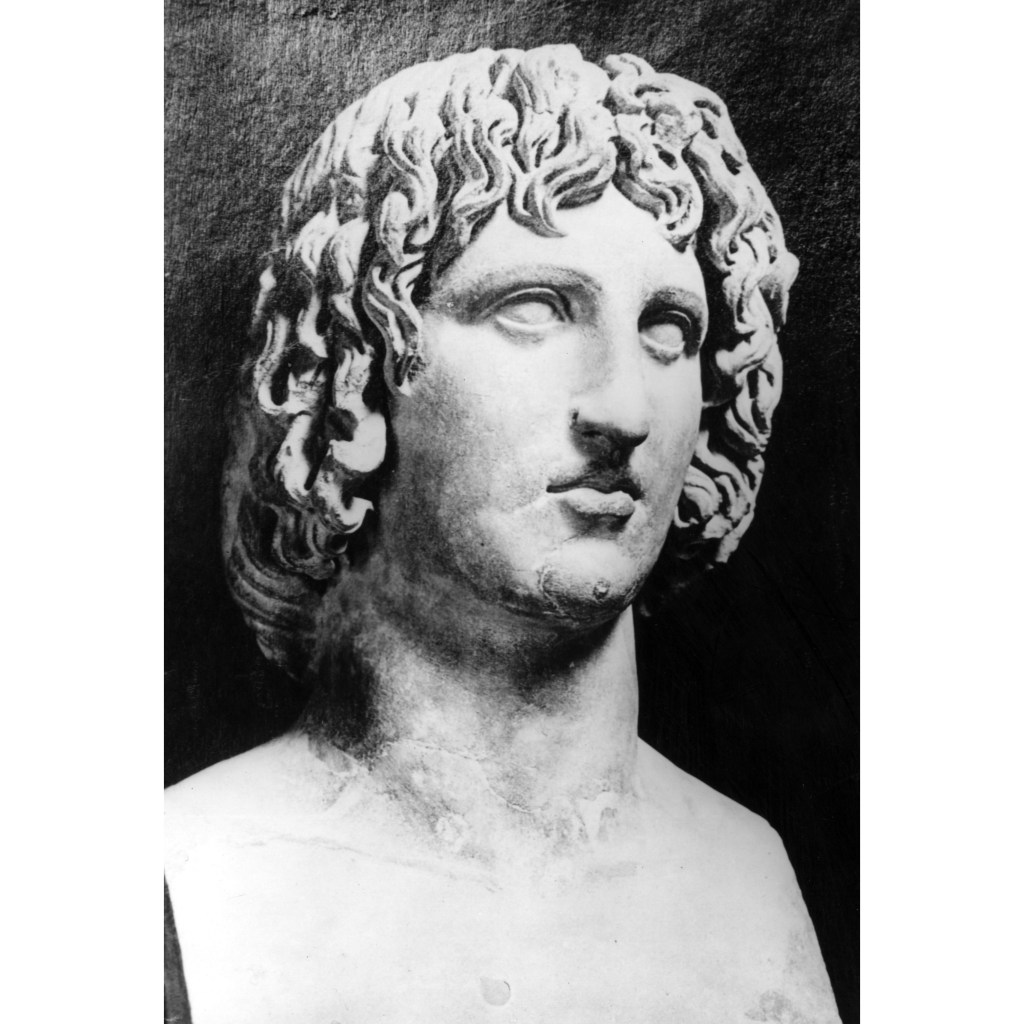
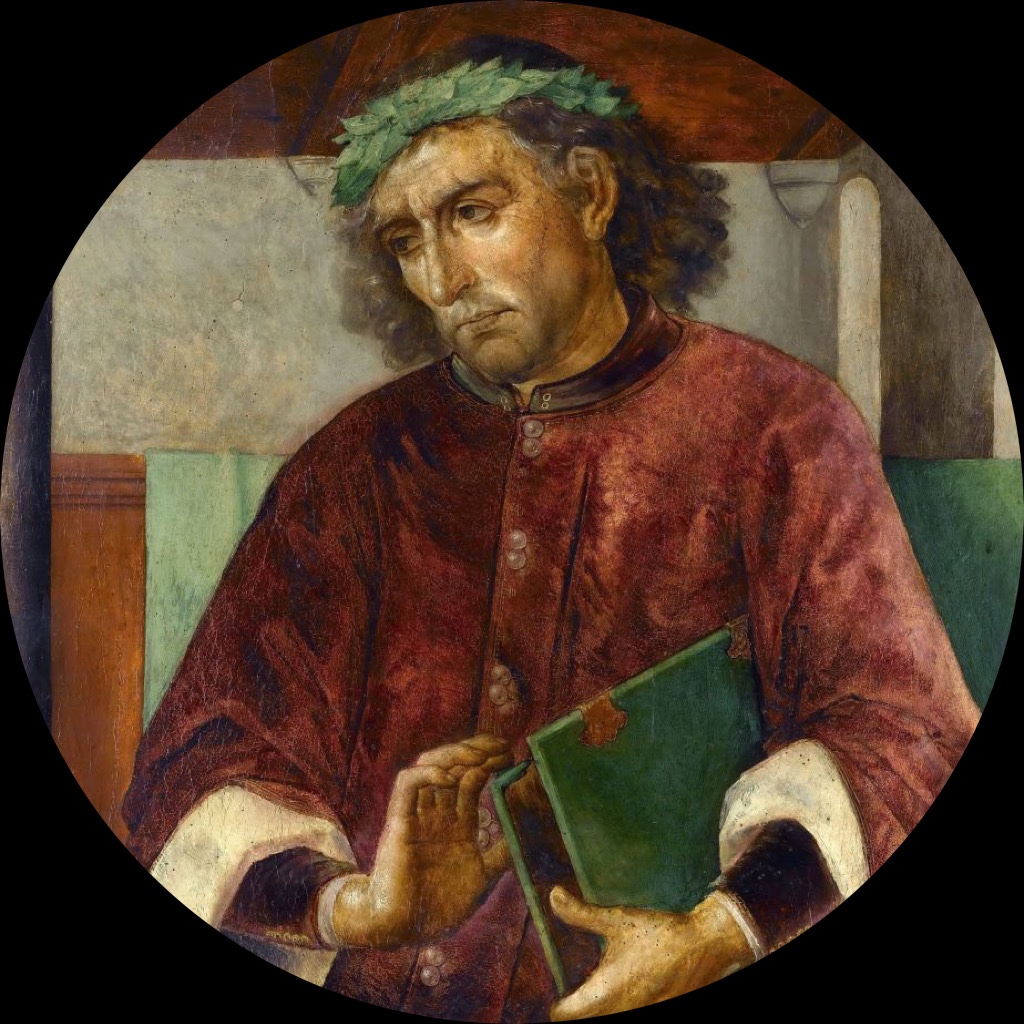
The Aeneid recounts the legendary tale of Aeneas, a Trojan who travelled to Italy in the wake of the fall of Troy, to become the supposed ancestor of the Romans. It consists of 9,896 lines composed in dactylic or heroic hexameter. The first six of the twelve books concern Aeneas’ wanderings from Troy to Italy, while the second half concerns the Trojans’ subsequent ultimately victorious war against the Italic Latins in Latium. The hero Aeneas was already familiar in Greco-Roman legend and myth, having been a character in Homer’s Iliad. Virgil adapted the tales of Aeneas’ wanderings, his vague association with the foundation of Rome, and his symbolic characterisation as a personage with no specified attributes other than vehement religiosity, and the poet fashioned a captivating founding myth or national epic that reinforced a number of aspects of Roman life – tying Rome to the legends of Troy, explaining the Punic Wars between Rome and Carthage, as well as glorifying traditional Roman virtues, and more.
Virgil astutely explores the cyclical nature of historical development. For the Romans of the time, life revolved around the ideal of pietas (“duty”, “religiosity”, “loyalty”, “devotion”, “dutiful respect”), but Virgil probed beyond that, using rich allegory to illuminate the shadows. There is a preemptive existential spirit to the Aeneid, Virgil being keen to explore and ideally philosophically reinforce the strength and glory of his people –especially in the context of their edgy relationship with adversaries as presented in juxtaposition with the radiant solace of pietas— as the trials and adventures of their imperial expansion unfold.
Turn your two eyes
Aeneas’ father Anchises describing the predestined foundation of Rome to his son who is visiting the Underworld in Book 6 of the Aeneid.
This way and see this people, your own Romans.
Here is Caesar, and all the line of Iulus,
All who shall one day pass under the dome
Of the great sky: this is the man, this one,
Of whom so often you have heard the promise,
Caesar Augustus, son of the deified,
Who shall bring once again an Age of Gold
To Latium, to the land where Saturn reigned
In early times.
Huc geminas nunc flecte acies, hanc aspice gentem
Romanosque tuos. hic Caesar et omnis Iuli
progenies magnum caeli ventura sub axem.
hic vir, hic est, tibi quem promitti saepius audis,
Augustus Caesar, divi genus, aurea condet
saecula qui rursus Latio regnata per arva
Saturno quondam
The Romans also probably -significantly- allowed this quirk to flourish in concordance with the growing importance of coins in economics and trade in a developing ancient Europe. In the aftermath of the messy Great Recession of the 2010s, the Roman fixation with circles has bever been so resonant! Round and around and around we go, along with the layers of the modern Italian language, which descends from Vulgar Latin as spoken by the ancient Romans: (1) p❤️ssion / p❣️ssione (2) sophistication / raffinatezza (3) Italianness / italianità (4) serendipity / serendipità…!

 The Buzz-Concept Project