


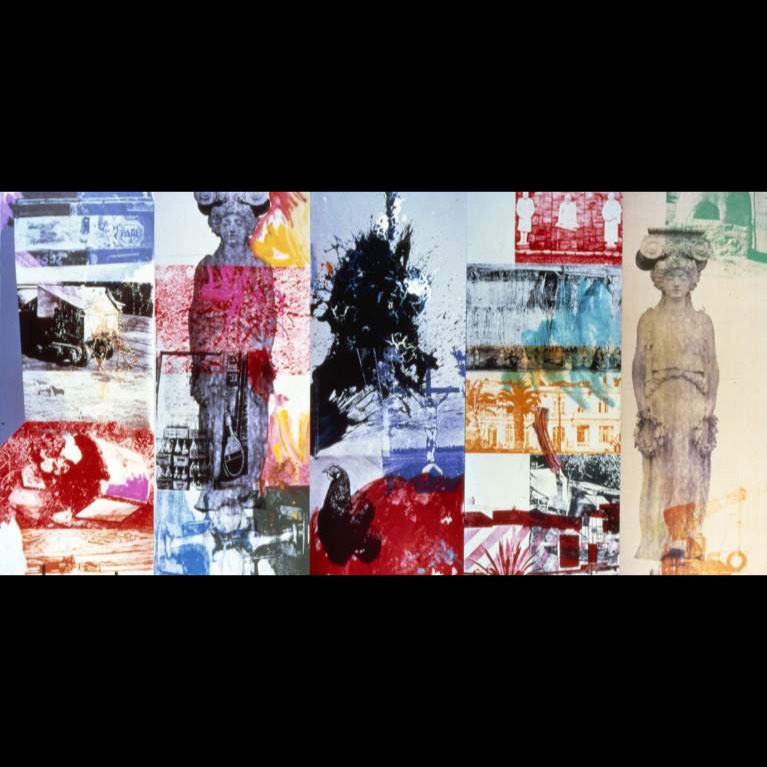
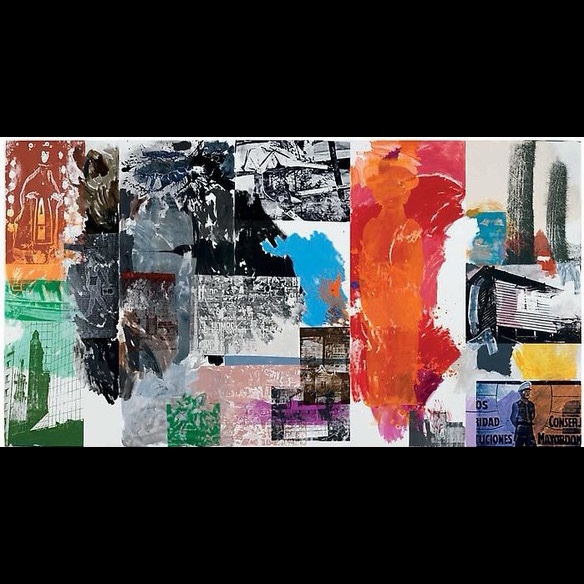

The Buzz-Concept Project can answer this question with the exact dimension of human progress that creates the feel, look, vibe and status of modernity.
The adjective modern is defined by Oxford as:
- relating to the present or recent times as opposed to the remote past. “the pace of modern life”
- characterized by or using the most up-to-date techniques, ideas, or equipment. “they do not have modern weapons”
- denoting the form of a language that is currently used, as opposed to any earlier form. “modern German”
- denoting a current or recent style or trend in art, architecture, or other cultural activity marked by a significant departure from traditional styles and values. “Matisse’s contribution to modern art”
So, boiled down, we have…
- Relating to the present and what is currently relevant…
- Concerning the most up-to-date technology…
- Concerning current or recent cultural activity.
The word “modern” entered late Middle English from the Late Latin modernus, from Latin modo “just now”, a cognate with “mode” (way of doing, means of accomplishing, state of being) and 🇫🇷mode🇮🇹moda🇪🇸moda “fashion” – all related to Proto-Italic *modōs, from Proto-Indo-European*mod-ōs (“measure”), from *med- (“to measure”).
But there’s more to it than that. Modernity isn’t just about what is current, oh no.
Modernism (in philosophical terms and in the arts) was a movement, now fading somewhat in the hyperactive 21st century, that arose from the progressive transformations in Western society during the late 19th and early 20th centuries – moving on from classicism, and in the aftermath of the Renaissance, the Enlightenment, industrialisation, war. It entailed and reflected a desire for the creation of new forms of art, philosophy, and social organisation. This appetite in people mirrored the newly emerging industrial world, with its urbanisation, architecture, new technologies, and war. It was the done thing to seek to depart from pre-existing rigid norms and traditions of art, aspiring to find new things, often just for the sake of intrigue itself, but generally to make sense of and explore the new mechanised world, with its austere logical rhythms but also its endless opportunity.
But we now seem to be growing bored of modernity itself, too. Moreover, in the time of classical antiquity, what we call “ancient” was current – can it be said to have been “modern” to them, as the definitions of the word predicate? No. Modernity only applies post-Industrialisation. But nor is modernity simply about what has been relevant post-Industrialisation. Fine art with classical spirit is still being made with great success in the Facebook-streamlined 21st century, for example – and it’s definitely relevant because that’s literally what classicism exists for (eternally heightened relevance). Classical music will be the main portal of consistency here.


So what is it then? What exactly is the je ne sais quoi that makes modernity from mere contemporaneity?
It’s specifically when we double up and over our Proto-Global equivalents. The state, best understood scientifically, of doubling up the value of every act versus our Proto-Global forebears. Definitively, categorically, unequivocally – dislodging their acuities in the direction of being logically outdated and backwards (and those hardcore tech nerds think we should be going so far as to paint discrepancy as nonsensical). When this state is achieved is when the effect of modernity is evoked and the label thereby valid.
The first instance of this notion of modernity? Actually it was accidental in an artwork by Renaissance master Michelangelo.


Modernity is also thus about achievement. Why?

And now we know.


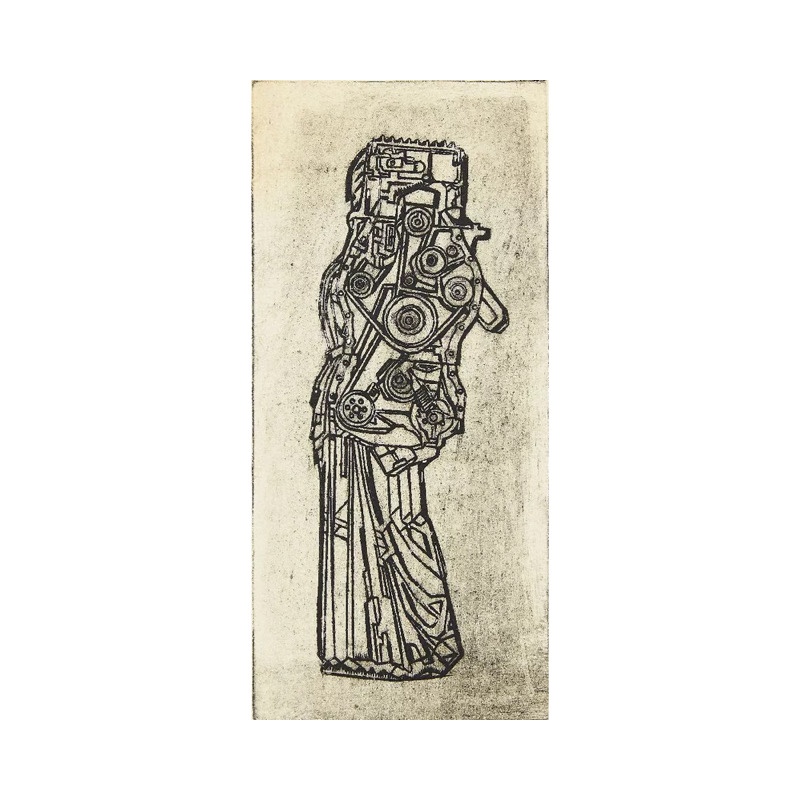


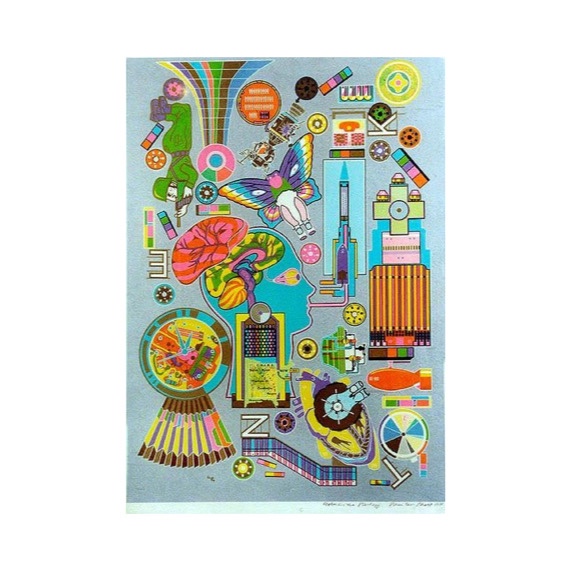

 The Buzz-Concept Project