






Hands.
They’re very useful, especially to write with.
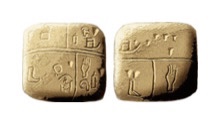
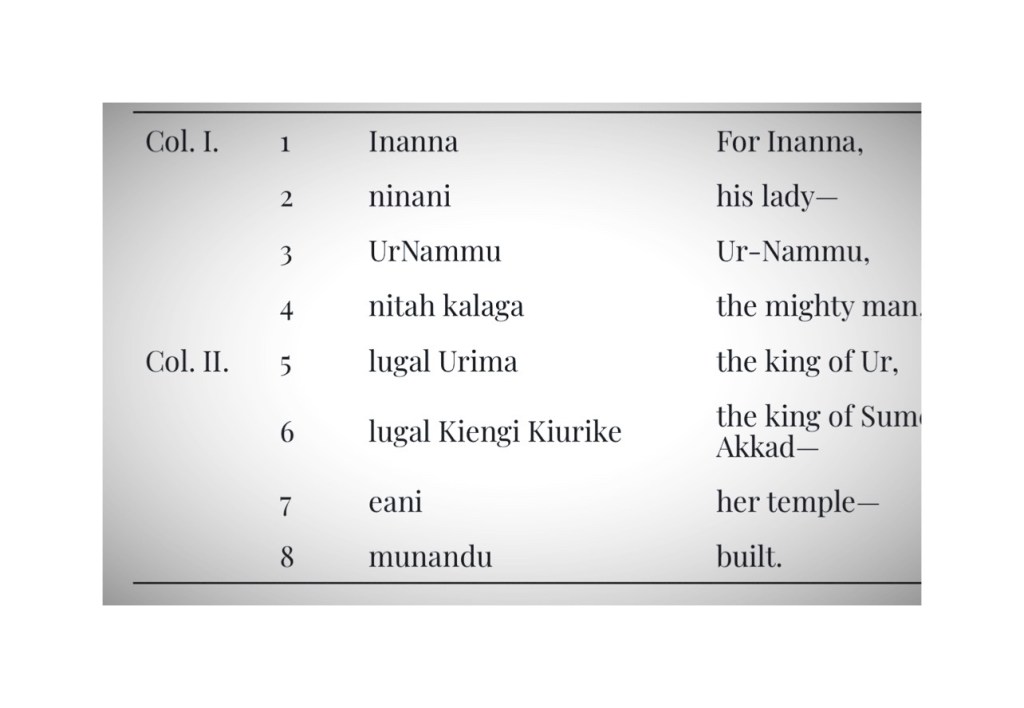
But originally language was only spoken, and not recorded in written format. The written format of human language was something that was actively instituted or invented at some point. As far as we know, the oldest writing system is Mesopotamian cuneiform (e.g.) created ca. 3200BC around what is now Iraq. The underlying language of the first cuneiform was Sumerian (classified by me as MegaQuirky but generally considered a “language isolate”); with regard to Proto-Cuneiform, the language base is as yet uncertain.


Moreover, writing is not a natural evolutionary activity for us within the Homo sapiens species. So how did it become so habitual and ingrained? Well, written records have proved exceedingly useful for the world, and therefore have served as equally powerful motivators in the propagation of writing skills even beyond that purpose.
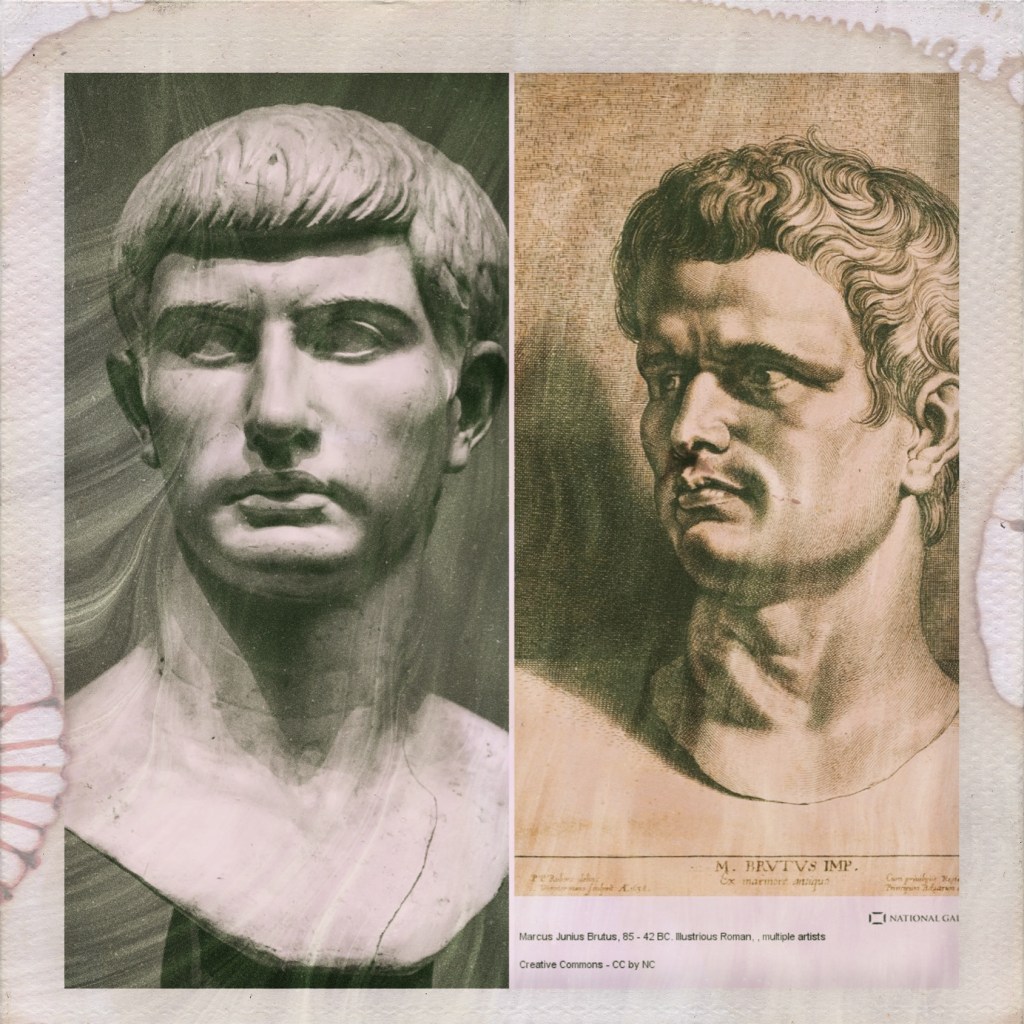
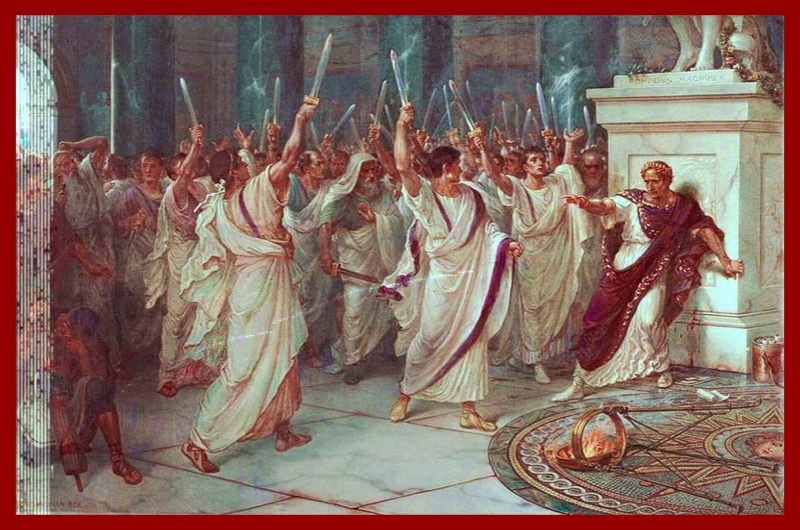
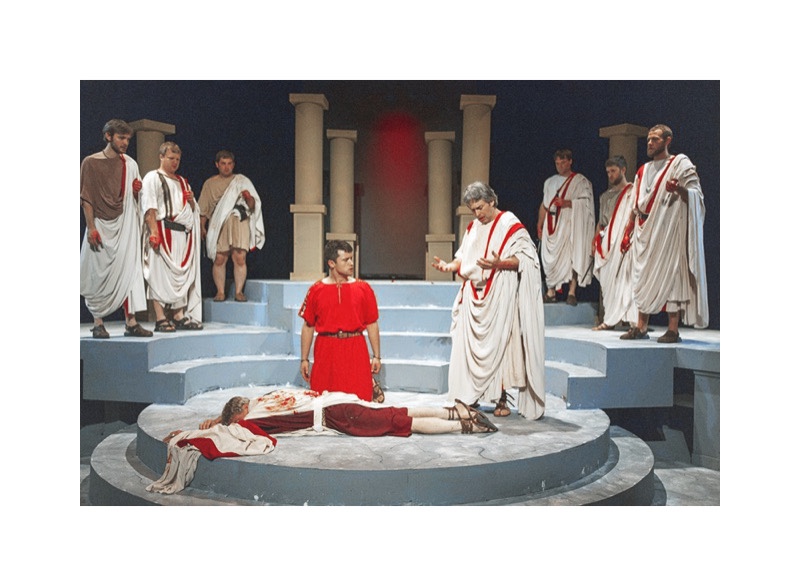
What really sealed the deal, actually, was simply a stunningly exquisite, artful manual gesture made in the context of a brutal murder – in the assassination of Julius Caesar in 44BC. Achieved by Brutus, the legacy of the incident sent shockwaves not just because of Caesar’s death but in honour, too, of the power of the hand. People became totally enraptured by manual dexterity and gradually this evolved into universal handwriting aptitude.
 The Buzz-Concept Project