


Previously:
The treasured case system of Icelandic
I have resorted to doing a lot of posts uniting linguistics/language and art, starting with: What can linguists learn from French art? and Words vs. Fauvism. Originally, I genuinely was interested in the intersection between the two domains as modes of expression, but now I’m really just milking it for fun ideas and inspiration. The study of linguistics and language is known for being quite dry, and I am definitely seeking solace in the vibrancy of visual art. That said, I am also scanning the world’s art for invaluable cultural insight to ease along the final stage of the Buzz-Concept Project.
I have included these artworks by Icelandic artists to commence this post, in order to set a scene of sorts, but I won’t be drawing much from them in any sort of analysis, in this case.
Why?
Ah, Icelanders: the North Germanic storytellers! Yes, this is how they are culturally differentiated within the North Germanic group: as the storytellers! How delightful, no? Well, yes, although the Vikings were quite scary!


The Vikings, alternatively called Norsemen or Northmen, were Scandinavian seafaring warriors who raided and colonised large areas of Europe from the 9th to the 11th century, profoundly influencing European history as a very disruptive influence. Their descendants now constitute the populations of the Northern European nations of Denmark, Sweden, Norway, and Iceland. The pagan Danish, Norwegian and Swedish Viking warriors were likely motivated to carry out their actions by different factors, including overpopulation at home, to the relative weakness or helplessness of victims abroad belonging to less violent populations. Their violent activities of burning, plundering, and killing earned them the name víkingr, meaning “pirate” in early Scandinavian languages.

The modern population of Iceland / ÍSLAND is descended mainly from such Viking seafarers, the nation having been founded by them over 1,000 years ago. According to the ancient manuscript Landnámabók (“Book of Settlements”), Iceland was settled from 874 AD by the Norwegian/Norse chief Ingólfr Arnarson, along with his wife Hallveig Fróðadóttir and foster brother Hjörleifr Hróðmarsson. They was joined by other Norsemen / Norðmenn, who brought along thralls / þrælar (singular: þræll), slaves or serfs of Gaelic Celtic origin, also giving the contemporary population of Iceland a strong hereditary Celtic genetic component.
The Icelandic language / ÍSLENSKA is a North Germanic / Norðurgermönsk language, descended from the Old Norse language / fornorræna. The other North Germanic languages are:
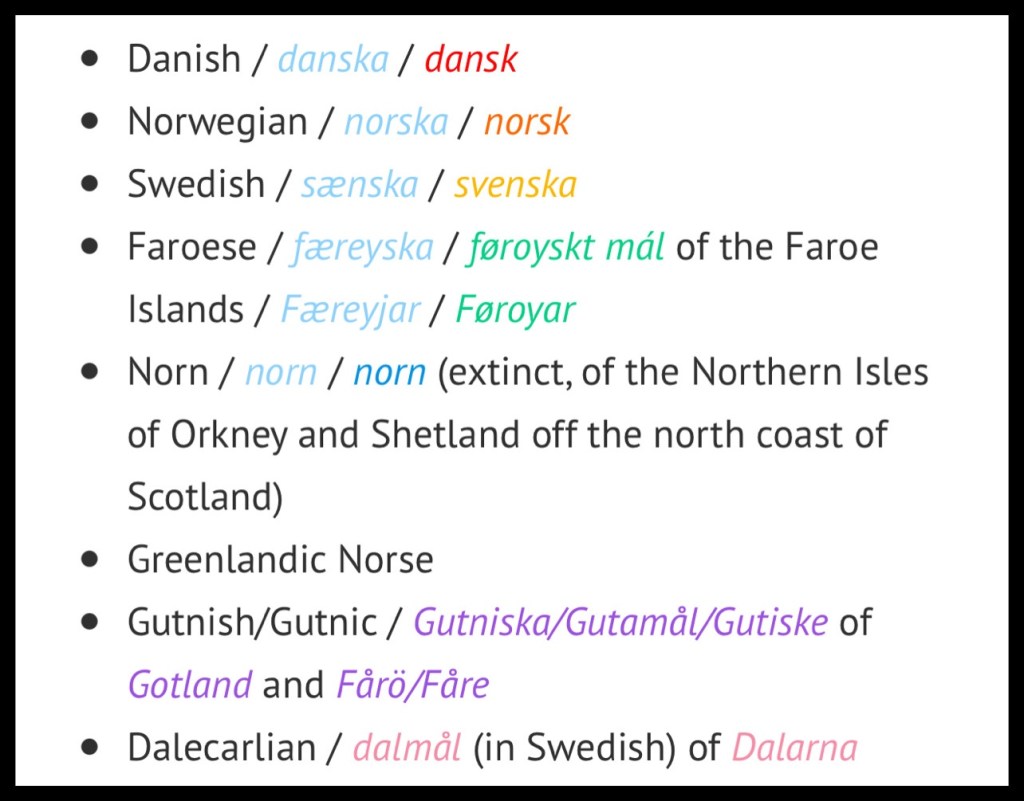
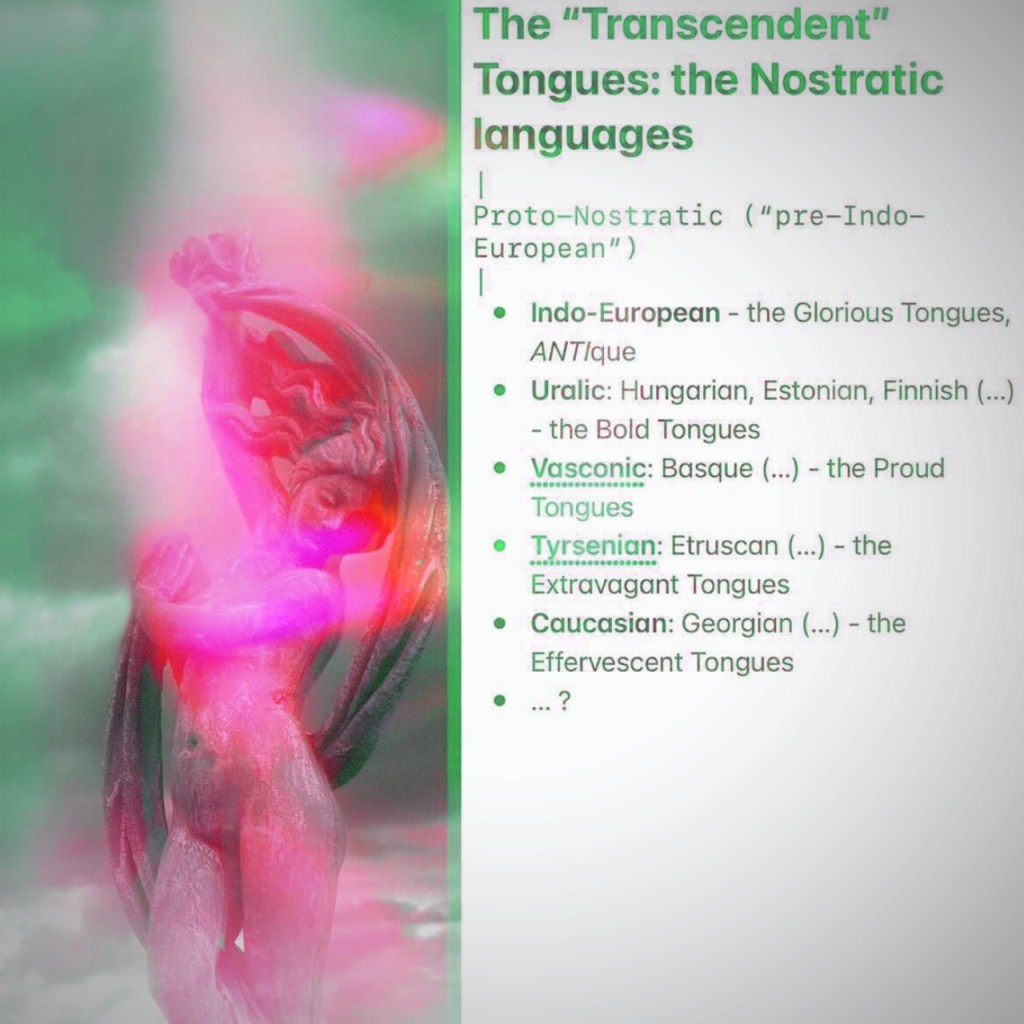
These constitute the Northern branch of the Germanic language family –containing the “Dynamic” Tongues, the North Germanics being the traditionally sophisticated ones– alongside the West Germanic languages, including English, Dutch and German, and East Germanic, all now extinct but once containing Gothic, Burgundian and Vandalic. Beyond this, they belong to (as I propose) to the Western branch of the Indo-European macrofamily, a branch of the Nostratic primary language family.


The status of Icelanders as the group’s storytellers is a niche gig, and while super delightful, surely does not carry much power or scope. Well, Iceland’s buzzing artists will have you believe otherwise, endlessly pouring out ideas and visions to build the small country’s appeal, meaning that Icelanders never in reality suffer from the lack of nationalist verve.


Perhaps the idea for the storyteller vibe came from the island nation’s famed sagas (Icelanders’ sagas or family sagas, Íslendingasögur), a class of heroic prose narratives written during 1200-20 about the great families who inhabited Iceland from 930 to 1030. These tales of the so-called Saga Age / Söguöld were written in Old Icelandic, a western dialect of Old Norse, before it had evolved into the distinct Icelandic language. They constitute the best-known specimens of Icelandic literary output in the world. They focus -perhaps mundanely- on genealogical and family history, reflecting the trials and tribulations of early Icelandic societyc complementarily to the ethereal vibe of overarching Icelandic storyteller culture! Among the most important sagas are the Njáls saga -the longest and most comprehensive, generally considered the finest, with complex contents and characters- and the Gísla saga -telling of an outlaw poet named Gísli Súrsson, somewhat prematurely existential, including rich descriptions of nature and said to contain many verses composed by poet Gísli himself. The sagas are known for providing extremely valuable insight into pre-Christian culture, not just within Scandinavian society but resonant with regard pagan society in general. The sagas sit stoutly at the apex of the world’s literary output, a unitary meeting point for the moribund oral and the nascent written tradition of storytelling.


 The Buzz-Concept Project