Read more of my work with Ukraine here.
Did you know that Russian and Ukrainian are actually very closely related languages? The reality being that, less than one millennium ago, they were one and the same language along with Belarusian: Old East Slavic / словеньскыи ꙗзыкъ / slovenĭskyi jazykŭ, used during the 10th-15th centuries by East Slavs in the medieval state of Kievan Rus’ / Роусь, Rusĭ / роусьскаѧ землѧ, rusĭskaę zemlę, lit. ’Rus’ land’.


- Усходнія славяне / Uskhodniya slavyane ( 🇧🇾 Belarusian) = the East Slavs
- Восточные славяне / Vostochnyye slavianie (🇷🇺Russian)
- Восточны славяне / Vostochny slaviane (Rusyn)
- Східні слов’яни / Skhidni sloviany (🇺🇦Ukrainian)
It really wasn’t all that long ago that these cultures and languages diverged, explaining why they remain so intimately linked no matter where borders lie and where political leanings have otherwise led them. To many, including Putin, the boundaries remain somewhat blurred and open to re-interpretation. Russia is not imposing itself upon Ukraine in the way that you think, in this invasion – Ukraine’s resentment is not due to any ethnic separatism but due to the conflict between Ukraine’s anti-Soviet liberal democratic appetite or leaning and Russia’s rigid authoritarianism. That’s what is troubling the Ukrainians so, bearing in mind that many of Ukraine’s border regions concerned have heavily ethnic Russian populations anyway.


The most chilling thing about this conflict is that its operations are being realised under a tone that represents the direct, precise antithesis to the nature of Ukrainian culture… Why? The Ukrainians –Little Russians, opposed to Great Russians (Russians) and White Russians (Belarusians)– are the creative Slavs (see 💙🇺🇦💛 Ukrainian art + fashion pt. 1, 2 & 3)…


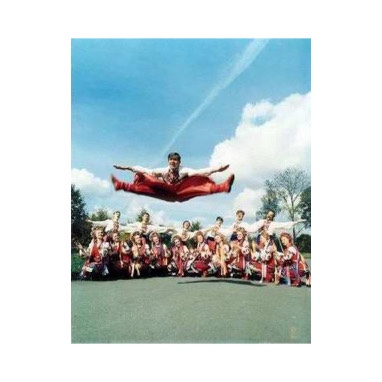
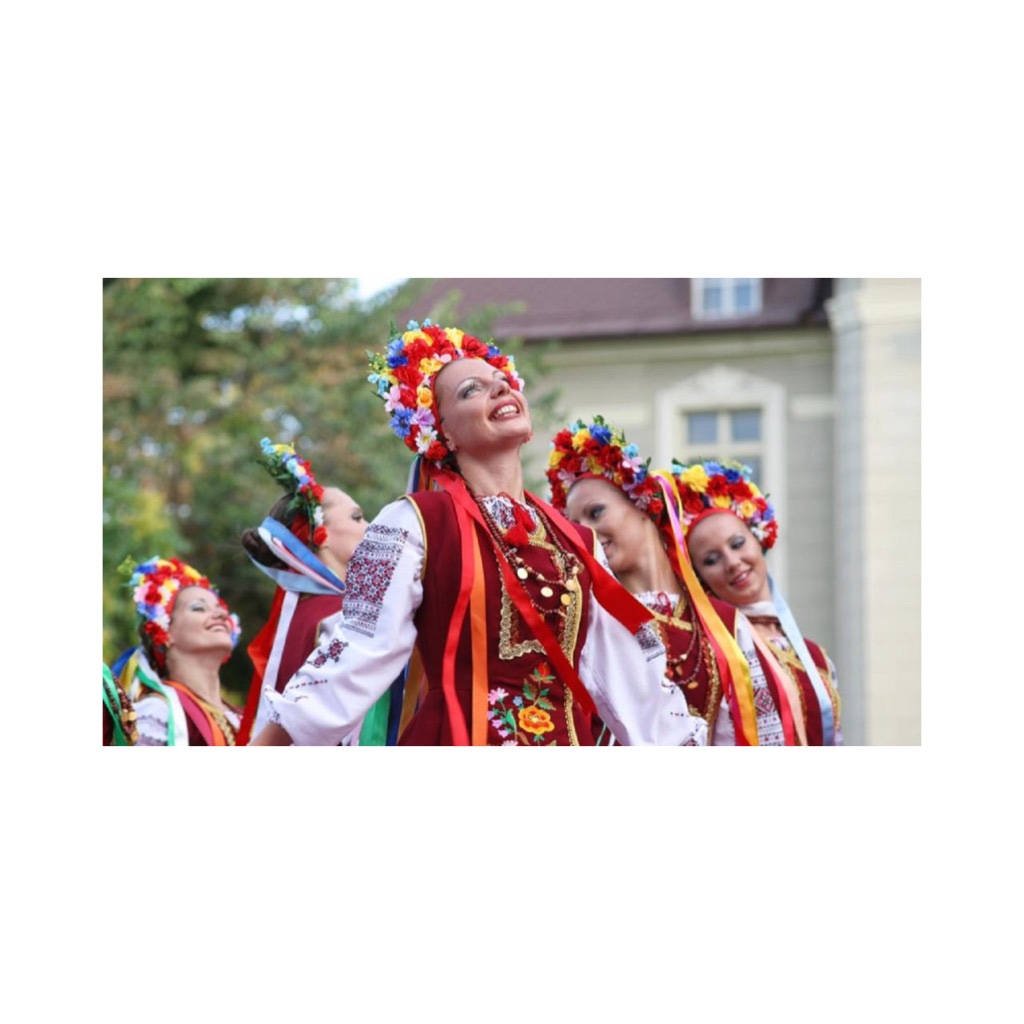
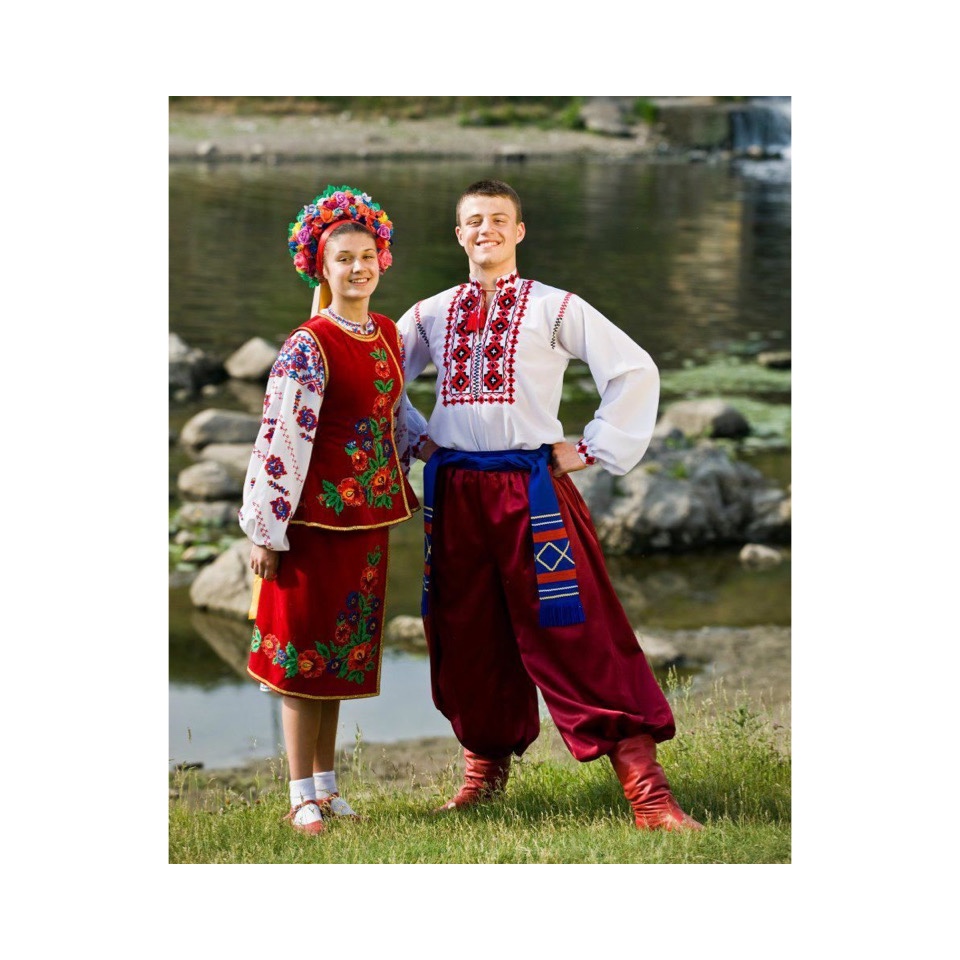
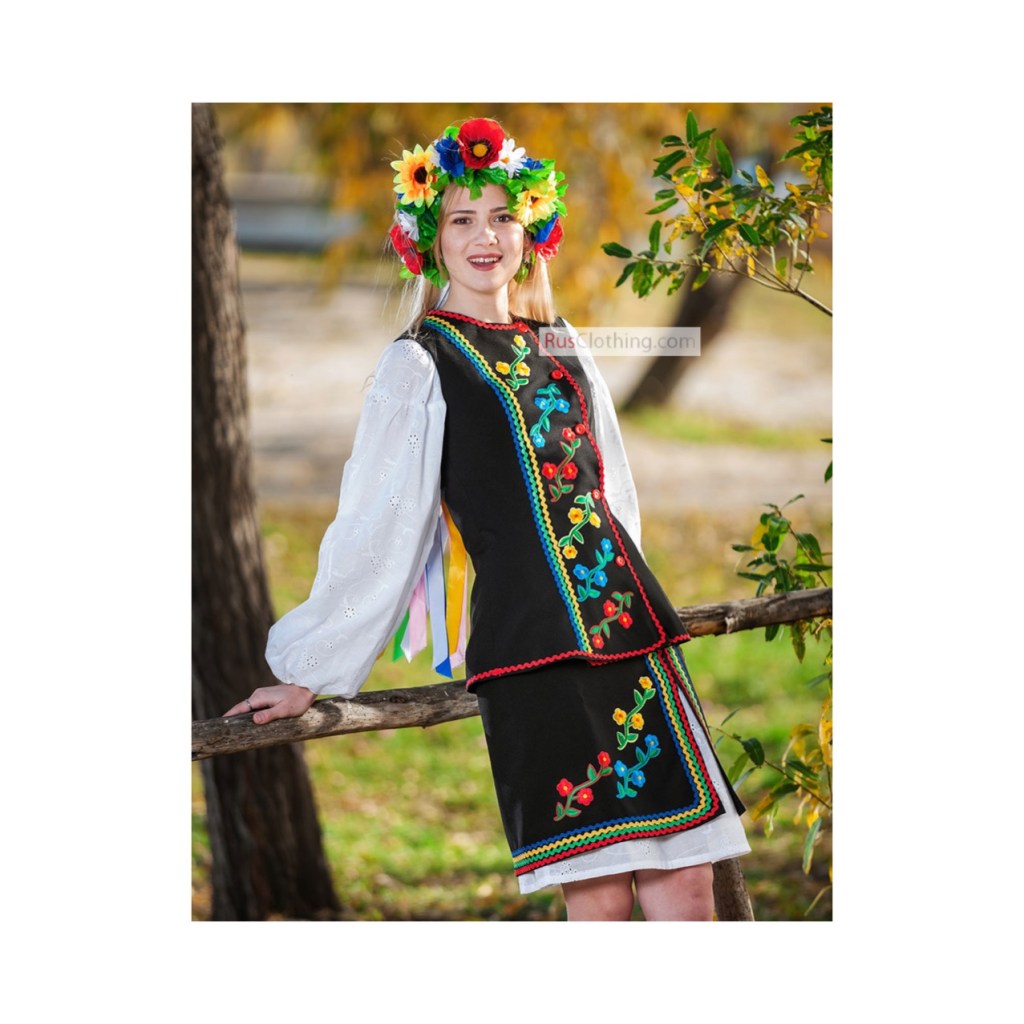
Ukraine even has a vibrant folk tradition of which Ukrainians are fiercely proud. The bombs and artillery create a stark and harrowing contrast with Ukrainian cultural mores, creative-spirited and gentler than those of their Russian sibling.
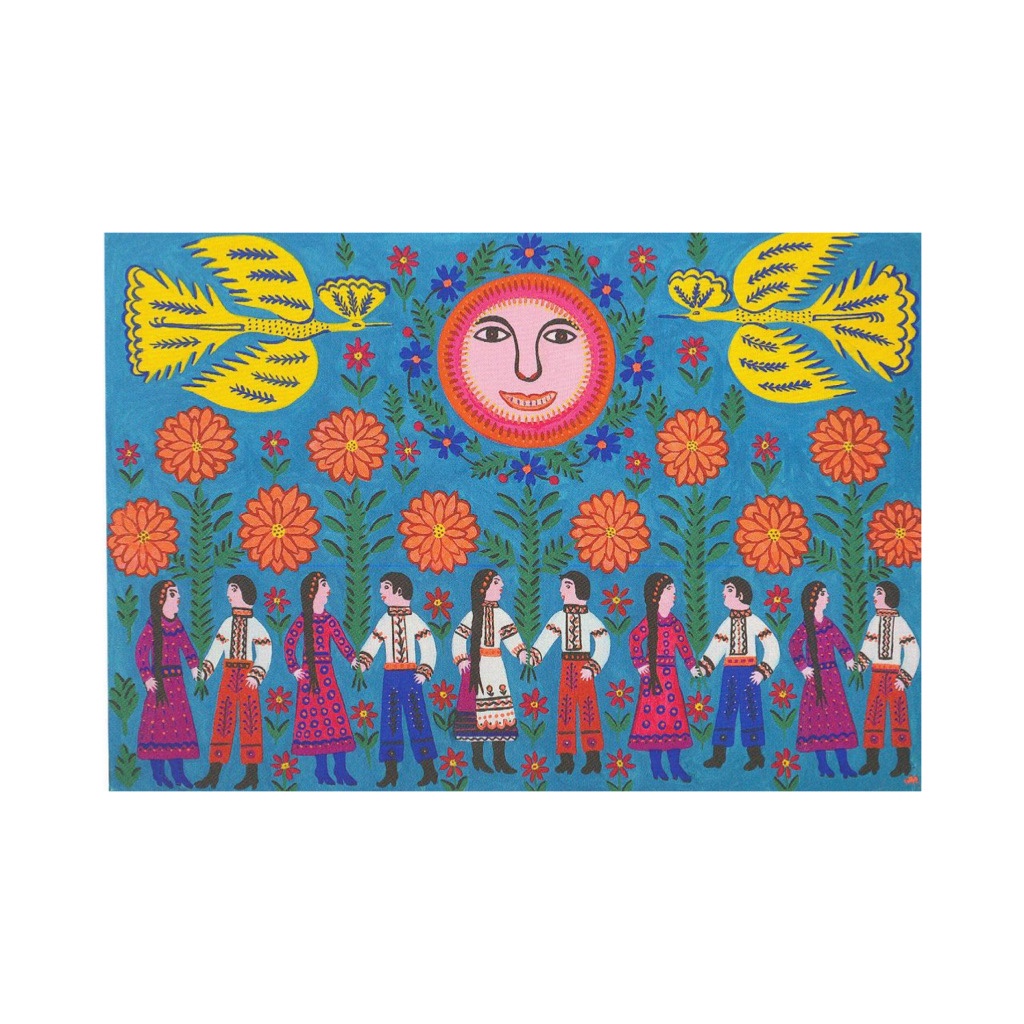
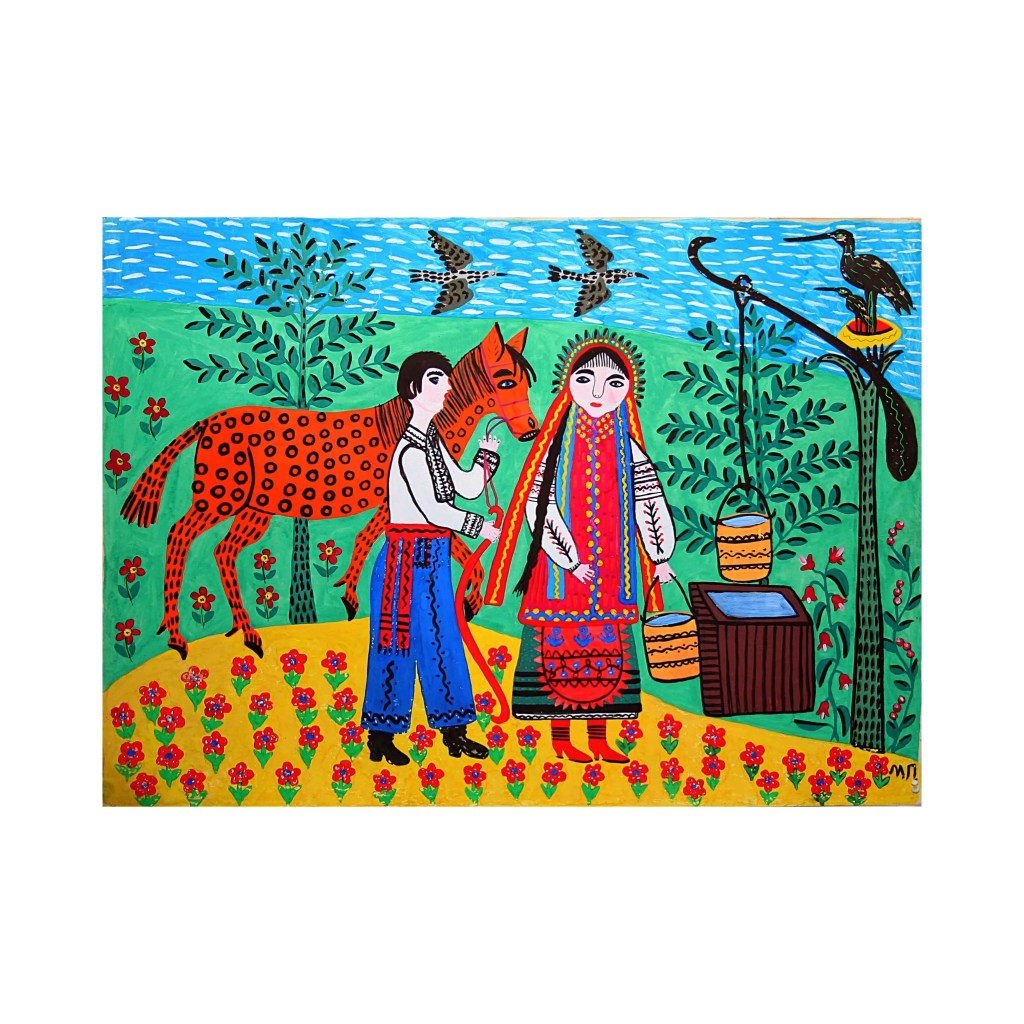
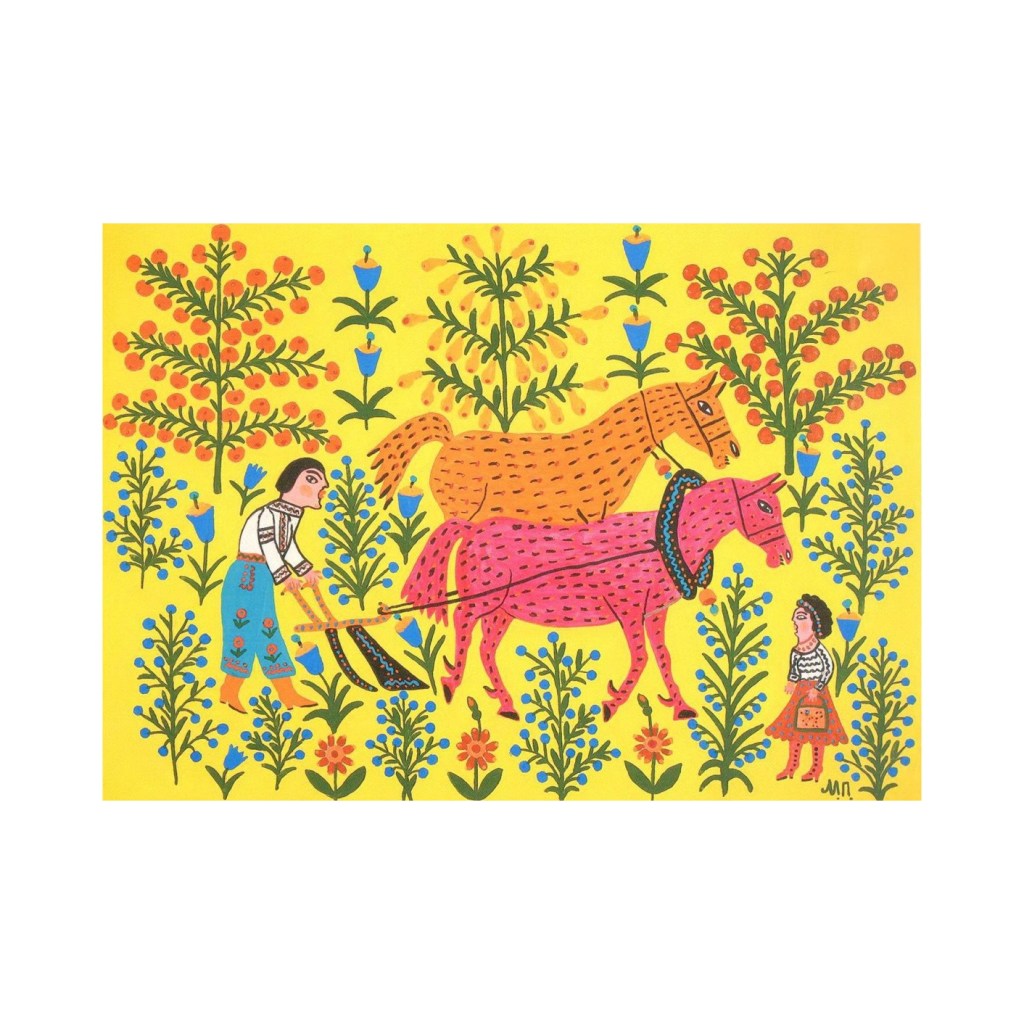
Ukrainian carries somewhat different Buzz-Concepts to Russian. Compare:
Russian / русский язык / russkiy yazyk
- совершенство / sovershenstvo = perfection, consummation, polish, fineness
- чувственность / chuvstvennost‘ = sensuality, carnality, sexiness, animalism
Ukrainian / украї́нська мо́ва / ukrainska mova
- завершеність / zavershenist‘ = completeness, perfection, finality, maturity
- впевненість / vpevnenist‘ = confidence
The four East Slavic languages are Russian, Belarusian, Ukrainian and Rusyn, and are distributed as follows:

Ukrainian and Belarusian are more closely related to one another than to Russian, as descendants of the mixed literary language Ruthenian, which split off from Old East Slavic along with Russian. Compare:
Ukrainian:
Всі люди народжуються вільними і рівними у своїй гідності та правах. Вони наділені розумом і совістю і повинні діяти у відношенні один до одного в дусі братерства.
Vsi liudy narodzhuiutsia vilnymy i rivnymy u svoiii hidnosti ta pravax. Vony nadileni rozumom i sovistiu i povynni diiaty u vidnoshenni odyn do odnoho v dusi braterstva.
All human beings are born free and equal in dignity and rights. They are endowed with reason and conscience and should act towards one another in a spirit of brotherhood.
(Article 1 of the Universal Declaration of Human Rights)
Rusyn:
Вшыткы люде ся родять як слободны і рівны в достойности і правах. Суть обдарованы розумом і сумлінём і мають робити в духу братства.
Všutky ljude sja rodjat’ jak slobodny i rivny v dostojnosti i pravax. Sut’ obdarovany rozumom i sumlinëm i majut’ robiti v duxu bratstva.
Belarusian:
Усе людзі нараджаюцца свабоднымі і роўнымі ў сваёй годнасці і правах. Яны надзелены розумам і сумленнем і павінны ставіцца адзін да аднаго ў духу брацтва.
Usie ludzi naradžajucca svabodnymi i roŭnymi ŭ svajoj hodnaści i pravach. Jany nadzieleny rozumam i sumleńniem i pavinny stavicca adzin da adnaho ŭ duchu bractva.
Russian:
Все люди рождаются свободными и равными в своем достоинстве и правах. Они наделены разумом и совестью и должны поступать в отношении друг друга в духе братства.

Vse lyudi rozhdayutsya svobodnymi i ravnymi v svoyem dostoinstve i pravakh. Oni nadeleny razumom i sovest’yu i dolzhny postupat’ v otnoshenii drug druga v dukhe bratstva.
It’s a funny fact that the trajectory of Russian history (see my timeline of the various historic Russian constitutions in this post) is actually arguably rather more the story of Ukraine – well, of the radiant Ukrainian spirit. Why? Well, when the old kingdom of Kievan Rus’ was being divided, the front-runners were actually not the ancestors of today’s Russians but rather the Proto-Ukrainians, who had been put off by Russian nastiness and sought to cultivate instead a culture of solace and liberation. Moreover, I have tackled the complex task in more than one post of explaining the status of the (Balto-)Slavic peoples of Eastern Europe as THE Nostratic people (more: Calling all Slovicitors & THE culture ever to have existed…?) of the Nostratic primary language family. Within the Slavs, THE Slavs are of course the Russians, and the East Slavs more broadly. The (Balto-)Slavs are also additionally the Indo-European communicators and the Western Indo-European freestylers. While the Russians are THE Slavs, the Ukrainians are specifically the ones within the East Slavic grouping and therefore on some levels better representers overall – the Palaeo-Nostratics having been the Original Representers of the human population, of course! Ukrainian is indeed THE Slavic language. So in a way, the Russians having given in to bloodlust and the dark side, it is Ukraine that is leading the pack.

In Ukrainian, therefore, beyond Russian antagonism, the world actually -poignantly-looks pretty good! …
- я | ya | I
- ти | ty | you
- він | vin | he
- вонá | vona | she
- вонó | vono | he
- ми | my | we
- ви | vy | you pl.
- вони́ | vony | they
- Що? | Shcho? | What?
- хто? | khto? | Who?
- Де? | De? | Where?
- Коли́? | Koly? | When?
- Куди́? | Kudy? | Where to?
- Зві́дки? | Zvídky? | Where from?
- як? | yak? | How?
- чому́? | chomu? | Why?
- наві́що? | navishcho? | What for?
- Скі́льки? | Skil’ky? | How much?
- ве́ресень | véresen’ | September • Related to veres “heather”, which flowers in September!
- чекáти | chekaty | to wait • Я чекáю на тéбе. | Ya chekayu na tebe. | I am waiting for you.
- 🇺🇦 прáпор | prapor | flag 🇺🇦
- 💗 мені подобається… | mení podóbayet’sya… | I like… 💗
- мені подобається шоколадне морозиво. | meni podobayet’sya shokoladne morozyvo. | I like chocolate ice cream.
- Мені подобається це відео. | Meni podobayet’sya tse video. | I like this video. <- a lovely Instagram account teaching Ukrainian run by a lady with good pronunciation, highlighting the poetic quality of the Ukrainian language!
- Я хочу пити. | Ya khochu pyty. | I want to drink.
- Я хочу їсти. | Ya khochu yisty. | I want to eat.
- Я хочу спати. | Ya khochu spaty. | I want to sleep.
- Котра година? | Kotra hodyna? | What time is it?
- Зараз шоста година. | Zaraz shosta hodyna. | It’s six o’clock now.
- Я кохаю тебе. | Ya kohayu tebe. | Я тебе люблю. | Ya tebe lyublyu. | I love you.
- Вітаю (Vitayu) – frm = Hello
- Агов (Ahov) – inf = Hello
- Я розумію (Ja rozumiju) = I understand
- Я не розумію (Ja ne rozumiju) = I don’t understand
- Так (Tak) = Yes
- Ні (Ni) = No
- Ви розмовляєте українською? (Vy rozmovliajete ukrajinśkoju) = Do you speak Ukrainian?
- Однієї мови ніколи не досить (Odnijeji movy nikoly ne dosyt’) |Однієї мови ніколи не достатньо (Odnijeji movy nikoly ne dostatn’o) | One language is never enough.
 The Buzz-Concept Project