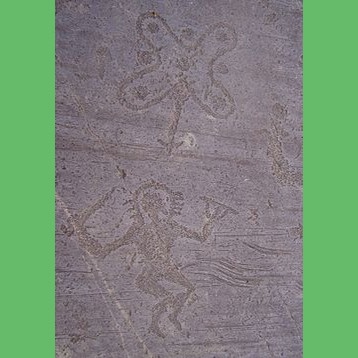
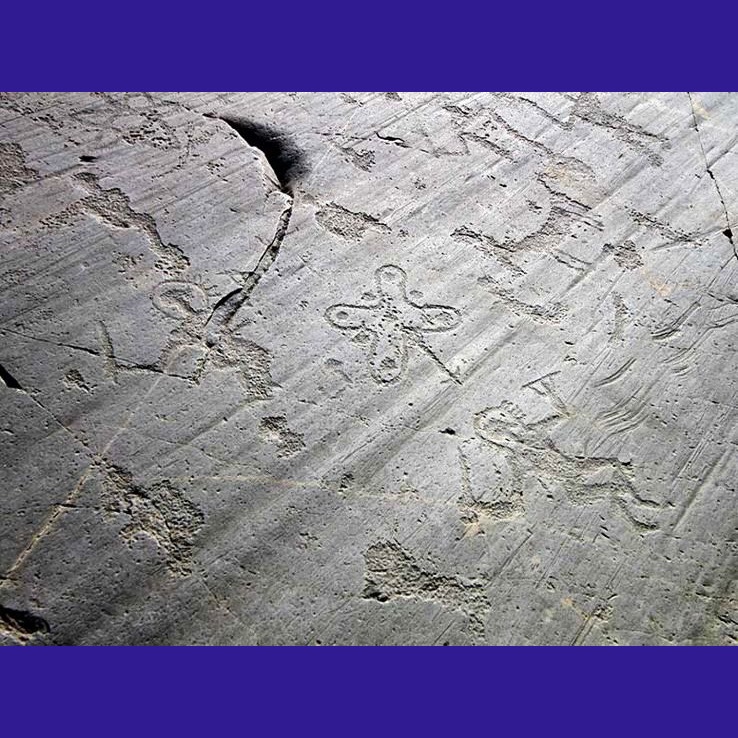
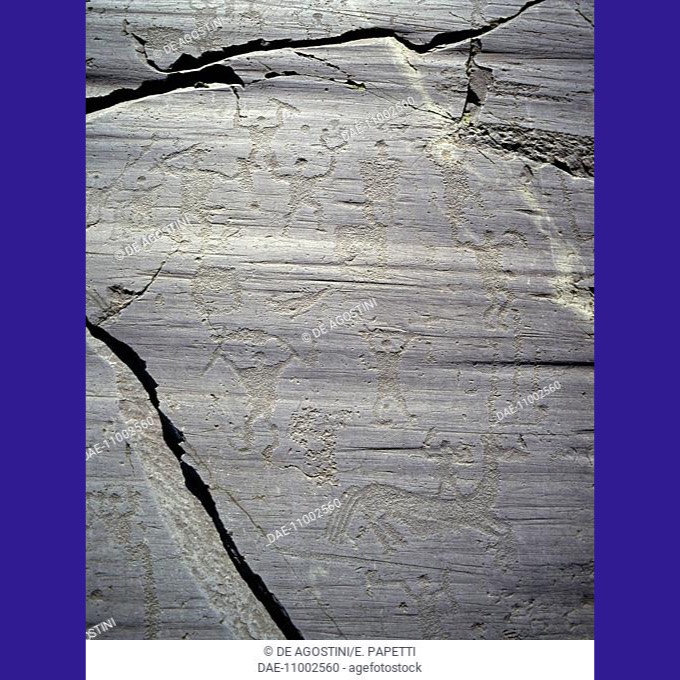
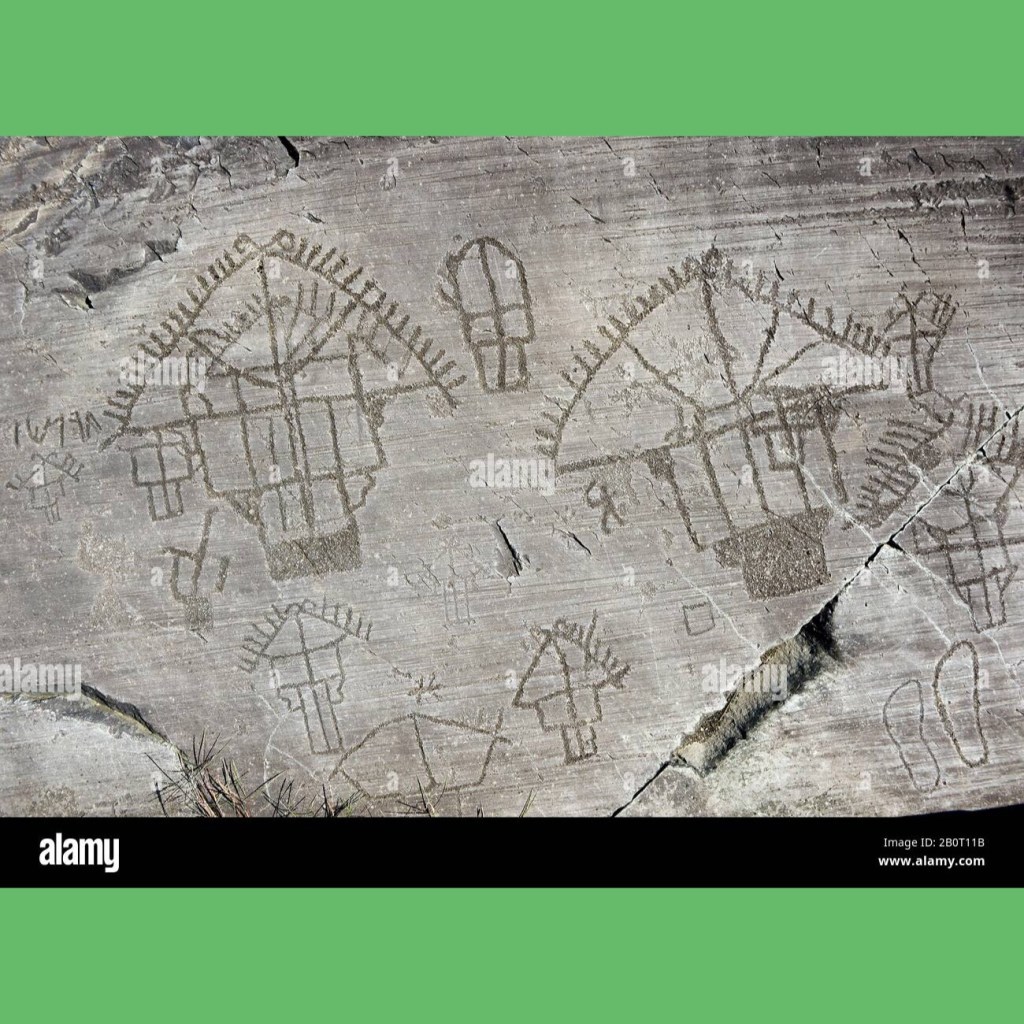
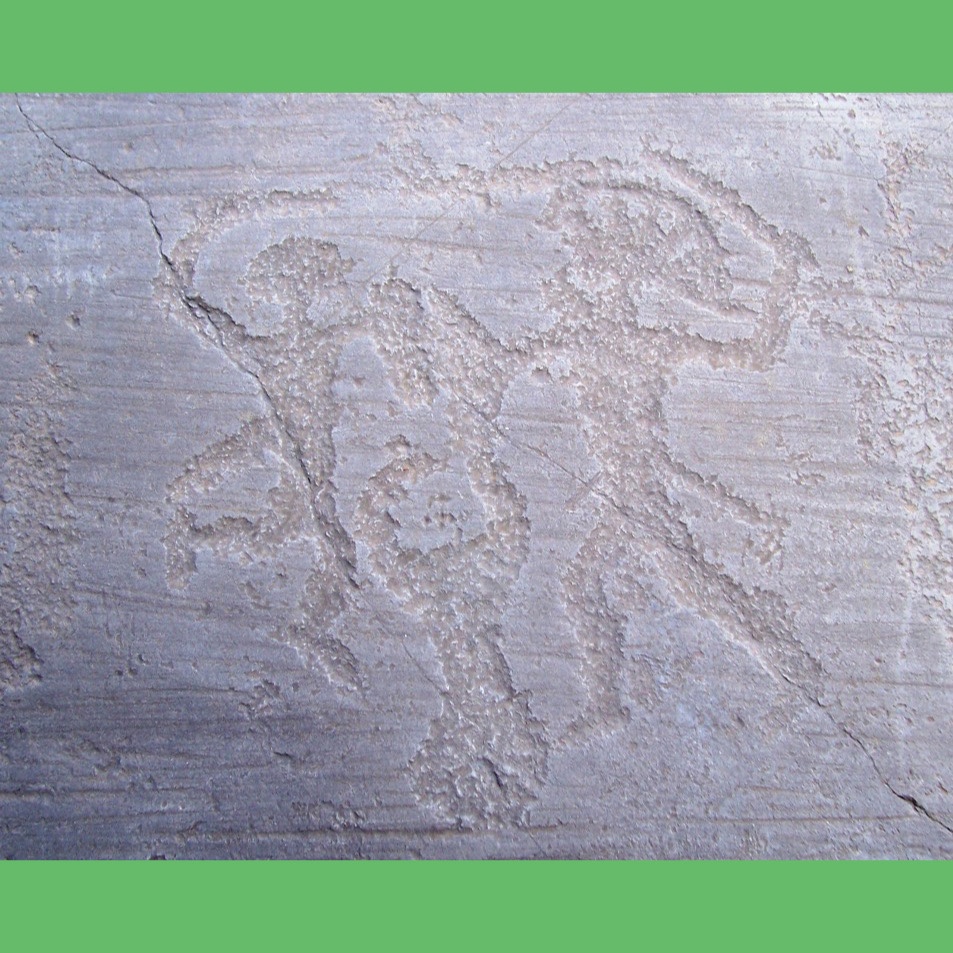
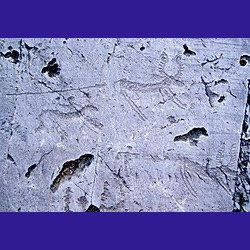
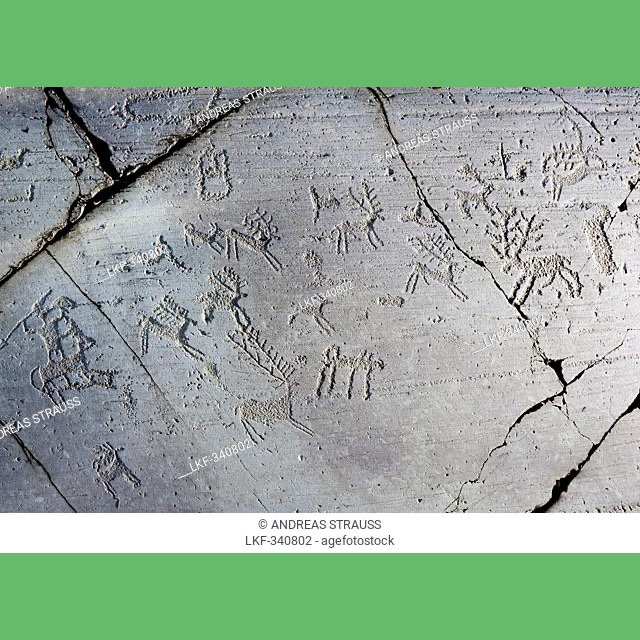
The ancient Camunni were among the greatest producers of rock art in Europe, as shown by the famous rock engravings of Valcamonica (Camonica Valley) in north Italy. They inhabited the Val Camonica during the Iron Age (1st millennium BC).
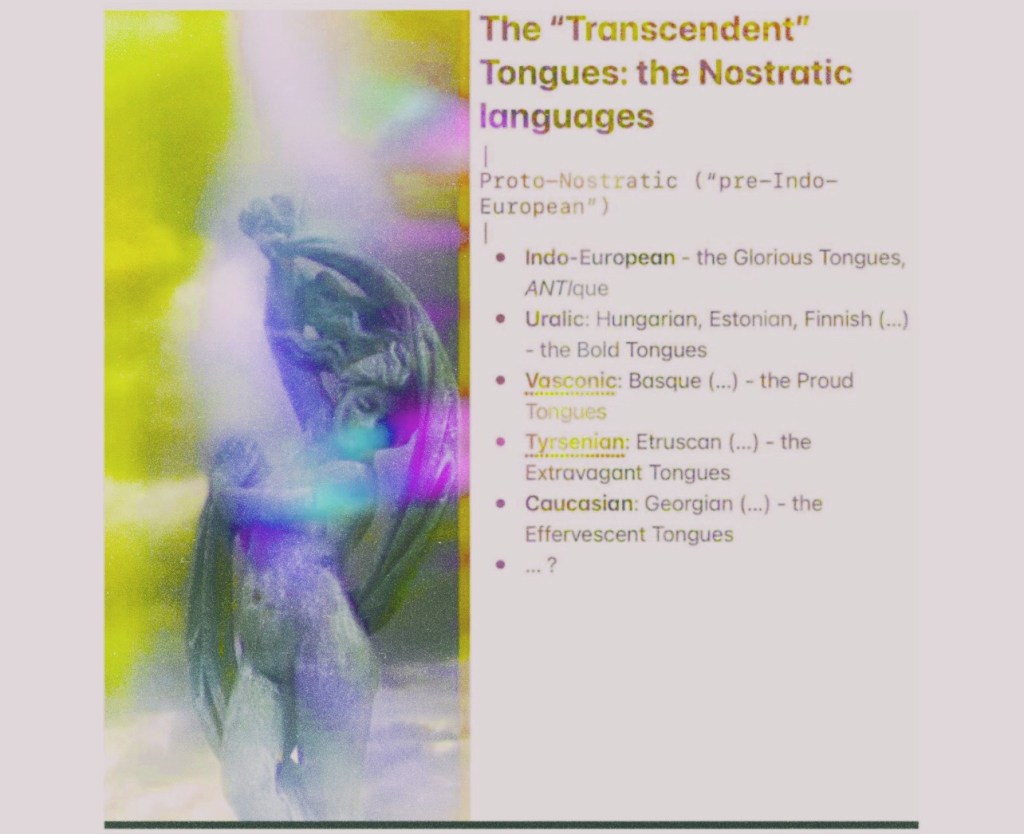
They were conquered by Rome at the beginning of the 1st century AD, and were gradually incorporated into the political and social structures of the Roman Empire as a self-governing polity by the name of the Res Publica Camunnorum. They were granted Roman citizenship from the second half of the 1st century, accompanied by a rapid process of Latinisation. Their origin is nonetheless obscure, although Greek historian Strabo linked them to the Rhaetians (Tyrsenians, related to the Etruscans) and to the Lepontii (Celts/Tyrsenians). Pliny the Elder related them to the semi-mythical Euganei Proto-Italic people. They had contact with the Etruscans and the Celts before Roman conquest.
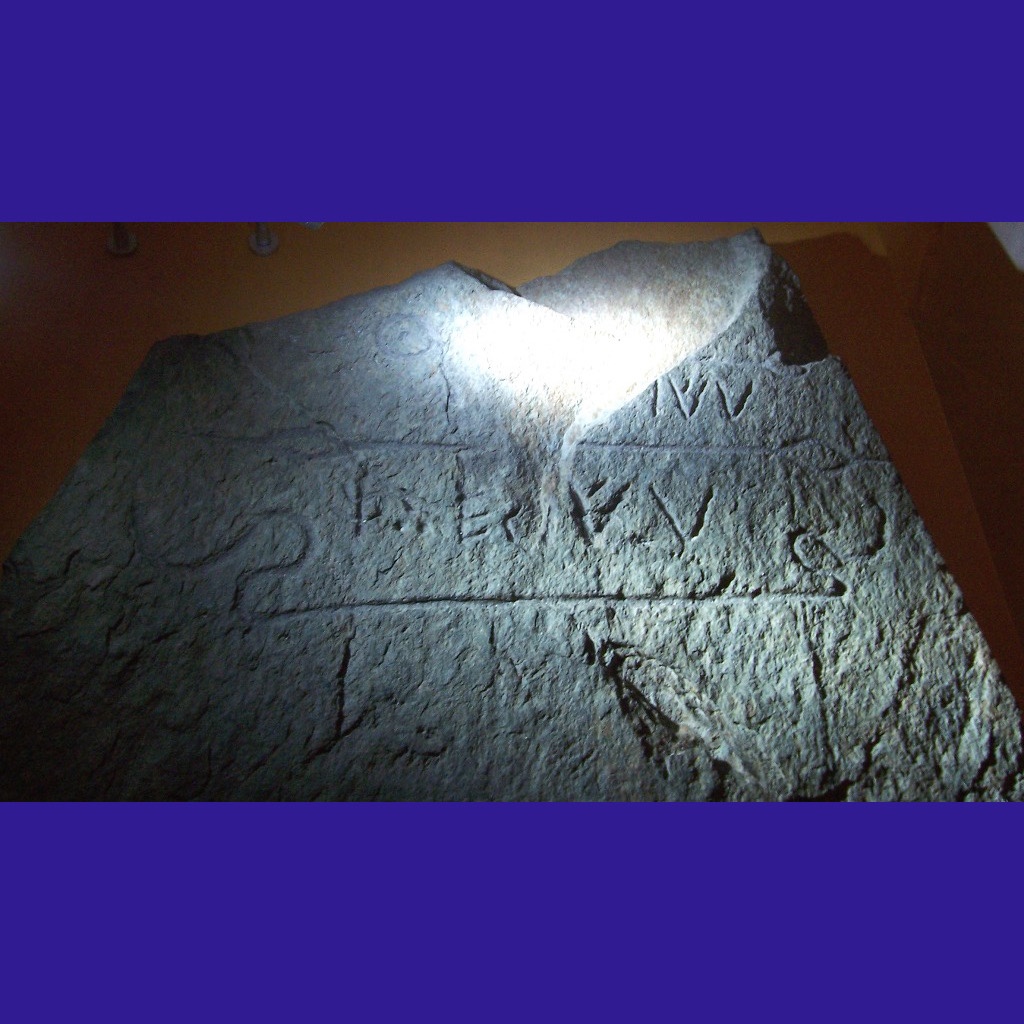
Surviving traces of the Camunic language are scarce and undeciphered. While there are are some inscriptions written in the Camunic language among the Rock Drawings in Valcamonica, composed in a northern variant of the Etruscan alphabet, there is insufficient knowledge about Camunic to be able to determine its classification. Through Rhaetic, Camunic is quite likely related to the Tyrsenian family, also including Etruscan. The other standout possibility is that Camunic is a Celtic language.

I think it’s Tyrsenic. The Language of Frontin’.
 The Buzz-Concept Project