
The mathematical discipline revolves around hype. Seriously. Whatever the mathematician gets up to that is not hard logic or reflective study of the realistic world is literally just hype. A truth bomb for you all. It is fair to wonder whether mathematicians are the biggest realists or the biggest illusionists, in this respect. Which is it to be, ultimately? Both. How so? They’re busy doing that maths for us, thank you!
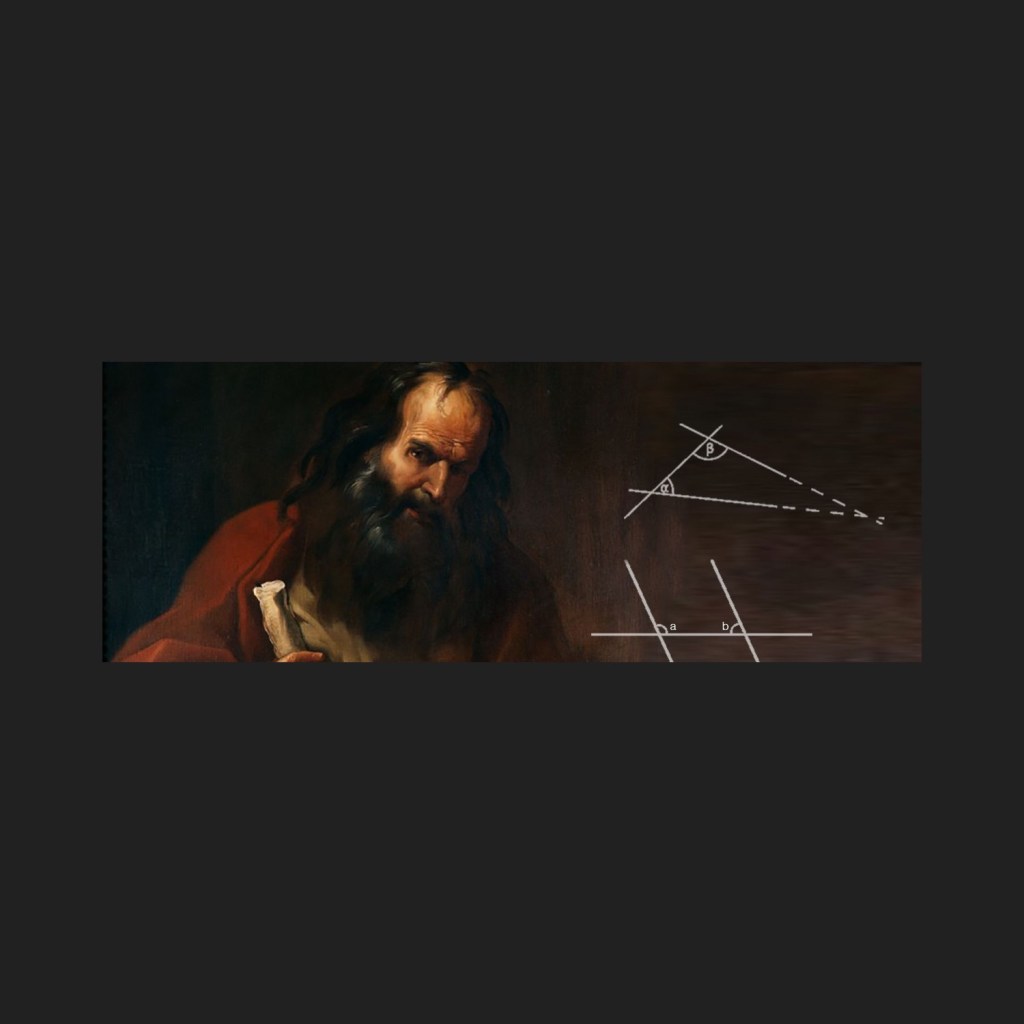
The term “Euclidean” is synonymous with 2D, so a Euclidean plane is simply a two-dimensional plane of space. Using the term “Euclidean” elevates the matter somewhat, with esoteric, effervescent, convective metaphysical implications. It is definitely better for advanced mathematicians to be relying on the term “Euclidean”, to differentiate their view of the concept of 2D from the rest of us.
For linguists, the stance of the mathematician poses a lot of problems in respect to our own. Floridity is the lifeblood of anyone who works a lot with language -~what fun🌾💐🌷🌹🥀🪷🌺🌸🌼🌻~- but it offends too many of these nitpicking mathematical minds, bound to eternal pursuit of intoxicating absolutes – when floridity is ultimately, metaphysically, infuriatingly about being neither here nor there in the world, within one’s existence. But still, when the issue of inappropriate academic arrogance and flamboyance is magnified to apply to all of society, we all can’t help but side with the pragmatic mathematician – even at the expense of one’s own wellbeing.
Pragmatic may they be, these stoic mathematical types have resorted to playing games with our hearts and heads. And while their trusty beloved reality may be on their side, we must not let them win. Why? Because these games are pointless and often detrimental to human neurology. All to prove a conveniently null point about Chomsky’s linguistic universals that is drastically incommensurate to the voluptuous Rubenesque reality of language use and therefore of the world…
- Why we are living limited by Chomsky’s so-called universals & free creation
- What’s the point of a monochromatic photo of a rainbow?


 The Buzz-Concept Project