
Alfred Louis Kroeber (1876-1960), author of the Handbook of the Indians of California (1925), was an American cultural anthropologist who actually cut his teeth with the Arapaho, basing his 28-page PhD dissertation on decorative symbolism on his field work among the Arapaho, the first doctorate in anthropology awarded by Columbia. There was a reason Kroeber, known during his lifetime as the “Dean of American Anthropologists”, chose the Arapaho through which to make his debut into the world of formal academic achievement.
⚡️ A very stark reason. That is to do with the Arapaho’s razor-sharp acuity and the invigorating force it can constitute if handled properly.

The stark lines of the Arapaho Nation’s flag send an unmistakeable message relating to human unity and progressivism. Forwards, together, together and forwards – whatever, but take your steps wisely, carefully, or well. The Arapaho are very touchy about logic and rationalisation. They like to see these things handled properly. To expose them unjustly to the lowest rungs of such capabilities is the highest insult to traditional Arapaho culture.


Arapaho is an Algic language. The Algic languages are also known as Algonquian-Wiyot-Yurok or Algonquian-Ritwan. They make up one of the many indigenous language families of North America, the “Hyper-Logical” Tongues in ideology, streamling speakers’ mentalities intensely for honed acuity. These languages are all understood to descend from Proto-Algic. Most of the Algic family is made up of the Algonquian subfamily, which is distributed from the Rocky Mountains to New England. The other Algic languages are the Yurok and Wiyot languages of northwestern California.
The Algic family contains 30 languages. Many of these, including Wiyot, Illinois, Mahican, and Massachusett, are now extinct. The last known Wiyot speaker (the Wiyots being THE Algics) died in 1962.

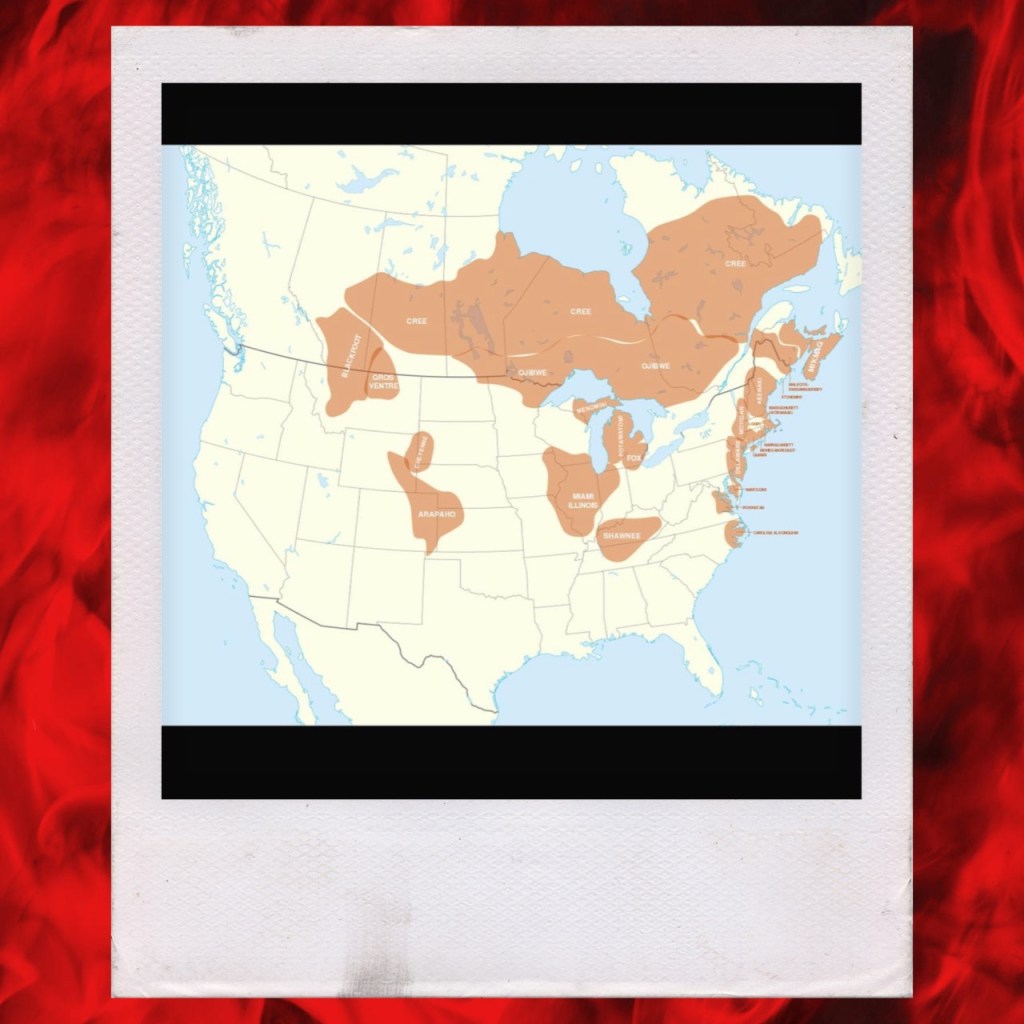


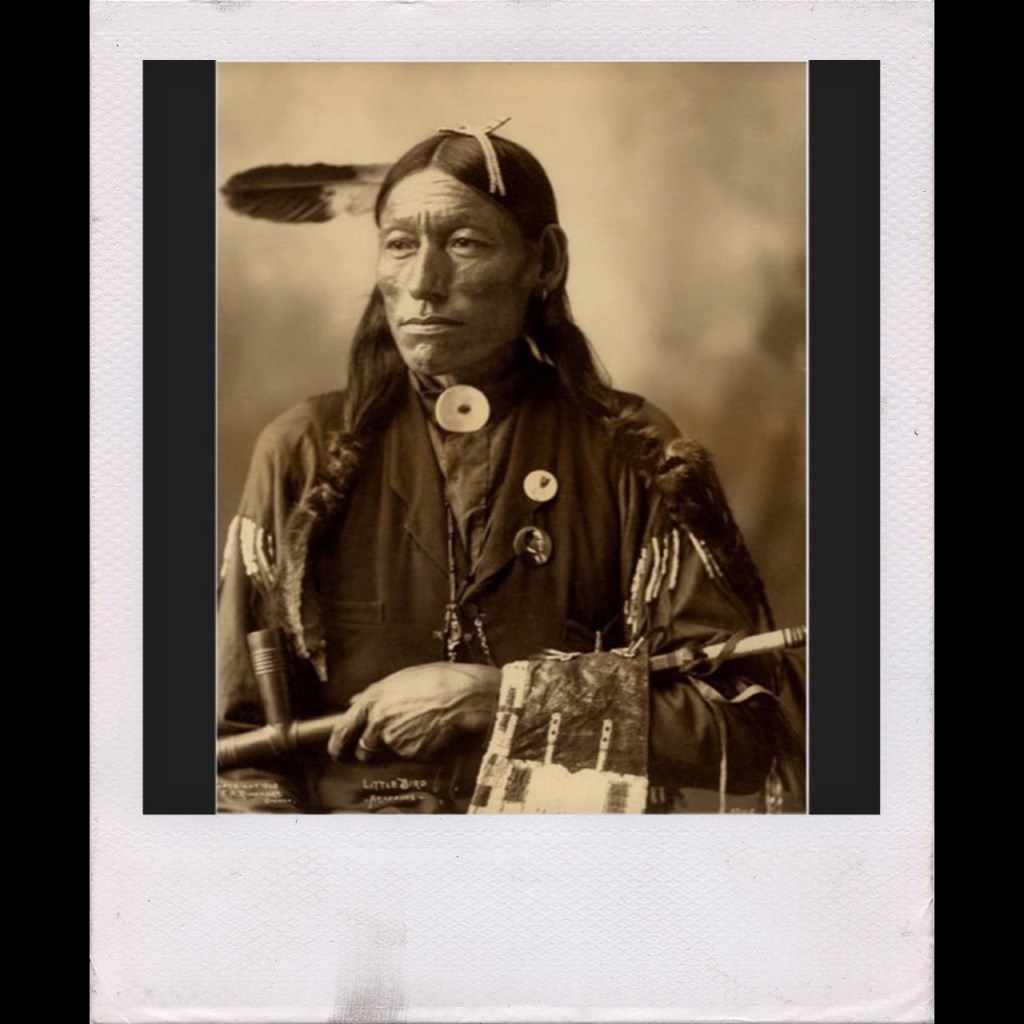

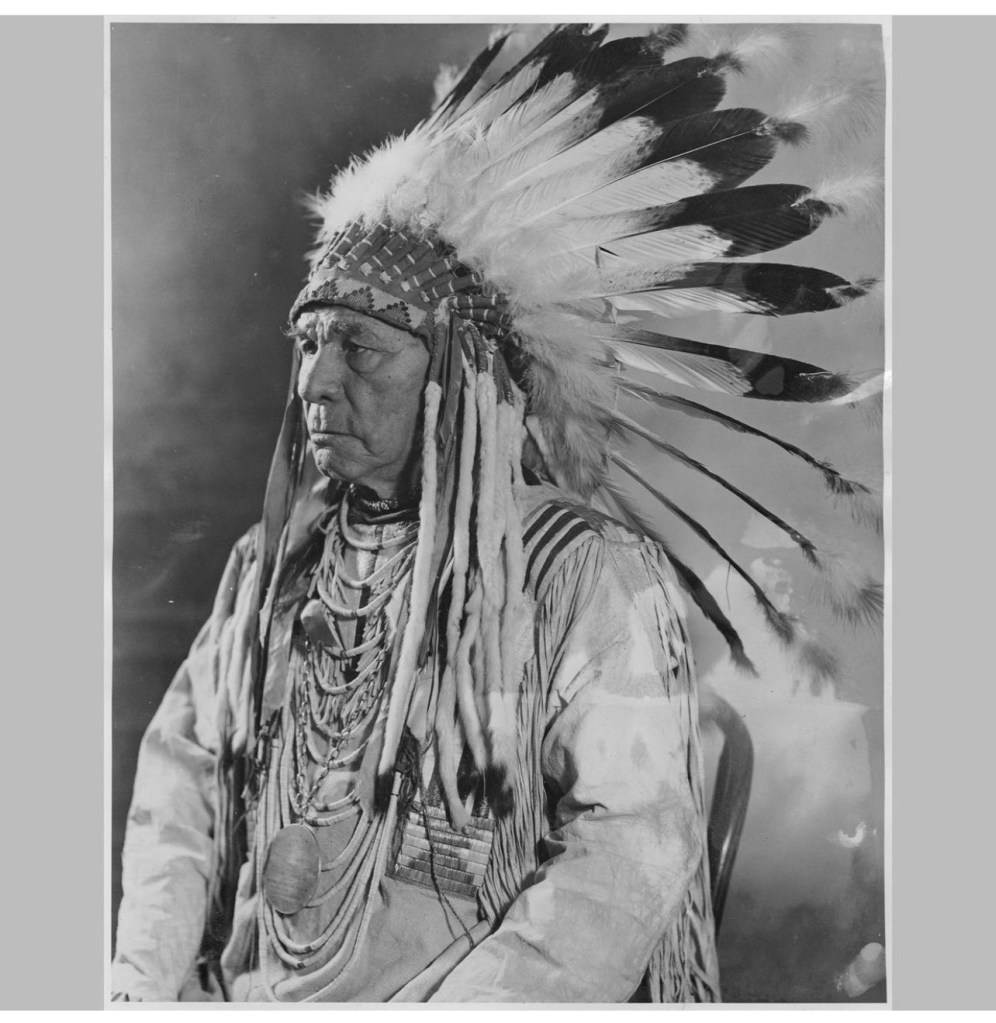

The Arapaho and the Gros Ventre are the way they are as Orientalesque peoples, speakers of “Conceptual-Abstract” Tongues, and within that “Boundless” Tongues or Amerindian languages, philologically speaking. And as adherents to the Buzz-Concept infinity or limitlessness.
Samples in Arapaho:
nííto’ ’eet’oo3íteenoo
hínee noowúúhu’ nihníí3oonou’u hínee nei3ébii Alonzo Moss
hínee noowuuhu’ nihwon 3i’okuutonou’u tih’oo3itee3i’ hínee noowunéno’ heesheenetíí3i’ nuhu’uunoh niis hinono’éítino’ heetebinouhúúni3i’
hoowúúhu’ woo3ééno’ he’niinosou heenetí3i’
First I’ll tell a story.
I went down there to Oklahoma with my brother in law Alonzo Moss.
I went down there to be with them.
When the Oklahoma people tell how they’ve lost our language, they are pitiful.
There aren’t many who still speak it.
Beisiihi’ hineeniteeno’ tohcebii’oo3i’ beehni’iine’etii3i’, beehnii3inou’u nuhu’ neneehiisou’u niihenehiitoono noh bobooteenetiit. Heetnookohuusniini’iheti3i’ wootii hiniito’eino hookoh niini’kokoh’u3ecoo3i’ noh hee’eihi3i’.
All human beings are born free and equal in dignity and rights. They are endowed with reason and conscience and should act towards one another in a spirit of brotherhood.
(Article 1 of the Universal Declaration of Human Rights)
Gros Ventre:

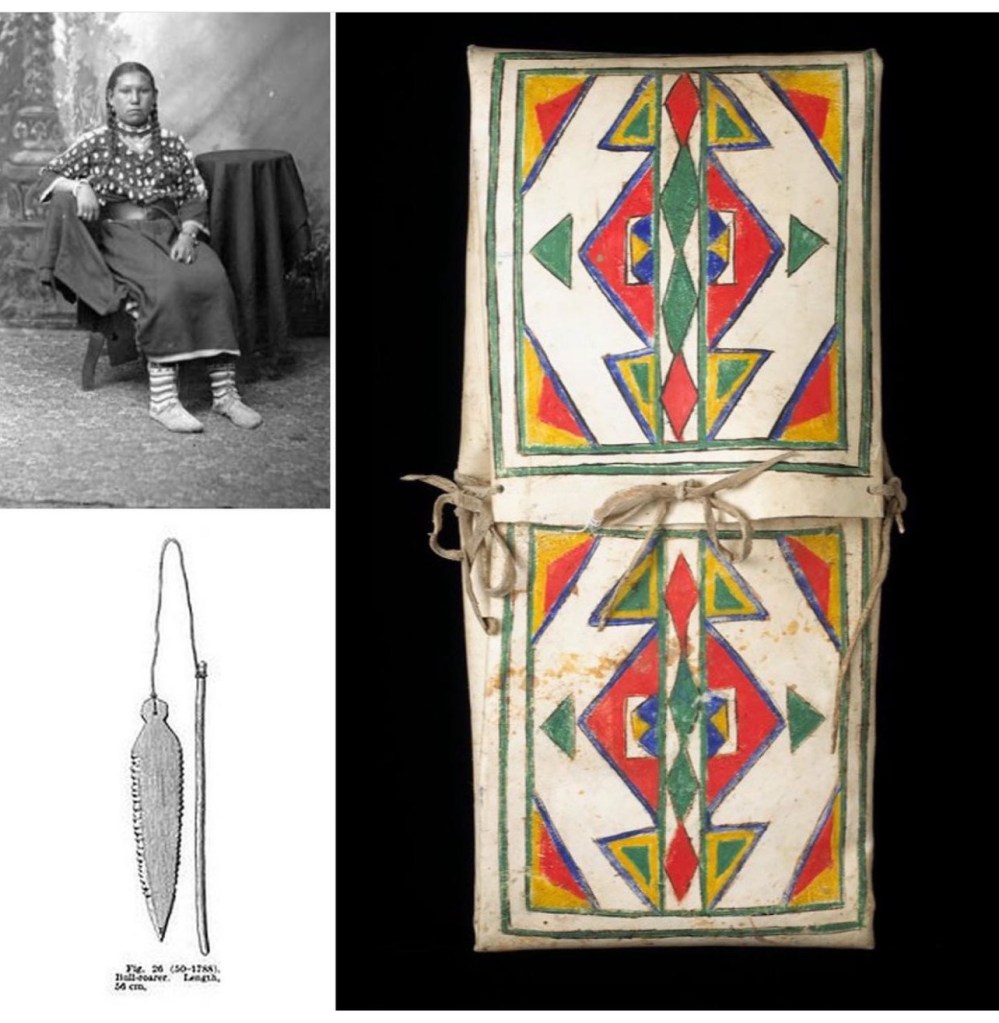
The Fort Belknap shield illustrates the protection from loss of our tribal culture, tribal identity and tribal land base. The elders tell us stories. The oldtimers were the most fierce in battle. The oldtimers had respect for the elders. The elders and the youth depended on each other. Mission Canyon is a special place. Sometimes we ride horses. Some of us like to make quilts and powwow regalia. Some of us like to play basketball.
Cree, the most spoken Algic language (sample in Swampy Cree):
ᒥᓯᐌ ᐃᓂᓂᐤ ᑎᐯᓂᒥᑎᓱᐎᓂᐠ ᐁᔑ ᓂᑕᐎᑭᐟ ᓀᐢᑕ ᐯᔭᑾᐣ ᑭᒋ ᐃᔑ ᑲᓇᐗᐸᒥᑯᐎᓯᐟ ᑭᐢᑌᓂᒥᑎᓱᐎᓂᐠ ᓀᐢᑕ ᒥᓂᑯᐎᓯᐎᓇ᙮ ᐁ ᐸᑭᑎᓇᒪᒋᐠ ᑲᑫᑕᐌᓂᑕᒧᐎᓂᓂᐤ ᓀᐢᑕ ᒥᑐᓀᓂᒋᑲᓂᓂᐤ ᓀᐢᑕ ᐎᒋᑴᓯᑐᐎᓂᐠ ᑭᒋ ᐃᔑ ᑲᓇᐗᐸᒥᑐᒋᐠ᙮
misiwe ininiw tipênimitisowinik êshi nitawikit nêsta pêyakwan kici ishi kanawapamikowisit kistênimitisowinik nêsta minikowisiwina. ê pakitinamacik kakêtawenitamowininiw nêsta mitonênicikaniniw nêsta.
All human beings are born free and equal in dignity and rights. They are endowed with reason and conscience and should act towards one another in a spirit of brotherhood.
(Article 1 of the Universal Declaration of Human Rights)


 The Buzz-Concept Project