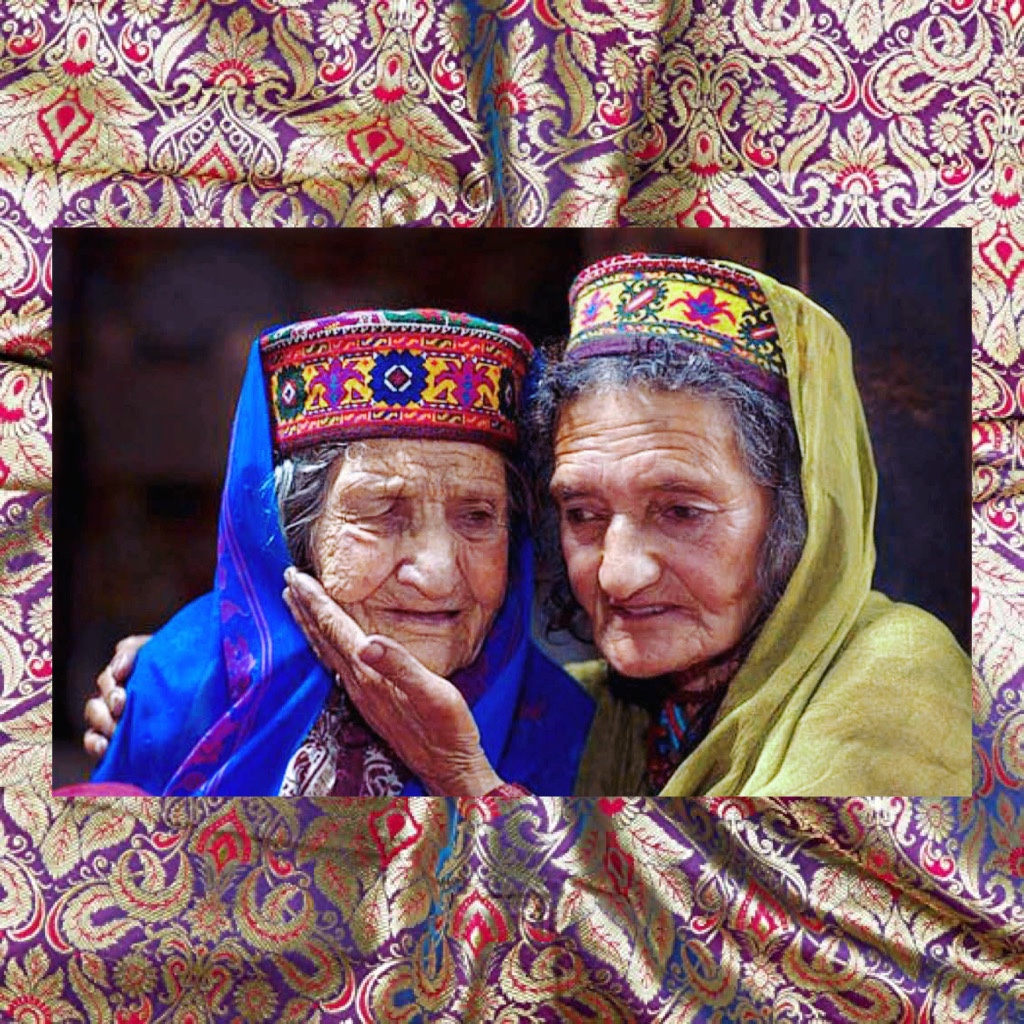
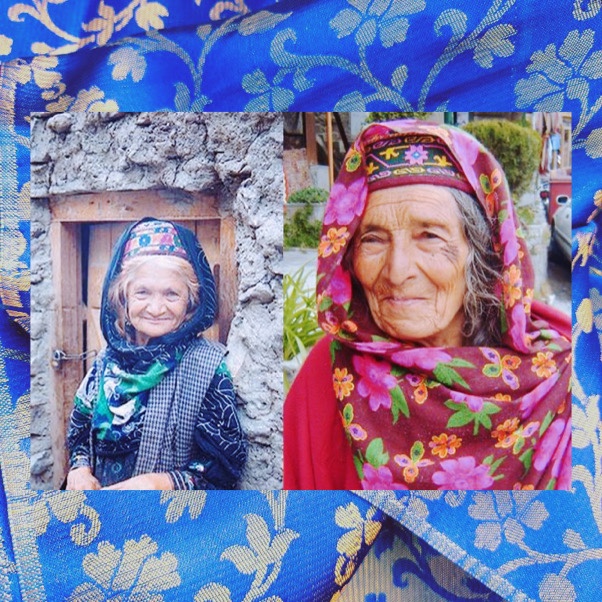
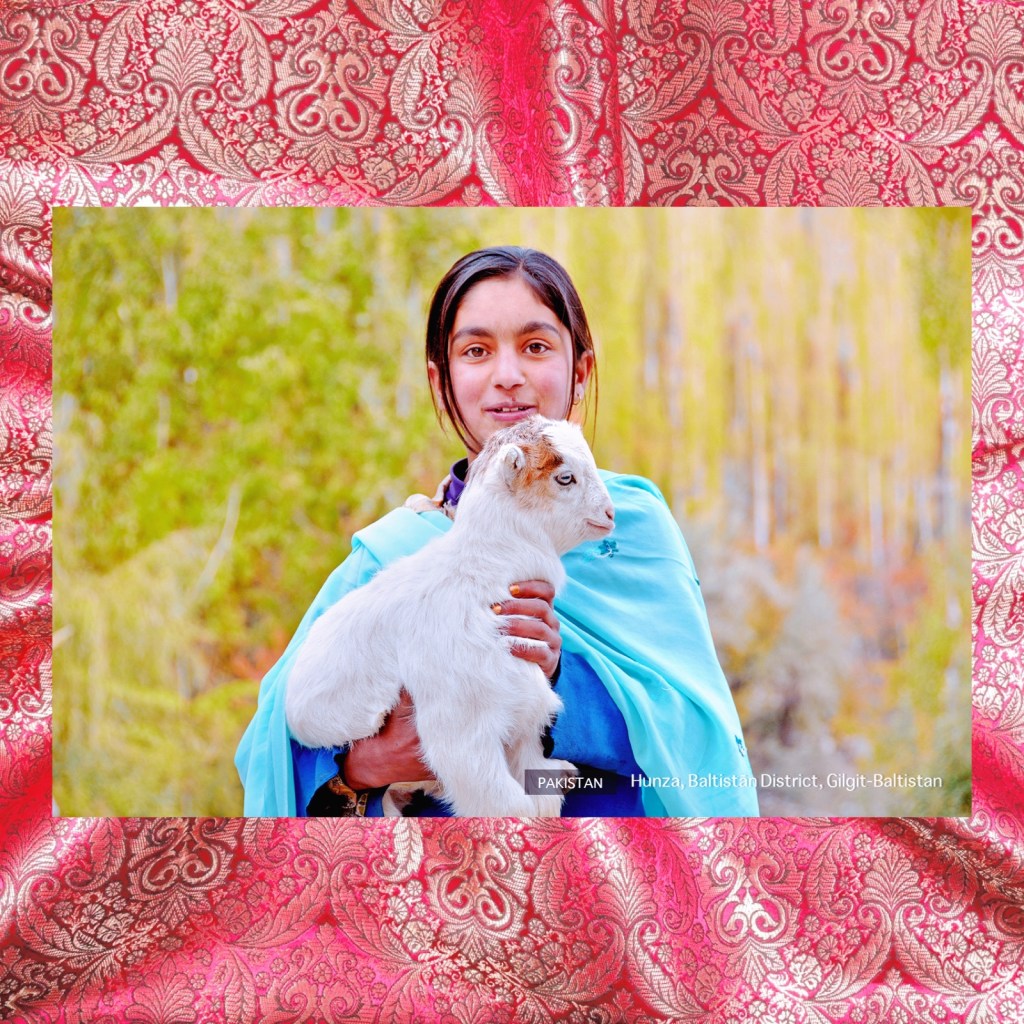
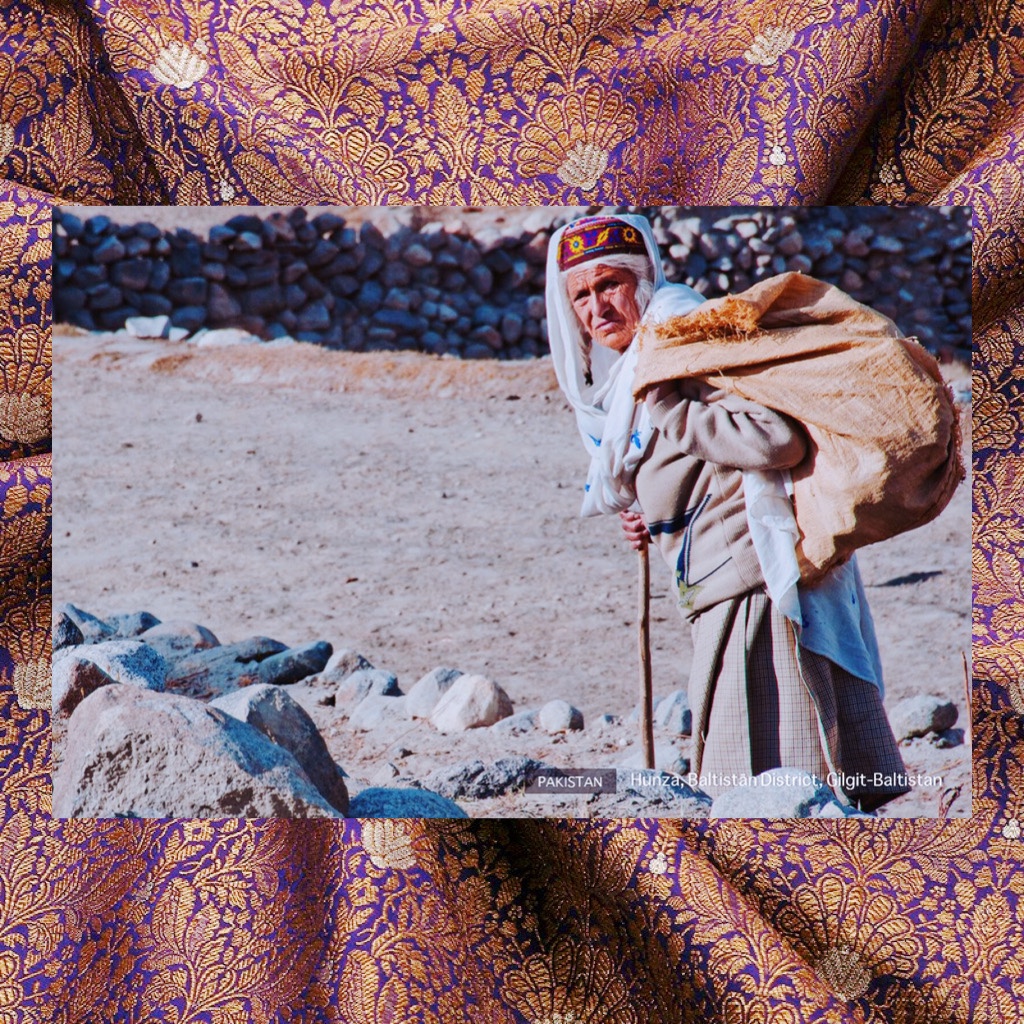
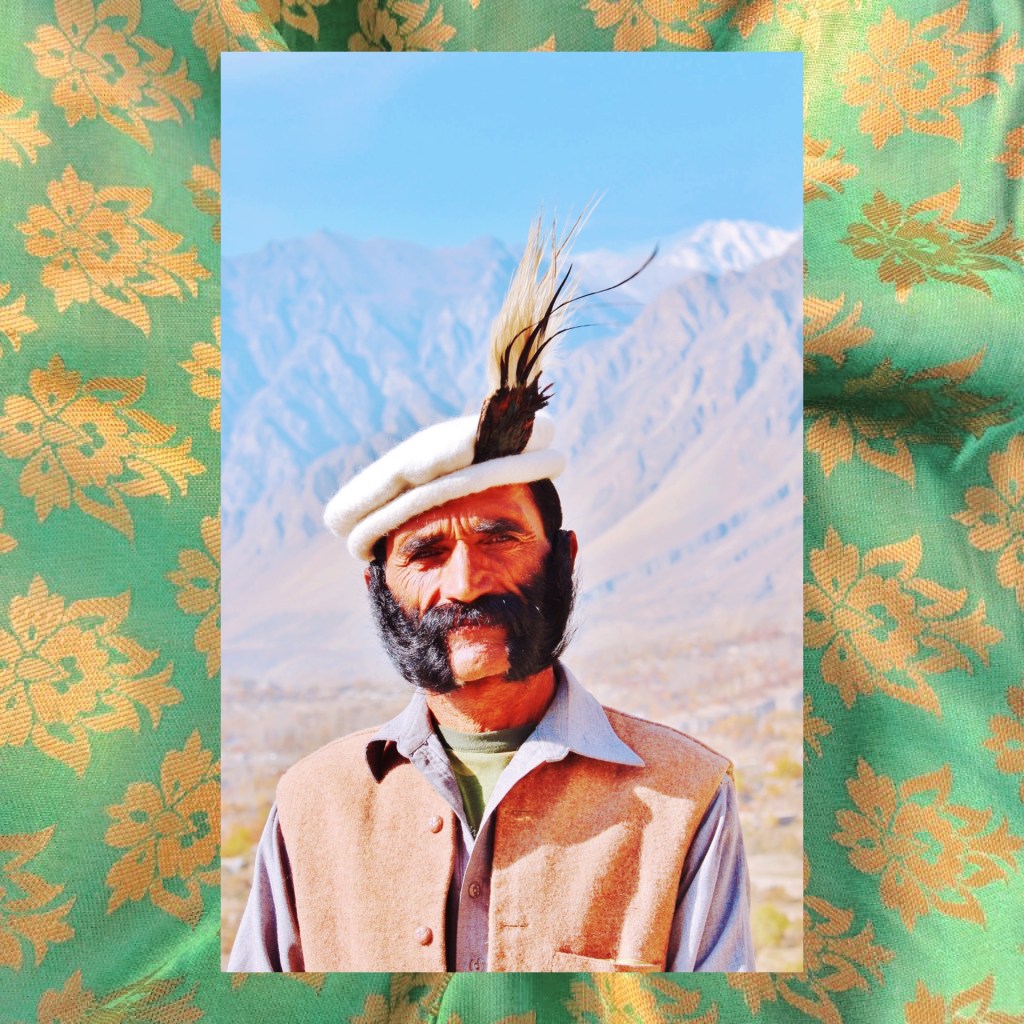
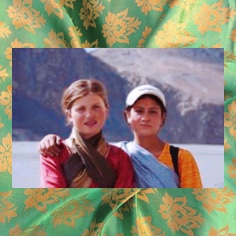
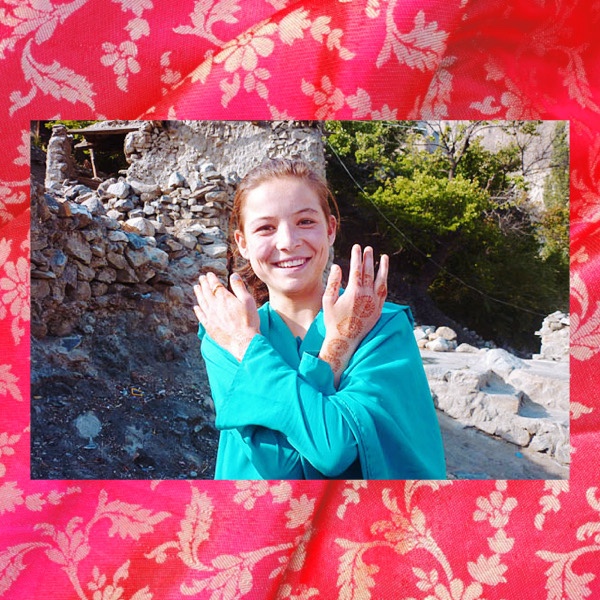
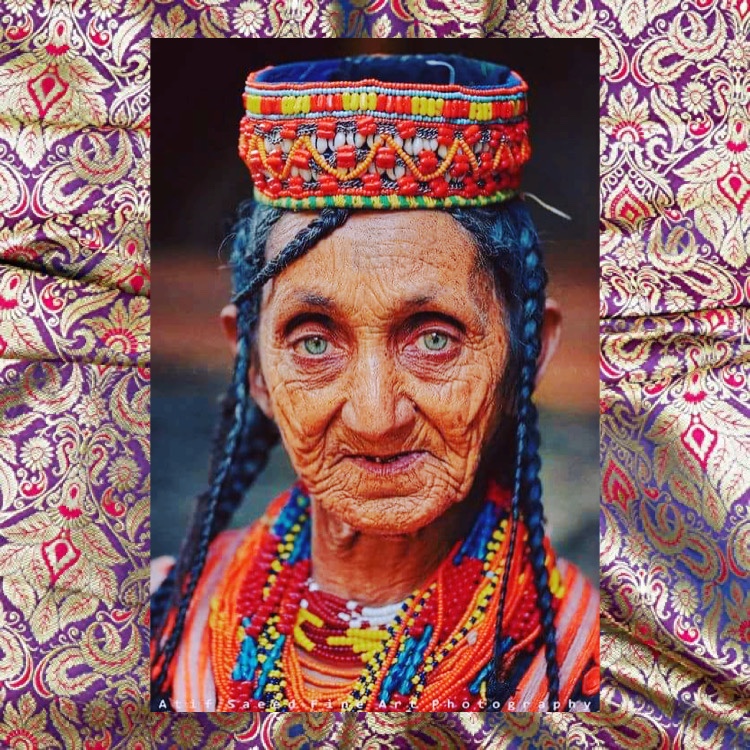
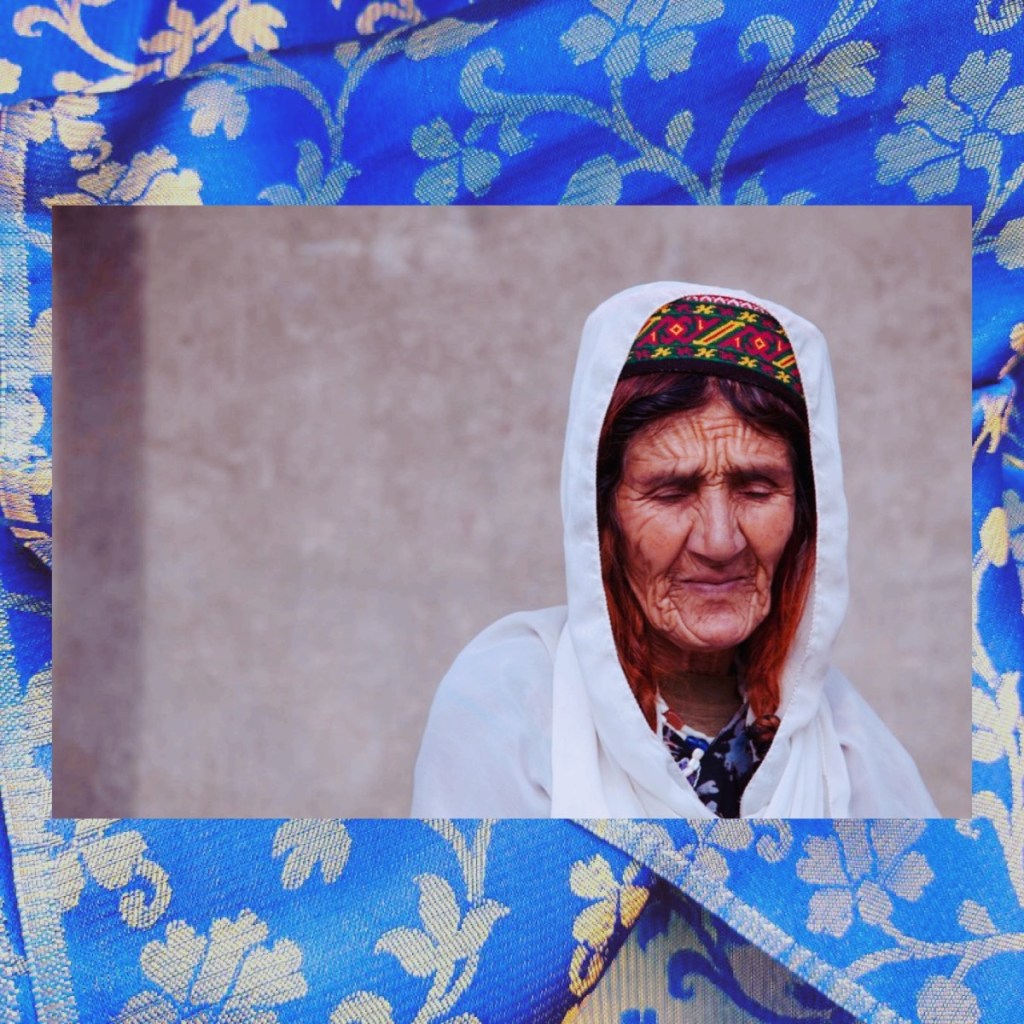
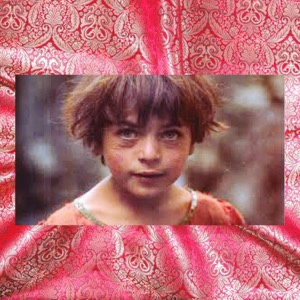
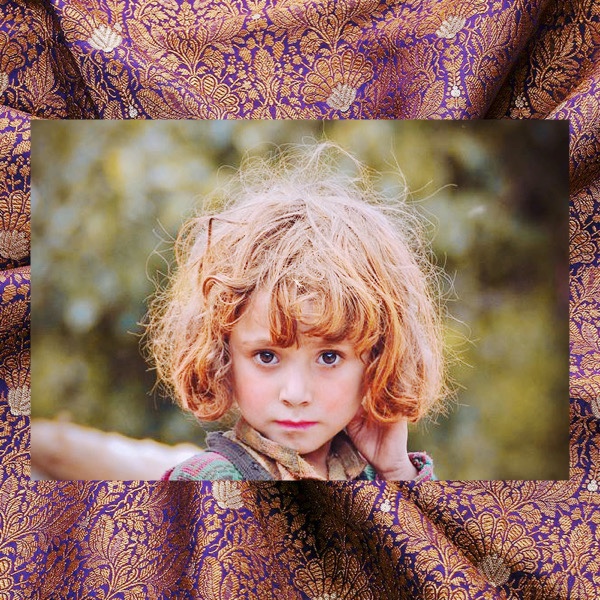
Pakistan’s Hunza Valley, along with other valley of Gilgit-Baltistan, is home to the Burusho tribe, speakers of the Language of Longevity with the neurological perk of enhancing longevity by encouraging healthy lifestyle and cognitive habits. The Burushaski language has been generally classified as a language isolate. Their origins are unknown, but it is claimed that they indigenous to northwestern India and were shifted into the mountains by the movements of the Indo-Aryans, who migrated southward around 1800 B.C. the Burusho themselves claim claim to be descendants of the soldiers who came to the region with Alexander the Great’s army in the 4th century BC.
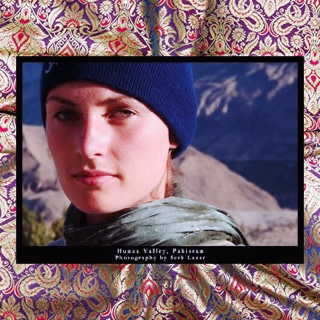
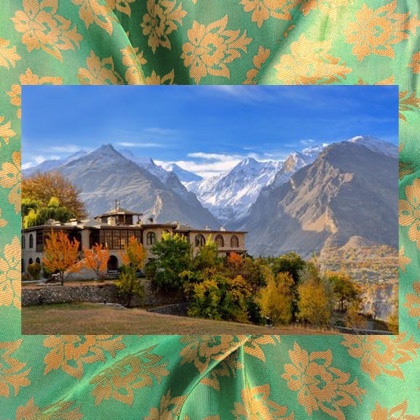
The claim of longevity among the Hunza people has been controversial, but the supposed myth of their longevity is certainly true in relative terms in light of reports of subjection to frequent violence and starvation. In the early 1970s, National Geographic ran a series of articles investigating claims of enhanced longevity among peoples of the world, featuring the Hunza Valley. The valley is known for its delicious fruit, terraced fields, for its changing colours between the seasons, and for the longevity of the locals. No one really knows how long the Hunza people live, but reports abound of the Hunza mentioning that the elderly population is fit, full of vitality, and virtually free from disease. In addition to their neurological perks of their languages, the mountainous environment provides good exercise. They also consume a mostly plant-based, raw diet. They are also reported to be a remarkably happy people, claimed to be even the happiest on Earth, with radiant passion and zest for life.
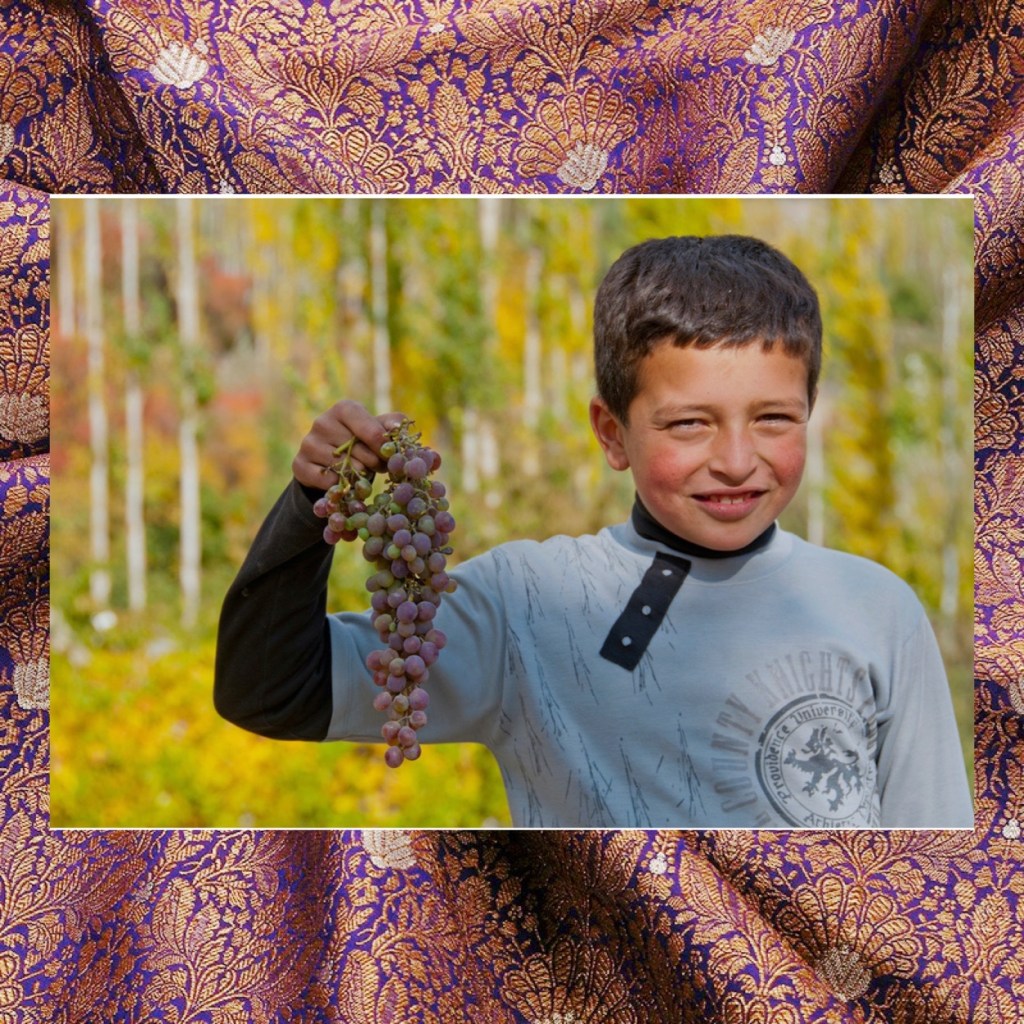
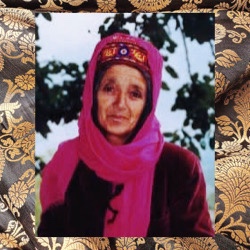
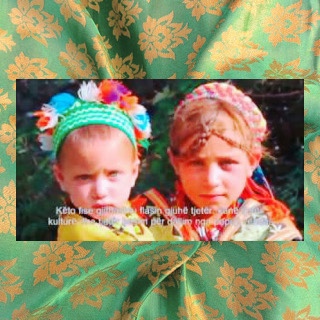
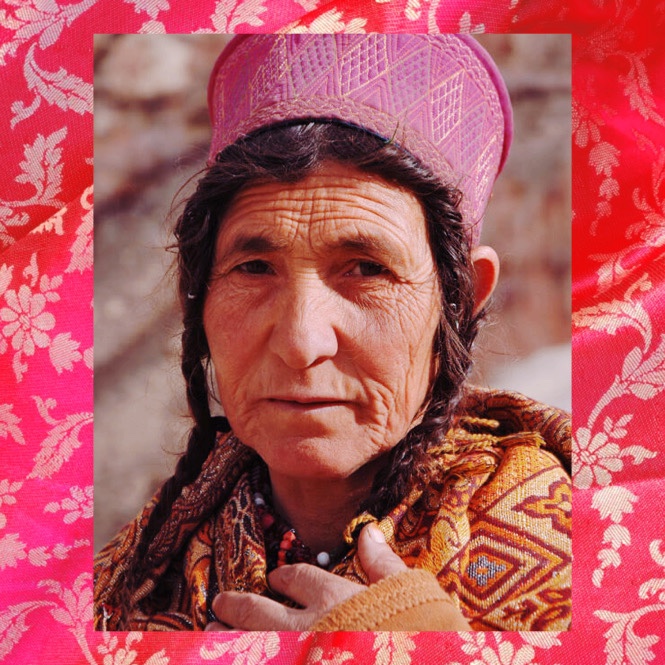

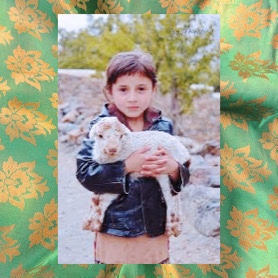
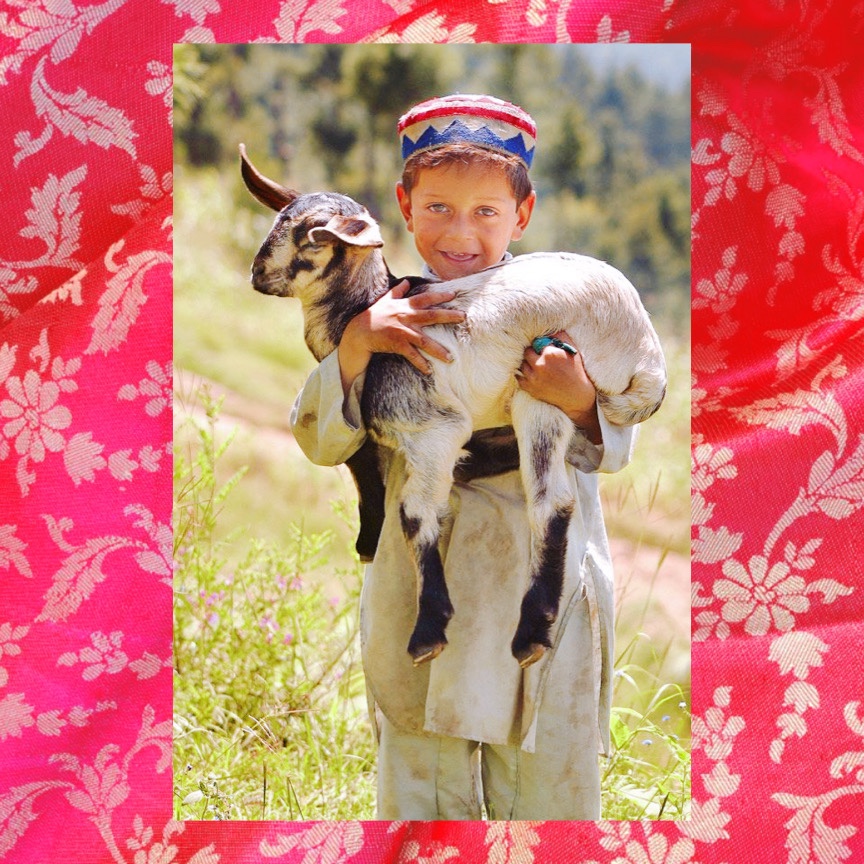
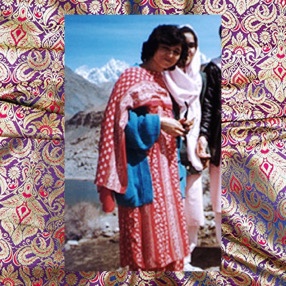
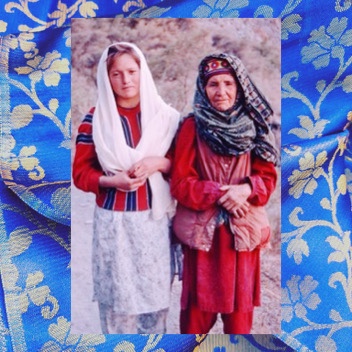


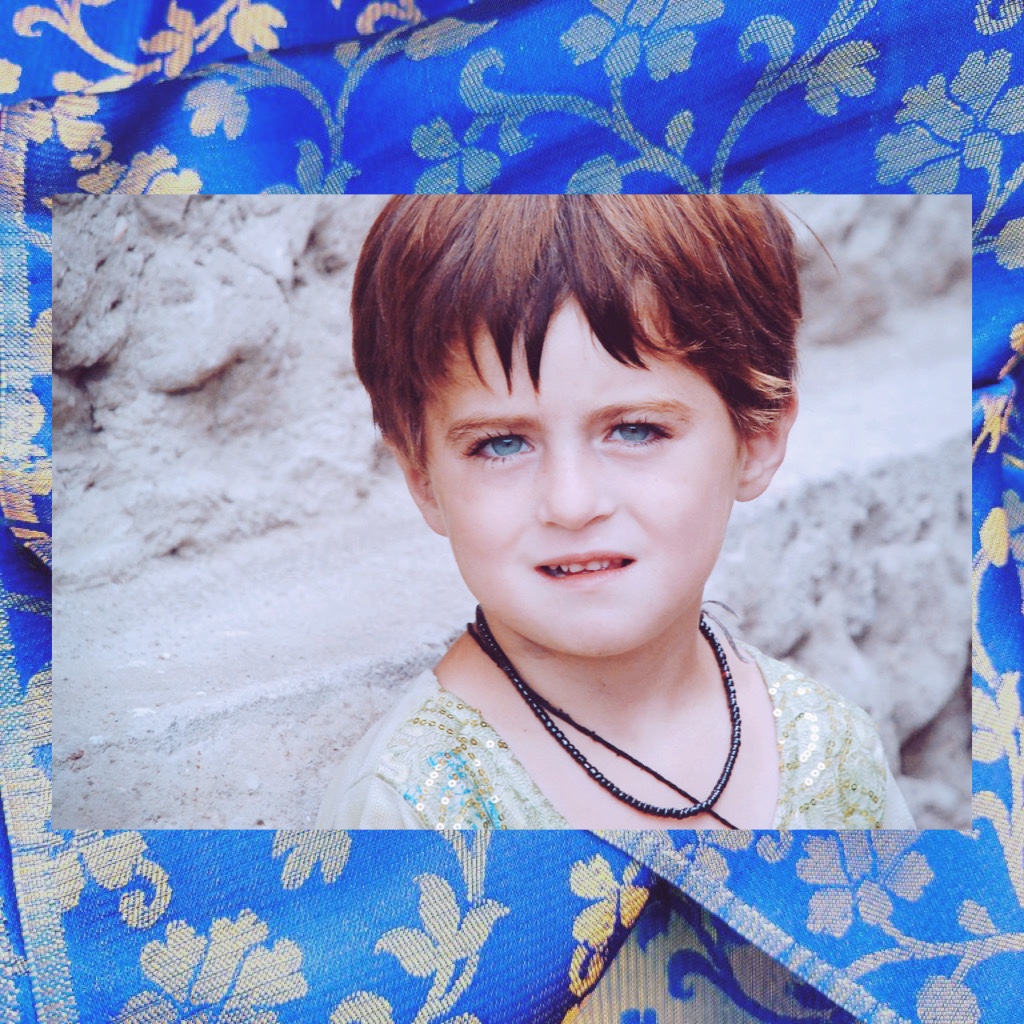
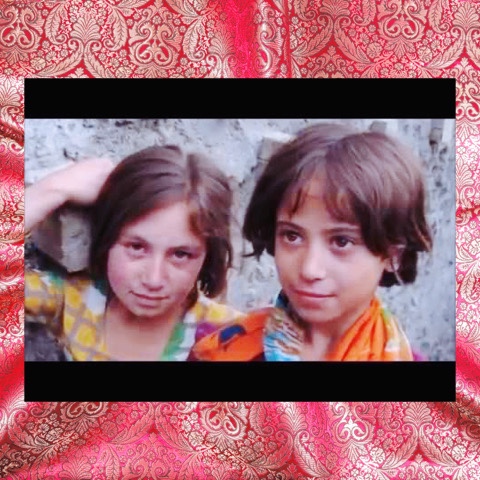
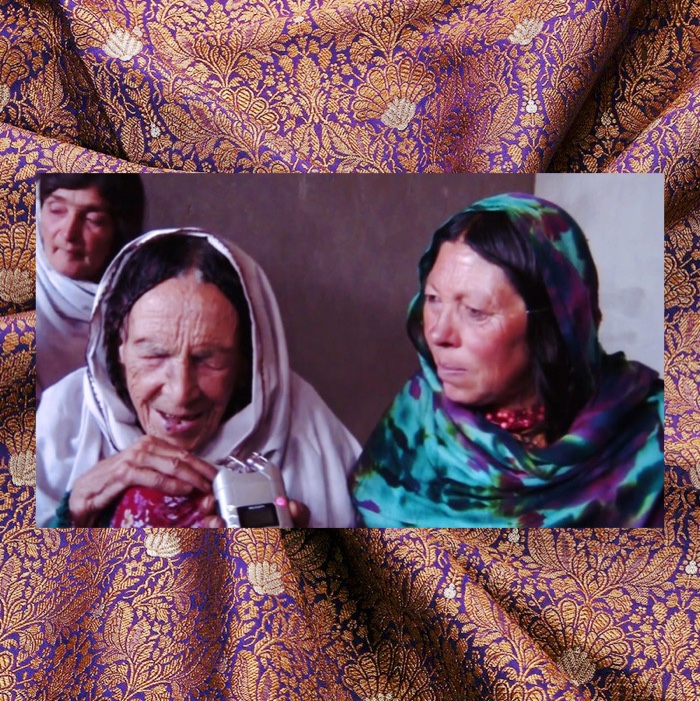
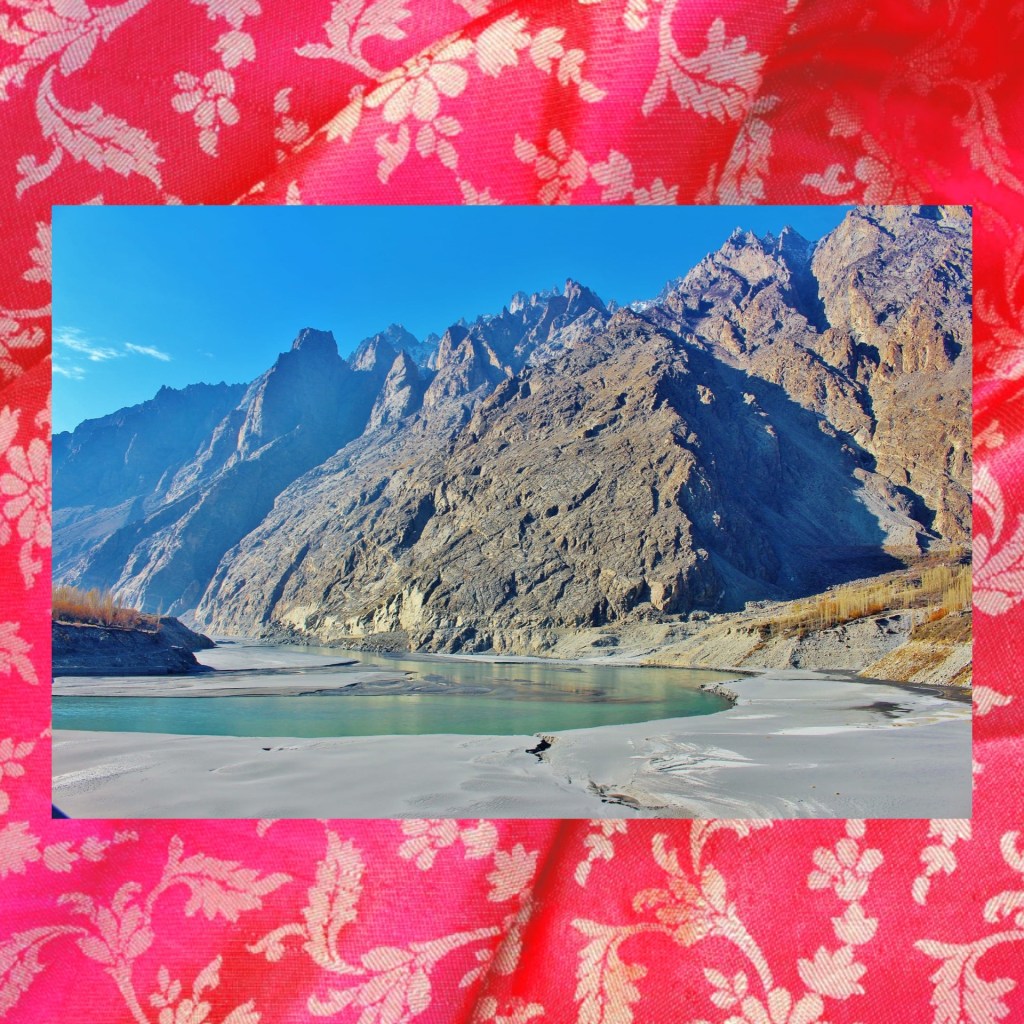
The languages of the Hunza Valley include Burushaski, Wakhi and Shina...
BURUSHASKI
(>Burushaski, language isolate…)
Buzz-Concept: cognition
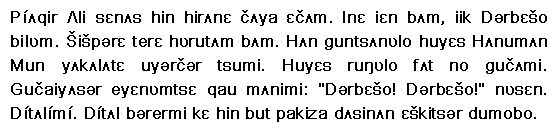
I shall tell the story of a man called Faqir Ali. He had a son, his name was Derbesho. He was staying at the Shishper grazing ground. One day he took the goats off to graze in the direction of Hunumun Mun. Leaving the goats in the pasture, he laid himself down. When he had lain down and had gone to sleep, a call came: “Derbesho! Derbesho!” He woke up. On waking up he saw that a beautiful maiden had come up to his head.
WAKHI
(>Eastern Iranian, Indo-European)
Buzz-Concept: majesty
Ey bzыrgwor Tat ki də osmonət cəy!
Ti bəzыrg nung bər olam ыmыt!
Ləcər dəwroni Ti podšoyi ɣ̆at-ət,
zəmin-ət zəmon də hыkmi taw ыmыt!
Spo rыsq-ət rыzi sakər nəsib car!
Cə spo gənoən šəxs!
Sak bə kuy, ki sakər šakiɣ̆, cə kərk!
kыx̆ter baxṣ̌əṣ̌ carən.
Cə bandi nafs-ət awasən,
Cə waswasayi
Iblisən saki niga δыr!
Our Father which art in heaven,
Hallowed be thy name.
Thy kingdom come. Thy will be done,
as in heaven, so in earth.
Give us day by day our daily bread.
And forgive us our sins;
for we also forgive every one that is indebted to us.
And lead us not into temptation;
but deliver us from evil.
SHINA
(>Dardic, Indo-Aryan, Indo-European)
Buzz-Concept: magnificence

 The Buzz-Concept Project