The dimensionality of Raphael
Raffaello Sanzio da Urbino (March 28 or April 6, 1483 – April 6, 1520)

How is this related to language?
Well, the Italian language is supremely sophisticated and nuanced, based as it is on the variety of Florentine Romance used among elites roughly around the Renaissance period. And there is inevitably a degree of mirroring between the production of art and the linguistic context in which it happens. It’s a fact of life: language is so fundamental and art is the next best form of human expression.
Italian and Roman classicism exists very much in faithful symbiosis with that of the Greeks, the Greeks once having had a colonial presence in Italy (known as Magna Graecia) and Greece once having been part of the Roman Empire, allowing both to influence each other profoundly. Raphael’s Greek-Pythagorean-flavoured “dimensionality” is moreover intimately linked, inevitably, to his understanding and view of language. It also complements quite strikingly the nature of the four Buzz-Concept layers of the Italian language: (1) passion/passione, (2) refinement/raffinatezza, (3) Italianness/italianità and (4) serendipity/serendipità. And now you know.
So let’s look at four such dimensions of Raphael’s aesthetic…

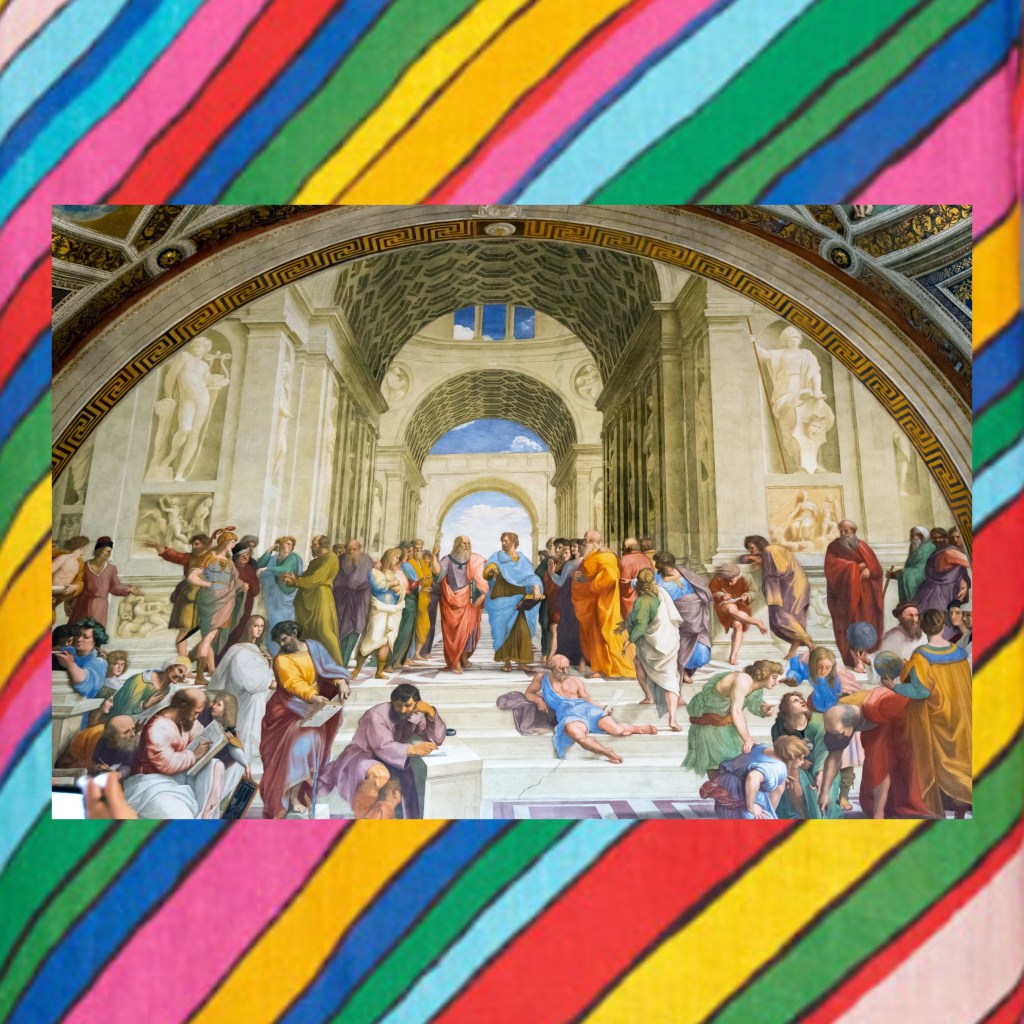
(1) His sense of perspective is very astute, and perhaps mathematically fluent.


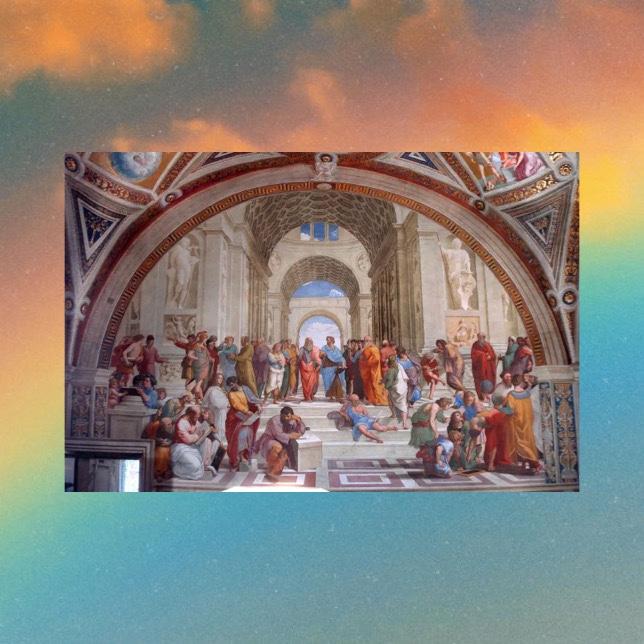

(2) He had an amazing sense of colour, which seemingly doesn’t get enough appraisal.

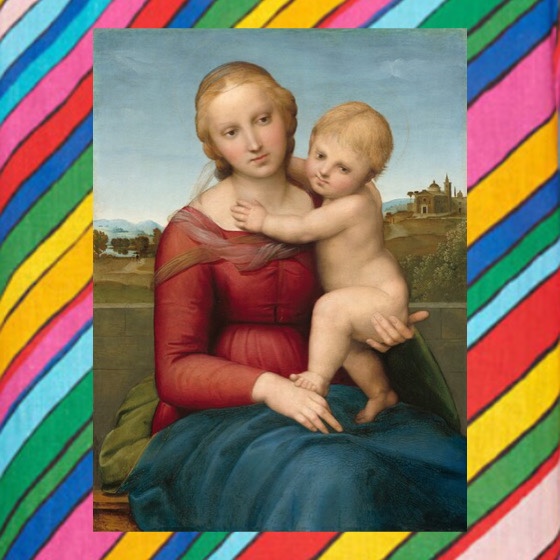

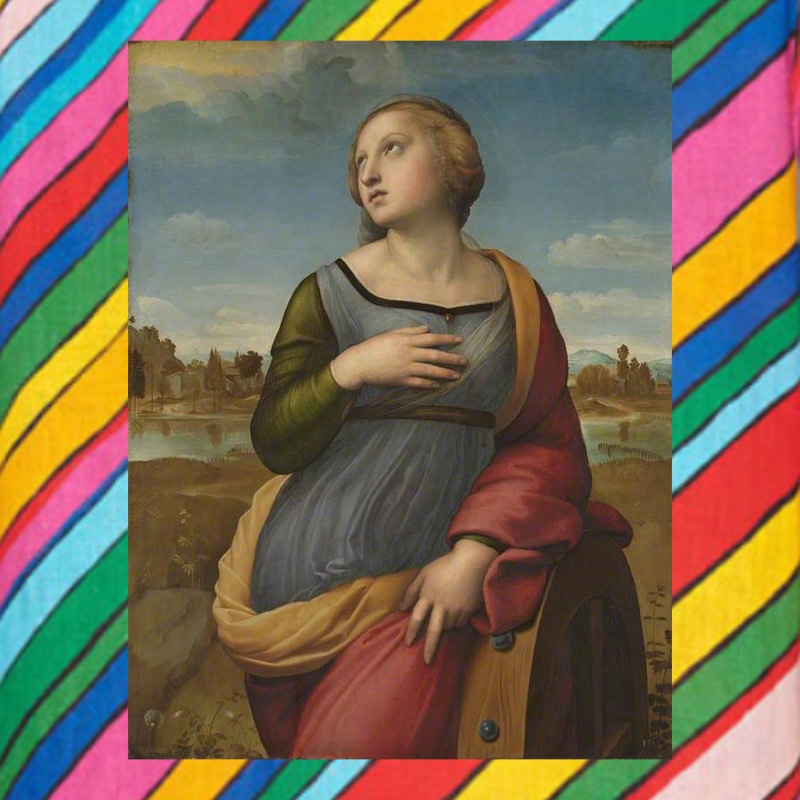

(3) Women. Curves and feminine mores are very considerately and positively represented by Raphael in his œuvre, showing keen fondness for women.
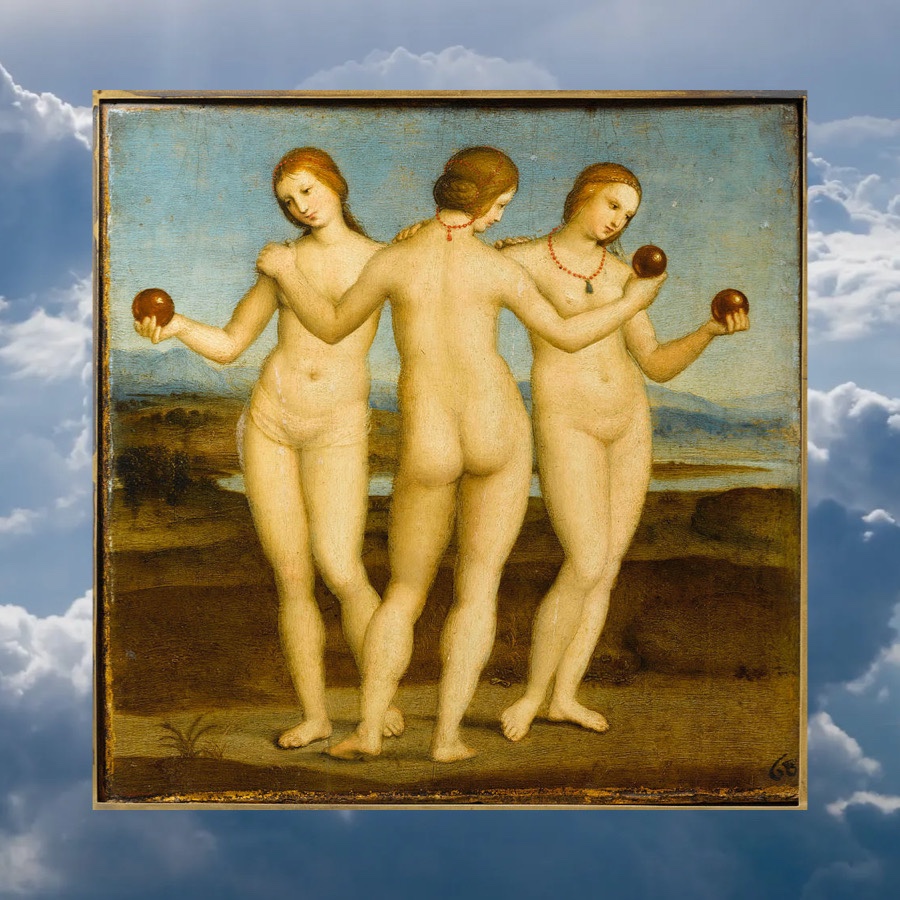
(4) Religion and philosophy are delicately intertwined, and not at all juxtaposed, perhaps the principal factor that set Raphael apart from other similar artists. Did Raphael position himself as a philosopher of sorts through the medium of spellbinding artistic mastery rather than logic, as well?


Which is most important to you?
 The Buzz-Concept Project