


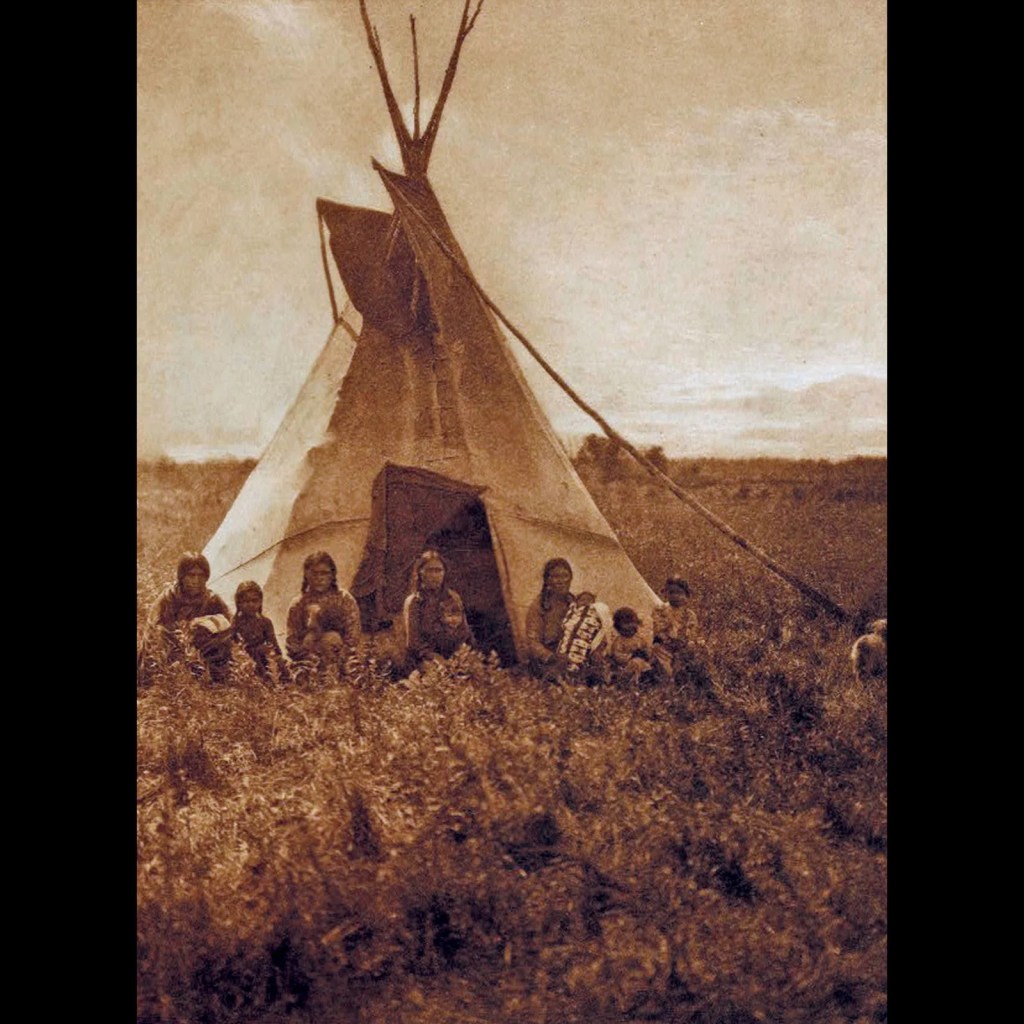
The Chipewyan (/tʃɪpəˈwaɪən/ chip-ə-WHY-ən) are an Athabaskan-speaking North American Indian people of northern Canada. They are also called Denesuline or Denésoliné or Dënesųłı̨né or Dënë Sųłınë́, meaning “the original/real people”. They are a Dene people (Dene is the common Athabaskan word for “people”), alongside the Tlicho (Tłı̨chǫ / Dogrib), speaking a Northern Athabaskan language of the broader Na-Dené family. The Chipewyan’s ancestors are identified with the Taltheilei Shale archaeological tradition. The name Chipewyan is a Cree exonym (ᒌᐘᔮᐣ) meaning pointed hides, referring to the design of their parkas. The language they traditionally speak is alternatively known as Chipewyan and Denesuline / Dëne Sųłınë́ Yatıé ᑌᓀ ᓱᒼᕄᓀ ᔭᕠᐁ [tènɛ̀sũ̀ɬìnéjàtʰìɛ́].
Dënësųłinë́ has nearly 12,000 speakers in Canada (out of over 30,000 Chipewyan people), mostly in Saskatchewan, Alberta, Manitoba and the Northwest Territories. It has official status in the Northwest Territories, alongside 8 other aboriginal languages: Cree, Tlicho, Gwich’in, Inuktitut, Inuinnaqtun, Inuvialuktun, North Slavey and South Slavey.

Dënësųłınë́ hësłı̨ bëghą hosdíh I am proud to be Dënësųłınë́
Noutaounynan ca tayen ouascoupetz, kit-ichenicassóuin sakitaganiouísít; pita ki-ouitapimacou agoué kit-outénats. Pita kikitouin toutaganiouisit. Assitz, ego ouascouptz. Mirinan oucachigatz nimilchiminan, ouechté teouch. Gayez chouerimeouinan ki maratirinisitâ agoué, ouechté ni chouerimananet, cakichiouahiamitz. Gayeu ega pemitaouinan machicaoueintan espich nekirak inaganiouiacou; miatau canoueriminan capech. Pita.
Our father, which art in heaven, hallowed be thy name. Thy kingdom come. Thy will be done on earth as it is in heaven. Give us this day our daily bread. And forgive us our debts, as we forgive our debtors. And lead us not into temptation, but deliver us from evil. For thine is the kingdom and the power and the glory for ever and ever. Amen.
įłághε 1️⃣ one, náke 2️⃣ two, taghε 3️⃣ three, dįghi 4️⃣ four, solághε 5️⃣ five
dεnεyu 🚹 man
ts’έkwi 🚺 woman
łį 🦮 dog
sa 🌞 sun
tεdhεzaέ 🌝 moon
tu 💦 water
dεlgai ⬜️ white
dεltthogh 🟨 yellow
dεlk’os 🟥 red
dεlzεn ⬛️ black
shέti 🍔 eat
yε’į 👓 see
yεrítth’į 👂 hear
hεjεn 🎤 sing
tįgha leave
łį 🐕 dog
łįchogh 🐎 horse
tł’oghįjεrε 🦬 bison
εtthεn 🦌 deer
nuniε wolf
sas 🐻 bear
chízε lynx
nągídhi 🦊 fox
tthεlazε 🦝 racoon
ts’i porcupine
gah 🐰 rabbit
dlíε 🐿 squirrel
įyesε 🐦 bird
dεt’anichogh 🦅 eagle
hah goose
mołtsaghi 🦉 owl
nádųdhi 🐍 snake
łuε 🐟 fish
ts’εli 🐸 frog
tł’izitthoghε 🐝 bee
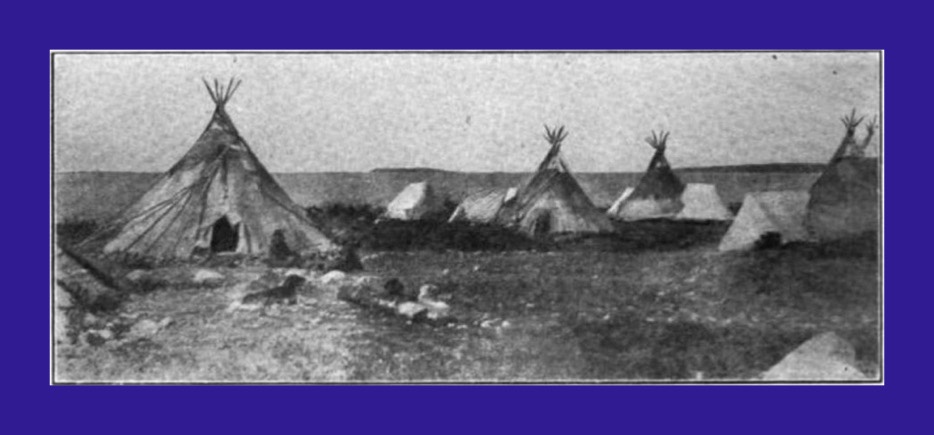
The Chipewyan originally inhabited a large triangular region with a base along the 1,000-mile-long (1,600 km) Churchill River, and an apex 700 miles (1,100 km) to the north, comprising boreal forests divided by stretches of barren ground. They were traditionally nomads who followed the seasonal movement of the caribou, organised into many independent bands. Caribou constituted their main source of food and of skins for clothing, tents, nets, and more.
Historically, the Chipewyan culture and people were depicted as ruthless. People have come to see these characterisations as inaccurate, and early 21st-century anthropologists instead characterised traditional Chipewyan culture as one in which individuals typically resort to subtlety rather than overt aggressive action, also describing social and individual flexibility -not ruthlessness- as central in techniques used by the Chipewyan for coping with their challenging northern environment. History itself suggests, rather, that the Chipewyan are a considerate-natured population. Considerate strategists, nonetheless, who took advantage of their geographic location between the British traders, such as of the Hudson’s Bay Company fur-trading post set up at the mouth of the Churchill River in 1717, and tribes dwelling further inland. Chipewyans derived large profits from this position, until a smallpox epidemic in 1781 decimated their population, ushering in subsequent periods of disease and malnutrition that further reduced their numbers.
I have previously characterised the related Tlicho as a similarly harmonious people, who speak the Language of Sempiternity with the Buzz-Concepts (1) boundlessness and (2) (re)assurance, and who are obsessed with dusk.
It is theorised that one large Mongoloid migration from Siberia spawned most -but not all- indigenous Americans. People are believed to have first made the crossing at least 15,000 years ago, but archeological, linguistic and genetic evidence has been accumulated for years suggesting that this was not the only wave of migration. A study suggests that there were at least three major waves of migrants from Siberia. The initial wave, nicknamed the “First American” group, contained ancestors of every sampled group from the Yghan in southern Chile to most of Canada’s First Nations. David Rich: “The Asian lineage leading to the First Americans is the most anciently diverged… The Asian lineages that contributed some of the DNA to Eskimo-Aleut speakers and the Na-Dene-speaking Chipewyan from Canada are more closely [and thereby more recently perhaps] related to present-day East Asian populations.” The Chipewyan are mentioned explicitly in this study as having strong Mongoloid i.e. East Asian heritage that was supposedly not fully from the proposed “First American” wave, although retaining 90% First American genetic ancestry in spite of quick mingling.
From this we can conclude in any case that the Chipewyan are very strongly Mongoloid i.e. “Orientalesque”, probably even more so than other Native American populations. Open-minded speakers of Na-Dene languages, the “Innovative” Tongues, the Chipewyan provide a nice snapshot of post-Beringian culture and Amerindian cultural affairs in general.
 The Buzz-Concept Project