Jacopo Robusti, Tintoretto: history’s most important visualist, because he preferred the paper.
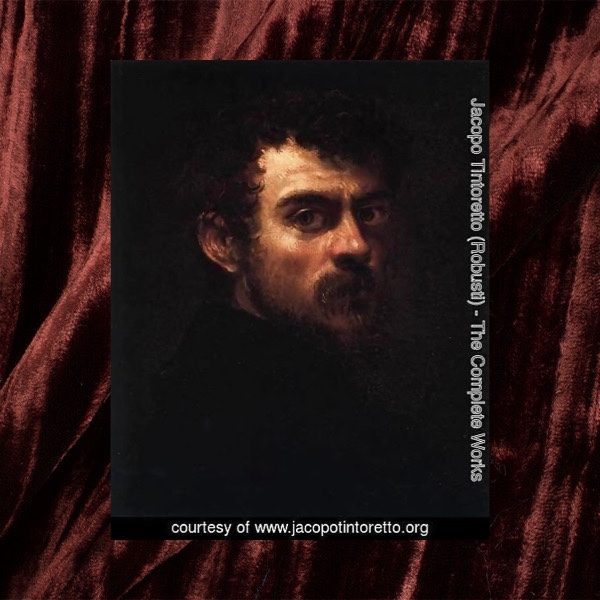

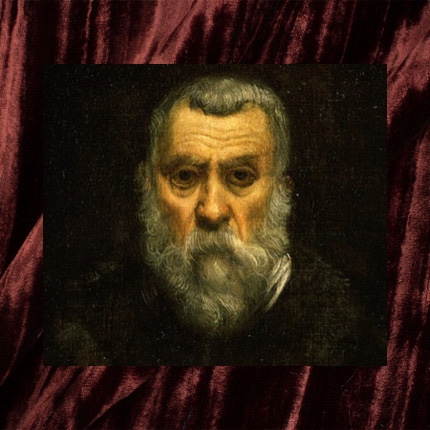

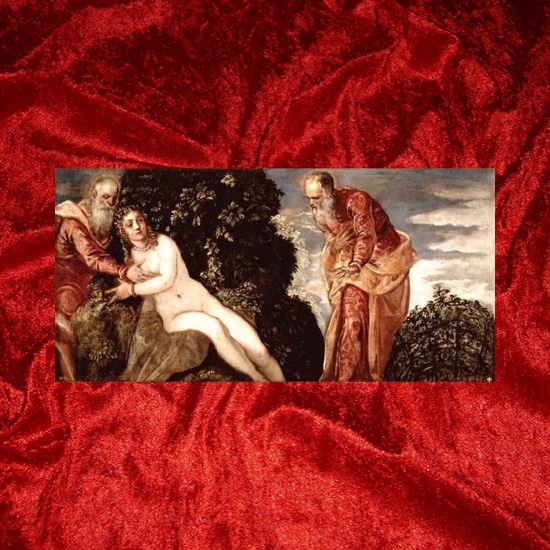
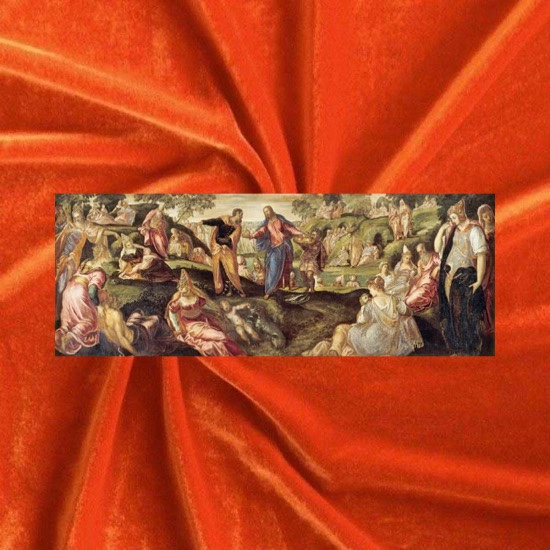
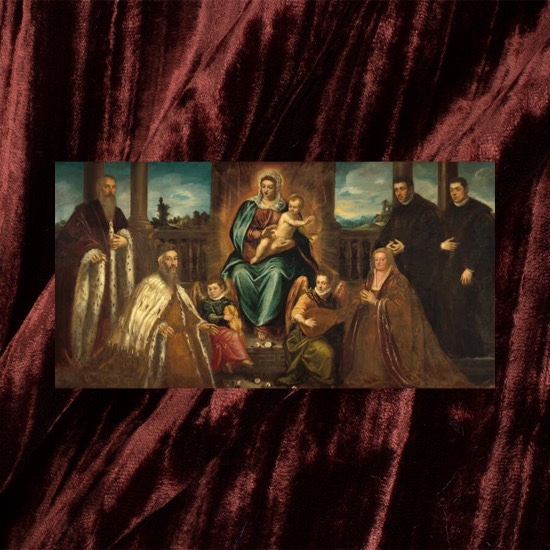
The painter Jacopo Robusti was born in Venice in 1518, the eldest of 21 children. His father, Giovanni, was a dyer – in Italian, tintore, hence the son’s nickname as Tintoretto, “little dyer”, or “dyer’s boy”. Jacopo showed an affinity for painting from a young age, daubing on his dyer father’s walls, whereupon his father took him to Titian’s studio to pursue training as an artist. The partnership supposedly only lasted ten days before Tintoretto was sent home due to Titian’s jealousy. Tintoretto would teach himself the rest, from the darkness of sidelining. His noble vision for art and his acute sense of ambition were demonstrated by an inscription in his studio: Il disegno di Michelangelo ed il colorito di Tiziano (“Michelangelo’s design and Titian’s color”).
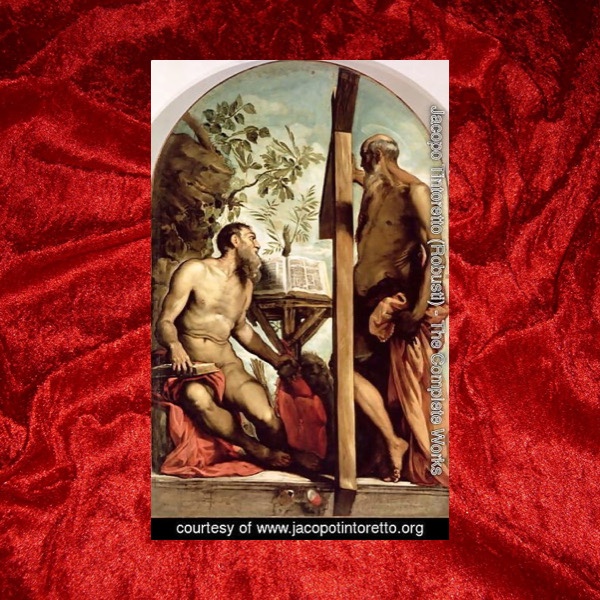
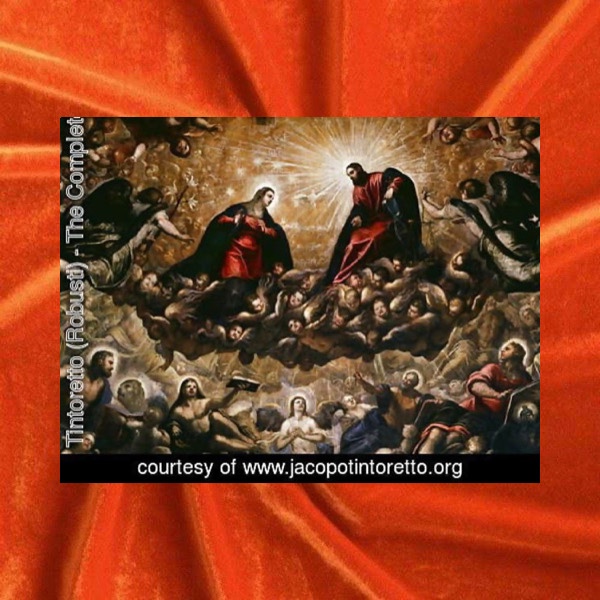
Most of Tintoretto’s paintings consists of large-scale narratives on canvas, featuring dramatic lighting and gestures. It can be concluded that his art is chacterised by audacious innovativity of approach and composition, although notably complemented by a ruthless classical selectivity of subject, the latter ardently religious and refined to inspire conventional faith among viewers.
Tintoretto was endlessly inspired by fellow Venetian painter Titian, following on from the latter’s pivotal Renaissance activity, as a Mannerist of the Late Renaissance. Tintoretto was known as il Furioso (“the Furious”) for his ferocious artistic energy, sometimes criticised for the speed with which he painted. Described as a Mannerist, he was more moved by the cause of narrative drama than stylishness in adherence to the label. And this was what distinguished Tintoretto as a master.
Tintoretto appears to lived and worked for most of his life in Venice, rarely venturing elsewhere, only once being recorded on a visit outside of the city, to Mantua in 1580. A proud Venetian, clearly -although his family had roots elsewhere- who was devoutly committed to representing his city’s bold, subversive glory in his own unique way – even if it got him harshly criticised and sidelined. For Venice.
Titian was already about 56 when Tintoretto worked under him. Upon Titian’s death, Tintoretto and another painter called Veronese picked up the reins to lead the city’s art scene. He came to control a large workshop, and designed and worked on a number of commissions for the Doge’s Palace, and more. Tintoretto died in Venice in 1594 at the age of 75.
Tintoretto’s success hinged on his habit of strictly dividing his visuality and visual experiences -of life, of his work, and the products of his artistry- from the artistry and creation themselves, which were intrinsically linked to religious faith for most artists at that time. What he liked the most was the paper and the canvases on which he worked themselves, for the possibilities for self-expression they presented. This quirk created an existential dualism in his output, that feels almost like it should really be in 3D – astutely dividing the viewers from the insiders!
 The Buzz-Concept Project