
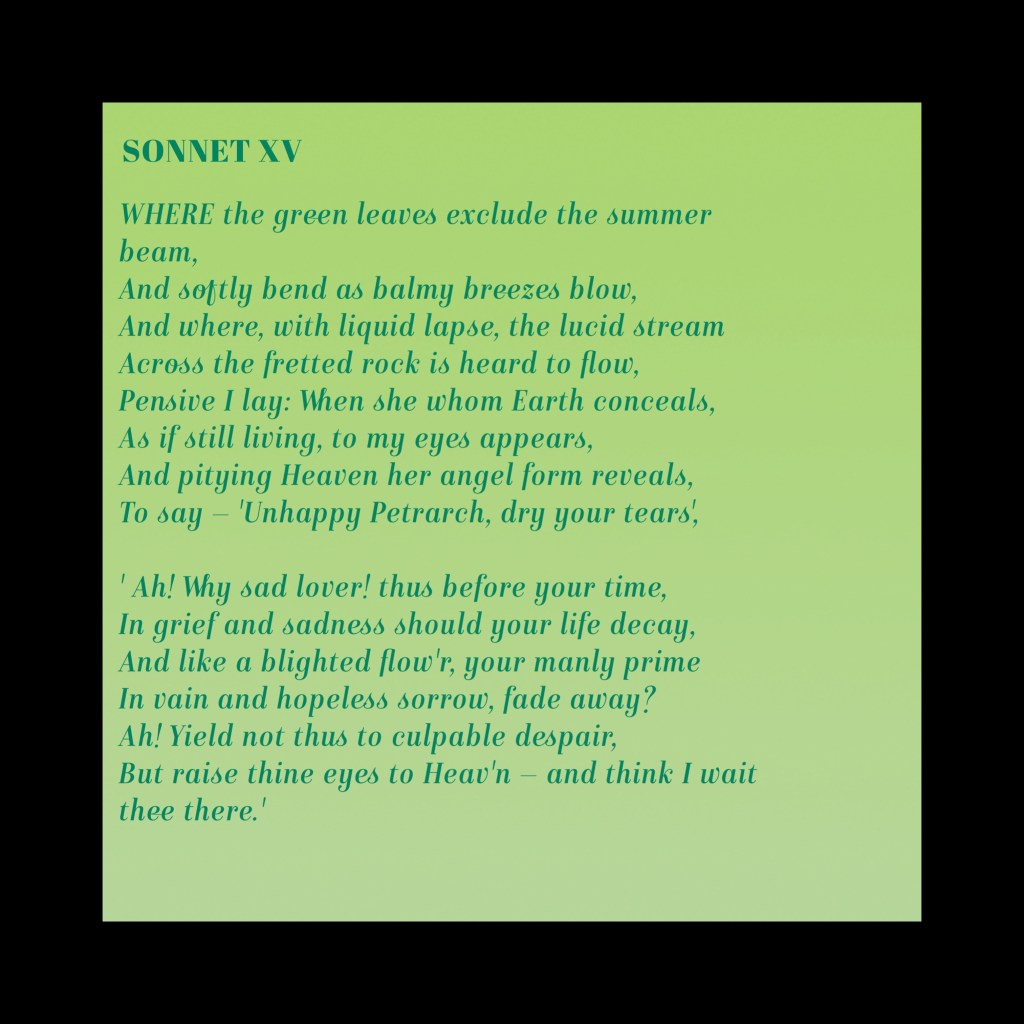

Famous Italian Renaissance poet and scholar Francesco Petrarca (1304-1374), or Petrarch, was obsessed with growth. Petrarch is lauded as a founder -no coincidence- of the Renaissance / Rinascimento / ‘Re-birth’, starting with certain esoteric endeavours of his. He was also the founding figure of the scholastic field of Renaissance humanism, and his writing style would come to be endorsed as a model in the standardisation of the Italian language. He is renowned, otherwise, for his devout Catholic precision and his inspiring zest for the surrounding world.

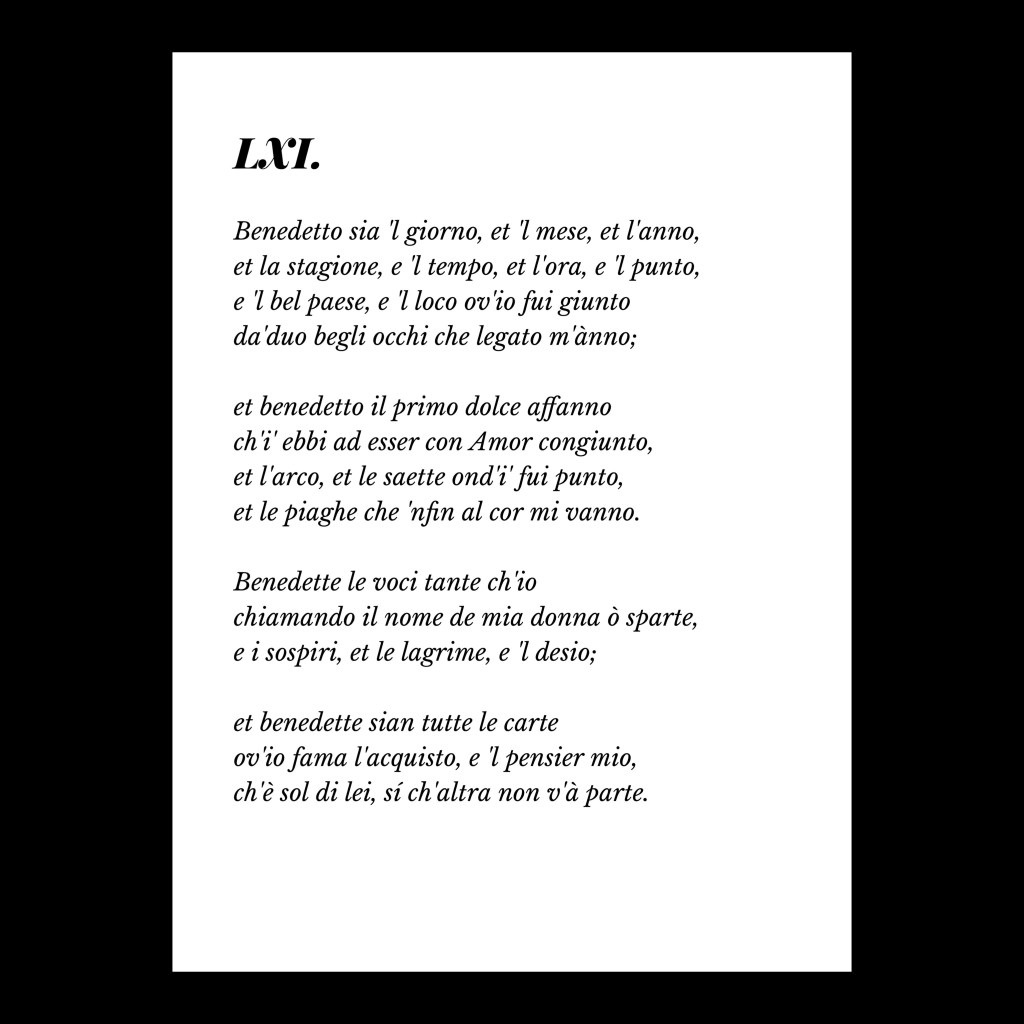
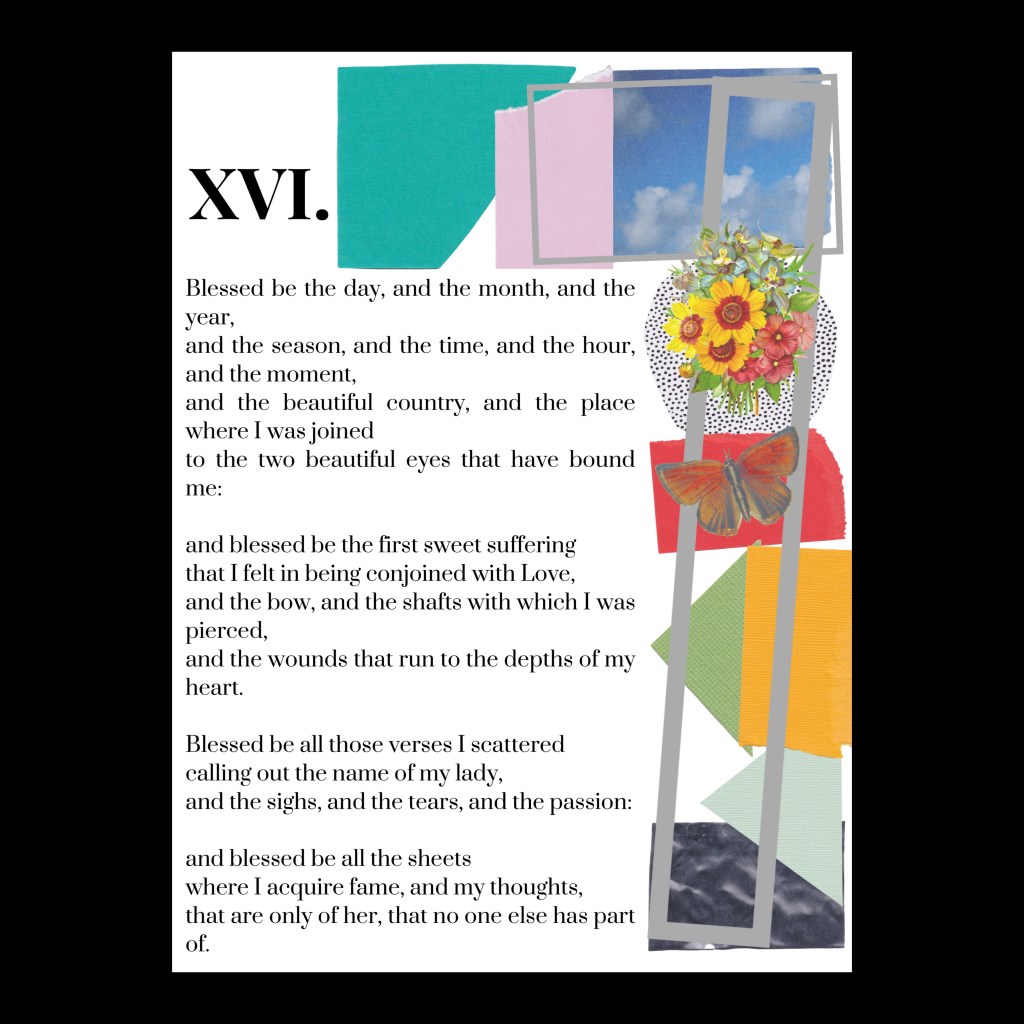
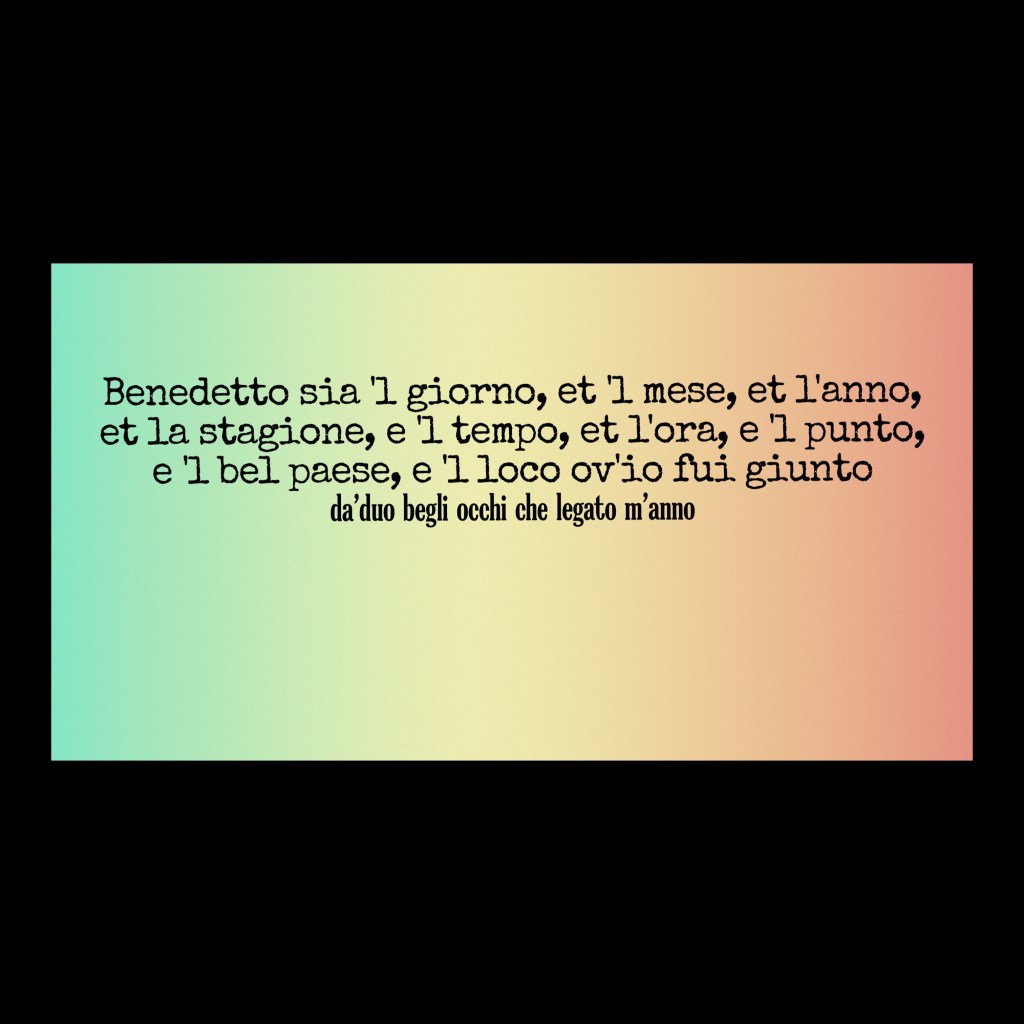
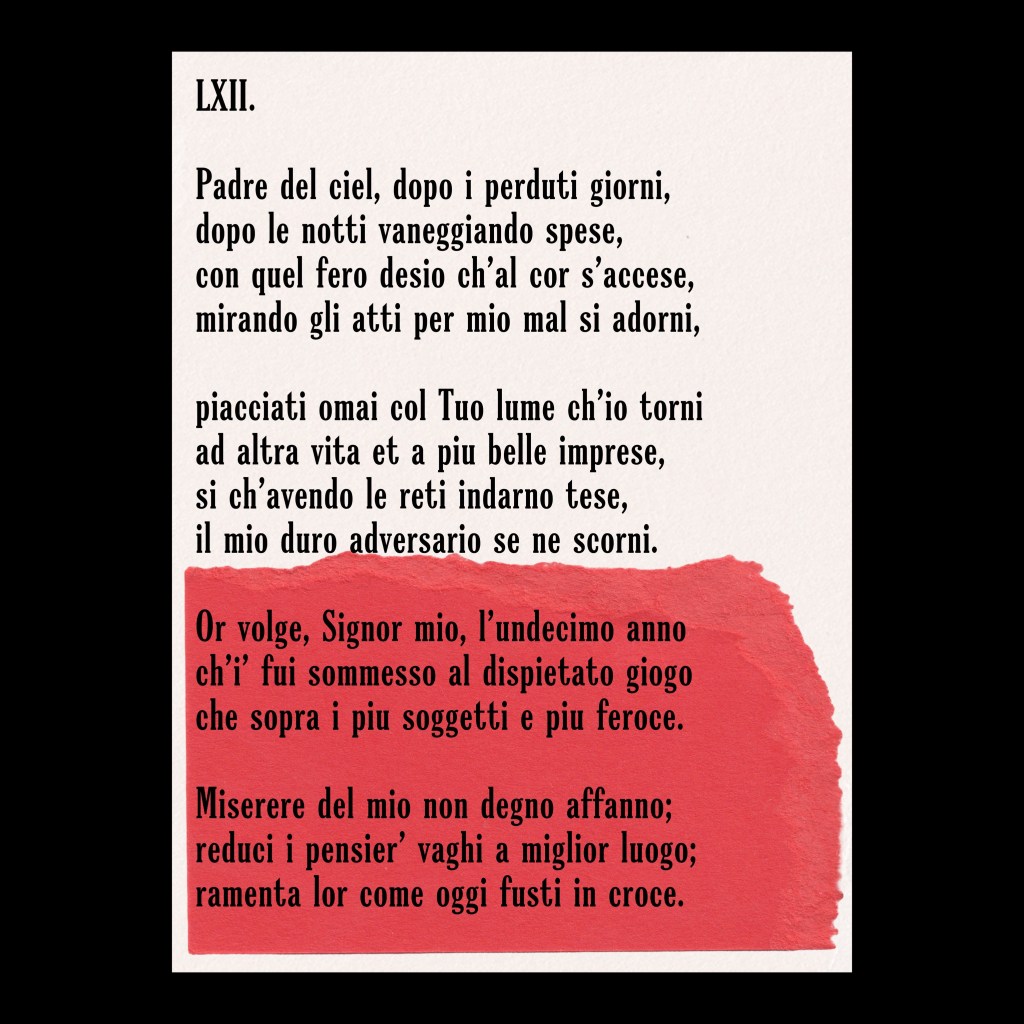
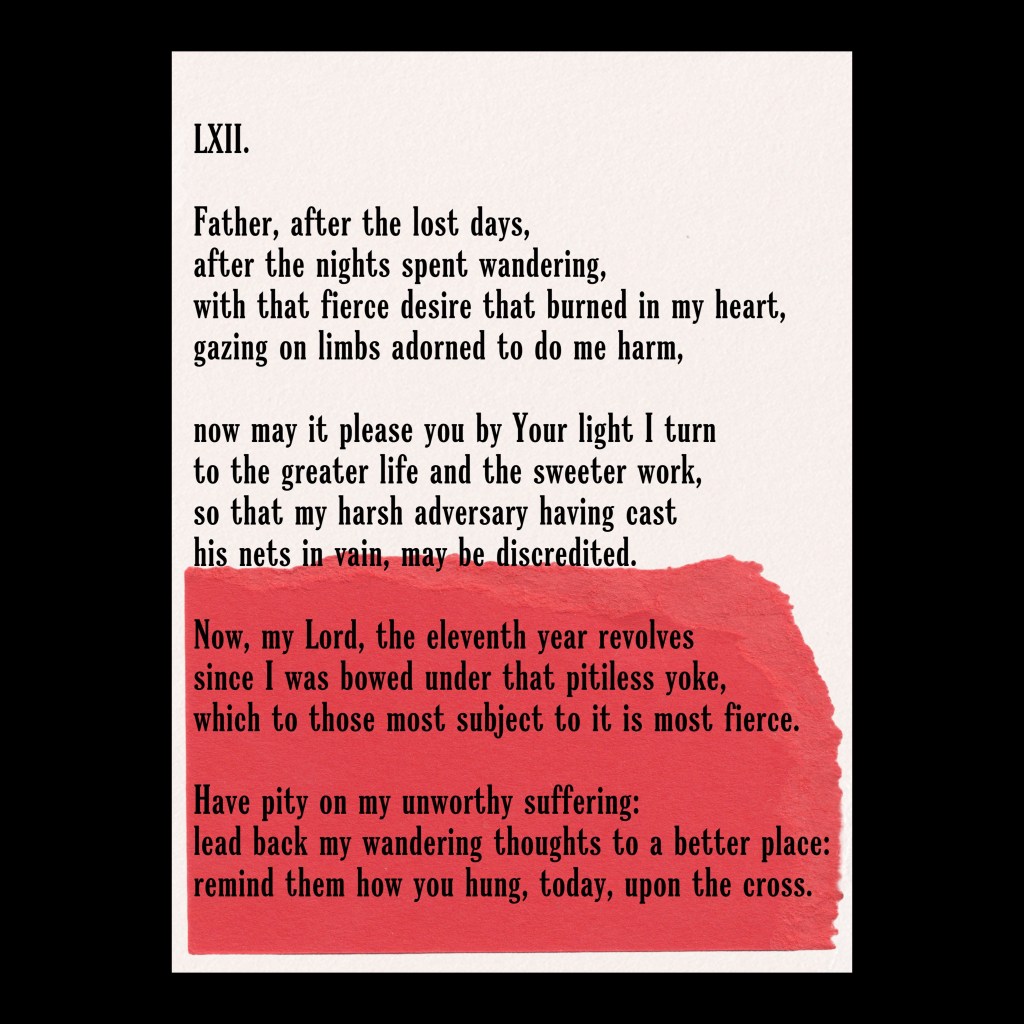

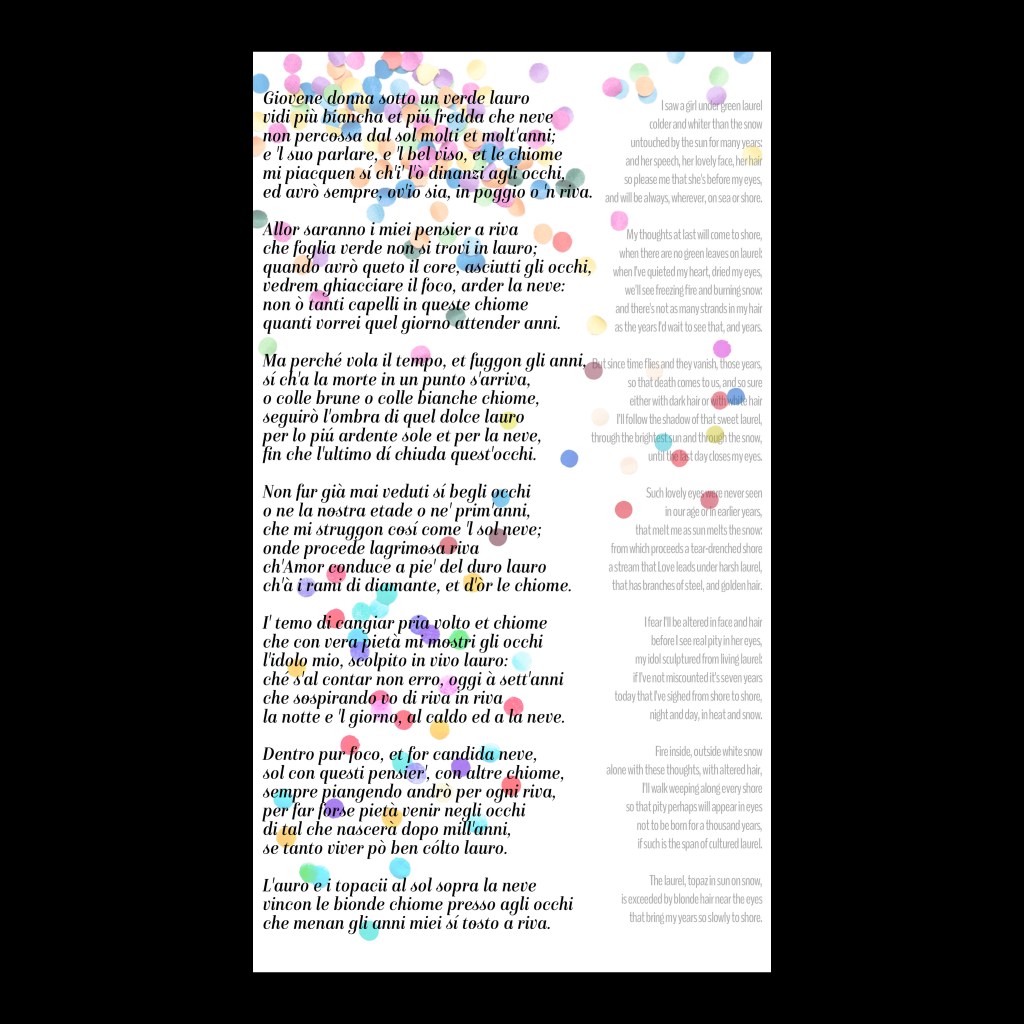
It is extremely noteworthy -with regard to the important matter of the development of the Italian language- that Petrarch’s muse, noblewoman Laura de Noves, was Provençale. Laura had an enormous influence on Petrarch’s life and lyrics, although she has never been formally identified. It is interesting that she was Provençale as, according to my ideas on the alignments within the Romance family tree (read The alignment of the Romance languages), the Occitano-Romance languages (Occitan/occitan/lenga d’óc/provençal and Catalan) are THE Romance speakers, with carefully streamlined attitudes towards language that are highly sensitive towards the pride, prestige, refinement and predilections of their Roman Latinophone forebears. Together with Gallo-Romance (French) and Italo-Romance (Italian), Occitano-Romance is a classically-inclined stream of Romance languages. Within the Western Romance grouping, we also have a lonely Sardinian, and then the progressive or even innovative stream based (in fact – don’t be fooled by the name which refers to ideology) on earlier/different varieties of spoken Latin consisting of Alpine Romance (Rhaeto-Romance, Gallo-Italian, Venetian, and others) and -across the water- Ibero-Romance (Spanish, Portuguese). The Eastern or Balkan Romance grouping consists of Romanian and closely related dialects.
Laura’s linguistically purist input is palpable in the use of modern standard Italian today, which was based on Renaissance Florentine speech, using models like Petrarch, Dante and Boccaccio, officialised from Italian unification in the 19th century. She served as a transcendently noble light and guiding force for Petrarch in life, work and faith, and whatever else. It fits that she has also incidentally played a similar role in the development of the Italian language.

 The Buzz-Concept Project