





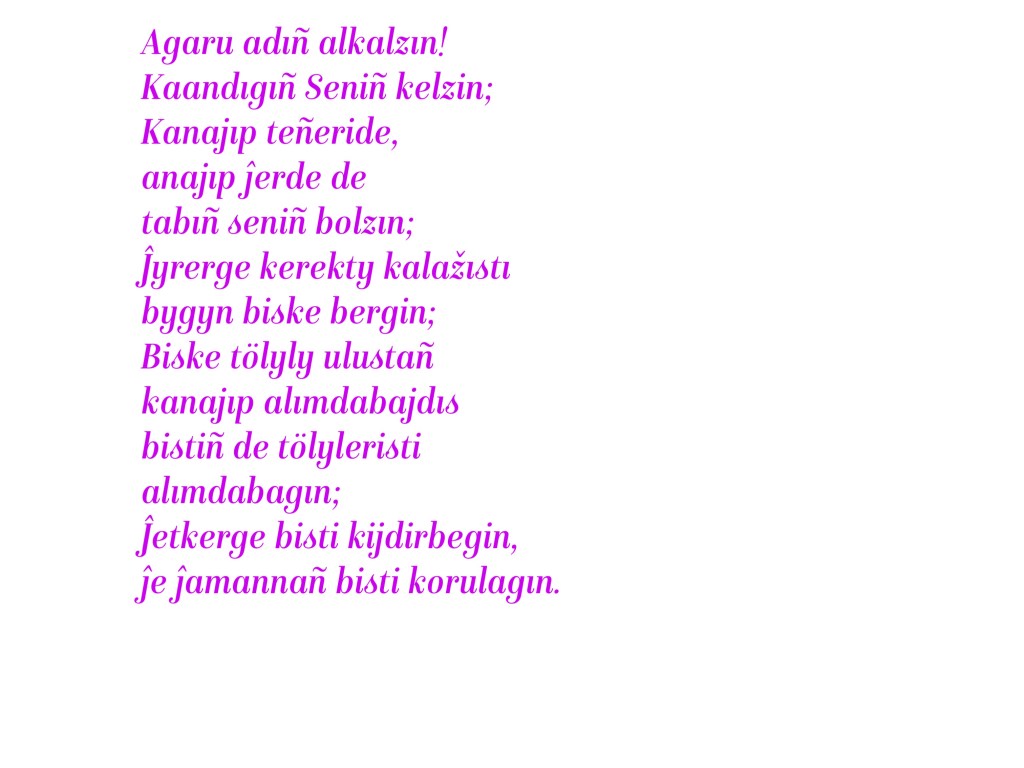
The Lord’s Prayer in Southern Altay:

Sample text in regular Altay:
Ончо улус ак‐јарыкка јайым ла теҥ‐тай тап‐эриктӱ туулат. Олор санааукаалу ла чек кӱӱн‐тапту болуп бӱткен ле бой‐бойын карындаш кирези кӧрӧр лӧ јӱрер учурлу.
Onço ulus aq-carıqqa cayım la teñ-tay tap-eriktü tuulat. Olor sanaauqaalu la çek küün-taptu bolup bütken le boy-boyın qarındaş kirezi körör lö cürer uçurlu. (Note: This sample includes the letters є and ї, which do not appear in any Altay alphabets. The pronunciation of these letters is actually not known.)
All human beings are born free and equal in dignity and rights. They are endowed with reason and conscience and should act towards one another in a spirit of brotherhood.
(Article 1 of the Universal Declaration of Human Rights)

“Hello!” in the small Altaian language of Siberia is { Эзендер! Ezender! }
Today, the Altaian language has but around 68-70,000 (figures vary) speakers. As with all small tribal indigenous languages, the features of Altai reflect the particular environment of the speakers, showcasing their close relationship with nature, understanding of flora and fauna, centuries-old folk wisdom, spiritual traditions, and helping to preserve their collective memories and experiences as a people. Altai is classified as a Turkic language, which is often considered to belong to the proposed Altaic primary language family – whose existence I disagree with on the premise that the similarities are merely the result of a large sprachbund. Nonetheless, acceptance of an Altaic grouping is being aggressively promoted by many linguists – which has become a very problematic situation in light of the demure Turkic spirit, to which the pro-Altaic aggression is extremely contrastive and offensive. The Turkish government -with about 40% of all Turkic-speakers being native speakers of Turkish within the Oghuz branch, also including Azerbaijani and Turkmen- is concerned by the issue as certain discordant characteristics are being erroneously superimposed on and presumed of them by arrogant linguists with their frigid esoteric agendas. My belief being that the Turkic languages are a primary grouping by themselves, a primary family founded tens of thousands of years ago by the Original Pinnaculars, the “Gracious” Tongues but beyond this the Languages of “Absolutist Neurologisation”, also including the widely accepted “language isolate” Burushaski of Pakistan and in the context of having provided a key stratum of profound influence in the Berber and Egyptian/Coptic languages (Afroasiatic/Semito-African) of North Africa.
The simple fact is that the Turkic speakers themselves don’t feel comfortable with the prickly Altaic label, also generally including Mongolic and Tungusic. I have classified Mongolic and Tungusic both as “Orientalesque”/Amurian/Mongoloid languages, whose ideologies/essences cast stark discordance with the authentic Turkic tradition. Will we be able to correct this poisonous dynamic? Who knows? It’s an alarming state of affairs. Economic activity has already been compromised.
Remote Altai, meanwhile, is normally classified as Kypchak Turkic, closely related to the Kyrgyz language of the Kyrgyz people of Kyrgyzstan. The Kyrgyz and the Kypchaks more broadly are THE Turkic people, heirs to the purest iteration(s) of the original Proto-Turkic culture.
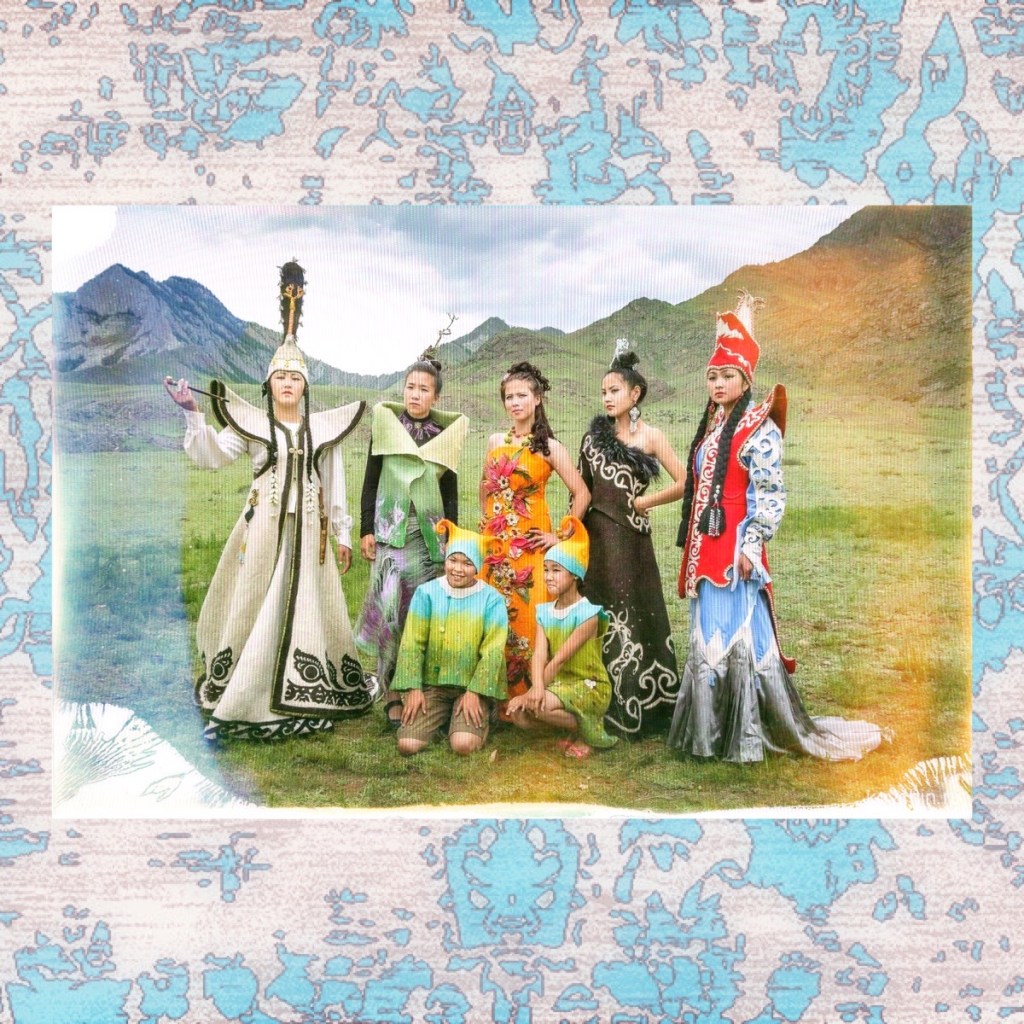
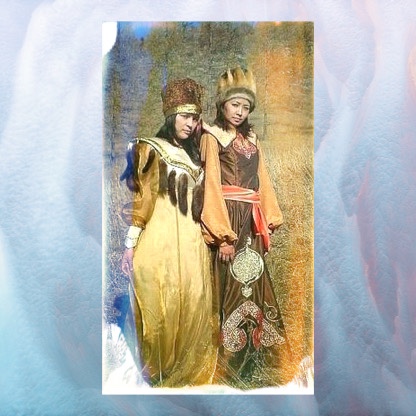
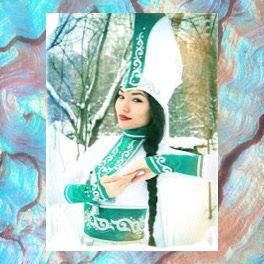
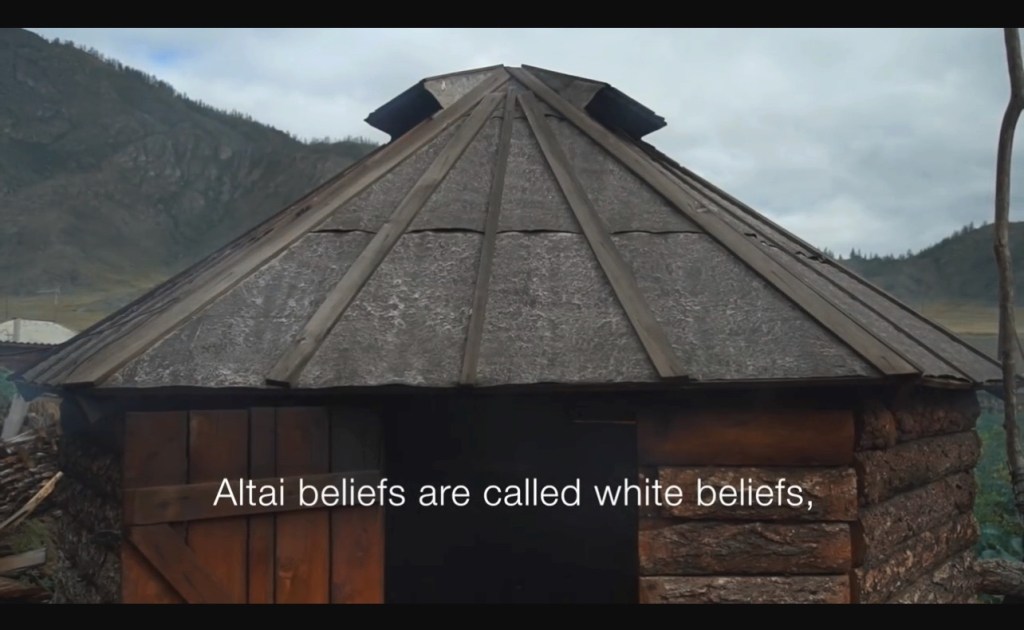
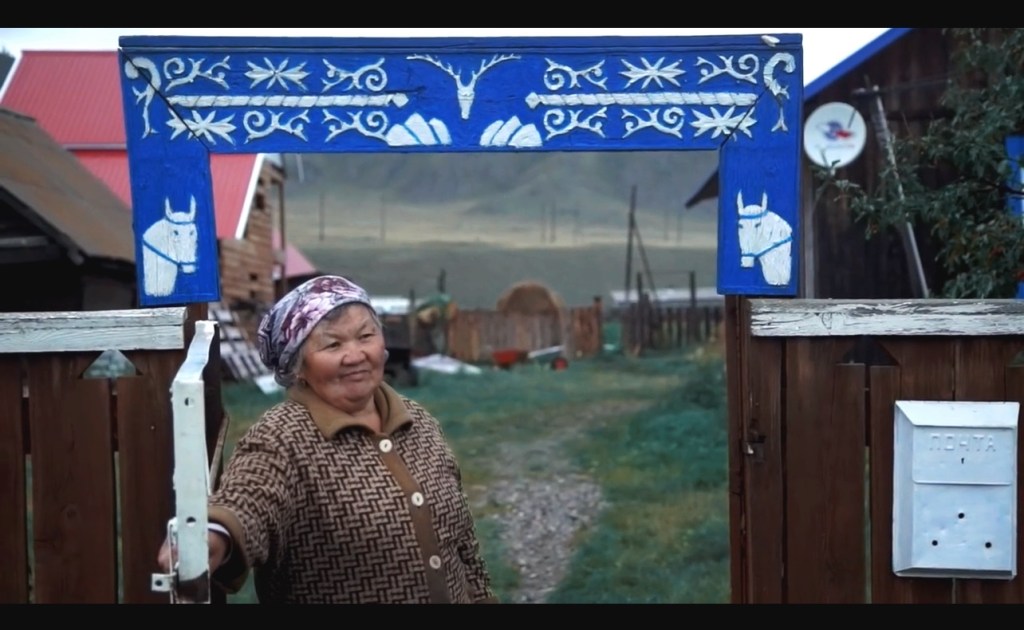
The Altai people (Altailar), who share their name with the Altai Mountains, are not cold but warm-hearted and gentle-spirited. They adore nature, but are also obsessed with the notion of (Western) philosophy.
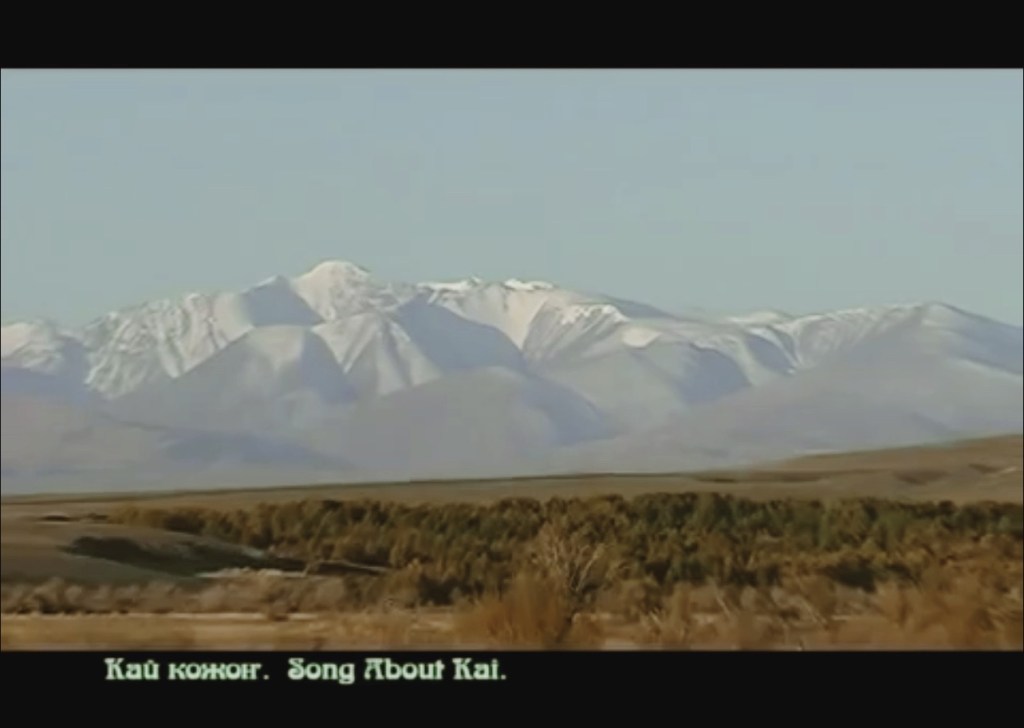

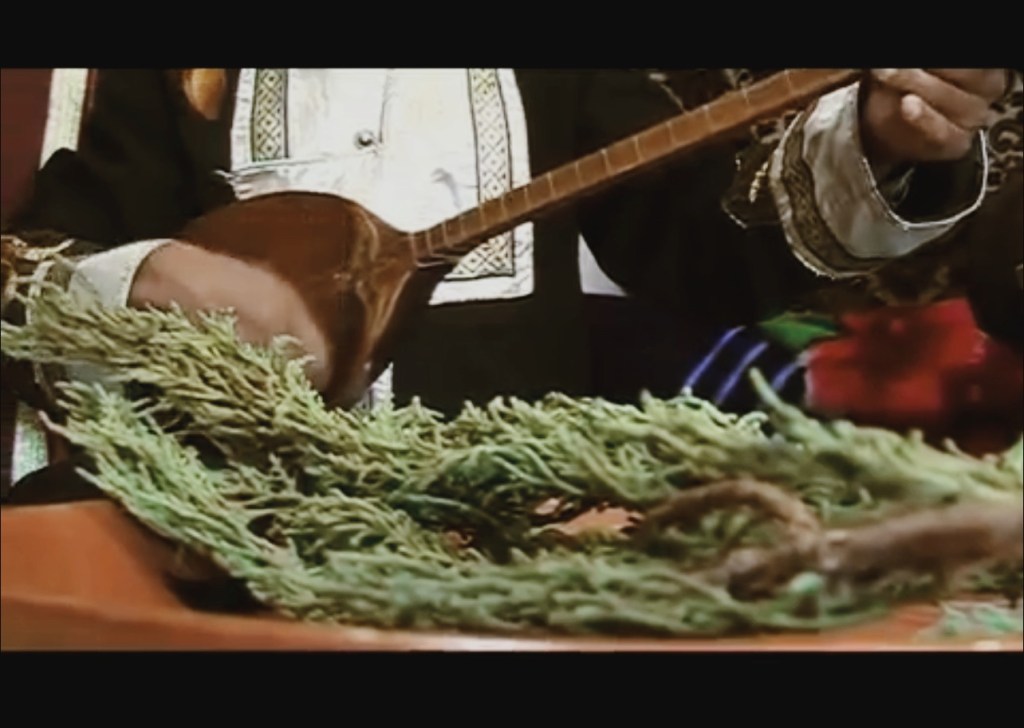

The Greater Altai region, including Russian Altai, western Mongolia, northwestern China, and far eastern Kazakhstan, is deemed to be of global importance. This is not just because of its amazing natural features – wild river valleys, wind-blown steppe grasslands, snowy peaks, and its status as a habitat for snow leopards, argali sheep, eagles, and other remarkable yet endangered species. Otherwise, its landscapes are scattered with ancient burial mounds, petroglyphs, and stellae, and more evidence of rich prehistoric human activity. The Altai Republic contains the “Golden Mountains of Altai” UNESCO World Heritage Site. The term Altai derives from the Turkic word for “Golden Mountains”; compare Turkish altın (“gold”), dağ (“mountain”), and al (“red, colorful”) which altın is probably connected to. The local indigenous peoples, led by the Altai themselves who form 35% of the Altai Republic’s population, continue to cherish and lovingly maintain their aeons-old culture and authentic traditional lifeways. They are thus at ease with the discrepancy between their tribal lifestyles and Western-European development. These human traditions are nonetheless being threatened by tourism, and the natural environment is even more at risk thanks to mining, waste management, excessive logging, poaching, overexploitation, habitat disturbances, and climate change. The disturbances hurt the Altaians sentimentally, and they have sworn to live free from external mores in order to pay their respects -to ancestors, to their habitat- as this irreversible damage takes hold.
While the Proto-Turkic language is estimated to have been spoken 2,500 years ago, the Turkic tradition (or better, “Turkique”, to include the Burushaski and those who settled in North Africa), dates back much further. Today, the Turkic languages buzz about grace/classiness/tactfulness and related concepts. These Buzz-Concepts promote social cohesion and harmony with great neurological efficacy and thus potency. The tradition of Turkic or “Turkique” pinnacularity dates back tens of thousands of years, back to when all humans still lived in the original homeland of Africa:
The original Turkique/Turkic race has been all but completely diluted, but the essence of their legacy has been preserved by the contemporary Turkic peoples. How? The pioneering Origino-Turkique superior culture would take them to such heights within primitive experience that the primitive Turkiques would go on to become the Original Pinnaculars of the human population. Modern Turkic peoples simply roll with this tradition of cultural “pinnacularity”. Turkic peoples are characteristically tactful and classy, traits which serve as trump cards when it comes to determining who gets to occupy the pinnacle of worldly experience.
The Turkic “pinnacularity” has inspired colossal developments throughout world history, as the rest of us seek to live up to their example or even out-do their cultural legacy – as with the great cultures of Europe! It is surely no coincidence that some DNA research has suggested that the ancestors of Native Americans can trace origins back to this small obscure mountainous region in Siberia, tying the inception of the omnipotent Buzz-Concept infinity♾️💙 to this source, moreover. People are believed to have crossed over the ice from Siberia to America some 11-30,000 years ago. While I have previously pinpointed the original “Orientalesque” heartland, from which the Proto-Amerindians broke away culturally, linguistically, and geographically, as having been located around the Amur River and basin, this link cannot possibly be arbitrary. Perhaps the intrepid Amerindians relocated to Altai before undertaking the voyage across Beringia to the Americas. A team of researchers led by Dr Theodore Schurr from the University of Pennsylvania in the US found a unique mutation shared by Native Americans and southern Altaians in the lineage known as Q.

The Altai themselves are especially remarkable as they still sit upon a very pure form of “Turkic pinnacularity”, for the reasons alluded to above. Their love for nature, for each other, for the human experience, for their own patrimony and global heritage, speaks loudly for itself. This is definitely a high point -a high Altay-tude– from which to view the world, its progress and its failures.



 The Buzz-Concept Project